

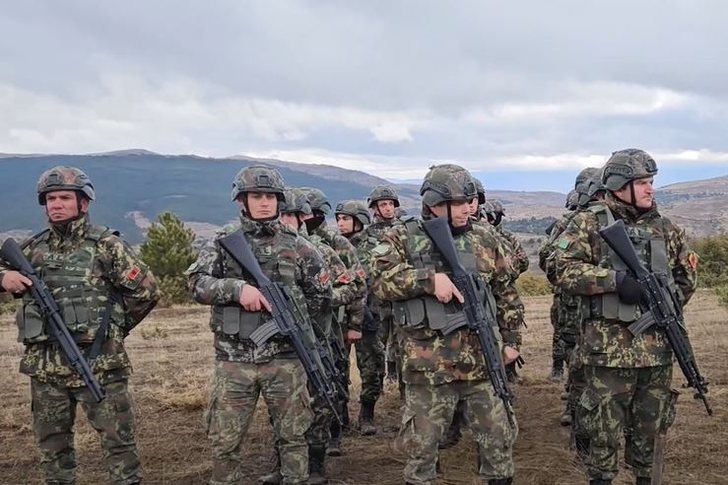
72 hours of training/ The southern infantry regiment chooses Voskopoja
The tourist village of Voskopoja has been chosen by the so...


In Albania, discussions on the construction of the Skavica hydropower plant in the cascade of the Drin river, on the other 3 hydropower plants, Fierza, Komani and Vaut te Deja, have their origins since the communist period. Only in the last two decades, this project has received the attention of several companies in at least 3 cases, but the procedures have failed. Finally, through numerous protests, the construction of this hydropower project by the "Bechtel International Inc" Company is being discussed. For this purpose, the parliament adopted a special law 3 years ago. The Voice of America correspondent in Tirana, Mimoza Picari, presents a comparison of the arguments of civil society, lawyers and public authorities on this issue.
Since 2021, when the law defining "The special procedure for the negotiation, execution and approval of the contract with the company "Bechtel International Inc", for the design and construction of the Skavica Hydropower Plant, and then a VKM for the approval of the contract was approved of the first phase for technical services between KESH and the company in question, two associations that represent the interests of the inhabitants of the Black Drin valley, as well as the Albanian Helsinki Committee, have raised some concerns, which were concretized with appeals to the Constitutional Court. They claim that the Sakvica HPP threatens the lives of over 15,000 residents in over 40 villages and brings irreparable damage to the environment, cultural heritage and economic activity in the area. The appellants appreciate that the law itself violates several constitutional principles, such as the right to information on environmental issues, economic freedoms and avoids competition as it defines a single company for study and construction.
On the other hand, the official authorities argue that the construction of HEC Skavicë will increase the production of energy through hydropower plants in the country, which currently covers over 70% of the needs in the country, as well as will avoid flooding in the area of ??Subshkodra. The law defines two phases. The first phase envisages conducting studies and analyzes in the area, and the second phase the construction, which will depend on the results of the study. The project is in the first phase. KESH has paid the company "Bechtel Limited" - branch in Albania, for conducting the study with a value of about 16 million euros.
One of the objections is related to the lack of studies on the affected areas, economic assessment or costs, before the law was approved.
"Every law before drafting and approval must go through a preliminary assessment. In this case nothing was done. The government does not know how many residents will be affected, what is the economic volume of the area, and what is more, it does not even know what the future potential of this economic volume is. Because there is no study. In such big investments, there should be studies", said Dorian Matlija, executive director of Res Publica, for the Voice of America.
Government representatives asked in the Constitutional Court, in December of last year during the session where the arguments of the parties were presented, why studies were not carried out before the adoption of the law, said that the law was adopted precisely for this reason, in the first phase. to carry out the studies and calculate the costs. The public authorities informed the fact that the construction of the Hydropower Plant belongs to the second phase, and depends on the results of the study. Meanwhile, the law provides that the Company "Bechtel International Inc." will assist the government in securing financial support for the project.
Members of the Constitutional Court also discussed the reasons for the adoption of this law in the session.
"Why do we need a law on the negotiation procedure? Where does the need for this law come from? So it is dedicated, it is only for the "Bechtel" company, only for Skavica. What is the legal basis? Why does the government do this?. Is it political will? Or is it a legal obligation? This is the question" - said Holta Zaçaj, President of the Constitutional Court in the session that took place at the Constitutional Court in December 2023.
"It can be negotiated with a private entity only through a legal procedure. Today we know several forms of how to negotiate with private parties. It is the law of procurement, that of concessions, because the constitution gives you the right to negotiate with a private entity, especially for those projects that have a limitation of rights, a law must be drawn up in the sense of Article 17. In case there is a violation of rights or restriction for a public interest should be done with a procedure that is determined by the law" - said Herald Jonuzaj, Representative of the Council of Ministers in the same session.
Meanwhile, KSHH told the Voice of America that in this case we have a violation of constitutional principles and legal certainty as a number of laws that provide for open competition and competition are being ignored.
"The legislation in force, on public procurements, concessions, Public Private Partnerships, the law on environmental impact assessment or strategic environmental assessment, has been completely ignored," said Erida Skëndaj, Executive Director of the Albanian Committee of Helsinki, for Voice of America.
A similar case of a law that defines a special procedure to negotiate with a single company is the one for the construction of the National Theater, which was abolished by the Constitutional Court in 2021. Meanwhile, at the Center for Official Publications, the Voice of America also found laws others of this nature, such as the one for the construction of the port of Karpen, the airport of Vlora, the construction of the Arbri road, or cyber security. Lawyers who protect the rights of the inhabitants of the Black Drin valley have a critical approach when it comes to the adoption of such laws that define specific companies for the construction of various works.
"Such practices, I consider legislative corruption, through the granting of privileges through the law, creating collective immunity for decision-makers. This is the most harmful thing for a state of law," Jordan Daci, a lawyer, told VOA.
But one of the serious concerns of the associations opposing the construction of HEC Skavica is related to the fact that the law stipulates that both the environmental impact study and the construction be carried out by the "Bechtel" Company. Lawyer Dorian Matlija is skeptical even though the opposition will be conducted by KESH.
"Studies of this nature that are of the first phase should be done by the body that develops the project, which in this case is KESH, or the relevant Ministry. It cannot be done by the contracted private entity, even more so when this entity is the one that will also build the work. We are in an open conflict of interest" - continued Dorian Matlija, Lawyer.
This was a moment that got the attention of the members of the Constitutional Court, during the session where the parties presented their arguments.
"Why is it the same company that does the feasibility study and, according to the law, it is the one that will conclude the second contract that deals with the implementation. Is there a reason" - addressed Holta Zaçaj, President of the Constitutional Court, to the representative of the government.
"I don't see any legal obstacles. It may be a study that tomorrow the company withdraws in the second phase. This does not mean that we may not continue with another company" - answered Herald Jonuzaj, Representative of the Council of Ministers.
The right to inform the public affected by the construction of HEC Skavica on environmental issues also aroused the interest of the members of the constitutional court, in the session of December last year.
"The affected public when should be asked, before the adoption of the law, or after the adoption of the law" - asked Elsa Toska, Member of the Constitutional Court.
"The opinion of the public will be taken at the moment these studies are carried out, on the basis of scientific data but also the studies that the parties have done on their own initiative. When the second phase of consideration and granting of the right for the construction of the hydropower plant comes, which will definitely pass in the Assembly, it requires extensive consultation" - answered Mimoza Arbi, representative of the Assembly of Albania.
The Constitutional Court, bearing in mind that the law regulates the Skavica project in two phases and the second phase begins only if the first phase is finalized, assessed that the petitioners are legitimate only for the claim of violation of the right to information on environmental issues. The court tasked the public authorities with repairing the found violation and guaranteeing the right to information during the first phase of the implementation of the law, as well as the obligation to take into account the results of the environmental protection information process, as far as it is possible, pursuant to Article 8 of the Aarhus Convention.
"The government must have the maximum will to listen to the residents and above all to listen to the experts and institutions of the Albanian state itself, the Academy of Sciences, the Institute of History, that of Archaeology. Everyone in cooperation will be able to prove to the government that this initiative is wrong" - continued Jordan Daci, lawyer.
Although the non-governmental organizations were not legitimized for most of their claims, such as the violation of economic and competition freedoms, damage to the environment, cultural heritage or the rights of the inhabitants of the Black Drin valley, which are affected from the construction of HEC Skavica, confirmed to Voice of America that they will continue the legal battle in the Constitutional Court, if the second phase of the law that provides for the construction of this hydropower work is passed. /VOA

The tourist village of Voskopoja has been chosen by the so...

Prime Minister Edi Rama has published images from the NATO...

This Tuesday, February 27, 2024, we are introducing you to...

The Court of Arbitration in Washington has rejected the re...
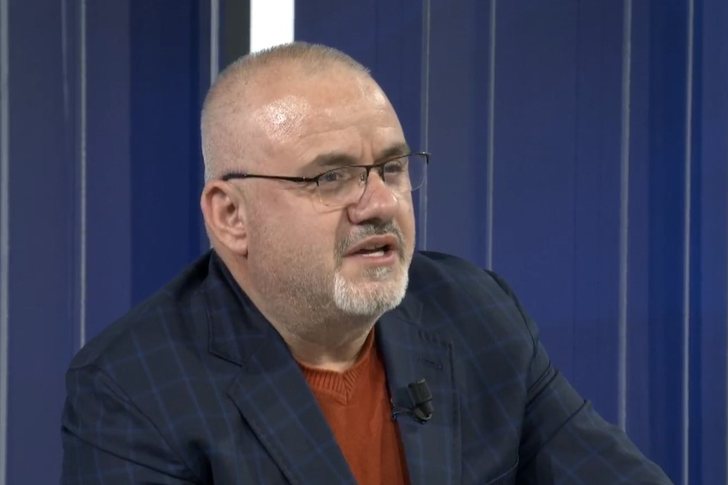
Journalist Artan Hoxha made a strong statement this ev...
The departures have not stopped at Albanian Radio and Tele...

Turizmi ka vijuar të “joshë” të huajt për të udhëtuar drej...

The Deputy Prime Minister, at the same time the Minist...
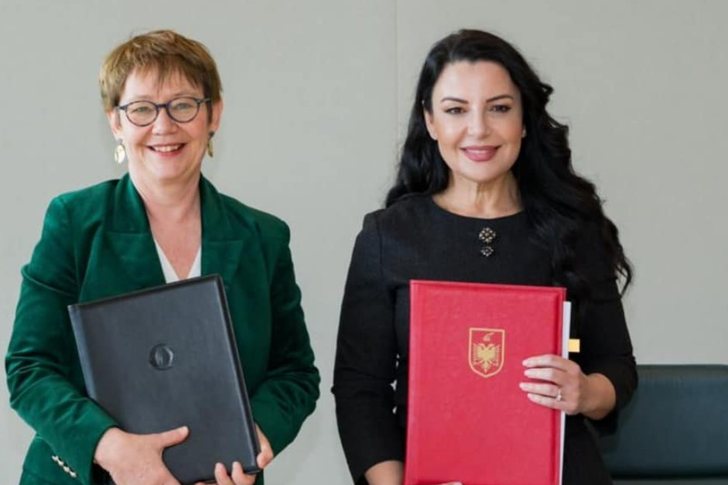
Albania has signed a foreign agreement with the EBRD for t...
Entrepreneur Gjergj Luca has made a call to citizens after...
Entrepreneur Gjergj Luca will further expand his inves...

Only two days separate us from the Summit for Ukraine that...

This photo that we are publishing is not a new material, a...
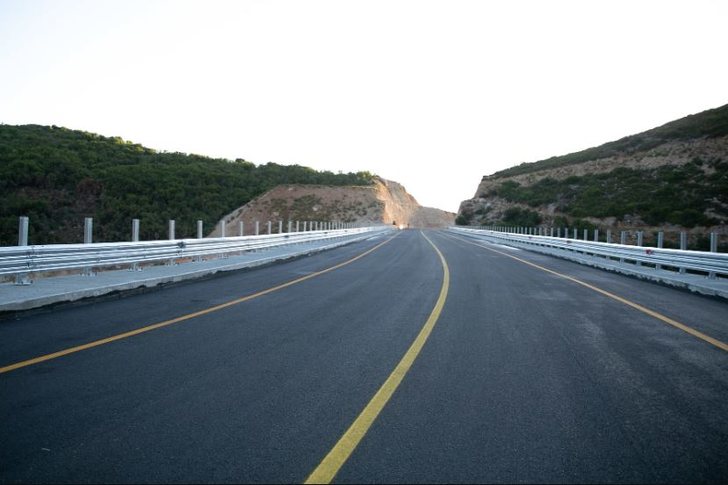
The tender for the construction of Bypass 1 Vlorë-Orikum h...
The government has designated the Ministry of Tourism and ...
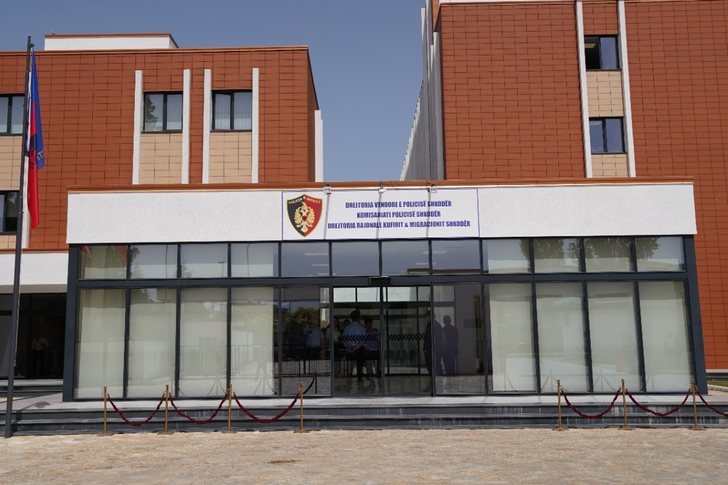
Policia e Shkodrës ka njoftuar disa raste të dhunës në fam...
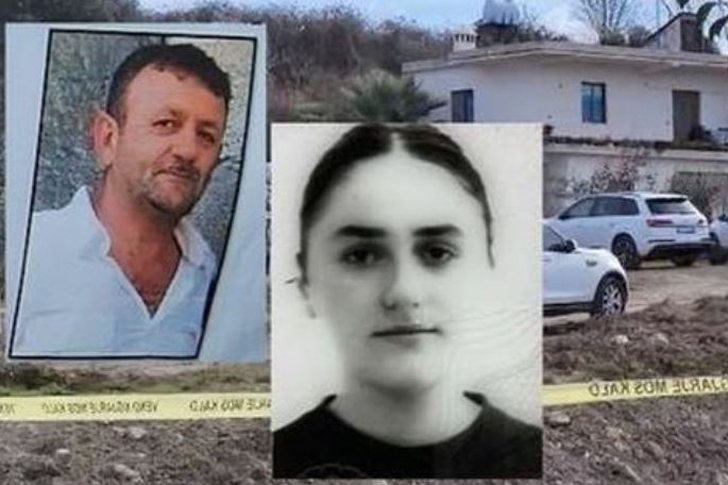
Shoqet e 19-vjeçares, Hygerta Meta kanë komentuar se s...
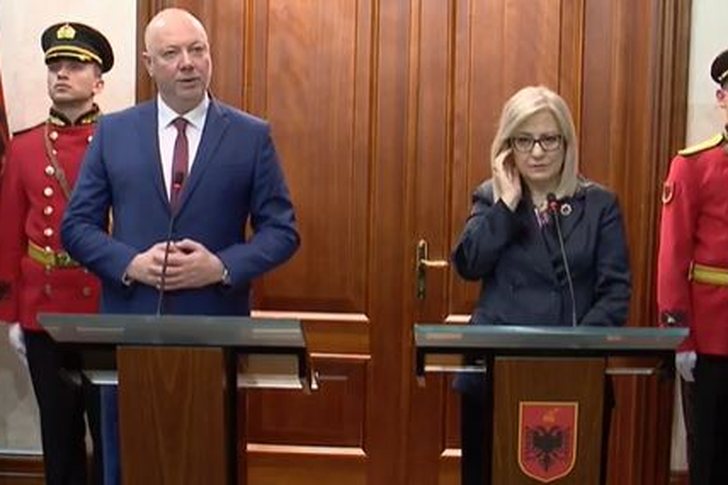
The Speaker of the Parliament of Bulgaria, Rossen Jeliazko...
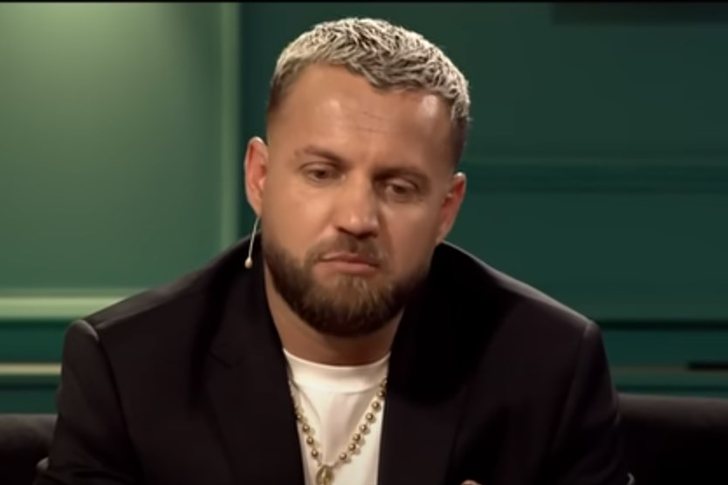
The hearing for the singer Luiz Ejlli has been postpon...
This Monday, February 26, 2024, we are introducing you to ...
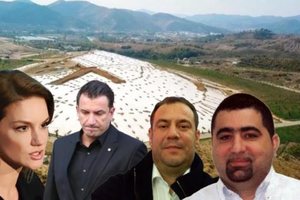
The in-depth investigations that SPAK conducted into Ajola...
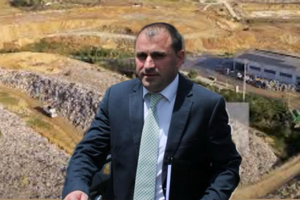
SPAK's standards, the way it investigates, how it secures ...

Irfan Hysenbelliu claims to be a big businessman, an hones...

The murder of officer Enea Mekolli in the line of duty has...

The Special Board of Appeal (KPA) decided this Monday ...

The KPA vetting decided this Thursday to dismiss the p...

Suela Salavaçi, a prosecutor in the Prosecutor's Offic...

The Special Board of Appeal reinstated the prosecutor ...

A violent conflict occurred between two people in Velipoja...
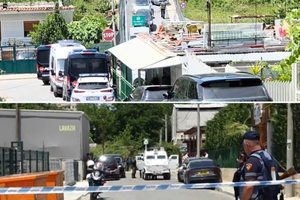
The police have reacted to the murder of citizen AB in Kam...

Tirana Police Director, Oliger Torba, gave a statement to ...

Një 59-vjeçar është arrestuar në Korçë pasi u kap duke lëv...

On Monday, our country will be affected by relatively stab...

More than 860 million people fall ill and 1.5 million die ...
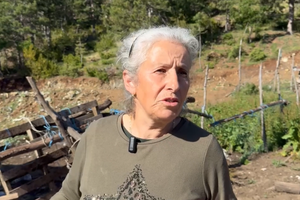
The mother of Violand Braçellari, the perpetrator of the s...

The modern European traveler seeks a meaningful connection...
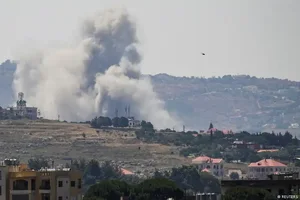
Lebanese Prime Minister Nawaf Salam has claimed that Israe...
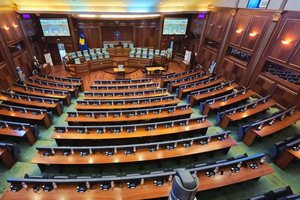
The leader of the Serbian List, Zlatan Elek, accused the l...

Australia in December became the first country in the worl...

The vote counting for political entities in Kosovo has bee...

Korça has transformed this weekend into the capital of cel...

Korça is ready to open the summer season with one of the c...

Two years after his passing, the renowned Korçë poet Skënd...
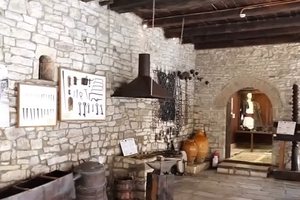
The Ethnographic Museum of Berat has opened its doors to v...
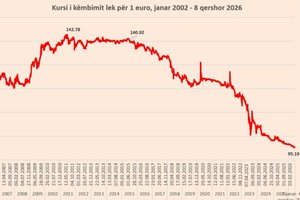
Kursi i këmbimit mes euros dhe lekut e ka nisur javën në r...

The construction sector is going through a challenging per...

This Monday, one US dollar is bought for 81.8 lek and sold...

The tourist apartment market is continuing to expand at a ...