


Murder in Kamëz/ Victim identified, other details revealed
A serious incident occurred this Monday afternoon in Kamëz...

A serious incident occurred this Monday afternoon in Kamëz...


The Electronic and Postal Communications Authority (AKEP) decided this month to remove the obligation of mobile operators to apply the same rates to calls within the network and those outside the network.
This means that mobile operators will be free to re-apply preferential rates for calls or messages within their networks.
In the final mobile telephony market analysis document, for wholesale call termination markets in mobile telephony networks,
AKEP has judged that this measure has had its effect, in accordance with the set goal.
According to AKEP, since the period when this regulatory measure was established, the situation of the operators of this market has changed significantly, where out of four mobile operators already in the market, there are only two, with approximate market shares in terms of the number of subscribers.
AKEP argues that with the new market structure with two mobile operators, the necessary incentives to apply predatory tariffs for the creation of closed groups no longer exist.
Another important factor, according to AKEP, is the decrease in the volume of voice calls, influenced by the increasing growth through OTT applications, such as WhatsApp, which have largely replaced calls and direct messages through the service mobile operators, using only the data service (internet) from the latter.
AKEP estimates that the structure of calls within the network and those outside the network has been balanced for a relatively long period. The weight of calls within the network has fallen from 93% of the total in 2013, to 56% in 2022.
The non-discrimination measure was introduced in 2014 in response to the practice of high differentiation in retail charges for on-net versus off-net calls. Such a practice (known at that time as the club effect), was especially a mechanism that the largest operators used to close traffic within their networks and not allow the growth of operators with a smaller market share.
Operators with the largest market share leveraged the widest subscriber base, offering them incentives on in-network communication time at preferential prices. The use of such a practice severely damaged the two smaller mobile operators. Assessing that such a practice was anti-competitive and an abuse of high market power, AKEP decided to stop the differentiation of retail rates for calls within the network and those outside the network.
The Competition Authority and the operators themselves are against it
AKEP's decision to remove the obligation of non-discrimination of rates between calls within the network and those outside the network was opposed in the public consultation phase by the Competition Authority. In the decision with its positions related to the analysis of the mobile market, the Competition Authority stated, in the conditions where AKEP has not yet carried out an analysis of the minority market of the mobile phone market in order to undertake the necessary measures for the regulation of this market, the measure of non-discrimination between in-network and out-of-network call rates should still be in force.
In fact, both mobile operators have expressed their opposition to AKEP's decision.
In the comments sent to AKEP regarding the market analysis, Vodafone Albania stated that the withdrawal of this regulatory measure would leave a path for operators to benefit in certain periods and reopen a price war with each other, as well as create the possibility for operators to apply preferential rates within the network, which will automatically lead to loss of income, especially in times of "price war". Also, according to Vodafone Albania, from the point of view of consumer experience, this will create confusion for the customer to understand and combine products, when there is currently a wide range of products and services on the market.
A similar position has been expressed by the other operator, One Albania, which considers that this measure should not be removed, since in any case it preserves free and fair competition in the market and avoids incentives for anti-competitive practices on the part of operators, limiting the choice of business and potentially allowing a major player to harm competition.
One Albania appreciates that the removal of the on-net/off-net non-discrimination obligation, accompanied by the reduction of termination fees, only exposes the One Albania company to negative developments in the mobile market.
Despite the opposition from all parties expressed in the public consultation, AKEP has approved its proposal for the removal of this obligation. In the answer given to the operators and the Competition Authority, AKEP, among other things, states that, in the role of the regulator, it considers not only the progress and financial health of the two mobile networks, which should result in encouraging investments and increasing the quality of service , but also the end consumer for increasing their opportunities to benefit from the relevant products/services with a reasonable and rational offer from its bidders, comparable to the countries of the region and beyond on the quality, content of the packages and the final price of theirs.
"...the basic reasons are related to the fact that the situation in which the mobile phone market is now has changed, having only two mobile operators, this also in the absence of MVNOs (virtual network operators) in this market, based on almost the same number of subscribers, under the conditions of a low level of termination fees close to the efficient cost of the termination service and in their full symmetry. AKEP undertook the measure of non-discrimination on-net vs offnet in 2014 in a market with 4 mobile operators and in the conditions of high call termination rates, where calls to other mobile networks together with the 'Club' effect penalized the most expensive operators small in the market versus the operators that had a larger market share. This was the main factor that AKEP determined this regulatory measure. In conditions where the decrease in the volume of voice calls has been significantly reduced in favor of the increase in calls through OTT services, and when the market shares of the two mobile operators Vodafone Albania and One Albania are similar, with a balanced structure of subscribers and calls , AKEP assesses that the application of this regulatory measure is no longer necessary," says AKEP's final arguments./Monitor


The President of Ukraine, Volodymyr Zelensky, has arrived ...
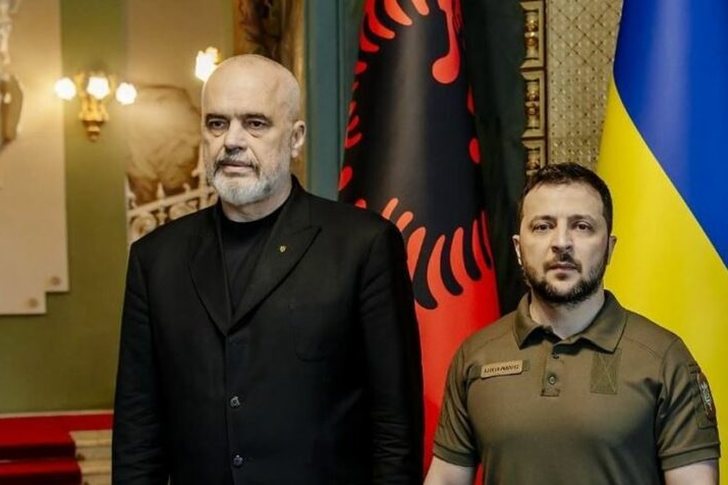
President Volodymyr Zelensky has reacted to his visit toda...
The US Department of State (DASH) said that talks in Bruss...
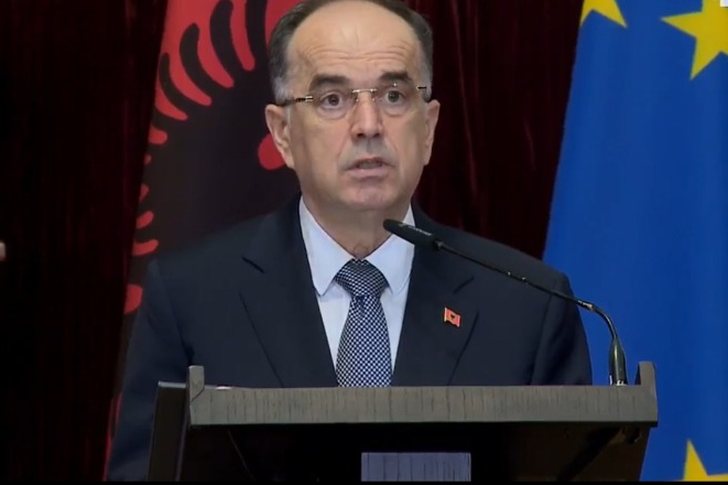
The President of the Republic of Albania, Bajram Begaj, de...
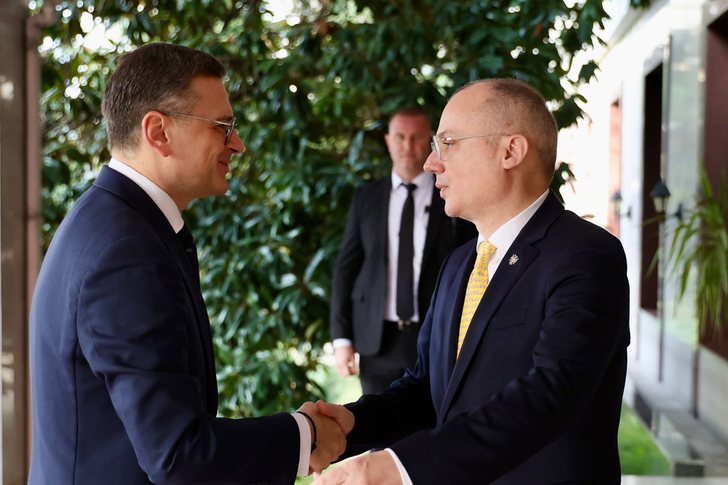
The Foreign Minister, Igli Hasani, in the conference with ...
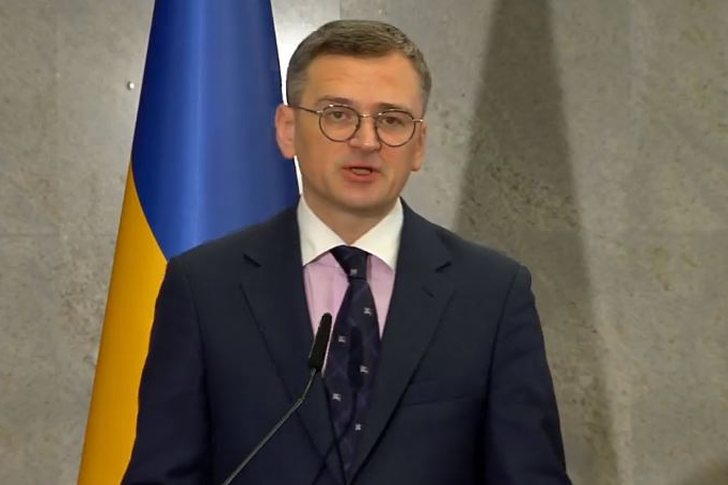
The Minister of Ukraine, Dymytro Kuleba, in a press confer...

Prime Minister Edi Rama started the day today with the vis...

Këtë të mërkurë, datë 28 shkurt 2024, po ju njohim me titu...

The President of Ukraine, Volodymyr Zelensky, has set foot...

Today, the Ukrainian Summit will be held in Tirana, and Pr...
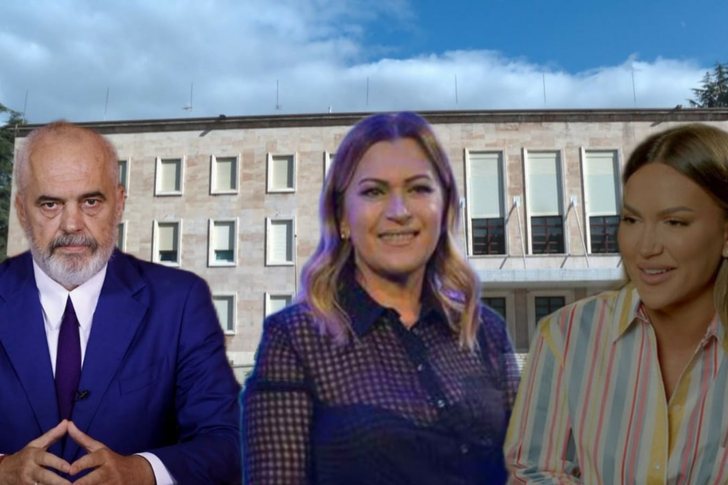
The car of one of the shareholders of "Top Channel", L...
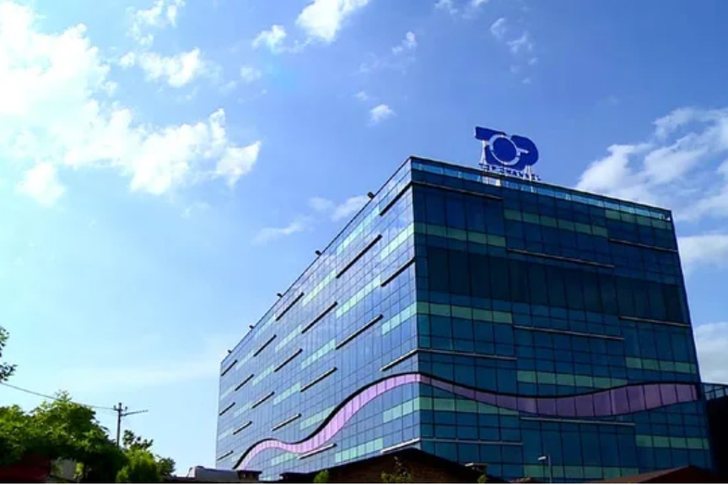
Today, the Constitutional Court held a hearing on the ...
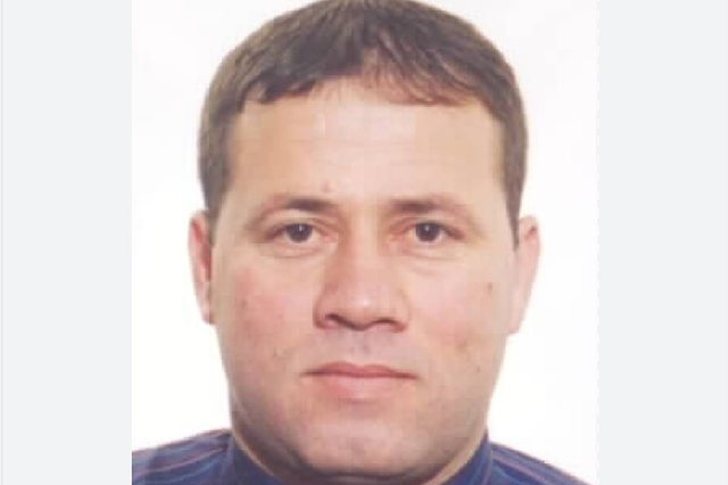
Gëzim Çela, the former Special Forces officer who was ...

The Special Court has postponed the hearing for former Pri...
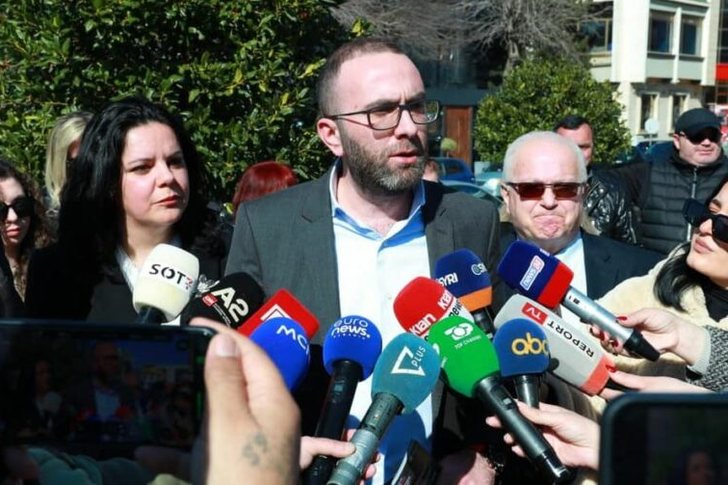
The head of the DP group, Gazment Bardhi, commented on the...

On March 12, the decision on the "21 January" case was...
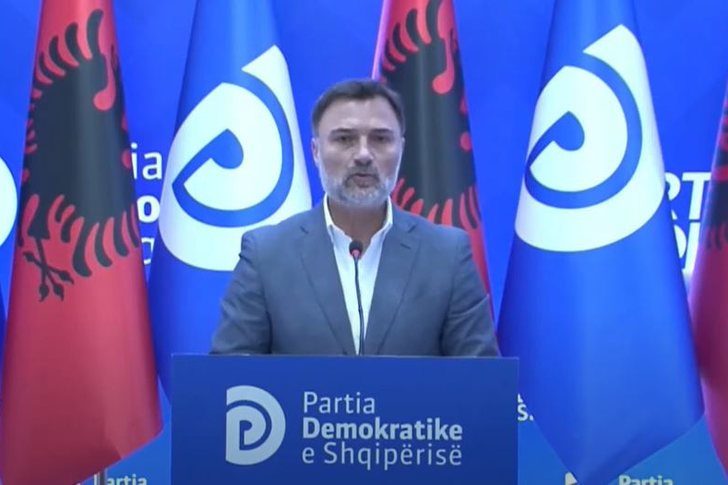
Basha's soldier, Enkelejd Alibeaj, surrendered and exp...
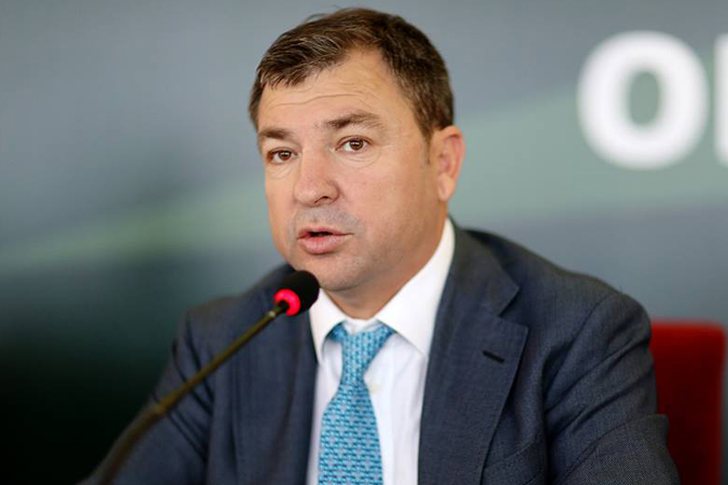
Gjykata e Posaçme ka vendosur masën “arrest shtëpie” për ...
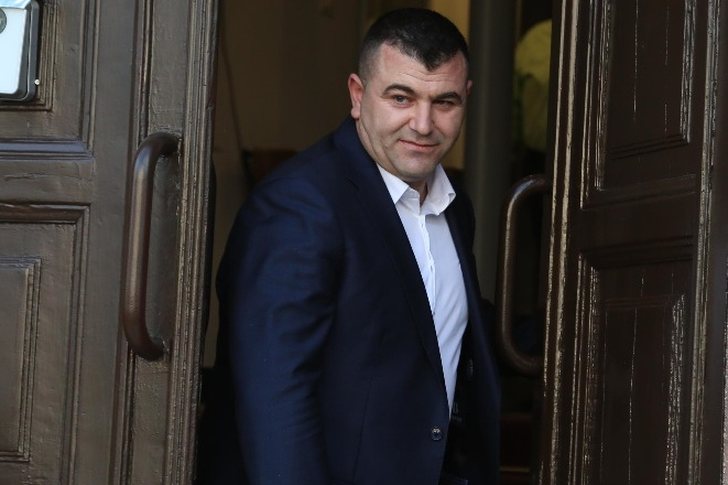
Prokurori i Dibrës, Urim Buci një ditë më parë ngeci n...

The Democratic Party, through Liberation, in a statement t...

The in-depth investigations that SPAK conducted into Ajola...

SPAK's standards, the way it investigates, how it secures ...

Irfan Hysenbelliu claims to be a big businessman, an hones...

The murder of officer Enea Mekolli in the line of duty has...

The Special Board of Appeal (KPA) decided this Monday ...

The KPA vetting decided this Thursday to dismiss the p...

Suela Salavaçi, a prosecutor in the Prosecutor's Offic...

The Special Board of Appeal reinstated the prosecutor ...

A serious incident occurred this Monday afternoon in Kamëz...

At noon this Monday, gunshots were recorded in Kamëz. Acc...
The perpetrator of the injury that occurred yesterday afte...

Another gunshot wound occurred at the scene. According to...

On Monday, our country will be affected by relatively stab...

More than 860 million people fall ill and 1.5 million die ...
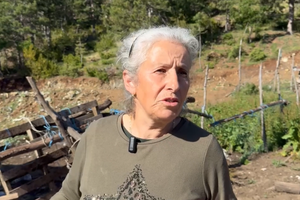
The mother of Violand Braçellari, the perpetrator of the s...

The modern European traveler seeks a meaningful connection...

Australia in December became the first country in the worl...

The vote counting for political entities in Kosovo has bee...

The European Union Commissioner for Enlargement, Marta Kos...

The counting of votes for political entities in Kosovo has...

Korça has transformed this weekend into the capital of cel...

Korça is ready to open the summer season with one of the c...

Two years after his passing, the renowned Korçë poet Skënd...

The Ethnographic Museum of Berat has opened its doors to v...

The construction sector is going through a challenging per...

This Monday, one US dollar is bought for 81.8 lek and sold...

The tourist apartment market is continuing to expand at a ...

The number of properties sold by entities monitored by the...