

Facebook and Messenger suffer outages worldwide
Social media platforms Facebook and Messenger have suffere...


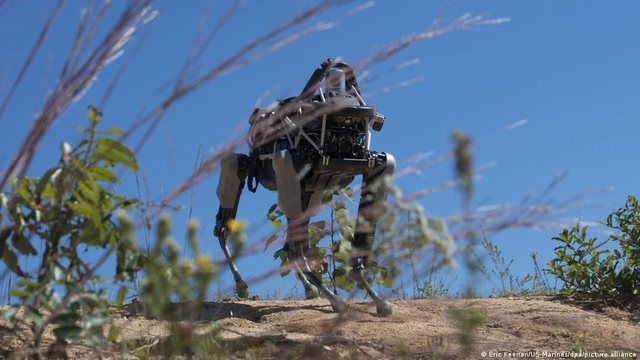
"AI can calculate, but humans have to make the final decision," says Maximilian Kiener from the Institute for Ethics in Technology at Hamburg University of Technology.
Whether it's career decision-making assistance or a substitute therapist, artificial intelligence (AI) seems to have the right answer to almost every problem.
AI developers almost always design these virtual assistants to be kind and non-judgmental.
But this is just a dangerous illusion that users too often believe, says Maximilian Kiener.
"What's not working are the value judgments. What career path should I pursue? Should I become a lawyer, should I become a doctor? There's no single answer. The problem that keeps coming up is that we want to compress all the complex problems into an AI format," he says.
Topics like loneliness or education are often social issues. This is not a task that AI can technically solve. Maximilian Kiener does not see any innovation in some new AI applications.
"Things that are simply new are not innovations. For example, I have a very hard time identifying fake images of children that could be described as innovations."
According to the scientist, ethics does not hinder the development of artificial intelligence, but only makes it truly useful for people. It is optimal when AI and humans work together from the very beginning to find solutions together, says Kiener.
Matthias Uhl, professor of business and social ethics at the University of Hohenheim, developed a Socratic chatbot: " Socratic AI differs from conventional AI in that it asks questions and helps me find my own solution to the problem, rather than giving me direct answers."
The team from the University of Hohenheim and the University of Bamberg tested this language model in several experiments. The result: The adapted chatbot was able to help users make more morally balanced decisions.
But the team also discovered a hurdle during implementation, says Matthias Uhl. "AI that asks additional questions is chosen less often. When people have a choice, they prefer to get direct advice."
While private users often trust AI immediately, experts are often more skeptical. For example in medicine: AI systems can analyze X-rays reliably and quickly. However, many doctors have difficulty accepting the technology.
Those who know too much dispute AI analyses, even when they are more accurate - scientists have discovered. New AI can help, believes Matthias Uhl.
"If the system itself shows its uncertainty, this can lead to greater user trust in the advice. For example, when AI says it is 90 percent confident in its classification."
Medical experts are expected to be able to test the new AI system as early as next year./DW

Social media platforms Facebook and Messenger have suffere...
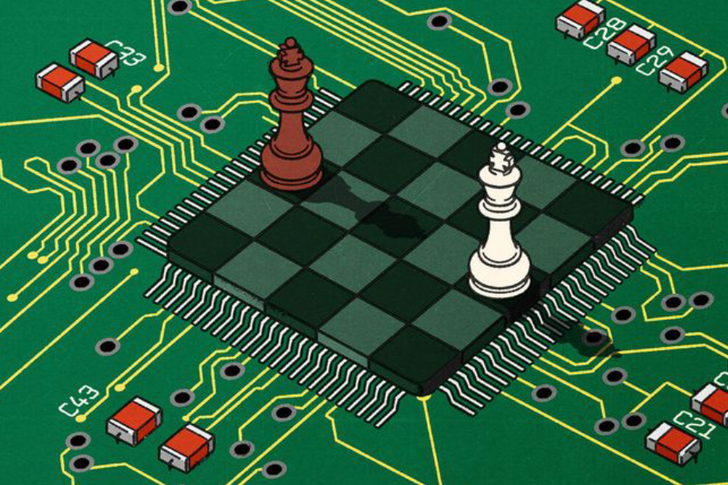
Elites in both Beijing and Washington are concerned about ...

For 25 years, Google's iconic search bar has been a long, ...
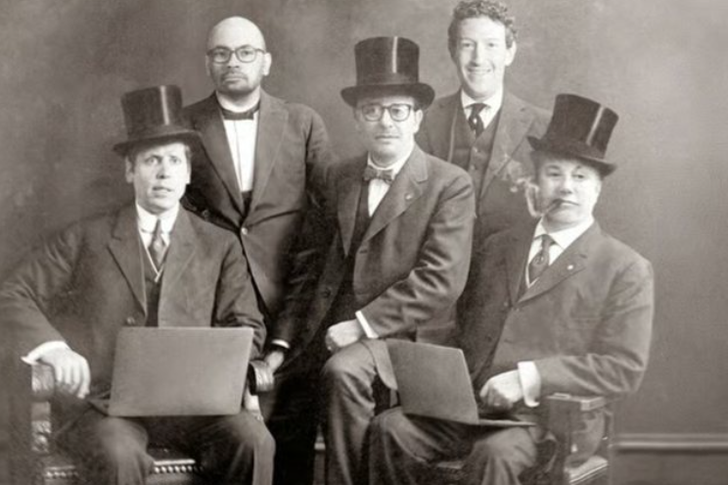
Five names dominate the world of artificial intelligence t...
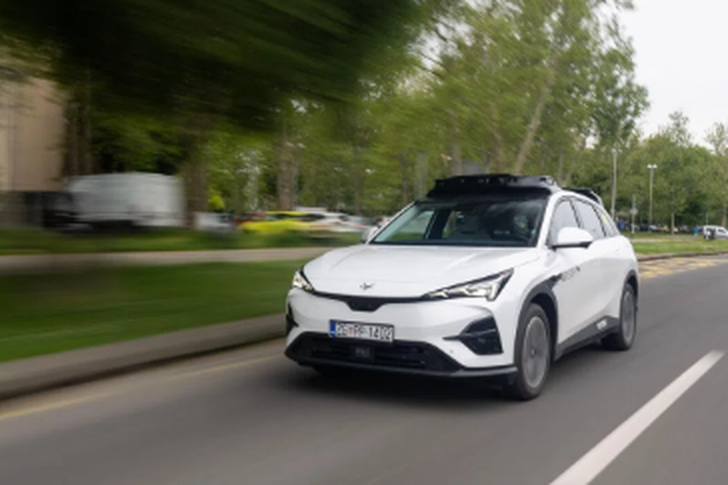
Croatia has become the first country in Europe with a robo...
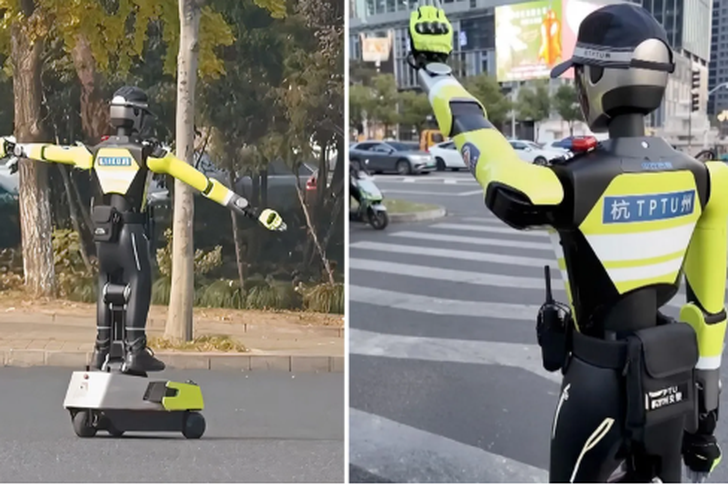
Hangzhou city in east China's Zhejiang Province has deploy...
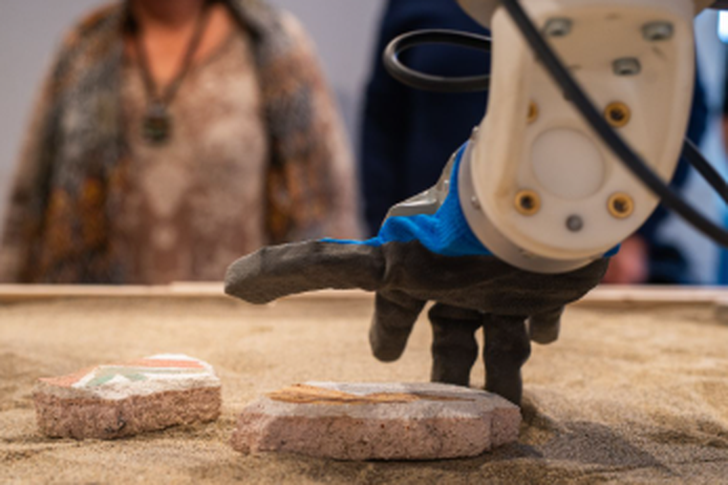
Archaeologists in Pompeii, Italy, have used artificial int...
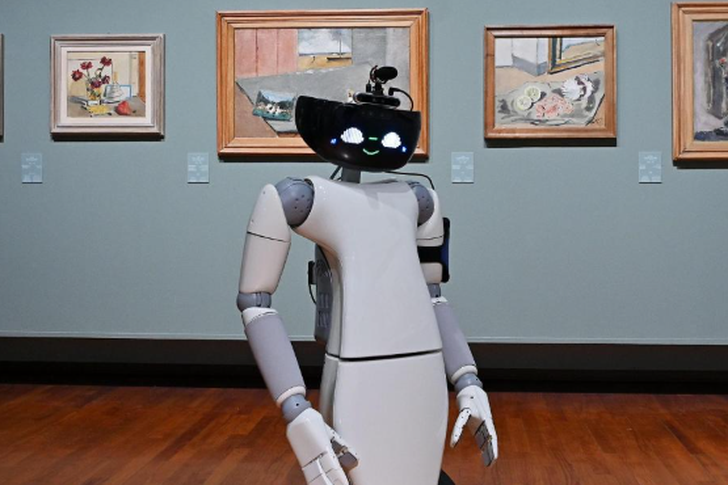
Italy is testing the R1 guide robot at Turin's Palazzo Mad...

Reuters-Prodhuesi amerikan i automjeteve elektrike Tesla k...
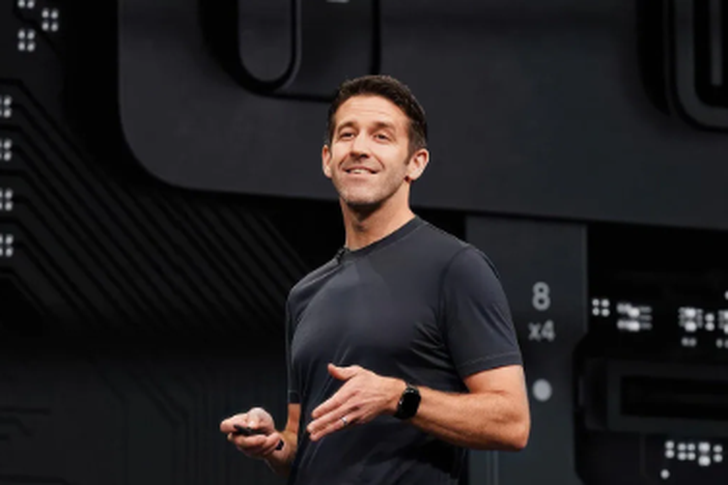
The well-known technology company, Apple, will now have a ...
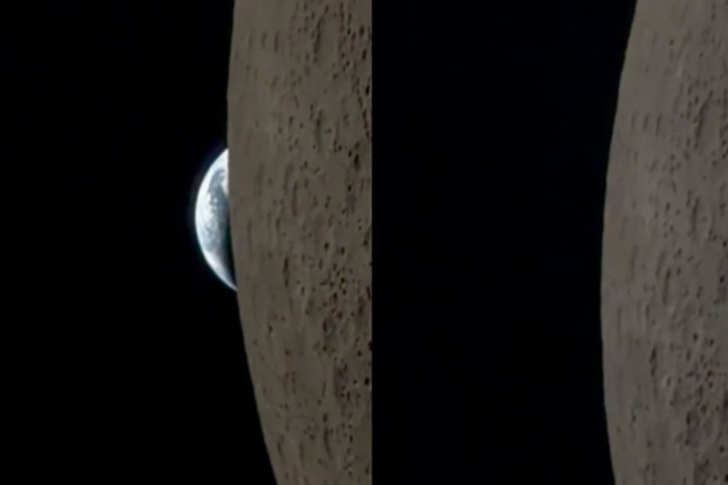
The ARTEMIS II crew was treated to unique images, in addit...

Dozens of humanoid robots made in China demonstrated their...

The European Union has introduced an app to confirm the ag...
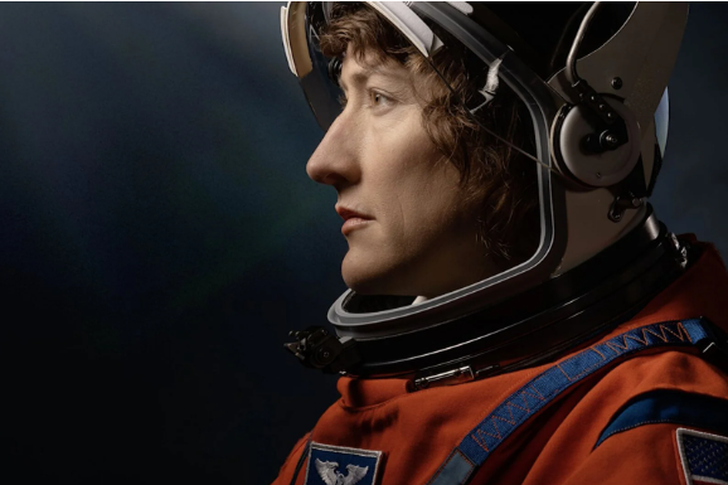
Christina Koch, an astronaut on NASA's Artemis II mission ...
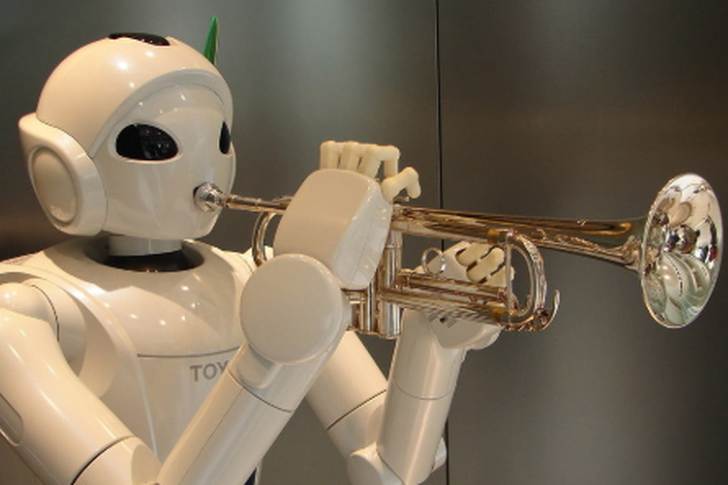
A new study shows that robotics can improve musical synchr...
Germany is the leading innovative country in Europe in ter...

Video game platform Roblox has said it will take a share o...

President Trump has been asked about Japan's reluctance to...

Tracking meteors, or meteoroids, as they enter the atmosph...
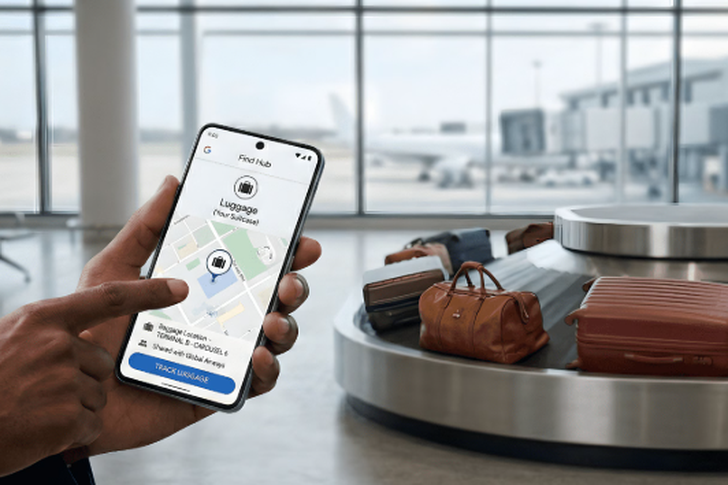
A new technology could help many travelers, as you can now...
A 39-year-old citizen has been arrested in Lezha, after se...

CNA has launched another investigation that could lead to ...

Irfan Hysenbelliu is a businessman that we call "Irfan the...

In March 2026, CNA launched another investigation centered...

The Special Board of Appeal (KPA) decided this Monday ...

The KPA vetting decided this Thursday to dismiss the p...

Suela Salavaçi, a prosecutor in the Prosecutor's Offic...

The Special Board of Appeal reinstated the prosecutor ...

A conflict for weak motives was recorded today in the vill...

An accident involving three vehicles occurred a few minute...

55-year-old Belere Plaka, who was injured today with a sho...

Police Announcement: Following preliminary information...

Today, our country will be under the influence of stable a...

By noon, cloudiness is expected to prevail in almost all o...

Children without parental care, for whom alternative famil...
On Thursday, our country will be under the influence of st...

Marine Le Pen is entering the decisive phase of the presid...
Member states of the International Criminal Court voted to...

From the declining role of exports to new public investmen...

South Korea is becoming one of the most sought-after desti...
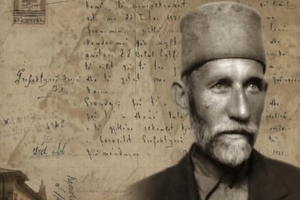
In my research at the Central State Archives, specifically...

At a time when industrial products are increasingly taking...

Trust among people is not just a three-syllable word. It c...

Master of humor Todi Llupi has passed away at the age of 7...

This Saturday, one US dollar is bought for 81.7 lek and so...

War, weather and supply disruptions could send gas prices ...

The number of active enterprises in Albania continued to g...
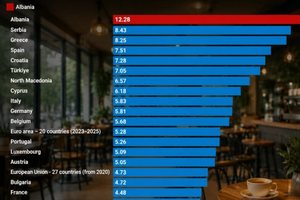
In Albania, the bar-cafe has long become an almost unique ...