

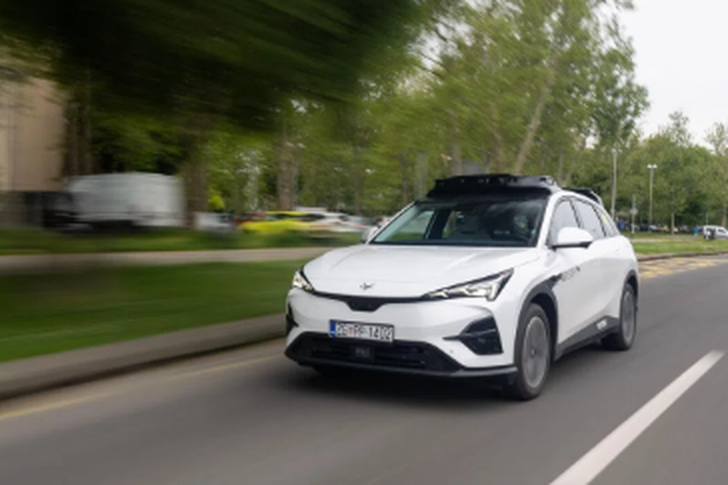
For the first time in Europe, Croatia offers a robot taxi service
Croatia has become the first country in Europe with a robo...


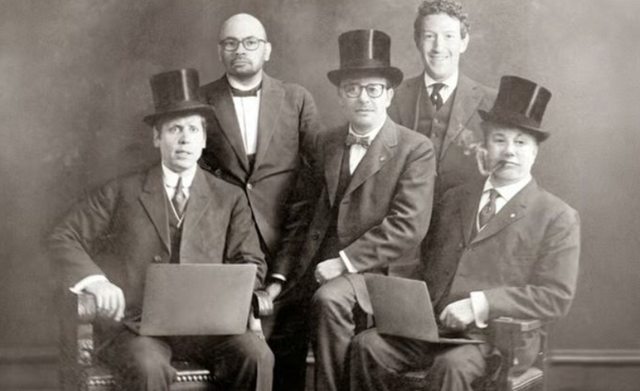
Five names dominate the world of artificial intelligence today: Dario, Demis, Elon, Mark, and Sam.
They have become so famous that their name alone is enough to identify them. Politicians and the media follow their every statement with attention. ChatGPT by Sam Altman and the company OpenAI counts over 900 million users per week. Anthropic, the company of Dario Amodei, has developed models so advanced that they have raised serious concerns among policymakers about their capabilities in cyberattacks. Demis Hassabis, the head of AI research at Google, has also won the Nobel Prize for his scientific work. Elon Musk, the founder of xAI and owner of several other companies, remains the richest man in the world. Meanwhile, Mark Zuckerberg, with Meta, has built the most popular family of "open-source" models in the West and is investing billions to catch up with the technological race.
In a very real sense, these five men hold the fate of Western civilization in their hands. The US military already uses their own artificial intelligence tools, although some of them – like Altman and Musk – are more enthusiastic about this collaboration than others, like Amodei. Some economists believe that AI will significantly accelerate global economic growth. Others warn of the loss of millions of jobs. There are also those who fear that the technology could pose an existential threat to humanity. Not since the splitting of the atom has a technology caused so much anxiety and debate.
The fact that so much power is concentrated in the hands of a few is troubling, especially when it comes to figures as unpredictable as Musk or opportunistic as Altman. However, the history of Western capitalism shows that this is nothing new. In many cases, a small group of people have been crucial in bringing a new technology to the masses, not necessarily by inventing it, but by making it usable and widespread. And in the process, they have amassed extraordinary power.
Railroads changed the way people moved. Oil fueled industrial capitalism. Steel allowed the construction of modern cities. Automobiles created mass consumption. Banks brought credit to a global scale. The Internet monopolized humanity's attention. All of these technologies enriched the world, but they also transformed social norms.
Shumë njerëz mendojnë se miliarderët janë të mbivlerësuar, madje edhe parazitë të sistemit. Në fund të fundit, progresi teknologjik është rezultat i punës së miliona njerëzve dhe jo i një individi të vetëm. Askush nuk shpiku i vetëm çelikun apo internetin. Megjithatë, fitimet më të mëdha përfundojnë në duart e pak personave. Kjo ka ushqyer zemërimin popullor ndaj super të pasurve dhe sloganin se “çdo miliarder është një dështim i politikave publike”.
Por historia sugjeron një tjetër këndvështrim. Shpesh, ishin pikërisht këta magnatë që e kthyen një shpikje në revolucion ekonomik. Një studim i vitit 2023 nga Universiteti i Torontos argumenton se Henry Ford dhe modeli i tij “Model T” shpjegojnë pse amerikanët ishin të parët që adoptuan masivisht automobilët. Një tjetër studim nga Universiteti i Çikagos nënvizon rolin e “sipërmarrësve transformues” në kthimin e inovacionit në rritje afatgjatë ekonomike. Me pak fjalë, prosperiteti shpesh ka nevojë për figura të tilla.
Për të kuptuar më mirë se si krahasohen magnatët e AI me titanët e së kaluarës, “The Economist” analizoi 11 valë teknologjike në SHBA gjatë 150 viteve të fundit – nga hekurudhat te interneti – dhe identifikoi pesë figurat kryesore që kontrolluan dhe popullarizuan secilën teknologji.
Sipas analizës, njeriu më i fuqishëm ekonomik në historinë moderne amerikane rezulton Henry Ford. Pasuria e tij arrinte mbi 1% të GDP-së amerikane dhe kompania e tij punësonte rreth 0.15% të popullsisë amerikane në vitin 1925. Për më tepër, Ford kishte kontroll pothuajse total mbi kompaninë. Ai jo vetëm që pasuroi veten, por ndryshoi mënyrën e jetesës së shoqërisë amerikane. “Model T” u bë simbol i automobilit për masat dhe transformoi ekonominë e konsumit.
Në listën e titanëve modernë renditen edhe Jeff Bezos dhe Elon Musk. Bezos, themeluesi i Amazon, renditet i katërti falë një kompanie që punëson mbi një milion amerikanë dhe vlerësohet me triliona dollarë. Musk, nga ana tjetër, e ka fituar pozitën kryesisht falë Tesla-s dhe SpaceX, më shumë sesa për AI.
Ndërkohë, Sam Altman, Dario Amodei dhe Demis Hassabis renditen më poshtë. Arsyeja është se laboratorët e AI kanë relativisht pak punonjës dhe drejtuesit e tyre nuk kanë kontroll absolut mbi kompanitë, siç kishin dikur Ford apo Vanderbilt. OpenAI, për shembull, drejtohet nga një bord që madje e shkarkoi përkohësisht Altman në vitin 2023.
Megjithatë, inteligjenca artificiale është ende në fazat e para të zhvillimit. Potenciali i saj për të transformuar industri të tëra – nga argëtimi te mbrojtja ushtarake – mund të bëjë që magnatët e AI të arrijnë kulmin e fuqisë së tyre vetëm pas shumë vitesh.
History also shows that many of these titans have been strange and controversial figures. Ford was anti-Semitic and used his newspaper for propaganda. Rockefeller was obsessed with saving money. Vanderbilt believed in communicating with spirits. Steve Jobs followed extreme diets. In this context, Musk's conspiracy theories or Zuckerberg's "robotic" behavior don't seem so unusual.
But with new technologies have always come new risks. In the early days of railroads, many scientists thought that humans could not handle high speeds. Automobiles brought fatal accidents. Electrification automated factories and eliminated entire professions. Even AI today is raising fears of job losses and the extreme concentration of economic power.
Ultimately, history shows that the relationship between the state and the tycoons is always tense. Rockefeller's Standard Oil was broken up by the US Supreme Court in 1911. Microsoft was threatened with being broken up in 2000 for monopoly. And as artificial intelligence transforms the global economy, it is possible that governments will once again step in to limit the power of the new tech titans.
In theory, capitalism is presented as a decentralized system. In practice, its most important moments have often been led by powerful, almost autocratic individuals. Perhaps the people leading the AI ??revolution today will not necessarily be the new Rockefellers or Fords. But history suggests that such a figure is very likely to emerge soon. / The Economist

Croatia has become the first country in Europe with a robo...
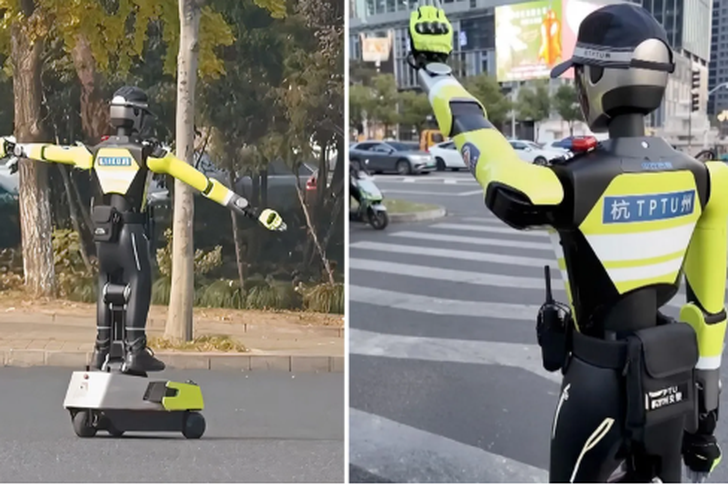
Hangzhou city in east China's Zhejiang Province has deploy...
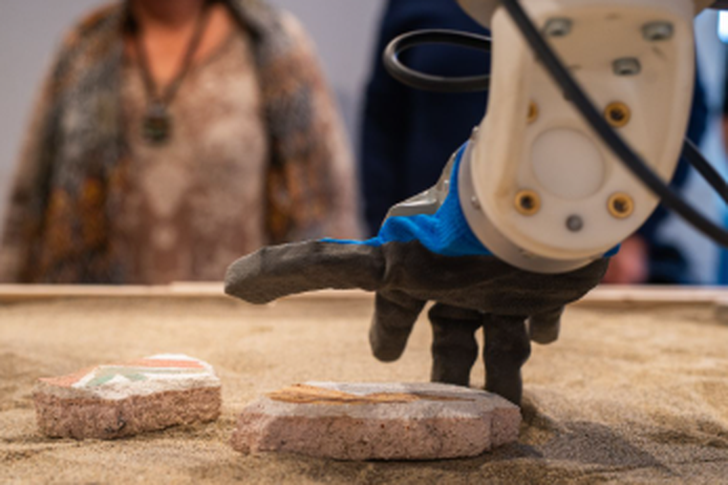
Archaeologists in Pompeii, Italy, have used artificial int...
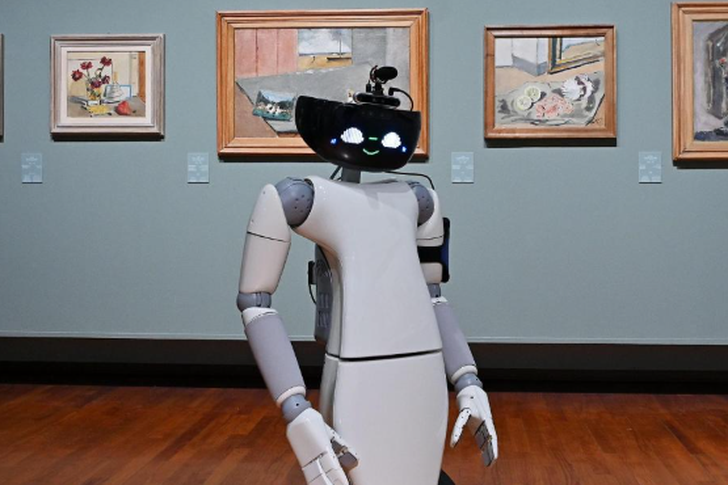
Italy is testing the R1 guide robot at Turin's Palazzo Mad...
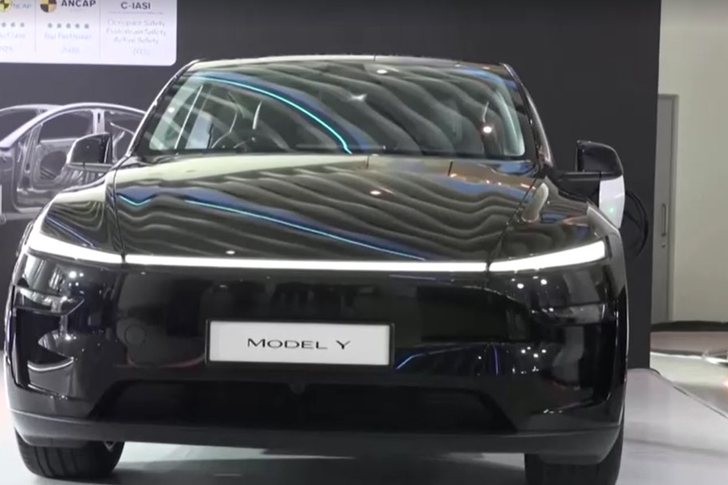
Reuters-Prodhuesi amerikan i automjeteve elektrike Tesla k...
The well-known technology company, Apple, will now have a ...
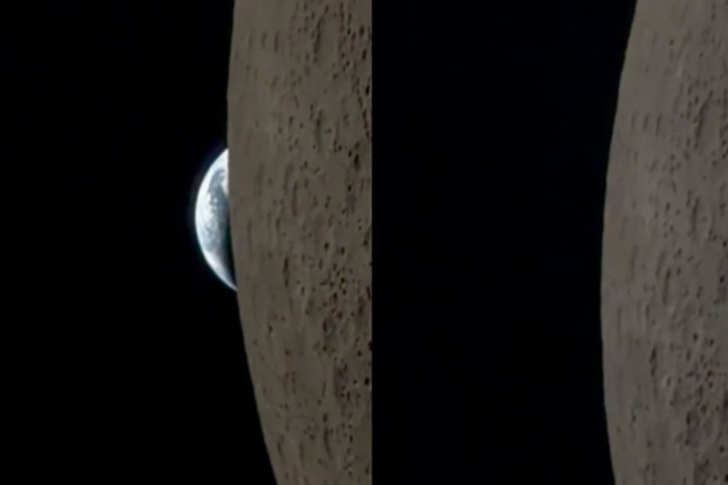
The ARTEMIS II crew was treated to unique images, in addit...

Dozens of humanoid robots made in China demonstrated their...

The European Union has introduced an app to confirm the ag...
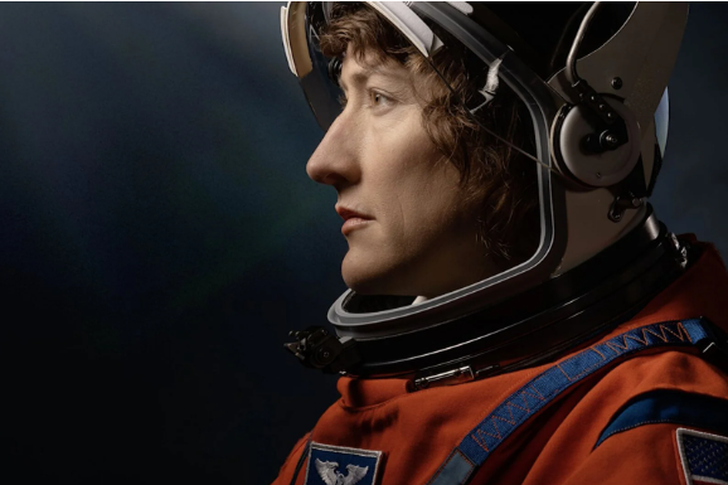
Christina Koch, an astronaut on NASA's Artemis II mission ...
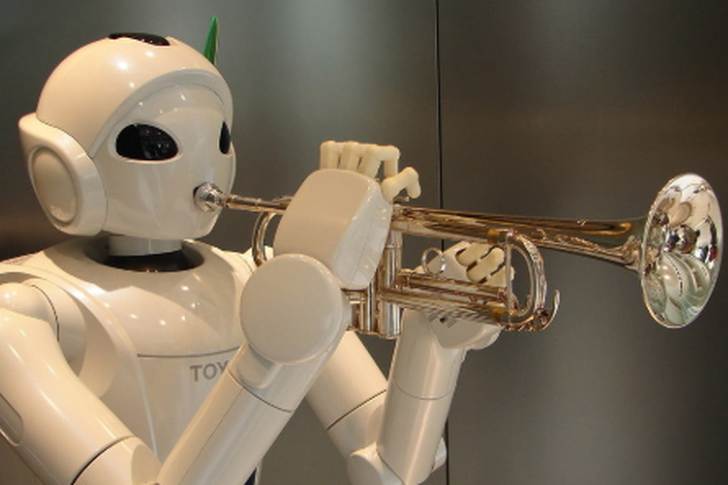
A new study shows that robotics can improve musical synchr...
Germany is the leading innovative country in Europe in ter...

Video game platform Roblox has said it will take a share o...
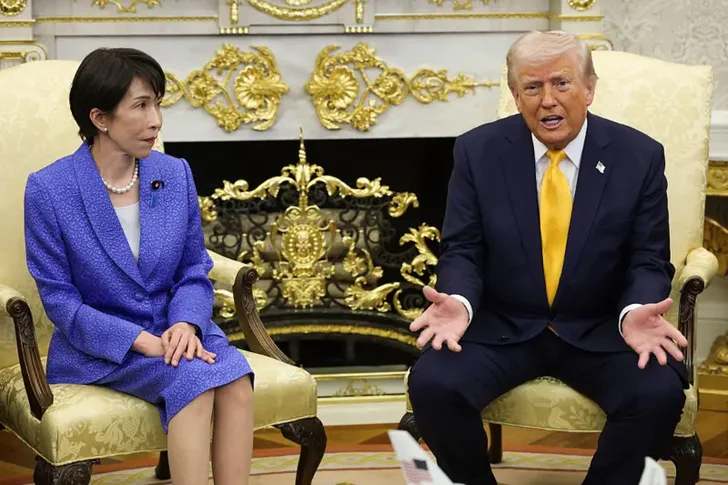
President Trump has been asked about Japan's reluctance to...

Tracking meteors, or meteoroids, as they enter the atmosph...
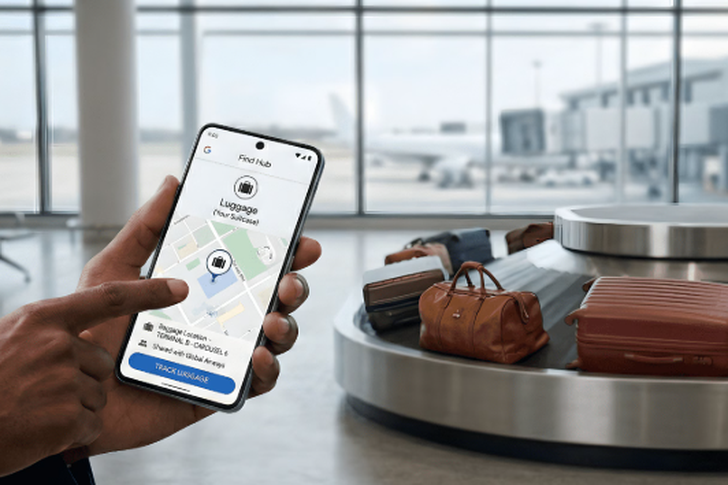
A new technology could help many travelers, as you can now...
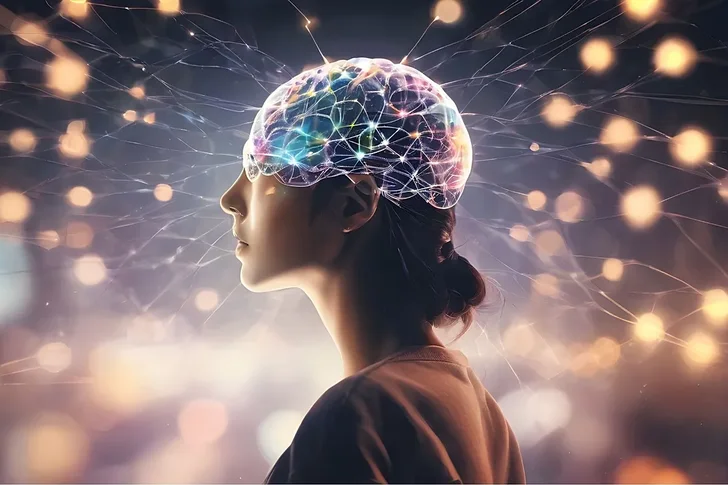
China has approved the first brain implant designed to hel...
Artificial intelligence (AI) has become one of the most im...

Information and Communication Technologies (ICT) are playi...
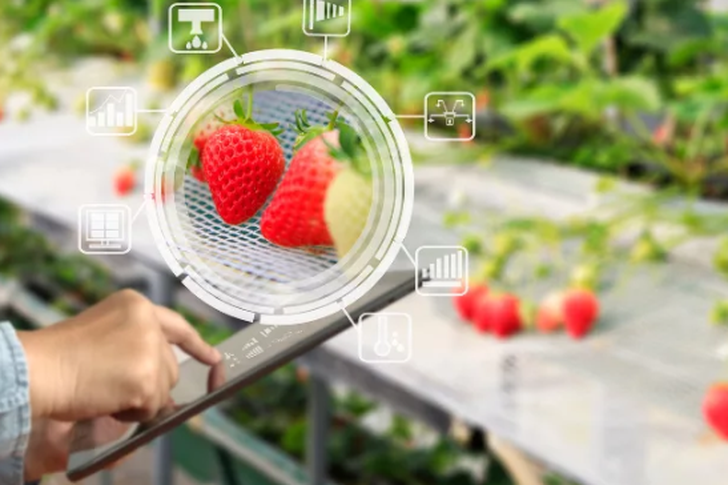
The European Union has introduced a new tool based on arti...
On the morning of July 7, 2026, the Ministry of Culture ur...
After the disclosure of the portfolio of properties an...

For 6 months now, CNA has been sending several letters to ...

The word "fatherland" with properties is not enough. The m...

The Special Board of Appeal (KPA) decided this Monday ...

The KPA vetting decided this Thursday to dismiss the p...

Suela Salavaçi, a prosecutor in the Prosecutor's Offic...

The Special Board of Appeal reinstated the prosecutor ...

A knife attack occurred this evening in Fushë-Krujë. Acco...

A 44-year-old man in Saranda has been seriously injured af...

Spanish police have acted on an Albanian-Spanish criminal ...

New details have been revealed regarding the murder of Egl...

In Albania, in 2024, 8,911 beds were available in public h...

Albania was included in the band of above-normal temperatu...

Today, our country will be affected by mainly stable weath...

Today, our country will be affected by mainly stable weath...

The death toll from two powerful earthquakes that struck V...

Oil prices rose to their highest levels in a month after t...

Iran has reacted to US President Donald Trump's statements...

Counter-terrorism police have taken control of the investi...

The ninth edition of "MIK Festival" kicked off with one of...

A historic evening for Albanian culture was marked in the ...

When I turned 10, another building was built in front of o...
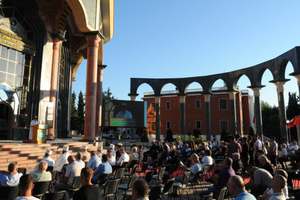
A special scientific conference was held by the World Bekt...
The tax administration has announced the completion of the...
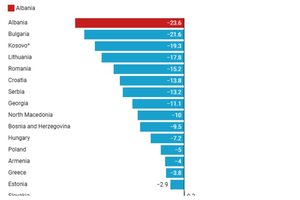
Albania has lost almost a quarter of its population since ...
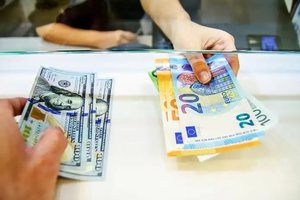
This Monday, one US dollar is bought for 81.5 lek and sold...

This Sunday, one US dollar is bought for 81.5 lek and sold...