


The saga of trial delays by Veliaj/ What will be the alibi for today's session at the GJKKO?
The next hearing is scheduled for today at the Special Cou...

The next hearing is scheduled for today at the Special Cou...

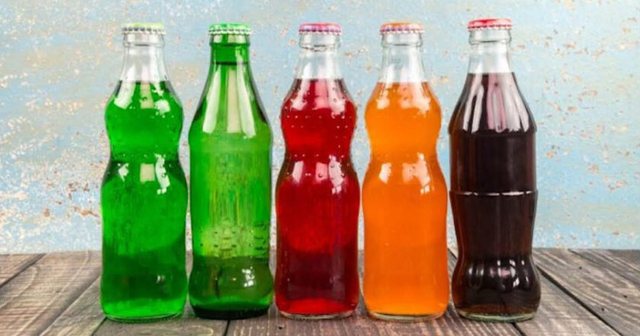
Taxes on sugary drinks should be increased and those on healthy foods should be reduced in order to curb obesity that is rapidly spreading in the population, states a study by Public Health experts in our country, "Fiscal Policies for Health: The Role of Food Taxes for a Healthy Diet."
According to the latest data from the Institute of Public Health for 2025, our country is heading towards an epidemic, with over 30% of Albanian men and 28% of Albanian women being obese. This situation does not spare the younger generation either, as figures show that obesity in children affects 14% of them. These data indicate a heavy health and economic burden, given that malnutrition and excessive consumption of products with high fat, sugar and salt content are directly linked to the outbreak of diabetes, hypertension and cardiovascular diseases, which remain the main causes of mortality in the country.
To address this crisis, health experts have proposed the use of fiscal policies for health, which include taxes on sugar-sweetened beverages and processed foods, which work by increasing the cost of harmful products and creating a financial barrier that discourages excessive consumption.
On the other hand, this system provides for the subsidization of quality foods, such as fruits, vegetables and whole grains, making them more affordable for consumers. The logic of this strategy is based on the fact that price is the main factor that dictates buyer behavior, especially among low-income groups, which are even more at risk of malnutrition.
Internationally, this approach has yielded concrete results and Albania can learn a lot from these experiences. A good example is the United Kingdom, which in 2018 implemented the Soft Drinks Industry Tax (SDIL). This law forced manufacturers to reduce the amount of sugar in their recipes to avoid the high tax, leading to a massive reformulation of products on the market.
France has also strengthened its policies since 2012, applying a progressive tax based on the amount of sugar, while Slovenia has just taken a radical step in 2025, increasing the VAT on sugary drinks from 9.5% to 22%. These countries do not see these taxes as simply raising money, but as an investment, as the revenue generated is directly reinvested in health education programs in schools and physical activities for young people.
In Latin America, Colombia has applied an innovative model by taxing highly processed foods containing high levels of salt and fat, with a gradual increase of up to 20% by 2025.
Hungary, on the other hand, has a long experience with excise taxes on unhealthy foods, which has significantly influenced the changing eating habits of the population.
However, experts claim that for Albania, the implementation of these measures carries special challenges, such as the need to cope with the resistance of the food industry and their powerful lobbies.
Cost analysis in Albania shows that in 2016 alone, over 111,000 cases of diabetes were attributed to obesity, with an economic cost exceeding $84 million. This figure is undoubtedly higher today, making the need for an integrated approach urgent.
Health taxes should be seen as a protection for a healthcare system that is groaning under the burden of chronic diseases. By following the recommendations of the World Health Organization, Albania has the opportunity to turn fiscal policies into a shield for public health, ensuring that the food environment no longer favors cheap and harmful products./ Monitor.al

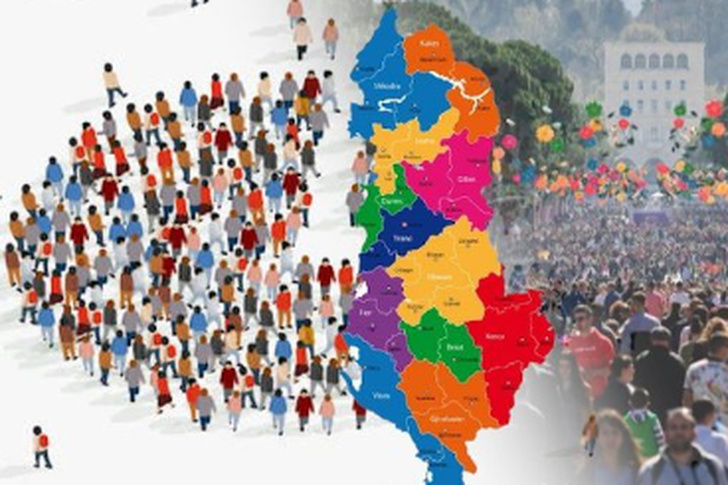
Demographic indicators for the first quarter of this year ...

Albania has the highest marriage rate in Europe. According...

Today our country will be affected by relatively unstable ...
In Fier, the conflict between two sisters-in-law of the Ka...
Today our country will be affected by relatively unstable ...

On Sunday, our country will be affected by relatively unst...

Today our country will be affected by unstable weather con...

Peshkatarët e qytetit liqenor të Pogradecit protestuan kët...
Albania ranks among the countries with the poorest results...
The detailed drug consumption report for March 2026 based ...
Today our country will be affected by unstable weather con...

Three decades after one of the worst tragedies to mark the...
Last year, 23.4% of the Albanian population lived on $8.3 ...
After reaching a historic record in January-March, vehicle...
On Thursday, our country will be affected by relatively un...

A deadly outbreak of a rare hantavirus aboard a cruise shi...
The Institute of Geosciences has shared a forecast for wea...
Albania is among the European countries where emigration c...
On Wednesday, our country will be affected by stable weath...
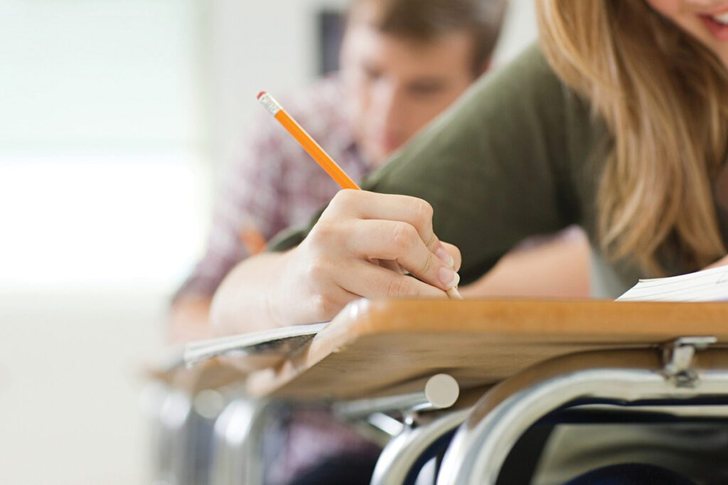
Albanian students are leaving for universities abroad at a...

The justice reform claimed that it would bring faster, fai...
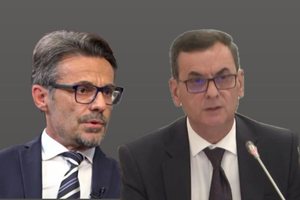
The Justice Reform and the vetting process were trumpeted ...
After revealing the property portfolio in Tirana, Kavaja, ...
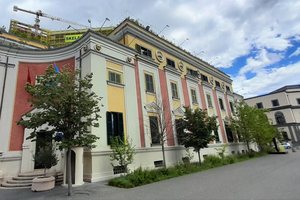
Four months ago, on March 11, CNA sent an official letter ...

The Special Board of Appeal (KPA) decided this Monday ...

The KPA vetting decided this Thursday to dismiss the p...

Suela Salavaçi, a prosecutor in the Prosecutor's Offic...

The Special Board of Appeal reinstated the prosecutor ...

It is reported that a fire has broken out in the village o...

Two Jet Skis have been blocked in Saranda after they viola...

A person has been arrested in Fier for a fire in the villa...

Fier Police has issued an official announcement regarding ...

Today our country will be affected by relatively unstable ...

In an interview with CNA TV, psychologist Bona Miekley sai...

Beyond the desire to be as elegant as possible on the mini...

In an interview with CNA TV, psychologist Bona Miekley foc...

Canadian Prime Minister Mark Carney, before leaving for th...

Microsoft has announced that it has cut 4,800 jobs - rough...

A wave of Russian missiles and drones has struck across Uk...

The family of American conservative activist Charlie Kirk ...

The German Embassy in Tirana has invited the Albanian publ...

Professor and literature scholar Ali Xhiku has passed away...

During my research into the life and artistic photographic...

This year's edition of the Gjon Mili International Video A...

Since the launch of the real estate revaluation process in...
This Monday, one US dollar is bought for 81.2 lek and sold...
This Sunday, one US dollar is bought for 81.3 lek and sold...

When it comes to 10 key economic issues, the debate in Alban...