


Accused of sexual harassment/Democratic Senate candidate asked to withdraw from race
The Maine Senate race is engulfed in a deep political cris...

The Maine Senate race is engulfed in a deep political cris...


The digital transformation in the Western Balkans is moving from internet access to better quality use, albeit at different rates among citizens and businesses.
Based on the detailed findings of the DESI 2025 report by the Regional Cooperation Council (RCC), positive developments are observed in 4G mobile network coverage and a significant increase in basic digital competences; however, a significant gap remains compared to European Union standards, particularly in the adoption of 5G technology and the integration of artificial intelligence in businesses and the population's poor knowledge of digital tools.
Serbia, the digital leader in the region
Serbia is the region's technology engine, with the highest indicators in technology integration by businesses. About 7% of Serbian businesses use artificial intelligence, about 25% use Cloud and also 28.4% use data analytics.
Digital skills are Serbia's strong point, with ICT specialists making up 4.3% of the workforce, close to the EU average, and 33.6% of the population possessing basic digital skills. Infrastructure is highly advanced with 73% VHCN coverage, paving the way for 5G.
Serbia also stands out in public services with 69% of citizens using e-Government, while online sales by businesses reach 30.2%, indicating a genuine and mature digital economy. Serbia has positioned itself as the industrial leader of the region in the digital aspect, coming closer than anyone else to European Union standards.
This country has managed to create an ecosystem where innovation is a priority, registering the highest numbers of businesses using artificial intelligence, big data analysis and electronic invoicing. Serbian citizens possess the most advanced digital skills in the region, thanks to a large number of ICT specialists.
Albania, public services become digital, but citizens lack knowledge
In Albania, digital transformation has progressed at two different speeds. On the one hand, the country scores the highest performance in the field of digital public services, where the e-Albania portal has managed to integrate almost all interactions of citizens with the state, ranking Albania at the top in the number of e-Government users. However, this achievement in the administration has not yet been fully reflected in the private sector.
82% of citizens in Albania who use the internet already interact with the state through digital platforms, while only 22.9% of enterprises use Cloud services and 9.2% have integrated artificial intelligence into their processes.
Sa i përket aftësive digjitale, rreth 23.3% e popullsisë zotëron aftësi bazë dhe gjithashtu vendi vuan nga një numër i ulët i specialistëve të TIK-ut, të cilët përbëjnë vetëm 1.8% të fuqisë punëtore.
Infrastruktura mbetet e fortë në mbulimin celular me 98.2% të popullsisë të mbuluar me internet nga telefoni. Bizneset shqiptare mbeten ndër më të ngadaltat në rajon për sa i përket adoptimit të teknologjive të avancuara si shërbimet Cloud dhe analizimi i të dhënave. Ndërsa 24.4% e bizneseve realizuan shitje online vitin e kaluar.
Kosova ka avantazh popullsinë e re
Kosova gëzon një nga nivelet më të larta të depërtimit të internetit në rajon, me 99% të familjeve që kanë akses në internet, kryesisht falë shtrirjes agresive të fibrës optike. Kjo ka krijuar një shoqëri shumë aktive ku 92% e individëve përdorin internetin çdo ditë, kryesisht për komunikim.
Sektori i bizneseve TIK është shumë produktiv, duke kontribuar ndjeshëm në eksporte, por digjitalizimi i bizneseve të tjera mbetet mesatar, pasi vetëm 2.6% e bizneseve kryejnë shitje online, 5.6% përdorën shërbimet Cloud dhe vetëm 1% integruan inteligjencën artificiale në punën e tyre, por sakaq 37.7% e qytetarëve kanë njohuritë digjitale bazë.
Ecuria e Kosovës udhëhiqet nga një popullsi jashtëzakonisht e re dhe vitale, e cila ka diktuar një shkallë shumë të lartë të përdorimit të internetit. Vendi shquhet për mbulimin e gjerë me rrjete broadband, ku investimet në infrastrukturën fikse kanë tejkaluar shumë vende të rajonit, duke u siguruar qytetarëve qasje të shpejtë në internet edhe në zona më të thella.
Maqedonia e Veriut, biznesi po ecën me teknologjinë
Maqedonia e Veriut tregon një ekuilibër interesant, veçanërisht në tregtinë elektronike ku 23% e bizneseve realizojnë shitje online. Rreth 38% e qytetarëve zotërojnë aftësi digjitale bazë, një shifër mbi mesataren e Ballkanit. Infrastruktura broadband mbulon 85% të zonave urbane, por investimet në zonat rurale mbeten pas.
Në shërbimet publike, rreth 52% e popullsisë shfrytëzon portalet qeveritare, ndërsa integrimi i teknologjive të avancuara si Cloud nga bizneset është në nivelin 28 për qind, nga më të lartët në rajon, teksa 8% e bizneseve kanë integruar inteligjencën artificiale në proceset e tyre të punës.
Specialistët e TIK-ut zënë 3.3% të fuqisë punëtore. Në Maqedoninë e Veriut, progresi është më i dukshëm në fushën e tregtisë elektronike dhe harmonizimit të kuadrit ligjor me atë europian.
Bizneset maqedonase kanë treguar një pjekuri të lartë në përdorimin e platformave online për të shitur produktet e tyre, duke udhëhequr rajonin për sa i përket përqindjes së SME-ve që operojnë në e-commerce.
Mali i Zi, qytetarët më vigjilentë për shërbimet digjitale
Montenegro is known for its citizens' high willingness to adopt online financial and educational services. 37% of Montenegrins use public digital services and the basic digital skills of the population are at 52%. The mobile infrastructure is very developed with 94% of the population covered by 5G internet. 28% of businesses use Cloud and 26.4% of businesses sell online.
Montenegro has built a digital profile that is service-oriented and individual-oriented. The country has achieved the highest rate of online banking use by citizens, reflecting a high level of trust in digital security. A strong point of this country is the willingness of the population to follow online training courses, making Montenegro an attractive destination for the global digital workforce.
Bosnia and Herzegovina, businesses thrive with advanced digital services
Bosnia and Herzegovina is at an early stage of digital transformation compared to its neighbors. The main obstacles have been the lack of unified legislation on electronic signatures and administrative fragmentation, which has made it difficult to create integrated digital public services. 30.1% of citizens possess basic digital skills.
Digital public services are used by only 43.3% of the population, mainly due to the lack of a unified e-ID infrastructure. The internet infrastructure has a high VHCN type coverage at 57.4%. 18.1% of enterprises use Cloud services and 6.4% use artificial intelligence.
Also, 24% of businesses in Bosnia sell online and 38.6% of them use Cloud services and do data analysis./Monitor

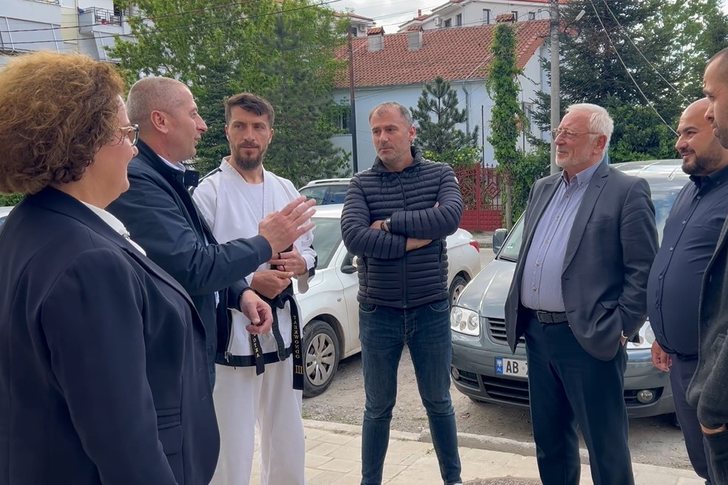
The city of Bilisht now has a new sports space at the serv...

Today, our country will continue to be affected by mainly ...

On Wednesday, our country will continue to be affected by ...

On Tuesday, our country will continue to be affected by ma...
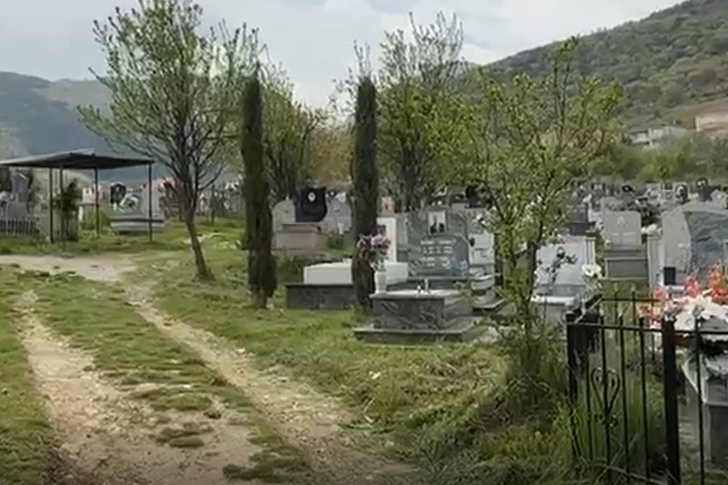
The village of Mëmëlisht in Pogradec is facing a worrying ...

Today, our country will be affected by mainly stable weath...

This Sunday, our country will be affected by stable weathe...

This year has brought many articles comparing social media...
Today our country will be affected by stable weather condi...
Today, our country will be affected by relatively stable w...

Psychosocial risk factors, including long working hours, j...

A recent Eurostat publication, "Digitalization in Europe",...
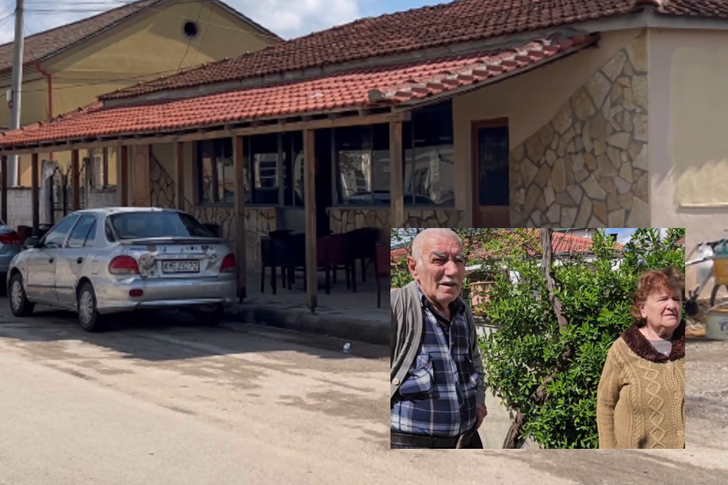
A conflict between young people has ended in a stabbing in...

On Thursday, our country will be affected by relatively st...
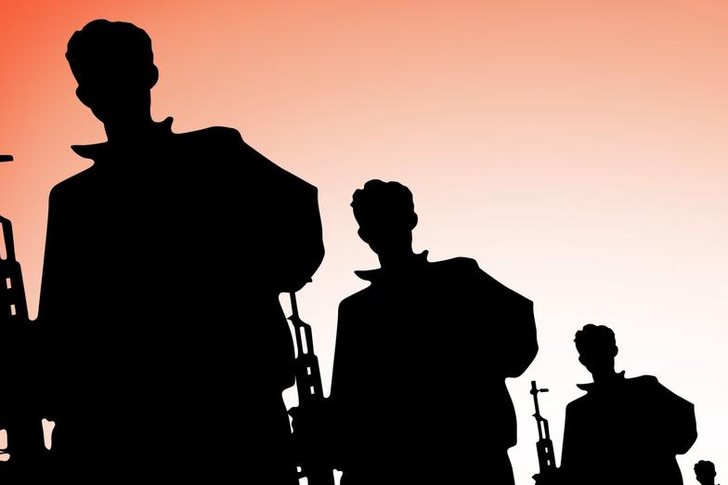
Within Britain's Secret Intelligence Service, MI5, a group...

Hartsfield-Jackson Atlanta International Airport has maint...

On Wednesday, our country will continue to be affected by ...

Albanians deeply lack a sense of civic engagement and volu...

On Tuesday, our country will continue to be affected by un...
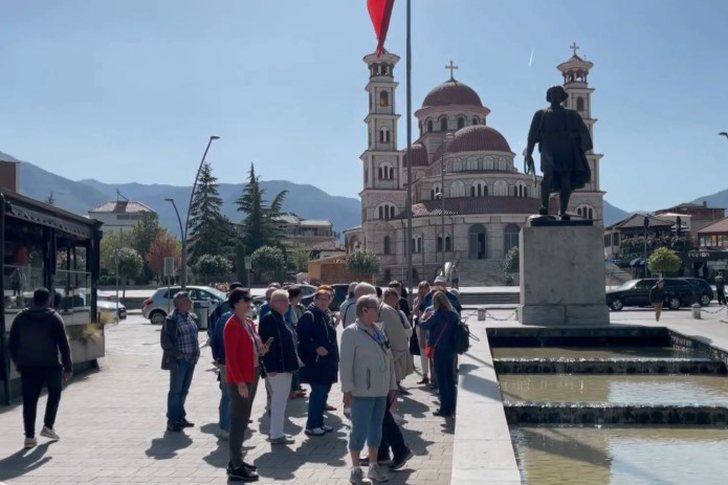
The southeast of the country continues to be one of the mo...

The justice reform claimed that it would bring faster, fai...

The Justice Reform and the vetting process were trumpeted ...

After revealing the property portfolio in Tirana, Kavaja, ...
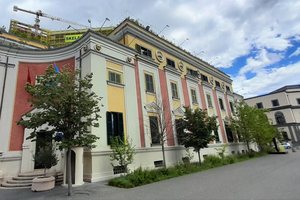
Four months ago, on March 11, CNA sent an official letter ...

The Special Board of Appeal (KPA) decided this Monday ...

The KPA vetting decided this Thursday to dismiss the p...

Suela Salavaçi, a prosecutor in the Prosecutor's Offic...

The Special Board of Appeal reinstated the prosecutor ...

The Serious Crimes Investigation Section, in cooperation w...

It is reported that a fire has broken out in the village o...

Two Jet Skis have been blocked in Saranda after they viola...

A person has been arrested in Fier for a fire in the villa...

As Albania faces ongoing demographic challenges, the l...

Today our country will be affected by relatively unstable ...

In an interview with CNA TV, psychologist Bona Miekley sai...

Beyond the desire to be as elegant as possible on the mini...

Ukrainian President Volodymyr Zelensky is using the NATO s...

The Maine Senate race is engulfed in a deep political cris...

Tehran was transformed into a massive political specta...
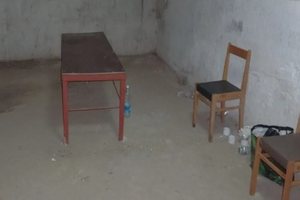
An in-depth investigation by BBC Eye Investigations has sh...

The German Embassy in Tirana has invited the Albanian publ...

Professor and literature scholar Ali Xhiku has passed away...

During my research into the life and artistic photographic...

This year's edition of the Gjon Mili International Video A...

The debate continues between the National Business Center ...

Since the launch of the real estate revaluation process in...

This Monday, one US dollar is bought for 81.2 lek and sold...
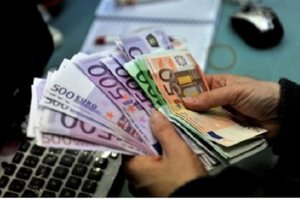
This Sunday, one US dollar is bought for 81.3 lek and sold...