


Albania advances in negotiations with the EU, today a new step towards European integration
Albania marks another important moment on its path towards...

Albania marks another important moment on its path towards...


How often do you brush your teeth? According to experts, if you brush your teeth 3 times a day and make regular visits to the dentist, you can reduce the risk of more than 50 serious diseases, including dementia and arthritis.
It has long been known that oral health affects our overall well-being, with previous research linking the spread of bacteria from oral diseases to Alzheimer's disease, cancer, cardiovascular disease, diabetes and more.
A panel of experts highlighted the importance of dental health at the annual conference of the American Association for the Advancement of Science (AAAS), held last week in Arizona, United States.
“We now believe that maintaining dental health may be associated with a reduced risk of more than 50 diseases,” said Dr. Alpdogan Kantarci, professor at the University of Minnesota School of Dentistry.
"Research now shows that in people with mild disease, those who brush and care for their teeth or visit the dentist for specialized cleanings show much better cognitive performance ," he continued.
When bacteria from oral disease enter the bloodstream and brain, they cause chronic inflammation. This can cause the immune system to attack joints and accelerate the formation of plaque, which disrupts neurotransmitters and leads to cognitive decline. However, there are no studies that prove that gum disease causes dementia or arthritis.
Although the UK has a reputation for poor oral hygiene, many other European countries still face problems with dental health.
A 2022 study found that Norway is the country with the highest awareness of dental health, while Serbia ranks last along with Latvia and Poland. In terms of visits to the dentist, the Netherlands ranks first, while Portugal, Ireland and the United Kingdom had the lowest attendance rates.
A complex mix of socio-economic factors is responsible for this inequality, with high costs, long waiting lists and distance creating barriers to access.
The elderly are the most affected, with EU residents aged 65 and over reporting higher rates of unmet dental needs compared to those aged 16-44, according to Eurostat data for 2024.
The latest Adult Oral Health Survey (AOHS) reported that 41% of UK residents had tooth decay, a significant increase from 28% in 2009. Almost half of those surveyed also said that the condition of their teeth significantly affects their daily lives. /CNA


Whether you're trying to reduce your caffeine consumption ...

Fasting is a central part of Orthodox life, designed to dr...

The Mediterranean lifestyle, not just diet, is one of the ...
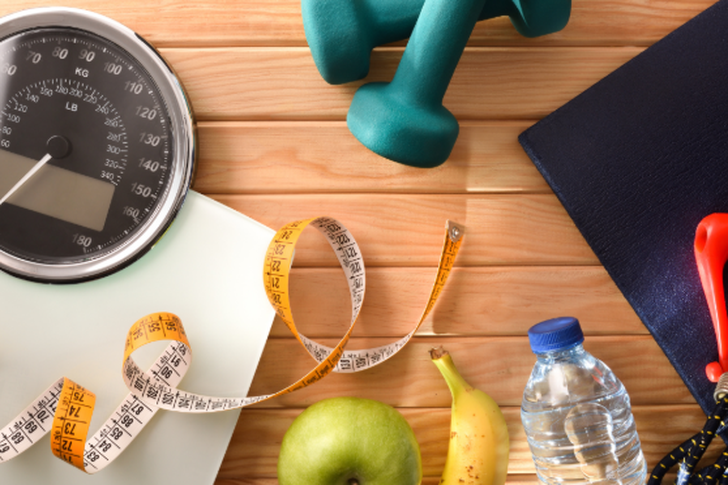
Many people are turning their attention back to wellness, ...
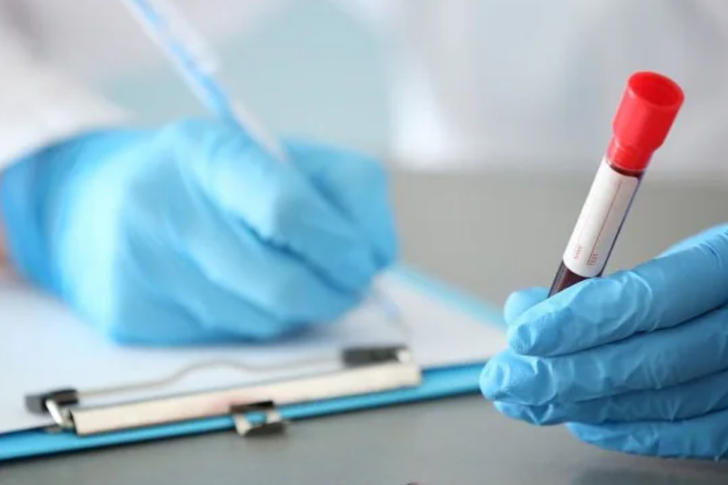
A simple blood test can accurately predict when symptoms o...

Health experts recommend balanced eating patterns to help ...
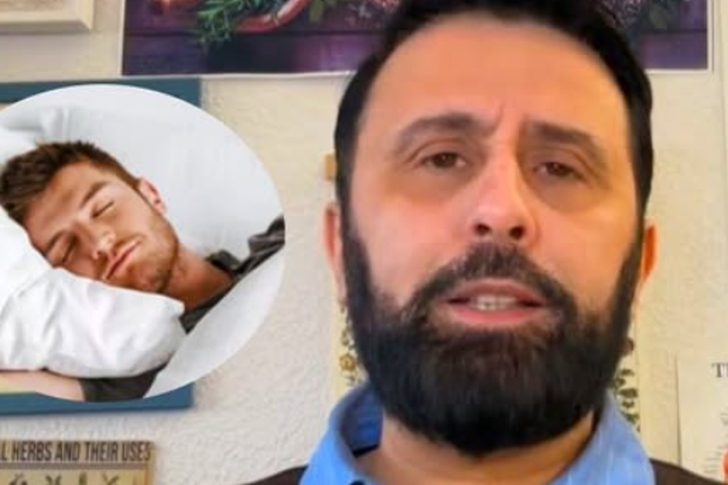
Nutritionist Altin Joka reveals the secret to a more restf...
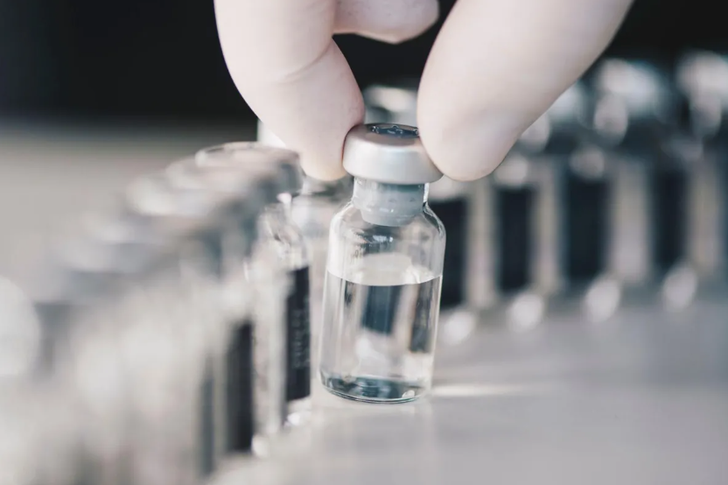
A team of researchers from Stanford University is developi...
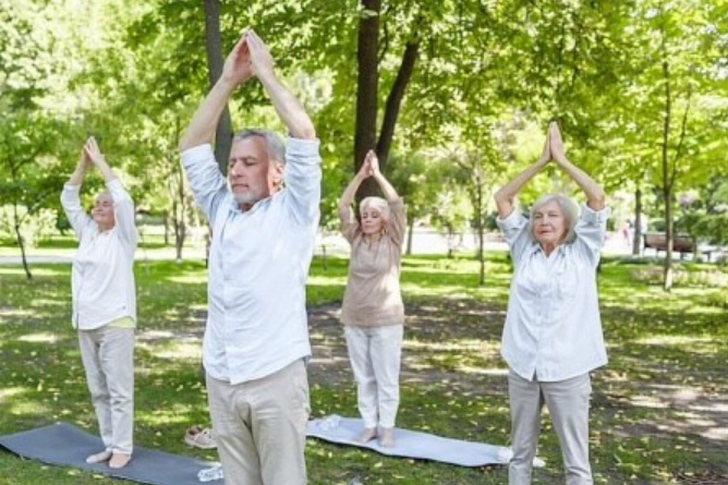
An ancient Chinese practice that combines slow movements, ...
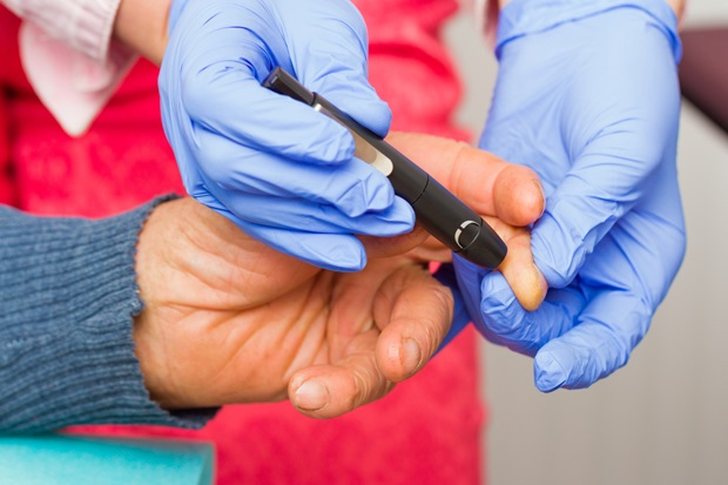
In 2001, the world was in dire need of a new chronic condi...
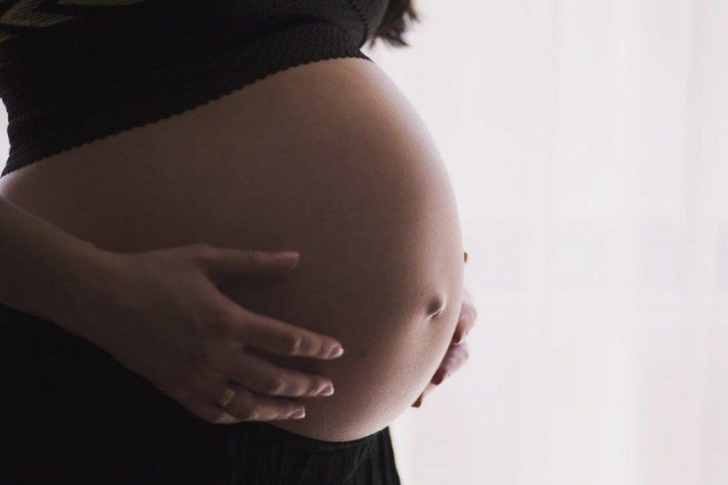
A new study led by the Universitat Rovira i Virgili (URV) ...

People with greater exposure to air pollution face a highe...

New research analyzes whether it is better to eat little a...
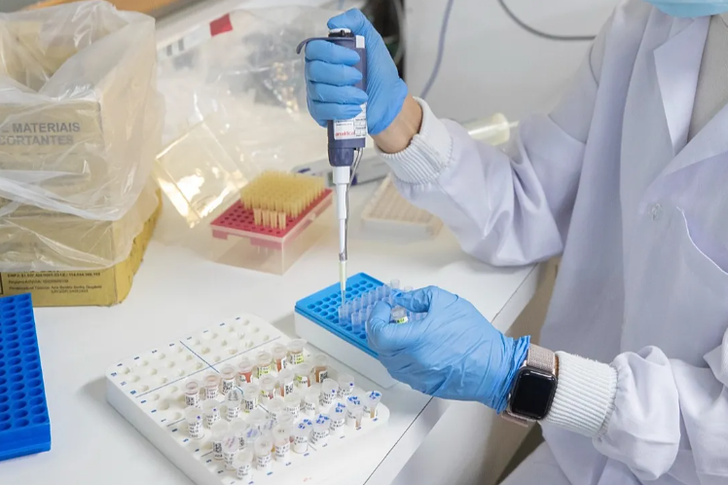
A type of bacteria found in a Romanian ice cave is resista...
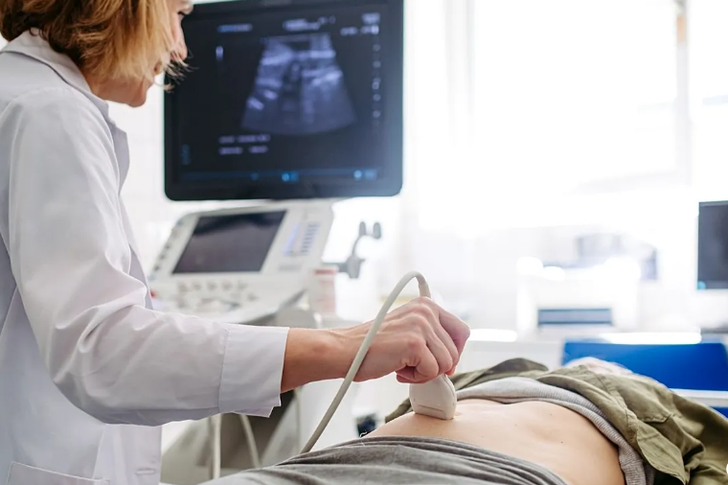
While fertility treatments are on the rise, fragmented leg...

Të njohura edhe si legume, bishtajoret janë farat e ngrëns...

Kafeina mbron shëndetin e trurit. Kështu thuhet në një stu...
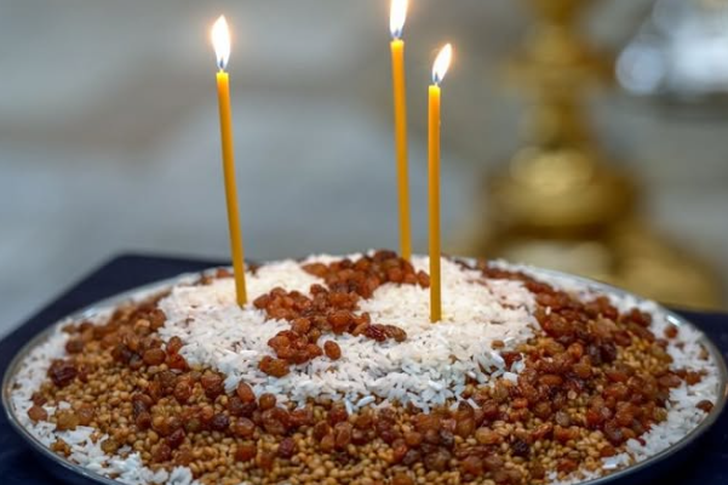
Tomorrow marks "Saturday of Souls" for Orthodox believers....
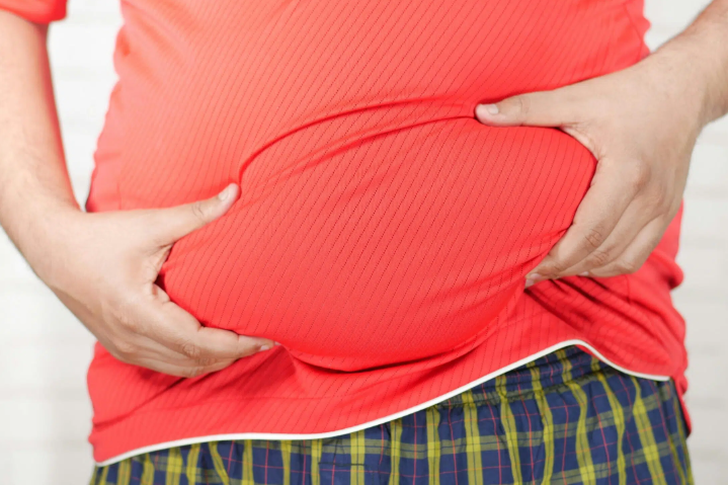
Bloating after meals and swollen feet during hot days have...
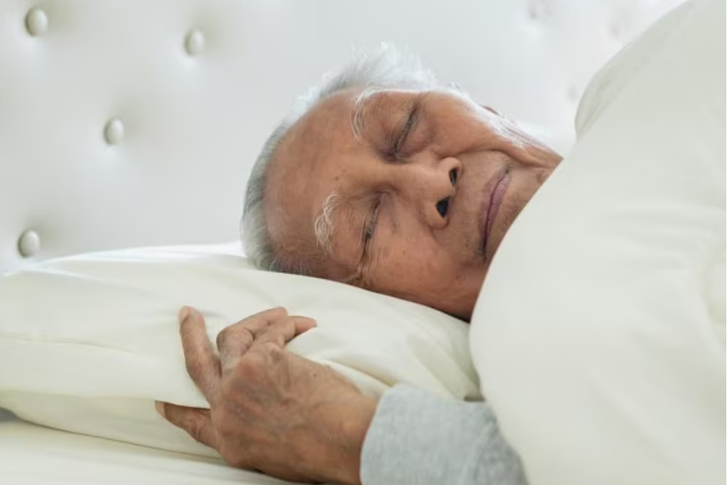
Have you ever found yourself tossing and turning on a warm...

On the morning of July 7, 2026, the Ministry of Culture ur...

After the disclosure of the portfolio of properties an...

For 6 months now, CNA has been sending several letters to ...
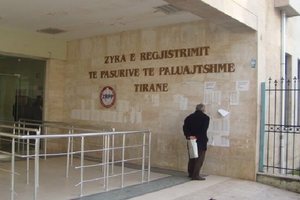
The word "fatherland" with properties is not enough. The m...

The Special Board of Appeal (KPA) decided this Monday ...

The KPA vetting decided this Thursday to dismiss the p...

Suela Salavaçi, a prosecutor in the Prosecutor's Offic...

The Special Board of Appeal reinstated the prosecutor ...

A knife attack occurred this evening in Fushë-Krujë. Acco...

A 44-year-old man in Saranda has been seriously injured af...

Spanish police have acted on an Albanian-Spanish criminal ...

New details have been revealed regarding the murder of Egl...
Today our country will be affected by stable weather condi...

In Albania, in 2024, 8,911 beds were available in public h...
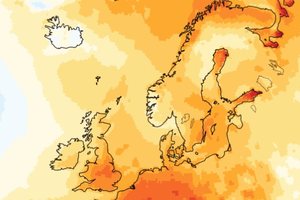
Albania was included in the band of above-normal temperatu...
Today, our country will be affected by mainly stable weath...
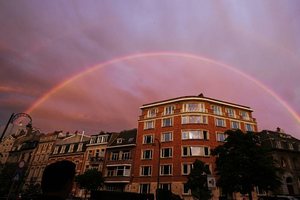
Property owners in Europe face a range of tax obligations,...

Bhutan, Ghana and Nigeria charge visitors more for tourist...

Hungary's parliament has approved the dismissal of Preside...

The Soviet nuclear submarine Komsomolets, which sank in th...

The ninth edition of "MIK Festival" kicked off with one of...

A historic evening for Albanian culture was marked in the ...

When I turned 10, another building was built in front of o...

A special scientific conference was held by the World Bekt...

In addition to the effect on the decline in demand for rea...

This Tuesday, one US dollar is bought for 81.5 lek and sol...

The tax administration has announced the completion of the...
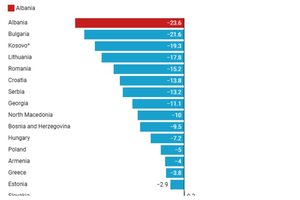
Albania has lost almost a quarter of its population since ...