


Luxembourg, the state that dates back to the 10th century/ Special history
Luxembourg is a small country, but with a rich and special...


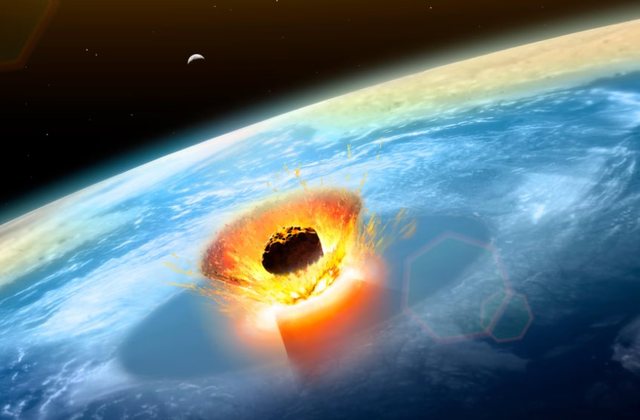
The massive asteroid that brought the end of the dinosaurs' reign when it slammed into Earth 66 million years ago was not alone, researchers say.
Detailed scans of an underwater crater off the coast of Guinea in West Africa suggest it was created when another large asteroid slammed into the planet at the same time at the end of the Cretaceous period.
The violent collision between 65 and 67 million years ago produced a crater more than five miles wide, the scans reveal, with scientists estimating the asteroid was a quarter-mile wide and hit Earth at nearly 45,000 mph.
Although smaller than the asteroid that caused the mass extinction, it was still large enough to leave marks on the face of the planet. "The new images paint a picture of the catastrophic event," said Dr Uisdean Nicholson, a marine geologist at Heriot-Watt University in Edinburgh, who first discovered the Nadir crater in 2022. At the time, details of the impact were unclear. .
To understand more about the impact, scientists used 3D seismic imaging to map the crater's rim and geological scars, which extend 300 meters below the ocean floor. "There are about 20 confirmed sea craters worldwide, and none of them have been captured in anything close to this level of detail," Nicholson said. "It's brilliant."
The collision appears to have caused strong tremors that liquefied sediments beneath the ocean floor, causing faults to form beneath the seabed, the researchers found. The impact caused landslides with traces of damage visible for thousands of square miles beyond the crater rim, and also triggered a huge tsunami more than 800 meters high that would have traveled across the Atlantic.
Researchers cannot determine when the asteroid hit Earth, but the discovery of the crater and its approximate age have fueled speculation that it may have belonged to a cluster of impacts at the end of the Cretaceous period. The asteroid associated with the extinction of the dinosaurs was much larger than the rock that produced Nadir Crater. It left a 100-mile-wide crater in what is now Chicxulub on the Yucatan Peninsula in Mexico.
"The closest people have seen anything like this is the Tunguska event of 1908, when a 50-meter asteroid entered the Earth's atmosphere and exploded in the sky over Siberia," Nicholson said. "The new 3D seismic data across Nadir Crater is an unprecedented opportunity to test impact cratering hypotheses, develop new models of crater formation in the marine environment, and understand the consequences of such an event. "/ The Guardian.

Luxembourg is a small country, but with a rich and special...

The desk is one of the most common and important pieces of...

Perfume has a long and rich history dating back to ancient...

Aries Women born under the sign of Aries are among the to...

Many introverts have incredible abilities, but sometimes t...

We have heard that the Nile and Amazon rivers mentioned as...

Some countries are expected to welcome more individuals to...

In May, a large iceberg broke off in Antarctica and st...

Even animals laugh, according to the study of primatologis...

We think that the age around our teens or twenties is the ...
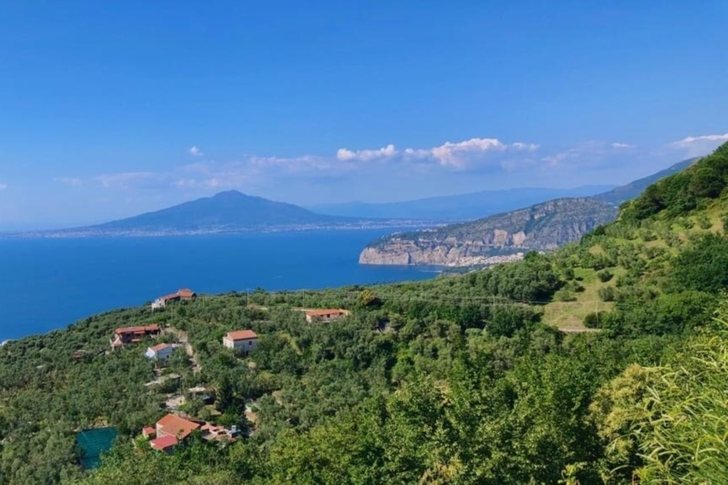
Mount Vesuvius stands above the Bay of Naples as one of It...

The history of beer is very long and rich, spanning thousa...
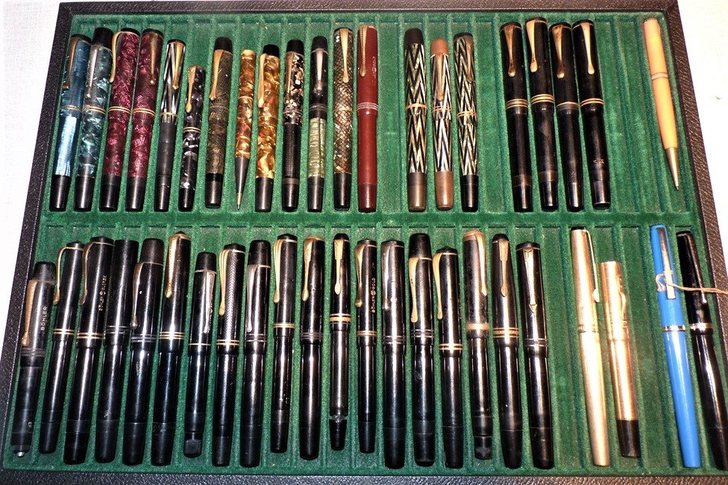
The fountain pen is a writing tool that has revolution...

The prestigious "The Independent" suggests the best destin...
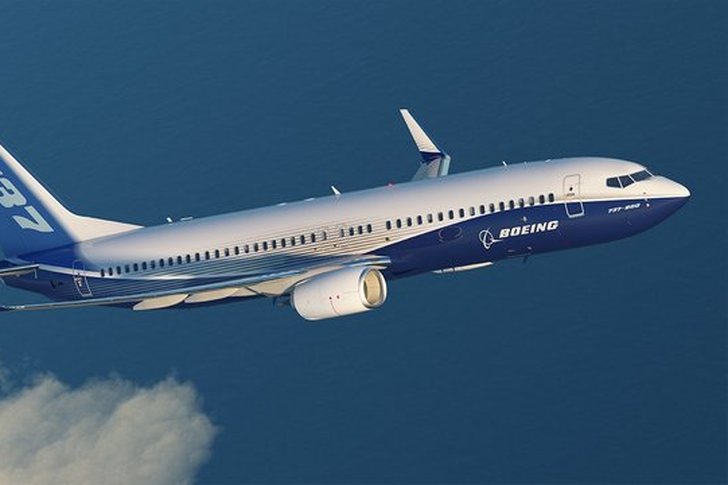
The different types of public transport aircraft include s...

The linden tree, scientifically known as Ficus carica, is ...

Nature belongs to everyone, especially when it comes to th...

In September 2023, a giant landslide in eastern Greenland ...

Hairs are internal structures that grow from follicles...

No one says exactly when Erisa and Jovan's gossip star...

CNA has launched another investigation that could lead to ...

Irfan Hysenbelliu is a businessman that we call "Irfan the...

In March 2026, CNA launched another investigation centered...
The arrested mayor of Tirana, Erion Veliaj, with 13 charge...

The Special Board of Appeal (KPA) decided this Monday ...

The KPA vetting decided this Thursday to dismiss the p...

Suela Salavaçi, a prosecutor in the Prosecutor's Offic...

The Special Board of Appeal reinstated the prosecutor ...

A road accident occurred this evening on Nikolla Zoraqi St...

Three people were shot and wounded in Elbasan last night b...

A serious incident occurred this Tuesday in the Yrshek are...

An accident occurred this Tuesday on "Dituria" street in K...

This Wednesday, our country will be under the influence of...

All of Southern Europe will face changing weather conditio...

Albania was hit by temperatures significantly higher than ...

For the first time, Pogradec welcomed the Inter-Lake Chess...

US Secretary of State Marco Rubio arrived in Manila on Jul...

In the space of a few days, Ukrainian President Volodymyr ...

The spokesman for the Iranian Foreign Ministry warned Bulg...

Autoritetet italiane sekuestruan pako me afër 800 kilogram...

At a time when industrial products are increasingly taking...

Trust among people is not just a three-syllable word. It c...

Master of humor Todi Llupi has passed away at the age of 7...

The ninth edition of "MIK Festival" kicked off with one of...

Businesses will no longer be required to simply register t...

Despite economic growth and income in recent years, Albani...

This Wednesday, one US dollar is bought for 81.4 lek and s...

Construction company licenses will have a validity period ...