

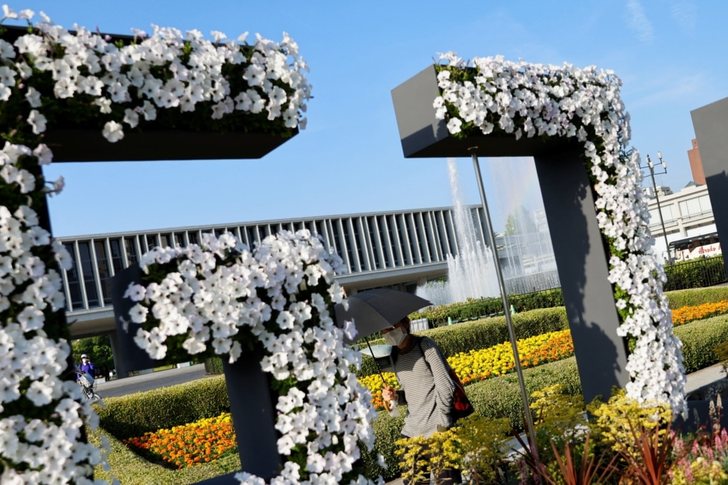
Expectations of the G-7 meeting in Hiroshima
HIROSHIMA, Japan (AP) - The symbolism will be palpable whe...


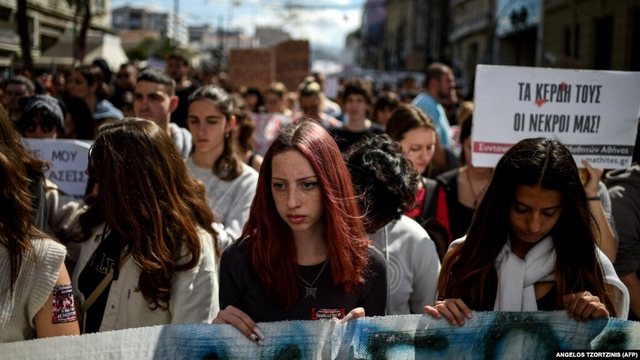
Politicians are vying for votes for the Greek elections, which are being held on Sunday 21 May, as they have turned to the YouTube and TikTok platforms to win the votes of the younger generation. Young people in Greece for years, accompanied by crisis, have felt that the situation in the country has cost them their youth.
Eirini Baiaka is a concrete case. A decade after starting university with hopes of becoming a teacher, she was forced to work odd jobs to pay the bills as Greece faced a deep economic crisis, with the pandemic and cost-of-living crisis fueled by it. from the pandemic. All these have made it difficult for her to realize her dream of becoming a teacher.
"What I imagined when I was 18 years old is far from the reality I live at the age of 28," said the physics student. "I don't know how we can't be called the lost generation. I feel like we lost the game before it even started."
Gaining the trust of people under 30, like Baliaka, has become a challenge for parties across the political spectrum before the May 21 elections. All the promises of the parties seem to be failing to convince this generation that it will be vital to Germany's economic prospects, as the state's population is aging.
The new election system means the winner cannot be chosen immediately on Sunday, so every vote counts.
Polls have suggested that the ruling conservative party, New Democracy, leads the leftist party, Syriza. Among young voters, leftist opposition parties are more popular, but many young voters are still undecided.
"It's a generation of Greeks that grew up in difficult and unprecedented conditions that don't allow them to make decisions very easily," said George Arapoglou, who heads the polling company Pulse.
"They don't need anyone to inform them, they need someone to convince them."
State of stagnation
If it wins, Syriza has said that it will remove the criteria for university admission, while New Democracy has promised to give 150 euros to all those who turn 18.
Lamprini Rori, assistant professor of political analysis at the University of Athens, said that, like Baliaka, most of her students work, and this will seal their political identity in the future. Inflation and economic growth are the main issues that worry young people, and while 82 percent of young Greeks have said they will vote, only 35 percent believe elections can improve the situation, according to a survey by the Eteron organization.
"If we continue with the same Government, I think there will be more disappointment. If someone else comes [to power], do I think it will make a big difference? No," Baliaka said.
Baliaka's plight is reflective of a larger problem.
While the economy is expected to grow by 2.3 percent this year and unemployment to drop to 10 percent, nearly a quarter of residents under 24 are unemployed and 14 percent of people under 30 are "severely deprived" in material and social terms", according to Eurostat. These two figures are more than twice the European Union average.
Economists have said the damaging effects of a lack of income, skills and productivity in earlier years will last a lifetime and could ultimately spell trouble for the state's finances, with an aging and shrinking population. The situation in Greece has been worsened by the flight of nearly 500,000 young people capable of working, but who left during the crisis.
"Pensions are a fiscal problem," said Vlassis Missios, an economist at the Greek Center for Economic Planning and Research. "In order to cover the pensions, a productive base is required that enables the increase of wages".
For many young Greeks, finding a suitable job is difficult.
"Greece keeps you in a state of stagnation because of some bad opportunities you give," said Baliaka.
The risk of social unrest
Greece's huge problems with demographics mean that young voters are only a small part of the electorate, at around 18 percent, but politicians cannot be indifferent to this part of society.
"It is a matter of political cost, but it is also symbolic. They [politicians] want to show that young people matter to them", said Rori.
"Even if they can't win the youth vote, they don't want to have them as opponents. There is always a risk of social unrest."
In 2008, after several weeks of protests due to the killing of a young man by the police, the Government was overthrown.
In March, after Greece's deadliest train crash, when 57 people were killed – most of them students – thousands of young people took to the streets in the biggest anti-government protests organized in Greece in years. "We know that as young people we have to fight for our rights, for our demands, but we even have to fight for our lives," said Evangelia Grigoriou, a 22-year-old student whose friend died when the two trains collided. .
"This can only cause anger and indignation. We wonder what kind of society we live in. It offers me nothing. Just take and take from me"./ Rel

HIROSHIMA, Japan (AP) - The symbolism will be palpable whe...
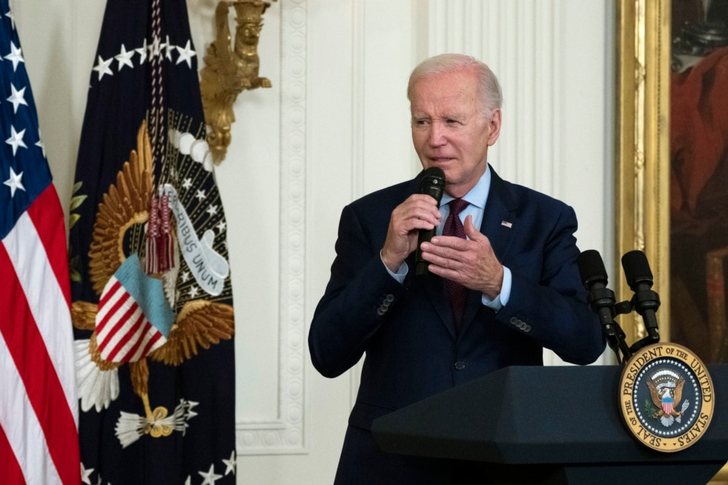
US President Joe Biden leaves today for Japan to attend th...

Seven members of the Albanian immigrant community, who...

The European Parliament elections are considered the large...

Qeveria britanike i ka ofruar para disa të burgosurve shqi...
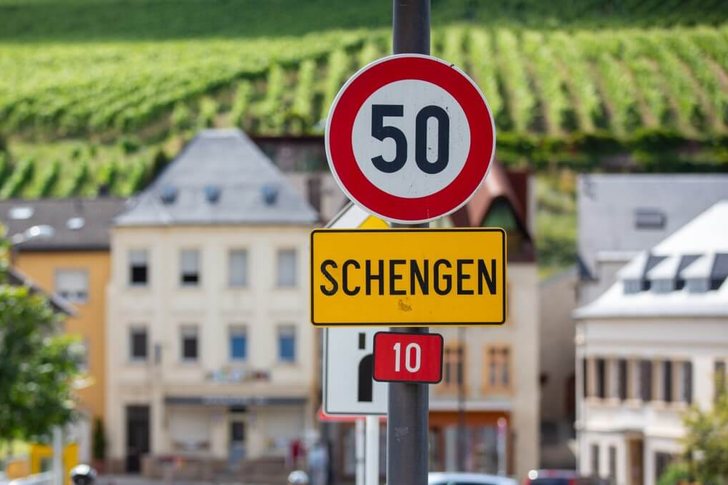
The EU Commission has asked the Council to enable Romania ...
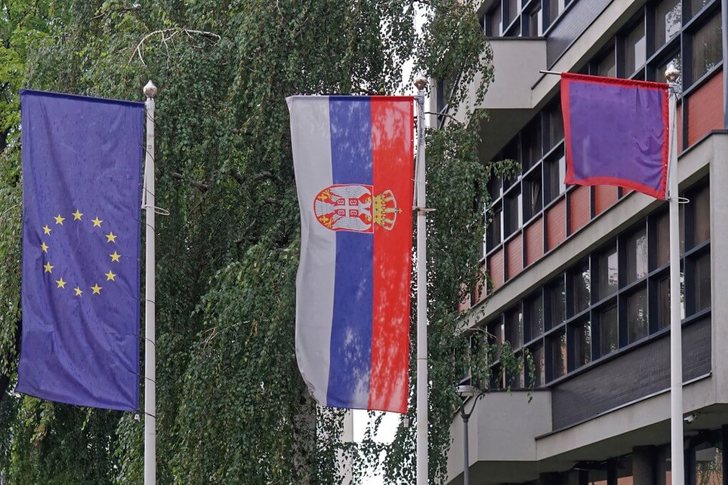
The European Commission has expressed concern about th...
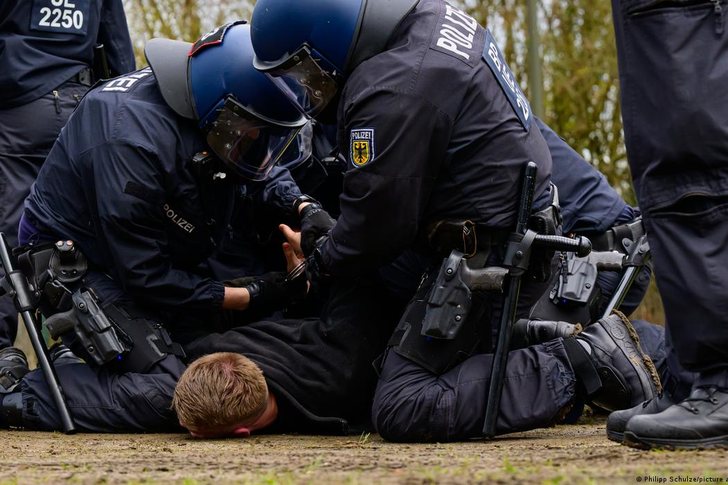
What form of force can the police use? A research team...

They are suspected of planning to cut off the electric...

Everyone knows the famous expression of the writer F. ...
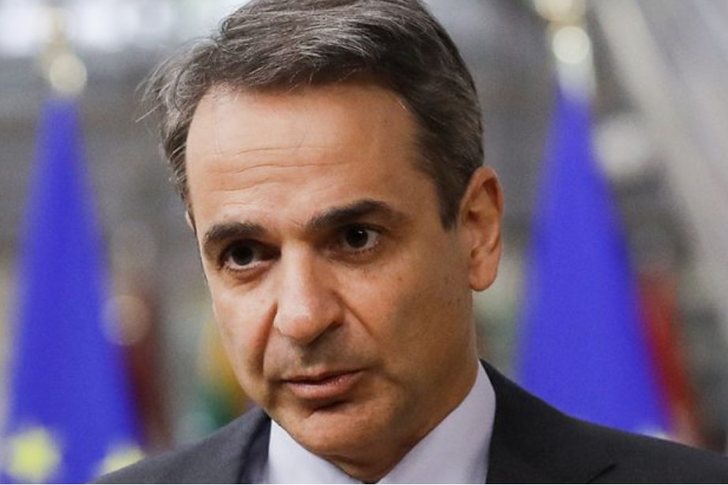
A group representing the 57 victims of the collision of tw...
As the world waits for Ukraine to launch its anticipated c...
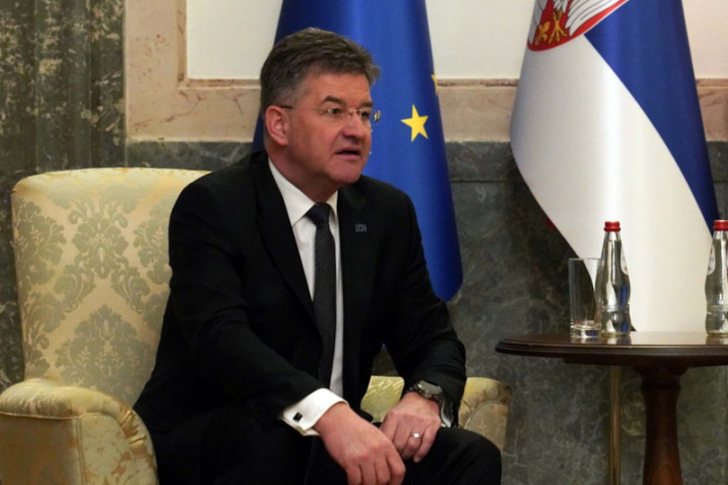
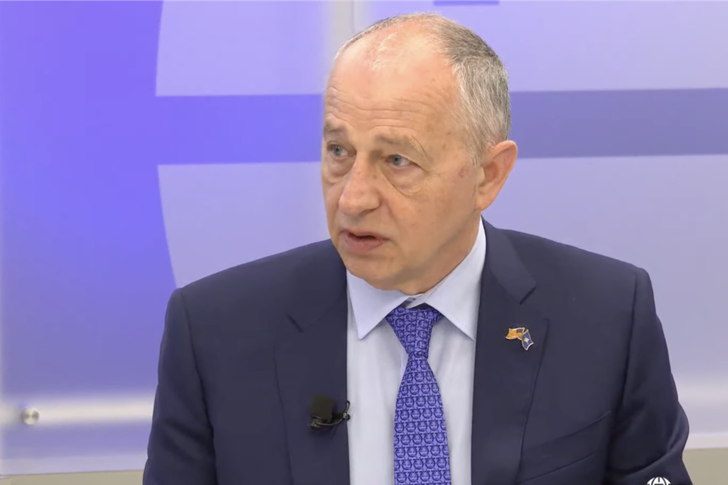
The representative of the European Union for the dialogue ...
Worldwide executions in 2022 reached a five-year high, wit...
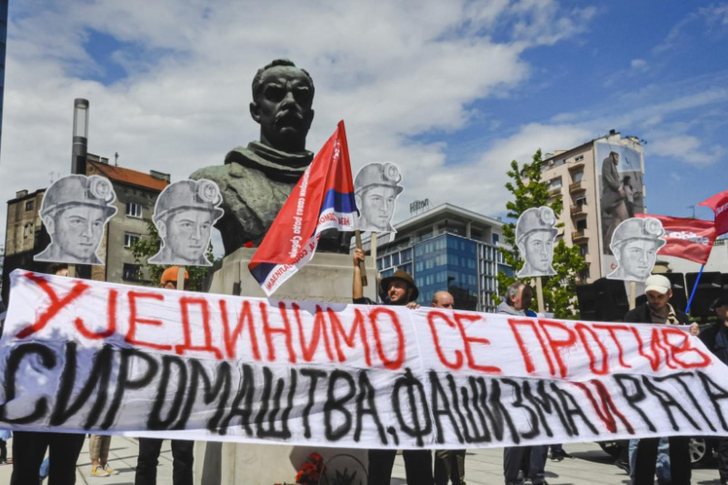
It is not enough to know local policies and institutio...
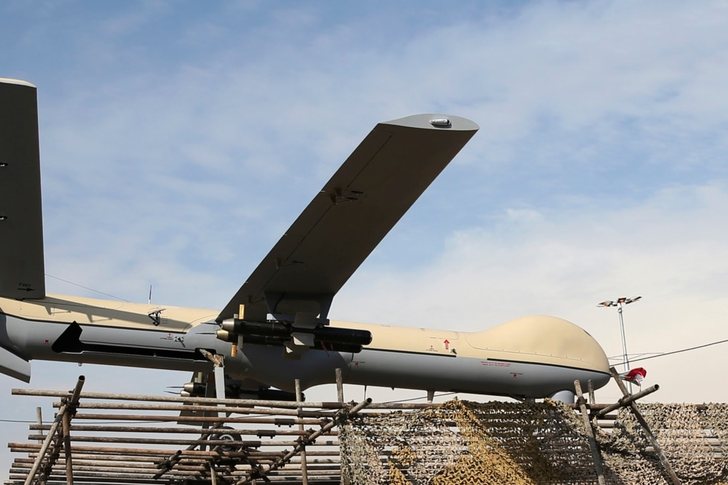
The White House said on Monday that Russia is looking to b...

Special Counsel John Durham has ended his four-year in...
European countries and the United States fielded rival can...
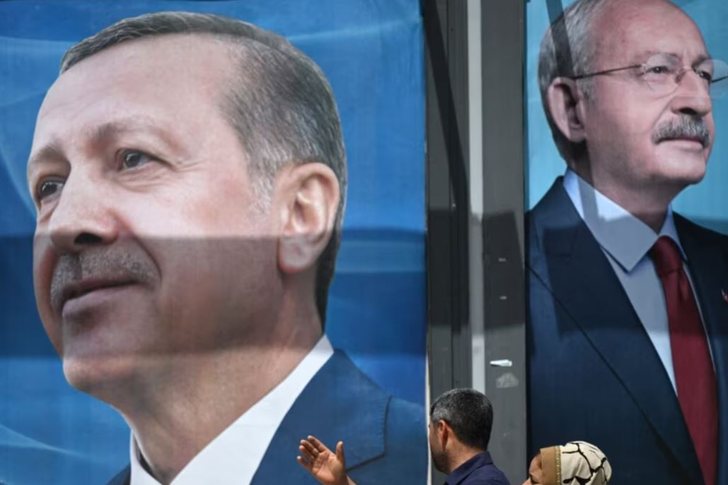
In Turkey, the head of the High Election Board confirmed t...
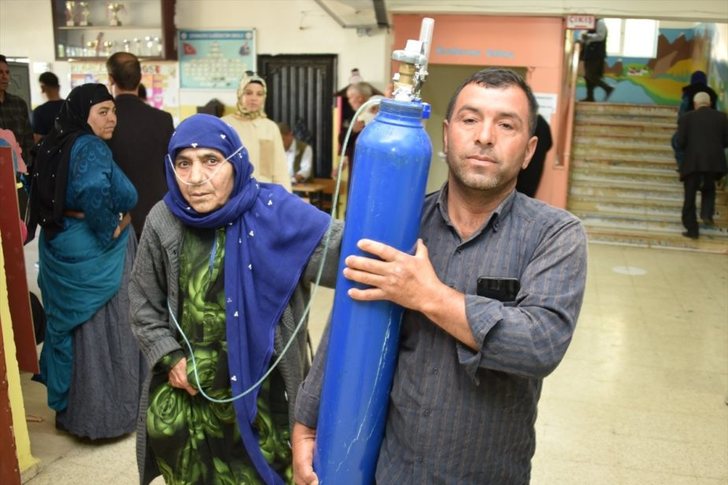
Today, Turkey is voting to elect the president, between th...

For 6 months now, CNA has been sending several letters to ...
The word "fatherland" with properties is not enough. The m...

The justice reform claimed that it would bring faster, fai...

The Justice Reform and the vetting process were trumpeted ...

The Special Board of Appeal (KPA) decided this Monday ...

The KPA vetting decided this Thursday to dismiss the p...

Suela Salavaçi, a prosecutor in the Prosecutor's Offic...

The Special Board of Appeal reinstated the prosecutor ...

The Police Supervision Agency, Kukës-Dibar Regional Direct...
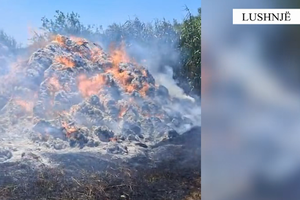
A 57-year-old citizen has been arrested in the village of ...

Two citizens with high social risk, wanted by the authorit...
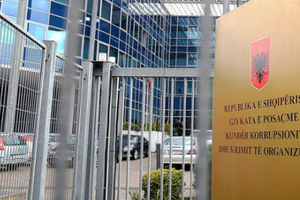
The Special Court against Corruption and Organized Crime h...

An important investment in the service of patients with tu...

Today our country will be affected by stable weather condi...

Emigration, an aging population, and low participation in ...
Today, our country will be affected by relatively stable w...

The fate of Mojtaba Khamenei has been a mystery to Iranian...

British police have arrested a man on suspicion of murderi...
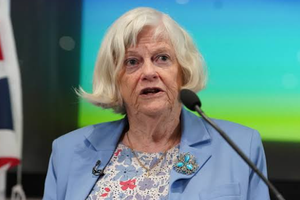
British police have launched an investigation after former...

US President Donald Trump announced this Friday that the U...

The German Embassy in Tirana has invited the Albanian publ...

Professor and literature scholar Ali Xhiku has passed away...

During my research into the life and artistic photographic...

This year's edition of the Gjon Mili International Video A...
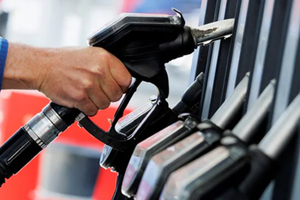
The escalation of the conflict in the Middle East has once...

In addition to food, household appliances, oil, and more, ...
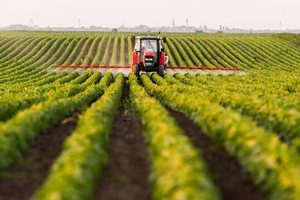
The government has reduced the funds foreseen for rural de...

This Friday, one US dollar is bought for 81.4 lek and sold...