

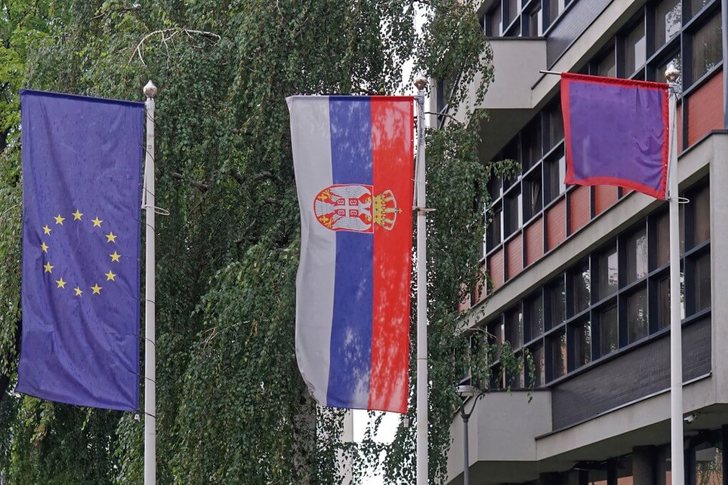
Serbia risks visa liberalization with the EU
The European Commission has expressed concern about th...


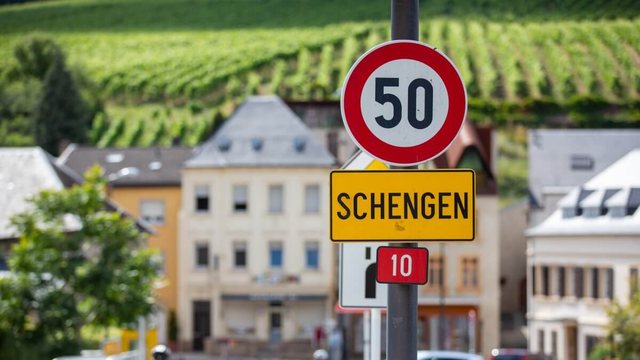
The EU Commission has asked the Council to enable Romania and Bulgaria to become full members of the Schengen Area in 2023, in the second Schengen Situation Report, published today, 16 May, ahead of the second Council of Schengen to be held on June 8.
In the report, the EU Commission listed the bloc's main achievements in relation to its border-free zone, and key priorities for 2023, which it called on the current and future Council presidencies to focus on and work on. reports SchengenVisaInfo.com.
"Schengen enlargement: The Commission once again calls on the Council to further strengthen European unity and allow Romania and Bulgaria to fully join Schengen," the statement said.
In addition, the Commission has considered Croatia's accession to the Schengen Area as one of the main achievements of the bloc a year ago.
Commenting on the report, Home Affairs Commissioner Ylva Johansson also listed Croatia's membership as one of the bloc's key achievements, while calling the Schengen Area "the heart of Europe" that connects Member States.
"Operationally, the increase in police cooperation will enable better exchange of information, monitoring of borders, visas and the risk of organized crime. Representation has been intensified with improved annual Schengen evaluations, contact with the Schengen Coordinator and more high-level Council discussions. Our membership has grown with the accession of Croatia on January 1st, the latest country on our growing list," said Commissioner Johansson.
And while Croatia joined on January 1, Romania and Bulgaria are still waiting, with their membership largely opposed by Austria.
In late April, Foreign Minister Alexander Schallenberg told Politico.eu that Austria would hold its veto on expanding the Schengen area with Bulgaria and Romania until the country sees a "sustainable decline" in asylum seekers as asylum applications in Austria nearly tripled in 2022, reaching around 110,000. At the same time, Austria's Interior Minister, Gerhard Karner, had claimed that seven percent of those smuggling immigrants into Austria were Romanians.
However, despite Austria's rejection, several other EU countries firmly support the membership of these two countries in the Schengen Area, in particular countries such as Germany and Hungary.
In addition to urging the Council to support the expansion of the border-free zone, the Commission has outlined other key priorities in its Southern state, some of which are as follows:
-Implementation of the Entry-Exit System as part of efforts to further strengthen the EU's external borders
-Maximizing the use of SIS to make the return system more effective
-Replacing long-term internal border controls with alternative measures of police cooperation,
- Alignment of visa policies of third country partners with that of the EU
-Abolition of citizenship and residency schemes for risky investors
The Member States are expected to meet on June 8 at the second Schengen Council, where these priorities and others listed in the report published today are expected to be discussed. / CNA.al

The European Commission has expressed concern about th...
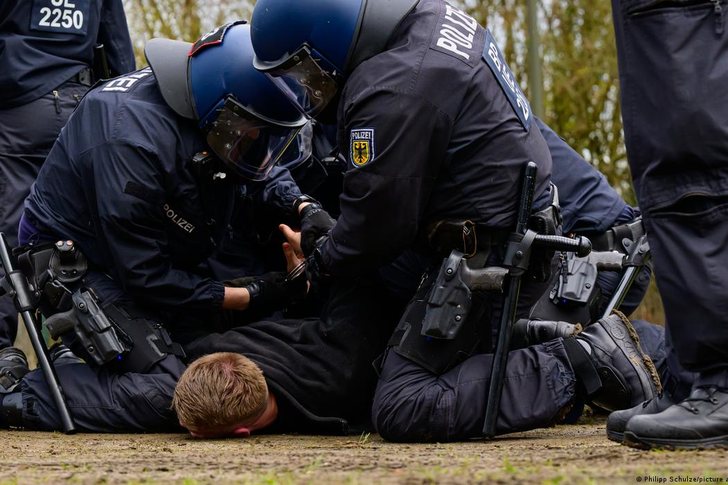
What form of force can the police use? A research team...

They are suspected of planning to cut off the electric...

Everyone knows the famous expression of the writer F. ...
A group representing the 57 victims of the collision of tw...
As the world waits for Ukraine to launch its anticipated c...
The representative of the European Union for the dialogue ...
Worldwide executions in 2022 reached a five-year high, wit...

It is not enough to know local policies and institutio...
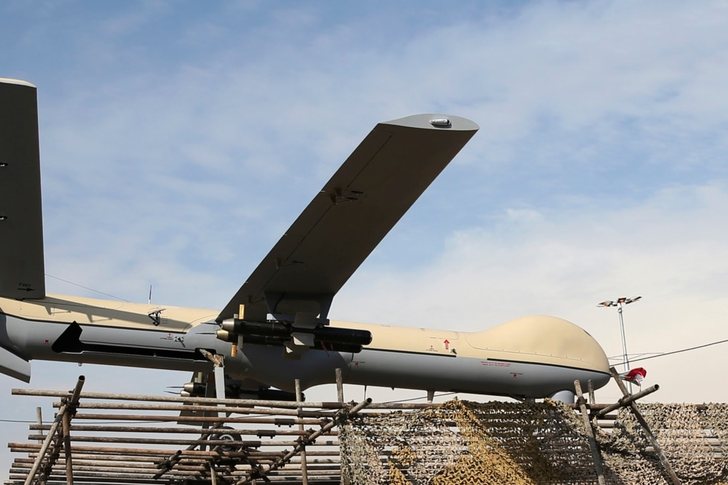
The White House said on Monday that Russia is looking to b...
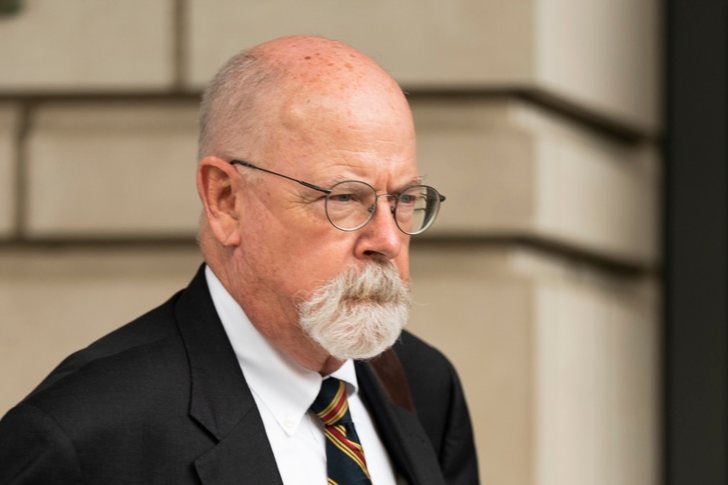
Special Counsel John Durham has ended his four-year in...
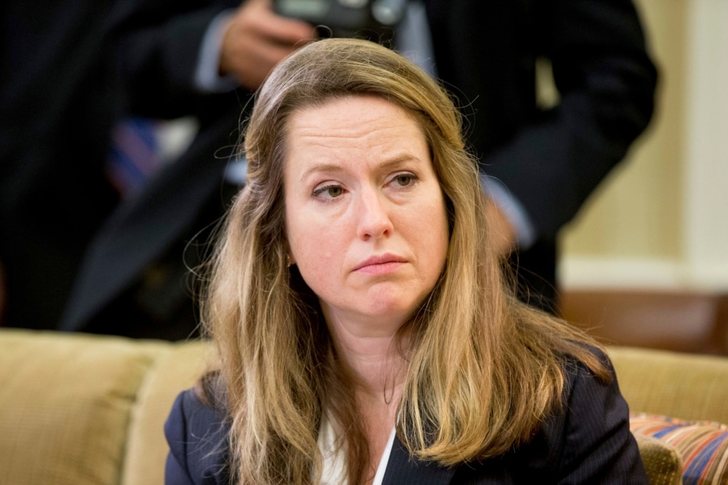
European countries and the United States fielded rival can...
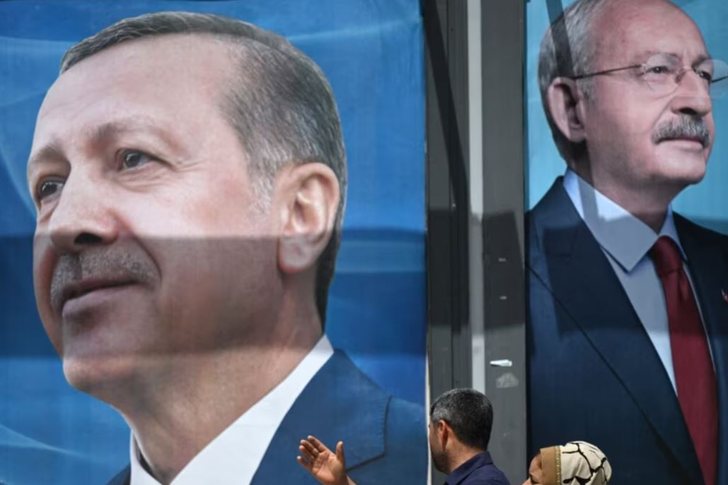
In Turkey, the head of the High Election Board confirmed t...
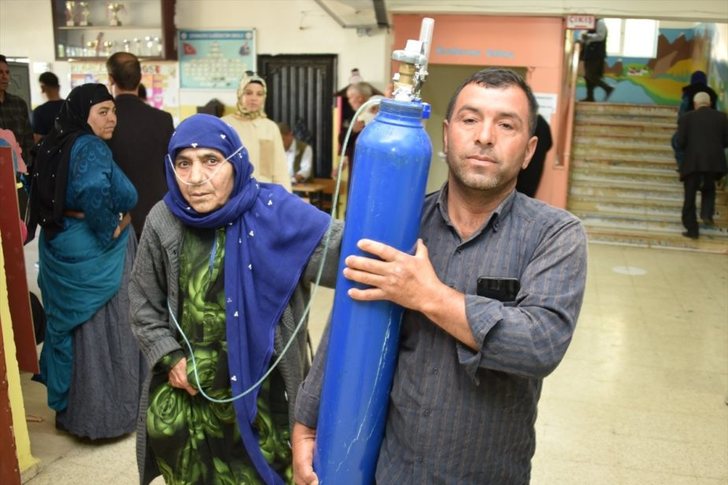
Today, Turkey is voting to elect the president, between th...
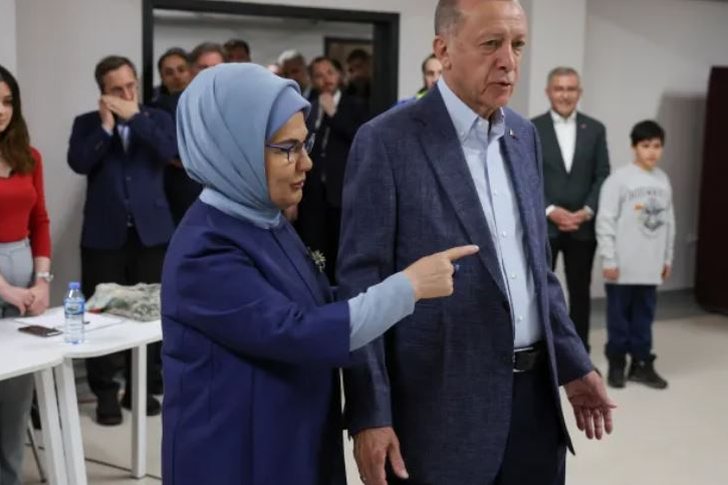
Turkish President Erdogan went to the polling station tog...
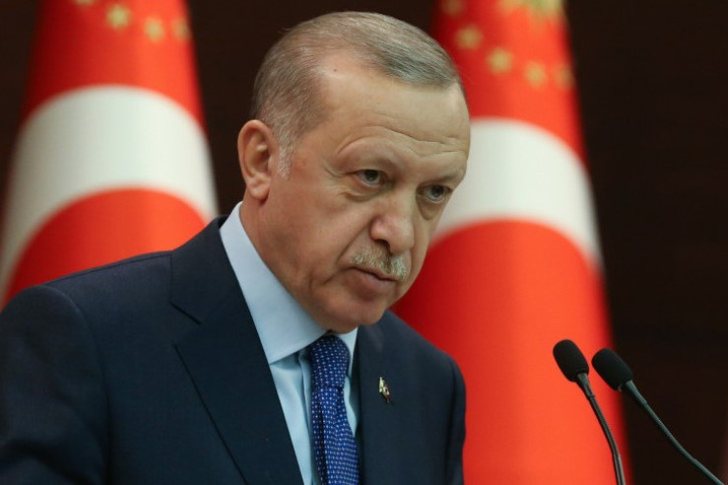
The May 14 elections in Turkey are among the most importan...
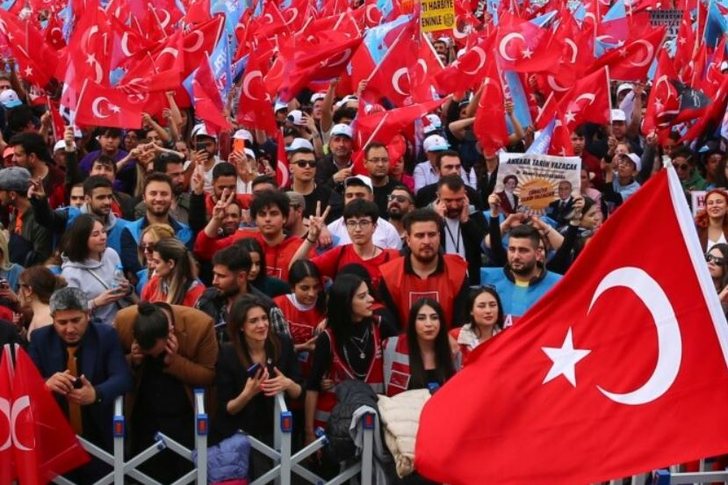
Turkish President Recep Tayyip Erdogan has formed an elect...
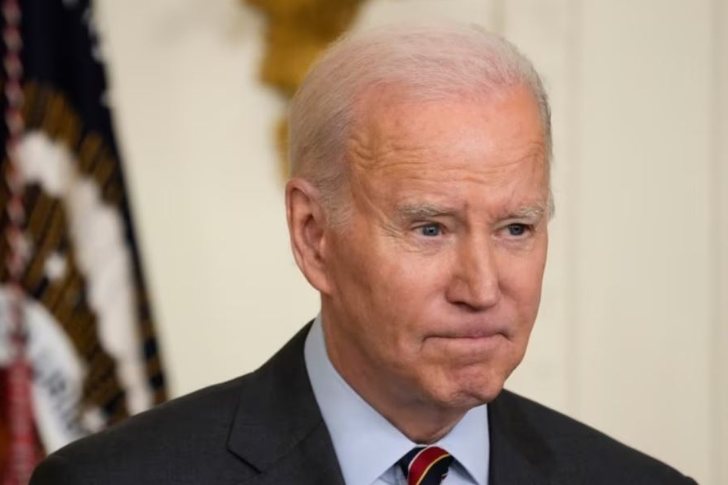
Talks on raising the debt ceiling in the United States cou...

An accident occurred in the village of Vragoli in Pristina...
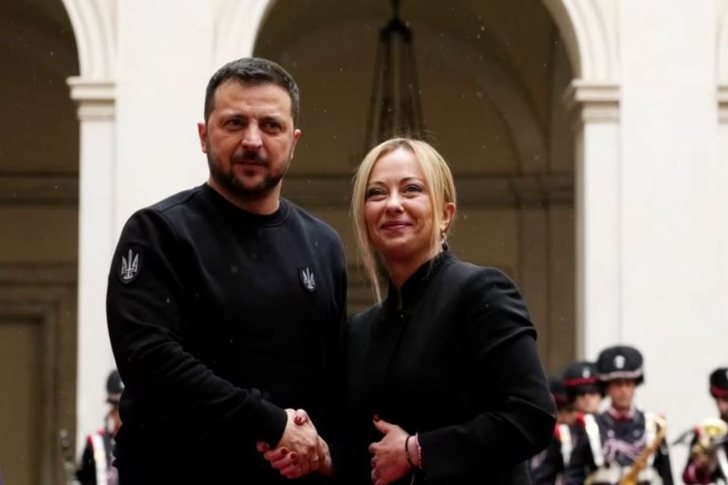
Presidenti ukrainas Volodymyr Zelensky zhvilloi një vizitë...

For 6 months now, CNA has been sending several letters to ...
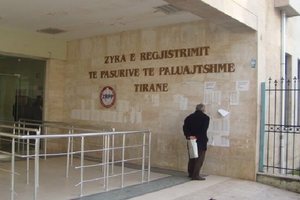
The word "fatherland" with properties is not enough. The m...

The justice reform claimed that it would bring faster, fai...
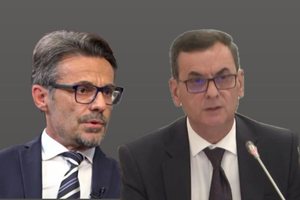
The Justice Reform and the vetting process were trumpeted ...

The Special Board of Appeal (KPA) decided this Monday ...

The KPA vetting decided this Thursday to dismiss the p...

Suela Salavaçi, a prosecutor in the Prosecutor's Offic...

The Special Board of Appeal reinstated the prosecutor ...
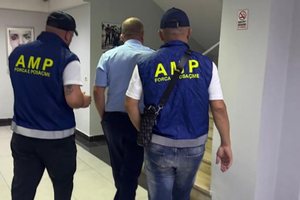
The Police Supervision Agency, Kukës-Dibar Regional Direct...
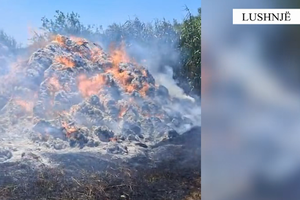
A 57-year-old citizen has been arrested in the village of ...

Two citizens with high social risk, wanted by the authorit...
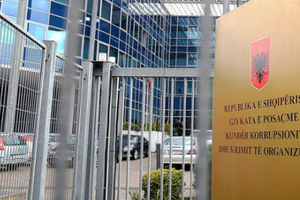
The Special Court against Corruption and Organized Crime h...
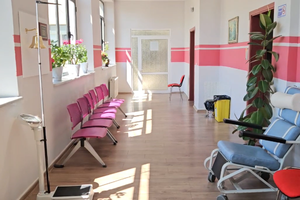
An important investment in the service of patients with tu...

Today our country will be affected by stable weather condi...

Emigration, an aging population, and low participation in ...
Today, our country will be affected by relatively stable w...

The fate of Mojtaba Khamenei has been a mystery to Iranian...

British police have arrested a man on suspicion of murderi...
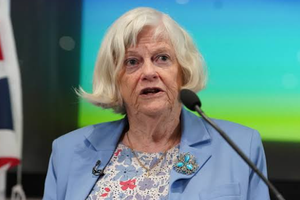
British police have launched an investigation after former...

US President Donald Trump announced this Friday that the U...

The German Embassy in Tirana has invited the Albanian publ...

Professor and literature scholar Ali Xhiku has passed away...

During my research into the life and artistic photographic...

This year's edition of the Gjon Mili International Video A...
The escalation of the conflict in the Middle East has once...

In addition to food, household appliances, oil, and more, ...

The government has reduced the funds foreseen for rural de...

This Friday, one US dollar is bought for 81.4 lek and sold...