


Germany - The trial against citizens of the Reich begins
They are suspected of planning to cut off the electric...


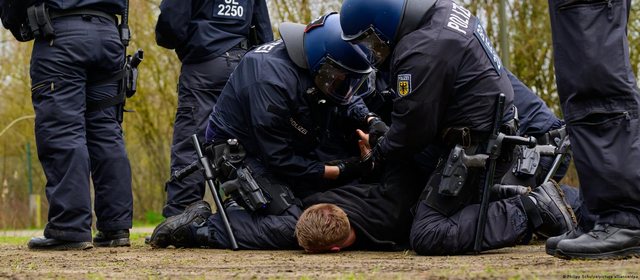
What form of force can the police use? A research team examined 3,300 affected individuals and also spoke with the police. The answers are different.
What can and what does the police dare to do? This question has been repeatedly raised in Germany in recent years - for example at demonstrations and football matches, but also during identity checks. Several videos of police operations were shared on Twitter and Instagram with the hashtag #policeviolence. Among them is a video from August 2020, when a 15-year-old boy was searched in Hamburg and attacked by several policemen while he was riding an e-scooter on the street. The police union (GdP) announced at the time that they saw no police violence in the video.
Estimates of the use of force in police actions often vary widely. This issue is addressed by the research project "Physical injuries of police officers at the workplace" (KviAPol), which will be presented in detail in the book "Violence at the workplace. Excessive use of police force and how to deal with it".
Researchers Laila Abdul-Rahman, Hannah Espin Grau, Luise Klaus and Tobias Singelnstein interviewed 3,300 victims of violence and conducted more than 60 interviews with representatives of the police, prosecution, legal system and victim counseling centers. The sample of this research is not representative. QuiAPol is an independent research project and differs from the study on the daily lives of police officers commissioned by former Interior Minister Horst Seehofer during his term.
2,790 investigations against the police
Whether police violence is considered excessive can vary greatly from case to case. In a summary of their results, the research team states that the study refers to procedures "that, from the perspective of the people evaluating them, exceeded the boundaries of what is acceptable." This, they say, does not necessarily mean that violence is classified as illegal.
In 2021, 2,790 investigations were carried out against police forces due to the illegal use of force. In more than 90 percent of suspicious cases, criminal proceedings have been suspended - according to the state prosecutor's office, indictments have been filed in only two percent of cases. In addition, according to the researchers, most of those affected do not even report their cases due to poor prospects for success or fear of consequences. Only 14 percent of respondents stated that a criminal procedure was developed for their case.
According to the study, most of those affected by the excessive use of force have been in contact with the police during demonstrations and political actions (55 percent), followed by cases that occur at football matches and other large events (25 percent). Men are more often affected by the excessive use of force (72 percent).
Serious injuries and psychological consequences
According to the interviewees, violence was used mainly by male police officers under the age of 30. It is said that several patrols were often present in police operations, but not all of them used force. In 26 percent of the cases, the violence was committed by only one policeman. There were often beatings or pushbacks, while tear gas and water cannons also played a role in major incidents.
19 percent of respondents have suffered serious injuries such as broken bones or injuries to the joints of limbs as well as damage to sensory organs. Those affected also reported severe psychological consequences.
Uncertainty when it comes to legal action
"Situations involving the use of force by the police can be described as complex, often confusing and tense actions that are caused by the actions of both parties and that are conditioned by external circumstances," the researchers wrote in a summary of their results. 25 percent of those affected said that the intervention of the police was the reason for the escalation of the situation. However, 19 percent say that disobeying police instructions has led to the escalation of the situation.
In escalated situations, the use of force may be necessary from the perspective of the police. "The law conceives of police violence as an extraordinary power that is permitted only within very narrow limits," the researchers said. Police officers have emphasized many times in interviews that they abide by the law. But it has been shown that "the use of force is part of everyday police work and is being normalized accordingly," according to the researchers. They state that there is uncertainty and different interpretations of what is considered legal.
The researchers found that the threshold for what is described as excessive use of force is relatively high for police officers. For those affected, on the other hand, it was not only a question of whether the use of force was legal, but also of its legitimacy - ie. whether the police action was perceived as fair or not.
"Establishing Dominance"
According to the researchers, it is precisely the duty of the police to clarify situations and explain the norms for the use of measures during interventions. The use of force by the police is a practice to establish dominance in certain situations.
"For those who are affected by the excessive use of force by the police, for example, a situation arises where they can hardly exercise their rights without mechanisms that oppose the dominance of the police", say the researchers./ DW

They are suspected of planning to cut off the electric...
Everyone knows the famous expression of the writer F. ...
A group representing the 57 victims of the collision of tw...
As the world waits for Ukraine to launch its anticipated c...
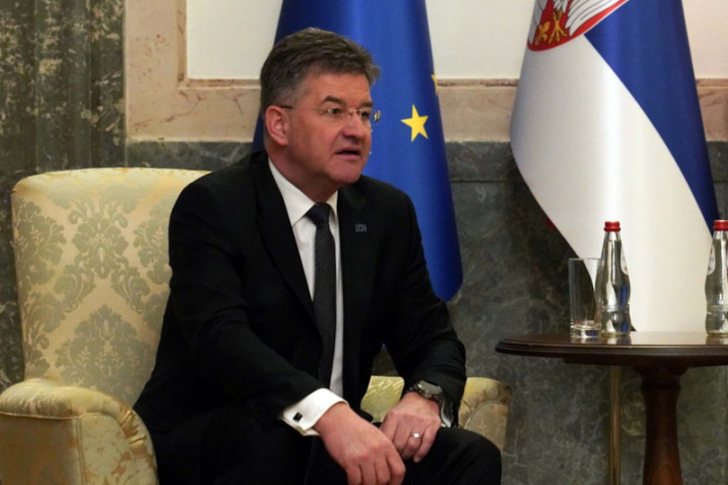
The representative of the European Union for the dialogue ...

Worldwide executions in 2022 reached a five-year high, wit...
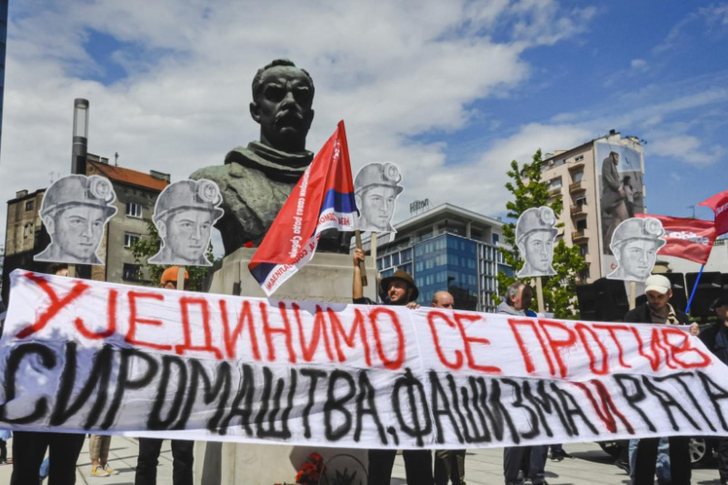
It is not enough to know local policies and institutio...
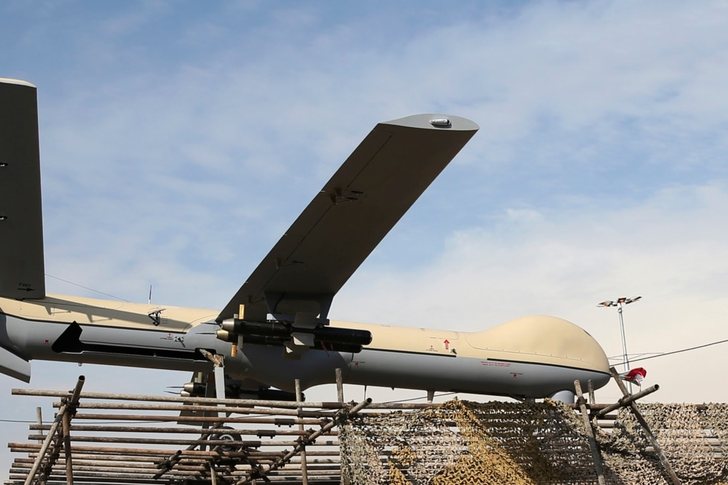
The White House said on Monday that Russia is looking to b...
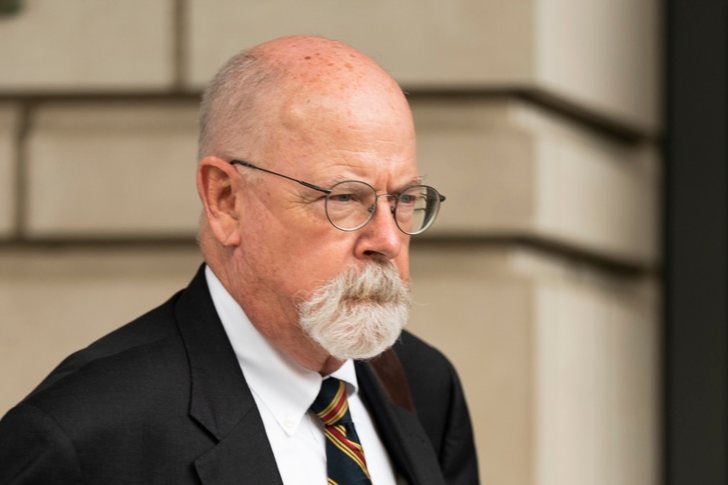
Special Counsel John Durham has ended his four-year in...
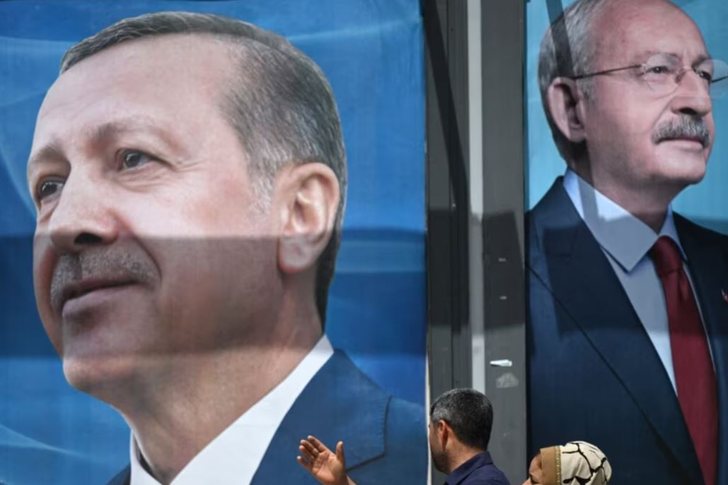
European countries and the United States fielded rival can...
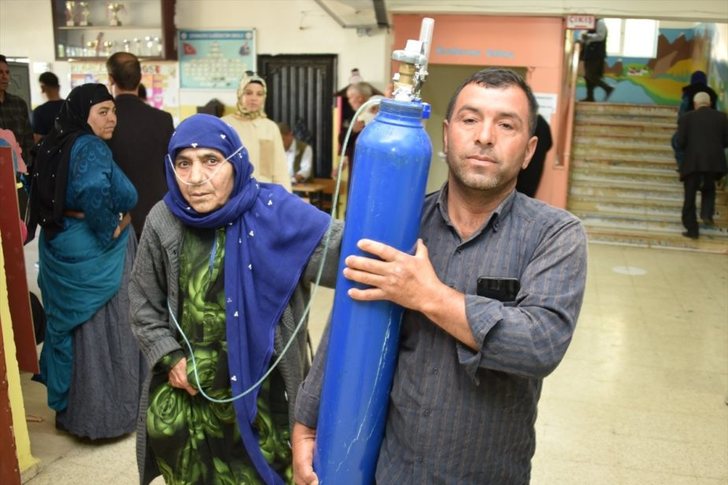
In Turkey, the head of the High Election Board confirmed t...
Today, Turkey is voting to elect the president, between th...
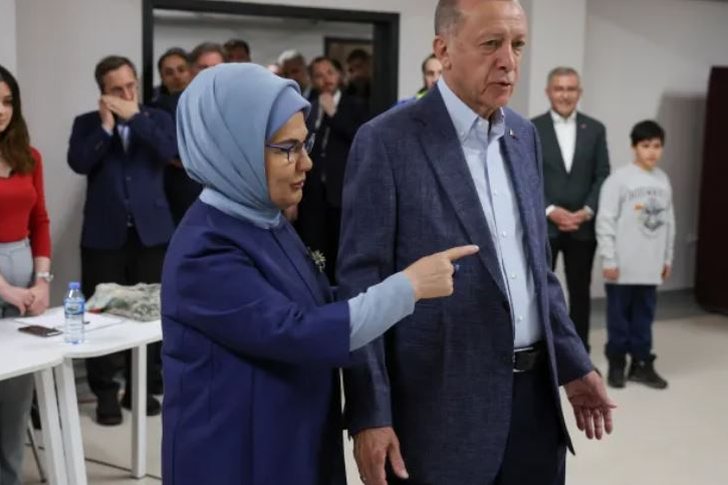
Turkish President Erdogan went to the polling station tog...
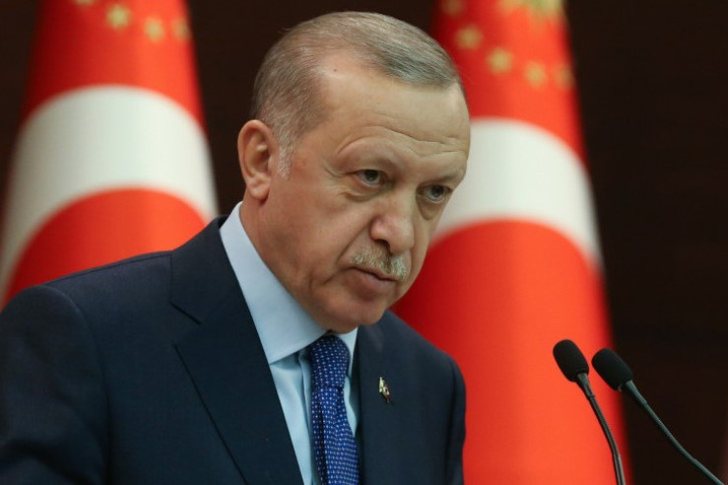
The May 14 elections in Turkey are among the most importan...
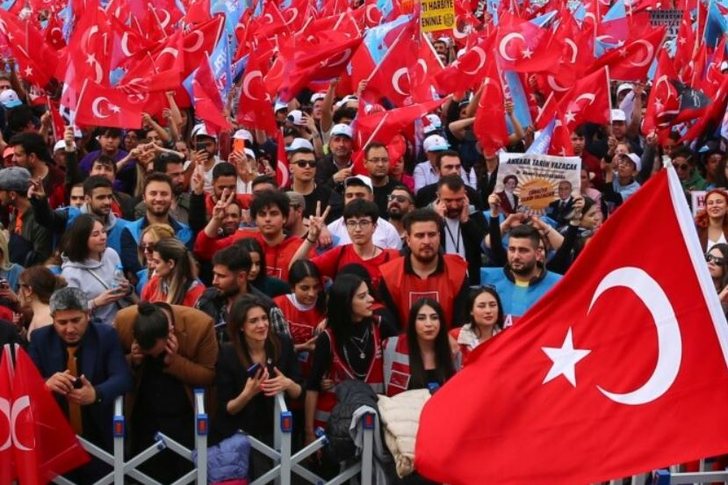
Turkish President Recep Tayyip Erdogan has formed an elect...
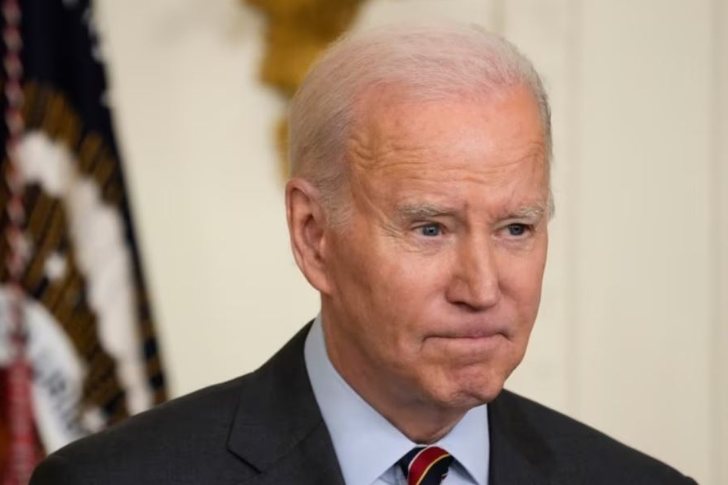
Talks on raising the debt ceiling in the United States cou...
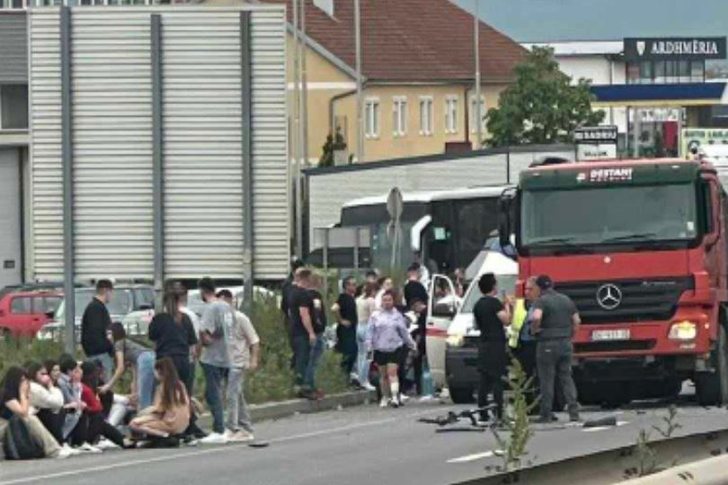
An accident occurred in the village of Vragoli in Pristina...
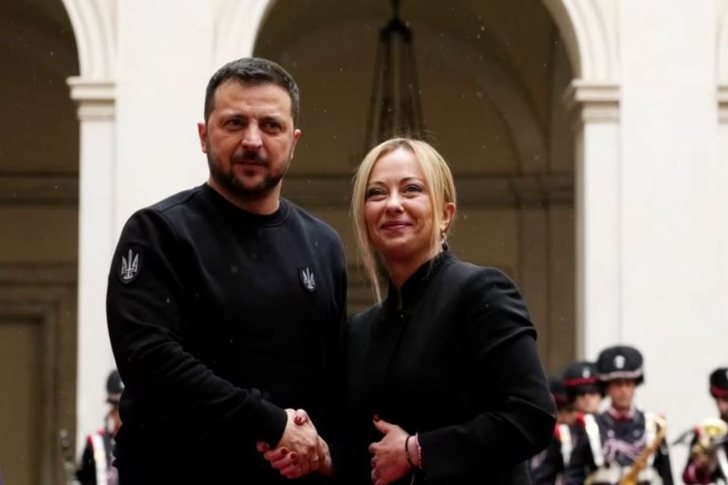
Presidenti ukrainas Volodymyr Zelensky zhvilloi një vizitë...
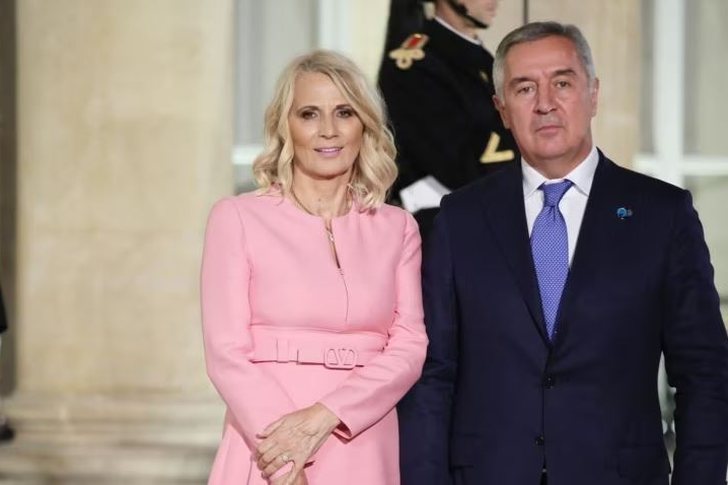
The Special Prosecutor's Office of the State of Montenegro...
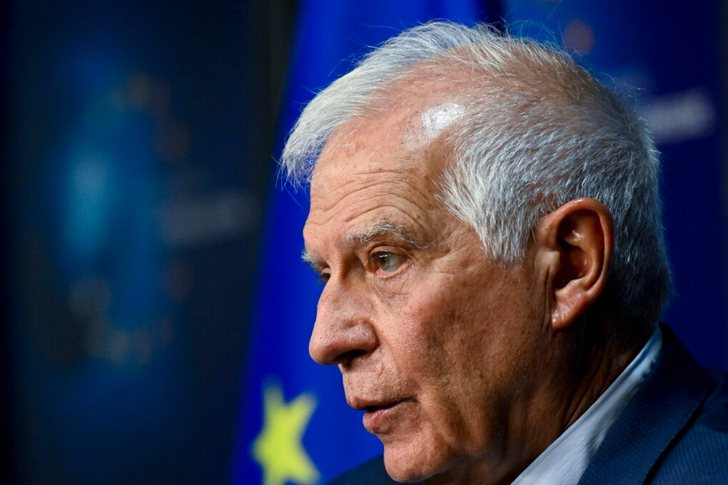
The European Union should speed up supplies of ammunit...

For 6 months now, CNA has been sending several letters to ...
The word "fatherland" with properties is not enough. The m...

The justice reform claimed that it would bring faster, fai...

The Justice Reform and the vetting process were trumpeted ...

The Special Board of Appeal (KPA) decided this Monday ...

The KPA vetting decided this Thursday to dismiss the p...

Suela Salavaçi, a prosecutor in the Prosecutor's Offic...

The Special Board of Appeal reinstated the prosecutor ...
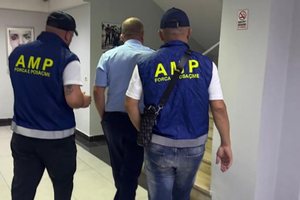
The Police Supervision Agency, Kukës-Dibar Regional Direct...
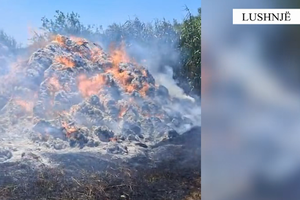
A 57-year-old citizen has been arrested in the village of ...
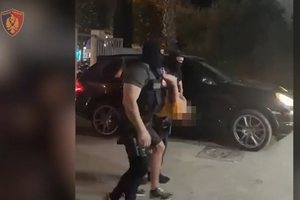
Two citizens with high social risk, wanted by the authorit...
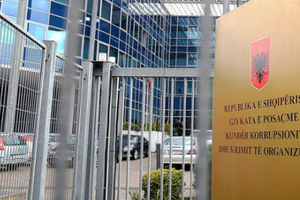
The Special Court against Corruption and Organized Crime h...

An important investment in the service of patients with tu...

Today our country will be affected by stable weather condi...

Emigration, an aging population, and low participation in ...
Today, our country will be affected by relatively stable w...
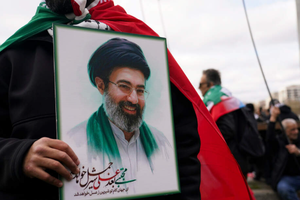
The fate of Mojtaba Khamenei has been a mystery to Iranian...
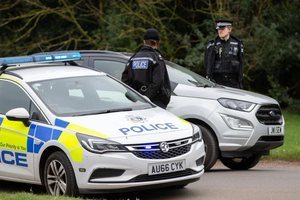
British police have arrested a man on suspicion of murderi...
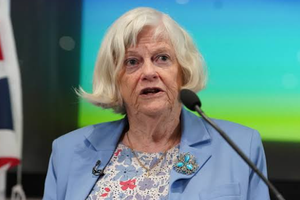
British police have launched an investigation after former...

US President Donald Trump announced this Friday that the U...

The German Embassy in Tirana has invited the Albanian publ...

Professor and literature scholar Ali Xhiku has passed away...

During my research into the life and artistic photographic...

This year's edition of the Gjon Mili International Video A...

The escalation of the conflict in the Middle East has once...

In addition to food, household appliances, oil, and more, ...

The government has reduced the funds foreseen for rural de...

This Friday, one US dollar is bought for 81.4 lek and sold...