

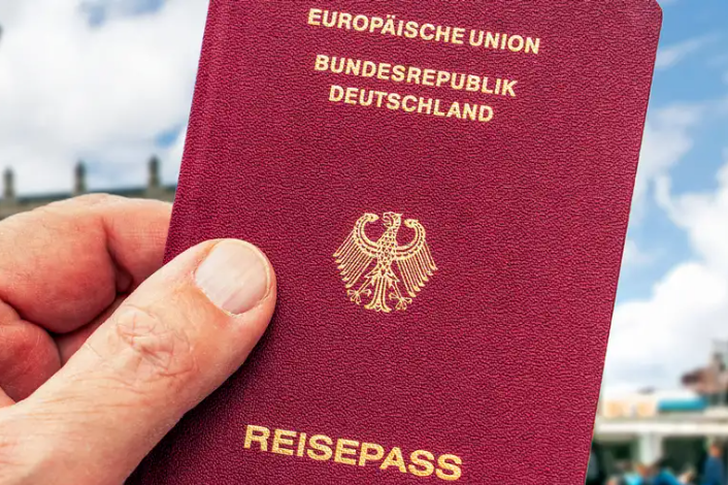
Germany, revoking citizenship due to anti-Semitism?
CDU/CSU and SPD plans: "Supporters of terrorism, anti-Semi...


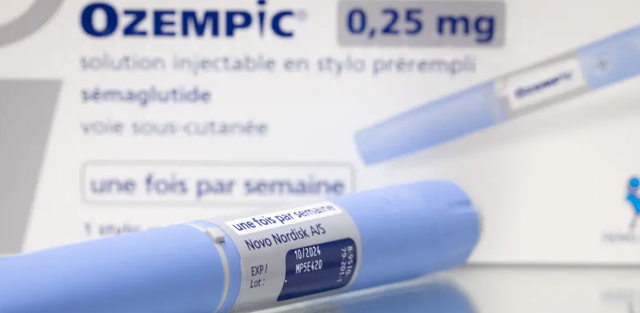
Major fraud in the German healthcare system is being uncovered. Another pattern of professional fraud is the creation of so-called shell companies.
Ozempic, originally a diabetes drug, is making a big splash after the trend started in Hollywood. An Ozempic weight loss syringe costs between 80 and 217 euros, depending on the dose. But criminal networks in Germany are also trying to profit by forging paper prescriptions to then resell the syringes. Health insurance companies pay for these drugs. Just one of many examples that shows how legitimate health insurance companies are being deceived in this country.
Major frauds in the field of healthcare
In total, health insurers detected fraud worth 200 million euros in 2022 and 2023, which is seen as the highest amount since statistics began in 2008, according to the current report of the National Health Insurance Association published on Friday, GKV (28.03.).
According to him, criminals are increasingly successful in reimbursing fake prescriptions for expensive medications. In addition to Ozempic, pharmacies are also handing over prescriptions and billing for painkillers such as Tilidine and Fentanyl at the expense of health insurance companies. But if the fraud is discovered, health insurance companies seek compensation even from pharmacies that did not detect the forged prescriptions.
The report is based on information from 94 insurance companies that are members of the National Association and individuals who have reported cases and who work in the healthcare sector. In total, around 50,000 reports were reported during the reporting period. This is an increase of more than 20 percent compared to the previous reporting period 2021/2020.
But almost half of all reports related to violations in the field of healthcare. Service providers are said to have cheated on the time dedicated to training and to have placed more services than were actually provided. The GKV also cites forged professional certificates and patient signatures as typical examples of fraud in this industry.
According to the GKV, another pattern of professional fraud is becoming increasingly apparent: the creation of so-called shell companies. According to research by the German public broadcaster rbb, uninformed people with certain illnesses and addictions from Eastern Europe are often appointed as managing directors of these companies. But the companies only exist on paper or as letter boxes.
Through these fake companies, people are registered with health insurance companies and where they can receive social benefits in Germany. These are often people who are not employed by the companies. Their pay slips, salary payments and employment contracts are manipulated or falsified./ DW

CDU/CSU and SPD plans: "Supporters of terrorism, anti-Semi...
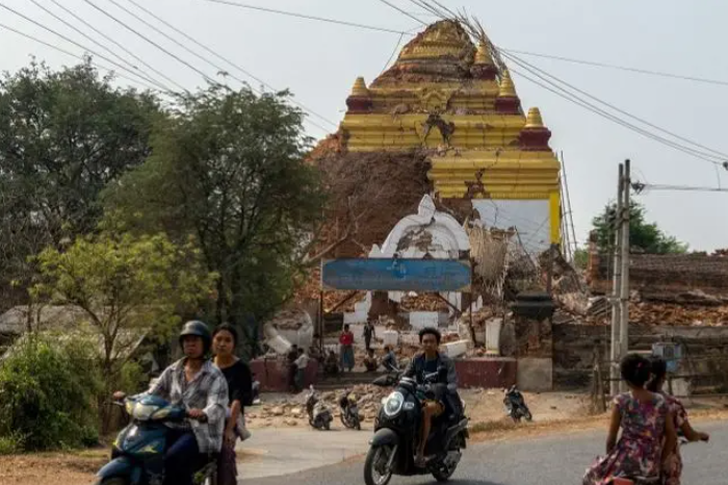
The UN has appealed for $8 million in urgent aid as aid gr...
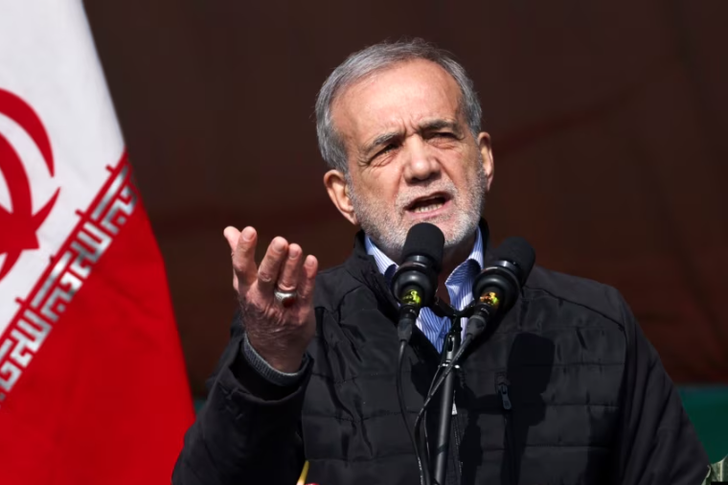
Iranian President Masoud Pezeshkian has publicly rejected ...
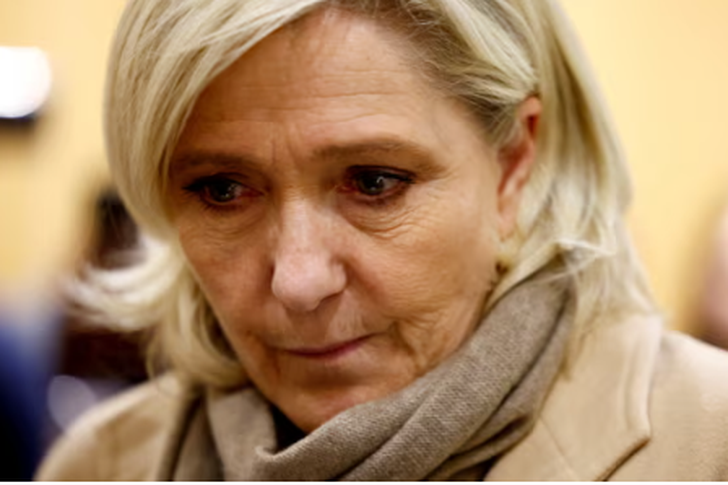
The court will decide the future of far-right leader Marin...
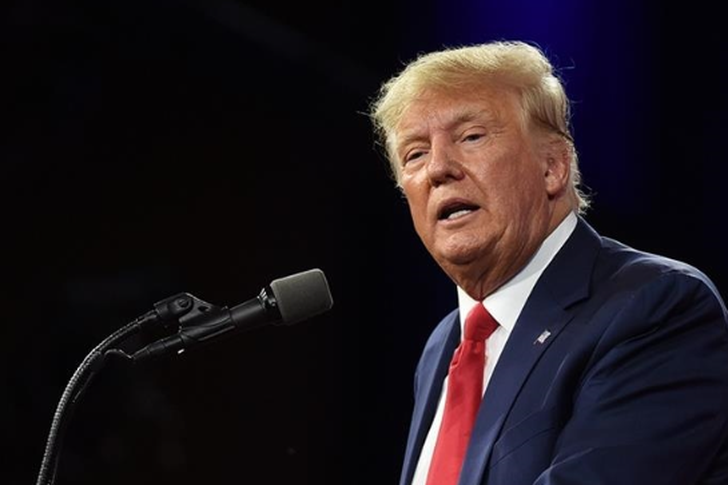
The President of the United States of America, Donald Trum...
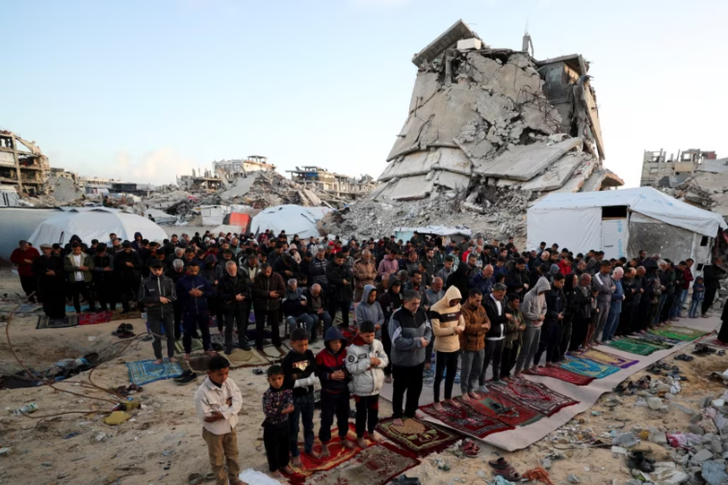
Palestinians in the Gaza Strip had little to celebrate on ...
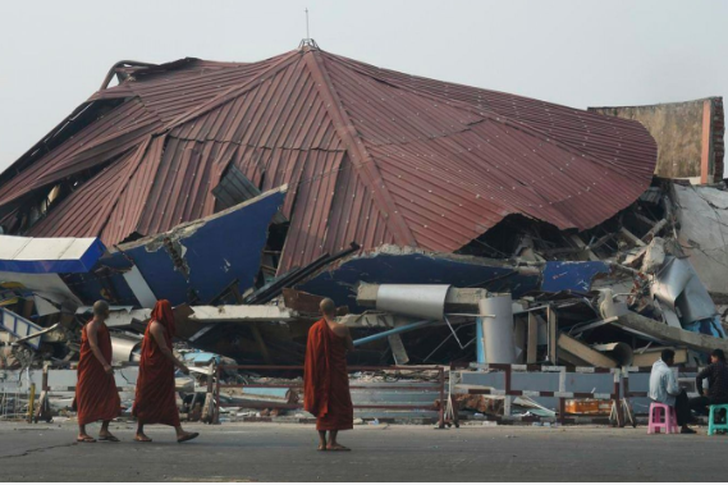
According to experts, the death toll from the powerful 7.7...
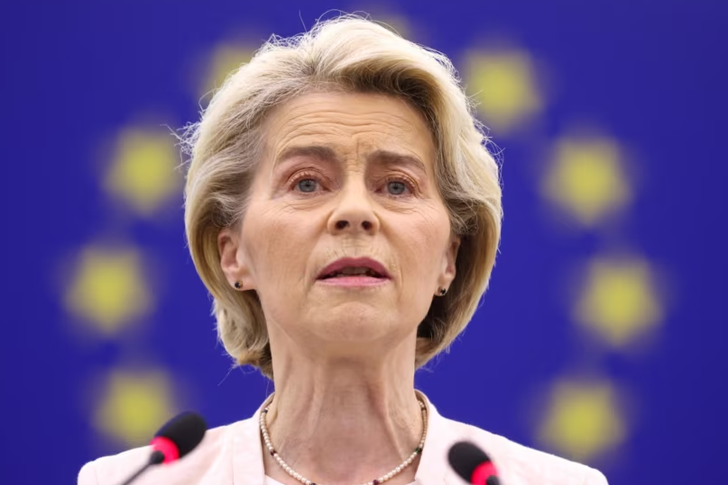
Presidentja e Komisionit Europian, Ursula von der Leyen ka...
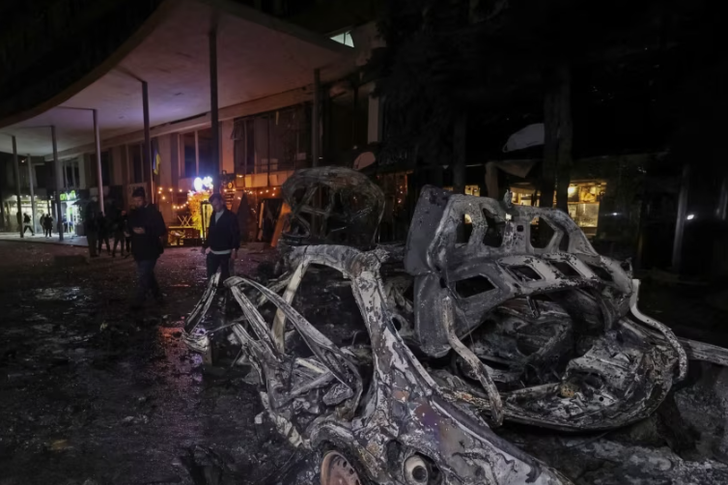
Ukrainian President Volodymyr Zelensky demanded a "strong ...

An unusual incident has occurred in Moscow, where a li...
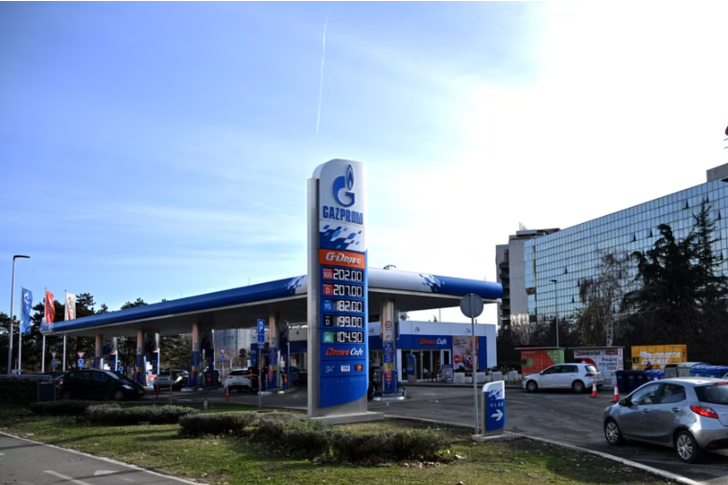
The Serbian Oil Industry (NIS) announced on Saturday that ...
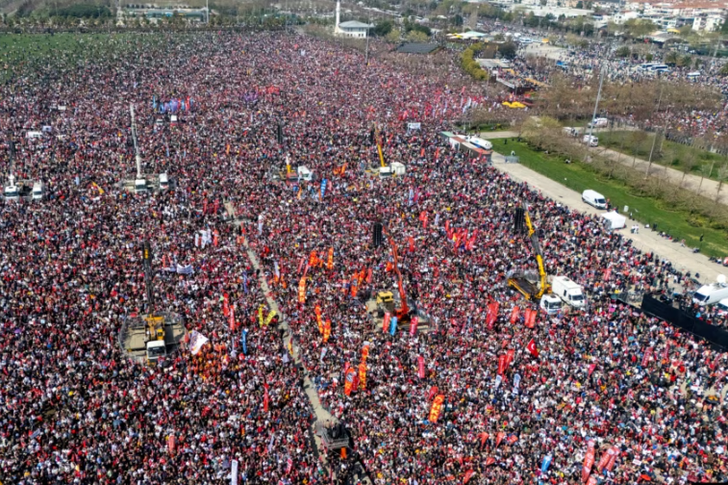
Hundreds of thousands of Turks protested in Istanbul on Sa...
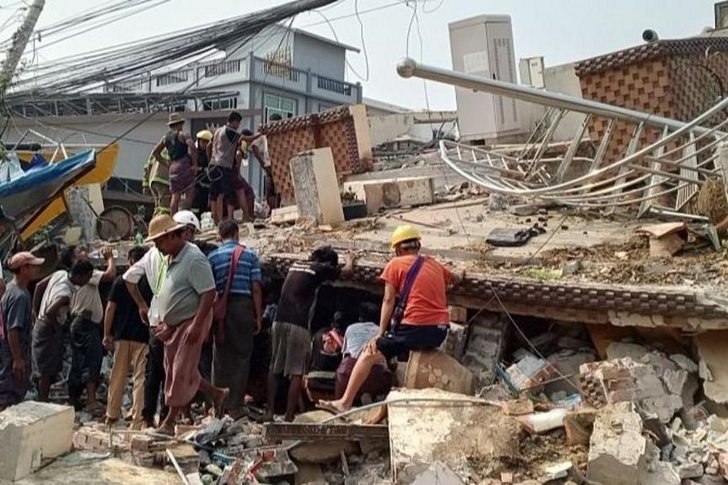
More than 1,000 people have died and thousands more have b...
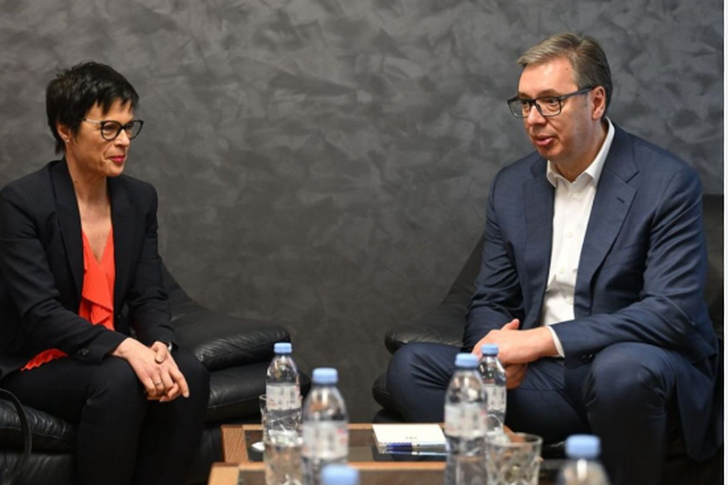
The Commissioner for Enlargement in the European Union, Ma...
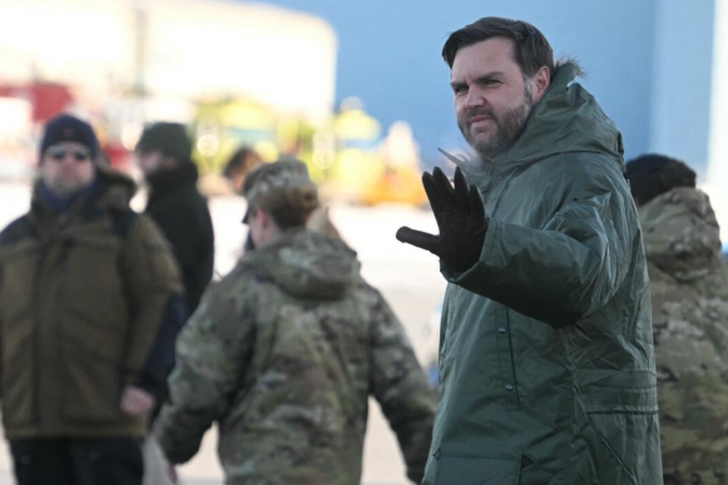
US Vice President JD Vance landed at a US military base in...
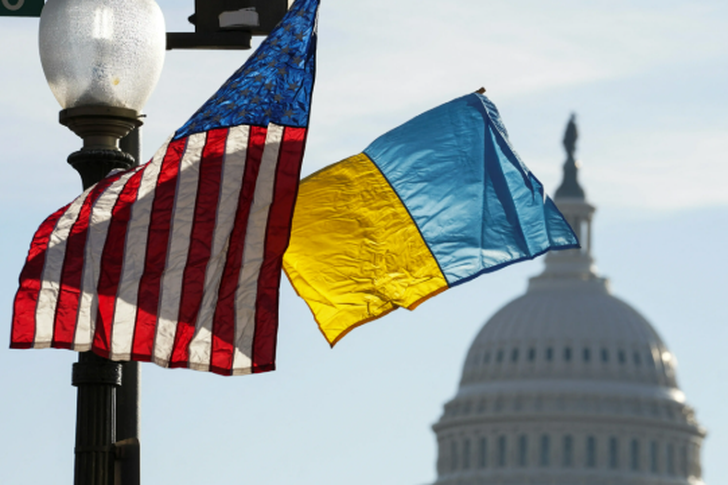
The White House has rejected Russian President Vladimir Pu...
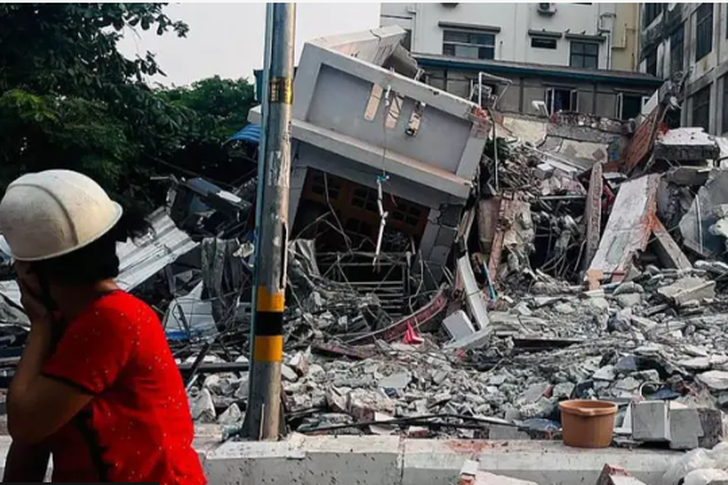
A rescue team in Myanmar has said that the death toll from...
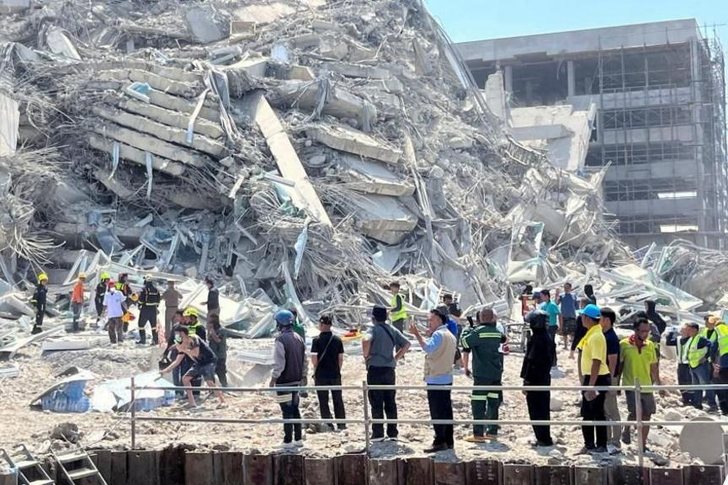
A powerful 7.7 magnitude earthquake has struck central Mya...
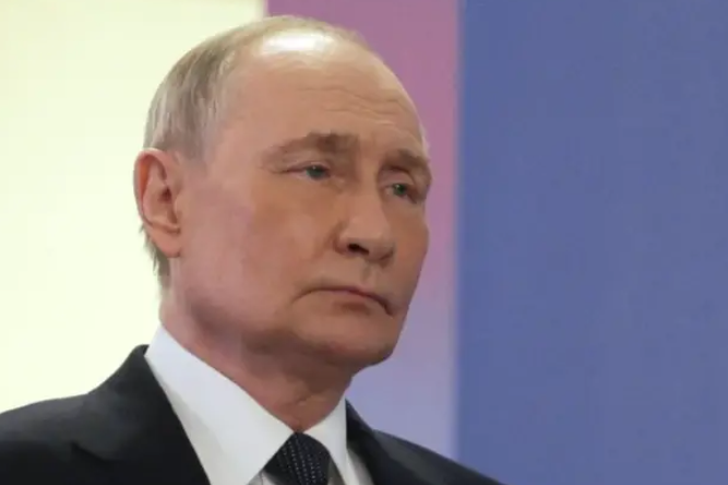
Russian President Vladimir Putin has suggested the creatio...
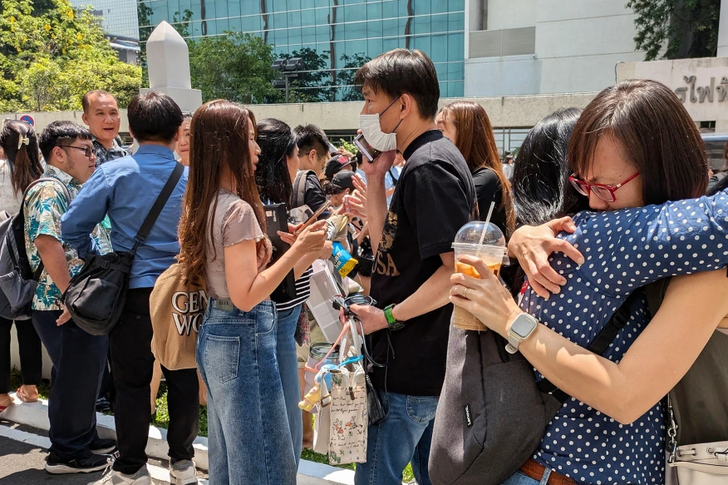
A 7.7 magnitude earthquake has struck Myanmar, the United ...
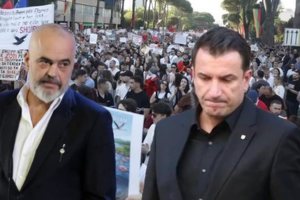
There have been 12 days of protests in the capital, which ...
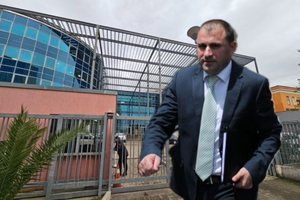
Dritan Prençi is the SPAK prosecutor who is sleeping on th...
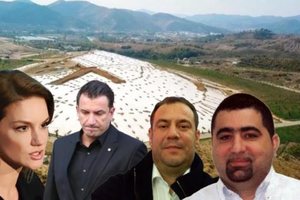
The in-depth investigations that SPAK conducted into Ajola...
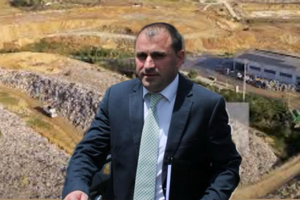
SPAK's standards, the way it investigates, how it secures ...

The Special Board of Appeal (KPA) decided this Monday ...

The KPA vetting decided this Thursday to dismiss the p...

Suela Salavaçi, a prosecutor in the Prosecutor's Offic...

The Special Board of Appeal reinstated the prosecutor ...
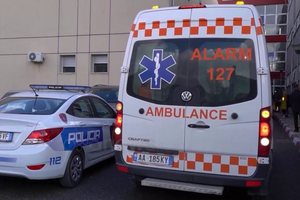
New details have emerged regarding the serious accident th...
An Albanian businessman was arrested this afternoon in Gre...
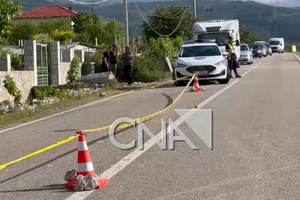
A serious accident has occurred on the Korça-Ersekë axis, ...
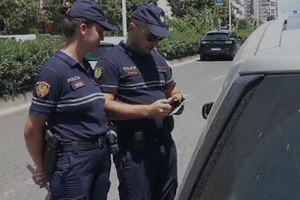
Fier Police has announced the measures taken this week for...
A tragic accident occurred this Friday afternoon in Kameni...

Today our country will be affected by unstable weather con...

On Thursday, our country will be affected by relatively un...
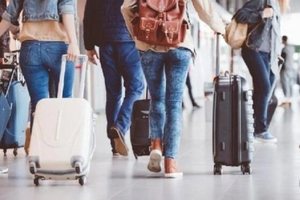
Albania is facing a deep demographic crisis where official...
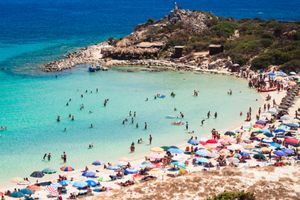
Umbrellas have been banned on a beach in Sardinia for anyo...
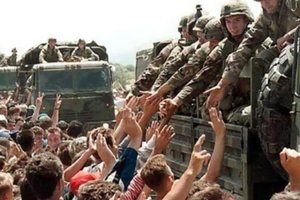
This June 12th marks the 27th anniversary of the liberatio...
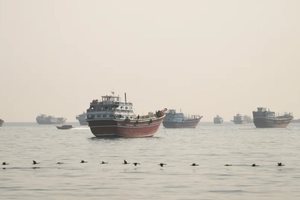
The global economy is expected to face its biggest slowdow...
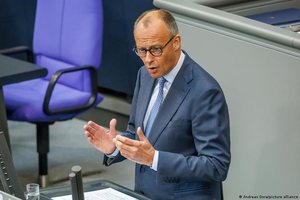
German Chancellor Friedrich Merz (CDU) defended his govern...

Several archaeological excavations conducted during this s...

At the Museum of Fine Arts in Chambéry, France, an exhibit...

Korça has transformed this weekend into the capital of cel...
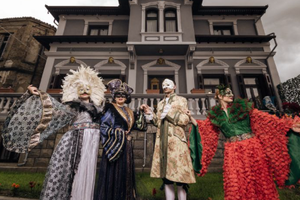
Korça is ready to open the summer season with one of the c...
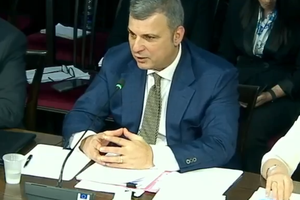
The Governor of the Bank of Albania, Gent Sejko, shared to...

Business lending has increased in the first half of this y...

The labor market has shown worrying trends in early 2026. ...

The number of new retirees in the social security scheme i...