

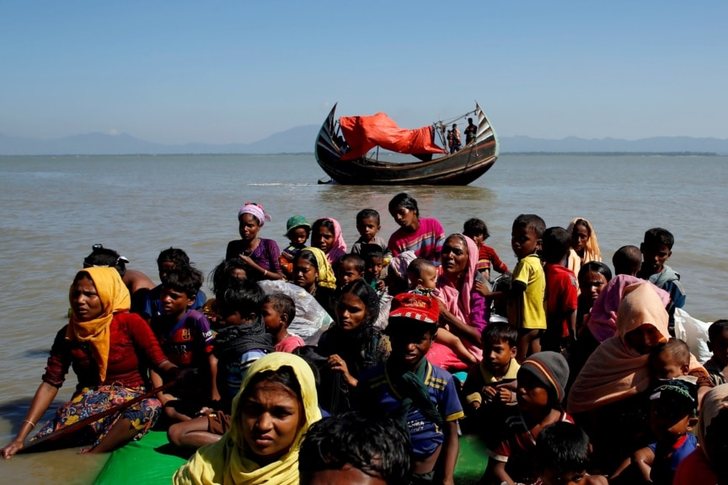
At least 23 dead after Rohingya boat sinks
At least 23 people from the Rohingya minority have died as...


France is looking to solve its energy problems through small, self-sustaining projects that produce green energy.
Supporters of this idea say that this change will democratize the production of electricity and reduce dependence on energy produced with fossil fuels and on energy purchased abroad. With its quiet, tree-lined main square, school, gym, cheap restaurant and town hall, Le Sequestre, it seems to be like many other French towns. But the municipality of 2,000 inhabitants of the city located near Toulouse, in the southwest of France, is the leader of a revolution that seeks to solve the country's energy problems.
Last year, the local authorities inaugurated a solar energy park with a maximum output under standard conditions of 250 peak kilowatts. The park is located in an abandoned area on the outskirts of the city and produces and distributes enough energy for all 250 residents living in a radius of 2 kilometers.
"The solar park is helping us in many ways," Gerard Poujade, mayor of Le Sequestre, told Deutsche Wellen. "It's giving our lights green energy, but it's also empowering us to be more resilient and independent."
Green energy projects challenge for the big players
The Le Sequestres hyperlocal solar park is the first project of its kind in France. And it is a project that the European Commission promotes as "collective self-consumption" — a project that connects consumers and producers of the same area, in an effort to make Europe's energy system sustainable, and to create opportunities for local communities to be the ones to benefit from them.
The €240,000 project is funded by Enercoop, a French cooperative that started work in 2005, and distributes 100 percent renewable energy across the country through a network of small producers. The company, which recorded a turnover of 134 million dollars in 2021, has 61 thousand cooperative members and 100 thousand consumers.
Enercoop sees itself as an alternative to the profit-driven conglomerates that dominate the market and often burn fossil fuels and nuclear materials to produce electricity. In an interview with Deutsche Wellen, Loic Blanc, coordinator of the Mid-Pyrenees region, says that Enercoop seeks to "fundamentally change the relationship we have with energy." "It is not a matter of money. It's a matter of the future of our planet," he says.
Self-generated energy could be the key to zero carbon dioxide balance
World energy authorities also think that the coming years will require major changes in the energy sector. The International Energy Agency predicts that to put the world on the path to achieving the goal of zero carbon dioxide balance, investment in renewable energy needs to triple by 2030, reaching 4 trillion dollars (3.63 trillion euros ). The intergovernmental body has said that creating resilient energy supply chains can help mitigate "risks in energy security issues" given the Russian attack on Ukraine.
In 2021, 26 percent of the electricity consumed in France was renewable energy, while in Germany this figure was 45 percent. France aims to increase the amount of renewable energy to 40 percent of the energy consumed by 2040. Independent, local, citizen-led initiatives such as Enercoop's initiative will be key to achieving this goal, proponents of the idea say.
A study conducted by the Dutch consulting firm CE Delft predicts that by 2050, half of EU households, that's about 113 million households, will manage to produce energy either individually or collectively.
"Ky tranzicion në decentralizimin e energjisë së pastër do të ndihmojë po ashtu në kapërcimin e pengesave që krijohen për rrjetet e mëdha qendrore të energjisë në momente kur kërkesat arrijnë pikun,” thotë Dirk Vansintjan, president i REScoop, një federate 2200 kooperativave qytetare të energjisë, shpërndarë në gjithë Europën.
Suksesi varet nga mbështetja lokale
Ekspertët thonë, se suksesi i tranzicionit drejt energjisë së gjelbër, varet nga blerjet që bëhen nga komunitetet. "Ekziston një sasi e madhe investimesh në energjitë e rinovueshme, por shpesh ato nuk shfrytëzohen,” thotë për Deutsche Wellen, Rikard Warlenius, një lektor i Universitetit të Gotenburgut, i cili ka studiuar nismat bazë të energjisë. "Që të kenë sukses, ato duhet të përfshijnë edhe banorët lokalë, të cilët duhet të kenë përfitime."
Enercoop, që për t'i dhënë stabilitet prodhuesve ofron kontrata me kohëzgjatje deri 30 vjet, punon me kompani rajonale si përshembull Courant Naturel, që bën instalimin e panelave diellorë, duke synuar kështu nxitjen e ekonomive lokale. Në të njëjtën kohë, rreth 5 përqind e energjisë elektrike të kompanisë, që në vitin 2021 ishte 642 giga wat orësh, shitet aktualisht me koston e prodhimit, dhe jo me çmimin e tregut, i cili është më i shtrenjtë. Dhe synimi është që deri në vitin 2030, kjo shifër të arrijë në 40 përqind.
"Ky është një model demokratik,” thotë Martine Le Lostec, kryetare bashkie e fshatit Saint-Quirc dhe anëtare kooperative. "Është puna si të arrihet mirëqënia," i tha ai Deutsche Welles.
Le Sequestre paguan 0.08 euro për kilovat orë, krahasuar me 0,11 euro për kilovat orë që paguante për shpërndarësin shtetëror të energjisë EDF, që do të thotë se në vitin 2022 shpenzimet për energjinë u ulën me gati 10 përqind. Dhe planet janë që vitin e ardhshëm numri i panelave diellorë të dyfishohen.
"Është shumë e lehtë dhe në gjithë vendin ka zona ku mund të bëhet një gjë e tillë,” thotë Poujade. "Sikur të gjithë të bënin kështu, ne do të ishim më pak të varur nga gazi rus dhe gazi nga Katari dhe nga nafta e Arabisë Saudite. Problemi i vetëm është përgatitja e dokumentave.”
BE jep mesazhe të përziera me pengesa burokratike
Në vitin 2018 dhe 2019, Bashkimi Europian dha direktiva për promovimin e të ashtuquajturave "komunitete qytetare dhe energjie të rinovueshme,” por kritikët thonë, se shpenzimet e mëdha dhe pengesat burokratike nuk lejojnë krijimin e këtyre iniciativave. "Rruga nuk është e lehtë për prodhuesit e vegjël,” thotë Goncalo Pinto Mendes, një analist në Universitetin e Teknologjisë të Finlandës, Universitetin Lappeenranta dhe investigues i projektit të Komisionit Europian për të vepruar në kalimin tek energjia e gjelbërt, projektin GRETA (Green Energy Transition Actions.
Enercoop, pavarësisht nga suksesi, nuk ka qenë pa vështirësi. Në vitin 2021, megjithëse prodhuesit prodhuan energji të mjaftueshme elektrike për të mbuluar 108 përqind të nevojave të konsumatorëve, në kohë piku u arrit të plotësohej vetëm 80 përqind e kërkesës.
Faced with high market prices, Enercoop was forced to use a government protocol, known as ARENH, which allows competitors to buy nuclear power, which is problematic for some people, and bought power from EDF at a premium. Reacting, in the fall of 2021 Enercoop temporarily stopped accepting new customers when it began to have difficulties with the supply of electricity. But now the co-op is fully back in business, and in February, it announced it would invest another $14.5 million to build more solar panels and wind farms, with the goal of bringing energy back to the people. . "We are creating sustainability," adds Blanc. "And we are building self-sufficiency."/ DW

At least 23 people from the Rohingya minority have died as...
German authorities warn against Russian espionage actions,...
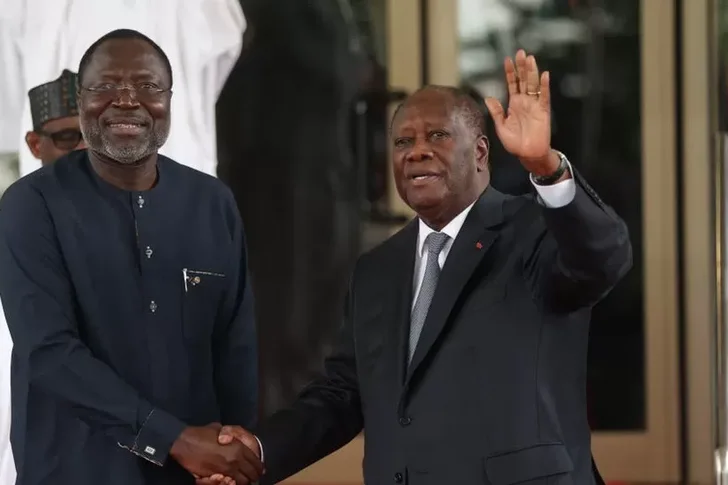
The US and the UN are concerned about the health and safet...
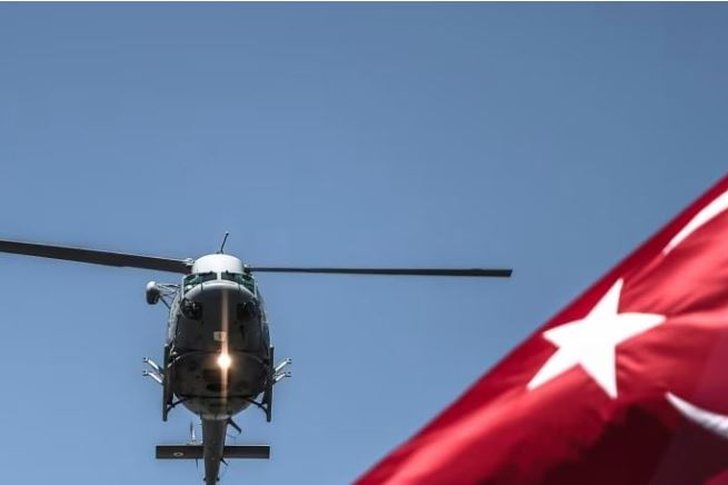
At least 23 people have been injured in the south of Turke...
The six people who have been arrested in connection with t...
The number of victims from the fires in Hawaii has gone up...

Three years after mass demonstrations against the rigging ...
Special prosecutor Jack Smith's team has asked federal jud...
The founder and former CEO of Russia's largest Interne...
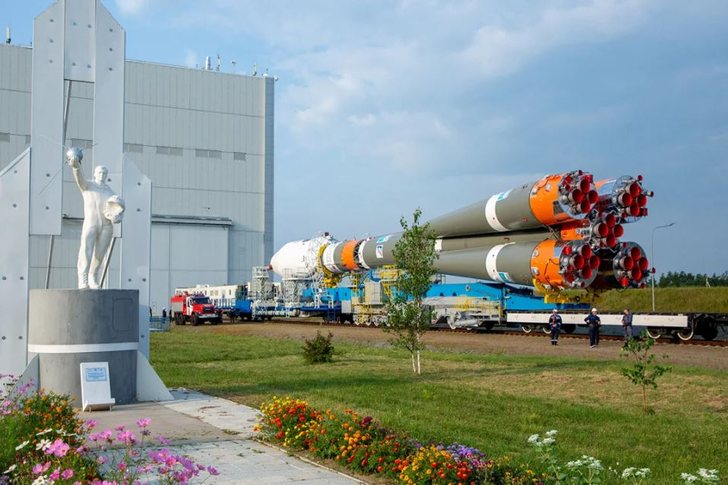
Russia is preparing to launch Luna 25, the country's first...
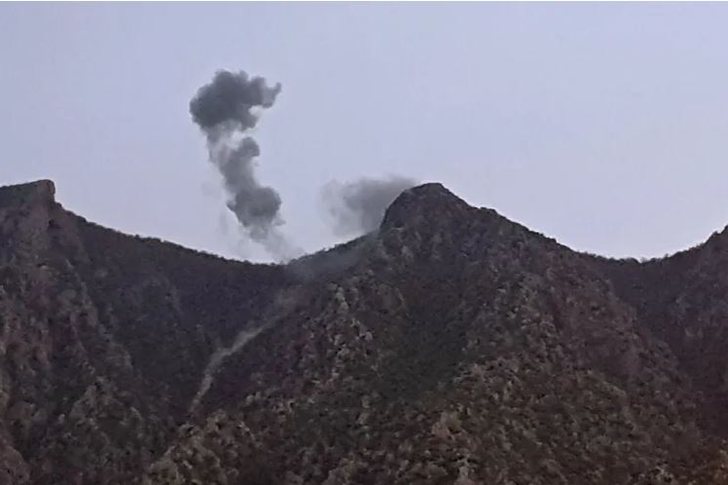
At least six Turkish soldiers have been killed in clashes ...

Donald Trump and his close personal aide Walt Nauta have p...
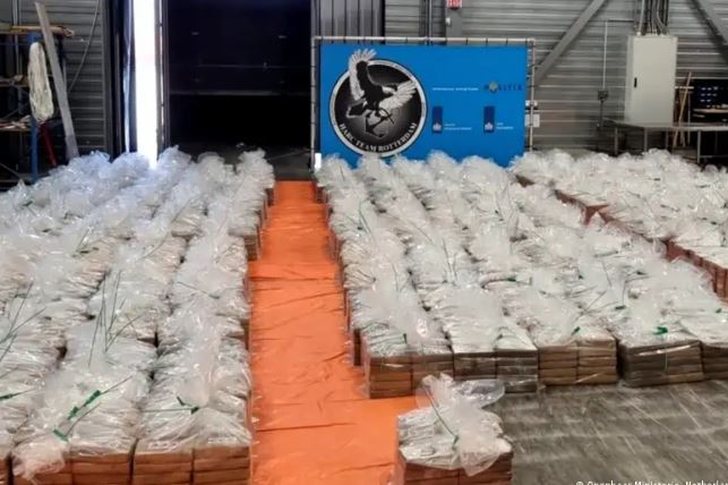
Dutch authorities have seized about 8,000 kilograms (8 ton...
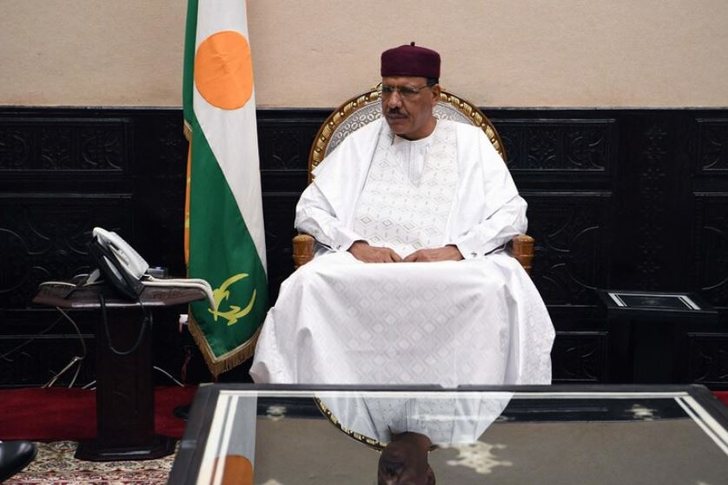
The military regime installed after a coup in Niger has to...
Ukrainian forces have established superiority over Bakhmut...

Scientists near Chicago say they may be closer to discover...

Many US states allow courtroom hearings to be broadcast, b...
The European Union said on Thursday that the government of...
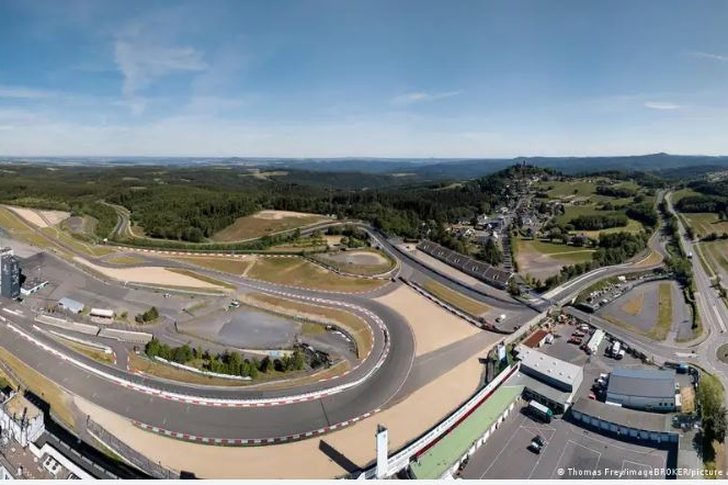
Operators of Germany's Nurburgring on Thursday said two dr...
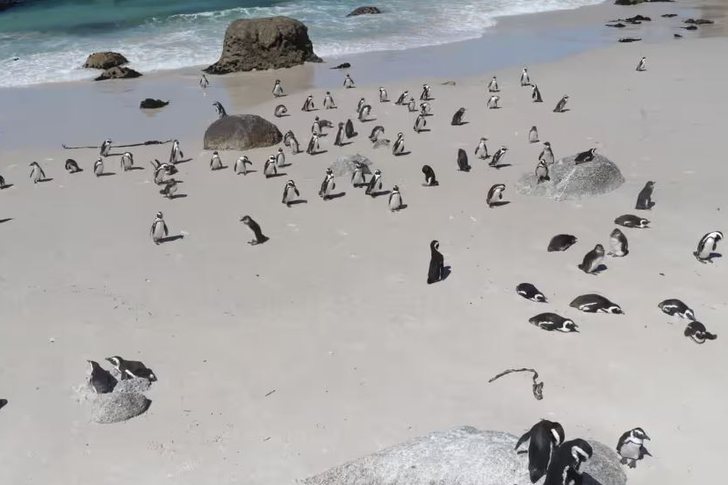
African penguins are on track for extinction by 2035 i...

For 6 months now, CNA has been sending several letters to ...
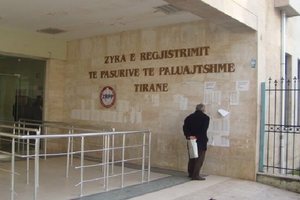
The word "fatherland" with properties is not enough. The m...

The justice reform claimed that it would bring faster, fai...
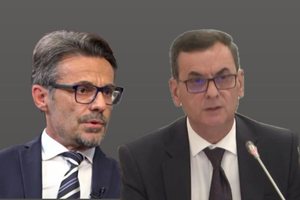
The Justice Reform and the vetting process were trumpeted ...

The Special Board of Appeal (KPA) decided this Monday ...

The KPA vetting decided this Thursday to dismiss the p...

Suela Salavaçi, a prosecutor in the Prosecutor's Offic...

The Special Board of Appeal reinstated the prosecutor ...
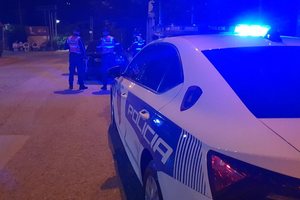
It is reported that a few minutes ago, gunshots were recor...
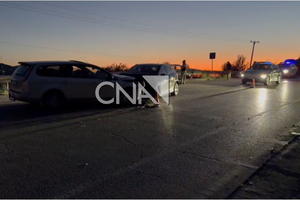
This evening, an accident occurred on the Levan-Tepelena h...
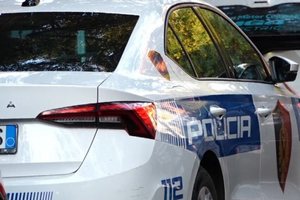
Police have provided details regarding the injury that occ...
One injury is reported to have occurred in the Kuna area o...

Emigration, an aging population, and low participation in ...
Today, our country will be affected by relatively stable w...
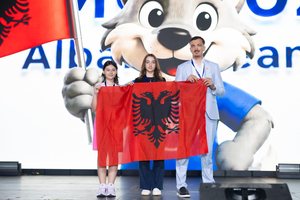
Albania has been awarded two medals of honor at the awards...
Today our country will be affected by relatively unstable ...
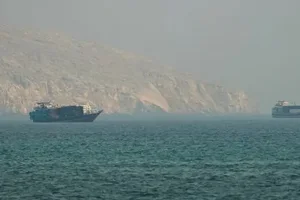
The threat level to maritime security in the Strait of Hor...
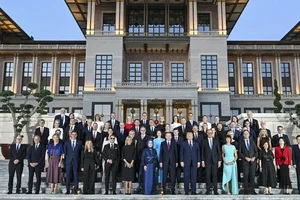
After the end of the NATO summit, Turkish President Recep ...
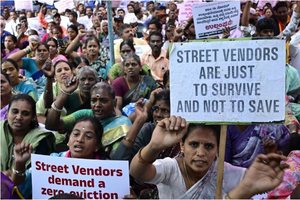
The Indian state of West Bengal has been gripped by protes...

San Francisco home prices have soared to record highs in 2...
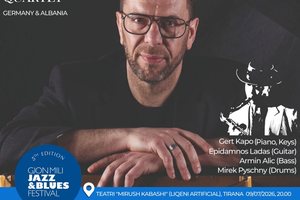
The German Embassy in Tirana has invited the Albanian publ...

Professor and literature scholar Ali Xhiku has passed away...

During my research into the life and artistic photographic...

This year's edition of the Gjon Mili International Video A...
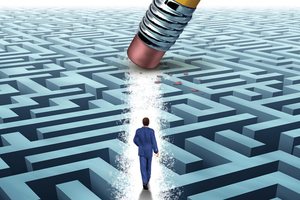
The Tax Directorate has announced that the process of auto...
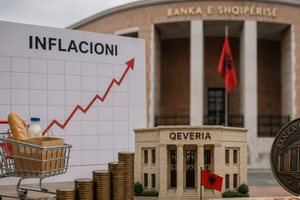
If coordinated policies are not undertaken by the Bank of ...
In the 2026 budget revisions, the Ministry of Defense budg...
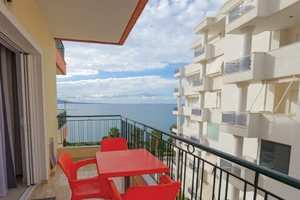
Although about 6 months have passed since the start of the...