

Pound, falling/ Exchange rate, August 29, 2025
Today, in the foreign exchange market, one US dollar will ...



The annual inflation rate showed no signs of rising in three of the eurozone's largest economies, keeping alive the possibility of a rate cut at the next meeting of the European Central Bank (ECB).
In France, consumer price inflation, harmonized according to EU standards, fell to 0.8% in August, from 0.9% in July, according to data published on Friday by the French statistics institute. The further decline in inflation takes it well below the 2% level that the ECB considers optimal. “This is a ray of hope for those who favor looser monetary policies,” wrote Claus Vistesen of Pantheon Macroeconomics.
In Italy and Spain, annual inflation remained unchanged this month, at 1.7% and 2.7% respectively, according to data published on Friday.
Data from France showed that food prices remained stable, while energy prices fell more slowly than in July. This suggests a decline in core inflation – a key indicator that excludes the most volatile components. According to LSEG Refinitiv data, markets expect the ECB to keep its main deposit rate at 2.0% in September, although some members of the Governing Council have underlined that all options remain open. A small number of investors predict a cut to 1.75%.
The French economy grew relatively strongly in the second quarter, official data showed on Friday. Spain, boosted by strong tourism and high migration flows, continued to outperform most rich countries. However, growth in the eurozone's major economies is expected to slow in the second half of the year, and a sharper-than-expected slowdown could prompt the ECB to cut borrowing costs to boost economic activity.
French household spending fell in July, other data showed, leaving little hope for a recovery in consumption. The country has also been grappling with a political deadlock since last summer, when President Emmanuel Macron’s party lost its majority in the National Assembly after snap elections. Currently, a minority government led by Prime Minister François Bayrou faces a no-confidence vote early next month — which it is likely to lose — further delaying budget reforms needed to rein in a deep public deficit.
Germany's economy shrank 0.3% in the second quarter and there are other signs of weakness. The number of unemployed people exceeded 3 million this month, according to data on Friday. The fragile labor market and gloomy economic outlook have significantly reduced consumer confidence over the summer. According to Commerzbank economist Joerg Kraemer, trade tariffs imposed by the United States will hit the export-oriented economy even harder, while European neighbors cannot compensate for the decline in demand from the American market.
"The recent strengthening of the euro, which is likely to continue in the coming months, especially against the US dollar, will reduce the competitiveness of European products in the global market," he warned.
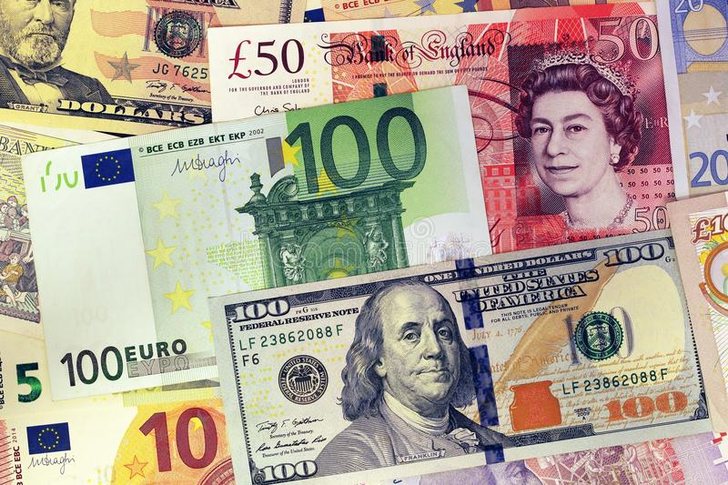
Keeping interest rates at the same level could further strengthen the euro, which has risen by over 10% against the dollar since the beginning of the year. Further weakening of the dollar is possible if the US Federal Reserve decides to cut interest rates at its next meeting, a scenario for which the probability has narrowed in recent weeks./ Monitor.al

Today, in the foreign exchange market, one US dollar will ...

In 2024, a man in the country was paid an average of 79.3 ...

Today, in the foreign exchange market, one US dollar will ...
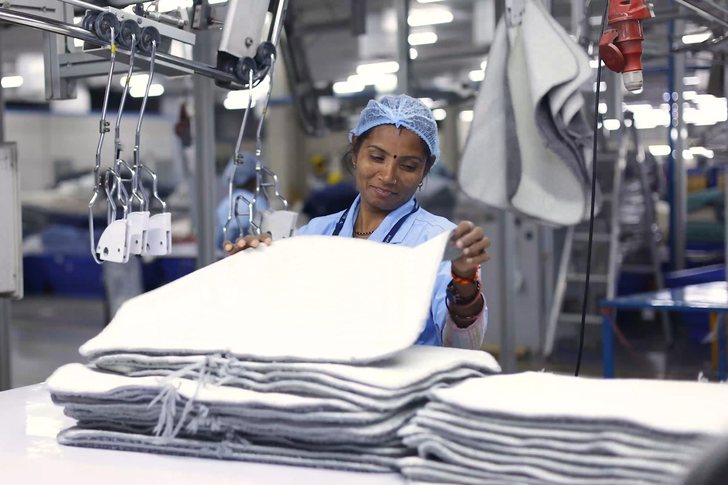
In Albania, at the end of 2024, there were 11.9 thousand f...

For the first time in 2024, a group of occupations has an ...

Today, in the foreign exchange market, one US dollar will ...

Card payments are experiencing rapid growth this year, and...
Today, in the foreign exchange market, one US dollar will ...

Today, in the foreign exchange market, one US dollar will ...

Albania also had the lowest labor productivity level in th...
Today, in the foreign exchange market, one US dollar will ...

The increase in living costs year after year due to rising...

Today, in the foreign exchange market, one US dollar will ...

The insurance premium per capita increased for the fourth ...
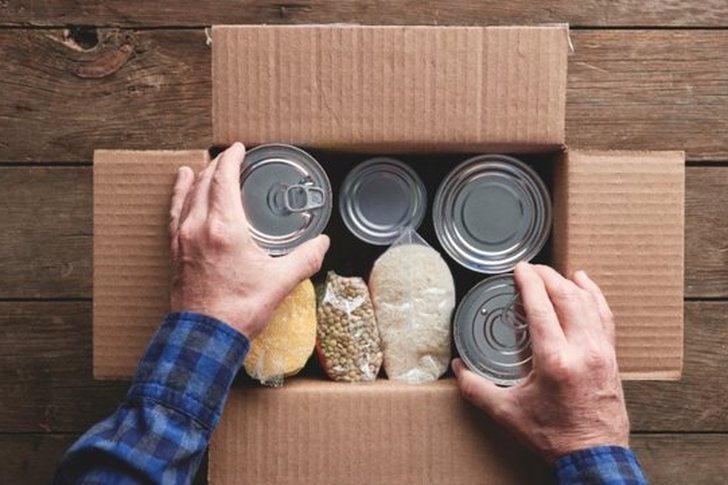
The United Nations Food and Agriculture Organization (FAO)...
Today, in the foreign exchange market, one US dollar will ...

Core inflation rose for the fifth consecutive month in Jul...
Today, in the foreign exchange market, one US dollar will ...

Almost 91% of natural disaster insurance premiums are conc...

Today, in the foreign exchange market, one US dollar will ...

The next case broadcast on the show "Stop", this Thursday,...
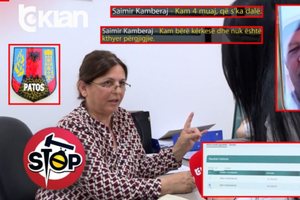
The case published this Thursday, June 4, on the show "Sto...

The protests of recent days related to the situation in Zv...

The case addressed this Wednesday, June 3, on the show "St...

The Special Board of Appeal (KPA) decided this Monday ...

The KPA vetting decided this Thursday to dismiss the p...

Suela Salavaçi, a prosecutor in the Prosecutor's Offic...

The Special Board of Appeal reinstated the prosecutor ...
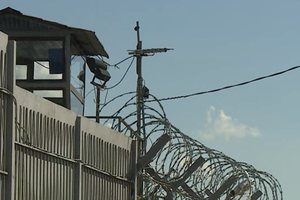
A convict was found dead today in the premises of the Pris...

Several images provided by CNA show the area where this mo...

A quantity of explosive material exploded this morning at ...
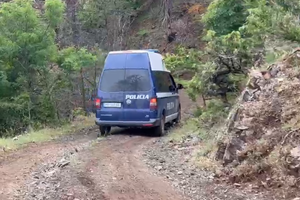
Witnesses in Lozhan, Maliqi, have shared details from the ...

Today our country will be affected by stable weather condi...

For many children and teenagers, the long summer holidays ...
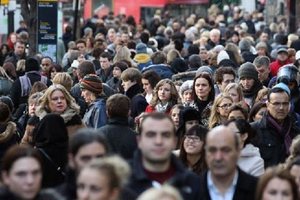
Albania is facing an unprecedented demographic transition,...

On Thursday, our country will be affected by unstable weat...

Russian President Vladimir Putin said the war in Ukraine c...
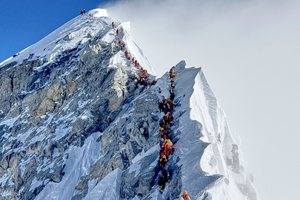
An extraordinary story of survival has been recorded in Ne...
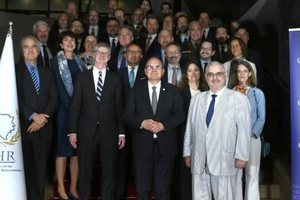
The Peace Implementation Council in Bosnia and Herzegovina...
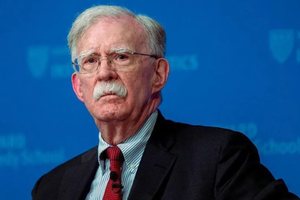
John Bolton, the former national security adviser to US Pr...

Korça is ready to open the summer season with one of the c...

Two years after his passing, the renowned Korçë poet Skënd...

The Ethnographic Museum of Berat has opened its doors to v...
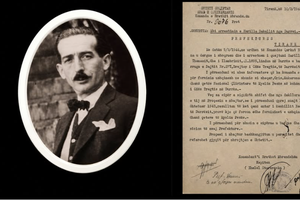
The story of Harilla Bakalli is one of the most chilling t...
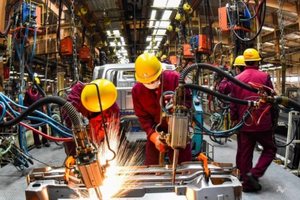
The government aims to transform the country's industrial ...
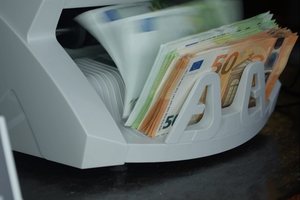
Kursi i këmbimit të euros me lekun ka rënë më tej këtë jav...

Profit margins in the construction sector have increased s...
The Transparency Board, at its meeting today, decided to i...