



Crime in Albania is not a single block. It has layers, and each of them affects the public in a different way.
Murders and assassinations remain the most brutal forms, because they send the signal that the perpetrators are acting with open courage. When an assassination occurs in broad daylight, on busy streets, the message is twofold: the target is being hit, but the state is also being publicly challenged.
Drug trafficking and money laundering continue to be key nodes. Not only for economic gain, but because they finance other criminal chains, buy silence, distort the market and create parallel powers. At this point, crime is no longer a police problem. It is a problem of the real economy and fair competition.
Domestic violence is another scourge that is often treated as a common occurrence, when in reality it is an indicator of a social and institutional failure. In many cases, the signals have existed, the reports have been made, but the response has been weak or formal. The cost is then paid with life.
Likewise, robberies, extortion, property conflicts, and crime related to local businesses show that insecurity is not limited to large gangs. It permeates neighborhoods, families, businesses, and everyday relationships.
One cannot seriously talk about criminal events in Albania without touching on the connection between crime and the political climate. Not every crime is political.
But any system that tolerates the influence of the dark world in the economy, administration, or electoral campaigns weakens the state's ability to crack down on crime to the end.
The problem begins when the news is used with a double standard. When one event is used for political warfare and another is relativized because it affects interests close to power. When some cases are given high profile and others are covered up with official silence. This is not just hypocrisy. This is a way to politicize public safety.
The public understands this faster than the propaganda offices think. Therefore, distrust grows. People are not only angry about crime. They are angry when they feel that they are being sold a sterilized version of reality. This is where the media has a crucial role – not to feed panic, but to prevent panic from being managed with lies. /CNA

The Albanian Jewish Community has reacted to the incident ...
When a murder, an assassination, or a violent robbery make...
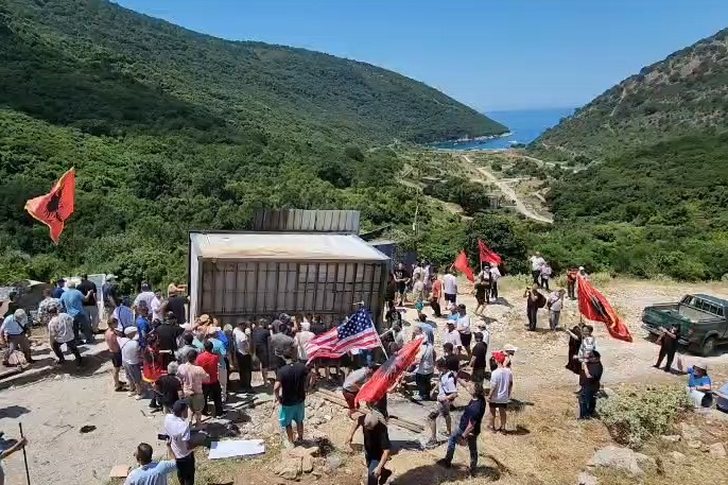
Dozens of residents protested in Kakome today. Residents d...
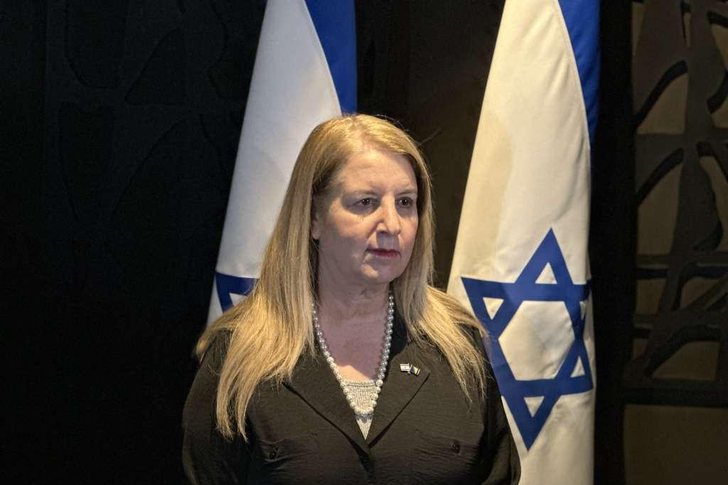
The Israeli Ambassador to our country, Galit Peleg, has re...
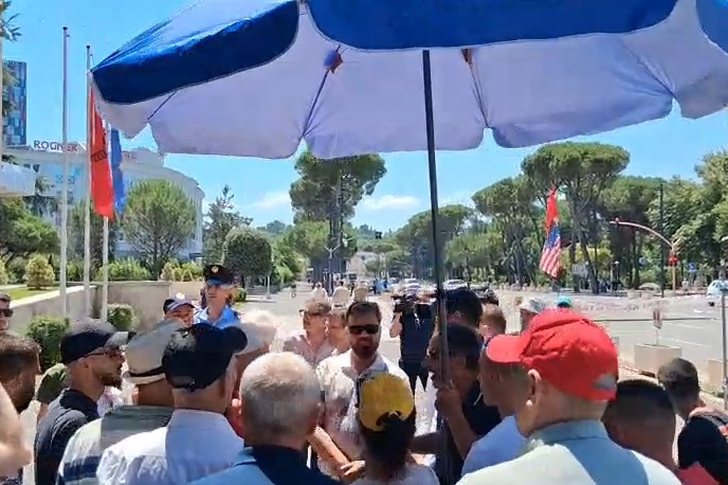
A group of citizens are still protesting in front of the P...
Deputy Prime Minister Albana Koçiu has reacted to the inci...
Businessman Gjergj Luca has made a post on social media mo...
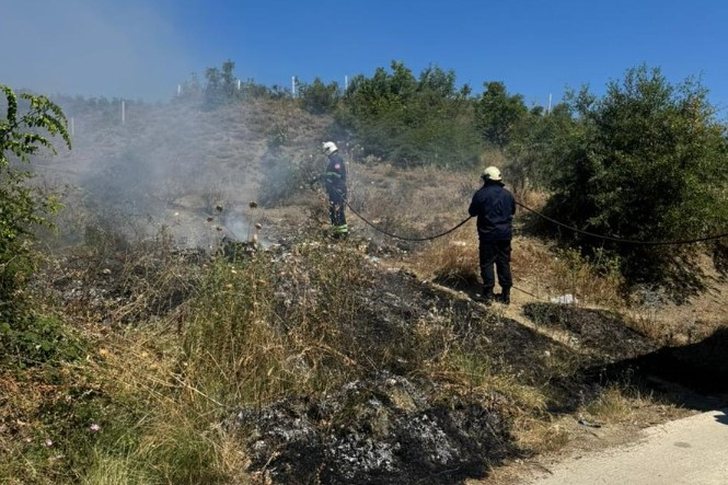
A fire was reported today near the cemetery in the village...
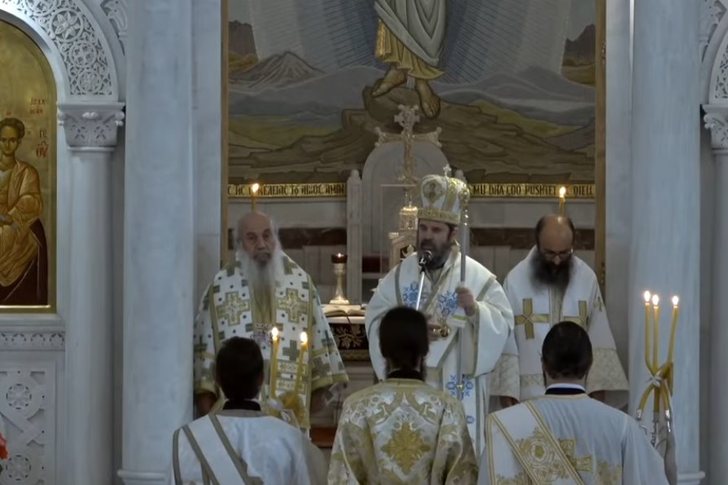
The Archbishop of Tirana, Durrës and all of Albania led th...
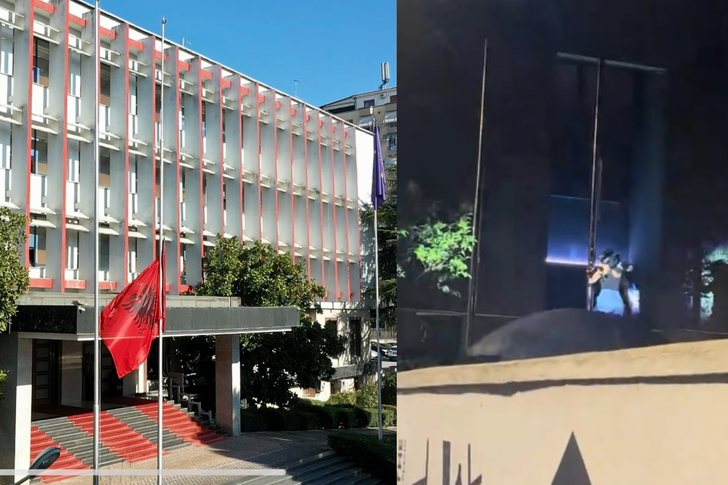
The Ministry of Foreign Affairs has reacted to an incident...
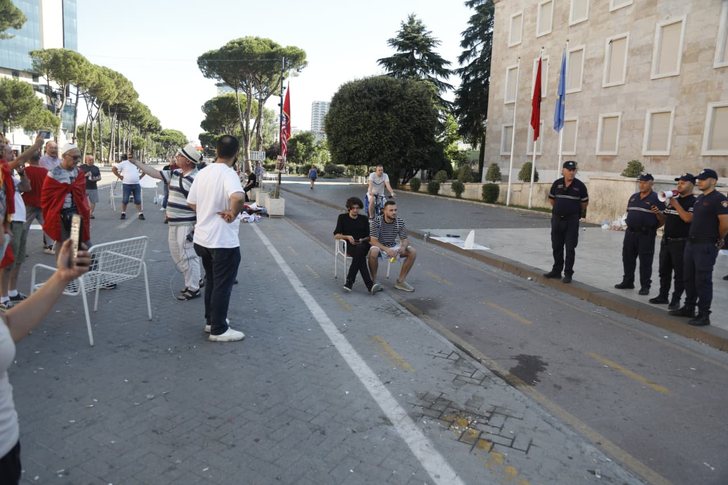
Policia ka mbërritur para Kryeministrisë ku një grup prote...
Builder's liability insurance is not only an obligation fo...
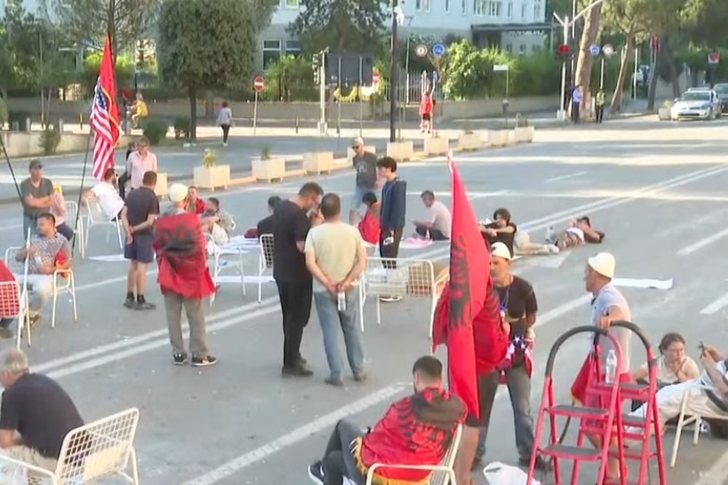
A group of protesters spent the night in the square in fro...

Thousands of protesters have surrounded the Prime Minister...
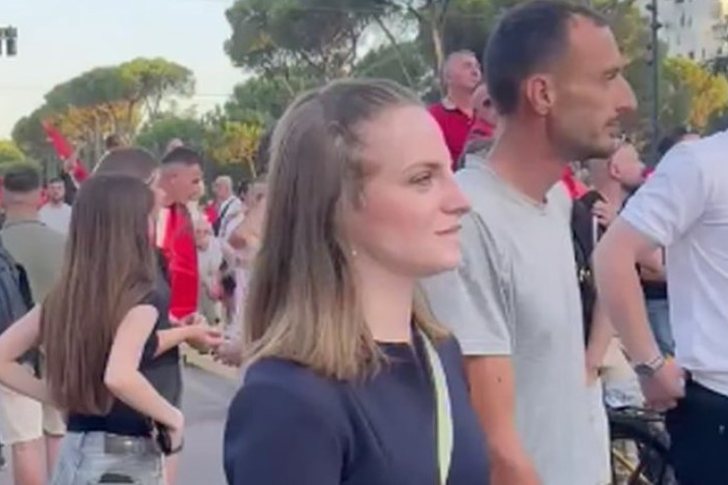
MP Marjana Koçeku was present at the protest held in front...
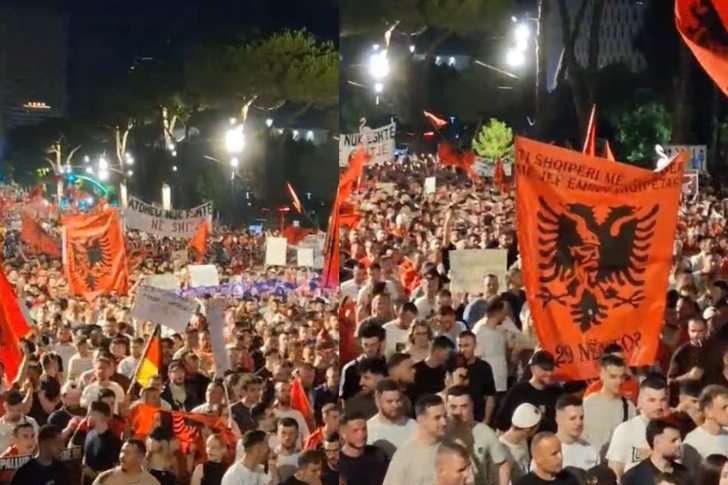
The protesters have moved from the square in front of the ...
The Political Leader of the Tirana District for the Social...
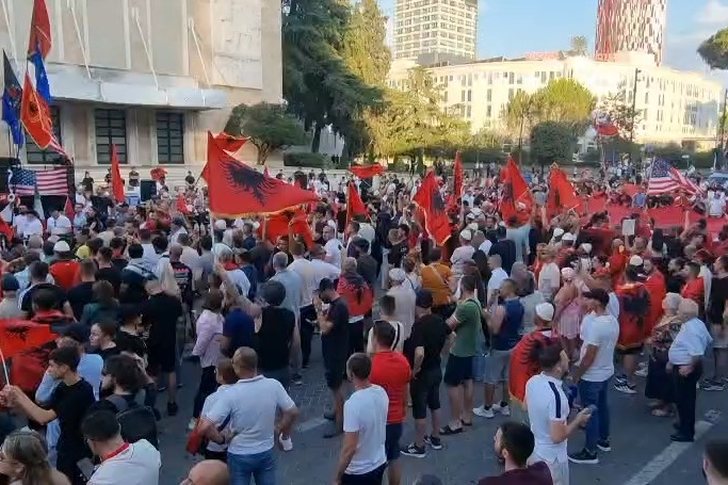
MP Marjana Koçeku has joined the citizens' protest against...
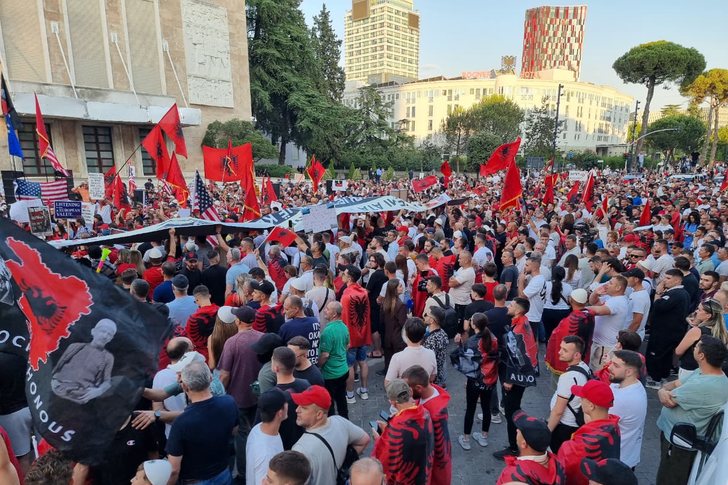
Protests have been ongoing in front of the Prime Minister'...
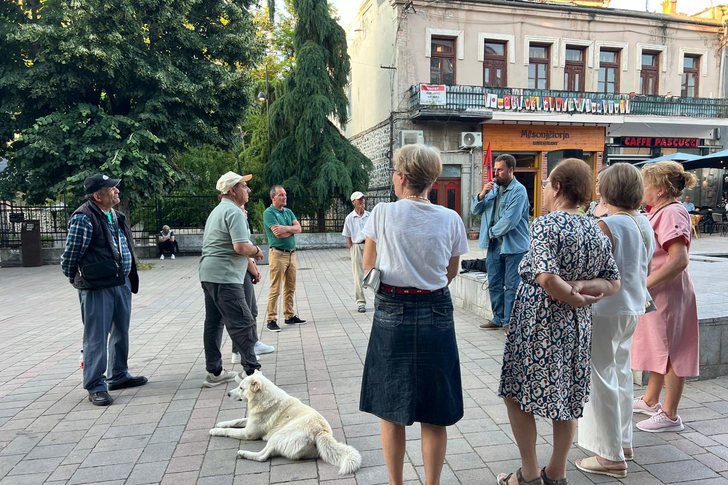
While the protest in Tirana has been going on for 21 days,...
A mountain of documents for a flagrant case, in the na...
The Democratic Party has denounced a tender held by the Hi...
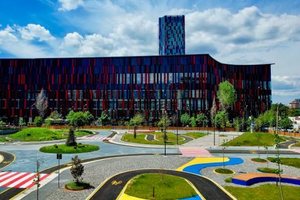
Since the summer of 2020, the Mayor of Tirana, Erion Velia...
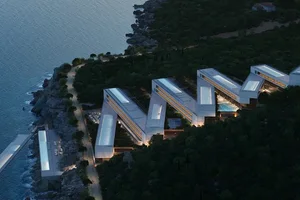
The leader of the Democratic Party, Sali Berisha, denounce...

The Special Board of Appeal (KPA) decided this Monday ...

The KPA vetting decided this Thursday to dismiss the p...

Suela Salavaçi, a prosecutor in the Prosecutor's Offic...

The Special Board of Appeal reinstated the prosecutor ...
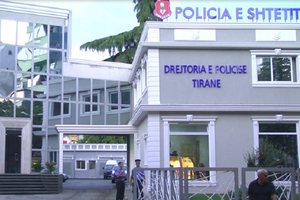
Tirana Police announced this Sunday afternoon that 9 prote...
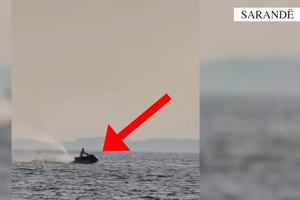
Border Police Services found a floating vehicle that had ...
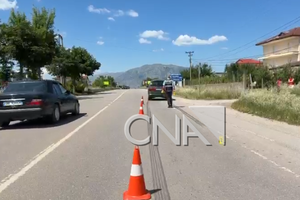
Accident on the national axis Korça-Bilisht, near the vill...
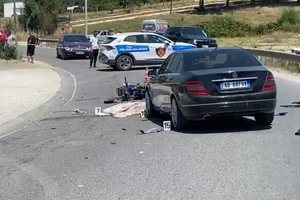
An accident with one victim occurred on the Fushë Krujë-La...
Today, the country will be engulfed by a heat wave, with t...
Today our country will be affected by stable weather condi...
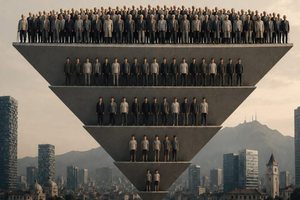
Albania is leading a painful demographic process that plac...
On Friday, our country will be affected by stable weather ...

US President Donald Trump publicly unveiled the Boeing 747...
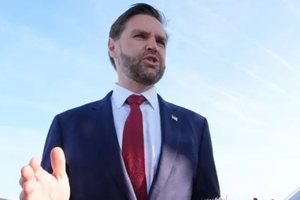
US Vice President JD Vance said today that US President Do...
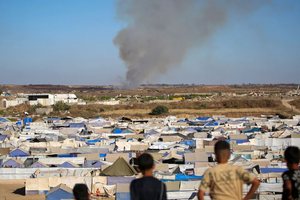
A series of Israeli airstrikes in the Gaza Strip have left...

A new poll by the European Council on Foreign Relations (E...
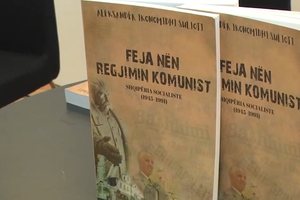
The promotion of the book by author Aleksandër Ikonomidhi ...
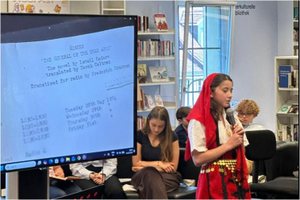
The Albanian Embassy in Switzerland has organized an eveni...
This Wednesday, the prominent actor of Albanian cinema, Gj...
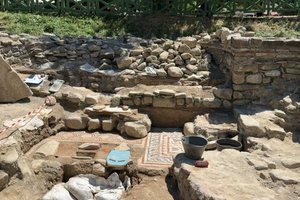
Several archaeological excavations conducted during this s...

For almost a decade, the construction sector in our countr...
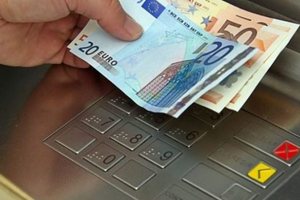
This Sunday, one US dollar is bought for 81.4 lek and sold...
In the Balkans, few tourism markets are expanding at the p...

Demographic experts Ilir Gëdeshi and Russell King conclude...