


Citizens' gathering begins/ 37th day of protest, Rama's removal demanded
Citizens have begun gathering in Skanderbeg Square for the...

Citizens have begun gathering in Skanderbeg Square for the...

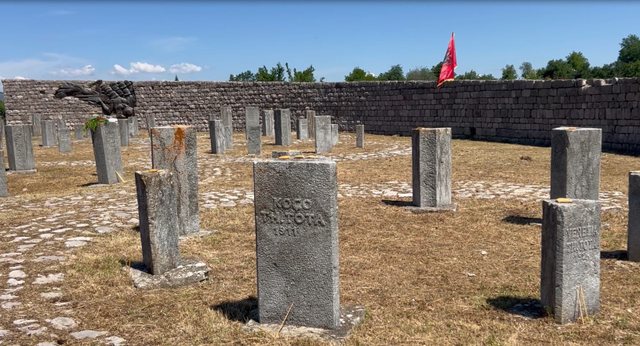
One of the most painful wounds in Albanian history was remembered this July 6 in the village of Borovë, Kolonjë. With homages, laying of wreaths and messages of remembrance and peace, the 83rd anniversary of the Borovë Massacre was marked, where on July 6, 1943, the German Nazi army killed 107 innocent residents, including women, children and the elderly, turning the village into one of the most tragic symbols of the suffering of the civilian population during World War II.
The memorial ceremony was organized by the Municipality of Kolonja and brought together local authorities, citizens, families of the victims, and diplomatic representatives.
Also present was the German Ambassador to Albania, Karl Bergner, who described the Borova Massacre as a crime committed by the German army, emphasizing the importance of historical memory and reflection to build a peaceful future, where such tragedies are never repeated.
"This is a very painful moment for the German embassy because today we are here to honor the victims of the German massacre that was carried out by the German army on July 6, 1943. It is the 83rd anniversary of the moment when 107 men, women and children were killed and this is painful for me because I share the pain of the population here, for the families who live and who were affected by the fact that they could not see their grandparents, uncles or aunts, brothers who did not grow up, etc. It is also painful for me as an ambassador because this happened in the name of the German people, but here in this country we want to look forward, to remember the names of those who were killed, but we also need to learn lessons. Let's try to learn how we can prevent history from repeating itself.
In other cases we say never again, so this is the case when we say that such events should not be repeated again and this is achieved by establishing rules such as tolerance, human rights, the implementation of the law, and these are the values ??of the European Union. Therefore, we support and are happy that the Albanian people are in line with these principles and support the integration process, especially in the technical part, but we must also appreciate those who implement EU values ??in everyday life, but also those who stand up to demand the implementation of the law, the protection of nature and other issues related to the integration process. I would like to say that this is a moment that should serve to learn from the past, to memorize, to honor the victims and share the pain with the families and to look forward” , said the ambassador.
The strongest emotions of the ceremony came from the testimonies of two women who survived the massacre. After more than eight decades, their memories remain as vivid as the day they lost their family members and watched their village burn to the ground.
87-year-old Jorgjia Simo told the German ambassador her experiences as a seven-year-old girl, when she witnessed the murder of her closest people before her eyes.
Another survivor, now 90, tearfully recounted how she was only six years old when she lost her father and saw German soldiers shooting the villagers. She recalled the days of horror, the bodies that remained unburied for days, and her family's efforts to escape death amid the flames that engulfed Borova.
"When this happened, I was six years old. I hadn't even started school. I was six years old. Our house was the second daughter's house. They killed about eight people, my uncle, my father... The German came to the yard, put them in front of us and shot them right there on the street. Yes, the dead sat uncovered for five days, they were crawling with worms. They announced that there would be no epidemic where they had been killed, so they covered themselves there, the whole village. Where they had been killed, a hole was dug with a shovel, they were crawling with worms. Ah, what a horror it was! We saved four children and the mother, five. The German came and took them, I said, these. We went into some bushes (bushes) and stayed there until midnight. In the middle of the night... The village was burning. They set fire to our house too, and my mother went and got a pot of milk and put it out," the 90-year-old said.
The Borova massacre remains one of the worst crimes committed against the civilian population in Albania during World War II. Even after 83 years, the memory of the 107 victims continues to be kept alive as a call not to forget the past and to protect peace and human dignity. /CNA

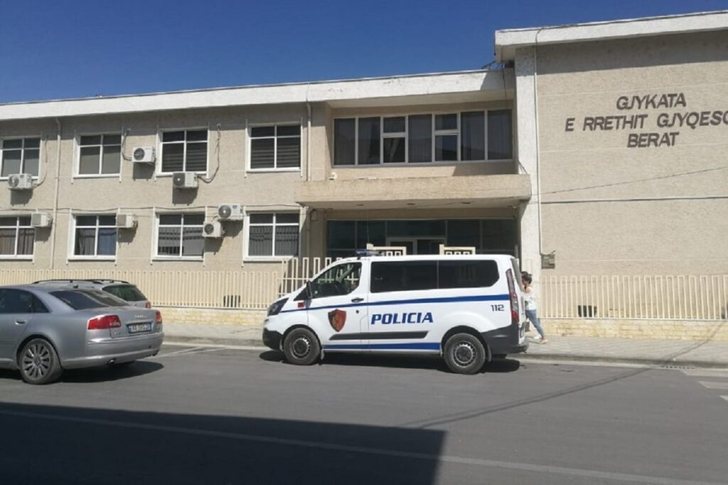
The Berat Prosecution Office has completed the investigati...
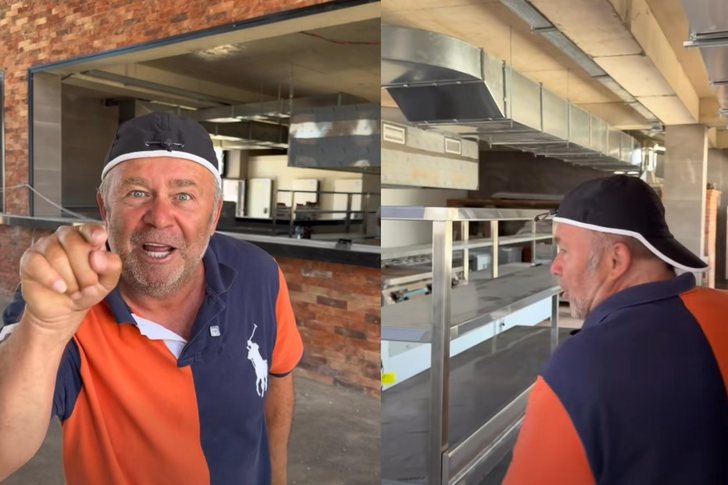
Businessman Gjergj Luca has reacted on social media regard...
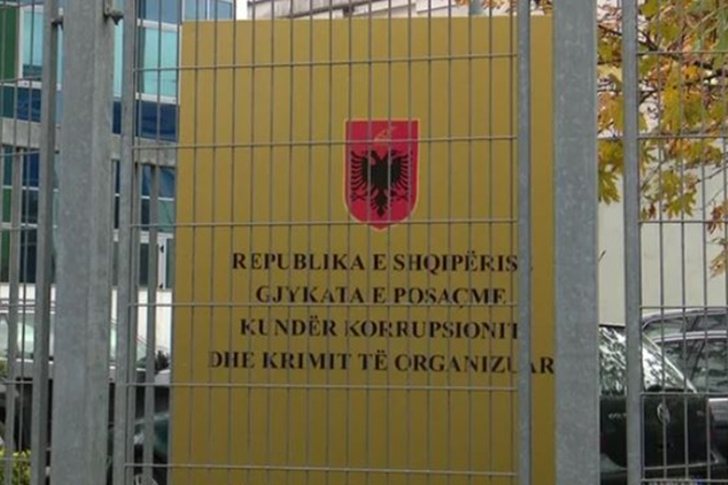
Today's court session on the "Partizani" case at the Speci...
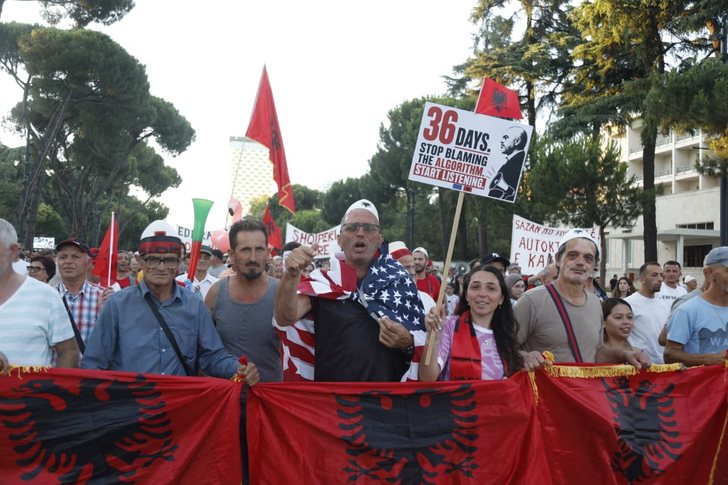
At the press conference, the Minister of State for Local G...
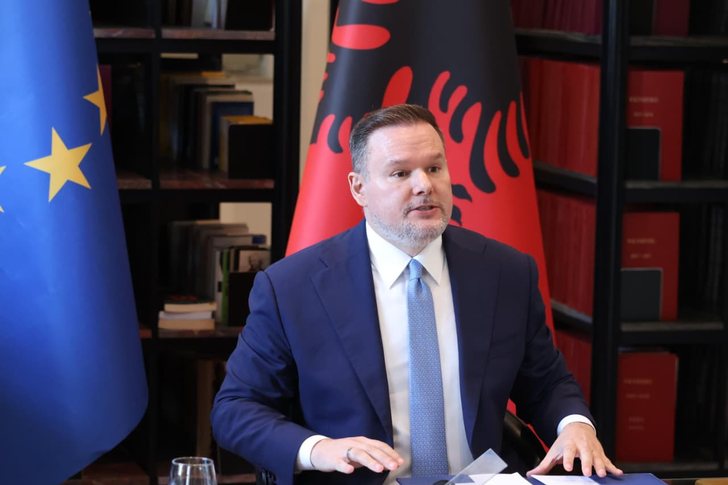
The Minister of State for Local Government, Ervin Demo, he...
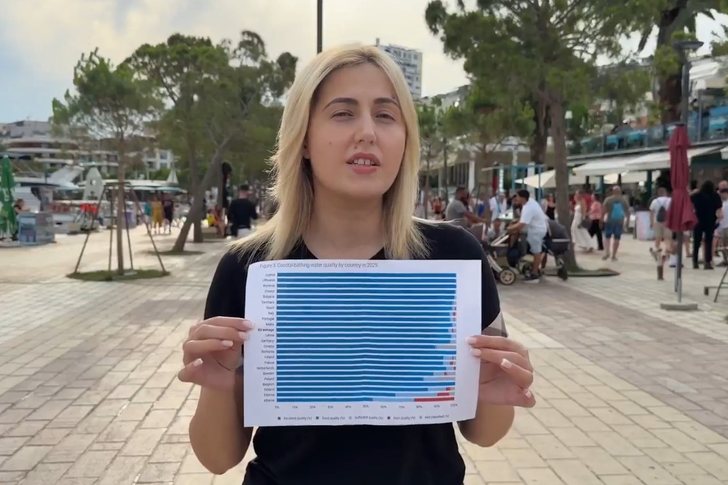
Democratic Party MP, Ina Zhupa, has denounced from Saranda...
The Vlora Court has imposed the security measure "prison a...
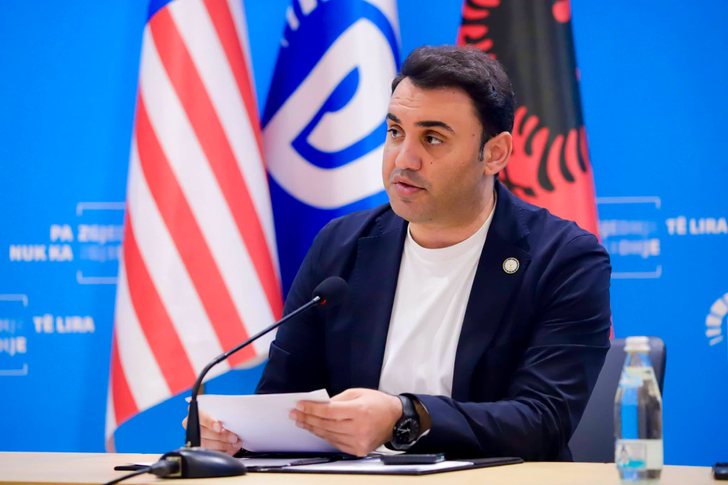
DP MP Belind Këlliçi said in a post on social media that P...

The Ministry of Education has announced that online regist...
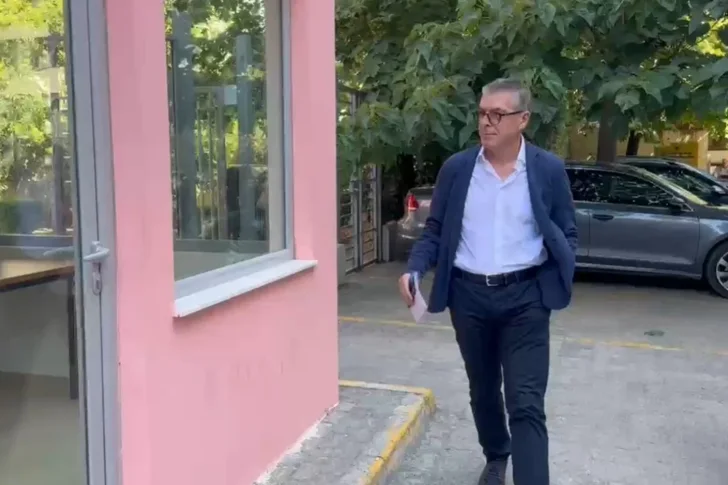
Former Minister of Defense, Gazmend Oketa, appeared today ...
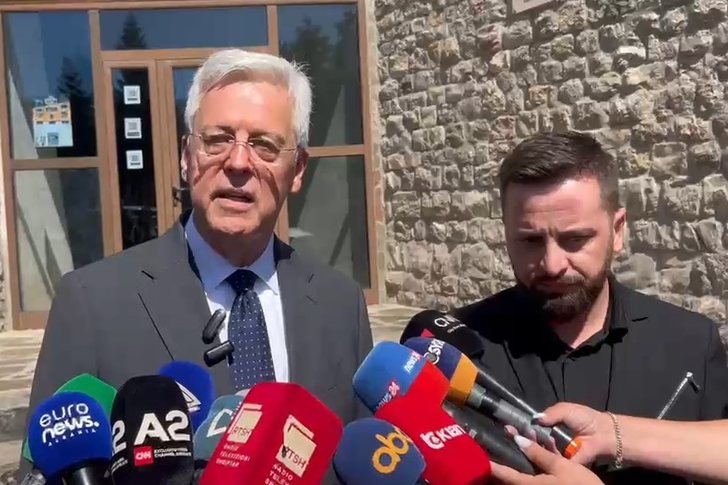
German Ambassador Karl Bergner commemorated the victims of...
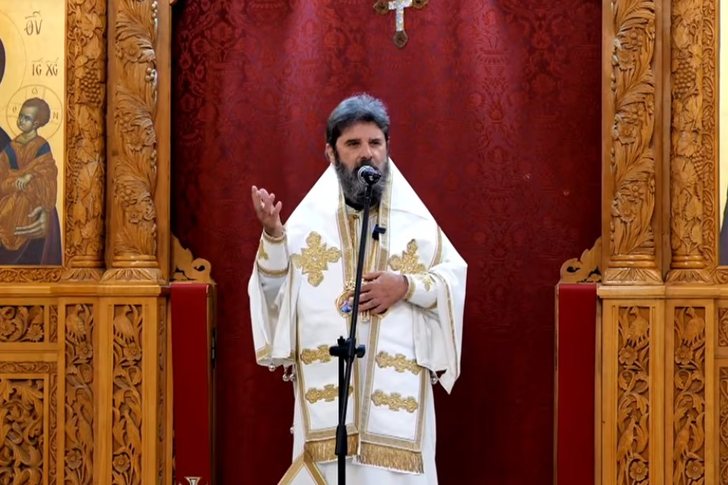
The city of Durrës honored this Monday the feast of its pa...
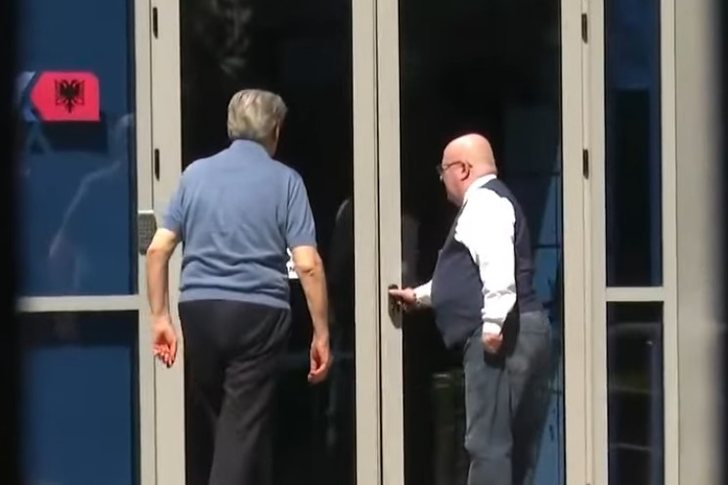
The Chairman of the Democratic Party, Sali Berisha, appear...
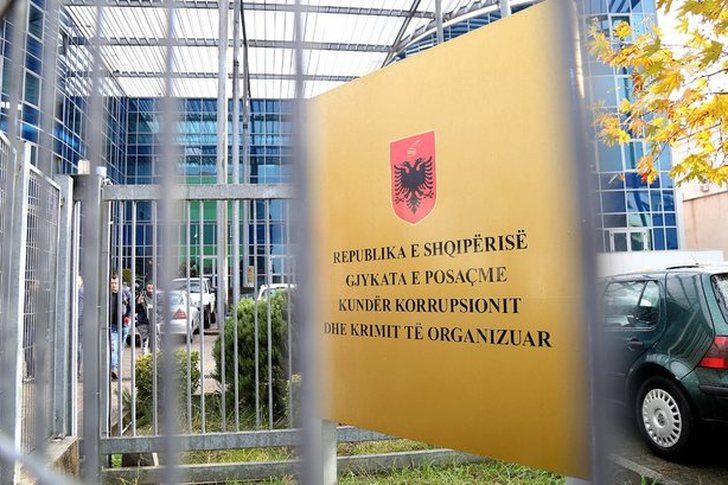
The next hearing on the "Partizani" case is taking place t...
Aktivisti dhe gazetari, Aulon Kalaja ka folur paraditen e ...
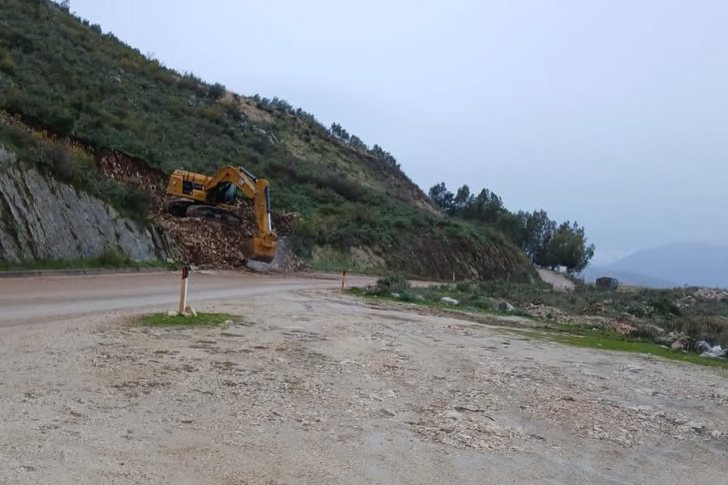
The Albanian Road Authority has made an important announce...

After a slowdown in April and May, affected by the situati...
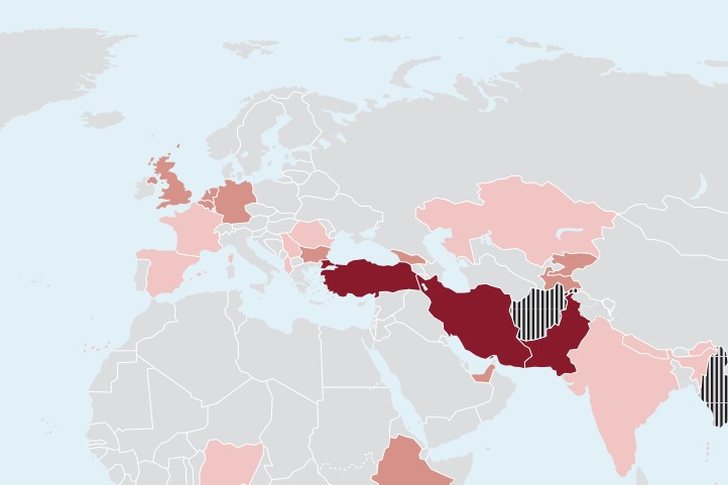
Albania is ranked by the United Nations Office on Drugs an...
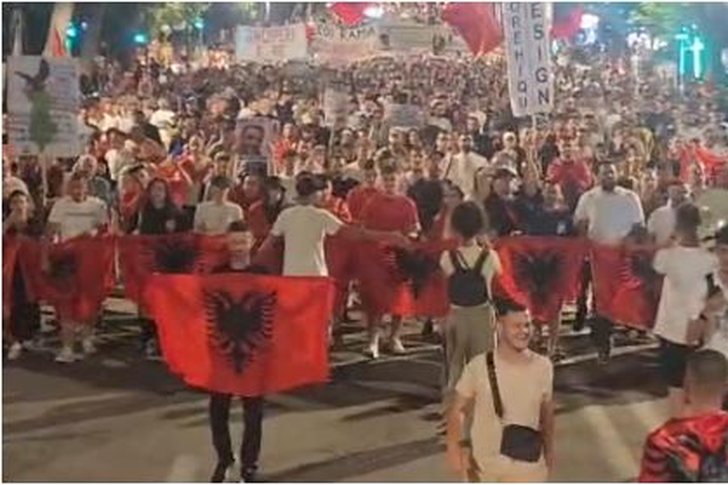
For more than an hour, protesters have been marching on th...
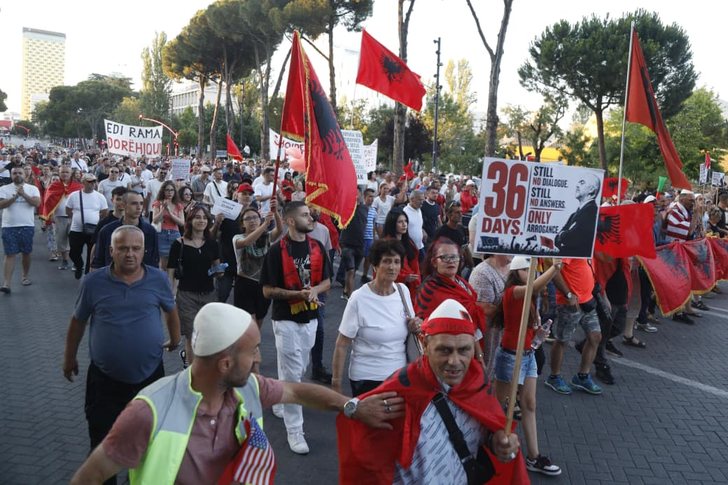
On the 36th day of the protest, there were no shortage of ba...

The justice reform claimed that it would bring faster, fai...
The Justice Reform and the vetting process were trumpeted ...
After revealing the property portfolio in Tirana, Kavaja, ...
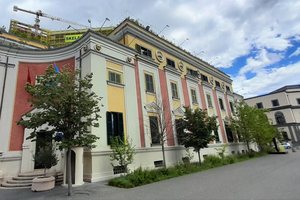
Four months ago, on March 11, CNA sent an official letter ...

The Special Board of Appeal (KPA) decided this Monday ...

The KPA vetting decided this Thursday to dismiss the p...

Suela Salavaçi, a prosecutor in the Prosecutor's Offic...

The Special Board of Appeal reinstated the prosecutor ...
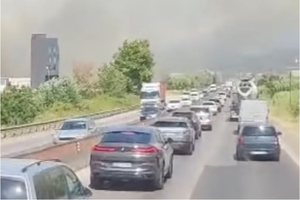
It is reported that a fire has broken out in the village o...
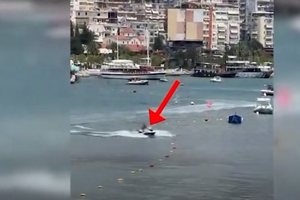
Two Jet Skis have been blocked in Saranda after they viola...
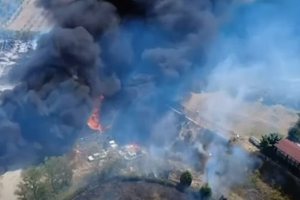
A person has been arrested in Fier for a fire in the villa...
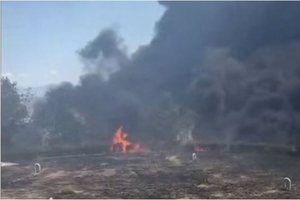
Fier Police has issued an official announcement regarding ...

Today will be characterized by mostly stable weather in mo...

On Sunday, our country will be affected by stable weather ...
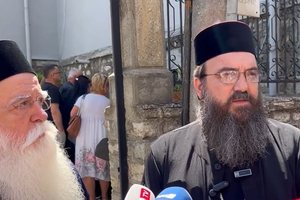
A day dedicated to health, solidarity and cooperation betw...

On Saturday, our country will be affected by relatively un...

Russian President Vladimir Putin is likely in his most pre...
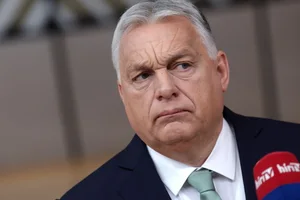
Hungary's new government, led by Prime Minister Péter Magy...

President Donald Trump has confirmed that he has asked FIFA ...
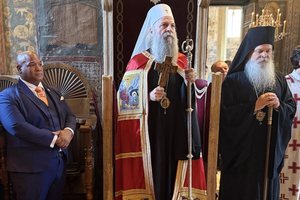
The informal religious advisor to United States President ...
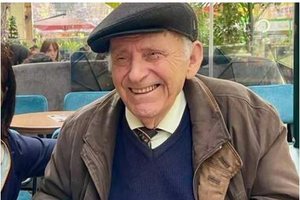
Professor and literature scholar Ali Xhiku has passed away...

During my research into the life and artistic photographic...

This year's edition of the Gjon Mili International Video A...
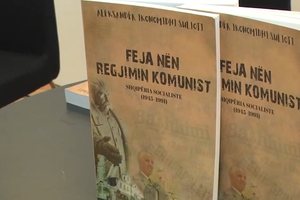
The promotion of the book by author Aleksandër Ikonomidhi ...

This Monday, one US dollar is bought for 81.2 lek and sold...
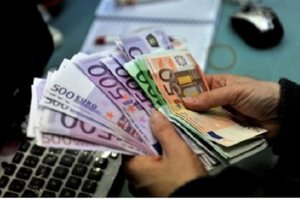
This Sunday, one US dollar is bought for 81.3 lek and sold...

When it comes to 10 key economic issues, the debate in Alban...

This Saturday, one US dollar is bought for 81.3 lek and so...