

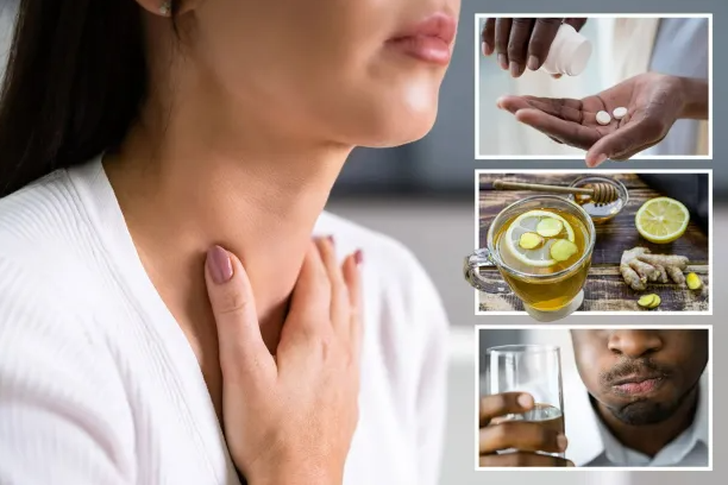
3 Different Types of Sore Throats/ The Best Way to Treat Each One
If you have a case of sore throat, it may mean that it...


Fever is an increase in body temperature above normal. Body temperature is usually lowest in the morning and rises during the day.
Each person's body temperature can be different.
It is difficult to give an exact temperature for a fever, but most health care providers agree that a fever is a temperature of 100.4? Fahrenheit (F) or 38? Celsius (C) or higher.
A fever can indicate that the body is fighting a viral or bacterial infection.
It can also happen after receiving a vaccine, from overheating or from a very bad sunburn.
Many times, the fever does not need to be treated and will go away on its own.
The type of thermometer used can make a difference.
Use a digital thermometer to measure the temperature. Never use a mercury thermometer.
Rectal thermometers are the most accurate.
Forehead thermometers are another good solution if used properly.
Oral (mouth) and ear (tympanic) thermometers can be used. For oral temperatures, wait 30 minutes after drinking something hot or cold. By ear, wait 15 minutes after coming in from the cold.
Finally, taking the temperature in the armpit can be used as a quick check, but it is not very accurate.
- Medicine at home
A fever may not need to be treated if your child does not feel uncomfortable. Even temperatures higher than 38?C are usually not dangerous unless they are the result of a long-term illness.
- Dress your child in light clothing. Over-dressing them can trap body heat and cause the temperature to rise.
- Give extra fluids.
Infants under 1 year of age: Continue to give breast milk or formula.
Children over 1 year of age: Give extra fluids to drink, such as water, 100% diluted fluid, or Tresol (ORS).
- Your child may not want to eat much. Offer soft foods often and in small amounts, but don't force them to eat.
- Taking a bath with warm water (38?C) in a bowl or bathtub helps a lot. Give them a bubble bath or soak your baby up to their chest in a bathtub. The water should be around 38?C, not too hot or cold.
Do not add alcohol to the water. It can be dangerous.
Check your child's temperature 15 minutes after the bath. If the temperature is 39.4?C or rising, repeat the bath or tub.
Over-the-counter medications can help lower a fever. Read the label on the bottle to know the right dose for your child.
- Paracetamol can be used in all children over 2 months.
- Ibuprofen can be used in children over 6 months.
- Do not give aspirin to children. Aspirin has been linked to a disease called Reye's syndrome, which can be fatal!
When to call the doctor or emergency?
Call your child's doctor right away if your child:
- Is less than 3 months old and has a temperature of 38?C or higher.
Is older than 3 months and has a temperature: 40?C or above.
- If the temperature is above 38.9?C for more than 2 days.
- If home methods were used but did not work.
- When the child is over 1 year old and looks very sick, is very restless or very sleepy.
- Does not eat or drink and shows signs of dehydration: dry mouth, sunken eyes, dark urine, dry diapers or lack of urination.
- Have a stiff neck, severe headache, sore throat, painful stomach pain, vomiting or diarrhea.
- There is an unusual rash
- Has been in a very hot place, such as an overheated car.
There are problems with the immune system that make them more prone to illness, such as blood diseases, cancer, etc. or if they are taking a drug that weakens the immune system.
Call 127 or go to the pediatric emergency if your child has breathing problems, has seizures or is sleepy.

If you have a case of sore throat, it may mean that it...

While we are in the season of viruses and sleep is kno...
The most frequent complaints I hear are related to symptom...

I communicate from time to time with friends and patients ...
It seems that autumn is passing, while winter is on the ho...
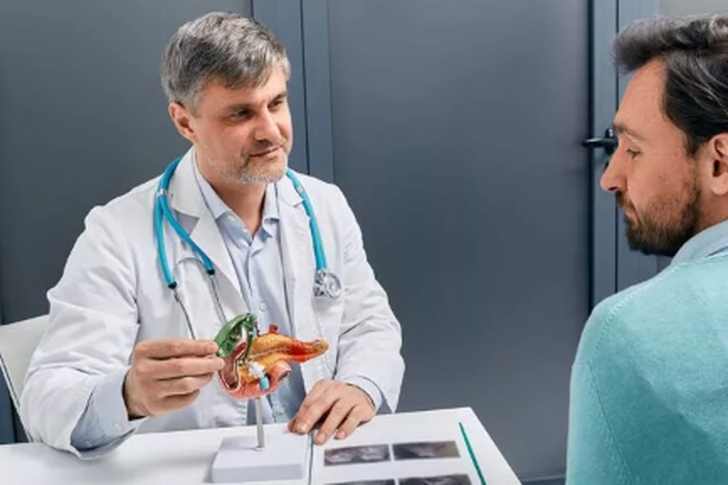
Pancreatic cancer is the fourth leading cause of death in ...
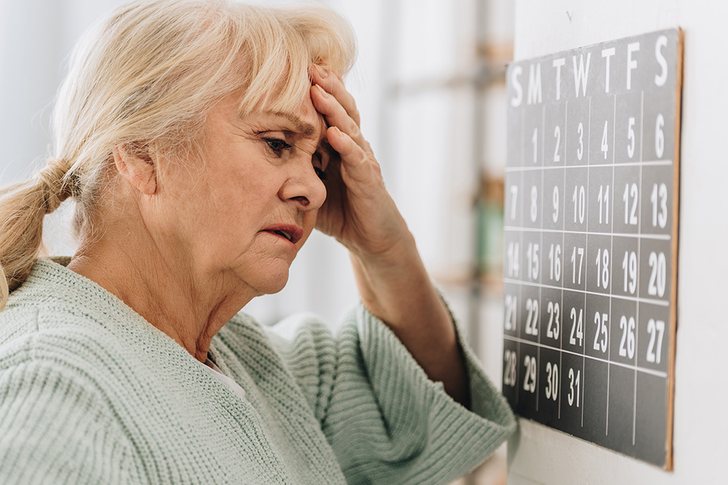
People who feel dizzy when they stand up from a sittin...
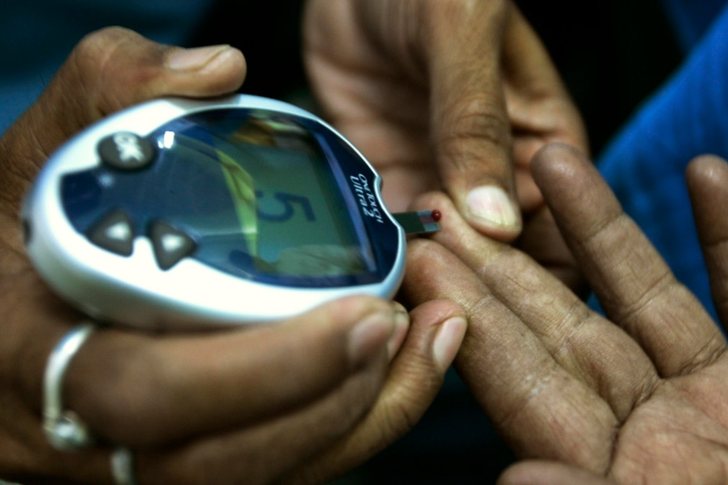
November 14 marked World Diabetes Day, and doctors warn th...
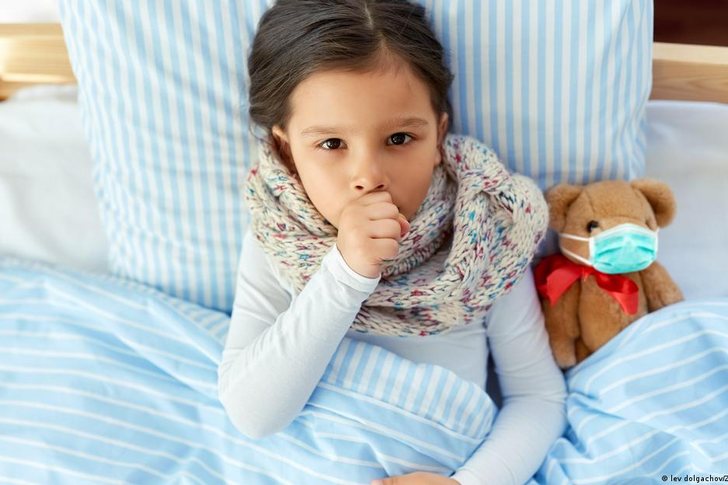
Middle ear infections, sepsis, meningitis – if these d...
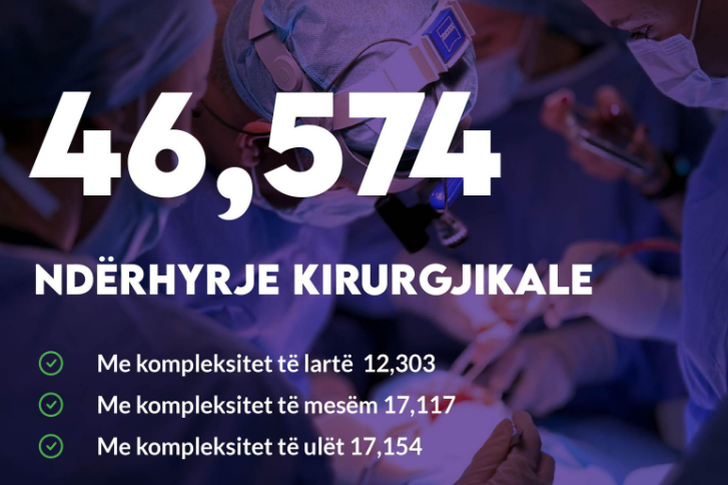
The Minister of Health and Social Protection, Albana Koçiu...
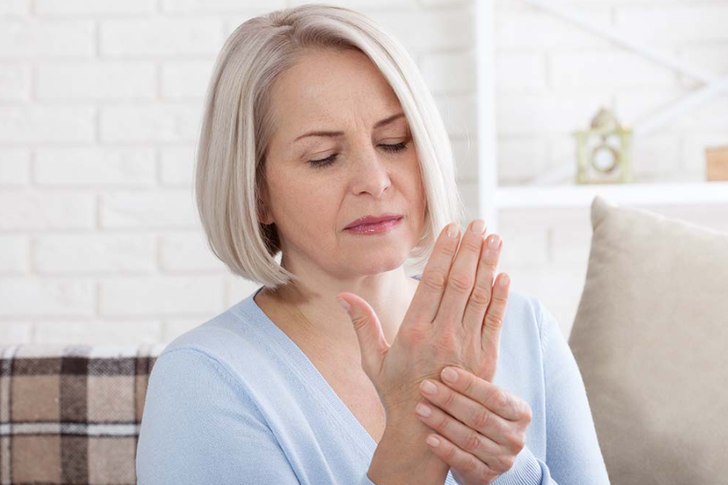
Joint health is threatened by osteoarthritis, and scientis...
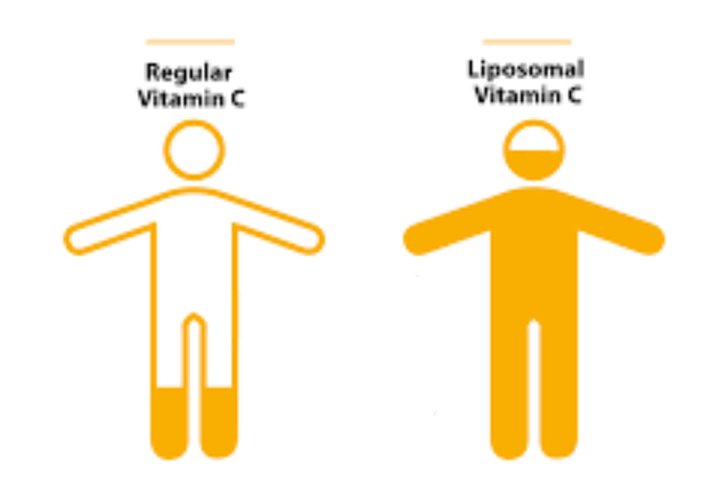
Many of the messages I receive in my inbox from patients a...
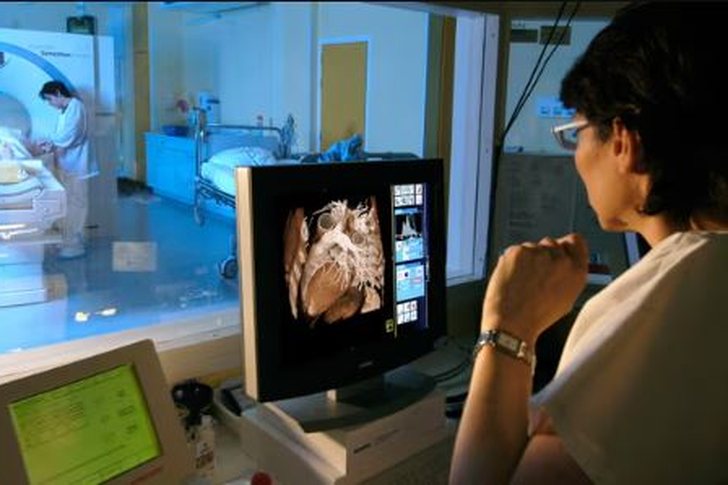
Artificial intelligence can be used to predict whether a p...

The classes of antidepressants vary and, depending on thei...

The endocrinologist, Dashamir Gjergji, has listed for ...
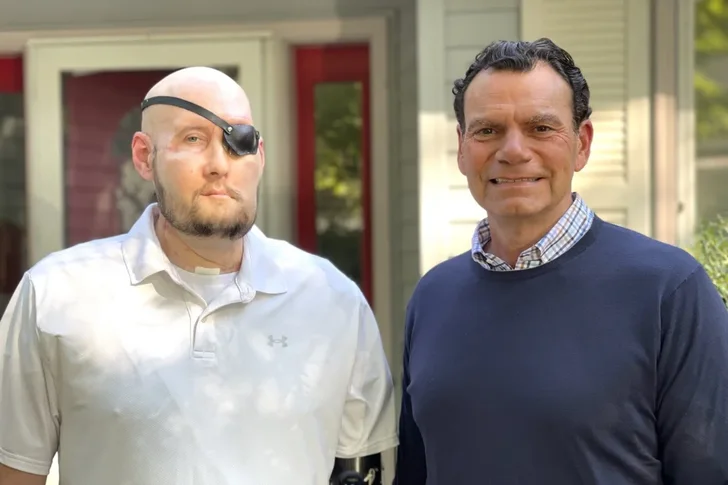
The first successful complete eye transplant in a living p...
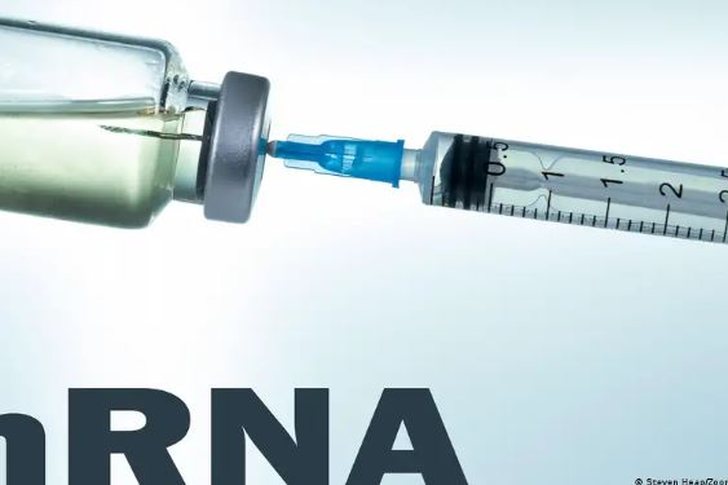
mRNA technology has revolutionized medicine within a few y...
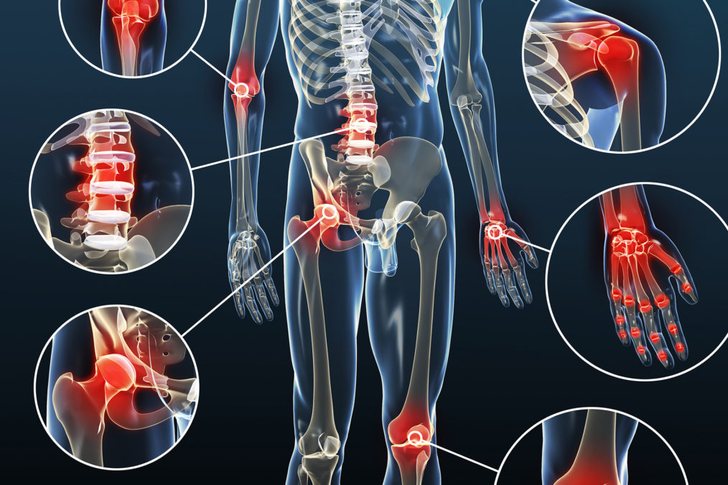
Osteoarthritis is a severe, painful rheumatic disease, the...
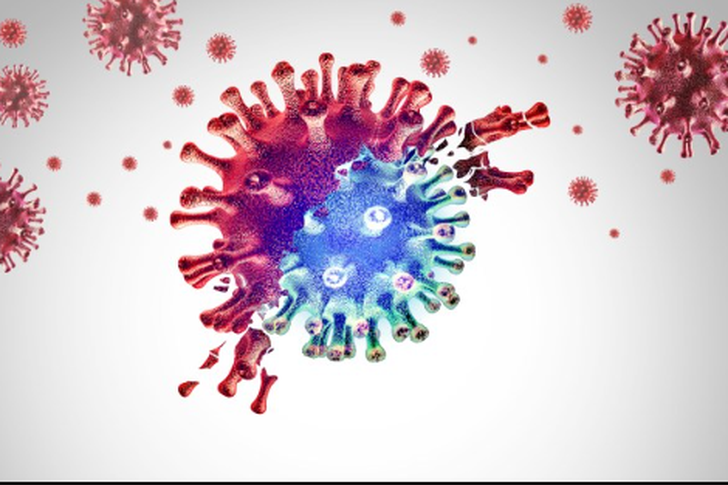
A new "more transmissible" strain of Covid has risen, expe...

The fats we consume play a vital role in maintaining skin ...

Qytetarët që kalojnë pasditen pranë Liqenit Artificial në ...

On the morning of July 7, 2026, the Ministry of Culture ur...

After the disclosure of the portfolio of properties an...

For 6 months now, CNA has been sending several letters to ...

The Special Board of Appeal (KPA) decided this Monday ...

The KPA vetting decided this Thursday to dismiss the p...

Suela Salavaçi, a prosecutor in the Prosecutor's Offic...

The Special Board of Appeal reinstated the prosecutor ...

A scandalous and criminal case has been registered in Durr...

A 21-year-old man has been arrested by Shkodra Police afte...

An accident occurred this evening in the village of Vranis...

An operation carried out by the National Police and the P...

Today, our country will remain under the influence of stab...
Today, our country will remain under the influence of stab...

The latest report compiled by the European Transport Safet...
The Albanian woman is on average 2 years older than the Al...

In the Chamber of Deputies (Camera dei Deputati) in Rome, ...
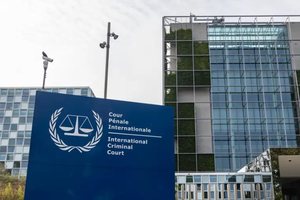
US Secretary of State Marco Rubio has significantly escala...

The United States has launched a new wave of attacks on Ir...
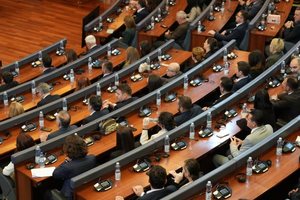
The leader of the Democratic League of Kosovo, Lumir Abdix...

Master of humor Todi Llupi has passed away at the age of 7...

The ninth edition of "MIK Festival" kicked off with one of...

A historic evening for Albanian culture was marked in the ...

When I turned 10, another building was built in front of o...

Around 97,100 people are employed in regulated professions...
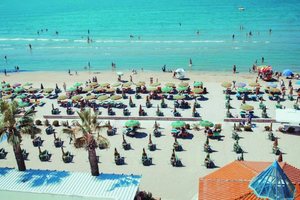
Albania continues to be the main destination for vacatione...

This Thursday, one US dollar is bought for 81.1 lek an...

Beekeeping has expanded significantly in recent years, bec...