


Ervin Salianji, the serial loser in the elections
Ervin Salianji, after his statements "Berisha should leave...


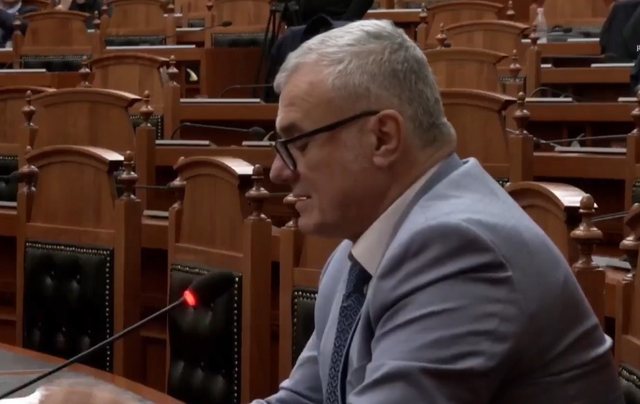
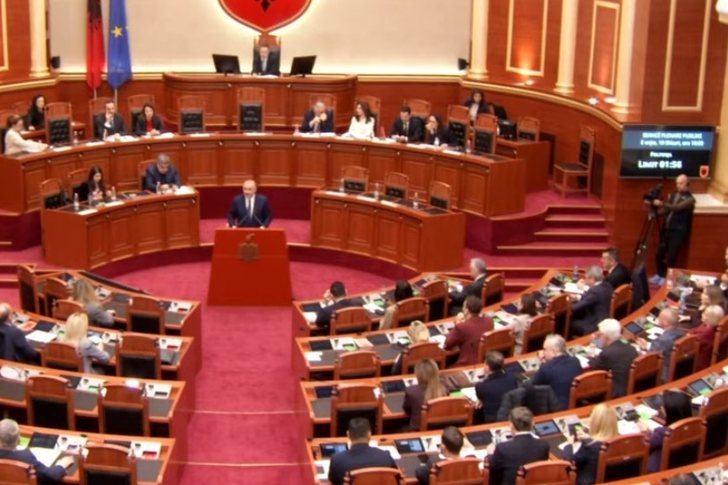
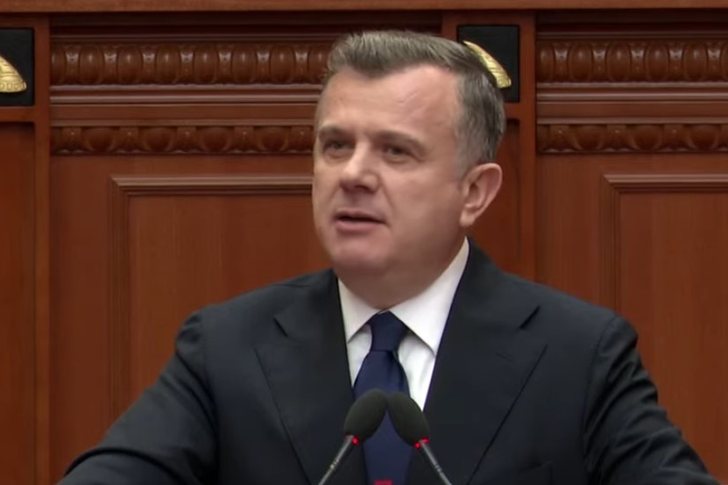
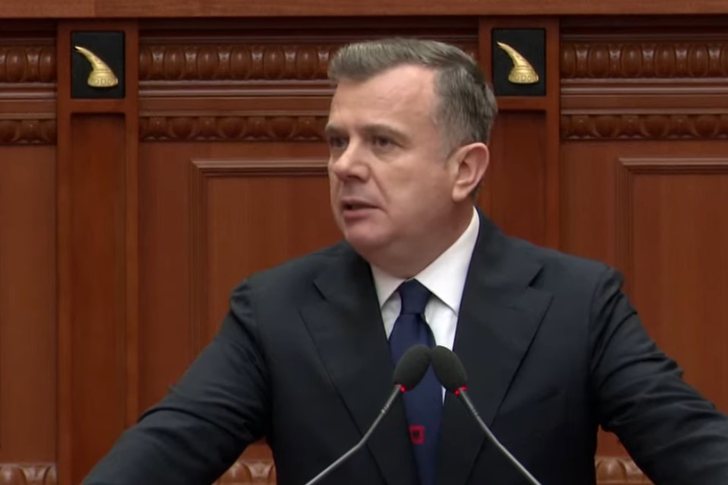
During his speech at today's plenary session, Democratic Party MP Bujar Leskaj focused on the increase in the cost of living in Albania over the last six years.
Leskaj emphasized that the economic situation of Albanian families has worsened significantly, with food basket prices increasing by 20-25% in the period 2020-2025, while incomes for the needy have only increased by 10-12%.
Referring to INSTAT and Eurostat data, the democratic MP said that although salaries in Albania are around 41% of the European average, Albanians buy food products up to 50% more expensive than in European Union countries.
According to him, the purchasing power in the country is the lowest on the continent, leaving behind even countries like Ukraine or Moldova.
The solution proposed by Leskaj to ease the burden on citizens is the immediate reduction of VAT on basket products from 20% to 5%.
Leskaj's speech
The cost of living has increased dramatically in the last 6 years. During the period 2020-2025, the prices of the food basket, i.e. the essential items for survival, have increased by 20-25%. Meanwhile, incomes for the poor and those with modest salaries have increased by only 10 to 12%. According to INSTAT, food will still account for about 40% of our families' budgets in 2025, maintaining the same weight as in 2023 and 2024. Although we are paid less than all EU citizens, with about 41% of the European average according to purchasing power, our citizens buy many products up to 50% more expensive than in Europe over the last three years, according to the comparative consumer price index published by Eurostat.
Albania has the lowest purchasing power in Europe, being even lower than Ukraine and Moldova, despite the fact that these two countries have a lower minimum wage than our country. Second, Albania has the highest VAT in Europe. The 20% rate of value added tax (VAT) for all food products is considered by all foreign and domestic experts to be too high for a middle-income economy with a still high and significant level of poverty. Reducing this tax on basket foods is not only a fiscal issue; it is directly related to social welfare, economic stability and the functioning of the internal market.
When VAT remains at high levels for households, the cost of living increases significantly, real consumption decreases and pressure on low- and middle-income groups increases sharply. Reducing VAT would have a direct effect on easing household budgets and stabilizing basic consumption. From an economic perspective, reducing VAT on basic foods would immediately produce an increase in domestic consumption, as lower prices stimulate demand by revitalizing the market.
The 5% VAT on basket foods, as defined in the draft law, increases the formalization of the economy, as it reduces the incentive for tax evasion in the food sector. The low VAT is an indirect support for domestic production, as higher consumption will translate into greater demand for domestic producers, especially in agriculture. Third, the VAT reduction has a deep social dimension and strongly combats poverty. In essence, VAT is a regressive tax; it affects proportionally more low-income groups.
Its reduction for basic products represents an effective social policy because it directly helps the most vulnerable families; reduces the risk of social exclusion and improves food security.
In most European countries, staple foods have reduced VAT rates precisely for this reason: e.g., Italy 4%, Greece 6% and Poland 5%. If Albania does not apply a reduced rate for staple foods, we will face greater food inflation pressure, severe social disadvantage and devastating challenges for domestic producers, especially agricultural ones. Reducing VAT on staple foods is not simply a fiscal policy; it is first and foremost a social, economic and stabilization policy. In the context of pressure on the cost of living and the need for economic stimulation, a review with a strong reduction of this tax on staple foods is a necessity today. With effective monitoring of implementation, reducing VAT on staple foods will become a real instrument for increasing the quality of life and economic development.

Ervin Salianji, after his statements "Berisha should leave...

The current chairwoman of the Shkodra DP, Eliona Shkreli, ...

DP MP Belind Këlliçi today revealed the reasons that broug...
Journalist Neritan Sejamini, invited to the "Opinion" show...
Democratic Party MP Belind Këlliçi, invited to the show "O...
Prime Minister Edi Rama has shared a photo album of moment...
Democratic Party MP Belind Këlliçi spoke about tomorrow's ...

The Prime Minister of Albania, Edi Rama, and the President...
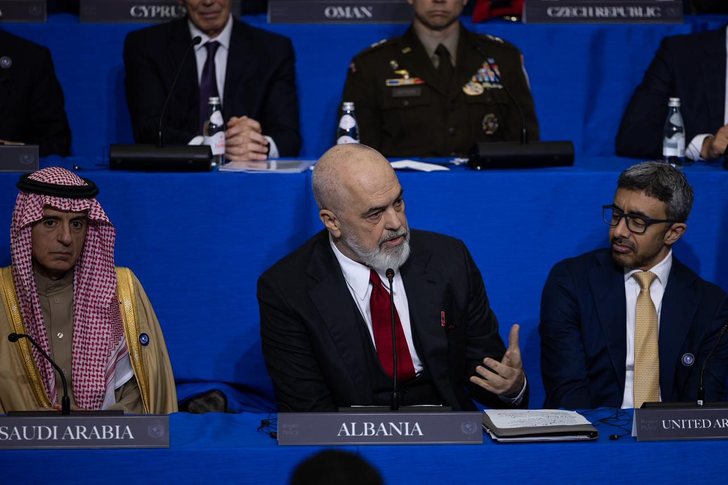
Faleminderit që më keni ftuar të jem pjesë e këtij rrugëti...
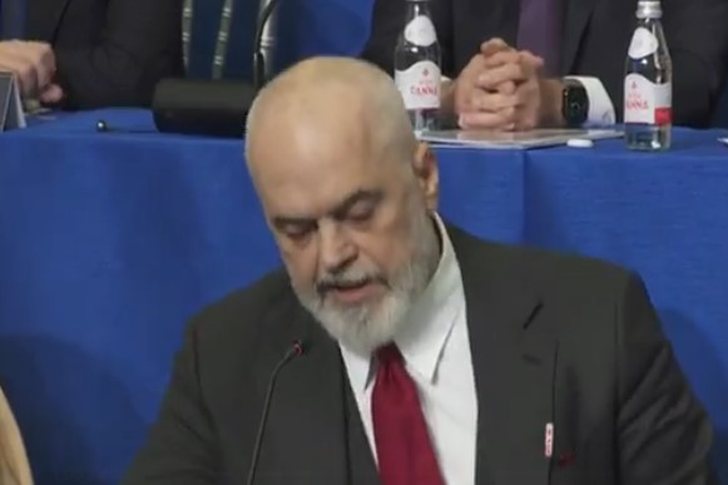
Prime Minister Edi Rama, in his speech at the Peace Board ...

The first meeting of the "Peace Board" will take place tod...
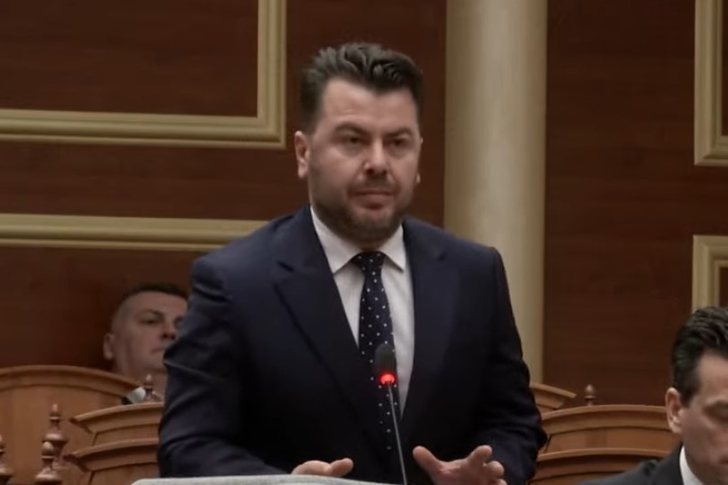
During discussions in the Assembly on the draft law "On th...
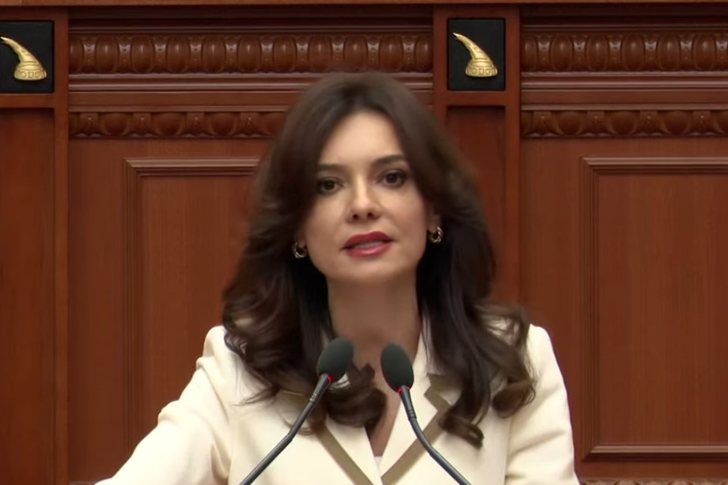
Foreign Minister Elisa Spiropali, during her speech in the...
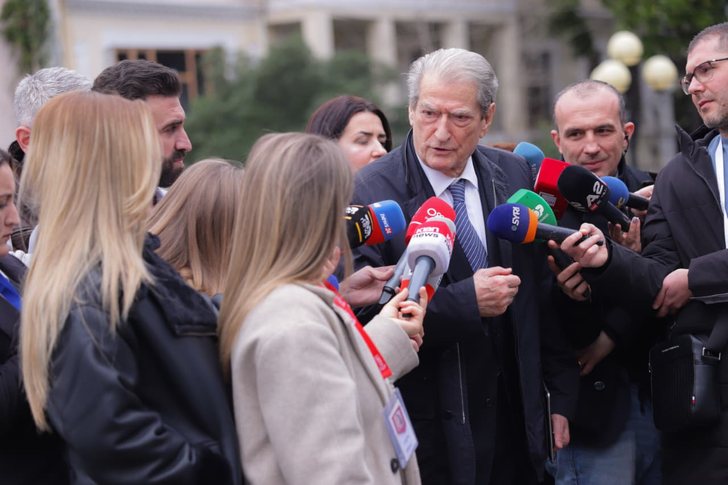
The leader of the Democratic Party, Sali Berisha, spoke to...
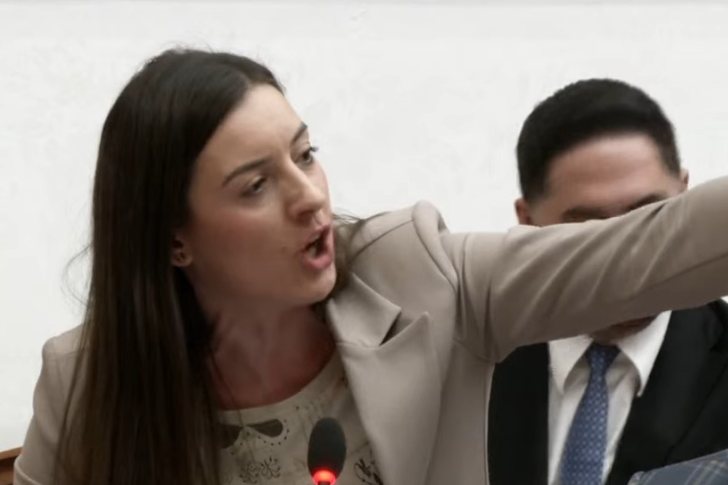
Socialist MP, Zegjine Çaushi, responded in the Assembly wi...
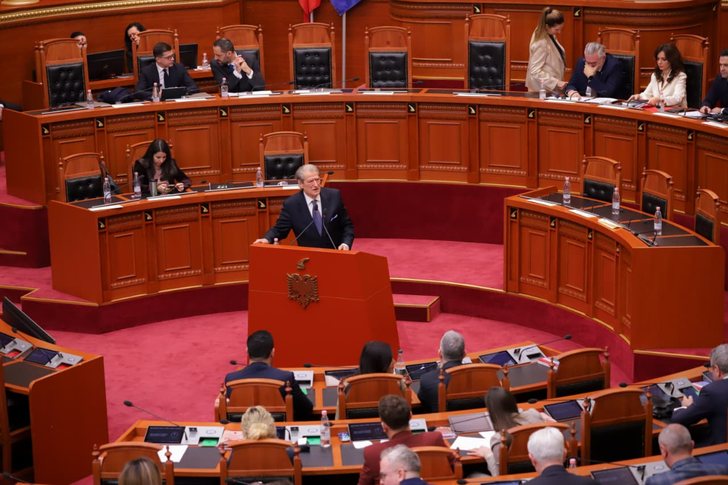
DP leader Sali Berisha, during his speech in the Assembly,...
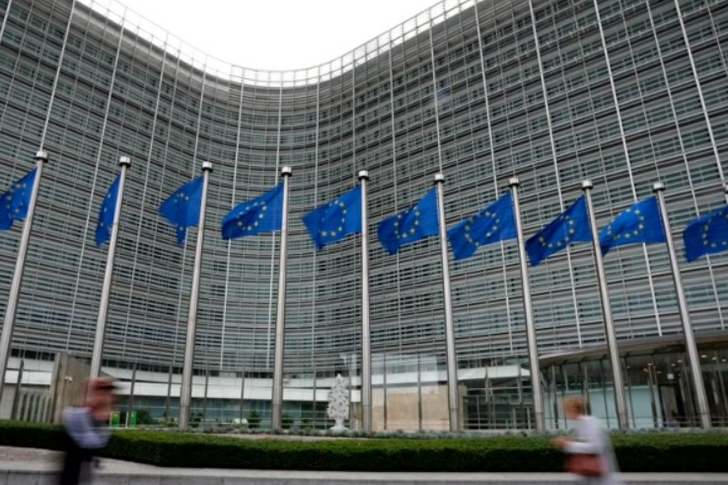
The draft report of the European Parliament's Foreign Affa...
Kryetari i Komisionit të Ligjeve, Ulsi Manja është përgjig...
The head of the Socialist Party Parliamentary Group, Taula...
The head of the SP Parliamentary Group, Taulant Balla, has...
SPAK's standards, the way it investigates, how it secures ...
Irfan Hysenbelliu claims to be a big businessman, an hones...

The murder of officer Enea Mekolli in the line of duty has...
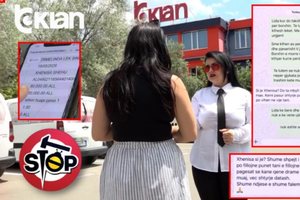
The next case broadcast on the show "Stop", this Thursday,...

The Special Board of Appeal (KPA) decided this Monday ...

The KPA vetting decided this Thursday to dismiss the p...

Suela Salavaçi, a prosecutor in the Prosecutor's Offic...

The Special Board of Appeal reinstated the prosecutor ...
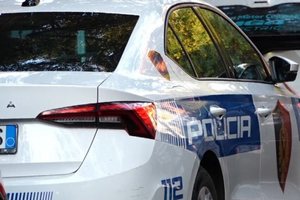
Another gunshot wound occurred at the scene. According to...
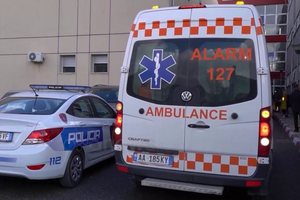
A gunshot wound occurred this afternoon in Shijak. Accordi...

The Border Police blocked the vessel and fined the driver ...
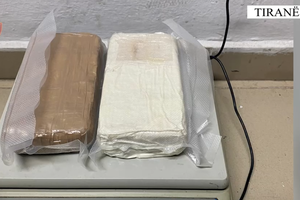
A police operation codenamed "Zonet" has ended with the se...

More than 860 million people fall ill and 1.5 million die ...
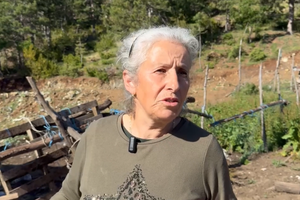
The mother of Violand Braçellari, the perpetrator of the s...

The modern European traveler seeks a meaningful connection...

This Sunday, weather conditions are forecast to be clear a...
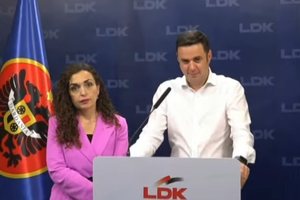
LDK leader Lumir Abdixhiku and former president Vjosa Osma...
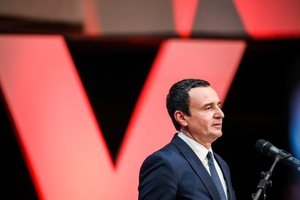
The Vetëvendosje movement has declared victory in the snap...
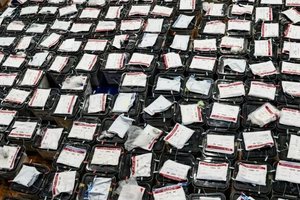
The counting of votes for political entities in Kosovo is ...
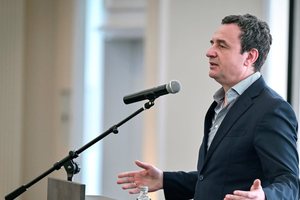
Kosovo's acting Prime Minister, Albin Kurti, has reacted a...

Korça has transformed this weekend into the capital of cel...

Korça is ready to open the summer season with one of the c...
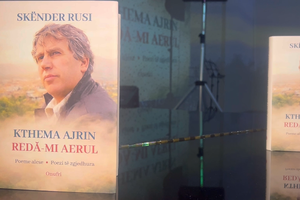
Two years after his passing, the renowned Korçë poet Skënd...
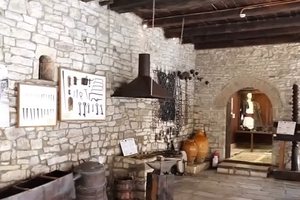
The Ethnographic Museum of Berat has opened its doors to v...
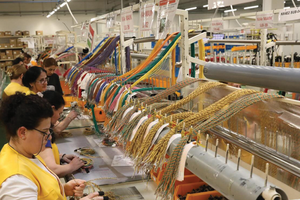
The automotive industry in Albania is currently at a turni...
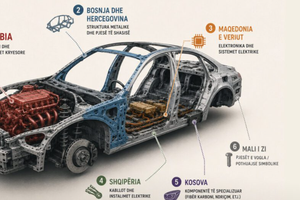
If you were to follow the industrial map of the Western Ba...
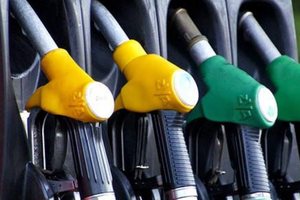
The Transparency Board, in today's meeting, decided to red...
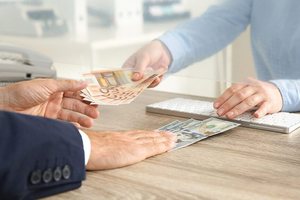
This Saturday, one US dollar is bought for 81.4 lek and so...