


The 20 best movies of 2024
1. Immaculate Sydney Sweeney (also the film's producer) s...


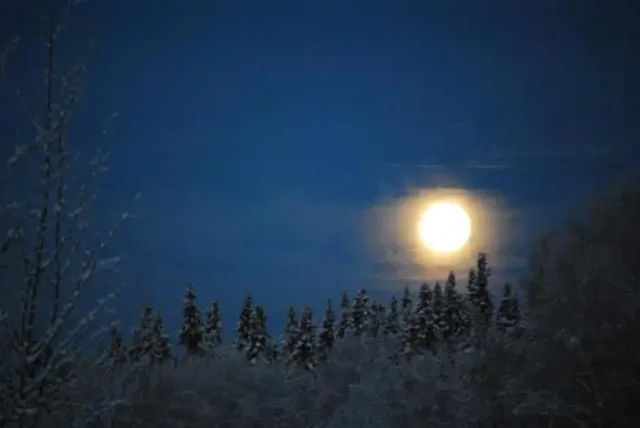
The winter solstice marks the beginning of winter in the Northern Hemisphere and brings the shortest day and longest night of the year. In 2024, the solstice occurs on Saturday, December 21, at 4:21 am EST. This astronomical event, caused by the Earth's tilt of about 23.5 degrees relative to its orbit around the Sun, also marks the summer solstice in the Southern Hemisphere.
Science after the solstice
The Earth's axial tilt causes variable exposure to sunlight in different hemispheres throughout the year, creating the seasons. During the Northern Hemisphere's winter solstice, the North Pole tilts away from the Sun, plunging it into darkness for 24 hours. At the same time, the South Pole tilts towards the Sun, experiencing uninterrupted light. On this day, the Sun appears lower in the sky at northern latitudes, reaching its highest point directly above the Tropic of Capricorn (23.5° south of the equator).
Why does the date change?
The solstice usually falls on December 21 or 22 in the Northern Hemisphere. This variation comes from the slight misalignment of the Gregorian calendar with Earth's orbital period of 365.25 days, which requires leap years to synchronize the calendar.
The length of winter
Astronomically, winter lasts from the solstice to the vernal equinox (March 19-21), covering about 89 days in the Northern Hemisphere. Meteorologically, winter includes the period from December 1 to February 28/29, coinciding with the coldest months of the year.
Misconceptions about the winter cold
Despite the decrease in sunlight, the winter solstice is not the coldest day of the year. The oceans and land slowly release the heat stored in the summer, delaying the peak of cold by several weeks. As the days lengthen after the solstice, solar radiation gradually warms the Earth.
Cultural significance
The solstice has inspired cultural traditions around the world. At Stonehenge in England, the setting sun coincides with the Altar and Slaughter stones, symbolizing rebirth or veneration of the Sun. Similarly, Mayan structures such as those in Tulum, Mexico, include alignments with the solstice, testifying to ancient civilizations' deep connection to celestial patterns.
Earth's distance from the Sun
Contrary to common perception, the Earth is closest to the Sun (at perihelion) in early January, about two weeks after the solstice. At this point, Earth is about 91.4 million miles (147.1 million kilometers) from the Sun, compared to its furthest point (aphelion) in early July.
A perpetual celebration of change
From ancient monuments to modern gatherings, the winter solstice represents reflection and transition. It marks a key moment of the year, reconnecting humanity to the rhythms of the cosmos and offering hope through the lengthening of the day.

1. Immaculate Sydney Sweeney (also the film's producer) s...

Gemini Gemini, as an air sign, chooses to explore man...
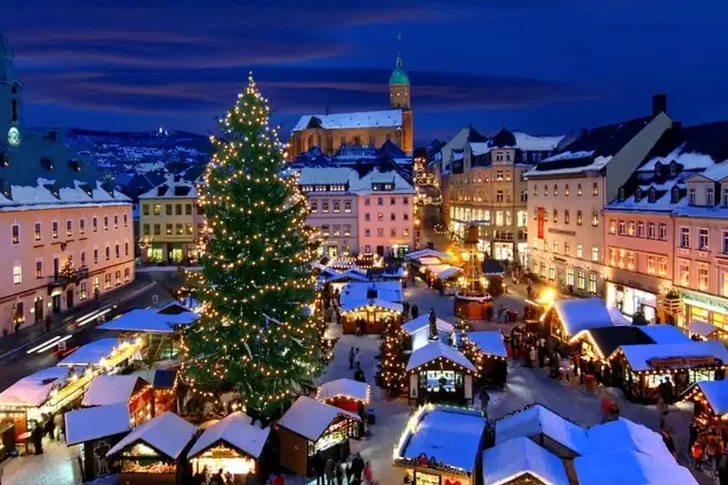
In the well-known and centuries-old song "12 Days of Chris...
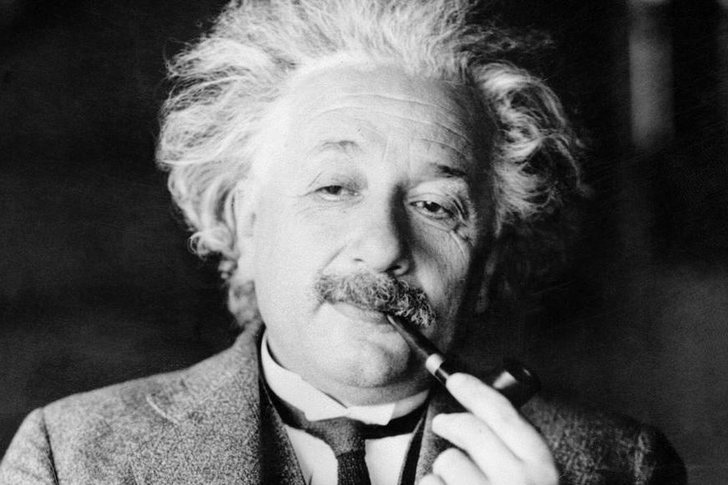
Throughout his life, Albert Einstein was one of the mo...
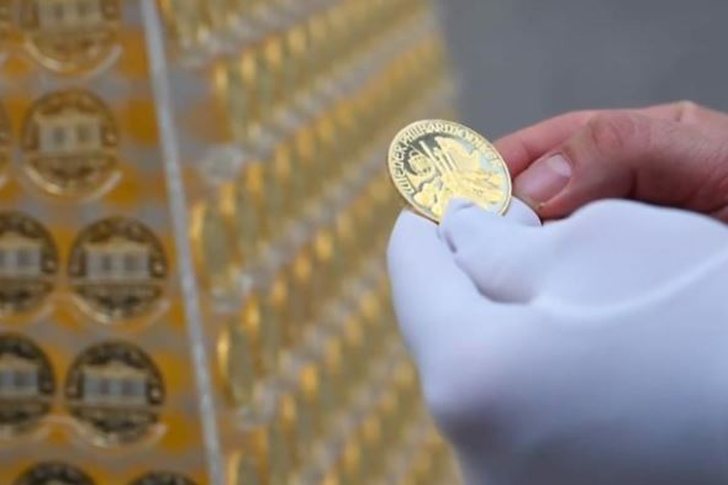
A merchant in Germany has managed to produce one of th...
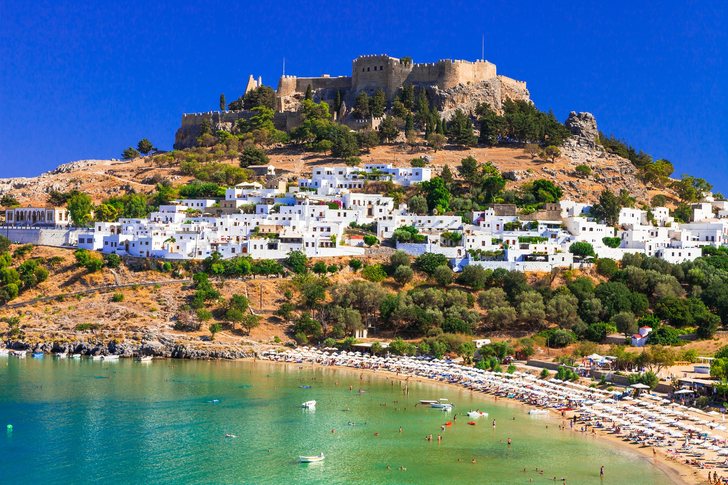
1. Greece has over 6,000 islands, but only about 227 are i...
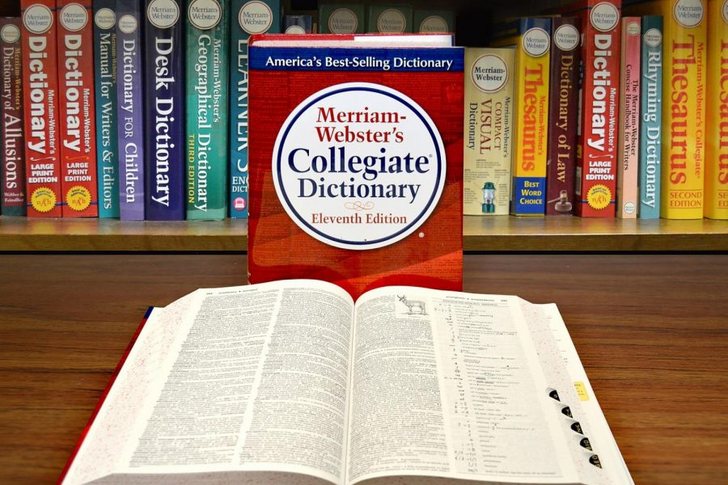
The results of this year's presidential election in the Un...
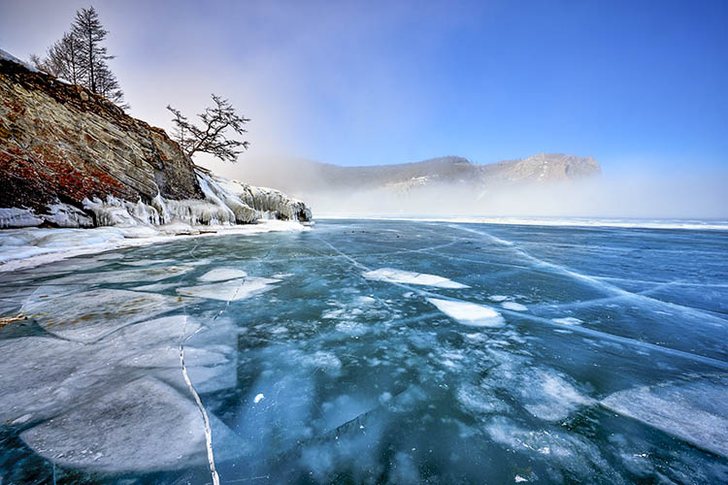
Although no lake can truly be said to be endless, some...
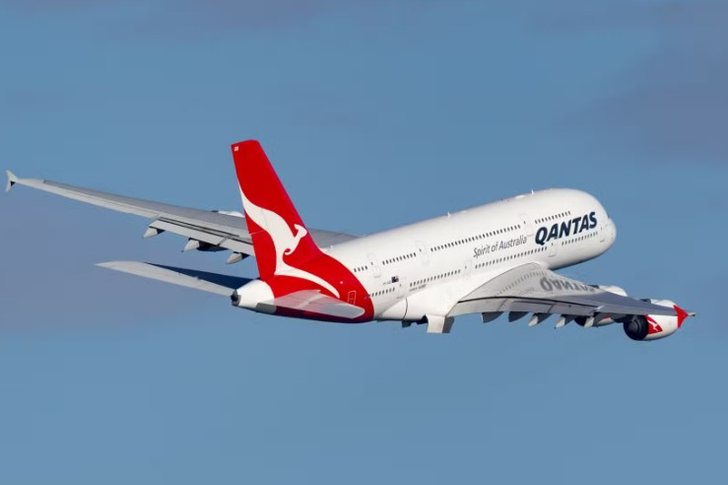
Ten airlines fly the Airbus A380, the largest and most spa...

Winter brings not only darkness, but also lights, calm and...
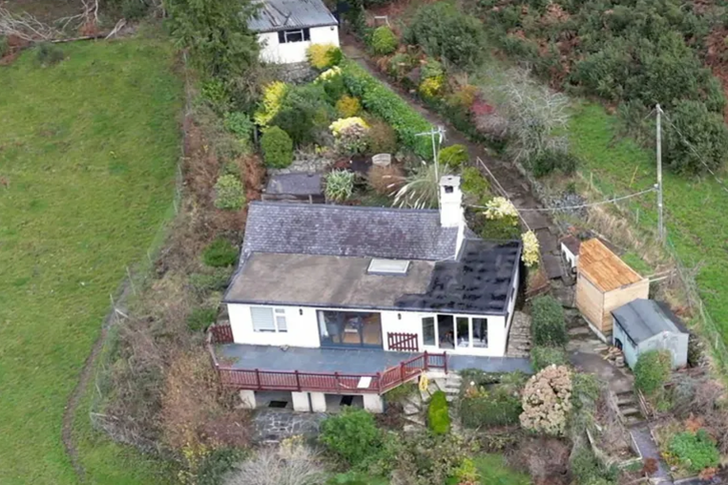
Earlier this week, one of America's most wanted men was fi...

If you want to give gifts to your loved ones this end ...

Stereotypically, women are the ones who want a romantic pa...

The Formula 1 World Championship was born in 1950 by the d...

According to astrology, these zodiac signs constantly thin...

When it's time to wake up, a person feels as if even five ...
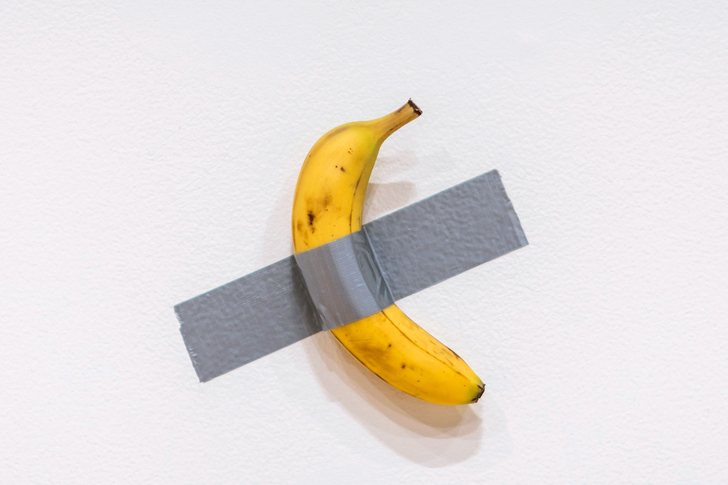
Maurizio Cattelan's provocative artwork, which is nothing ...

There is something unique rising from the seabed of the De...
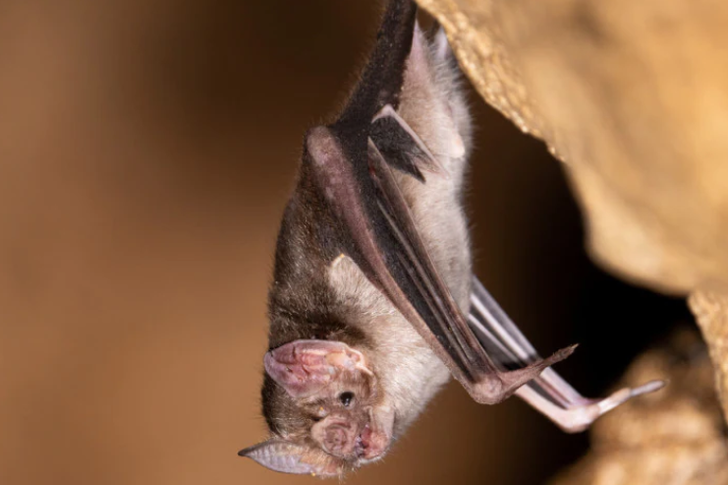
Some species of bats that are otherwise called vampires ar...

How much ability does an artificial intelligence have to s...

CNA has launched another investigation that could lead to ...

Irfan Hysenbelliu is a businessman that we call "Irfan the...

In March 2026, CNA launched another investigation centered...
The arrested mayor of Tirana, Erion Veliaj, with 13 charge...

The Special Board of Appeal (KPA) decided this Monday ...

The KPA vetting decided this Thursday to dismiss the p...

Suela Salavaçi, a prosecutor in the Prosecutor's Offic...

The Special Board of Appeal reinstated the prosecutor ...

A road accident occurred this evening on Nikolla Zoraqi St...

Three people were shot and wounded in Elbasan last night b...

A serious incident occurred this Tuesday in the Yrshek are...

An accident occurred this Tuesday on "Dituria" street in K...
All of Southern Europe will face changing weather conditio...
Albania was hit by temperatures significantly higher than ...

For the first time, Pogradec welcomed the Inter-Lake Chess...

Albania has achieved a record for the employment of foreig...

US Secretary of State Marco Rubio arrived in Manila on Jul...

In the space of a few days, Ukrainian President Volodymyr ...

The spokesman for the Iranian Foreign Ministry warned Bulg...

Autoritetet italiane sekuestruan pako me afër 800 kilogram...

At a time when industrial products are increasingly taking...

Trust among people is not just a three-syllable word. It c...

Master of humor Todi Llupi has passed away at the age of 7...

The ninth edition of "MIK Festival" kicked off with one of...

Construction company licenses will have a validity period ...

The Centralized Purchasing Operator recently opened a tend...

The new draft law "On the Bank of Albania" provides that t...

This Tuesday, one US dollar is bought for 81.2 lek and sol...