

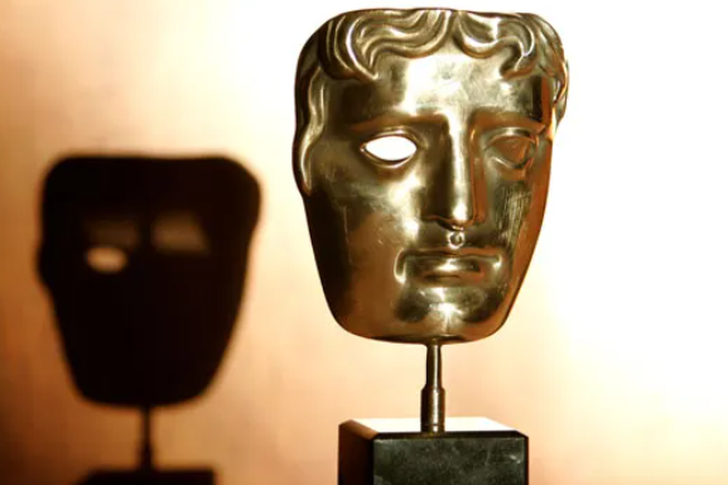
Bafta Awards 2025/ The best films and stars on the red carpet
The 78th British Academy Film Awards, better known as the ...


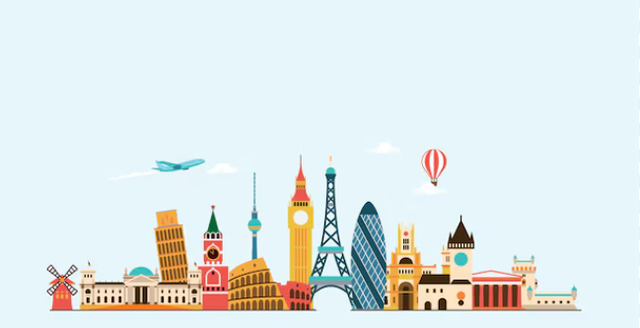
Europe, the second smallest continent on Earth, is full of mysterious and unique facts. It is often called the "peninsula of peninsulas" because it is surrounded by water on three sides. There are many interesting facts about the continent, about Europe's rich history, diverse cultures and fascinating attractions.
These 11 unique facts about Europe reveal another side of the continent that we probably didn't know:
1. More than 200 languages ??are spoken in Europe!
Europe is a goldmine for language enthusiasts. With over 287 languages ??spoken across the continent, it is one of the most exciting places for you to learn a new language. You can learn English in EP from trained teachers while surrounded by students from all over the world.
2. Europe is the birthplace of democracy
Democracy may seem like a very modern concept to many people, but it was first conceived in Europe in the 6th century BC. It was Cleisthenes who introduced a democratic form of government to the city-state of Athens. The concept began there and gradually influenced the rest of the world.
3. The smallest country in the world is in Europe!
Vatican City, which is only 0.02 square miles, is considered the smallest country in Europe and the world. It is surrounded by Rome, Italy and is the global headquarters of the Roman Catholic Church. Vatican City mints its own euros, prints its own unique stamps and has a flag and national anthem as well. It is also the place where the Pope lives.
4. Europe has over 400 UNESCO World Heritage Sites
Did you know that there are more than 400 UNESCO World Heritage Sites in Europe, the most on any continent in the world? If the natural beauty and warm climate weren't enough to make you visit this beautiful continent, then exploring these unique places that capture Europe's rich history and culture is definitely a good idea.
5. Europe is home to some of the oldest universities in the world.
Do you know what connects some of the world's most famous and oldest universities, such as the University of Oxford, the University of Salamanca, the University of Paris, and the University of Cambridge? They are all located in Europe! The University of Bologna in Italy, founded in 1088, the oldest continuously operating university in the world, is also part of this ancient group of universities.
6. The largest museum in the world is in Paris, France, Europe
If you want to see the largest collection of art on display in the world, then head to the largest museum on Earth, the Louvre Museum in Paris, France. It has over 615,797 items, of which almost 35,000 are always on display, including the Venus de Milo and the Mona Lisa, which attract millions of visitors from around the world every year.
7. Europe has the largest number of castles in the world
There are over 10,000 castles or ruins in Europe. They were originally built to deter invaders, but later became homes for royal families. Today, many have become public museums or remain empty, with a few exceptions, such as Buckingham Palace in London and the Palace of Holyroodhouse in Edinburgh, which now houses the Scottish Parliament.
8. Europe produced some of the world's most influential writers.
From William Shakespeare to Jane Austen and Leo Tolstoy to Victor Hugo, Europe has been the birthplace of many literary giants. Their works are not only enjoyed by the masses for pleasure, but are also studied in various universities around the world due to their contributions and influences throughout history. Every writer around the world has been influenced by European literature at some point in their lives.
9. The Netherlands has more bicycles than people!
Did you know that there are more bicycles than people in the Netherlands? The Dutch nation has approximately 17.9 million people and 23 million bicycles, which includes about 2.4 million e-bikes. Bicycles are the main mode of transportation in the Netherlands, and one study even suggests that the Dutch are extending their lifespan by half a year due to their love of cycling.
10. There are no mosquitoes in Iceland!
There are over 3,600 species of mosquitoes, but not a single one exists in Iceland. The cold temperatures and almost no shallow ponds or water areas make it difficult for this family of flies to establish a nest. So, if you are someone who wants to explore green spaces without these little insects buzzing in your ear, then take a trip to Iceland, or, should we say, the land of mosquitoes.
11. The first Olympic Games were held in Greece.
Did you know that the first Olympic Games were held in 776 BC in Olympia, southern Greece, to honor the gods? The Olympic Games are said to have been created in honor of the most famous ancient Greek god: Zeus, the king of the gods. Athletes prayed to Zeus for victory and offered him gifts to thank him when they won. The modern Olympic Games, which began in 1896, are inspired by the Ancient Olympic Games. After a decade, the Games are returning to Europe for the 2024 Paris Olympics. /CNA

The 78th British Academy Film Awards, better known as the ...
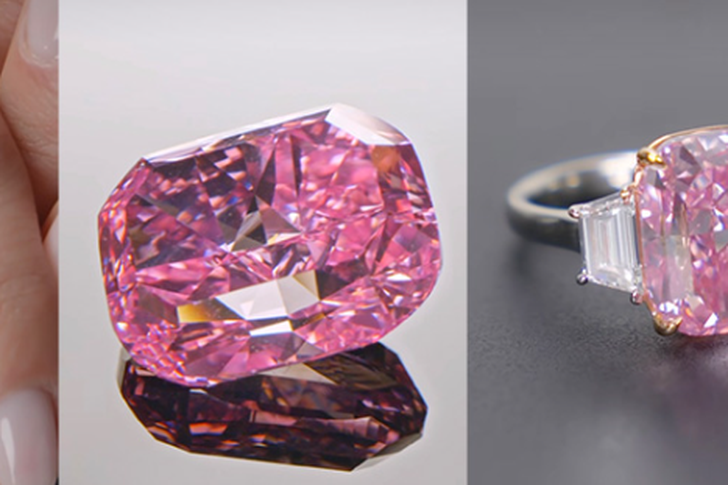
Rings are one of the most favorite pieces of jewelry by al...

A new challenge has spread on TikTok and is considered one...
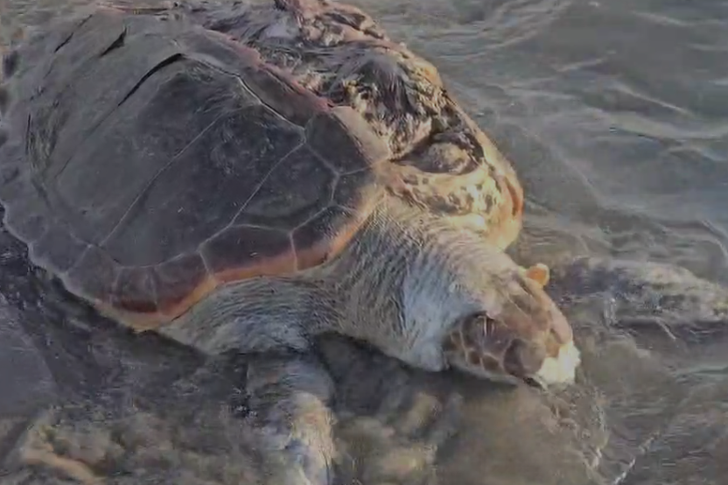
Një breshkë e rrallë deti është gjeëtur në Vlorë, në zonën...
Valentine's Day, marked on February 14, is a special day i...
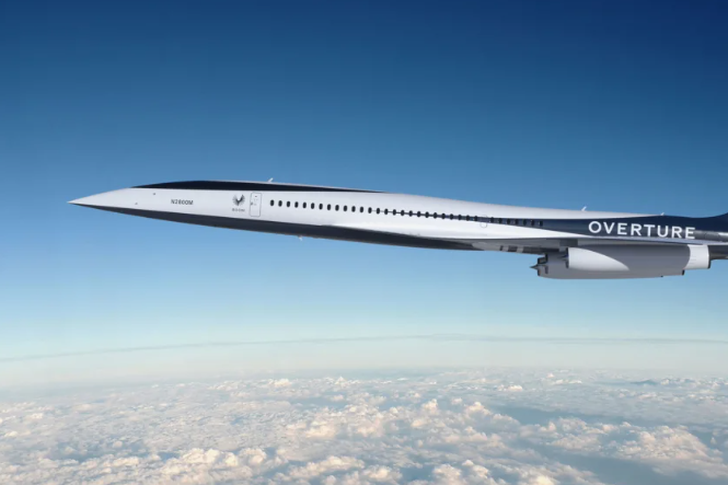
Last week, the American company Boom Supersonic flew faste...
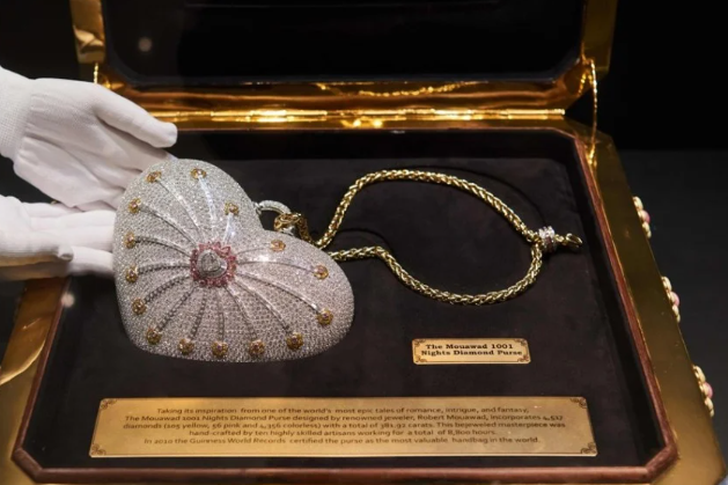
The Guinness Book of Records has named the "1001 Nights Di...
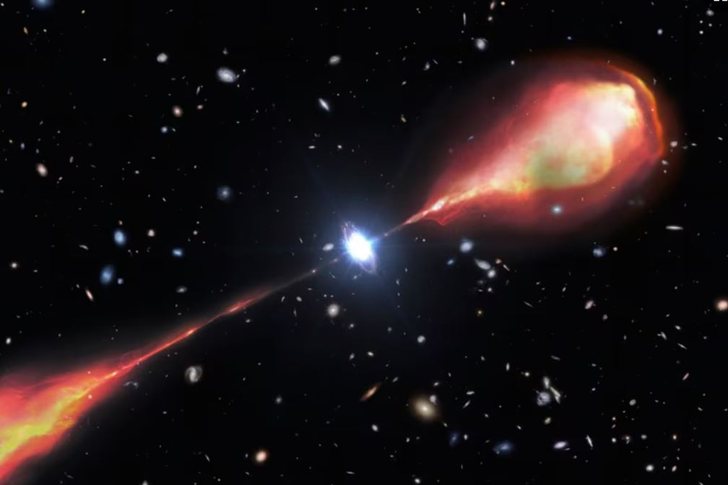
Telescopes around the world have observed a giant radio wa...
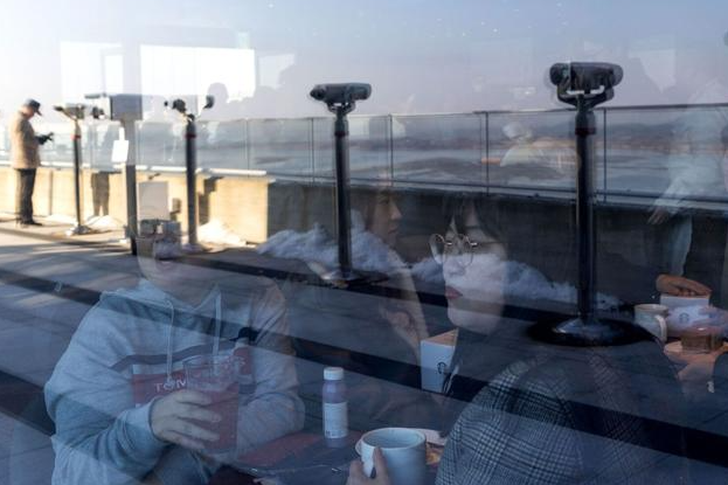
Coffee lovers around the world now have another opportunit...
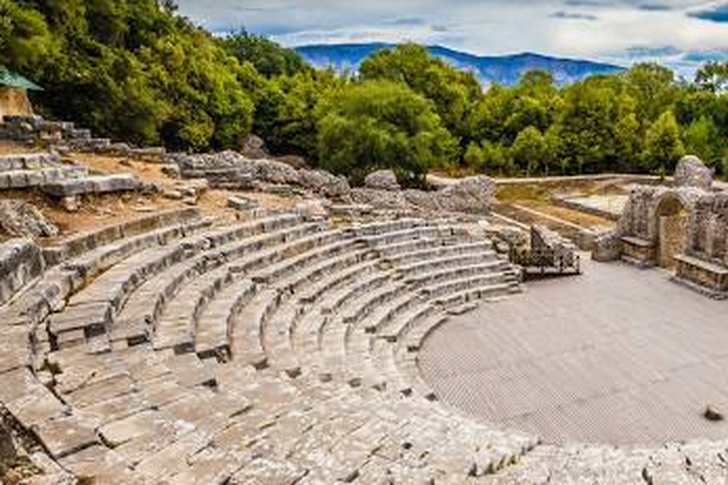
A special program is dedicated to Butrint on the BBC Trave...
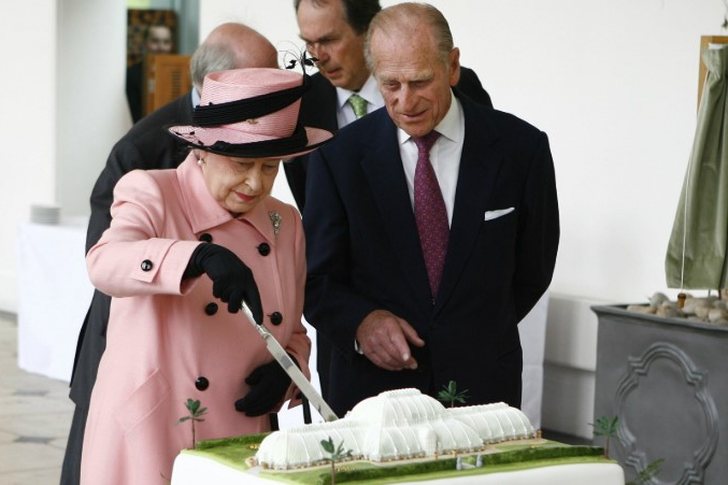
A "very rare" piece of the 77-year-old cake served at the ...
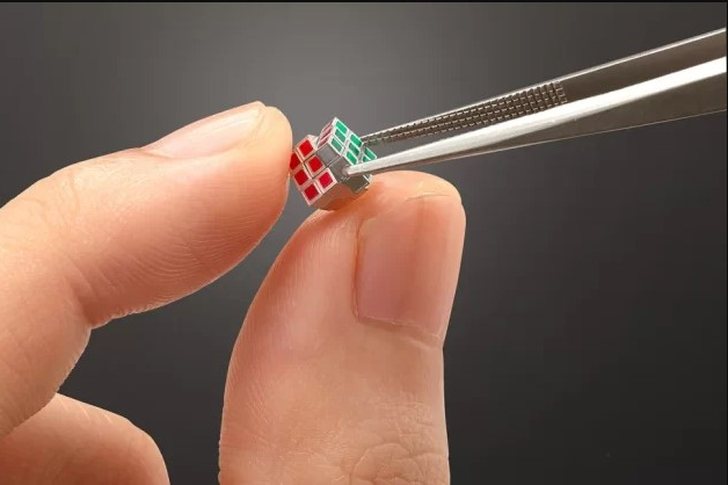
Japanese toy manufacturer MegaHouse has unveiled a miniatu...
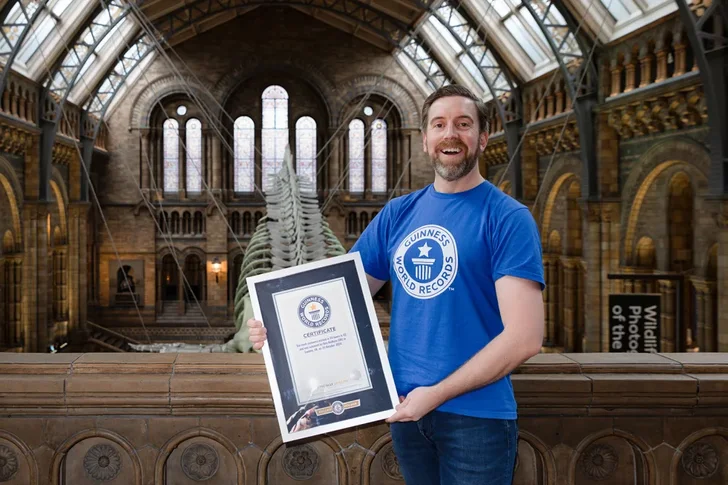
A Briton has entered the Guinness Book of Records after vi...

When Sam Panapoulos created what he and his brother called...
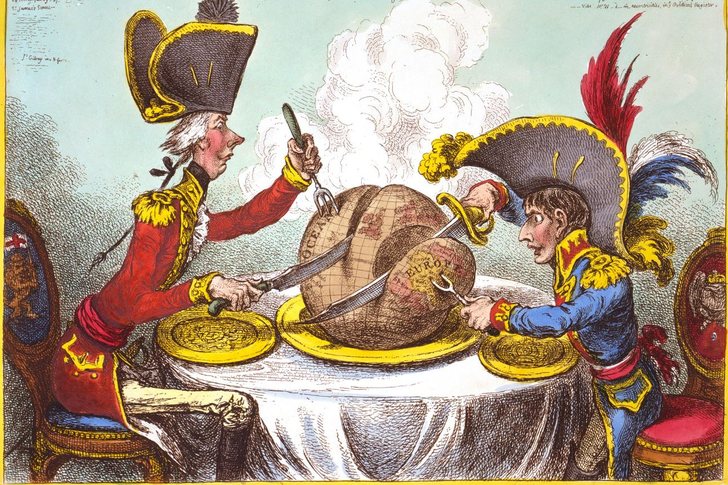
Caricature is a form of visual art that depicts figure...
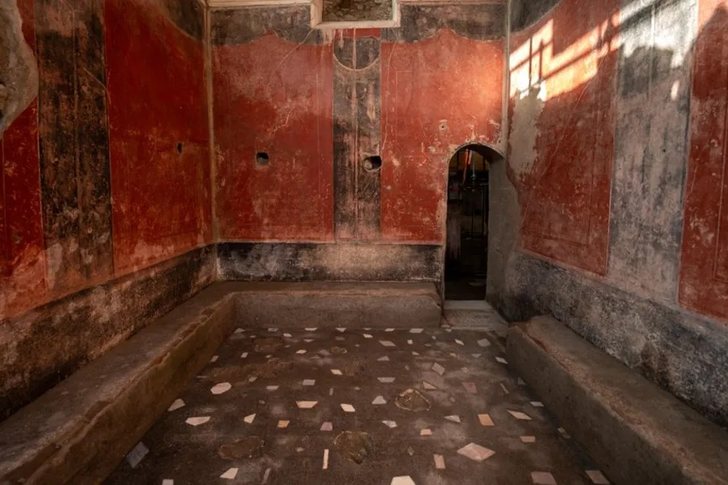
After lying hidden under metres of volcanic rock and ash f...
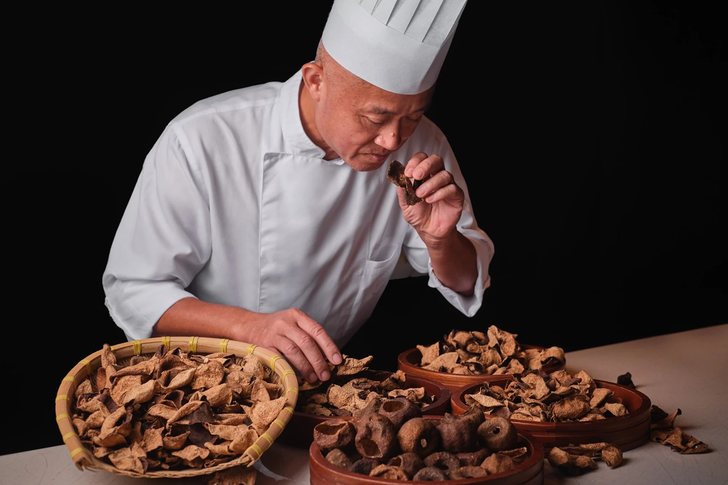
Xinhui is considered the sleepy district in a "third-tier"...

Monday, January 20th is “Blue Monday.” It is a name given ...
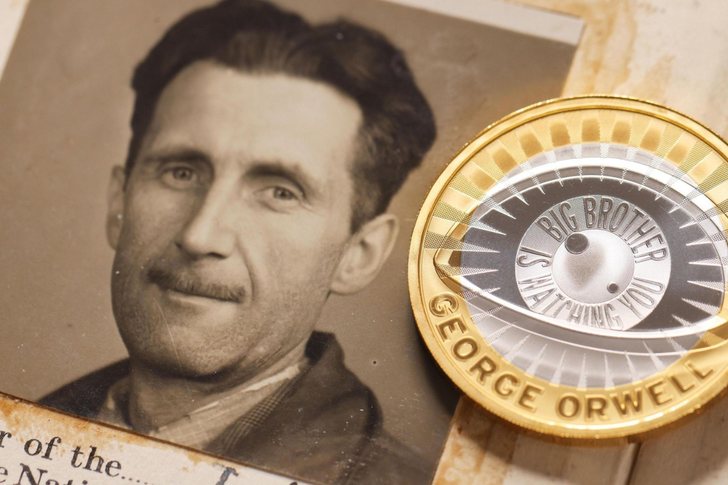
A commemorative coin will soon be issued in the UK to hono...
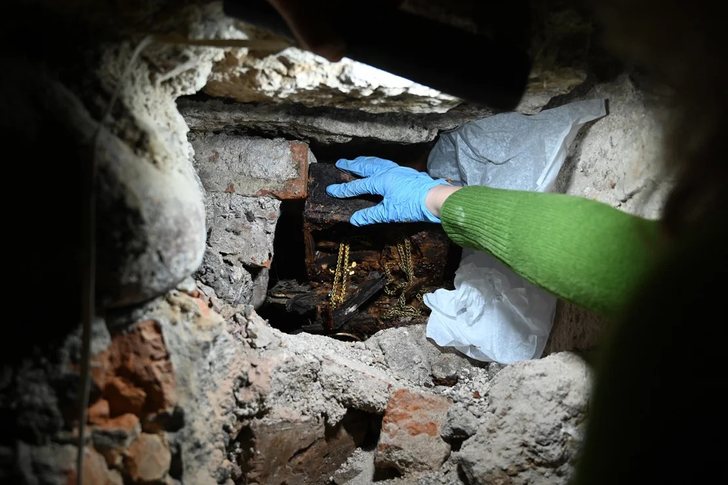
The vault from Vilnius Cathedral, Lithuania, has never bee...

CNA has launched another investigation that could lead to ...

Irfan Hysenbelliu is a businessman that we call "Irfan the...

In March 2026, CNA launched another investigation centered...
The arrested mayor of Tirana, Erion Veliaj, with 13 charge...

The Special Board of Appeal (KPA) decided this Monday ...

The KPA vetting decided this Thursday to dismiss the p...

Suela Salavaçi, a prosecutor in the Prosecutor's Offic...

The Special Board of Appeal reinstated the prosecutor ...
A road accident occurred this evening on Nikolla Zoraqi St...
Three people were shot and wounded in Elbasan last night b...
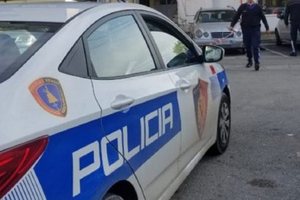
A serious incident occurred this Tuesday in the Yrshek are...

An accident occurred this Tuesday on "Dituria" street in K...
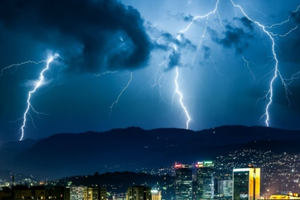
All of Southern Europe will face changing weather conditio...
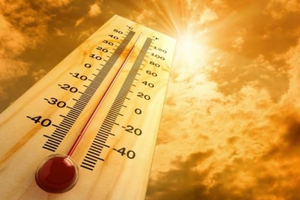
Albania was hit by temperatures significantly higher than ...
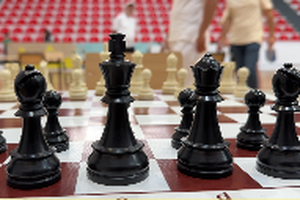
For the first time, Pogradec welcomed the Inter-Lake Chess...

Albania has achieved a record for the employment of foreig...

US Secretary of State Marco Rubio arrived in Manila on Jul...
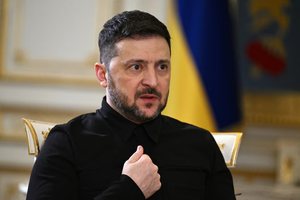
In the space of a few days, Ukrainian President Volodymyr ...

The spokesman for the Iranian Foreign Ministry warned Bulg...

Autoritetet italiane sekuestruan pako me afër 800 kilogram...

At a time when industrial products are increasingly taking...

Trust among people is not just a three-syllable word. It c...

Master of humor Todi Llupi has passed away at the age of 7...

The ninth edition of "MIK Festival" kicked off with one of...

Construction company licenses will have a validity period ...
The Centralized Purchasing Operator recently opened a tend...
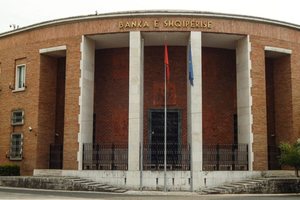
The new draft law "On the Bank of Albania" provides that t...
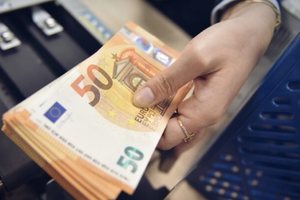
This Tuesday, one US dollar is bought for 81.2 lek and sol...