

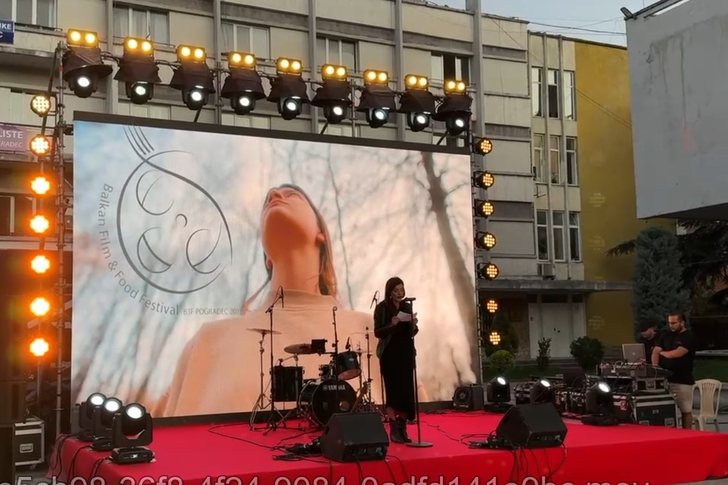
Balkan Film Festival in Pogradec/ Tradition, innovation and artificial intelligence in the 15th edition
The 15th edition of the Balkan Film and Culinary Festival ...


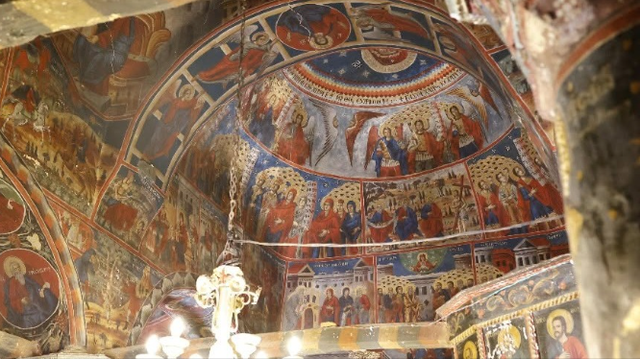
Kostandin Hieromonk is one of the renowned iconographic painters in Albania with extensive activity during the years 1692-1726.
His works, which once decorated the iconostases of various churches and monasteries, are today found in the National History Museum and the National Museum of Medieval Art in Korça. While his artistic activity he developed mainly as a painter in the easel genre. In his book, ''Church Inscriptions in Albania'', the scholar Theofan Popa, gives a ''geography'' of the churches where he worked. Such are the church of ''St. Thanas'' in Llëngë i Mokra, in the years 1792 and 1794; the church of Greater Kosovo in Lushnje, in 1793; the cathedral of the ''Assumption of the Virgin Mary'' in Voskopoja, in 1703; the church of the monastery of ''St. Peter'' in Vithkuq, in 1710, etc.
Regarding this activity, in the study ''Inscription and painting of the cathedral ''Assumption of the Virgin Mary'' in Voskopoja'', this same author also adds the large icons of the iconostasis of the churches of ''St. Collet'' and ''St. Thanas'' in Voskopoja, worked in 1703; or those of the church of the monastery of ''St. John Vladimir in Elbasan'', in 1693.
But on this topic, in the study ''Some considerations for the medieval painter Constantine the Hieromonk'', author Kristofor Naslazi gives us a broader and more complete overview of the churches decorated with icons by him.
Such are the church of the monastery of ''St. John Vladimir'' (1793), the church of ''St. Friday'' in Lushnje (1793), the church of ''St. Thanas'' in Llëngë i Mokë (1794), the church of ''St. Mary'' in Voskopoja, the church of the monastery of ''St. Peter and Paul'' in Vithkuq (1710), the church of the ''Life-Giving Spring'' in Korça (1710), the church of the monastery of ''St. Naum'' in Ohrid (1711) and the church of ''St. Kolli'' in Voskopoja.
This chronology is also completed by the researcher Kliti Kallamata, who in his book, ''Icon'', adds the church of the monastery of ''Saint Marena'' in Llëngë and the four large churches of Voskopoja. Meanwhile, in 2023, the Restoration and Conservation Laboratory of the National Museum of Medieval Art in Korça would discover another icon by this master, which came from the church of ''Saint George'' in Shipska. It should be noted that this painter is mentioned for the first time in Theofan Popa's study, ''The Inscription and Painting of the Cathedral ''The Dormition of the Virgin Mary'' in Voskopoja'', published in 1962, in the Bulletin of the State University of Tirana, Social Sciences Series. Later, his figure and creative profile would also be addressed by other authors, such as: Dhorka Dhamo, Kristofor Naslazi and Kliti Kallamata.
Pavarësisht se për jetën e tij nuk dihet asgjë, në një pikë të gjithë autorët bien dakort se, Kostandini ka qenë murg, ashtu siç e thekson edhe emërtimi i tij ‘’Jeromonaku’’.
‘’Dora e Jeromonak Kostandinit, prej Krishtit 1703. Nga kjo frazë lakonike nuk dalin shumë të dhana, vetëm se piktori quheshe Kostandin, ishte murg i dorëzuem prift …’’, shkruan në këtë rast Theofan Popa.
‘’Kostantin Ieromonaku që vetë mbiemri i tij tregon se ka qenë murg, ka pasur një krijimtari mjaft të gjerë në ikona’’, thekson midis të tjerave studjuesi Kliti Kallamata. Biles ky i fundit hedh edhe një tjetër ide në librin e tij, ‘’Ikona’’, ku shkruan: ‘’Duke qenë se veprimtaria e tij më e pasur është në Moskopoli kemi arësye të mendojmë se Kostantin Ieromonaku ka qenë murg në manastirin e ‘’Shën Joan Prodhromit’’. Edhe për kombësinë e tij nuk dihet me siguri, pavarësisht se Theofan Popa, thekson se: ‘’ … mund të ketë qenë shqiptar’’.
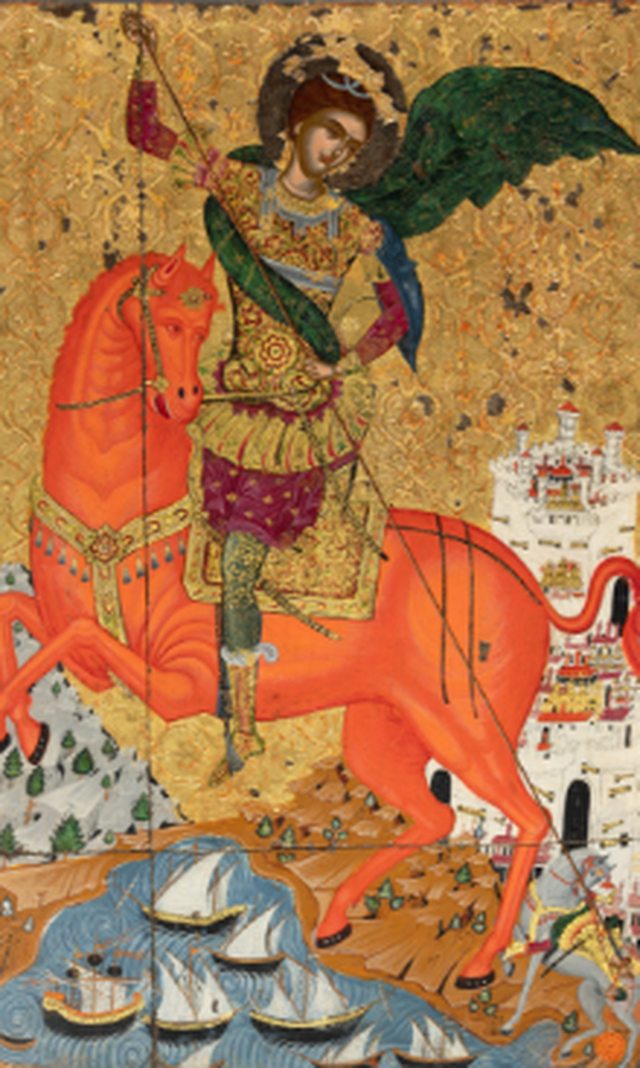
Për një gjë të tillë ai bazohet te gabimet ortografike të mbishkrimeve që Kostandin Jeromonaku ka lënë në greqisht, si dhe te radhitja e ikonave të shenjtorëve lokalë në raport me shenjtorët ndërkishtarë. Këto gabime drejtshkrimore të disa mbishkrimeve dhe ikonave i evidenton edhe studjuesi Kristofor Naslazi, në studimin e tij:
‘’Disa konsiderata për piktorin mesjetar Kostandin Jeromonaku’’. Po kështu, te shkrimi ‘’Influenca e shkollës ikonografike të Korçës te piktorët e shek. XIX Mihal dhe Dhimitër Anagnosti’’, ky autor e konsideron Kostandin Jeromonakun, së bashku me David Selenicën, Kostandin Shpatarakun, Kostandin dhe Athanas Zofrafin, si mjeshtër vendas.
Ndërsa te studimi ‘’Piktorët shqiptarë të shek. XVI-XVIII dhe vepra e tyre në Shqipëri dhe vise të tjera të Ballkanit’’, autorja Dhorka Dhamo thekson, se:
‘’Figurat e tij dallohen për lëvizje të përmajtura dhe impozante’’. Ndërkohë që Kristofor Naslazi bën një tjetër përshkrim interesant, kur thekson më tej se: ‘’Në ikonat e Kostandin Jeromonakut të bën përshtypje mjeshtëria e qartë artistike, vizatimi i saktë dhe elegant, finesa që ndihet në kalimet e buta të toneve dhe gjysmë toneve nga hija në dritë, kompozimi i figurave dhe bota e brendëshme e tyre’’.
Një fakt të tillë e kostaton edhe studjuesi Andrea Llukani. Në librin e tij, ‘’Arti ikonografi në Shqipëri’’, midis të tjerave ai shkruan se: ‘’Gjatë viteve që ushtroi veprimtarinë e tij Kostandin Jeromonaku ka treguar mjeshtëri të lartë, kulturë artistike dhe përgatitje të mirë teologjike. Të gjitha këto karakteristika, por duke u nisur edhe nga mbiemri Jeromonaku vërtetojnë se ai është formuar si ikonograf në një atelie të dëgjuar’’.
Po kështu, rreth formimit të tij, Kristofor Naslazi shton se:
‘’Ai i përket një atelieje me përvojë dhe me tradita të pasura, të cilat nuk kanë munguar edhe në vendin tonë’’.
Ndërsa Theofan Popa rreth pikturimit të ikonave të Kostandin Jeromonakut, shton se: ‘’ …. Janë punë relativisht të mira, prej dore të sigurtë, punue me shije të hollë, me fytyra shprehëse dhe me teknikë punimi shumë të mirë’’.
While as a master of iconographic painting, Constantine the Hieromonk is seen by scholars in the field as a continuation of the tradition of the studio of Onufri and his followers in the Berat area. ''In the tradition created by Constantine the Hieromonk'', one of the most brilliant miniaturist masters would later rely on his art: Constantine Shpatarak (1736-1759)'', emphasizes Kliti Kallamata in this case. Likewise, Shpatarak is also identified by Kristofor Naslazi as a continuation of this tradition, as well as the closest in style and painting technique to Constantine the Hieromonk (22). Meanwhile, Kliti Kallamata notes another fact.
The painting of Constantine the Hieromonk has a pronounced tendency towards the Cretan school, although we do not know of any direct contacts with this school,'' he emphasizes, among other things. These were precisely some of the considerations of some of the most renowned scholars of iconographic art in Albania, studies which have also focused on the creative activity of Constantine the Hieromonk. However, future research will provide us with a more complete picture of the creative profile of this monk-priest, master of easel painting.

The 15th edition of the Balkan Film and Culinary Festival ...

The 77th Emmy Awards red carpet will open on September 14 ...
Korça becomes the capital of serenades with the next editi...
Architect Artan Shkreli, in a post on social networks,...
The traces of Tirana as a settlement are ancient and d...
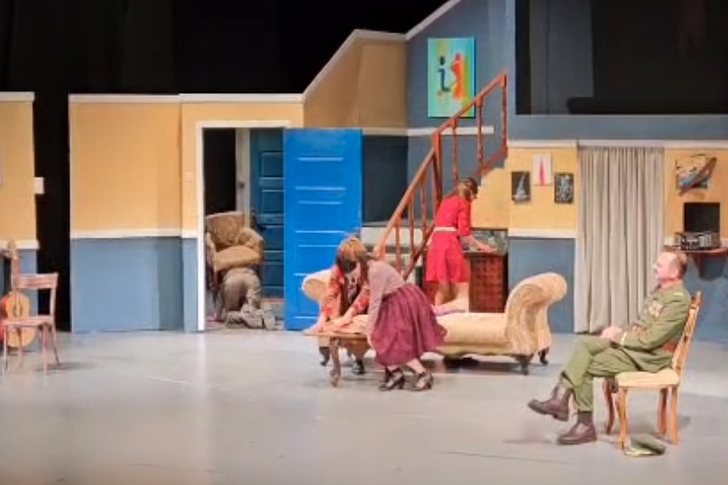
After seven nights filled with humor, emotions and art, th...
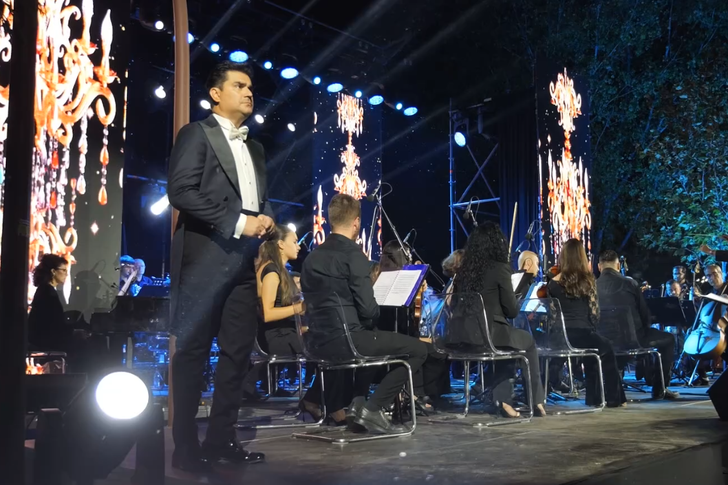
Shiroka was filled with emotions and high musical art duri...
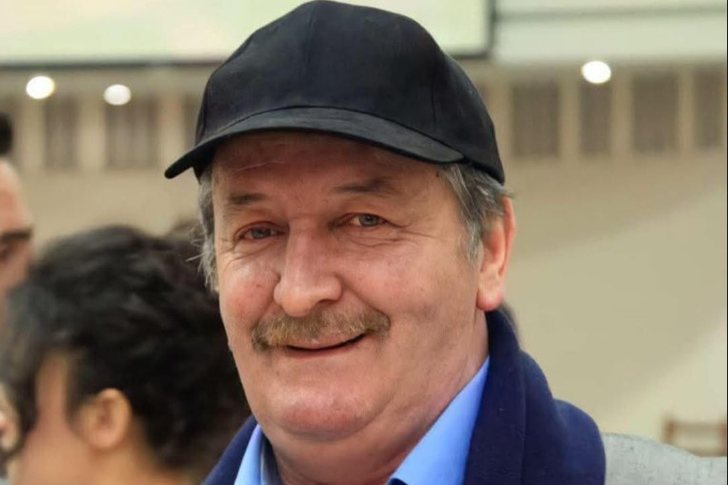
The Korçë serenader Astrit Koçibelli passed away today. T...
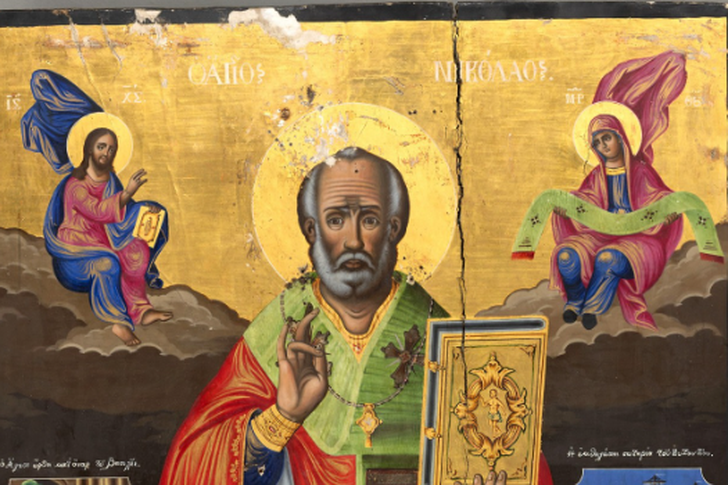
The "Saint Kolli" icon will soon be fully restored. This ...
On September 16-20, the Saudi Cultural Week in the Republi...
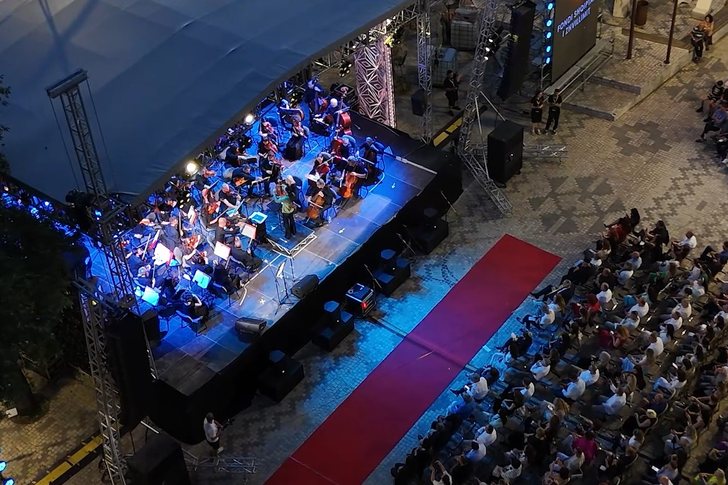
For the first time, the children's choir of the "Kujtim Al...
Tributes are being paid to director Dhimitër Anagnosti in ...
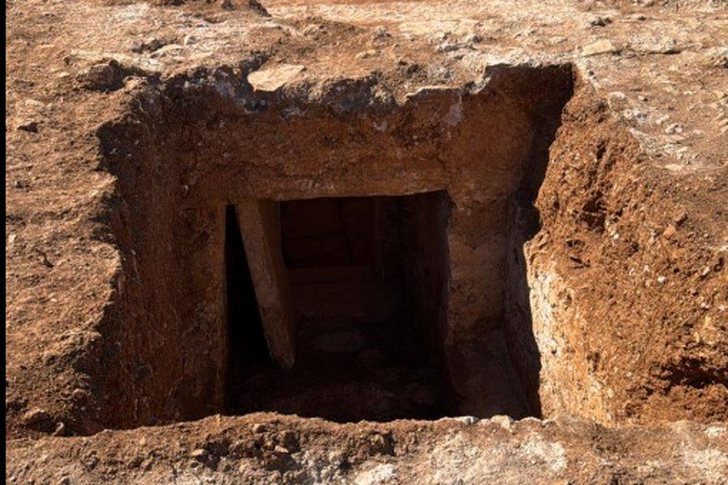
A rare archaeological discovery has been made in the villa...
Lunxhëria is an ethnographic region that lies in the western...
Renowned filmmaker Dhimitër Anagnosti, one of the greatest...
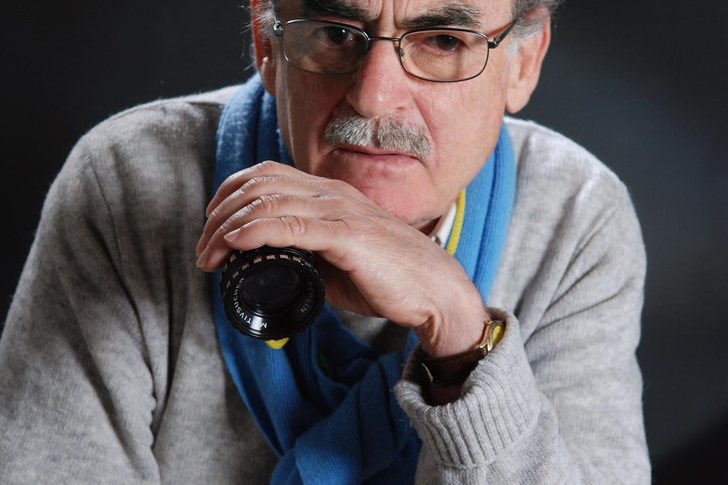
Renowned director Dhimitër Anagnosti has passed away at th...
It happened a few years ago, I remembered it today, I ...
This weekend, the International Documentary Festival is be...
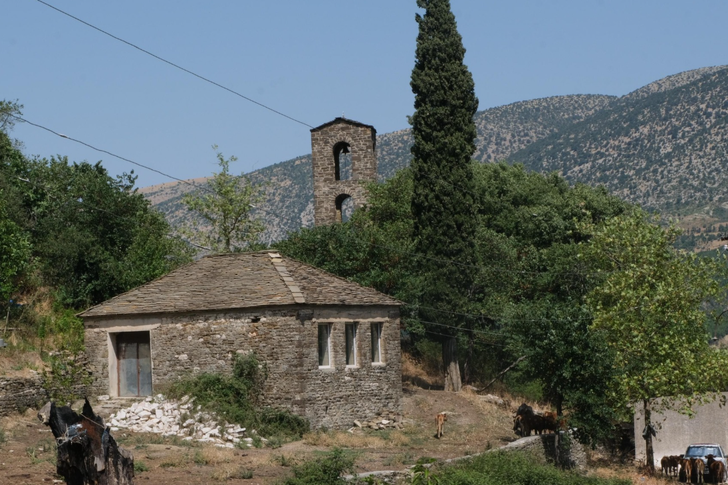
In the south of Albania, at the foot of Mount Dhembel, hid...
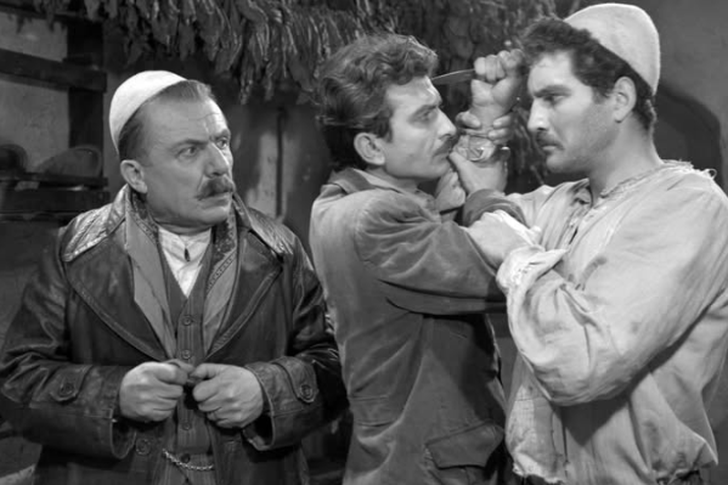
In the history of Albanian theater, few figures have left ...

CNA has launched another investigation that could lead to ...

Irfan Hysenbelliu is a businessman that we call "Irfan the...

In March 2026, CNA launched another investigation centered...
The arrested mayor of Tirana, Erion Veliaj, with 13 charge...

The Special Board of Appeal (KPA) decided this Monday ...

The KPA vetting decided this Thursday to dismiss the p...

Suela Salavaçi, a prosecutor in the Prosecutor's Offic...

The Special Board of Appeal reinstated the prosecutor ...
A road accident occurred this evening on Nikolla Zoraqi St...
Three people were shot and wounded in Elbasan last night b...
A serious incident occurred this Tuesday in the Yrshek are...

An accident occurred this Tuesday on "Dituria" street in K...
All of Southern Europe will face changing weather conditio...

Albania was hit by temperatures significantly higher than ...

For the first time, Pogradec welcomed the Inter-Lake Chess...

Albania has achieved a record for the employment of foreig...

US Secretary of State Marco Rubio arrived in Manila on Jul...
In the space of a few days, Ukrainian President Volodymyr ...
The spokesman for the Iranian Foreign Ministry warned Bulg...
Autoritetet italiane sekuestruan pako me afër 800 kilogram...

At a time when industrial products are increasingly taking...

Trust among people is not just a three-syllable word. It c...

Master of humor Todi Llupi has passed away at the age of 7...

The ninth edition of "MIK Festival" kicked off with one of...

Construction company licenses will have a validity period ...

The Centralized Purchasing Operator recently opened a tend...
The new draft law "On the Bank of Albania" provides that t...

This Tuesday, one US dollar is bought for 81.2 lek and sol...