

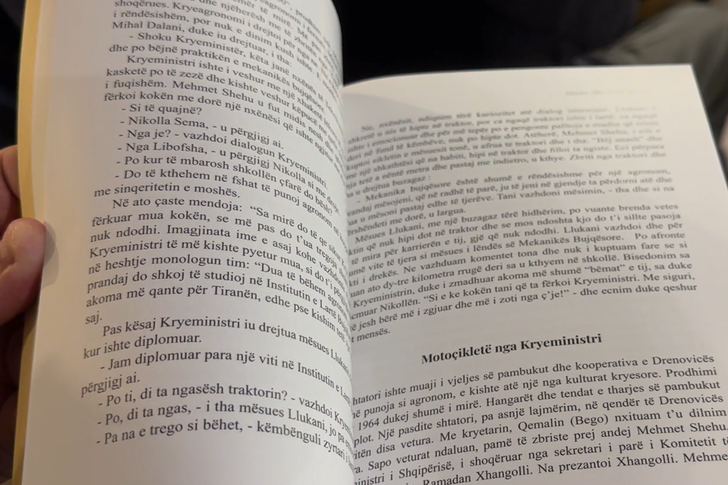
"Scenes and Behind the Scenes"/ Lufter Xhuveli Unravels the Memories and Unknowns of Politics in a Book
“Scenes and Behind the Scenes, from Enver Hoxha and Mehmet...


I don't know what prompted Koço Kosta to trust me to be the first reader of his latest book in manuscript. Although I have no doubt at all in the sincerity of the accompanying note, written in his own hand, where he says: "I trust Luan Rama with the reading of this manuscript, because he loves and enjoys honest literature...", still, this motivation does not seem sufficient to convince me that the reason for his trust comes only from the fact that I "love honest literature".
However, whatever the reason, not fully stated in that note that also carries a lot of nobility, was for why he chose me, now, after having read and reread the manuscript several times, I can say with conviction that Albanian literature is about to receive an absolutely strange work. One that has never been received before.
In fact, every time Koço Kosta has offered literature his works, from the very first one (“Në rrugë”, 1967) to the present (up to “Mëhalla e Pelës” 2023), they have always been strange.
Strange and different.
Different and provocative. Provocative and problematic. Problematic and challenging as well.
Beautifully written?
Without a doubt.
As much as I can say with conviction that artistically they are works of a height that stand out and create their own quota, even against the work of other great writers of our literature, thus proving to us a supreme greatness. That of Koço Kosta.
While linguistically, Koço Kosta's work is full of wealth that deserves the dedicated attention of language scholars not only in the stylistic plan, but also in the morphological, syntactic and dialectological one. He takes forgotten words out of the "chests", brings them to life. He finds in the Gëngish forms that naturally enrich not only the lexicon, but also the emotional coloring of the narrative. He creates new words and serves them to us with elegance, skillfully. But, even with the fanaticism of a writer who castly masters this side, without falling into linguistic formalism, proving to us how the wealth of the linguistic subject, when treated by a master, gives the work special value.
Then, I want to emphasize that even for ethnographers, (especially "Nata e Sofie Kondilit" 2007), Koço Kosta's work offers a valuable asset, on which those with scientific interests in this field can and should work.
Great writers are tireless and irreplaceable workers of language.
They enrich, develop, and embellish the language.
Completely different from the previously published work, but not from the qualities and values ??I mentioned above, the manuscript that the writer entrusted to me and about which I am telling you without waiting for it to take off and be published, comes across as an anti-novel.
There was a time when the anti-novel tried to become a trend.
In Albanian literature, according to the researcher, Prof. Klara Kodra, “the novel “OH” by Anton Pashku is the first and last anti-novel of Albanian literature”.
I don’t know whether Professor Kodra is right or not when she defines the novel “OH” by Anton Pashku as the first anti-novel of Albanian literature, but Koço Kosta, it helps me to say that the conclusion that Anton Pashku’s novel is also the “… last anti-novel of Albanian literature”, is at least a hasty conclusion.
Koço Kosta proves to us that he has recognized the aesthetics of the anti-novel.
Therefore, the work is full of indeterminacy, the blurring of characters, the breakdown of the subject, the depravity of the composition.
The gaiety of the beginnings with the idealization of the woman and the adoration for her, goes and is overtaken by boredom at the end of the work, what is actually there is the destruction of the emotional situation according to the logic of the anti-novel diagram.
The whole work is within itself. Therefore, if we want to judge it by referring to the main character, that is, the writer himself, we will find that the novel begins with a Koço, and ends with another Koço at its end.
Koço Kosta in this novel not only reconfirms, but also consolidates the belief that in the bad there is also good, just as in the good there is also evil.
He himself, the man so devoted to women, falls for two lesbians. So, both the good and the bad, are himself. Now he is the man of idylls, then the villain appears, once the faithful, then the traitor, here the moralizer, there the sinner.
In a way, the writer does it with "tricks". He tells us that I know how to use the word, I know how to dodge, I know how to hide, but I also know how to show that I wrote this work in 1986.
Knowing his earlier work, and even more, knowing the writer himself closely, I don't want to hide that I started reading the book in manuscript amidst all sorts of doubts and conjectures, to the point that I had to say to myself:
-Koço Kosta, I can't give it up! Even though you noted that this book was written in 1986, I will try to find traces or evidence that you are hiding a fabrication. I can't believe that you wrote this book in the distant year 1986, and that you have now prepared it for publication.
I will read you carefully!
So I did. I read it and reread it. With a pencil in my hand; taking notes of words and phrases, details and numerous descriptions. And only after I had finished reading it carefully and several times, did I say with conviction:
-Yes, you wrote it at that time. This speech is from that time. The language does it justice.
Koço Kosta, you are right.
Nëse përgjithësisht Koço Kosta është një narrator linear (përfshirë edhe tek “Nata e Sofie Kondilit), tek “I shkreti Foto Pagunë” (ky është titulli i dorëshkrimit), narratori mjeshtër në mënyrë të vetëdijshme i prish rregullat. Personazhet kryesorë i prezanton pa emër (e ka bërë edhe më parë me novelën e ndaluar “Ata të dy e të tjerë” me Peshkun e Kuq apo Djaloshin e Pashëm (1986).
Tipi i Pashtruar, Gruaja e Tipit të Pashtruar, Vajza e Mbretit dhe Burri i Vajzës së Mbretit, janë karaktere që shkrimtari i pranëvë me personazhe të tjerë, të cilët i tipizon me anë të cilësive të veçanta fizike.
I përshkruan duke zgjedhur një pjese të trupit për të tërën (Nofullshtrembëri).
(Më herët, tek “Buka e një stine me borë”, 1979, kemi Faqebin).
Me këtë vepër Koço Kosta bën të kundërtën e asaj që ka ndodhur rëndom në letërsi. Ai merr si model rrëfimin gojor, e ngre në art duke na e sjellë atë në vepër përmes rrëfimit pa rend. Pra, shkrimtari zgjedh rendin e rrezikuar me qëllim që ta ftojë lexuesin jo për të lexuar, po për ta turbulluar. (Për shembull e fut në një moment Farmacisten, e cila të humbet për shumë kohë e kur ti e ke harruar, ajo të del befas gjetiu).
Një nga vlerat e letërsisë është që të mos e përkëdhelë lexuesin, të mos e marrë me të mirë e të mos ia bëjë qefin atij. Ndaj shkrimtari, përmes mënyrës që ka zgjedhur të na rrëfejë, i thotë lexuesit; nëse do të më ndjekësh, me ndiq. Ki mendjen! Në e kuptove, mirë. Nëse jo, nuk kam se çfarë të të bëj.
Personazhi me i dashur i romanit është vetvetja. Jo vetëm sepse është gjithkund, po përgjatë gjithë veprës ai është përcaktuesi i gjithçkaje.
Edhe pse në pamje të parë mund të shquash me të drejtë se kjo vepër është një kushtim për gruan, dhe Koço Kosta ia ka dalë të na e japë portretin e saj në plotëri me imagjinatën që ai ka për gruan ideale, prapëseprapë, çdo gjë kalon nga ai vetë. Ai, edhe gruan e ka të brendësuar. Ne jemi njëritjetri thotë sa herë vë në pah cilësi apo vlera të saj. Nuk i le ekskluzivitete në asgjë. Ti je e bukur sepse të dua unë, i thotë. Fuqia e dashurise time të bën të bukur.
Edhe ëngjëll, edhe djall.
Një lexues i vëmendshëm dhe që e njeh krijimtarinë e tij, me të drejtë mund të pyesë se ku doli Koço Kosta kaq dashnor i madh i gruas? Kujt kërkon t’ia hedhë ai?
Njeri me autostimë maksimale, ai i thotë gruas; ti je sublimi im. Unë të lartësoj, por unë edhe të shëmtoj. Pra, shkurt je në dorën time.
Besoj se ia kam dalë të gjej shpjegim se përse gruaja është më e dashur se e dashura, se përse është me e bukur.
Sepse eshte projekti i vetvetes. Thënë ndryshe; unë egoisti i madh, unë egocentristi, të bëj të shikosh që kaq shumë të paskam dashuruar!
Një e veçantë te “I shkreti Foto Pagunë” është prania e autorit dhe e kishës nëpër të gjithë romanin. Nuk di të them nëse ky “qerrata” e ka patur kaq të brendshme bindjen e krishterë dhe ia ka dalë ta disiplinojë veten kaq mirë, por mendoj se shfaqjen si i krishterë ai e ka si vetëshprehje; ky jam unë, kështu jam unë.
Kaq krishtërim sa ka romani i pabotuar ende i Koço Kostës, nuk e gjejmë as te Mitrush Kuteli. E gjejmë vetëm te De Rada. De Rada e ka gjithkund.
Sido që të jetë e pavarësisht motiveve se përse autori ka zgjedhur të jetë nëpër të gjithë romanin bashkë me kishën, kjo i ka bërë mirë veprës. E ka mbrojtur autorin nga djajtë.
Duke qenë i tillë, pra një i krishterë i devotshëm, shkrimtari është më njerëzor, i ledhaton veset e veta.
Horizonti psikologjik që ka Koço Kosta si shkrimtar është shumë e vështirë për t’u gjetur në letërsinë shqipe. Ndaj, ai edhe më parë, sa herë ka shkruar, aq herë edhe ka provokuar.
Në “I shkreti Foto Pagunë”, pra në romanin në dorëshkrim, Koço Kosta synon të bëjë në prozë atë që Dritëro Agolli bëri në poezi; të shenjtërojë gruan.
Ai sikur do t’i thotë Patriarkut:
- Mos kujto se ti je i vetmi që i ke kënduar gruas si e dashur. Jam edhe unë, e madje e bëj më mirë.
Nuk e ka bërë letërsia jonë. Por mbase as ajo botërore. E provoi Floberi me “Zonja Babari”, por, bëri një gjë të ftohtë.
Shkrimtari është inatçi. Edhe Koço Kosta nuk bën përjashtim.
Me “Trendafili në gotë”, Dritëroi na dha një roman pa ngjarje, pa heroizëm. Edhe pse u kritikua nga kritika zyrtare e kohës, Dritëroi atë vepër e donte shumë dhe e rendiste ndër më të mirat e krijimtarisë së vet. Dhe kishte të drejtë.
Koço Kosta mund të mos e thotë e as ta pranojë, por vetiu, “I shkreti Foto Pagunë” vjen edhe si sfidë ndaj romanit “Trendafili në gotë”.
-Roman pa ngjarje e pa histori bën ti, roman pa ngjarje e pa histori bëj edhe unë.
Duke shkuar më tej, unë mendoj se ky roman vjen edhe si sfidë ndaj Kadaresë.
-Unë bëj letërsinë që nuk e bëre dot ti. Proletari i parë që doli të shesë fuqinë e vet (Hajde dru me pre!) është qytetar i ardhur. Ti mbaj Nik Martinin që do t’i verë zjarrin Kullave të Kremlinit, ky është domeni im. Letërsinë në fshat e bëj unë, këtu mos u qas.
Koço Kosta nuk e “harron” as Petro Markon. Madje Petro Markos i shkon edhe në mëhallën e tij (Mëhalla e Markos). Me frazën e paplotë (veçanti e stilit të Petro Markos) dhe me detin, shpellat, kishat, ullinjtë, agrumet, ai sikur i thotë; vij unë nga Suha ime e të zë mëhallën tënde, të zë detin, të zë shpellat, të zë ullishtat dhe agrumet, të zë edhe stilin, dhe ja, gjendem më mirë se sa ti.
Këto janë sfida që shkrimtari ia bën letërsisë. Ia bën edhe vetvetes. Përmes sfidash të tilla na ka ardhur letërsia që kemi, na kanë ardhur kryevepra dhe shkrimtarë të mëdhej.
Wherever we look or judge world literature, it is all built on, let's say, over a hundred motifs. Everyone recreates on those motifs. Everyone, wherever they go, returns to Homer.
The greatest writer of the 20th century wrote Ulysses. He didn't do it by sailing around the Mediterranean, but he drove it around a London neighborhood. So, everyone is a Ulysses (Odysseus) in their own way.
Since 1967, when Roland Barthes published the treatise "The Death of the Author," the author does not exist. The author is only a re-creator. Only God is the creator. So it doesn't matter who wrote it first, but who wrote it most beautifully.
Generally, a work is written about after it has been published.
I am not adhering to this rule.
I am writing about an unpublished work. I am writing about a work in manuscript.
As a rule, for a work in manuscript, one writes to the author.
I am not adhering to this rule either, because I am writing publicly, without first writing to the author.
By choosing to write publicly, without first writing to the author about the work in manuscript, I am not abusing the writer's trust.
I shared with you what I could not keep to myself; I told you about Koço Kosta's upcoming anti-novel.
I hope that Koço does not misunderstand this innocent "disloyalty" and I ask him to entrust me with other manuscripts. I know that he has many other manuscripts.
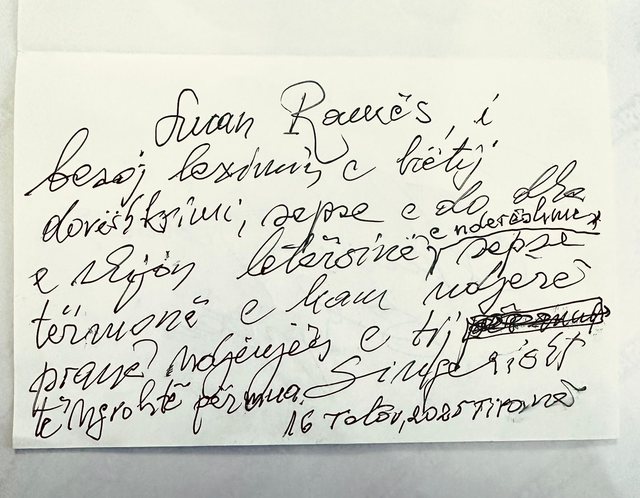
(Facsimile of the writer Koço Kosta's note)

“Scenes and Behind the Scenes, from Enver Hoxha and Mehmet...
Mexican writer Gonzalo Celorio has received the 2025 Cerva...
Born in 830, Saint Naum is known in history as one of the mi...
The 15th edition of the international fine arts colony "Di...
October 28th of this year marks the 60th anniversary of Nost...
The 60th anniversary of Nostra Aetate, the historic declar...
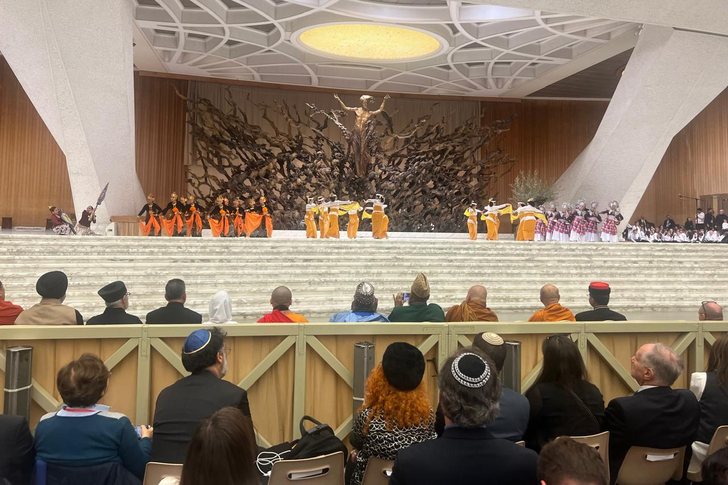
Today, October 28, marks the 60th anniversary of Nostra Ae...

Journalist and writer, Agim Xhafka, has published his newe...
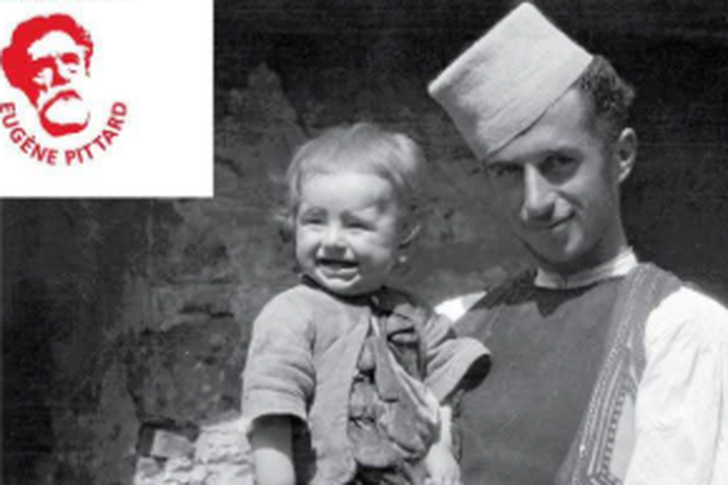
A collection of photographs dating back to 1921 are being ...

Ernest Troshani (Simon), a saint who walks among us, remin...
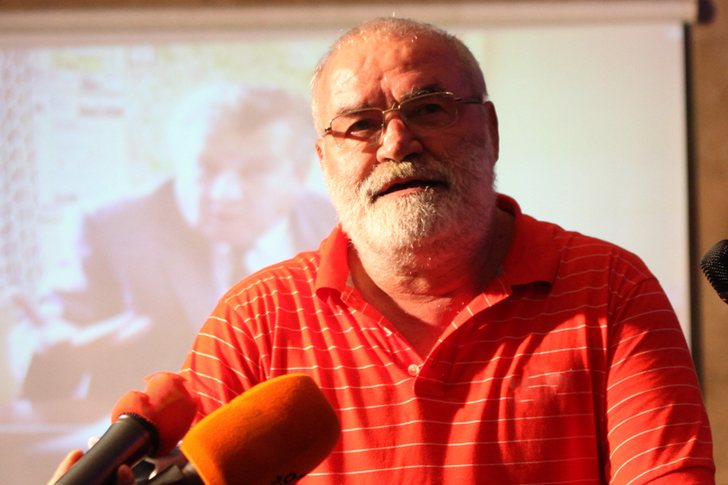
Screenwriter, comedian, satirist and author of shows, Fili...
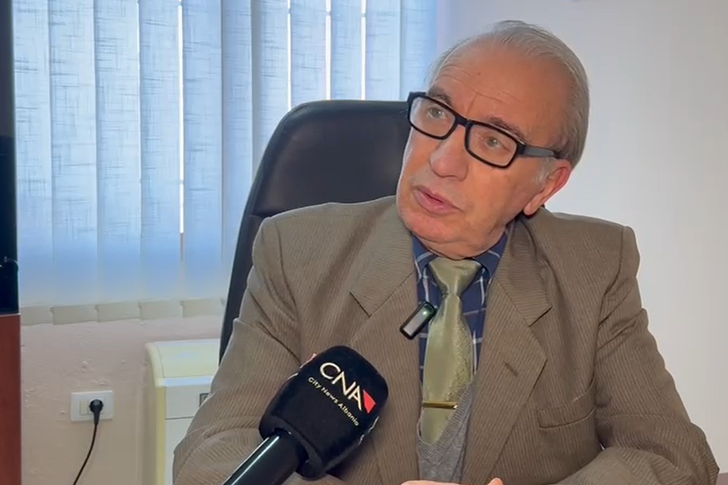
A respected figure in Korçë medicine, surgeon Dr. Ahmet Ho...
Austrian media continue to report non-stop on the success ...
Ali Bey Këlcyra occupies an important place in Albania...

In the morning, Irdi arrived at the coffee shop, as usual,...
"Independent Gardens of Happiness", a tragicomedy by autho...
The colossus of Albanian letters, Ismail Kadare, will be h...
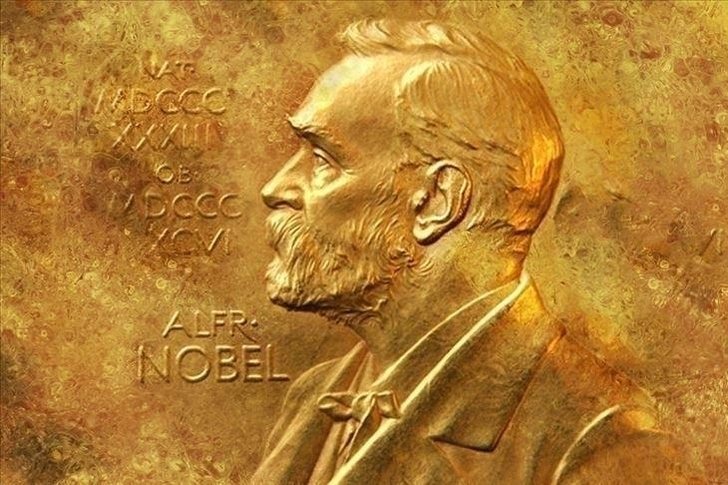
The 2025 Nobel Prize in Literature has been awarded to Hun...
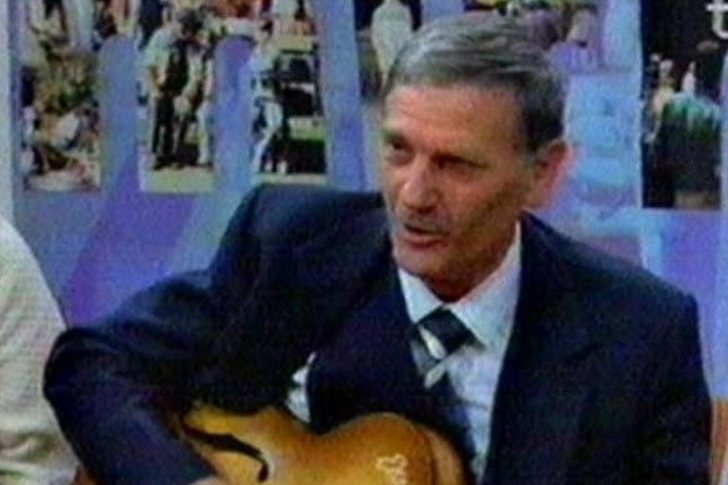
The renowned singer and composer from Korça, Nonda Kajno, ...
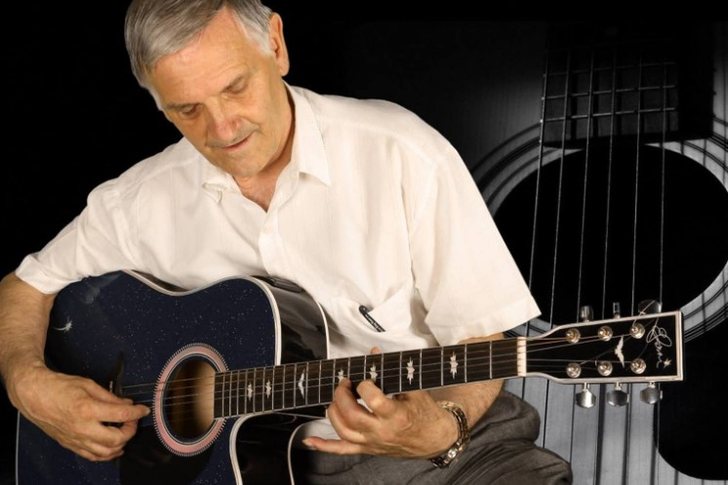
The well-known Korça seretani player, Nonda Kajno, was bor...

CNA has launched another investigation that could lead to ...

Irfan Hysenbelliu is a businessman that we call "Irfan the...

In March 2026, CNA launched another investigation centered...
The arrested mayor of Tirana, Erion Veliaj, with 13 charge...

The Special Board of Appeal (KPA) decided this Monday ...

The KPA vetting decided this Thursday to dismiss the p...

Suela Salavaçi, a prosecutor in the Prosecutor's Offic...

The Special Board of Appeal reinstated the prosecutor ...
A road accident occurred this evening on Nikolla Zoraqi St...
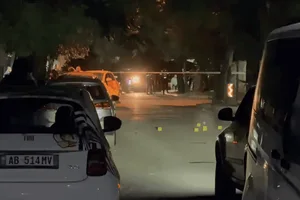
Three people were shot and wounded in Elbasan last night b...

A serious incident occurred this Tuesday in the Yrshek are...

An accident occurred this Tuesday on "Dituria" street in K...

All of Southern Europe will face changing weather conditio...

Albania was hit by temperatures significantly higher than ...

For the first time, Pogradec welcomed the Inter-Lake Chess...

Albania has achieved a record for the employment of foreig...

US Secretary of State Marco Rubio arrived in Manila on Jul...

In the space of a few days, Ukrainian President Volodymyr ...
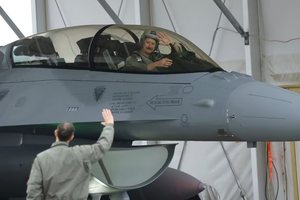
The spokesman for the Iranian Foreign Ministry warned Bulg...
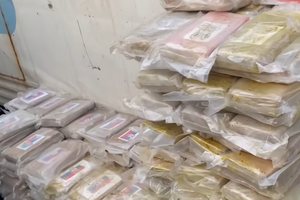
Autoritetet italiane sekuestruan pako me afër 800 kilogram...

At a time when industrial products are increasingly taking...

Trust among people is not just a three-syllable word. It c...
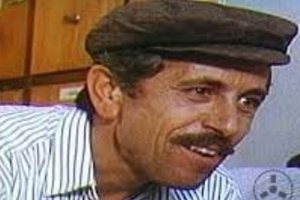
Master of humor Todi Llupi has passed away at the age of 7...
The ninth edition of "MIK Festival" kicked off with one of...

Construction company licenses will have a validity period ...

The Centralized Purchasing Operator recently opened a tend...
The new draft law "On the Bank of Albania" provides that t...

This Tuesday, one US dollar is bought for 81.2 lek and sol...