

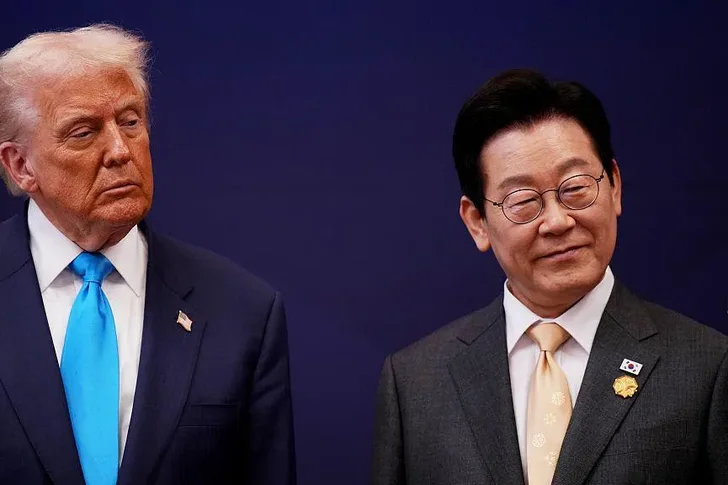
Trade agreement with the US/ Seoul announces reciprocal tariff reductions
The US and South Korea have reached a broad trade agreemen...


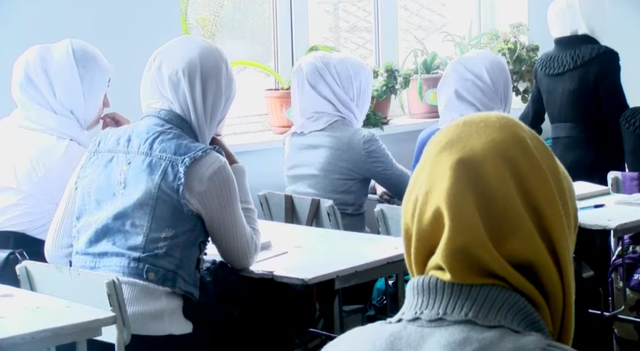
The Supreme Court on Wednesday rejected a lawsuit seeking to allow the wearing of Islamic headscarves in Kosovo schools, confirming that the Ministry of Education has the right to decide on the rules for students' clothing in schools.
The Women's Network for Professional Development "Arrita" had requested the Supreme Court to declare illegal and repeal the article of administrative instruction 06/2014 of the Ministry of Education (MEST) regarding the code of conduct and disciplinary measures for upper secondary school students.
The network had argued that the administrative instruction in question could not prohibit the exercise of the constitutional rights and freedoms of girls who wear the Islamic headscarf, also known as the hijab.
This network said in the lawsuit that in the last four years it had received numerous complaints from girls who were expelled from public schools or whose regular attendance at school was suspended due to wearing a headscarf.
In September of last year, the authorities of the "Bedri Pejani" high school in Peja removed a girl with the initials AD from the teaching process for wearing a headscarf.
The Supreme Court said the lawsuit was unfounded, adding that the Ministry of Education has clear legal authority to set rules for student behavior, including rules for dress code - uniforms.
"Consequently, the bylaw is in accordance with the express legal authorization given by the legislator. The determination, as in the contested act, which prohibits the wearing of religious uniforms in schools, finds support in a higher legal act in terms of hierarchical power, therefore, as such, it cannot be repealed ," the announcement states.
In the administrative instruction 6/2014 of the MEST, in Article 3, it is stated that students are prohibited from "wearing religious uniforms" in schools, but it is not specified what that uniform means.
The network, in its lawsuit, also argued that the Constitution of Kosovo provides citizens with freedom of belief and the right to manifest their religion.
The Constitution also specifies that "freedom to manifest religion, belief and conscience may be limited by law if such is necessary for the protection of public safety and order, health, or the rights of other persons."
The limitation "only by law" of rights and freedoms stemming from the Constitution is also specified in Article 55 of the highest legal act of Kosovo.
In this regard, the Supreme Court cited a 2011 Constitutional Court ruling on the interpretation of fundamental rights and freedoms in accordance with the judicial decisions of the European Court of Human Rights, which stated that "religious freedom is primarily a matter of individual conscience and includes the manifestation of religion in private and public, but does not cover every action motivated by religion."
"The court has noted that the rules regarding the wearing of religious symbols in educational institutions vary from country to country, based on national traditions and the need to protect rights and public order ," the announcement states.
The issue of expelling students who wear headscarves from educational institutions has been a long-standing problem in Kosovo.
Uniforms and headscarves are different. The term 'uniform' is entirely different from this obligation or this clothing, which is religious.
In 2010, MESTI issued an administrative instruction that defined the code of conduct and disciplinary measures for upper secondary school students, through which the wearing of religious uniforms was also prohibited.
The same prohibition was repeated in the MEST administrative instruction of 2014.
The Islamic Community of Kosovo objected at the time, saying that the headscarf was not a religious uniform.
The headscarf or hijab, according to the interpretation of the BIK, is a norm in the tradition of the Islamic faith and does not represent uniform clothing of a model, color or material, with which certain organizations or institutions are identified.
The Kosovo Law Institute told Radio Free Europe that Article 3 of Administrative Instruction 6/2014 contains general prohibitions, the interpretation of which is not specified.
According to him, different interpretations of the provisions by certain parties increase the risk of creating situations of selective treatment of cases./ REL

The US and South Korea have reached a broad trade agreemen...
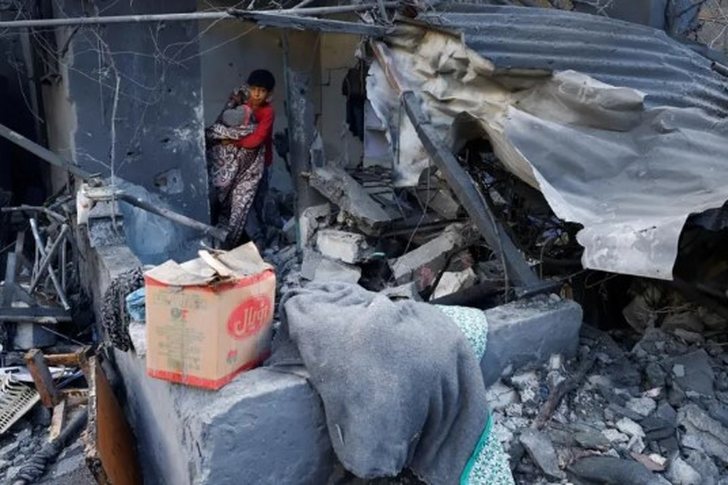
At least 104 Palestinians were killed in a wave of Israeli...
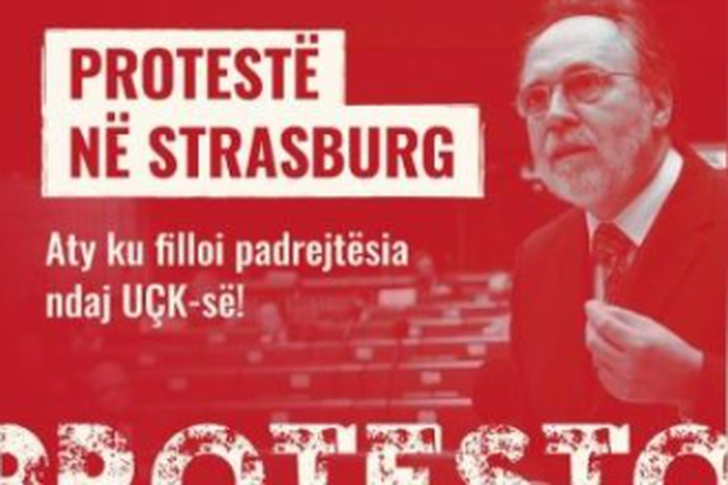
Chairman of the KLA War Veterans Organization, Hysni Gucat...
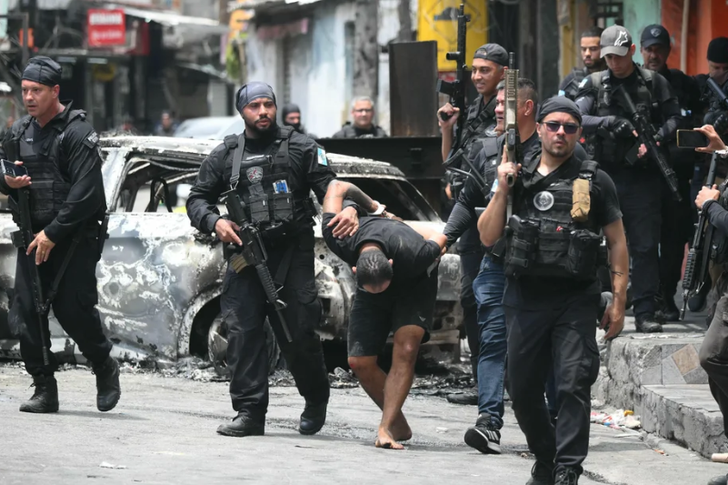
The city of Rio de Janeiro in Brazil is in complete chaos ...
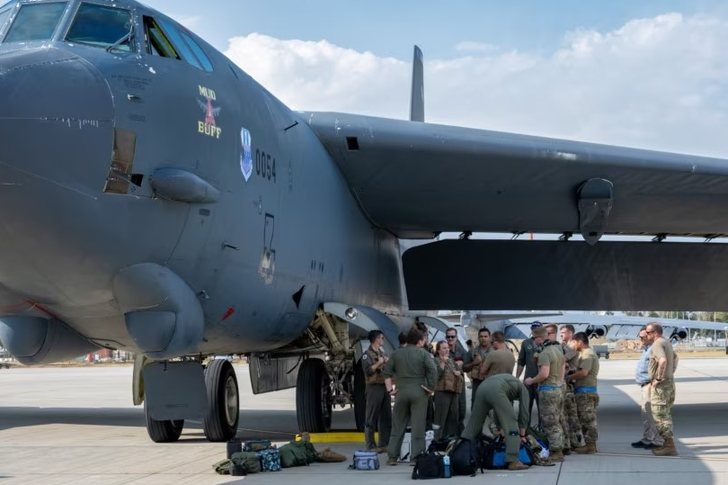
The United States has withdrawn nearly 1,000 soldiers and ...
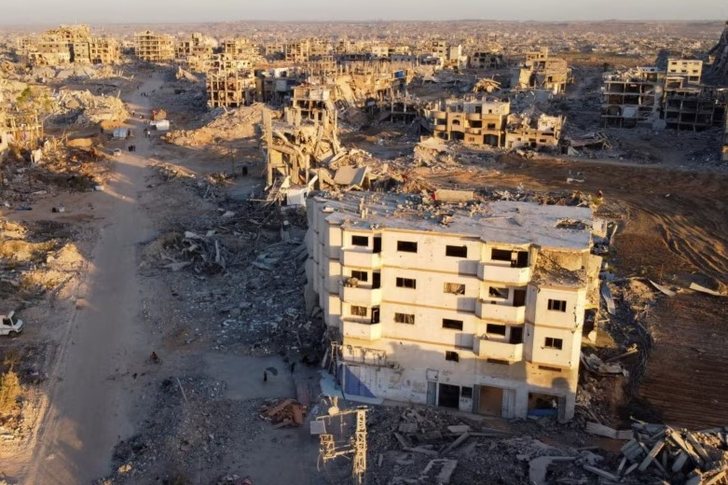
The Gaza Health Ministry and the Civil Defense Agency have...
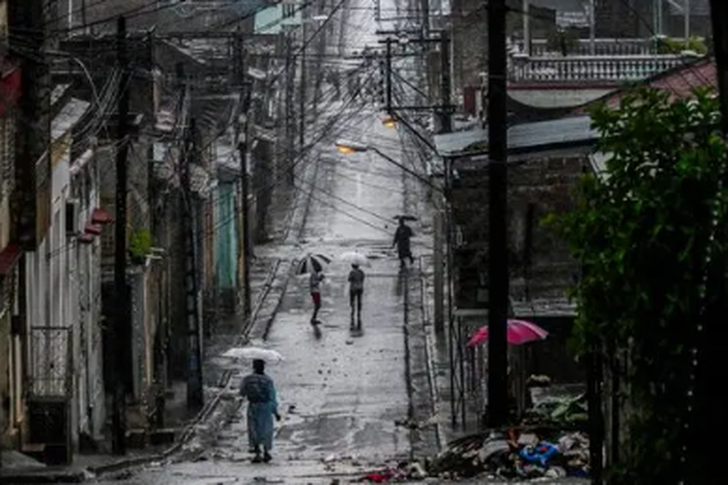
Hurricane Melissa made landfall in eastern Cuba on Wednesd...
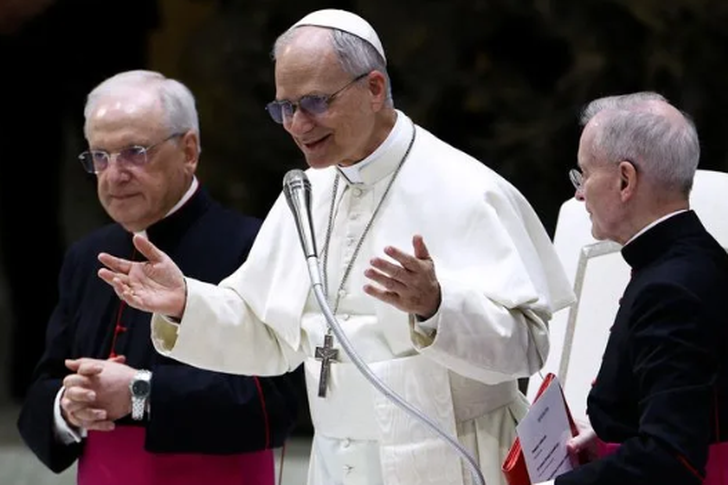
Pope Leo XIV was present at the ceremony celebrating the 6...
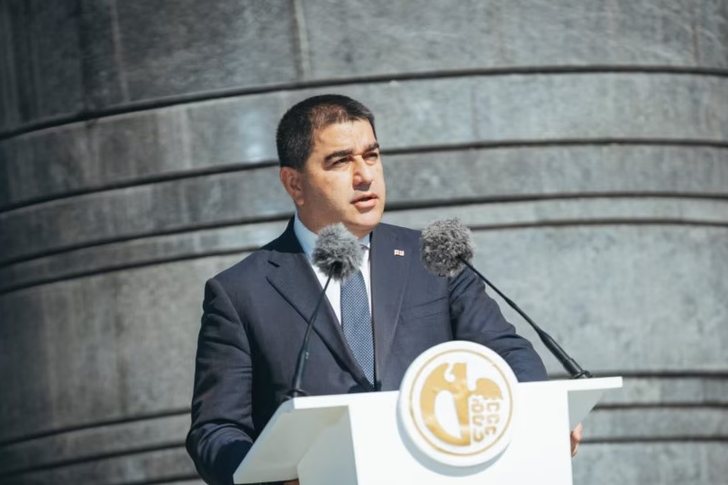
Georgia's ruling party, Georgian Dream, has asked the ...
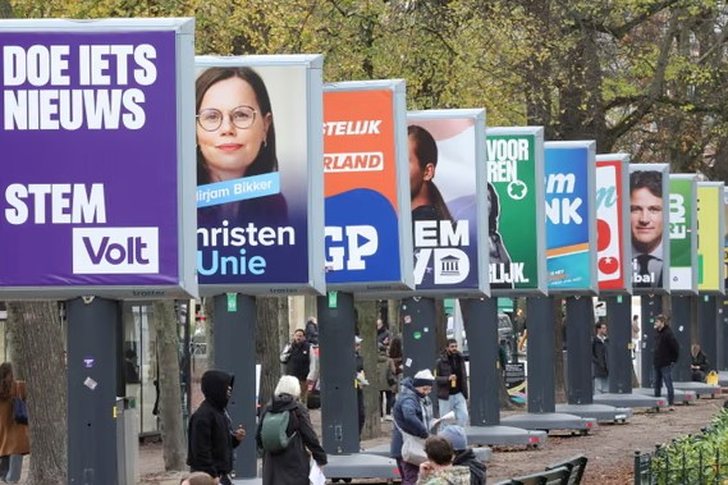
Polls have opened in the Netherlands for parliamentary ele...
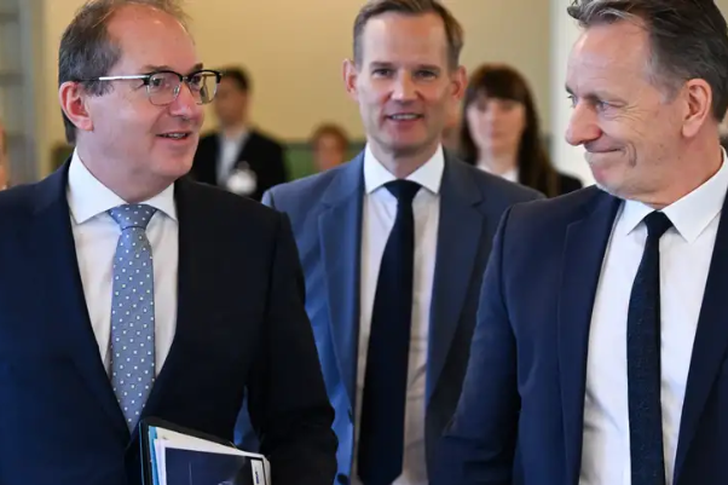
Drug smuggling, money laundering, cybercrime: the scale of...
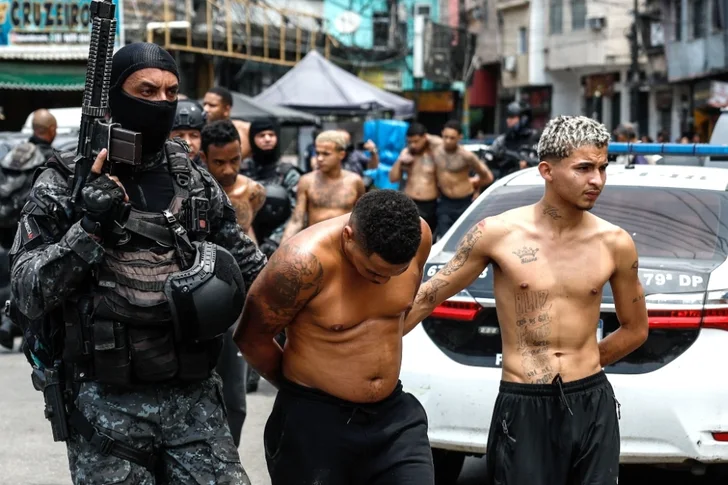
At least 64 people have been killed in a massive police op...

With a state visit to Tokyo, US President Donald Trump dem...
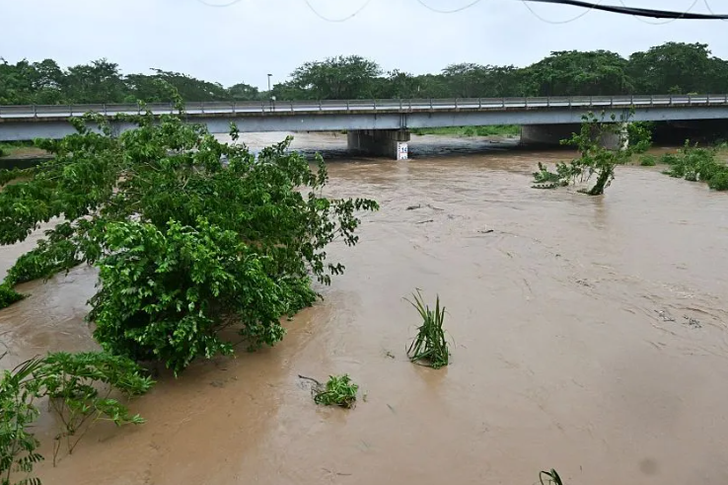
Hurricane Melissa is wreaking havoc in Jamaica as the Cari...
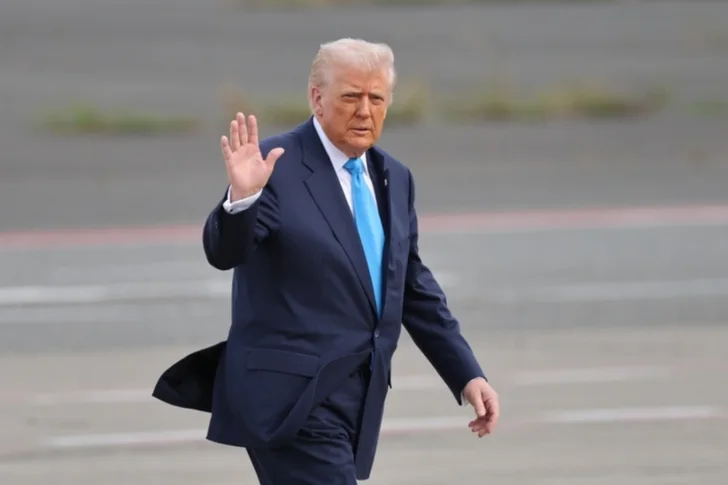
The ceasefire between Israel and Hamas is not in danger of...
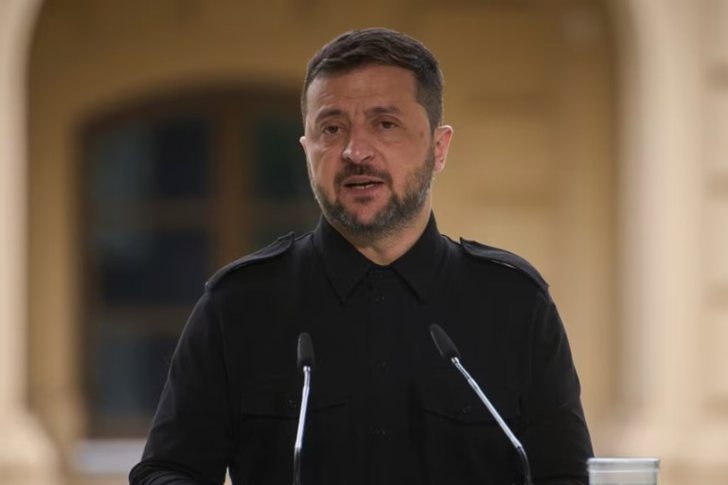
Presidenti i Ukrainës, Volodymyr Zelensky , deklaroi se ës...
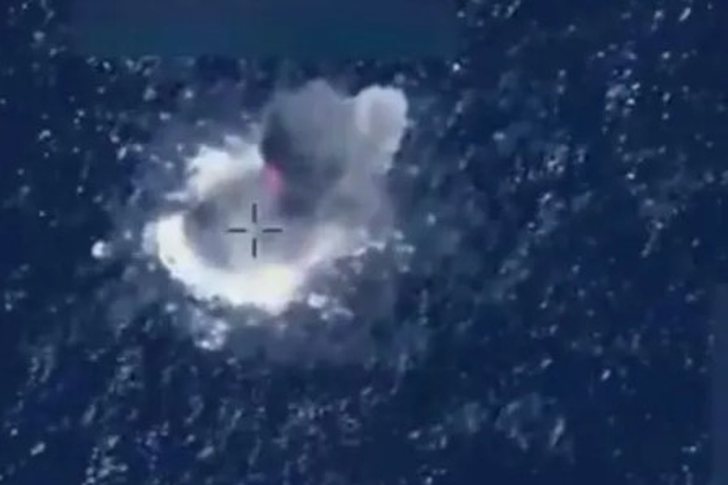
Defense Secretary Pete Hegseth said US forces have killed ...
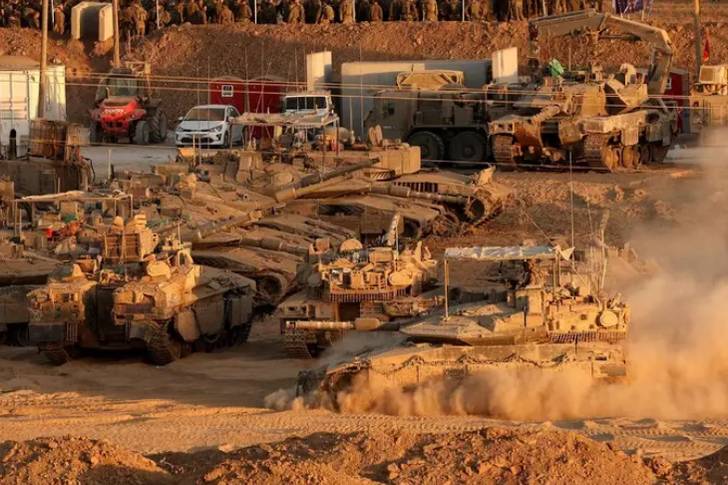
Hamas rejected accusations that its fighters attacked Isra...
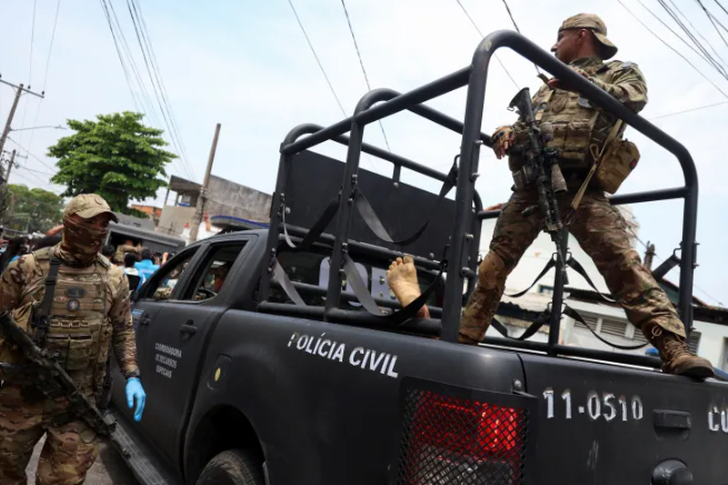
64 people, including four police officers, have been kille...
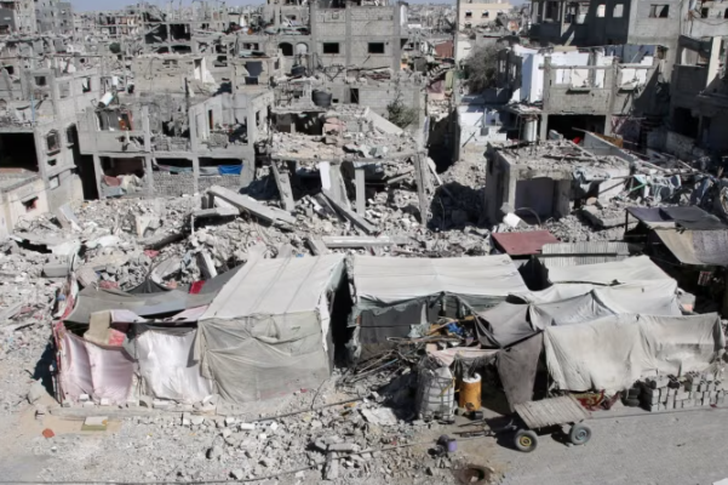
Israel says it will carry out intensive attacks on Hamas i...
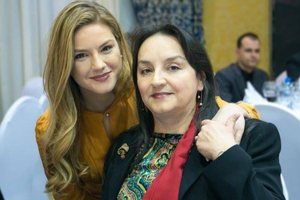
A mountain of documents for a flagrant case, in the na...
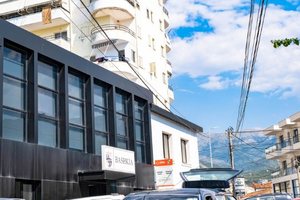
The Democratic Party has denounced a tender held by the Hi...
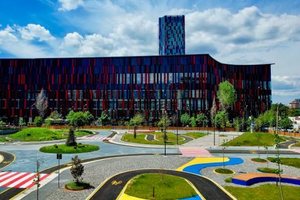
Since the summer of 2020, the Mayor of Tirana, Erion Velia...
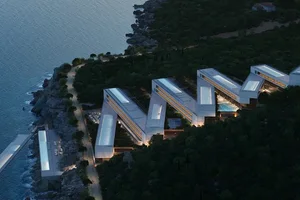
The leader of the Democratic Party, Sali Berisha, denounce...

The Special Board of Appeal (KPA) decided this Monday ...

The KPA vetting decided this Thursday to dismiss the p...

Suela Salavaçi, a prosecutor in the Prosecutor's Offic...

The Special Board of Appeal reinstated the prosecutor ...

Following intensive controls and work based on police inte...
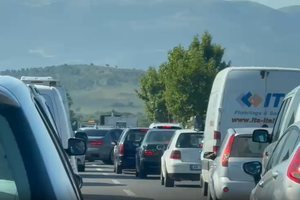
A road accident was recorded on Saturday morning on the Le...
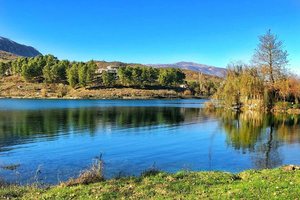
A serious incident is reported to have occurred today in G...
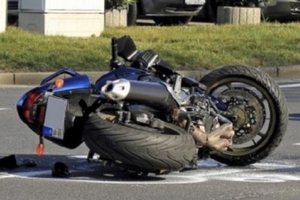
A fatal accident has been recorded on the Fier-Lushnjë hig...
Today our country will be affected by stable weather condi...
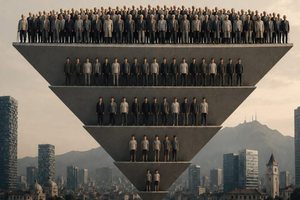
Albania is leading a painful demographic process that plac...
On Friday, our country will be affected by stable weather ...
On Thursday, our country will be affected by stable weathe...

US President Donald Trump announced in a post on the Truth...
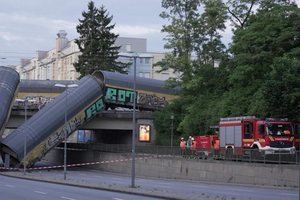
A serious rail accident occurred today in Munich, Germany....

The Iranian Central Military Command, Khatam al-Anbiya, an...
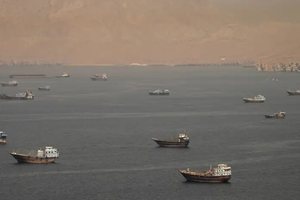
Four months of war have fundamentally changed relations be...
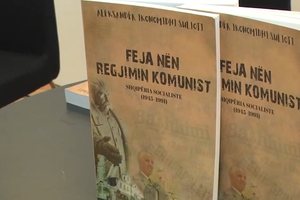
The promotion of the book by author Aleksandër Ikonomidhi ...
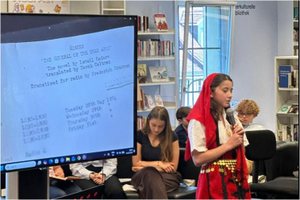
The Albanian Embassy in Switzerland has organized an eveni...
This Wednesday, the prominent actor of Albanian cinema, Gj...
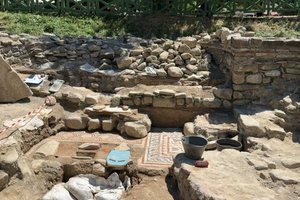
Several archaeological excavations conducted during this s...

In the Balkans, few tourism markets are expanding at the p...

Demographic experts Ilir Gëdeshi and Russell King conclude...

This Saturday, one US dollar is bought for 81.8 lek and so...

Urban development, transport, energy, forestry and agricul...