

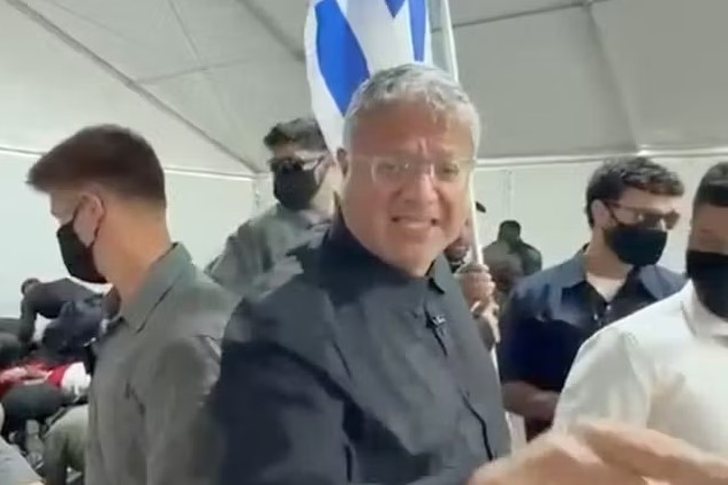
Flotilla activists mocked/France bans entry to Israeli security minister
France has banned Israel's National Security Minister Itam...


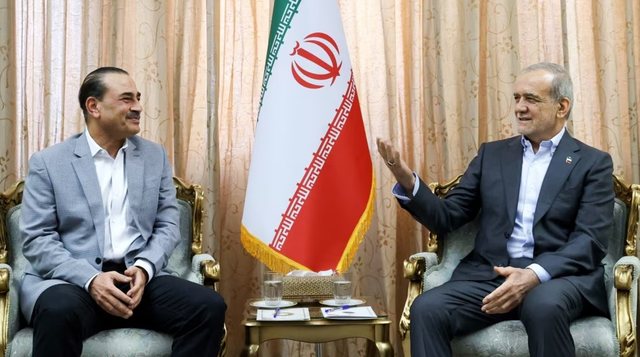
Pakistani army chief Asim Munir held a new round of meetings with senior Iranian officials in Tehran on May 23, as part of a broader diplomatic effort involving Pakistan, Qatar, Gulf states and Western countries, amid growing fears that the conflict in Iran could flare up again.
Iranian state media reported that Munir held separate meetings with Iranian President Masoud Pezeshkian and Parliament Speaker Mohammad Bagher Qalibaf, following earlier talks with Foreign Minister Abbas Araqchi, which continued late into the night of May 22.
According to reports, the discussions focused on diplomatic proposals and messages exchanged between Tehran and Washington, including a 14-point document, which Iran considers essential for future negotiations.
"The history and experience of negotiations with the Americans oblige us to exercise maximum caution," Pezeshkian told Munir during the meeting, according to Iranian state media.
Qalibaf, who has emerged as one of Tehran's main negotiators since the start of US-Israeli attacks on Iran on February 28, said Iran will not compromise on "its rights" and accused Washington of not negotiating in good faith.
"We will not give up the rights of our nation and country," Qalibaf said, according to Iranian state television, warning that if the United States "recklessly resumes the war," the consequences would be "stronger and more bitter" than in the earlier stages of the conflict.
The diplomatic effort comes after weeks of mixed signals from US President Donald Trump, who has repeatedly threatened military action against Iran, but has also backed off from resuming attacks to make room for continued talks.
US Secretary of State Marco Rubio said on May 22 that negotiations have shown "some progress" but warned that it is still not clear whether an agreement can be reached soon.
"There has been some movement and that's good," Rubio said ahead of a meeting of NATO foreign ministers in Helsingborg, Sweden.
Rubio said President Trump still prefers a diplomatic deal, but warned that Washington has "other options" if talks fail.
Pakistan emerges as key mediator
Araqchi has held phone calls in recent days with his counterparts from Turkey, Iraq, Qatar and Oman, as well as with UN Secretary-General Antonio Guterres, as regional powers have intensified efforts to keep indirect negotiations between Tehran and Washington alive.
Mohammed bin Abdulrahman Al Thani, who serves as Qatar's foreign minister and prime minister, held a phone conversation with Araqchi on May 23 and reiterated Doha's support for mediation efforts, according to a statement issued by the Qatari Foreign Ministry.
Sheikh Mohammed said all parties must respond positively to negotiations to ensure "lasting peace and stability" and warned against using the Strait of Hormuz as a tool of pressure.
"Freedom of navigation is a fundamental and non-negotiable principle," he said, according to the statement.
The Jordanian Foreign Ministry said Sheikh Mohammed also held a conversation with Jordanian Foreign Minister Ayman Safadi, where the two discussed Pakistan-led mediation efforts and the need to support negotiations aimed at preventing a new escalation.
Reuters reported on May 22 that a negotiating team from Qatar had traveled to Tehran to help secure a broader agreement between Washington and Tehran.
The new mediation effort comes amid reports that Iran and the United States are exchanging messages and proposals through intermediaries, in an attempt to create a formal framework for future negotiations.
The talks are indirect, with Pakistan, Qatar and Oman among the countries facilitating communication between the two sides.
Meanwhile, Pakistani Prime Minister Shehbaz Sharif arrived in China on May 23 for a several-day visit, during which he is expected to discuss the conflict with Iran with Chinese leader Xi Jinping.
Diplomatic efforts have intensified following rising tensions over the Strait of Hormuz, which Iran has closed since the conflict began.
This waterway is a vital transit corridor for oil, liquefied natural gas (LNG) and commercial maritime transport, while the disruption of the passage of shipments has shaken global energy markets and increased pressure on countries that depend on the Gulf trade routes. /REL

France has banned Israel's National Security Minister Itam...
The United States expects the Kosovo government's plan to ...
Organizata e Aviacionit Civil e Iranit njoftoi për kufizim...
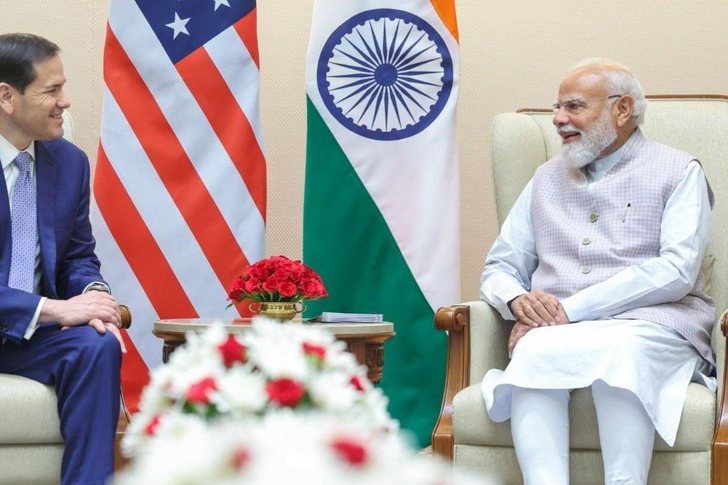
US Secretary of State Marco Rubio met with Indian Prime Mi...
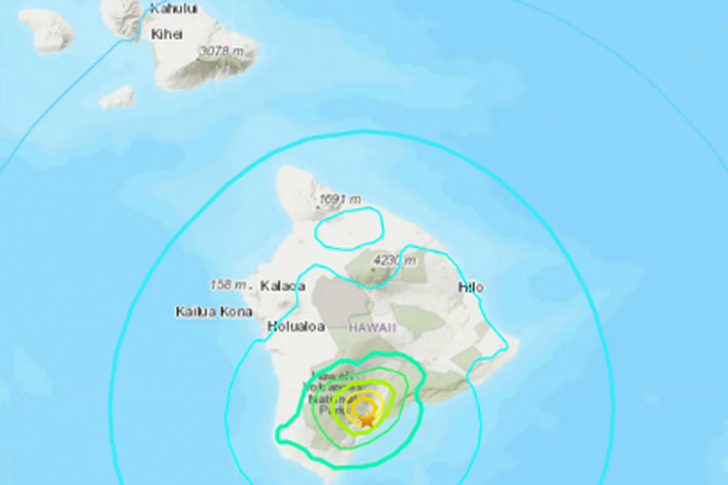
An earthquake was felt on the island of Hawaii, with stron...
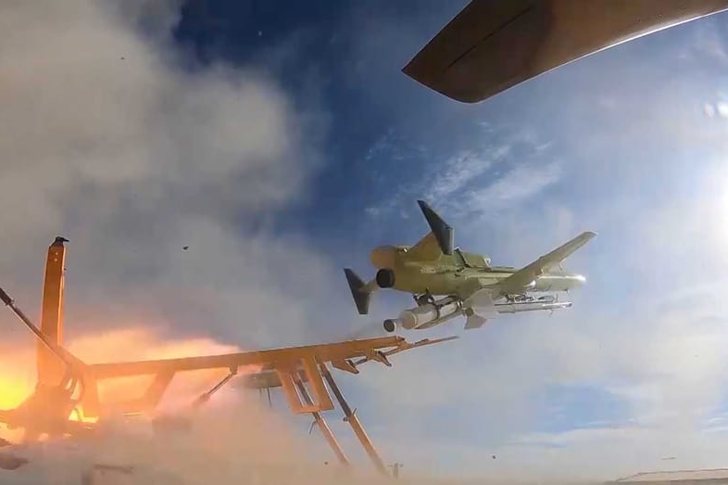
A fire broke out at an oil tank in Novorossiysk, on the Bl...
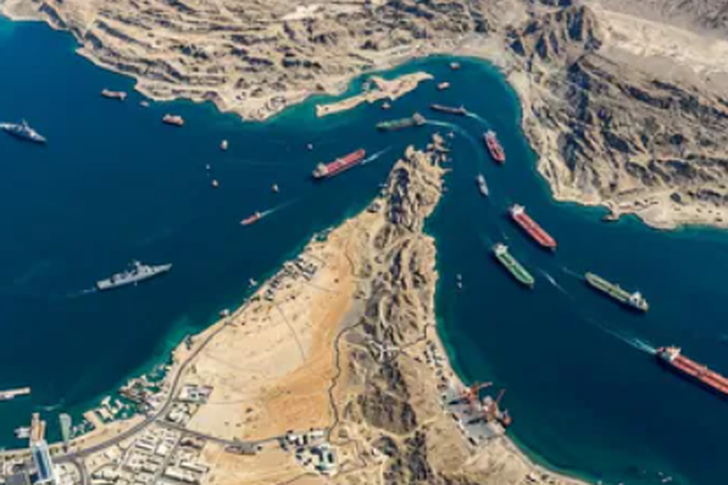
The economic equation surrounding the closure of the Strai...
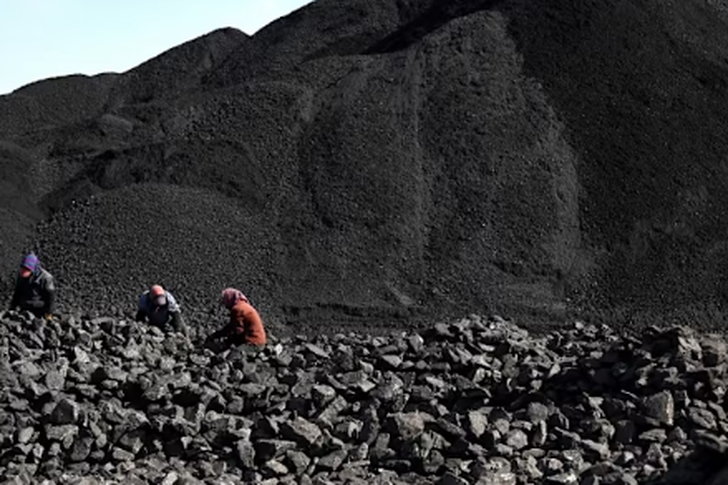
More than 50 people have died after a gas explosion at a c...
A new document from the US Department of State (DASH) pres...
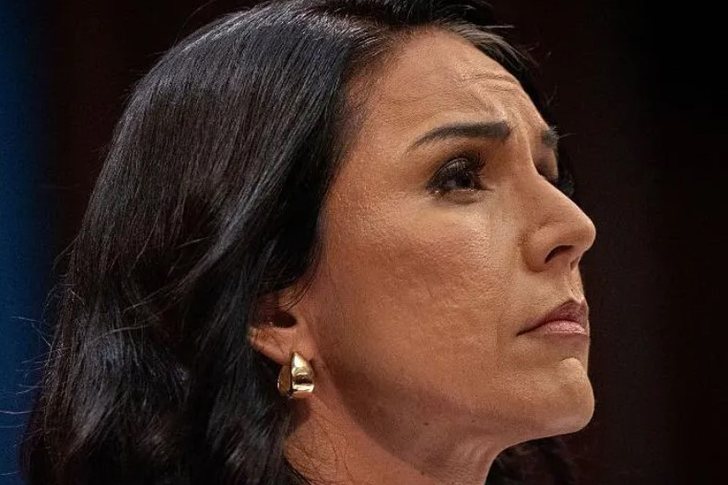
The United States Department of Defense has released a sec...
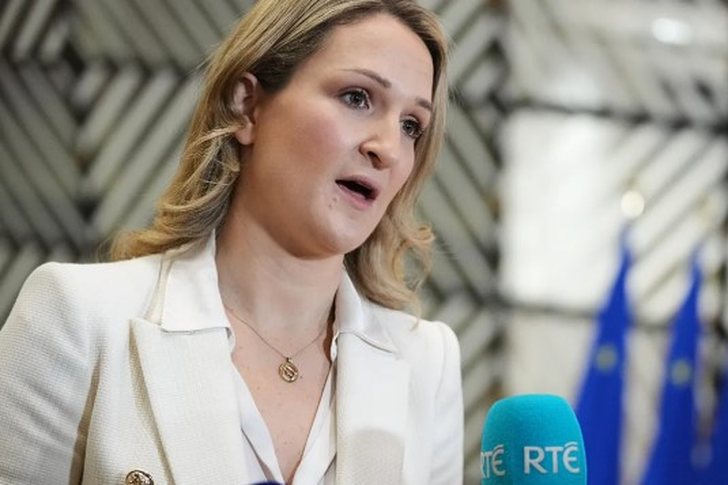
Ireland has expressed strong concerns over a new proposal ...

Western Europe is bracing for an unusual heatwave, with te...

Global health authorities have sounded the alarm that the ...
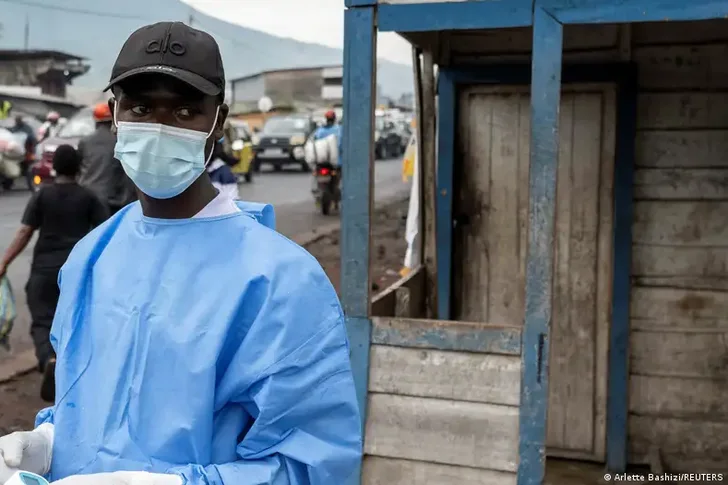
Global health authorities have warned that the number of d...
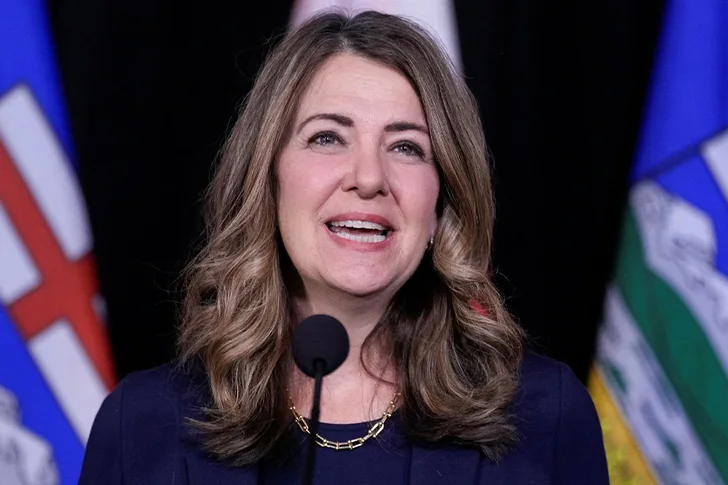
The Canadian province of Alberta will hold a referendum la...

Sëmundjet seksualisht të transmetueshme, veçanërisht gonor...
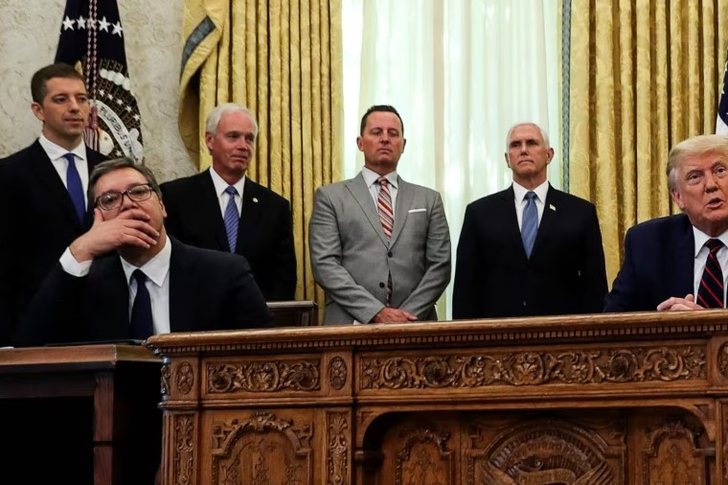
Serbian President Aleksandar Vučić said that Serbia unders...
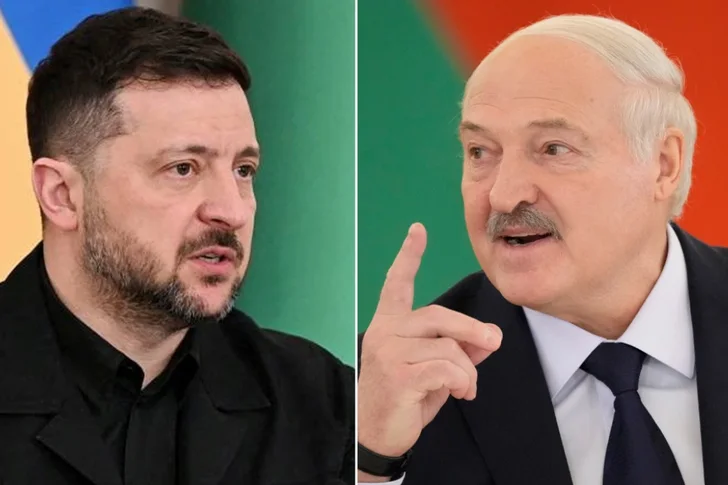
Belarusian President Alexander Lukashenko said he was read...
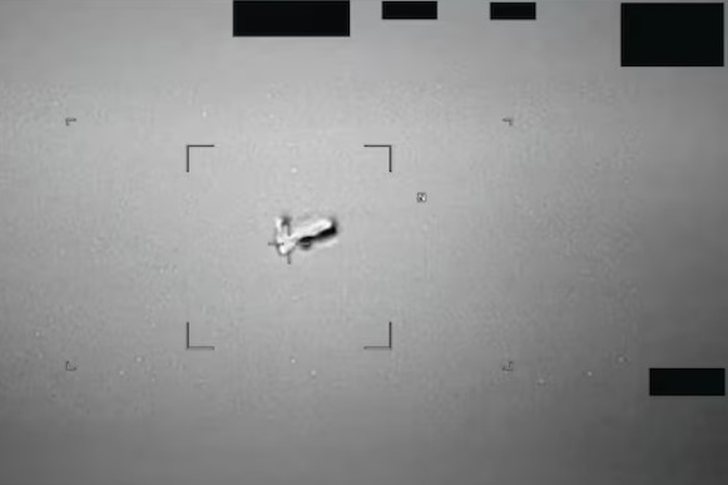
The US Department of Defense today released a second batch...

One of the strangest and most popular tourist attractions ...

The protests of recent days related to the situation in Zv...

The case addressed this Wednesday, June 3, on the show "St...

The show "Stop" broadcast this Wednesday, June 3, the case...

Irfan Hysenbelliu claims to be a big businessman, an hones...

The Special Board of Appeal (KPA) decided this Monday ...

The KPA vetting decided this Thursday to dismiss the p...

Suela Salavaçi, a prosecutor in the Prosecutor's Offic...

The Special Board of Appeal reinstated the prosecutor ...

Several images provided by CNA show the area where this mo...

A quantity of explosive material exploded this morning at ...
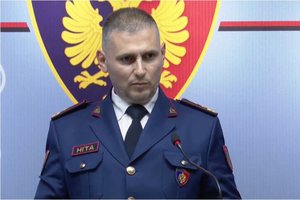
The Head of the State Police, Skënder Hita, expressed his ...

New details have emerged regarding the serious incident th...

For many children and teenagers, the long summer holidays ...

Witnesses in Lozhan, Maliqi, have shared details from the ...

Albania is facing an unprecedented demographic transition,...

On Thursday, our country will be affected by unstable weat...
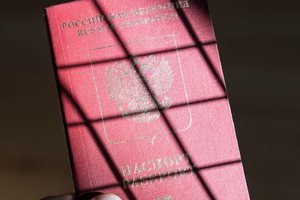
A number of European Union member states are pressuring th...
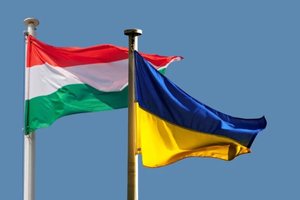
Hungary and Ukraine have reached an agreement on the right...

Serbian President Aleksandar Vučić has confirmed that he w...
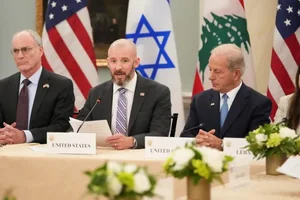
Israel and Lebanon have agreed to renew their fragile ceas...

Korça is ready to open the summer season with one of the c...
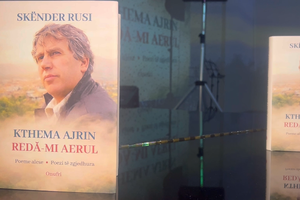
Two years after his passing, the renowned Korçë poet Skënd...

The Ethnographic Museum of Berat has opened its doors to v...
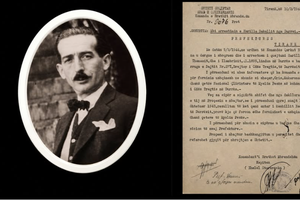
The story of Harilla Bakalli is one of the most chilling t...

Kursi i këmbimit të euros me lekun ka rënë më tej këtë jav...

Profit margins in the construction sector have increased s...
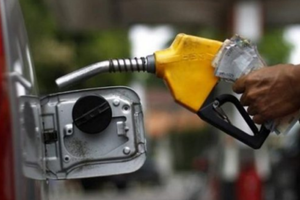
The Transparency Board, at its meeting today, decided to i...

Today, in the foreign exchange market, one US dollar is bo...