

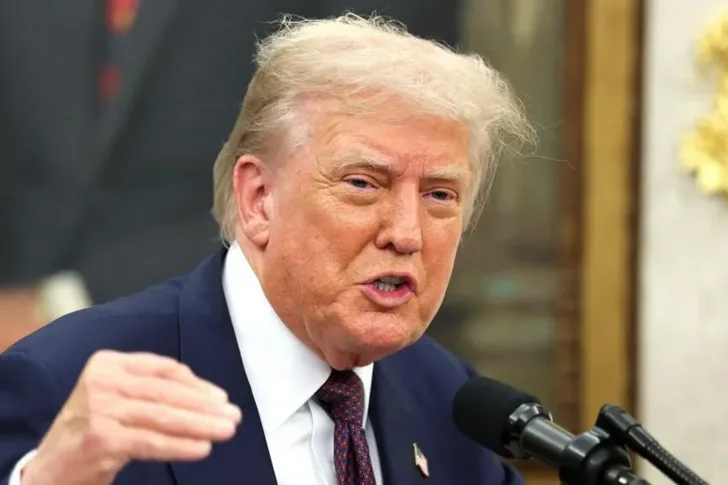
Trump's new sweeping tariffs on dozens of countries take effect
US President Donald Trump's sweeping new tariffs on more t...


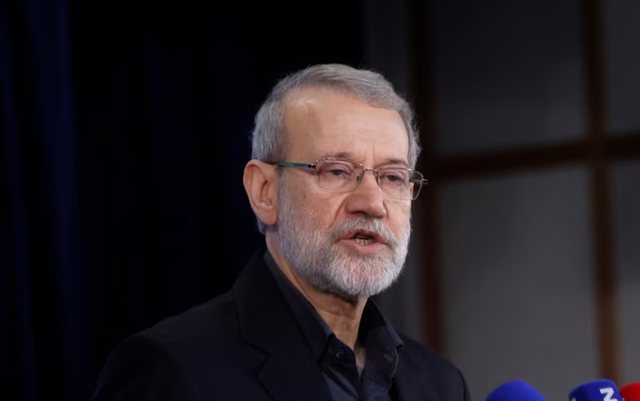
At a time when Iranian authorities are dealing with the consequences of the June conflict with Israel and the United States, the return of veteran politician Ali Larijani as secretary of Iran's Supreme National Security Council constitutes a political comeback, which, however, was not unexpected.
After the war ended, the 67-year-old said that on the first day of the Israeli attacks, the Iranian security apparatus had contacted him and asked him to resign. Last year, Larijani was barred from running for president.
However, he will now play a central role in shaping policy after Israeli and American bombings that exposed Iran's military weaknesses.
"Larijani was sidelined and expelled, but he was never completely removed from the political scene," London-based Iranian political analyst Babak Dorbeigi told Radio Free Europe's (RFE/RL) Farda Radio.
"Several important developments occurred during the 12-day war. A major issue, as highlighted by officials and the media, was the miscalculation of Iran's defense capabilities," he added.
"Urgent need for change"
Israeli and American attacks hit important military and nuclear facilities, embarrassing Tehran, which appeared unable to defend itself properly.
Officials offered different versions of the extent of the damage suffered, creating the impression that chaos reigns within the Iranian leadership.
"However, the most critical issue - the one that takes precedence over all others - is the understanding that, in times of war, you cannot seek support from the supreme leader [Ayatollah Ali Khamenei]," Dorbeigi said.
"His absence and the lack of leadership in Iran revealed a huge vacuum at the top. All of this points to an urgent need for change," he added.
In this context, Larijani is seen as a trustworthy figure, who is capable of making "reasonable decisions."
Described as a pragmatist, he will work closely with Iranian President Masoud Pezeshkian, who heads the security apparatus and is often seen as pro-reformist.
But, the decisions of this body must be approved by Khamenei, anyway.
"As long as Khamenei remains at the helm of the system, no strategic change in policy should be expected, only tactical adjustments," Paris-based Iranian analyst Reza Alijani told REL.
"Larijan's role appears to be crisis management, which includes managing compromises, as Khamenei never allows compromises to be directly attributed to him," he added.
Larijani previously held this post, from 2005 to 2007, and then served as speaker of the Iranian Parliament until 2020. In this role, he gained international prominence by supporting the 2015 nuclear deal with the US, Britain, France and Germany (known as the E3).
The first Trump administration withdrew from that agreement and the US was in the process of negotiating with Tehran when the Israeli airstrikes began in June.
The talks abruptly broke down and have not resumed. Tehran says it cannot trust Washington, while the White House doubts whether there is any value in continuing the talks, given the damage done to Iranian nuclear facilities.
Following the conflict, Iran resumed talks with the E3 and the European Union on July 25.
The E3 countries warned that, if a nuclear deal with Iran is not reached by the end of August, they will reinstate all UN sanctions on Iran by activating the mechanism of the 2015 agreement.
Senior advisor on nuclear affairs
Before his reappointment to the Security Council, Larijani was already Khamenei's top advisor on nuclear matters.
On July 20, he met with Russian President Vladimir Putin at the Kremlin and "conveyed assessments of the escalating situation in the Middle East and the Iranian nuclear program," Kremlin spokesman Dmitry Peskov said.
A few months before the conflict with Israel and the US, Larijani had warned on Iranian television that an attack would make Iran more inclined to develop nuclear weapons.
But since the attacks, Iranian officials have avoided mentioning the issue, emphasizing instead that Iran will continue enriching uranium.
It's a distinction that Western powers do not accept, as Iran has enriched uranium to levels far higher than required for a civilian nuclear program.
Larijani's appointment came two days after Iran announced the creation of a new Defense Council, under the supervision of the Security Council./ REL

US President Donald Trump's sweeping new tariffs on more t...
The leader of DUI, Ali Ahmeti, has announced that the cand...
The prestigious American newspaper The New York Times, cit...
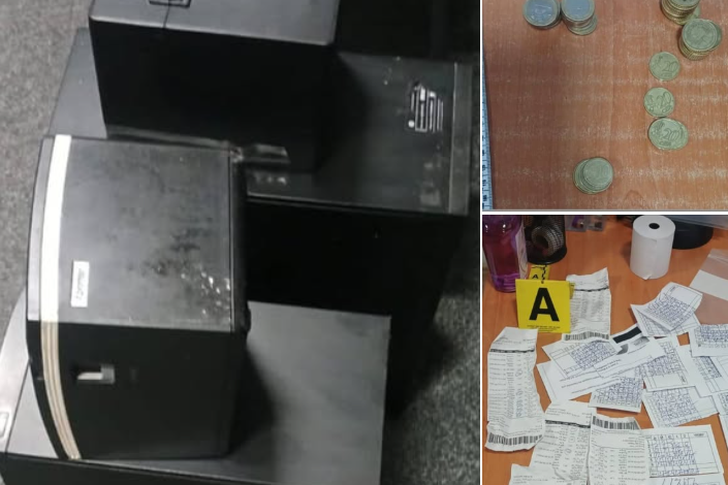
A person was arrested this Wednesday evening in Mitrovica,...
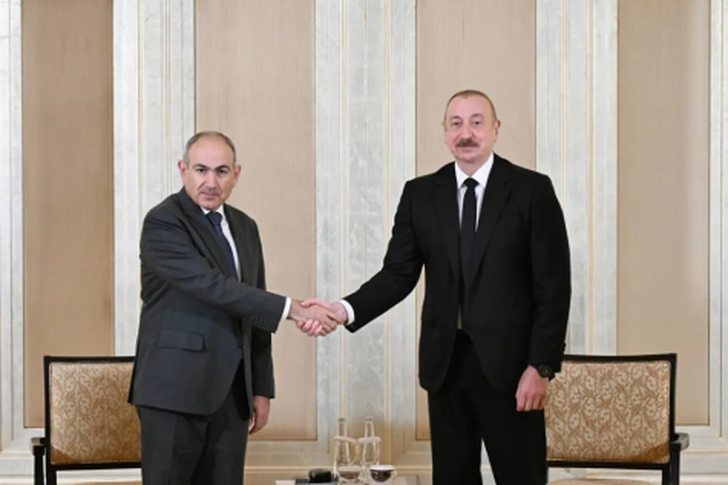
The leaders of Azerbaijan and Armenia will meet with US Pr...
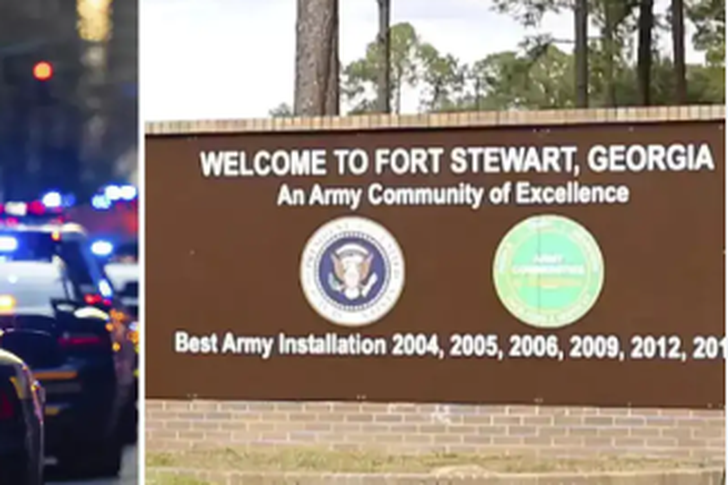
Five soldiers at Fort Stewart were shot today in a shootin...
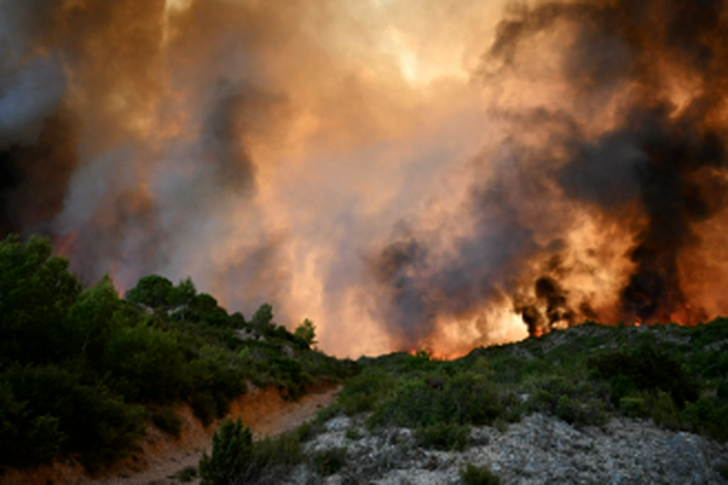
Zjarri më i madh i rënë në Francë këtë verë po përhapet në...
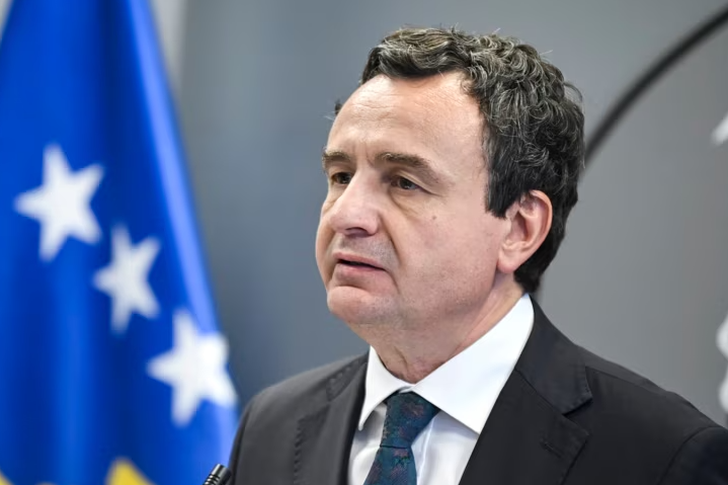
Kosovo Prime Minister Albin Kurti stated today that the da...
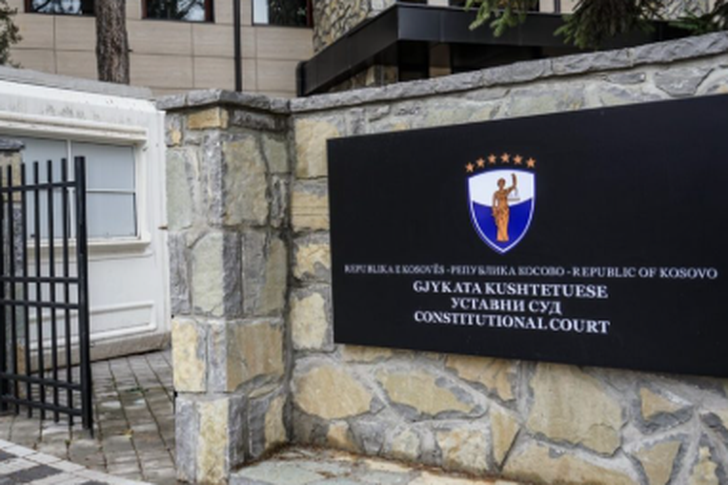
The Constitutional Court of Kosovo issued a statement this...
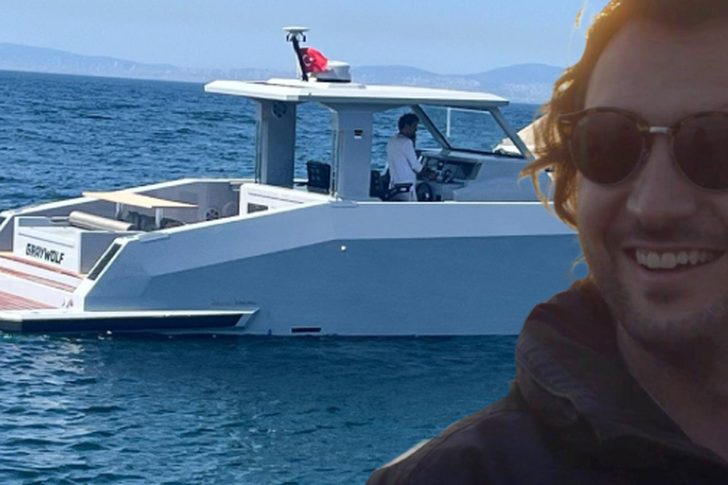
A Turkish businessman sailing from Yalova, Turkey, to Gree...
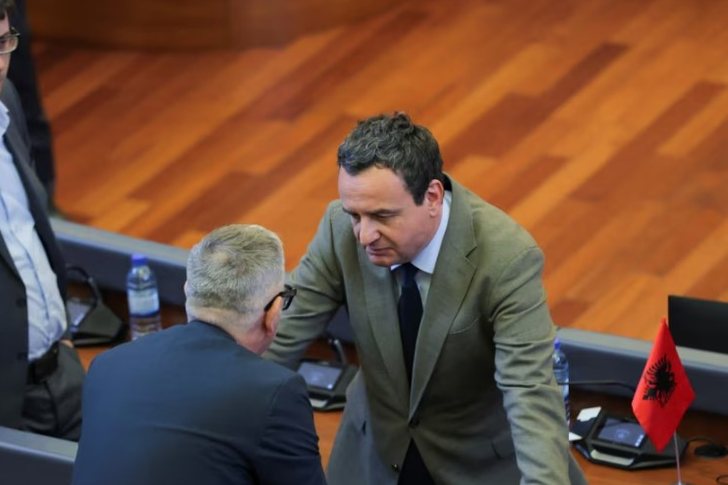
Kosovo's acting Prime Minister, Albin Kurti, said on Wednesd...
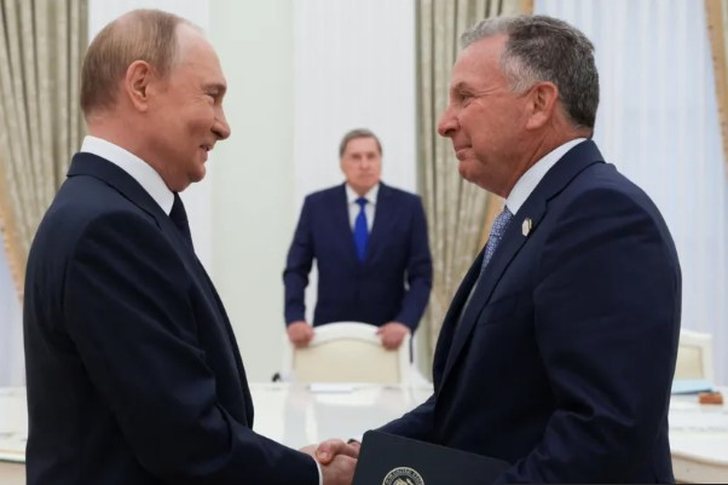
US envoy Steve Witkoff and Russia's Vladimir Putin have me...
The Central Election Commission of Bosnia and Herzegovina,...
US Secretary of State Marco Rubio will meet with Serbian F...
US President Donald Trump has refused to comment on Israel...
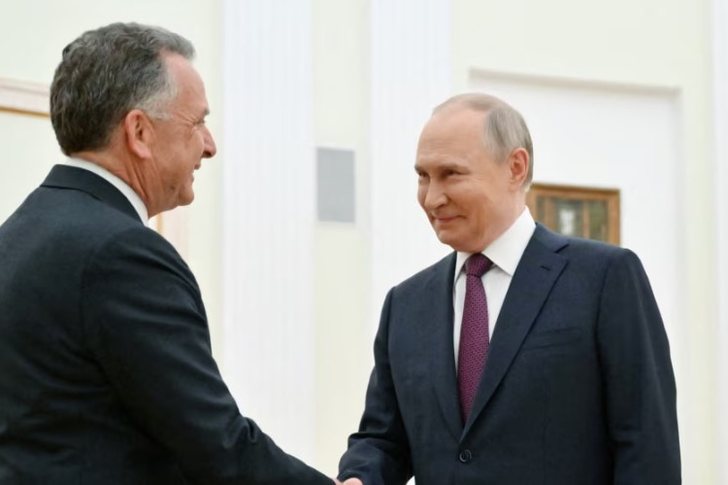
The United States special envoy, Steve Witkoff, arrived in...
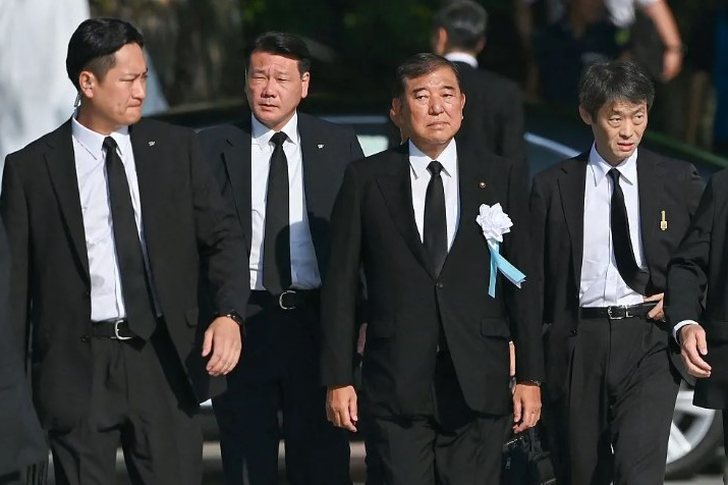
A silent prayer was held in Japan on Wednesday morning, ma...
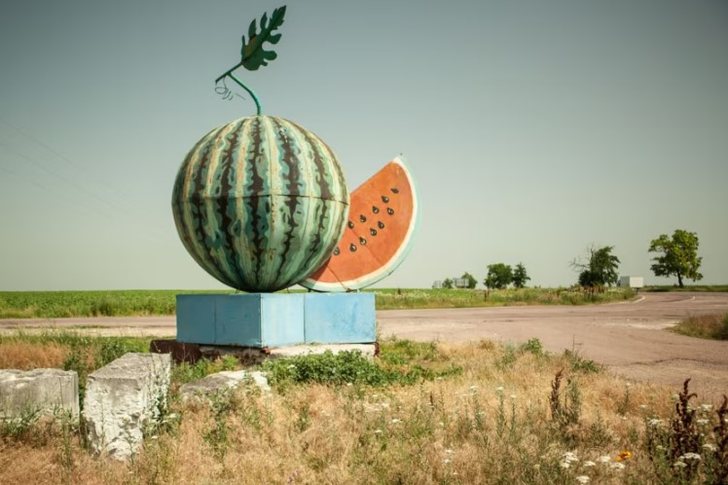
Even in the farmlands of Kherson, Ukraine, the threat of w...
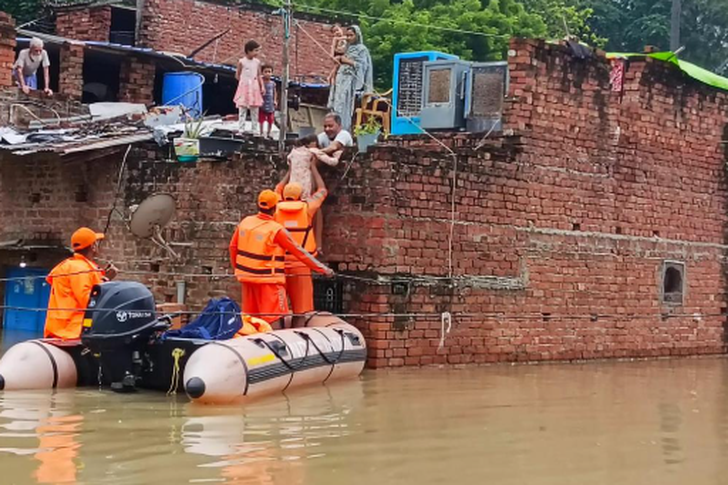
A mudslide from a flash flood has swept through a town in ...
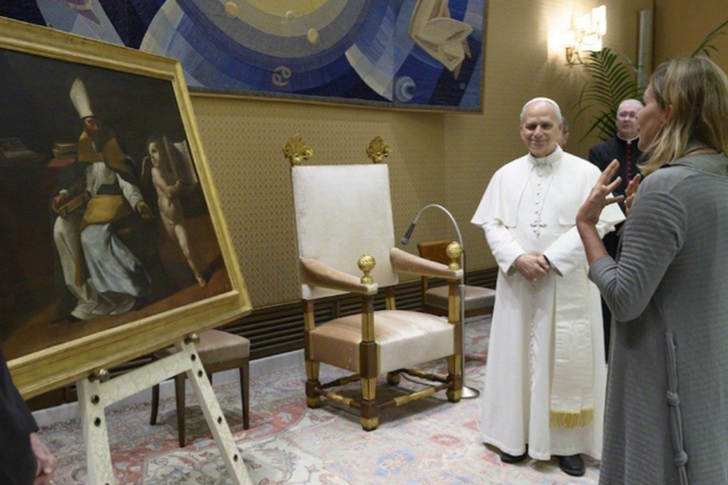
A delegation from the Vatican Museums presented Pope Leo X...
SPAK's standards, the way it investigates, how it secures ...
Irfan Hysenbelliu claims to be a big businessman, an hones...
The murder of officer Enea Mekolli in the line of duty has...

The next case broadcast on the show "Stop", this Thursday,...

The Special Board of Appeal (KPA) decided this Monday ...

The KPA vetting decided this Thursday to dismiss the p...

Suela Salavaçi, a prosecutor in the Prosecutor's Offic...

The Special Board of Appeal reinstated the prosecutor ...

A gunshot wound occurred this afternoon in Shijak. Accordi...
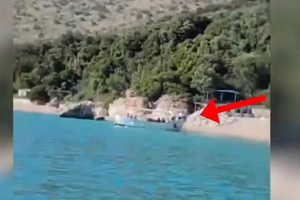
The Border Police blocked the vessel and fined the driver ...
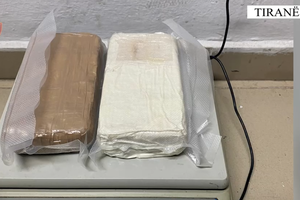
A police operation codenamed "Zonet" has ended with the se...
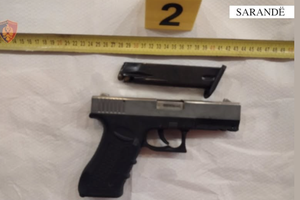
A 37-year-old citizen has been arrested in flagrante delic...

More than 860 million people fall ill and 1.5 million die ...
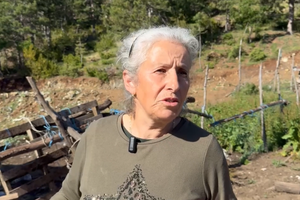
The mother of Violand Braçellari, the perpetrator of the s...
The modern European traveler seeks a meaningful connection...

This Sunday, weather conditions are forecast to be clear a...
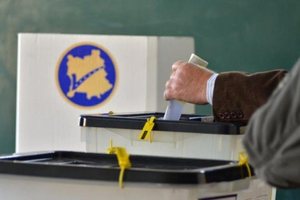
The Central Election Commission of Kosovo has updated the ...
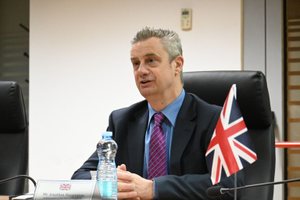
The British Ambassador to Kosovo, Jonathan Hargreaves, spo...
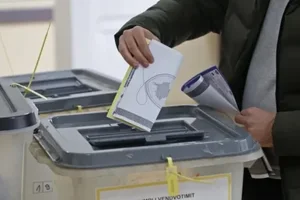
Qytetarët e Kosovës votojnë sot për zgjedhjet e parakohshm...
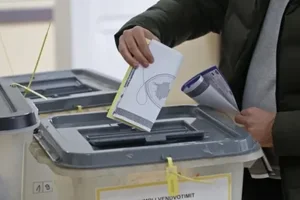
Komisioni Qendror i Zgjedhjeve në Kosovë ka publikuar rezu...

Korça has transformed this weekend into the capital of cel...
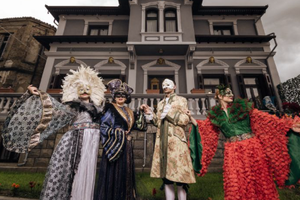
Korça is ready to open the summer season with one of the c...
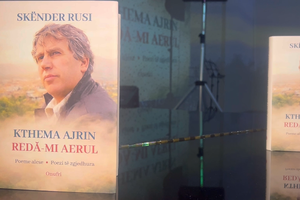
Two years after his passing, the renowned Korçë poet Skënd...

The Ethnographic Museum of Berat has opened its doors to v...
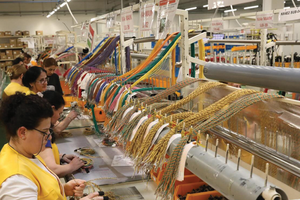
The automotive industry in Albania is currently at a turni...
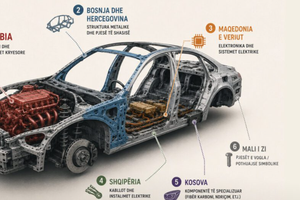
If you were to follow the industrial map of the Western Ba...

The Transparency Board, in today's meeting, decided to red...

This Saturday, one US dollar is bought for 81.4 lek and so...