


Scene from the scene/ This is where the killing of the officer in Maliq took place
Several images provided by CNA show the area where this mo...

Several images provided by CNA show the area where this mo...

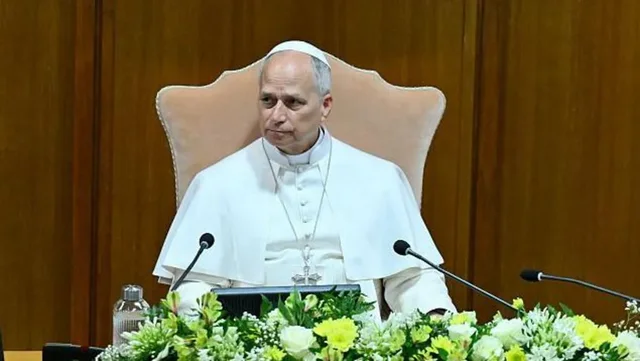
Pope Leo has presented the first major teaching document of his papacy, warning that artificial intelligence must be "disarmed."
"The word is strong, I know, but deliberately chosen because this moment needs words capable of attracting attention," the Pope said.
Encyclicals are technically letters addressed to Catholic bishops, but over the past few decades these letters have transformed into messages addressed to the world by a Pope.
While this letter focused primarily on artificial intelligence, Pope Leo also included one of the strongest and most comprehensive apologies from the Vatican for the Catholic Church's role in slavery.
It was “impossible not to feel deep sorrow when thinking about the immense suffering and humiliation that so many people have experienced,” the Pope wrote, adding that he “sincerely apologized” on behalf of the Church.
Leo mentioned the slave trade in relation to artificial intelligence, suggesting that the world was in danger of once again normalizing the exploitation of humans - both in its production and in its applications.
Some of the Pope's strongest images in the document relate to slavery, warning of parallels between the historical tragedy of traditional slavery and the emerging threats of the "new digital slavery."
He suggested a danger of a similar normalization of exploitation and that humanity was at a similar moral crossroads.
Unusually, Pope Leo chose to present the encyclical himself - titled "Magnifica Humanitas" ("Magnificent Humanity") - at the Vatican, alongside artificial intelligence experts, including Christopher Olah, co-founder of US artificial intelligence giant Anthropic.
In remarks after the encyclical's presentation, Olah said that every artificial intelligence lab, including his own, operated "within a set of incentives and constraints that can sometimes conflict with doing the right thing."
It would be a mistake to believe that AI issues were best handled by computer scientists like himself, Olah added: "The questions raised by AI are bigger than the AI ??research community, not only in their implications but also in their nature."
The Pope's encyclical - which also acknowledged many potential pitfalls in artificial intelligence - is also a stark and direct message to those in positions of power about their responsibilities in curbing the "threats" it poses.
For example, the Pope condemned the use of Artificial Intelligence in warfare, saying that reducing human control over weapons makes it even more difficult to consider a war "just" and warned against starting an arms race using artificial intelligence.
"No algorithm can make war morally acceptable," the Pope wrote.
Not only does artificial intelligence not remove the "intrinsic inhumanity" of war, he said, but it also risks escalating conflict more quickly and making it more impersonal by "lowering the threshold for the use of violence, transforming defense into threat prediction and thus reducing victims to data."
Leo also criticized the way artificial intelligence influences politics - such as the way it has been used to manipulate images and videos, which he said exposes people to biased or misleading perspectives.
In the past, the Pope has compared today's need for safeguards to protect people in the face of developments in artificial intelligence to those that were necessary to ensure human dignity during the industrial revolution.
He suggested comparisons of the failure to act against the dangers of artificial intelligence today with “the delay with which both society and the Church began to denounce the scourge of slavery.” He even referred to the dangers of “digital colonialism,” linking colonial-era abuses to modern technological practices.
At one point in this document, the Pope directly issued a "special appeal" to those developing artificial intelligence.
"Developers bear a special ethical and spiritual responsibility, because every design choice reflects a vision of humanity," he said.
But what impact will all this have?
Pope Leo has assembled a commission to advance his work, but there are big questions about how effective all of this will be in the face of rapid technological advances.
In 2015, the late Pope Francis wrote his encyclical Laudato Si, which focused on the urgent need to address the climate crisis - but then followed it up in 2023 by speaking of his frustration at the inaction he had had./CNA, translated by BBC

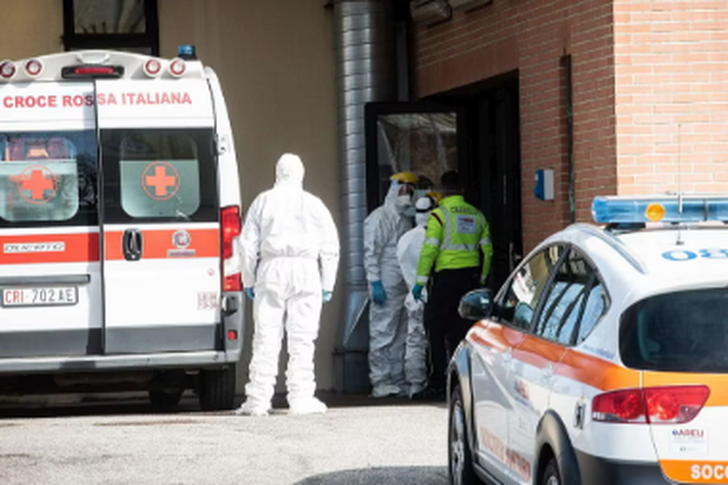
Two people returning from Uganda have been transferred to ...
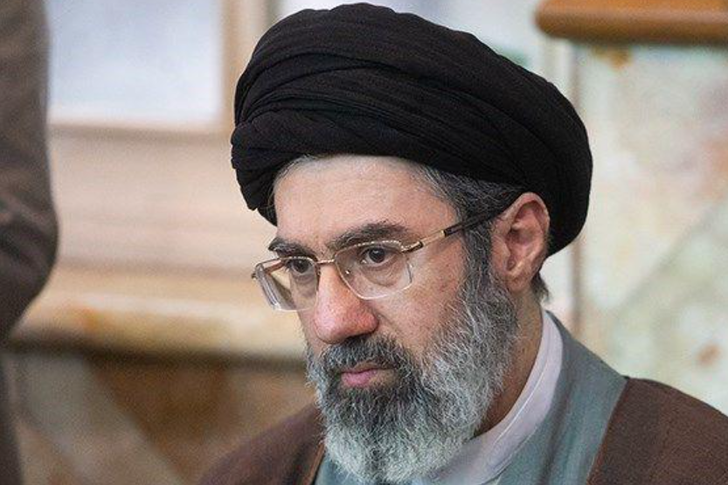
US intelligence indicates that Iran's supreme leader is hi...
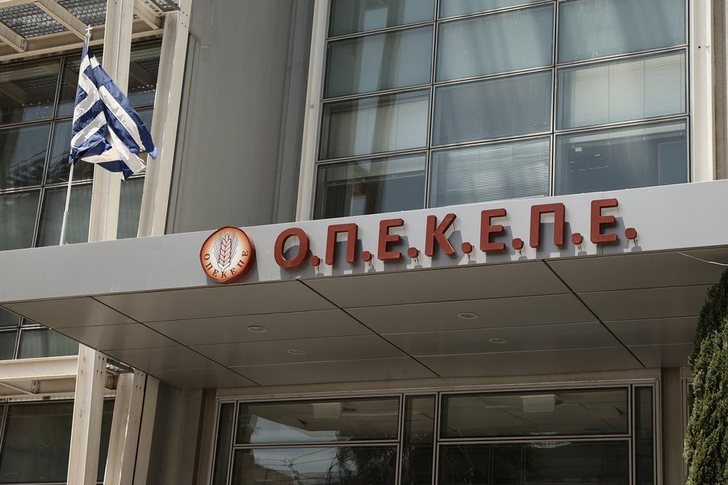
Greek authorities announced on Monday the arrest of 20 peo...
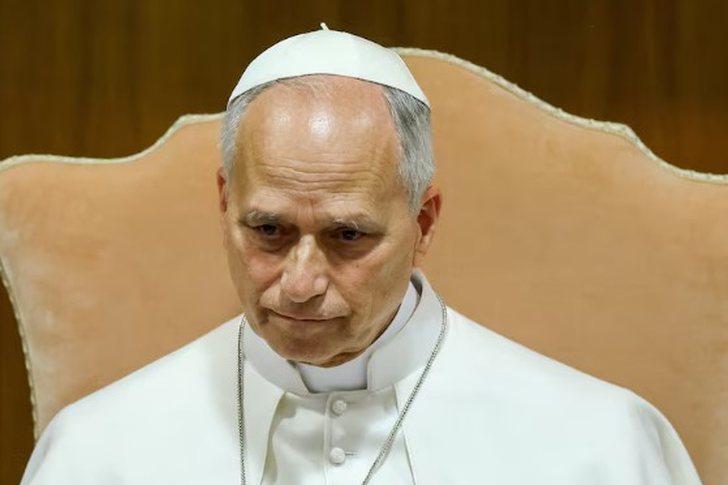
Pope Leo has published his first major document, the encyc...
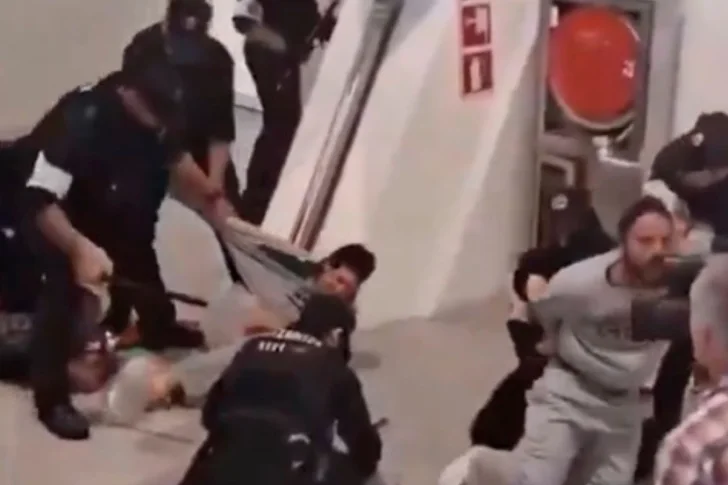
Clashes and strong tensions have been reported at Bilbao a...
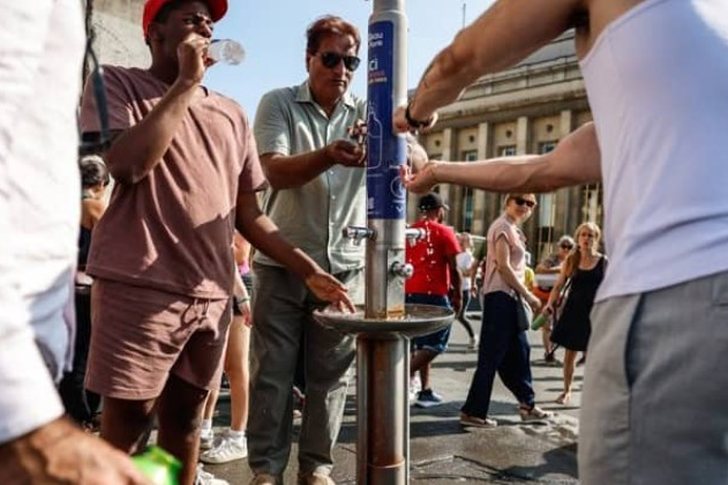
An unusual heat wave has swept through France. As a result...
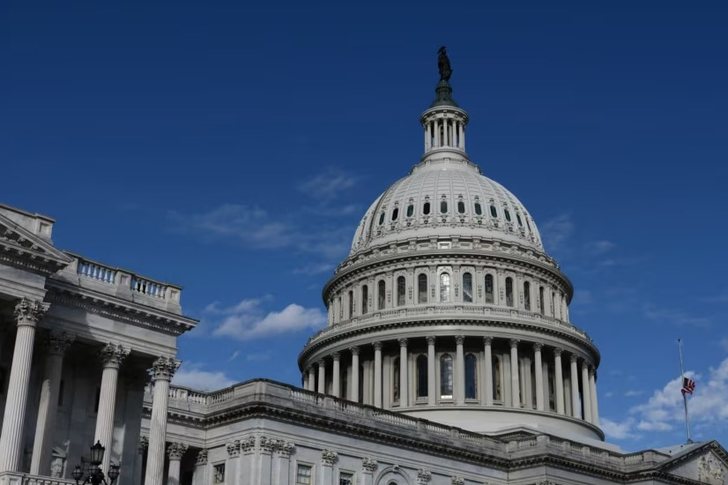
Two American congressmen, Republican Keith Self and Democr...
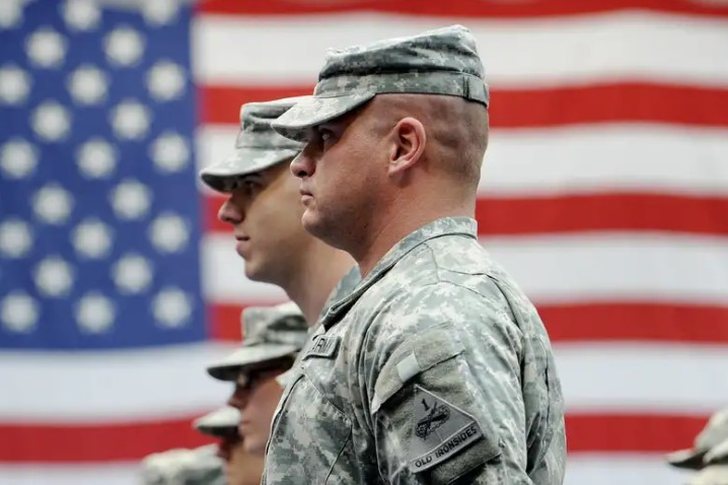
From the Azores to Romania, from northern Norway to Sicily...
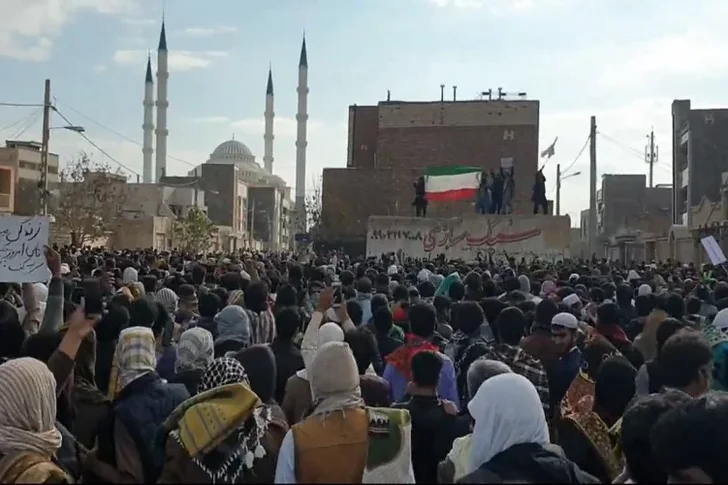
Iran has executed a man on charges related to anti-governm...
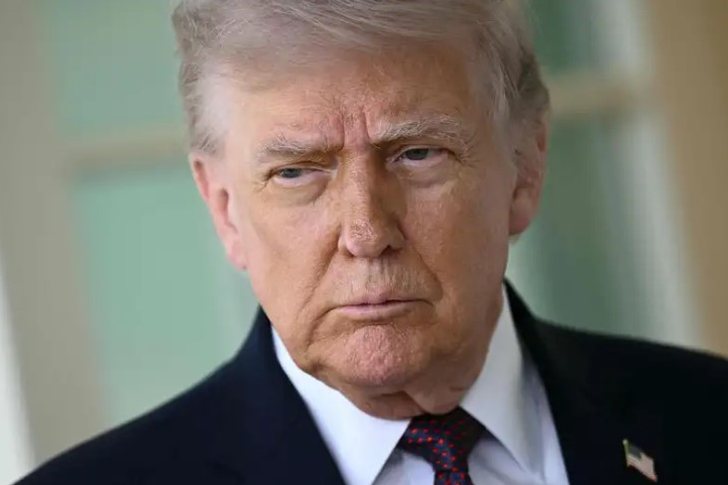
US President Donald Trump has dampened expectations that h...
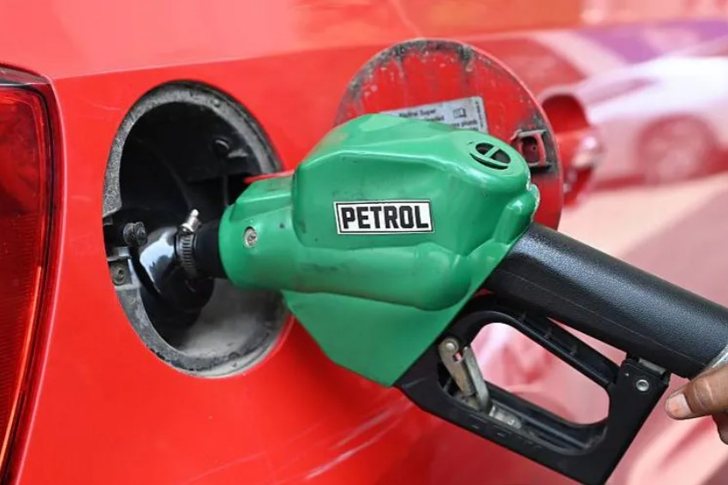
Global oil prices have fallen sharply, while Asian financi...
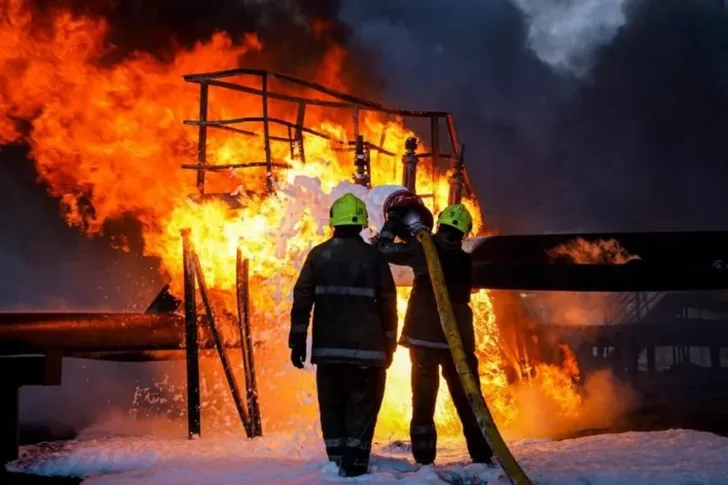
Russia has carried out a wave of air strikes on Ukraine, l...
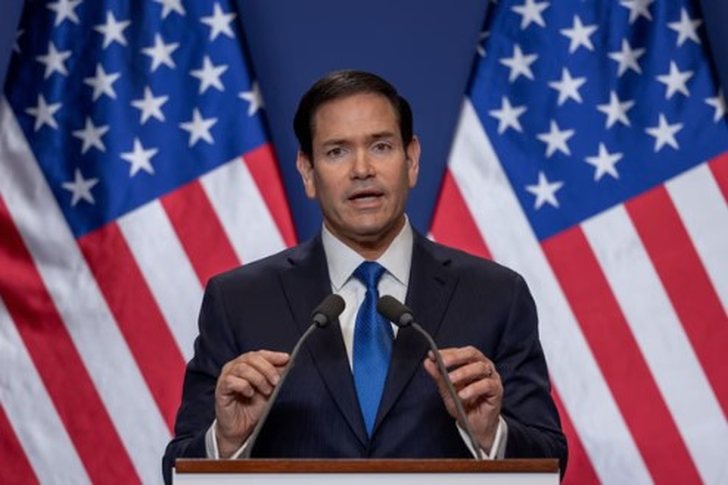
US Secretary of State Marco Rubio said today that the nucl...
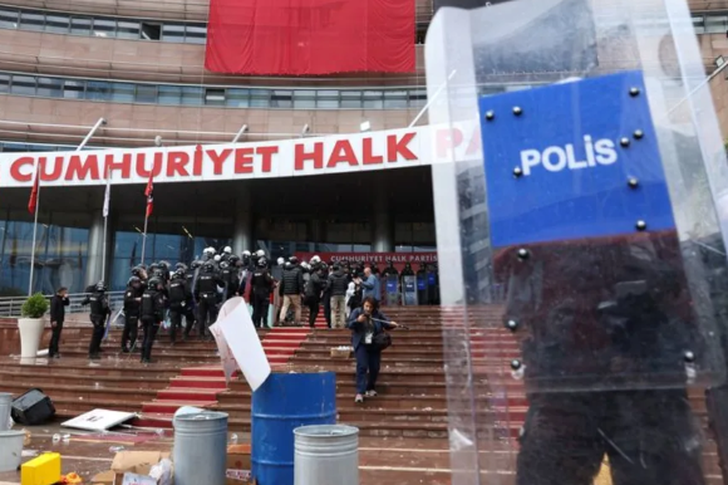
Turkish police fired tear gas and forcibly entered the hea...
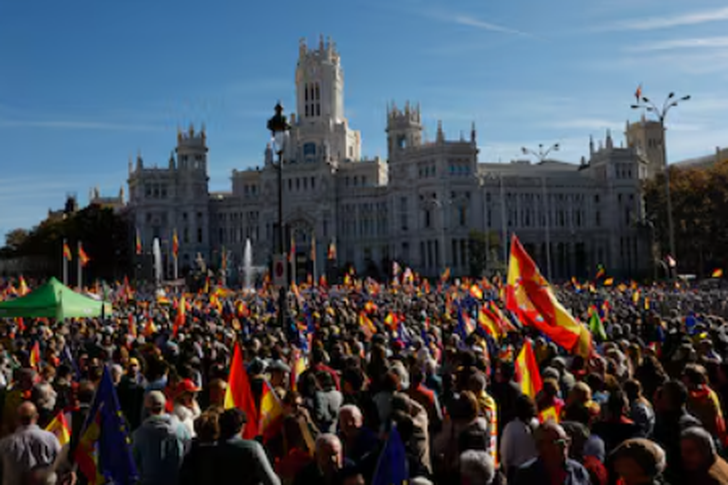
Thousands of people gathered in central Madrid this Sunday...
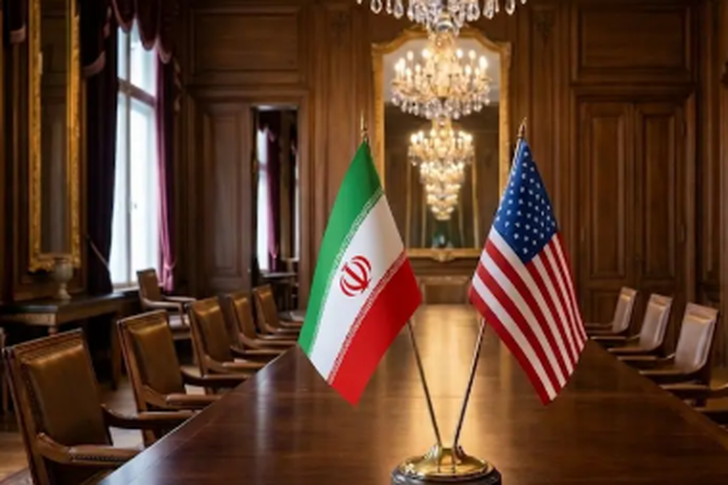
The White House could take several days to approve the dea...
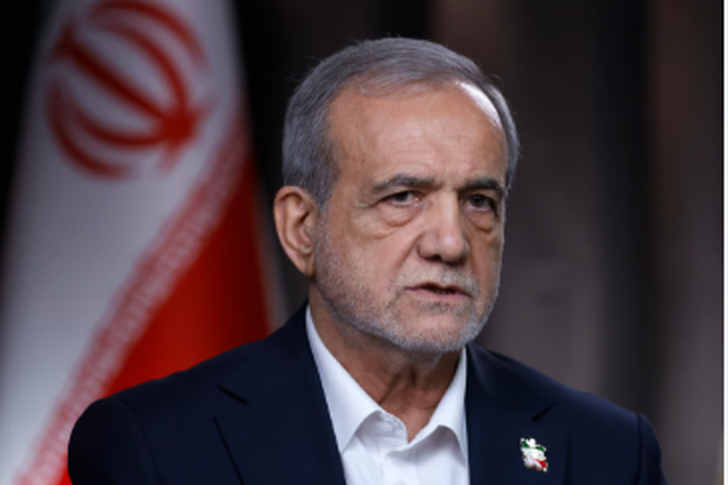
Iranian President Masoud Pezeshkian said Tehran is ready t...
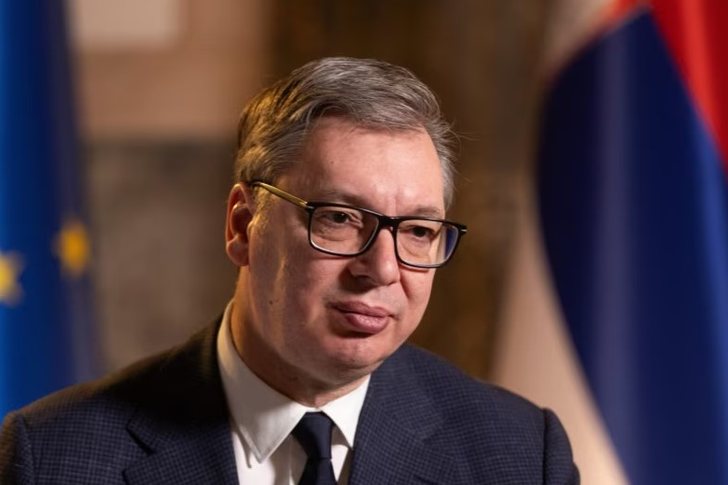
Serbian President Aleksandar Vučić said this Sunday that h...
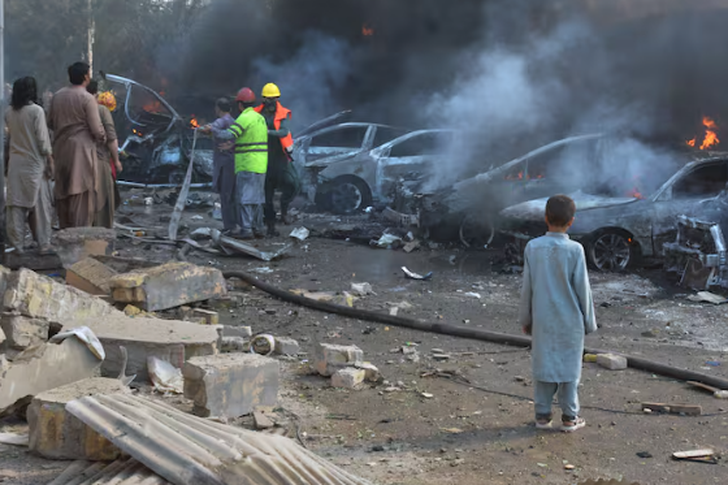
A suicide bomber detonated an explosives-laden vehicle nea...
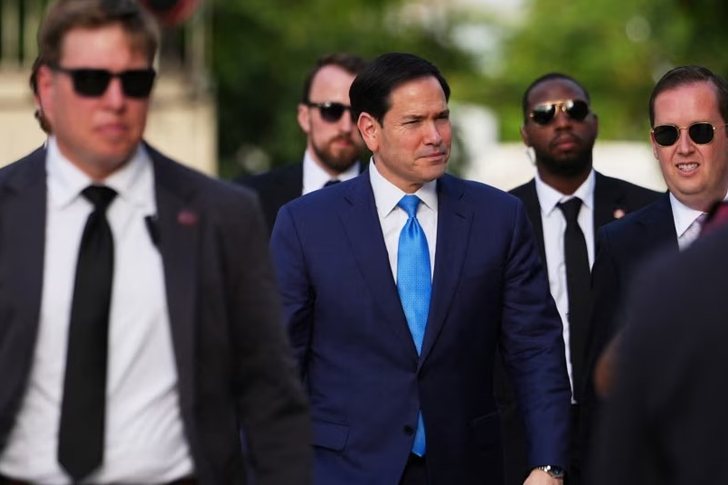
US Secretary of State Marco Rubio has stated that "signifi...

The protests of recent days related to the situation in Zv...
The case addressed this Wednesday, June 3, on the show "St...
The show "Stop" broadcast this Wednesday, June 3, the case...

Irfan Hysenbelliu claims to be a big businessman, an hones...

The Special Board of Appeal (KPA) decided this Monday ...

The KPA vetting decided this Thursday to dismiss the p...

Suela Salavaçi, a prosecutor in the Prosecutor's Offic...

The Special Board of Appeal reinstated the prosecutor ...
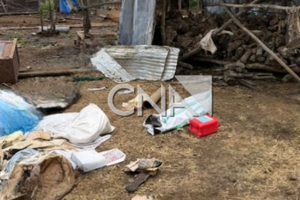
Several images provided by CNA show the area where this mo...

A quantity of explosive material exploded this morning at ...
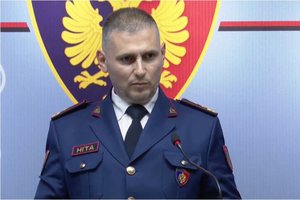
The Head of the State Police, Skënder Hita, expressed his ...

New details have emerged regarding the serious incident th...
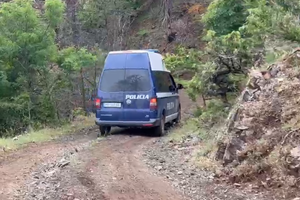
Witnesses in Lozhan, Maliqi, have shared details from the ...
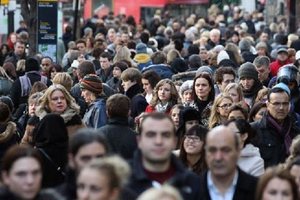
Albania is facing an unprecedented demographic transition,...

On Thursday, our country will be affected by unstable weat...
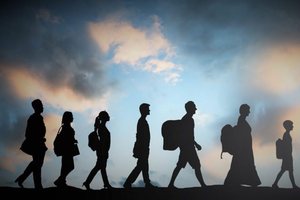
An alarming figure of more than 166.4 thousand Albanians a...
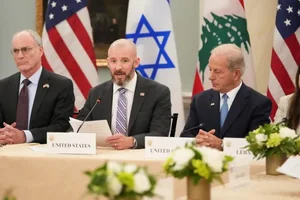
Israel and Lebanon have agreed to renew their fragile ceas...
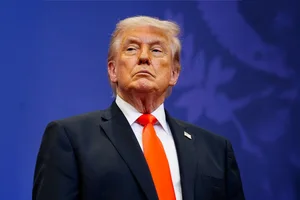
United States President Donald Trump announced in a post o...
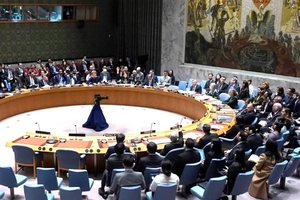
Asambleja e Përgjithshme e Kombet e Bashkuara ka përfundua...
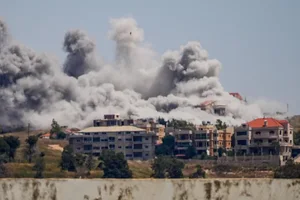
At least nine people have been killed in Israeli airstrike...

Korça is ready to open the summer season with one of the c...
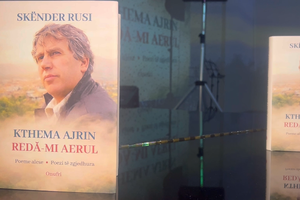
Two years after his passing, the renowned Korçë poet Skënd...

The Ethnographic Museum of Berat has opened its doors to v...
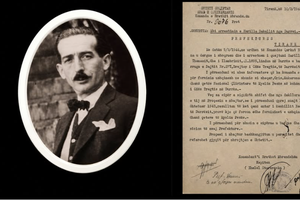
The story of Harilla Bakalli is one of the most chilling t...
Today, in the foreign exchange market, one US dollar is bo...
The Minister of Finance, Petrit Malaj, announced today a n...
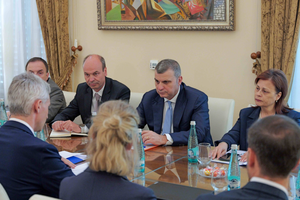
Guvernatori i Bankës së Shqipërisë, Gent Sejko, priti m...
Today, in the foreign exchange market, one US dollar is bo...