


After the match, protesters move to the DP headquarters: Opposition sold out
After the match, the protesters moved in front of the DP h...

After the match, the protesters moved in front of the DP h...

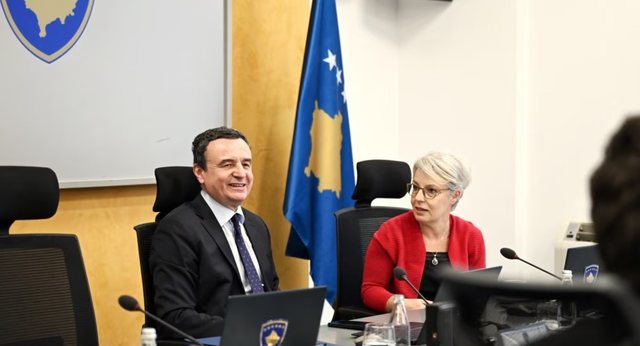
When a government distributes public money on the eve of elections, the line between social policy and electoral influence becomes blurred.
In Kosovo, this limit was tested again after the recent decisions of the acting Government of Albin Kurti on a series of social support measures, on the eve of the early parliamentary elections on June 7.
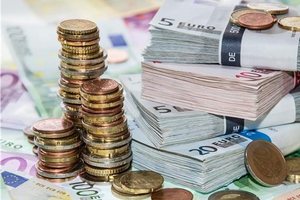
In the days before the election campaign opened on May 28, she allocated 100 euros each as one-time support for pensioners, students, children and workers; increased support for mothers to 500 euros; and allocated two million euros in subsidies to airlines to make it easier for migrants to fly during the summer.
Such ad hoc support was also provided on the eve of the last elections, in 2025.
The decisions prompted criticism from civil society and the opposition, which characterized the actions of the incumbent government as an attempt to "buy votes."
Current laws in Kosovo do not explicitly prohibit a government from distributing social assistance or subsidies during campaign periods or on the eve of elections.
What changes can be made?
Naim Jakaj, a researcher at the Kosovo Institute for Law (IKD), tells Radio Free Europe that it should be clearly defined by law that, after the announcement of the election date, the incumbent government should not and cannot make decisions on the allocation of new financial packages for certain social categories.
The incumbent government, according to the principle of limiting its actions, should exercise only necessary functions, and continue implementing policies initiated or planned in advance, he assesses.
Jakaj says that "it should not have the space to, through special decisions, transfer public funds to certain categories, if these funds are not clearly planned and if the decision could produce an electoral effect."
For this reason, he underlines, it is necessary to create a "fiscally neutral" period before elections, during which a government cannot announce new financial measures or subsidies, as any such intervention creates inequality in the electoral race and risks the public budget being used for electoral influence.
Also, he advises, a code of conduct is needed for the Government during the election period, especially for the use of state resources, such as official vehicles, fuel, etc., so that the governing party does not have an advantage over other parties.
The current Election Law does not specify whether decisions like these by the incumbent Government, on the eve of the start of the election campaign, are unlawful.
Meqë Komisioni Qendror i Zgjedhjeve (KQZ) nuk ka rol të drejtpërdrejtë në kontrollin e shpenzimeve publike të Qeverisë, pasi mandati i saj lidhet kryesisht me administrimin e procesit zgjedhor, Jakaj thotë se Agjencia për Parandalimin e Korrupsionit duhet të ketë rol më aktiv në vlerësimin e konfliktit të interesit dhe të keqpërdorimit të resurseve shtetërore gjatë fushatës.
Gjithashtu, sipas tij, Zyra Kombëtare e Auditimit duhet të bëjë inspektim të veçantë për shpenzimet publike në periudhën parazgjedhore dhe zgjedhore, sidomos për subvencionet dhe vendimet ad hoc të qeverisë.
Në prill, IKD-ja e dorëzoi në Kuvend një nismë legjislative për ndryshimin dhe plotësimin e Kodit Penal, ku njëra nga fushat kryesore lidhet pikërisht me kriminalizimin e keqpërdorimit të parasë publike për përfitim elektoral gjatë periudhave zgjedhore dhe parazgjedhore.
Kur ndihmat lidhen me zgjedhjet
Organizata për Siguri dhe Bashkëpunim në Evropë (OSBE) dhe Komisioni i Venecias i Këshillit të Evropës thanë më 2016, përmes një udhëzuesi, se ligjet shtetërore duhet të garantojnë ndalesa të qarta dhe të zbatueshme kundër përdorimit të buxhetit dhe infrastrukturës shtetërore për përfitime zgjedhore.
Sipas udhëzuesit, keqpërdorimi i mjeteve publike është fenomen i konsoliduar dhe i përhapur në shumë vende evropiane, dhe keqpërdorimet ndodhin gjatë gjithë procesit zgjedhor, dhe jo vetëm gjatë periudhës zyrtare të fushatës zgjedhore.
Për shembull, në një raport më 2022, misioni vëzhgues i OSBE-së gjeti se Qeveria në detyrë në Serbi paraqiti një sërë skemash financiare për të joshur demografi specifike votuesish pak para zgjedhjeve parlamentare e presidenciale të atij viti.
Ajo ndau pagesa të njëhershme prej 100 eurosh për të rinjtë, dhe pagesë prej 2.500 eurosh për të sapolindurit. OSBE-ja tha se, derisa shteti pretendoi se këto ishin masa për mirëqenie publike, koha dhe shpërndarja e tyre në mënyrë të paplanifikuar dhe të jashtëzakonshme ishin në kundërshtim me rekomandimet e Komisionit të Venecias.
Si i ka arsyetuar Kurti vendimet?
Kryeministri në detyrë i Kosovës i ka hedhur poshtë kritikat se vendimet për mbështetje financiare nga Qeveria në kohë zgjedhjesh janë “blerje votash”.
Duke reaguar në veçanti për subvencionimin prej 2 milionë eurosh për linjat ajrore, Kurti tha më 27 maj se këtë e bëri për ta shmangur anulimin e mundshëm të fluturimeve në muajt gusht dhe korrik për shkak të rritjes së kostos së karburantit, por pa ofruar dëshmi.
Mbështetja për mërgatën përfshihet në Pakon e Ringjalljes Ekonomike, të miratuar fillimisht më 2021, por ajo nuk specifikon subvencionim për kompanitë e fluturimeve.
Ministria e Financave nuk iu përgjigj pyetjes së Radios Evropa e Lirë nëse subvencionimi i linjave ajrore ishte parashikuar më herët, apo nëse do të jetë përkrahje afatgjatë.
The incumbent government implemented the maternity allowance at the new, increased value of 500 euros on May 24, more than a month before the 500-euro minimum wage was due to come into effect. Kurti did not give a reason for not waiting until July. /REL

Iceland's parliament approved a referendum on August 29 on...
US and Iranian negotiators have agreed to a deal that will...
Benjamin Netanyahu has said he has ordered the Israeli mil...

France will begin reimbursing weight loss drugs, such as W...

Portugal has recorded a new hottest day in May with 40.3 d...
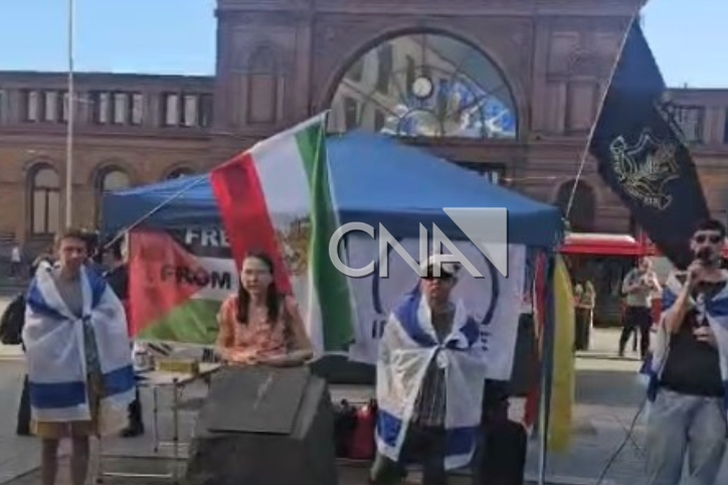
The peak of democracy is happening in Germany. Opponents o...
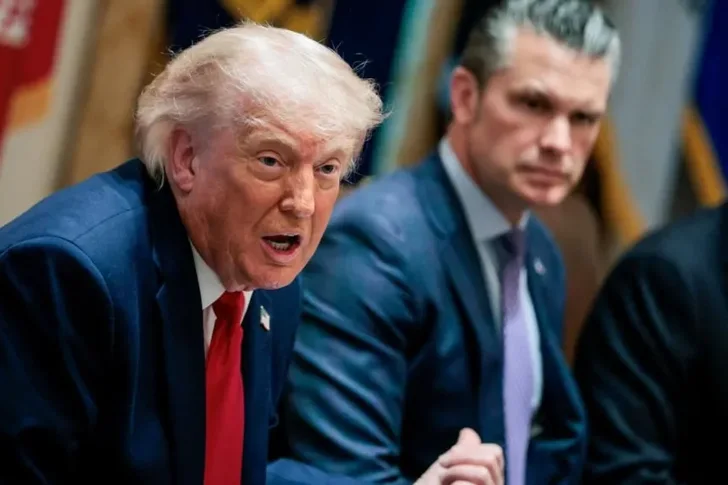
A ceasefire "hanging by a thread." A diplomatic process "m...

Anti-mafia investigators in Italy have seized cash, compan...
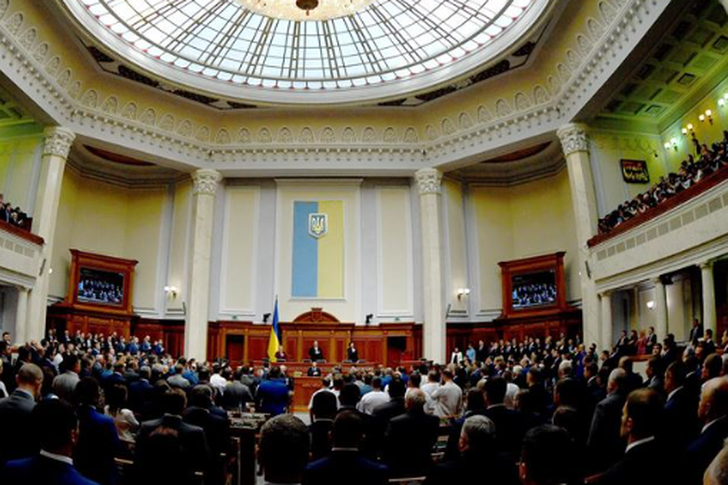
The Ukrainian parliament ratified on Thursday the agreemen...
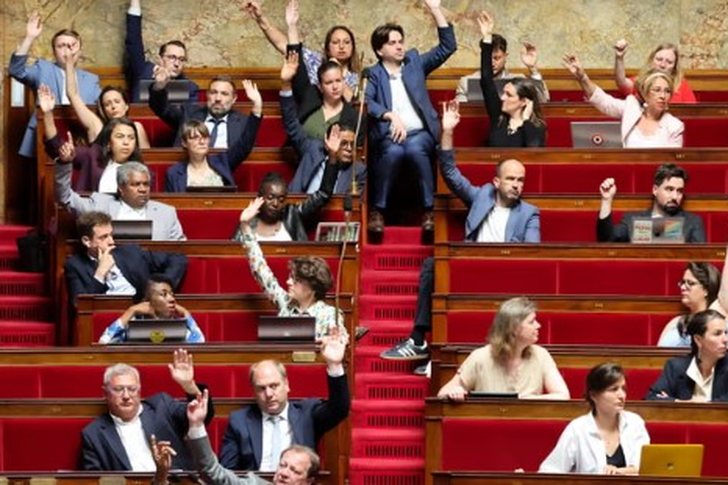
For nearly 180 years after France abolished slavery, the “...
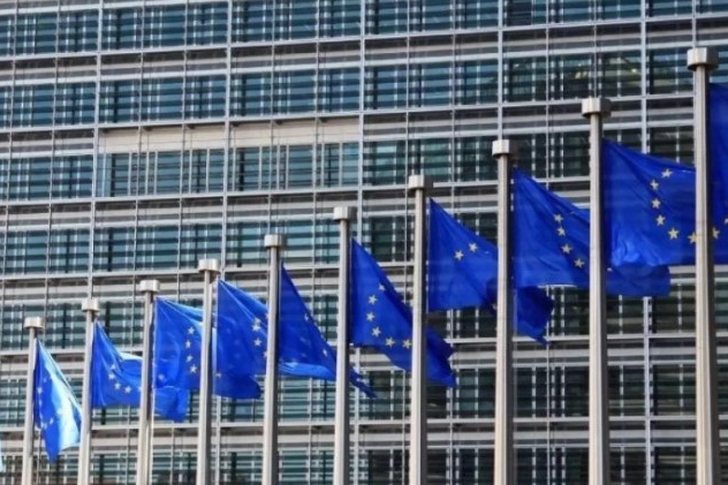
The European Union has imposed a €200 million ($232 millio...
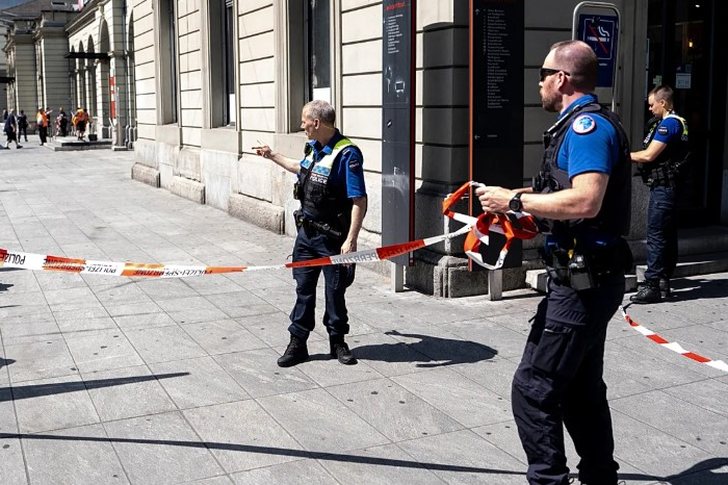
A knife attack occurred today at a train station in Switze...
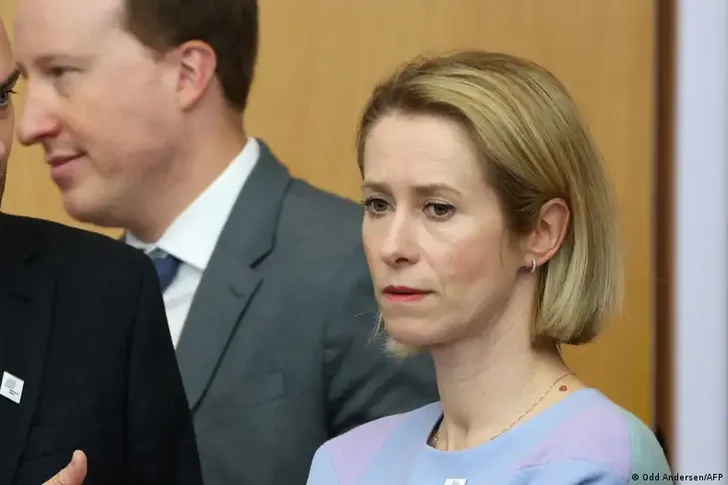
EU foreign ministers are meeting in Cyprus to discuss the ...
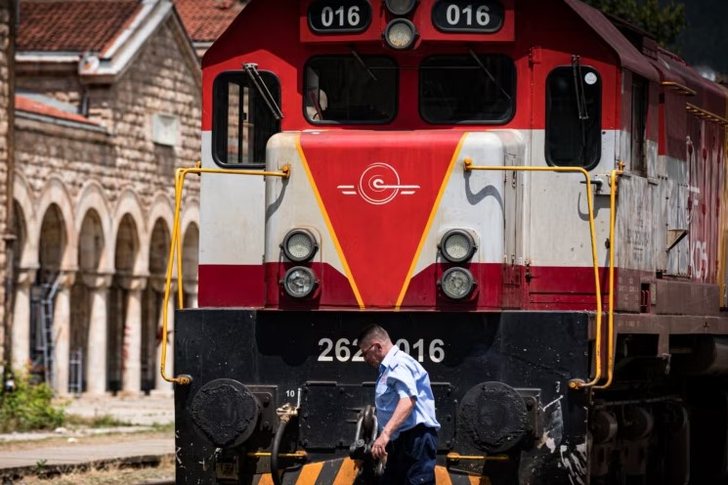
Kosovo authorities on Thursday morning took control of rai...
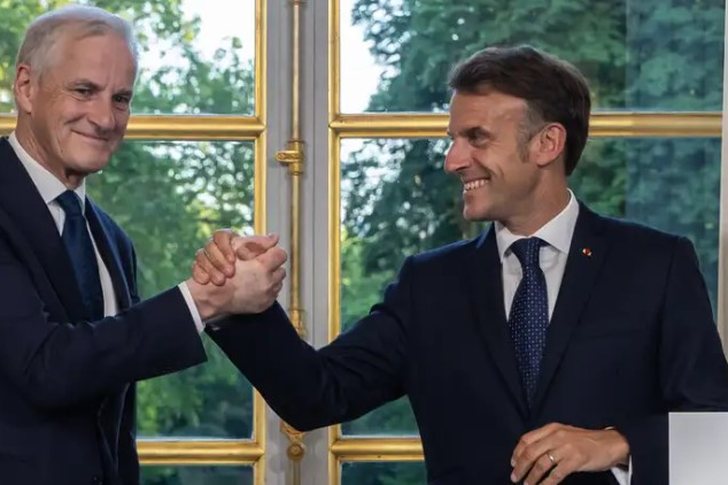
Norway is reviewing its security strategy. In the future, ...
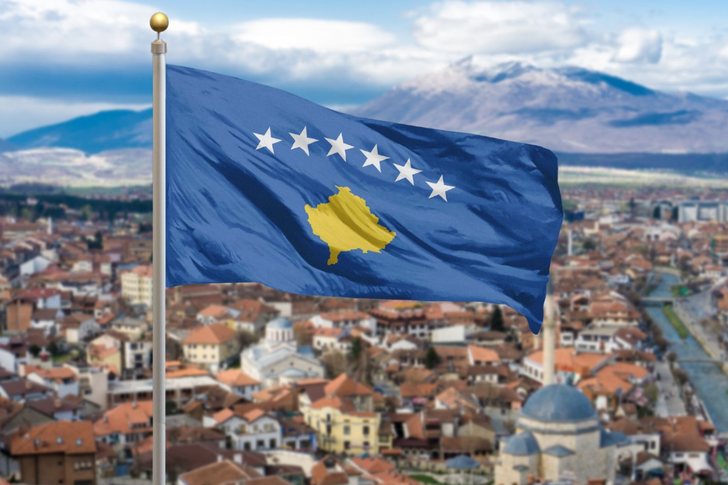
The electoral campaign for the June 7 elections in Kosovo ...
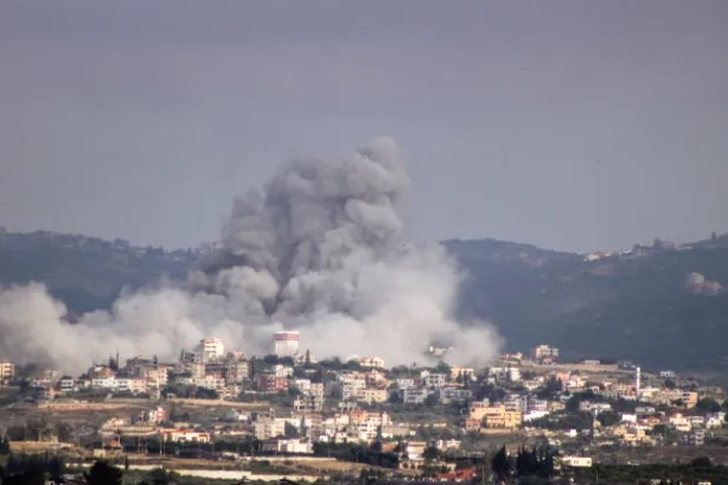
The Israeli military has announced that it has launched at...
"Enlargement is the priority for the European Union and if...

Oil prices have risen sharply after the US carried out new...
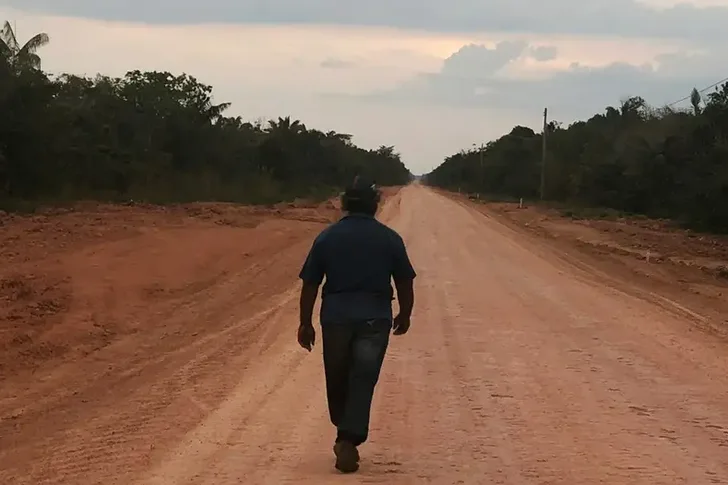
The Brazilian government announced on Wednesday that it wi...
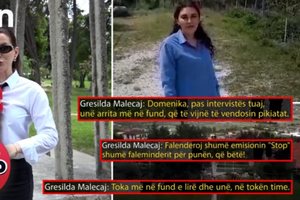
The case addressed this Wednesday, June 3, on the show "St...
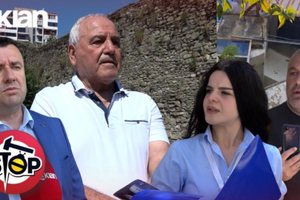
The show "Stop" broadcast this Wednesday, June 3, the case...

Irfan Hysenbelliu claims to be a big businessman, an hones...

The show "Stop" dealt with a denunciation case this Tuesda...

The Special Board of Appeal (KPA) decided this Monday ...

The KPA vetting decided this Thursday to dismiss the p...

Suela Salavaçi, a prosecutor in the Prosecutor's Offic...

The Special Board of Appeal reinstated the prosecutor ...

A road accident occurred this evening on the Tirana-Durres...
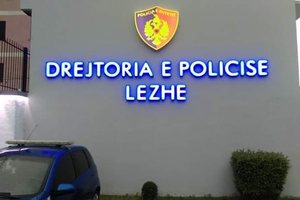
Policia e Lezhës ka dalë me reagim zyrtar lidhur me ngjarj...
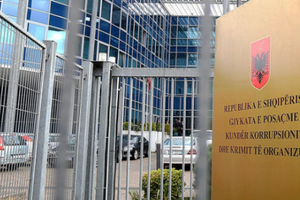
The Special Court against Corruption and Organized Crime h...
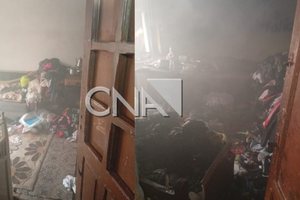
Një banesë është përfshirë nga flakët në lagjen nr. 4 në q...
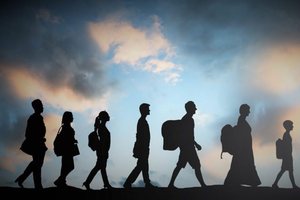
An alarming figure of more than 166.4 thousand Albanians a...

The weather today will be mostly clear and temperatures wi...
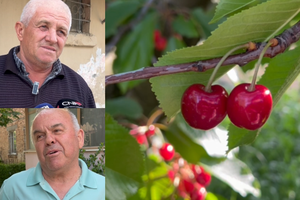
The cherry harvest season is expected to begin in the vill...

The education system in Albania is facing a challenging re...

United States President Donald Trump announced in a post o...
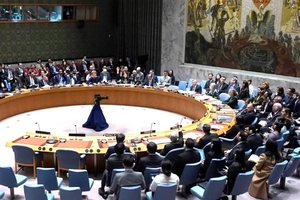
Asambleja e Përgjithshme e Kombet e Bashkuara ka përfundua...
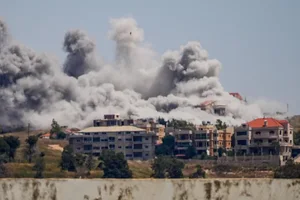
At least nine people have been killed in Israeli airstrike...
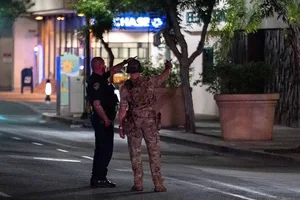
A serious incident has occurred in Bakersfield, California...

Korça is ready to open the summer season with one of the c...
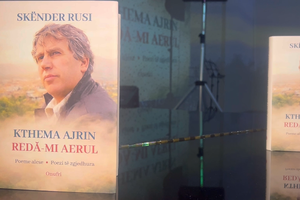
Two years after his passing, the renowned Korçë poet Skënd...
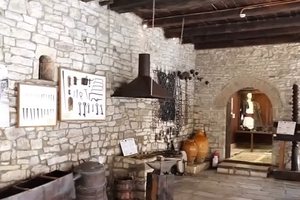
The Ethnographic Museum of Berat has opened its doors to v...
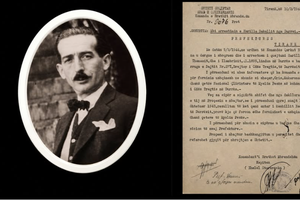
The story of Harilla Bakalli is one of the most chilling t...
The Minister of Finance, Petrit Malaj, announced today a n...
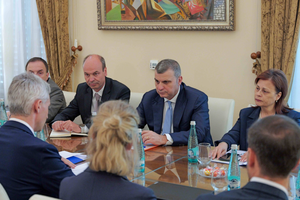
Guvernatori i Bankës së Shqipërisë, Gent Sejko, priti m...
Today, in the foreign exchange market, one US dollar is bo...

DP MP Igli Cara has submitted to the Parliament a draf...