


The peak of democracy occurs in Germany / Opponents protest only 10 meters away from each other
The peak of democracy is happening in Germany. Opponents o...


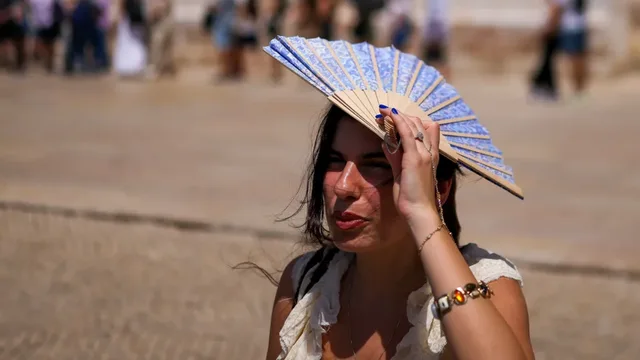
Portugal has recorded a new hottest day in May with 40.3 degrees Celsius recorded in the central city of Mora, as countries in Western Europe grapple with scorching hot weather.
The temperature recorded on Wednesday exceeds Portugal's previous record of 40 degrees Celsius set in May 2001.
Ministers in France are meeting to assess the country's heatwave preparedness, while tennis number one Jannik Sinner withdrew from the French Open after suffering from heatstroke. Meanwhile, Italian authorities have issued a red heatwave alert for the capital, Rome, where temperatures could reach 32 degrees Celsius on Thursday.
The heatwave is expected to continue until the weekend, with Germany, Spain and Switzerland also facing extremely hot conditions.
Parts of Portugal will peak above 35 degrees Celsius on Thursday and Friday before the heat begins to recede, according to the country's meteorological office.
French Prime Minister Sébastien Lecornu chaired a ministerial meeting on Thursday afternoon to develop a preparedness plan for extreme heat events, including fighting forest fires and ensuring sufficient water supplies during the summer.
First-cycle exams - the French equivalent of A-levels - will continue during the heatwave, despite some schools being forced to close their doors due to unsuitable temperatures inside.
A primary school in Souston, in the Landes region, will remain closed on Thursday and Friday after the temperature inside reached 53 degrees Celsius earlier in the week, a local official told French media.
Education Minister Édouard Geffray told BFMTV that exam centers will be able to choose rooms with more shade, adding that exams will take place "simply because students are prepared and... there is also a schedule according to which they expect their results."
The decision has drawn criticism from education and teacher unions, with one telling French radio that teachers "are forced to bring their fans".
A study conducted by the French secondary school union found that nearly 78% of them had recorded temperatures above 30 degrees Celsius this week and said it had received reports of teachers bringing screwdrivers to open windows.
Seventeen departments of France - in the northwest, as well as Paris - are under an orange alert, indicating that people should be "very vigilant" about the weather.
Temperatures are expected to reach 33 degrees Celsius in Paris on Thursday and reach 34 degrees Celsius on Saturday and Sunday.
Police have announced measures to ease traffic in the capital by Saturday, including allowing only low-emission cars on the road and lowering speed limits. At the same time, a single fare will be offered for the entire public transport network.
At the French Open in Paris, Sinner seemed to be striding towards a victory before suddenly taking a turn for the worse.
The Italian complained of dizziness and lethargy before hitting a wall.
"It was a tough place to be," he commented afterwards, but added: "There was really nothing against the heat, nothing against the weather. It was just me today, but it happens."
Meanwhile, Italy's red alert in Rome - as well as in Florence, Bologna, Brescia and Turin - is the first of the year, warning of "possible negative effects on the health of healthy and active people".
Temperatures are set to soar to 35 degrees Celsius in Madrid over the weekend. Although the current period does not officially qualify as a heatwave in Spain, the country's meteorological office has said the heat is what is usually seen in July and August.
The immediate cause of a heat wave is a "heat dome" - an area of ??high pressure that "gets stuck", trapping the warm air below it.
While it is difficult to link individual extreme weather events to climate change, scientists say climate change is making heat waves more frequent and intense.
Over the past 30 years, Europe has warmed by 0.56 degrees Celsius per decade, according to the Copernicus climate service - enough to make heat extremes significantly more severe.
The UN warned on Thursday that average global temperatures are likely to continue at or near record levels this year and for the next four years.
The 11 hottest years ever recorded have all occurred from 2015 onwards, and the UN weather and climate agency said this trend was forecast to continue, with a new hottest year ever "likely" before 2031.

The peak of democracy is happening in Germany. Opponents o...

A ceasefire "hanging by a thread." A diplomatic process "m...
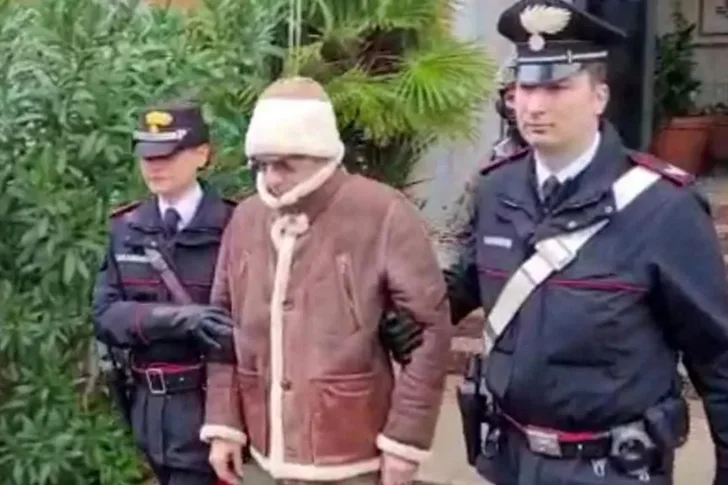
Anti-mafia investigators in Italy have seized cash, compan...
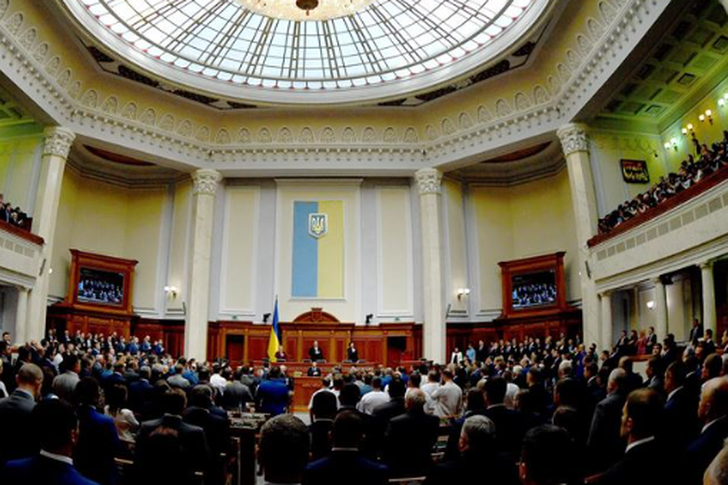
The Ukrainian parliament ratified on Thursday the agreemen...

For nearly 180 years after France abolished slavery, the “...
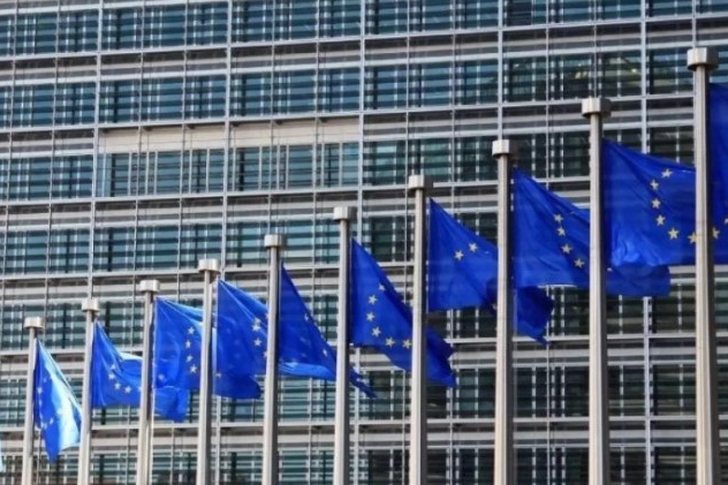
The European Union has imposed a €200 million ($232 millio...
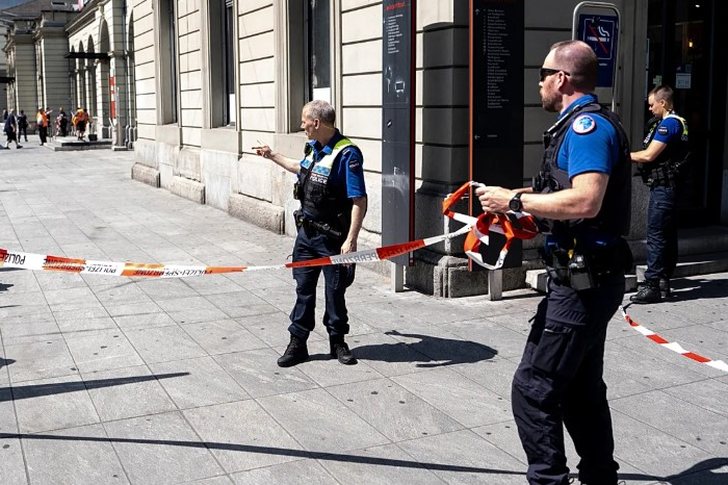
A knife attack occurred today at a train station in Switze...
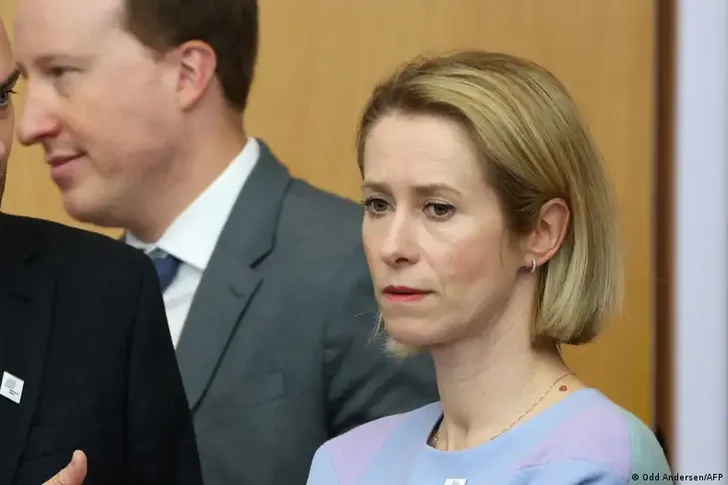
EU foreign ministers are meeting in Cyprus to discuss the ...
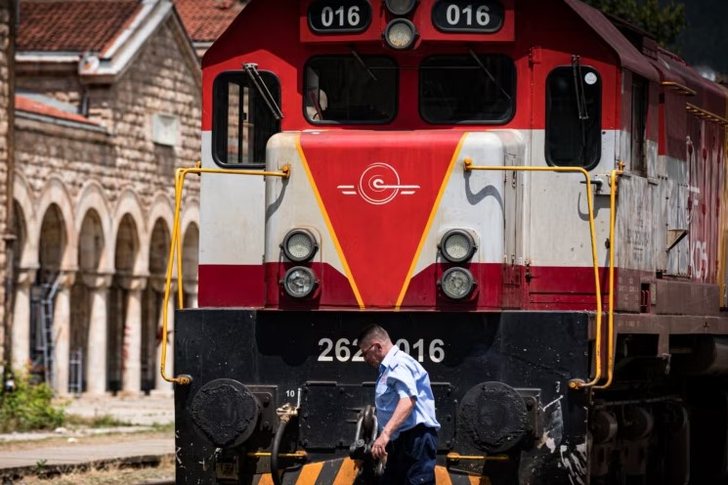
Kosovo authorities on Thursday morning took control of rai...

Norway is reviewing its security strategy. In the future, ...
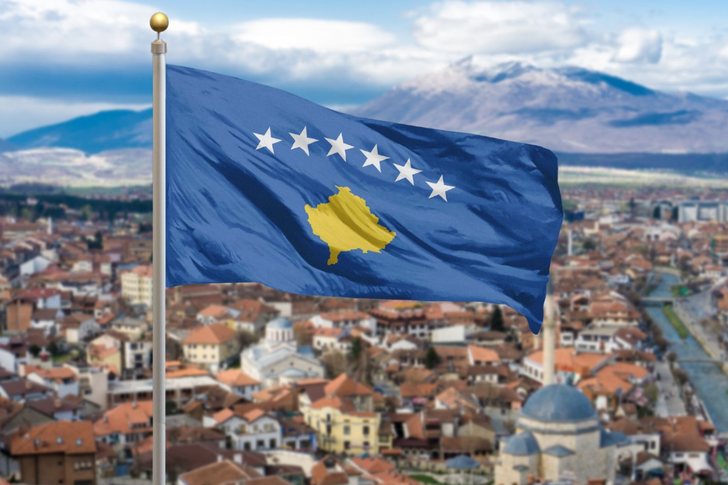
The electoral campaign for the June 7 elections in Kosovo ...
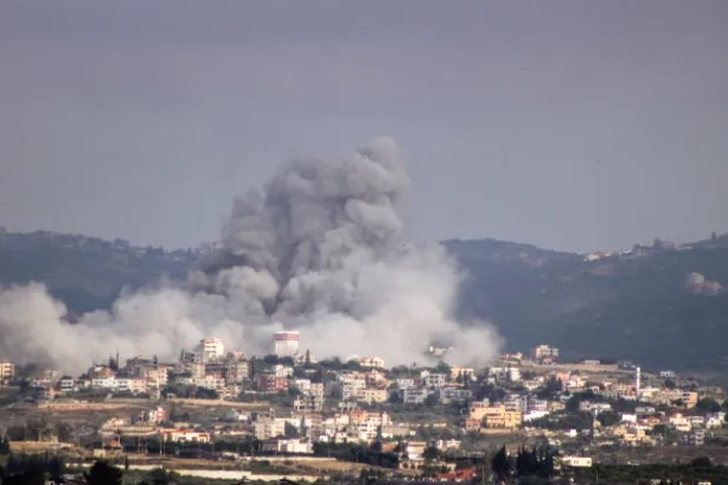
The Israeli military has announced that it has launched at...

"Enlargement is the priority for the European Union and if...
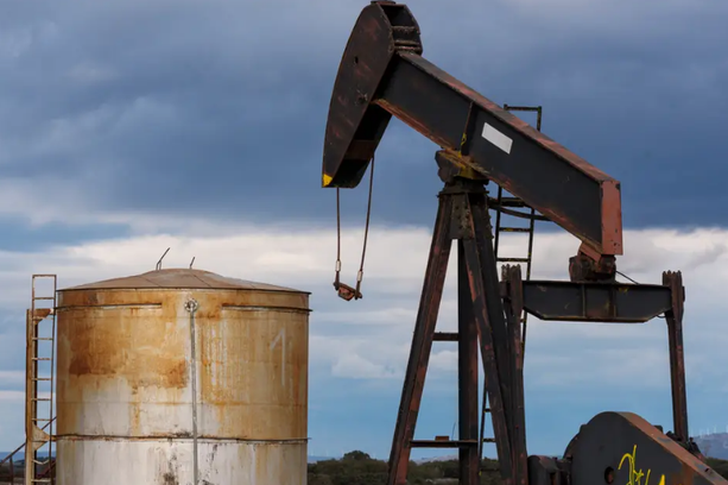
Oil prices have risen sharply after the US carried out new...
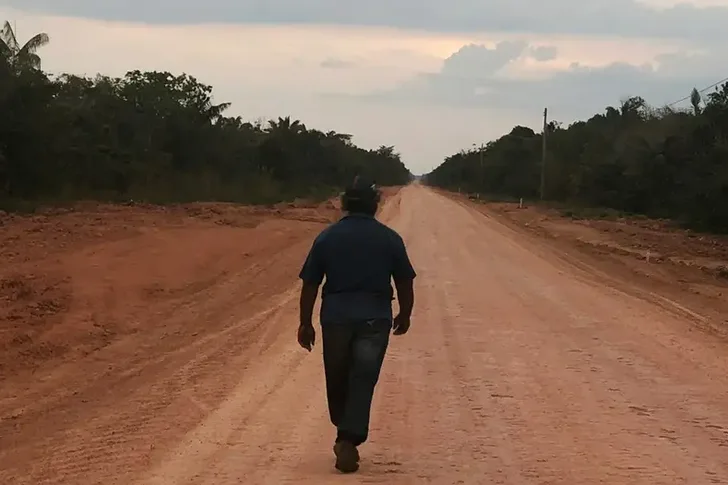
The Brazilian government announced on Wednesday that it wi...

For 88 days, millions of Iranians lived in digital darknes...

A former senior US government official has been arrested b...
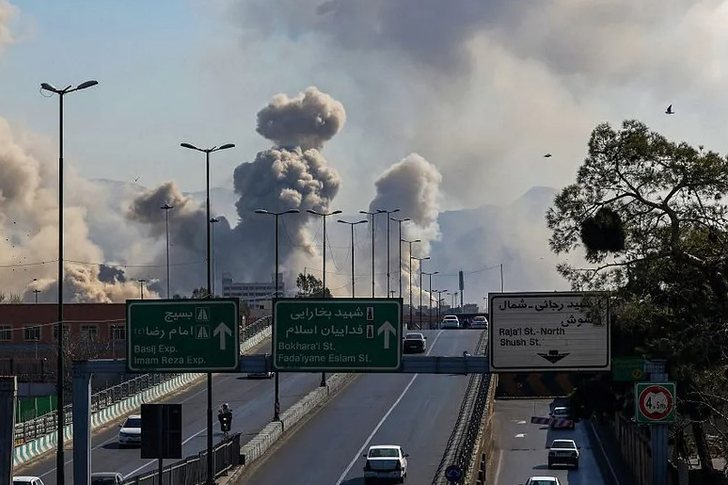
Ushtria amerikane ka rrëzuar katër dronë iranianë dhe godi...
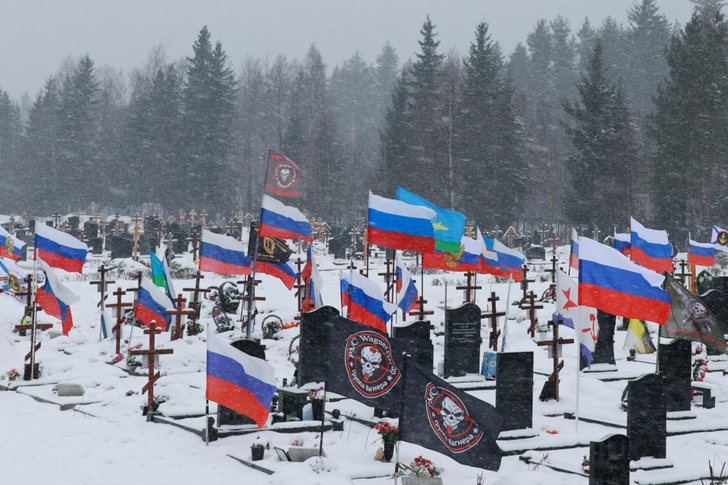
Around 500,000 Russian soldiers are believed to have been ...
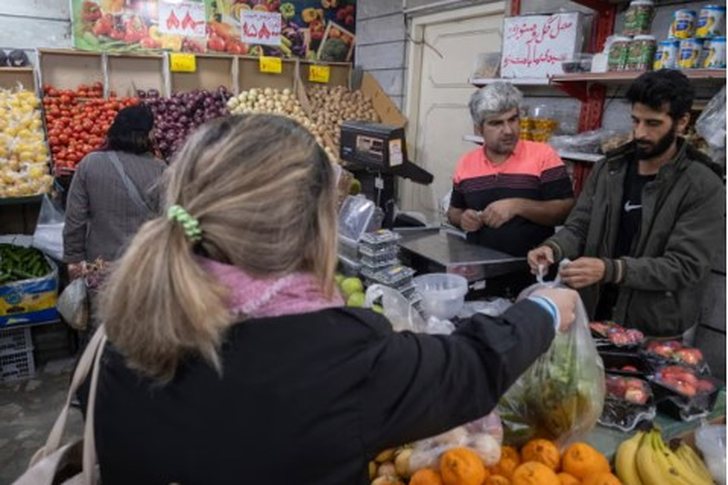
The partial lifting of internet restrictions in Iran has r...

The protests of recent days related to the situation in Zv...

The case addressed this Wednesday, June 3, on the show "St...

The show "Stop" broadcast this Wednesday, June 3, the case...

Irfan Hysenbelliu claims to be a big businessman, an hones...

The Special Board of Appeal (KPA) decided this Monday ...

The KPA vetting decided this Thursday to dismiss the p...

Suela Salavaçi, a prosecutor in the Prosecutor's Offic...

The Special Board of Appeal reinstated the prosecutor ...
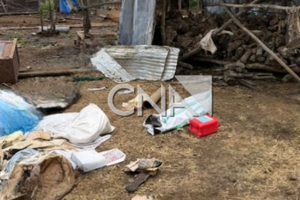
Several images provided by CNA show the area where this mo...

A quantity of explosive material exploded this morning at ...
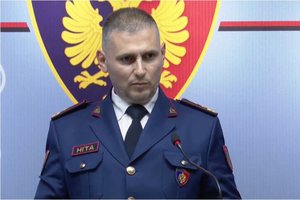
The Head of the State Police, Skënder Hita, expressed his ...

New details have emerged regarding the serious incident th...

For many children and teenagers, the long summer holidays ...
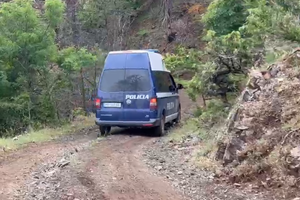
Witnesses in Lozhan, Maliqi, have shared details from the ...

Albania is facing an unprecedented demographic transition,...

On Thursday, our country will be affected by unstable weat...

Serbian President Aleksandar Vučić has confirmed that he w...

Israel and Lebanon have agreed to renew their fragile ceas...

United States President Donald Trump announced in a post o...

Asambleja e Përgjithshme e Kombet e Bashkuara ka përfundua...

Korça is ready to open the summer season with one of the c...

Two years after his passing, the renowned Korçë poet Skënd...

The Ethnographic Museum of Berat has opened its doors to v...
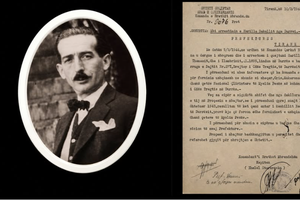
The story of Harilla Bakalli is one of the most chilling t...

Profit margins in the construction sector have increased s...
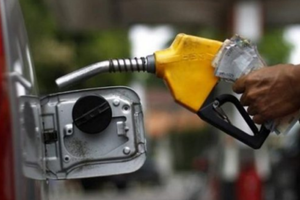
The Transparency Board, at its meeting today, decided to i...

Today, in the foreign exchange market, one US dollar is bo...

The Minister of Finance, Petrit Malaj, announced today a n...