

Harsh criticism in the Parliament of Montenegro against pro-Serbian parties
The disregard and weakening of democratic institutions by ...

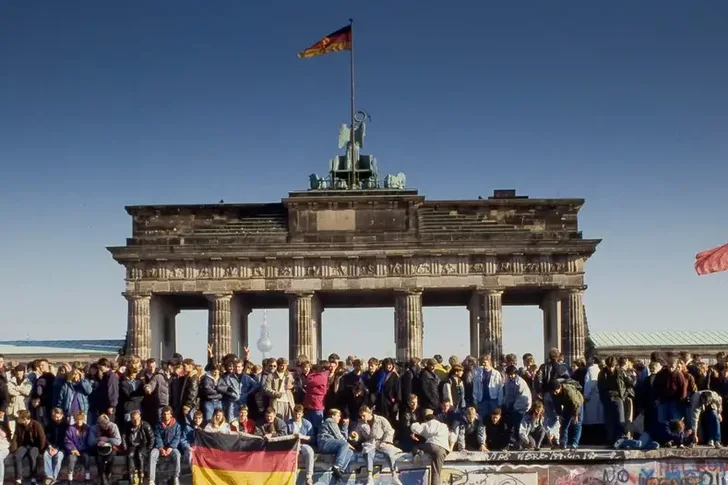
Si erdhi deri te shembja e Murit të Berlinit më 9 nëntor 1989? Një konferencë shtypi, një deklaratë e papritur dhe një natë që ndryshoi botën.

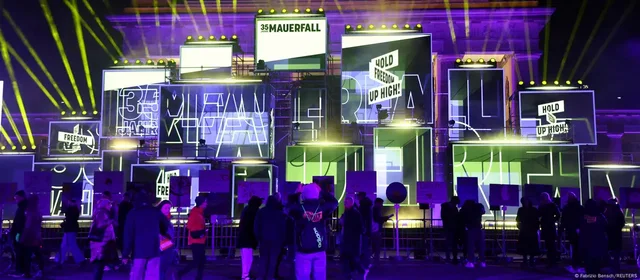
The Berlin Wall was the symbol of the division between East and West, between communism and capitalism: The wall erected in Berlin in 1961 by the dictatorial regime of the German Democratic Republic (GDR). The western part was an area of ??155 km surrounded by concrete and barbed wire, but still people in this area could move freely. West Berlin was, therefore, an island of freedom in the middle of the territory of the communist GDR.
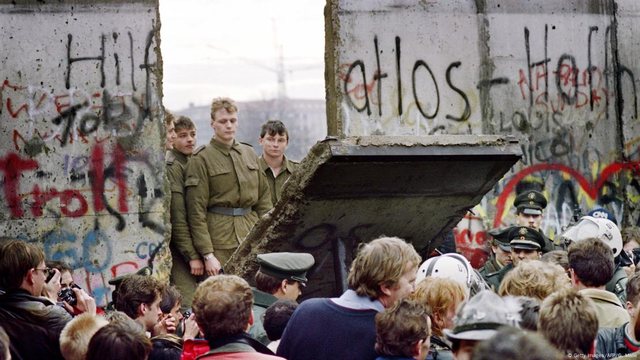
On the contrary, for the majority of East Germans who were so close to the West for decades, West Berlin was like a dreamland. This changed in a flash on November 9, 1989, when a new law on foreign travel was announced at a live televised press conference in East Berlin. On the basis of this law, trips to the West would also be allowed - the law entered into force immediately!
Footage of people cheering at open border crossings in Berlin was broadcast around the world. They marked in an exciting way the actual end of the German division. A year later, on October 3, 1990, the politically divided country after the end of the Second World War celebrated reunification. This historic world event was made possible only after the four winning powers of the war agreed: the western democratic allies USA, Great Britain and France on the one hand, and the Union of Soviet Socialist Republics (USSR) on the other.
Decisive for these changes were the releases made by the then head of the Soviet Union, Mikhail Gorbachev, who took power in Moscow in 1985. The director of the Berlin Wall memorial, Axel Klausmeier, shares this opinion. He emphasizes that the policy of opening (Glasnost) of Gorbachev and that of reconstruction (Perestroika) marked the break from the so-called "Brezhnev Doctrine", which determined that the European countries united in the "Warsaw Treaty" should not deviate from the course, which the Kremlin determined.
Klausmeier summarizes the end of this dogma: "Whatever happens in the brotherly socialist states, these states are responsible for themselves." Unlike the previous decades, the Soviets did not intervene, when the reform movements increased in Poland, Hungary and the GDR. Before Gorbachev, the freedom movements in the countries of the Eastern Bloc had been brutally defeated by the USSR: In 1953 in the GDR, in 1956 in Hungary and in 1968 in Czechoslovakia.
Human rights defenders throughout Eastern Europe felt encouraged to impose Glasnost and Perestroika in their countries as well. In Poland, in the summer of 1988, there were contacts between the communist leadership and the Solidarnost unions, which were officially banned. An important stage on this path was also the parliamentary elections in Poland in June 1989, where for the first time opposition candidates were also allowed. However, the rulers who ruled for decades in advance made sure to win two-thirds of the votes.
Signs for a turn were also added in other places. In Hungary, the government in May began to remove the surveillance complexes on the border with Austria. In this way, the road to freedom was opened in this part of the Iron Curtain. Hundreds of GDR citizens left their country through this road.
At the same time, in the summer of 1989, several thousand East Germans took refuge in Western embassies in Eastern European countries. Dissatisfaction grew day by day, along with the pressure on the GDR regime in East Berlin. From September in the city of fairs. Leipzig, every Monday tens of thousands of citizens protested in the streets. The climax was marked by the march on October 9, when 70,000 people took to the streets peacefully protesting to demand change in the GDR.
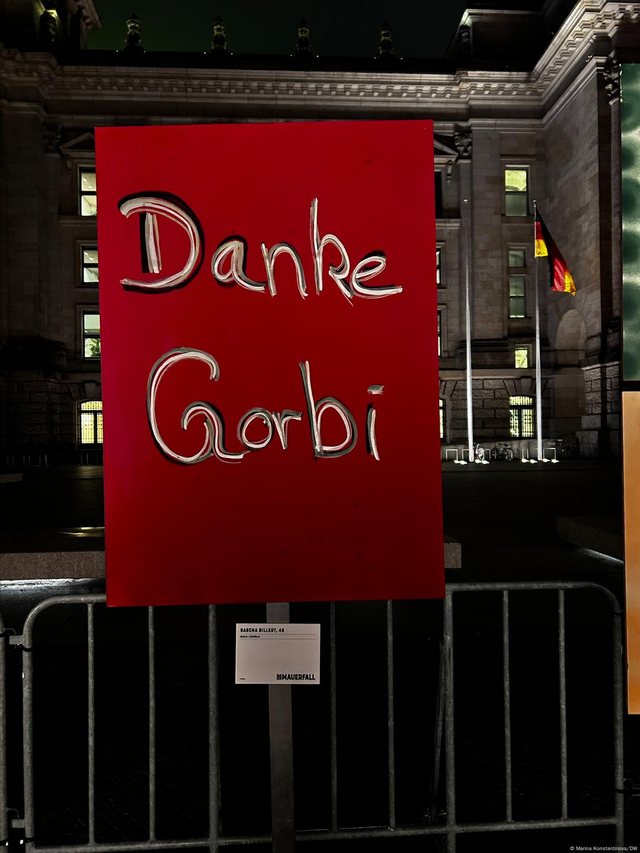
The slogans of the demonstrators were "We are the people!" and "No violence!". Since it was not known how the GDR regime might react, the fear was extremely great, as many witnesses of the time have stated to the director of the Wall Memorial. Berlin, Klausmeier. While there was no intervention against this demonstration, the opposition did too the feeling: "We have won."
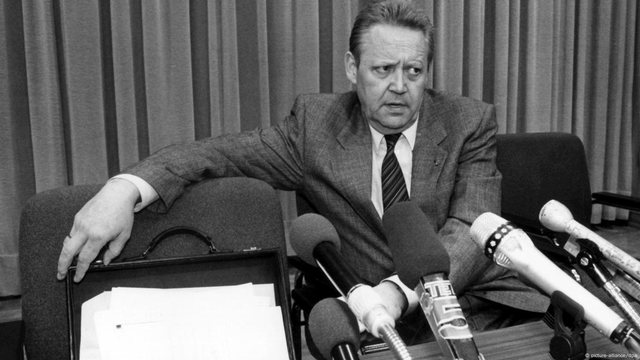
On November 9, the tipping point was finally reached: Günter Schabowski, the head of the Socialist United Party (SED) in East Berlin announced the new law on foreign travel. With this statement, he inadvertently caused the fall of the Berlin Wall and paved the way for reunification./ DW

The disregard and weakening of democratic institutions by ...
The leaders in Kosovo, the president, the prime minister a...
Qatar has decided to suspend its role as mediator between ...
The Defense Department will appeal the validity of a milit...
The history of the Berlin Wall begins in August 1961, in t...
Russia is ready to listen to President-elect Donald Trump'...
In Turkey, Radio Acik listeners are protesting after regul...
Donald Trump won the election against Kamala Harris, b...
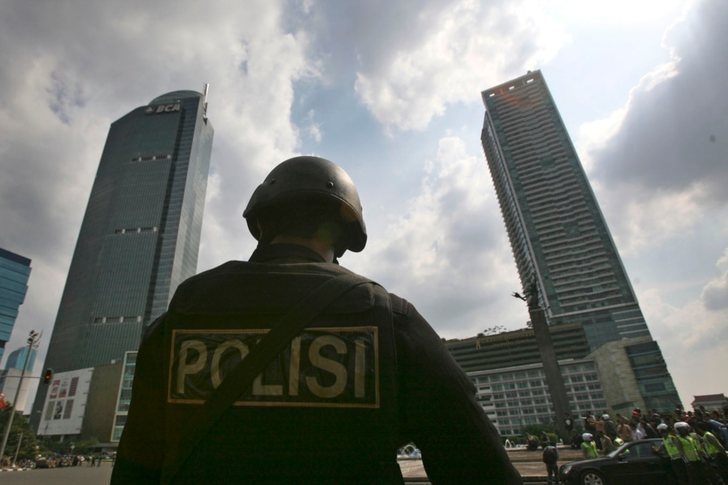
In a year when more than 60 general elections are held aro...
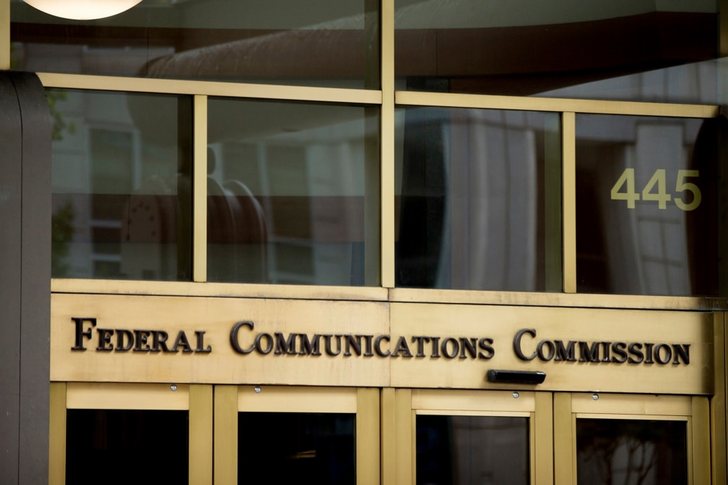
Federal and state authorities are investigating racist mes...
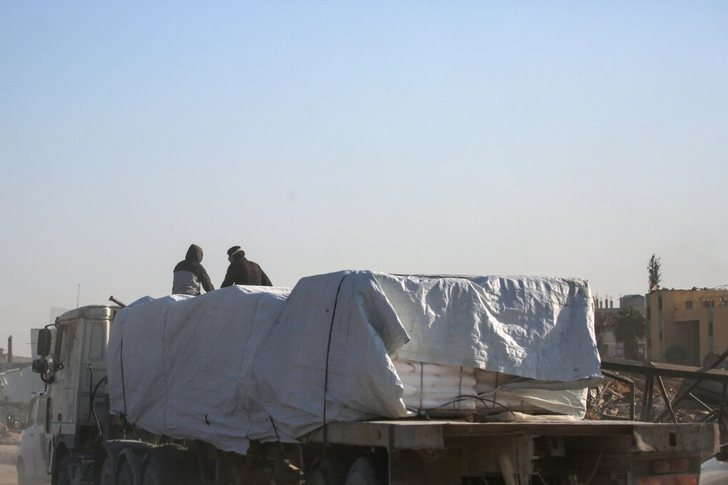
Palestinian health officials announced that at least 13 pe...
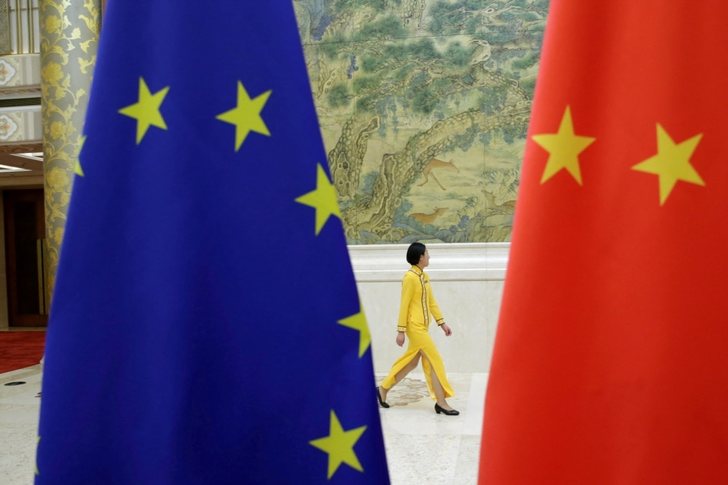
The European Union (EU) does not want a trade war with Bei...

The Australian Labor government only wants to allow childr...
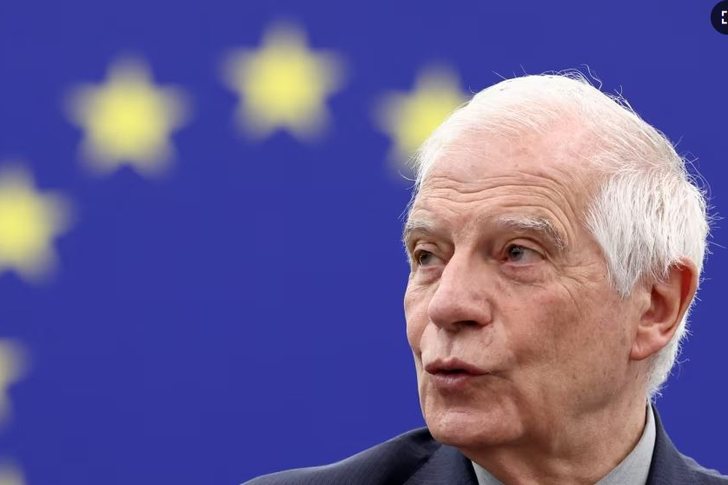
European Union (EU) foreign policy chief Josep Borrell arr...
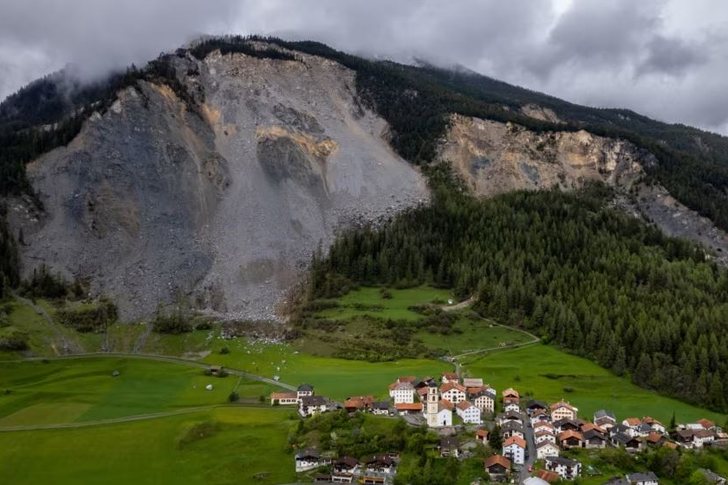
A small Swiss village – which received worldwide attention...
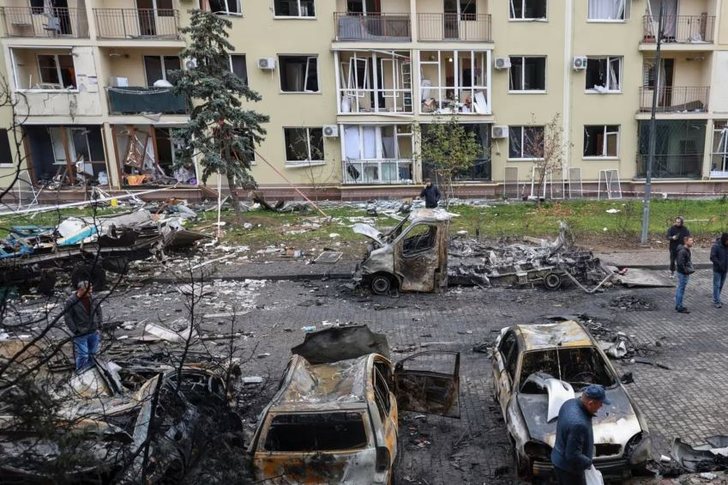
Russian drones attacked the Ukrainian port city of Odesa o...
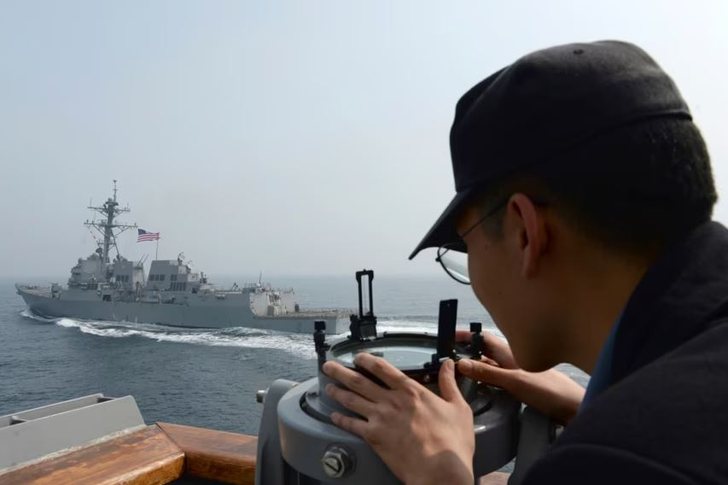
North Korea has launched a campaign to jam Global Position...
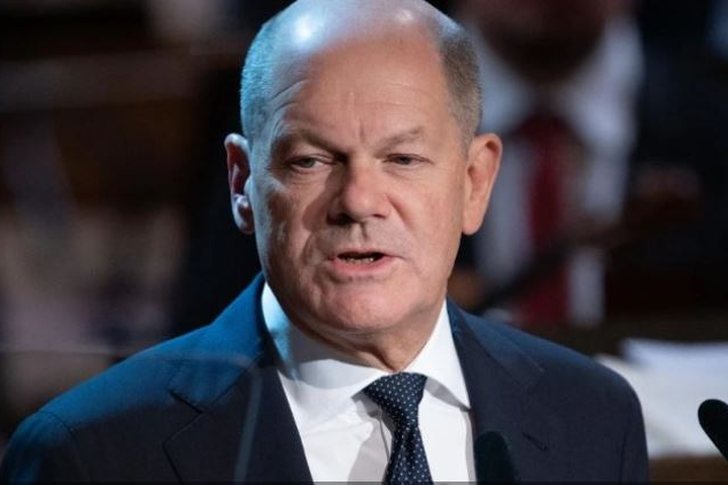
The government coalition in Germany with the SPD-Greens-FD...
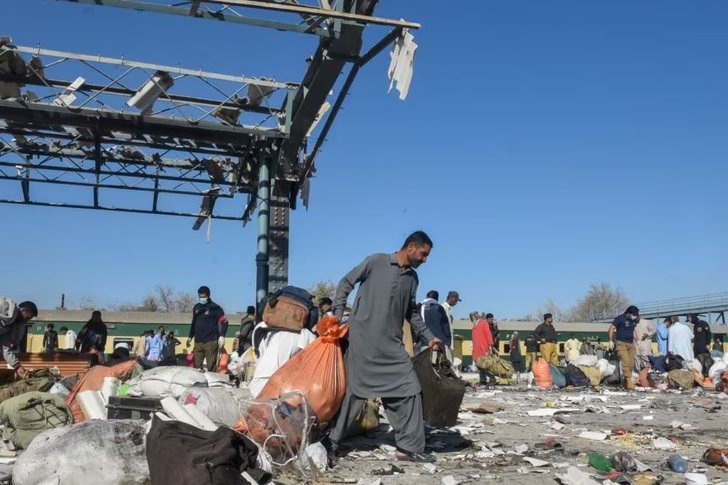
At least 24 people have been killed and 40 others injured ...
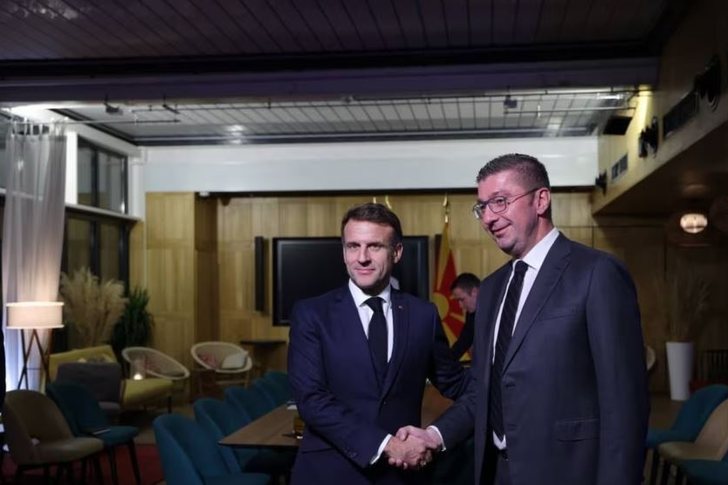
The Prime Minister of North Macedonia, Hristijan Mickoski,...
A mountain of documents for a flagrant case, in the na...
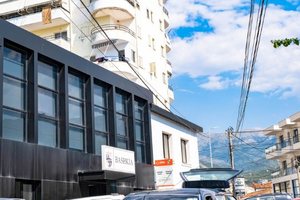
The Democratic Party has denounced a tender held by the Hi...
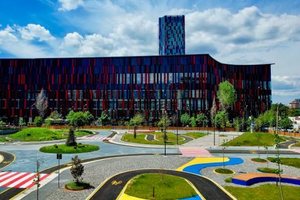
Since the summer of 2020, the Mayor of Tirana, Erion Velia...
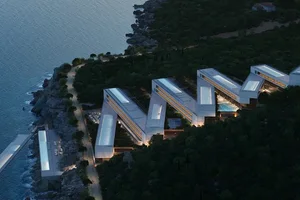
The leader of the Democratic Party, Sali Berisha, denounce...

The Special Board of Appeal (KPA) decided this Monday ...

The KPA vetting decided this Thursday to dismiss the p...

Suela Salavaçi, a prosecutor in the Prosecutor's Offic...

The Special Board of Appeal reinstated the prosecutor ...
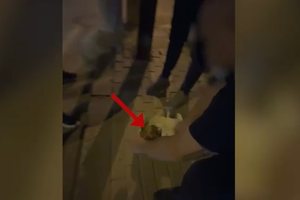
Following intensive controls and work based on police inte...
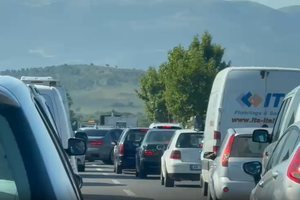
A road accident was recorded on Saturday morning on the Le...
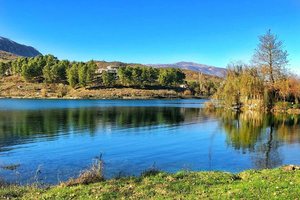
A serious incident is reported to have occurred today in G...
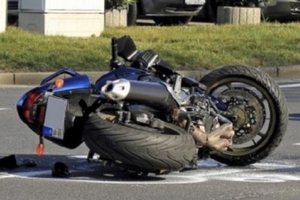
A fatal accident has been recorded on the Fier-Lushnjë hig...
Today our country will be affected by stable weather condi...
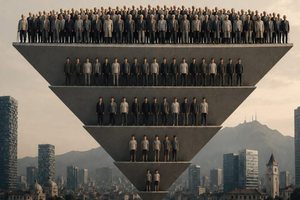
Albania is leading a painful demographic process that plac...
On Friday, our country will be affected by stable weather ...
On Thursday, our country will be affected by stable weathe...
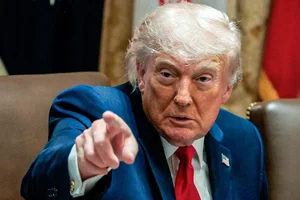
US President Donald Trump announced in a post on the Truth...
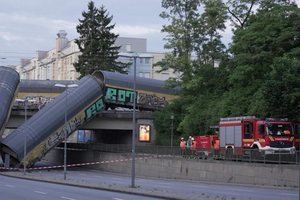
A serious rail accident occurred today in Munich, Germany....
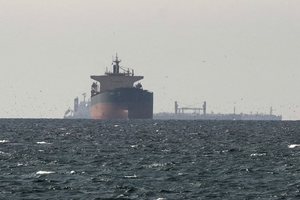
The Iranian Central Military Command, Khatam al-Anbiya, an...
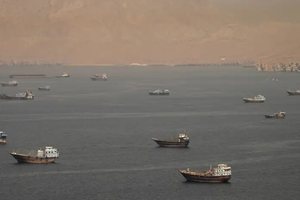
Four months of war have fundamentally changed relations be...
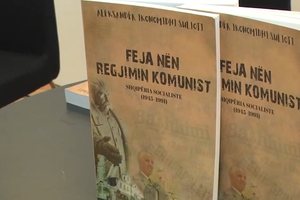
The promotion of the book by author Aleksandër Ikonomidhi ...
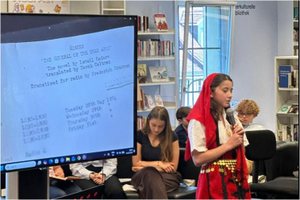
The Albanian Embassy in Switzerland has organized an eveni...
This Wednesday, the prominent actor of Albanian cinema, Gj...
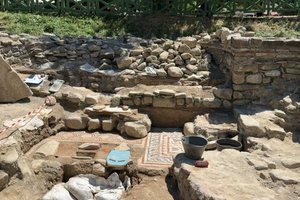
Several archaeological excavations conducted during this s...
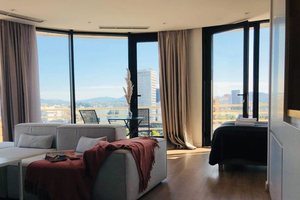
In the Balkans, few tourism markets are expanding at the p...

Demographic experts Ilir Gëdeshi and Russell King conclude...

This Saturday, one US dollar is bought for 81.8 lek and so...
Urban development, transport, energy, forestry and agricul...