

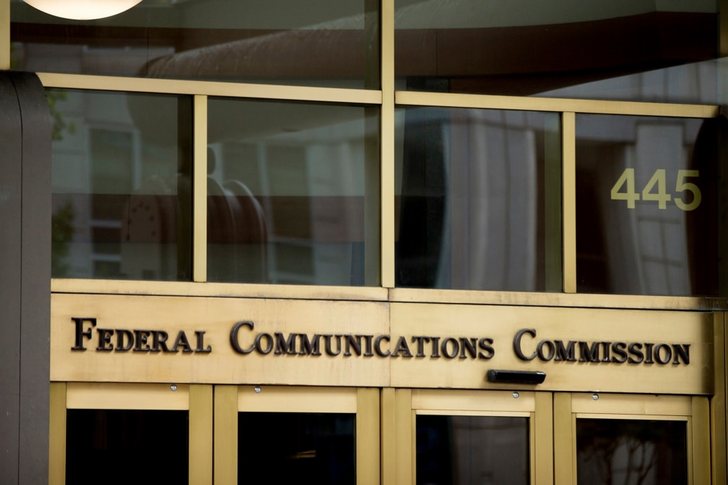
Law enforcement agencies investigate racist messages sent to African Americans
Federal and state authorities are investigating racist mes...


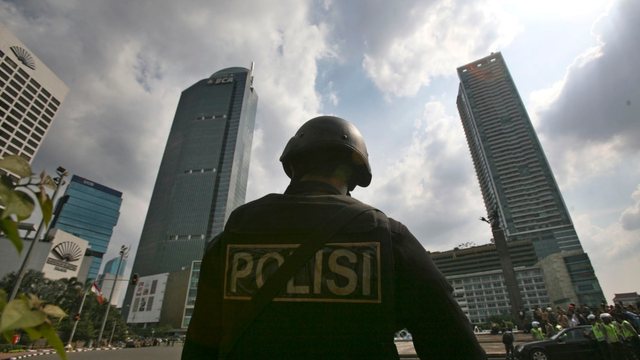
In a year when more than 60 general elections are held around the world, concerns have been raised that individuals or entities using fake images and records could contribute to further fueling the tide of disinformation. VOA correspondent Rio Tuasikal reports on some potentially dangerous videos recently produced through the use of artificial intelligence.
Now dead members of the terrorist network Jemaah Islamiyah, an offshoot of al-Qaeda, appear to speak, thanks to artificial intelligence.
"Hundreds of people die from the bombs I made," says the video published on the TikTok network by Azahari Husin, a Malaysian bomb maker. He masterminded several attacks in Indonesia, including the 2002 bombings on the resort island of Bali that killed more than 200 people.
Since it was released in 2023, the video featuring fake footage of him bragging about his activity has received over 120,000 likes.
Another fake material shows Noordin Mohammad Topi, who carried out the suicide attack on two hotels in Jakarta in 2009. This video has received 90,000 likes.
Nuurrianti Jalli, disinformation researcher, says these videos are used as recruiting tools.
"So they use these extremists that many of us know are already dead, but many probably aren't. This can create a kind of psychological impact on the audience. They want to know more about the event and explore what exactly happened, or they want to feel sympathy for the extremists," says Mrs. Jalli.
Using social media to spread extremist propaganda is nothing new. During its expansion into Iraq and Syria, the Islamic State group used YouTube and messaging apps to recruit and spread its message.
To combat the spread of disinformation and radicalizing propaganda, Indonesia's Ministry of Information passed the Electronic Transactions Law in 2008, which criminalized disinformation.
The Indonesian government says it has taken down more than 5,731 posts it said contained elements of "terrorism and radicalism" between June 2023 and March 2024.
But laws like Indonesia's could have ramifications for freedom of expression, says Zachery Lampell, legal counsel at the nonprofit International Law Center.
"Several special rapporteurs from the UN and other regional bodies have stated very clearly that an anti-fake news law that prohibits the spread of false information does not comply with international human rights obligations. It violates freedom of expression," he says.
Mr. Lampell says authorities should restrict technology, not speech. He says that a California law on the use of automated applications (bots) that can act with human features - is a good model.
“This prevents people and organizations from using these applications for malicious purposes. So if you're trying to curb the spread of misinformation, you don't want automated apps to be able to spread that message widely," says Mr. Lampell.
But even with new and restrictive laws, experts like Mr. Lampell say, it will be increasingly difficult to stop the flow of bad information coming from bad actors.
"We will be constantly inundated with more and more misinformation, misinformation and bad information," he says.
And governments will have to find innovative ways to cope with this./ VOA

Federal and state authorities are investigating racist mes...
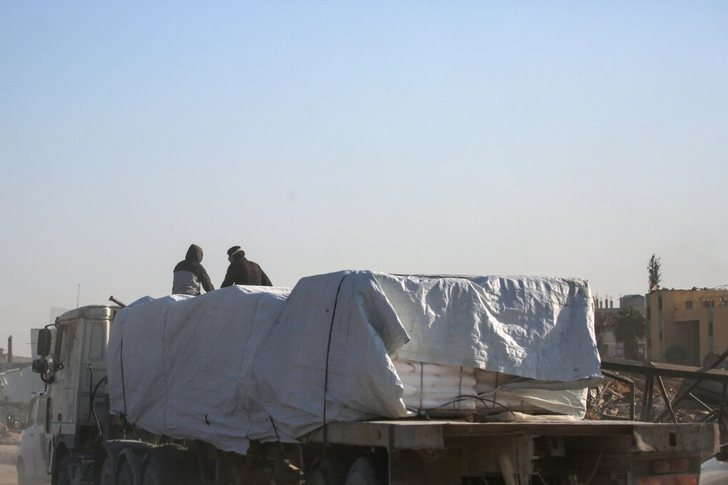
Palestinian health officials announced that at least 13 pe...
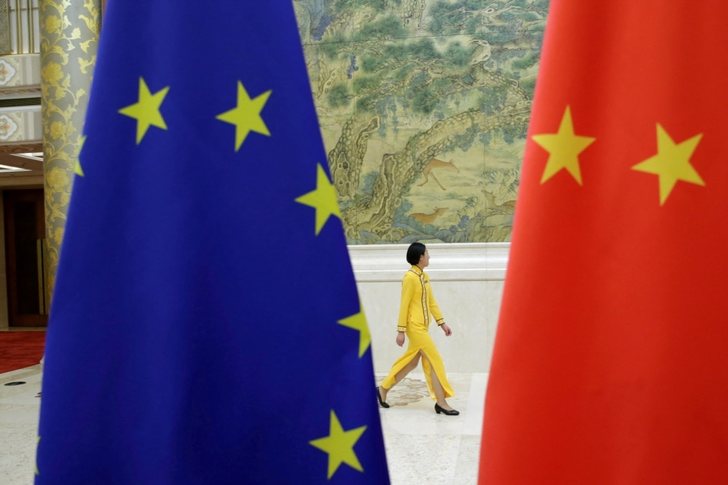
The European Union (EU) does not want a trade war with Bei...

The Australian Labor government only wants to allow childr...
European Union (EU) foreign policy chief Josep Borrell arr...
A small Swiss village – which received worldwide attention...
Russian drones attacked the Ukrainian port city of Odesa o...

North Korea has launched a campaign to jam Global Position...
The government coalition in Germany with the SPD-Greens-FD...
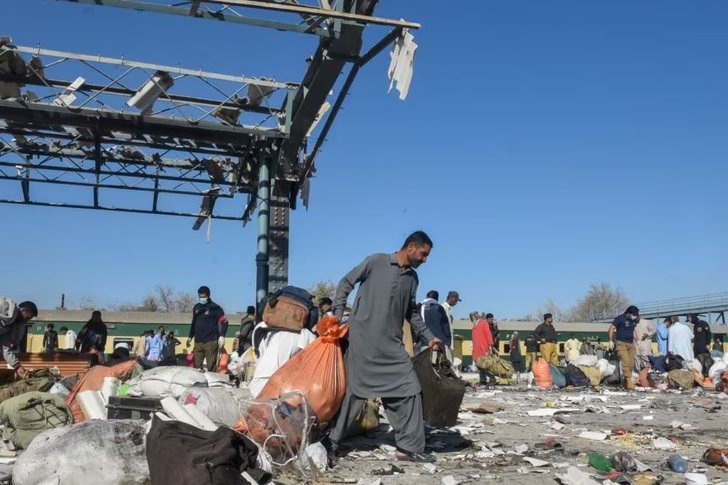
At least 24 people have been killed and 40 others injured ...
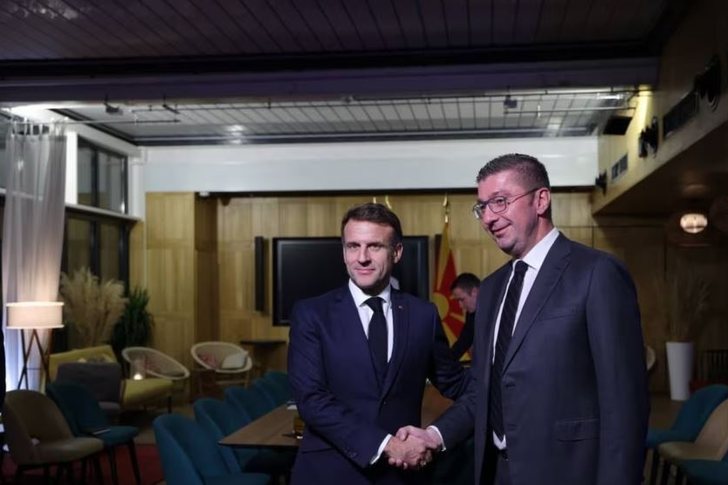
The Prime Minister of North Macedonia, Hristijan Mickoski,...
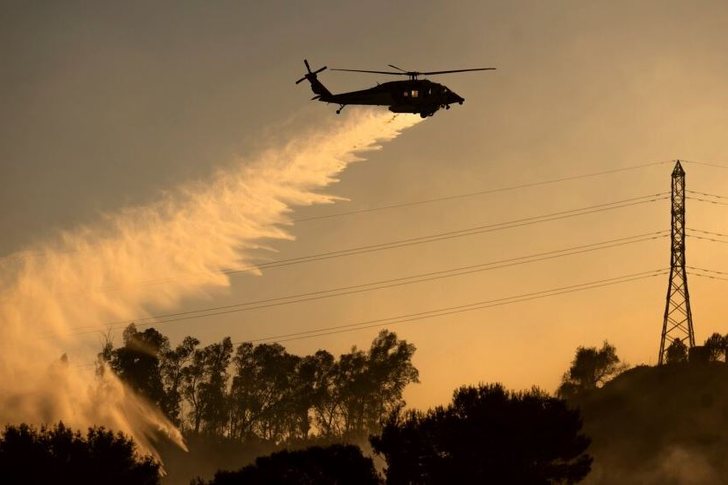
More than 130 are now confirmed to have been destroyed by ...
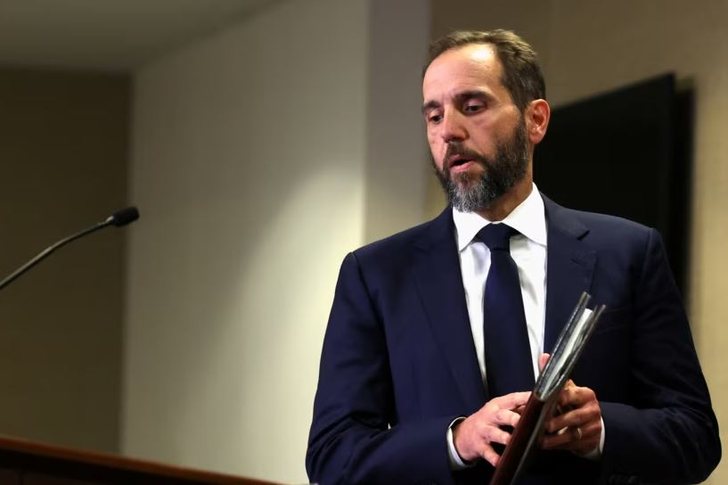
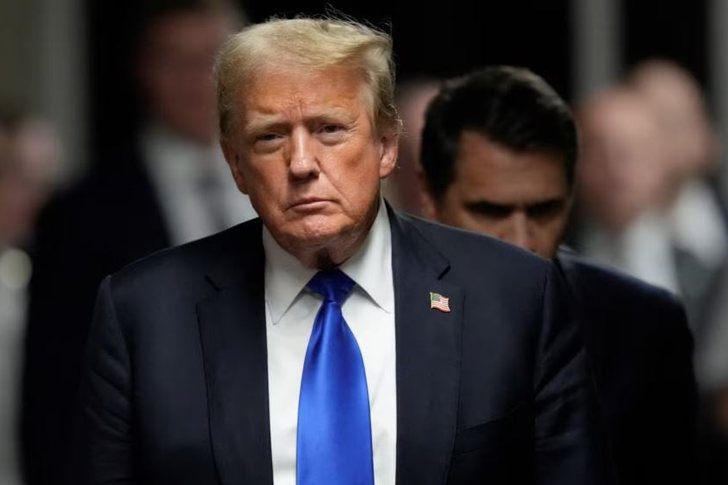
A judge overseeing the case against Donald Trump for meddl...
Authorities in the United States have indicted an Iran...
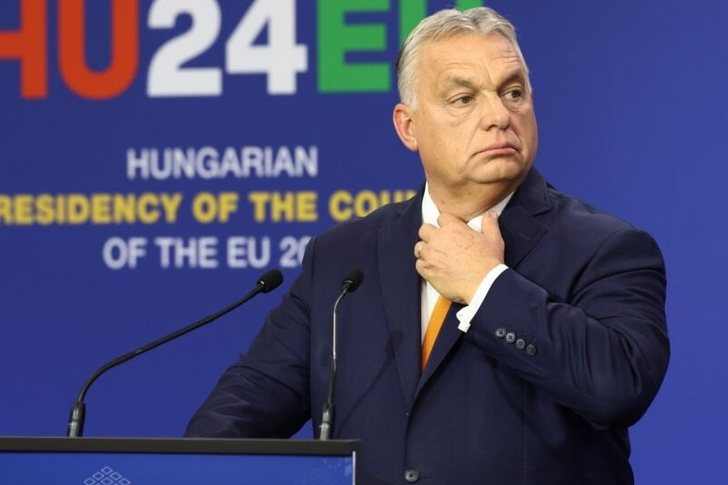
The Hungarian Prime Minister, Viktor Orban, said that ...
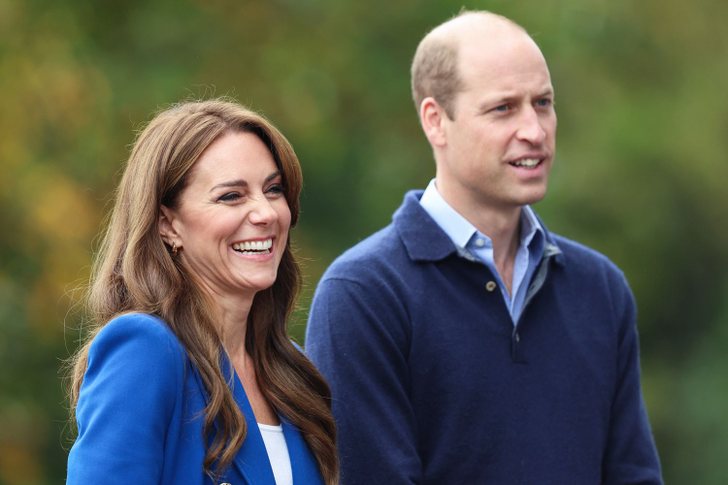
The year 2023 has been described by Prince William as the ...
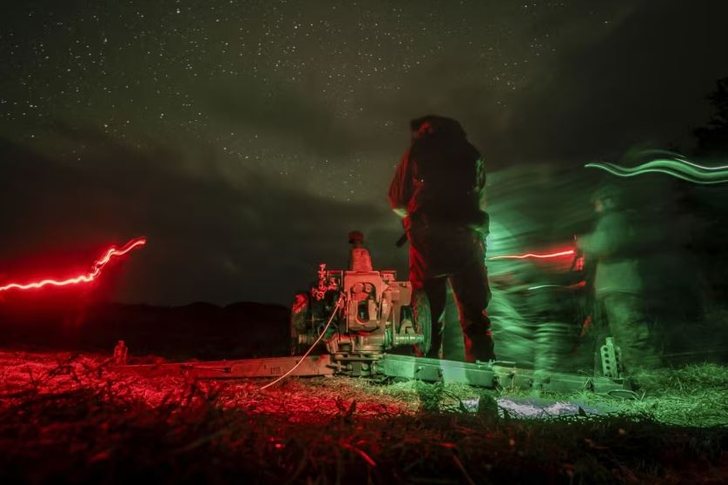
Ukraine said it has received the bodies of 563 soldiers fr...
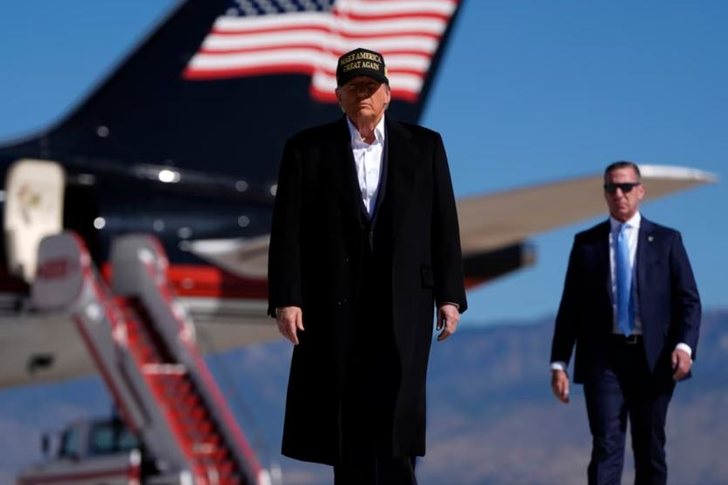
President-elect Donald Trump's plan includes key campaign ...

Authorities in Spain said 78 people were still missing, te...

Allies of the United States in Europe are debating what Re...

A mountain of documents for a flagrant case, in the na...

The Democratic Party has denounced a tender held by the Hi...

Since the summer of 2020, the Mayor of Tirana, Erion Velia...

The leader of the Democratic Party, Sali Berisha, denounce...

The Special Board of Appeal (KPA) decided this Monday ...

The KPA vetting decided this Thursday to dismiss the p...

Suela Salavaçi, a prosecutor in the Prosecutor's Offic...

The Special Board of Appeal reinstated the prosecutor ...

Following intensive controls and work based on police inte...

A road accident was recorded on Saturday morning on the Le...

A serious incident is reported to have occurred today in G...

A fatal accident has been recorded on the Fier-Lushnjë hig...

Today our country will be affected by stable weather condi...

Albania is leading a painful demographic process that plac...

On Friday, our country will be affected by stable weather ...

On Thursday, our country will be affected by stable weathe...
US President Donald Trump announced in a post on the Truth...

A serious rail accident occurred today in Munich, Germany....

The Iranian Central Military Command, Khatam al-Anbiya, an...

Four months of war have fundamentally changed relations be...

The promotion of the book by author Aleksandër Ikonomidhi ...

The Albanian Embassy in Switzerland has organized an eveni...

This Wednesday, the prominent actor of Albanian cinema, Gj...

Several archaeological excavations conducted during this s...

In the Balkans, few tourism markets are expanding at the p...

Demographic experts Ilir Gëdeshi and Russell King conclude...

This Saturday, one US dollar is bought for 81.8 lek and so...

Urban development, transport, energy, forestry and agricul...