


Investment in Zvërnec/Rama: Here is the man the investors have contracted for landscape architecture
Prime Minister Edi Rama has unveiled the world-renowned la...

Prime Minister Edi Rama has unveiled the world-renowned la...

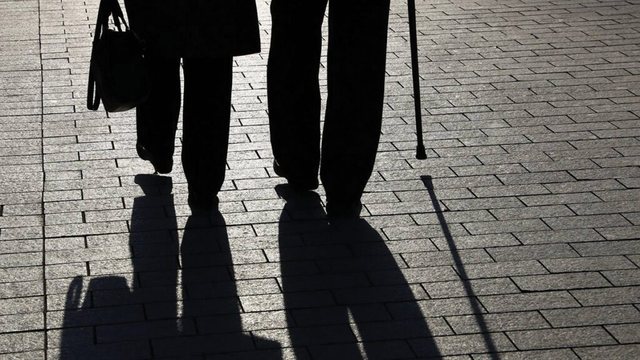
The new pensioner bonus distribution scheme has been in effect since January of this year. Sources from the Ministry of Economy claimed that the government is distributing a total fund that fluctuates between 8 and 9 million euros per month in the form of direct bonuses.
Under the new rules, beneficiaries who receive a partial pension or who have an income level of up to 22 thousand lek per month are benefiting from an additional 800 lek every month. Meanwhile, support is increased for those who have a full pension, but who still remain below the 40 thousand lek limit, receiving a higher bonus, which reaches up to 1800 lek per month.
This mechanism is conceived as a form of monthly redistribution to amortize the effects of inflation, focusing mainly on low and average pensions that are below the critical consumption threshold.
This initiative aims to ease the cost of living for the most vulnerable categories, by distributing assistance in a graduated manner according to the level of monthly income that the elderly currently benefit from.
However, the situation of pensioners in Albania remains a challenge as the increase in living costs is moving much faster than the indexation of income. For a large part of the elderly, this bonus does not allow them to end the month without support from their families, as it is estimated that the average pension in the country covers only about 30% of real monthly expenses, according to calculations by international organizations.
While Albania has just started implementing a bonus scheme of 800 to 1,800 lekë (approximately 8–18 euros) with an average pension of around 200 euros per month, other Western Balkan countries are applying more aggressive policies in this regard.
The average pension in Serbia is expected to reach around 488 euros by 2026, after consecutive double-digit increases, according to official sources. Montenegro has already set a fairly high floor for the minimum pension, around 450 euros, significantly different from the regional average.
Low-income retirees are forced to make difficult choices between food and medication. Doctors say many seniors are skipping treatment for chronic illnesses to save money, leading to more costly medical emergencies for the state.
In conditions where the pension is not enough, the financial burden is transferred to children and family members. Money that could be invested in children's education or business development goes to meet the vital needs of elderly parents.
The poor financial treatment of pensioners also affects the growth of informality. When current employees see that the contributions paid over the years do not guarantee a decent old age, they choose not to pay social security, putting themselves in a long-term state of uncertainty in the pension scheme./ Monitor Magazine

For at least three years, Albania has been successfully lo...

This Thursday, one US dollar is bought for 81.2 lek and so...

The World Bank has slightly revised down its expectation f...
International stock markets rose sharply, while oil prices...
The price of oil in the country increased by about 30% in ...

This Wednesday, one US dollar is bought for 82 lek and sol...

Property compensation, despite efforts to speed up the pro...

Today in the foreign exchange market, the euro will be exc...

Albanian investments abroad reached a new historical recor...

The labor market in Albania in the last quarter of 2025 co...
There seems to be no hope for easing traffic. The crisis i...

This Monday, one US dollar is bought for 82.2 lek and sold...
Albania is testing whether its historical heritage can be ...
This Friday, one US dollar is bought for 82.5 lek and sold...
Official data from the Bank of Albania, included in the an...
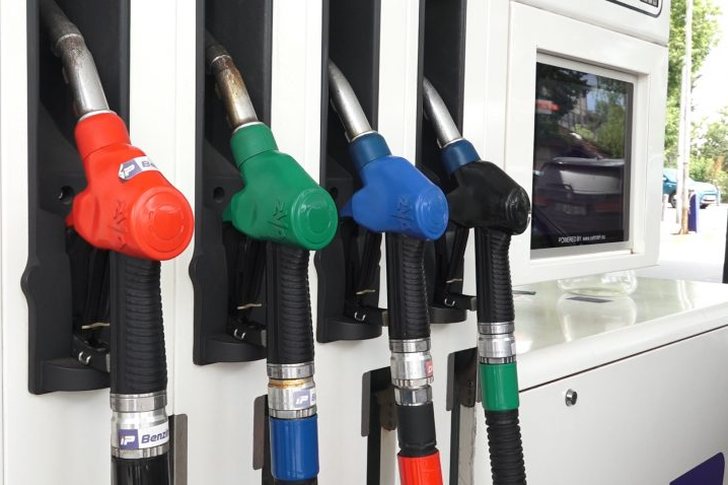
The government has approved a normative act to reduce the ...
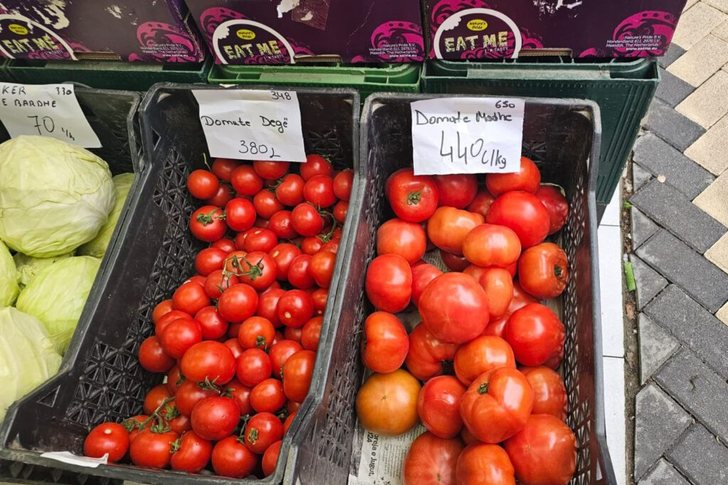
Tomatoes are the most popular product in our country, the ...

The Ministry of Finance has proposed a new draft law on ac...
This Thursday, one US dollar is bought for 82 lek and sold...
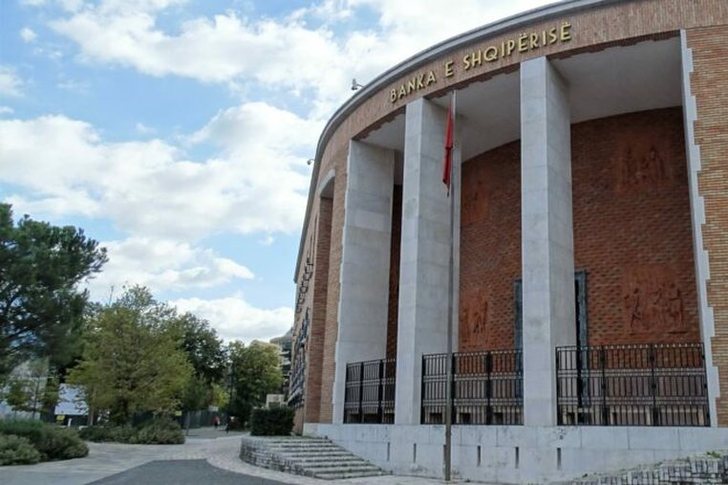
The Supervisory Council of the Bank of Albania, at today's...

The protests of recent days related to the situation in Zv...
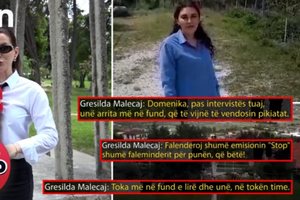
The case addressed this Wednesday, June 3, on the show "St...

The show "Stop" broadcast this Wednesday, June 3, the case...

Irfan Hysenbelliu claims to be a big businessman, an hones...

The Special Board of Appeal (KPA) decided this Monday ...

The KPA vetting decided this Thursday to dismiss the p...

Suela Salavaçi, a prosecutor in the Prosecutor's Offic...

The Special Board of Appeal reinstated the prosecutor ...
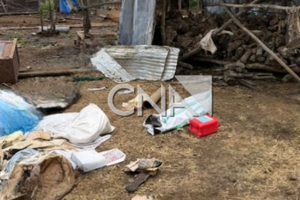
Several images provided by CNA show the area where this mo...

A quantity of explosive material exploded this morning at ...

The Head of the State Police, Skënder Hita, expressed his ...

New details have emerged regarding the serious incident th...

For many children and teenagers, the long summer holidays ...
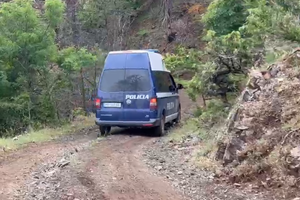
Witnesses in Lozhan, Maliqi, have shared details from the ...
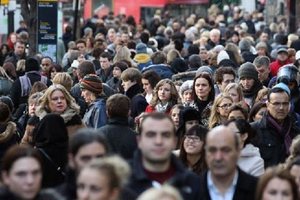
Albania is facing an unprecedented demographic transition,...
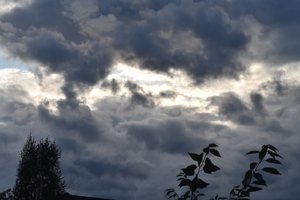
On Thursday, our country will be affected by unstable weat...

Hungary and Ukraine have reached an agreement on the right...
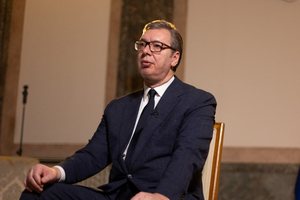
Serbian President Aleksandar Vučić has confirmed that he w...

Israel and Lebanon have agreed to renew their fragile ceas...

United States President Donald Trump announced in a post o...

Korça is ready to open the summer season with one of the c...
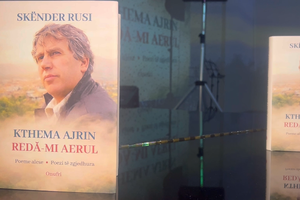
Two years after his passing, the renowned Korçë poet Skënd...
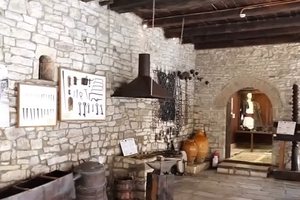
The Ethnographic Museum of Berat has opened its doors to v...
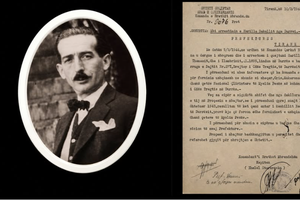
The story of Harilla Bakalli is one of the most chilling t...
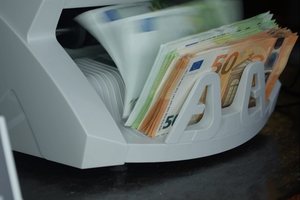
Kursi i këmbimit të euros me lekun ka rënë më tej këtë jav...
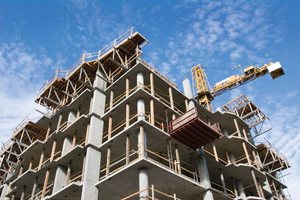
Profit margins in the construction sector have increased s...
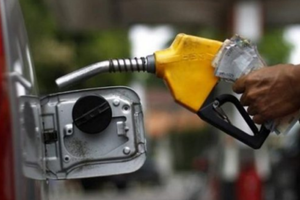
The Transparency Board, at its meeting today, decided to i...

Today, in the foreign exchange market, one US dollar is bo...