


"In the name of protest"/ Mocking the Albanian flag, anarchists replace it with a flamingo
A group with neo-Marxist and anarchist views has gone to a...

A group with neo-Marxist and anarchist views has gone to a...


For a comparison regarding the effects that a geopolitical crisis can have on inflation and the financial market, the most recent comparative example could be that of 2022, when the outbreak of war in Ukraine brought about a strong increase in inflation in almost the entire global economy.
In parentheses, however, it should be said that the trend of rising inflation at that time had begun even before the outbreak of the conflict, due to the strong increase in demand after the pandemic and difficulties in the global supply chain, which meant that supply could not fully respond to the growing demand.
However, the outbreak of war in Ukraine brought an immediate jump in inflation.
While the conflict began in February, immediately, as early as March, inflation in our country increased from 3.9% to 5.7%. Inflation in Albania peaked in October 2022, when it reached 8.3%, to gradually decline for the rest of 2022 and 2023, until at the beginning of 2024 it fell below the Bank of Albania's 3% target.
The Bank of Albania reacted immediately with several successive increases in the base interest rate. Starting in March 2022, the base rate increased from 0.5% to a maximum level of 3.25% in November 2023. The reduction in interest rates began only in July 2024, to continue gradually until July 2025, when the current level of 2.5% was reached.
12-month bond yields began to rise immediately in March 2022, following the direction of the key interest rate, but with greater amplitude, also reflecting a kind of market panic. Between March and November 2022, the weighted average yield on 12-month bonds increased from 1.62% to 5.83%.
While the base rate increased by 2.25 percentage points over this time horizon, bond yields increased by 4.2 percentage points, also reflecting the limitations of the domestic financial market. However, after November 2022, the excess yield increase was gradually corrected until the end of 2023, at 3.1%.
Between November 2023 and May 2024 there was another short growth cycle, but on a smaller scale, to around 3.7%. Since then, bond yields have followed an almost uninterrupted cycle of decline until the beginning of this year.
The increase in interest rates did not go without consequences for the pace of lending to the economy. From mid-2022 to mid-2023, the credit portfolio for the economy entered a phase of stagnation.
After the market calmed down from the inflationary wave, starting in the second half of 2023, lending began a cycle of rapid growth that continued at double-digit rates until the first months of 2026.
A similar effect can be observed in the performance of public deposits. They went through a stagnation phase between the beginning of 2022 and mid-2023.
This can be explained partly by the effects of inflation, but also partly by the lure of high yields on government debt instruments, which prompted many individuals and entities to withdraw deposits (but also quotas in investment funds) to invest the money in bonds and notes.
But the gradual decline in yields caused deposits to return to growth in the second half of 2023.
The inflationary crisis of 2022 and the rise in the price of imported goods did not lead to a depreciation of the Lek in the exchange rate. The exchange rate only had a brief panic attack, in early March 2022, when the Euro rose from 121 Lek to 127 in a matter of days. However, with the intervention of the Bank of Albania, the exchange rate immediately fell.
Beyond minor fluctuations, the downward trend continued until July 2023, when the exchange rate reached 100 lek. At that time, another temporary shock, caused by a short-term increase in demand, temporarily raised it to 110 lek.
But, since the fall of 2023, the exchange rate returned to a continuous downward trend, to current levels, below the 96 lek limit.
The war in Ukraine brought a broader-based shock to commodity prices, as the region involved in the conflict was an important supplier of energy products and food products, especially grains.
In the case of the Middle East crisis, the direct effects are mainly extending to energy products. For this reason, the transmission to inflation of other products and services may be more gradual and more extended in time. On the other hand, the stabilization and potentially the decline in prices may also have a longer cycle./ Monitor Magazine

Today in the foreign exchange market, the euro will be exc...
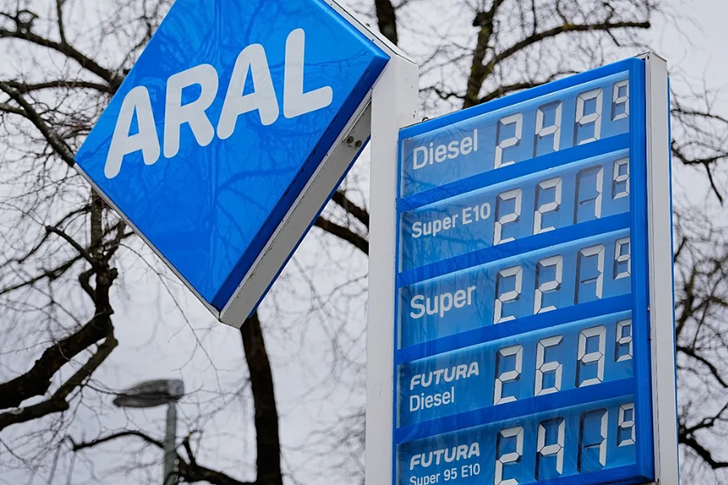
Energy prices in Europe could remain high for some time, e...
Agriculture is the world's largest consumer of water. Acco...
The new pensioner bonus distribution scheme has been in ef...

For at least three years, Albania has been successfully lo...

This Thursday, one US dollar is bought for 81.2 lek and so...
The World Bank has slightly revised down its expectation f...
International stock markets rose sharply, while oil prices...
The price of oil in the country increased by about 30% in ...
This Wednesday, one US dollar is bought for 82 lek and sol...

Property compensation, despite efforts to speed up the pro...
Today in the foreign exchange market, the euro will be exc...

Albanian investments abroad reached a new historical recor...

The labor market in Albania in the last quarter of 2025 co...
There seems to be no hope for easing traffic. The crisis i...
This Monday, one US dollar is bought for 82.2 lek and sold...
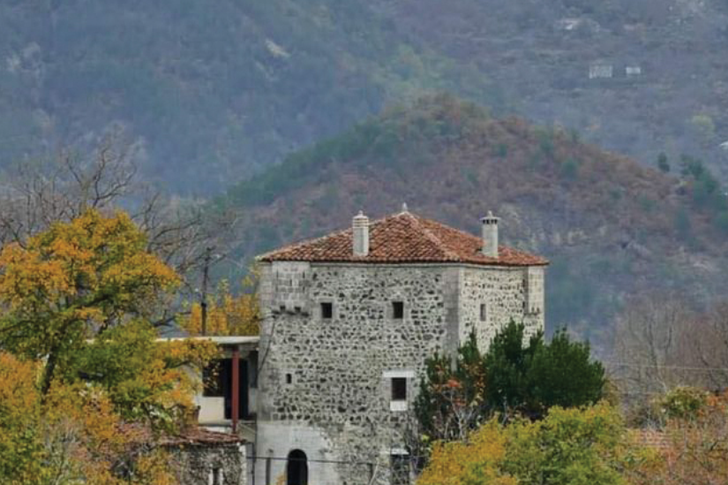
Albania is testing whether its historical heritage can be ...
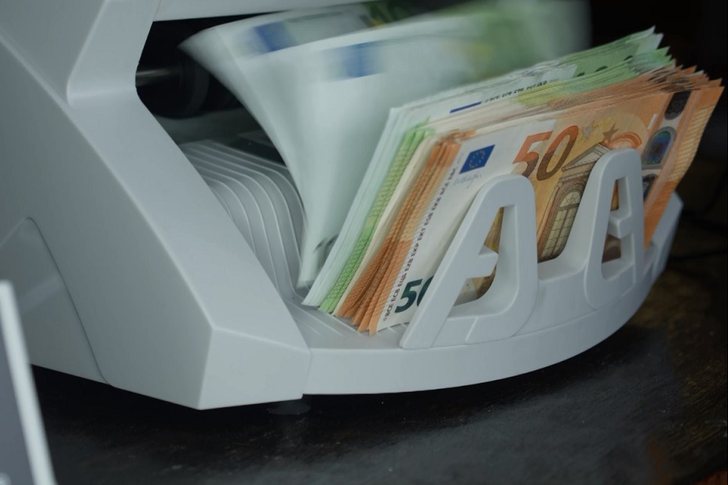
This Friday, one US dollar is bought for 82.5 lek and sold...
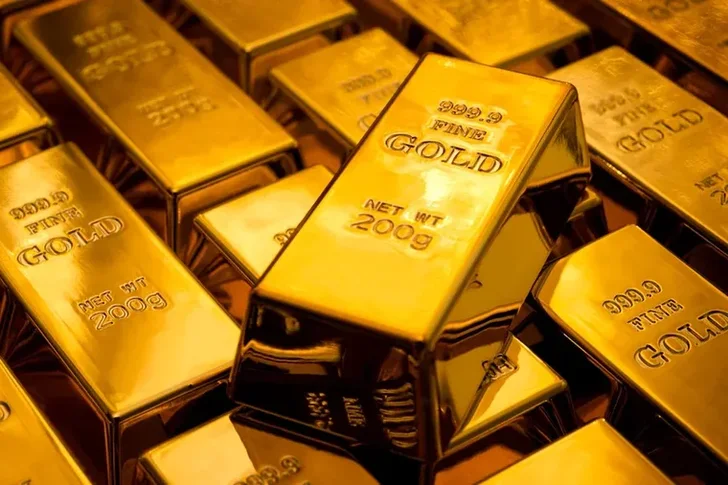
Official data from the Bank of Albania, included in the an...
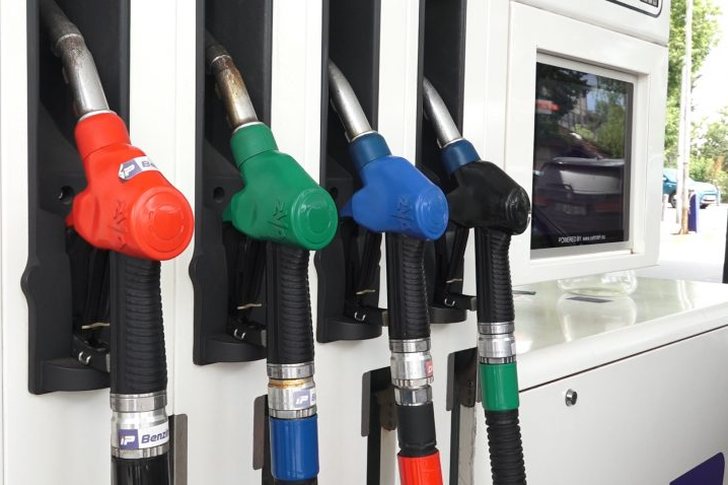
The government has approved a normative act to reduce the ...

The protests of recent days related to the situation in Zv...

The case addressed this Wednesday, June 3, on the show "St...

The show "Stop" broadcast this Wednesday, June 3, the case...

Irfan Hysenbelliu claims to be a big businessman, an hones...

The Special Board of Appeal (KPA) decided this Monday ...

The KPA vetting decided this Thursday to dismiss the p...

Suela Salavaçi, a prosecutor in the Prosecutor's Offic...

The Special Board of Appeal reinstated the prosecutor ...

Several images provided by CNA show the area where this mo...

A quantity of explosive material exploded this morning at ...

The Head of the State Police, Skënder Hita, expressed his ...

New details have emerged regarding the serious incident th...
Witnesses in Lozhan, Maliqi, have shared details from the ...

Albania is facing an unprecedented demographic transition,...

On Thursday, our country will be affected by unstable weat...

An alarming figure of more than 166.4 thousand Albanians a...

Israel and Lebanon have agreed to renew their fragile ceas...

United States President Donald Trump announced in a post o...
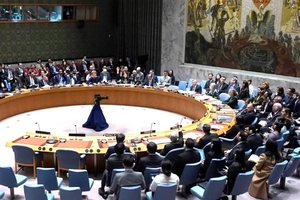
Asambleja e Përgjithshme e Kombet e Bashkuara ka përfundua...
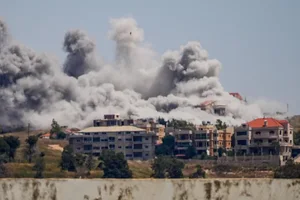
At least nine people have been killed in Israeli airstrike...

Korça is ready to open the summer season with one of the c...

Two years after his passing, the renowned Korçë poet Skënd...

The Ethnographic Museum of Berat has opened its doors to v...
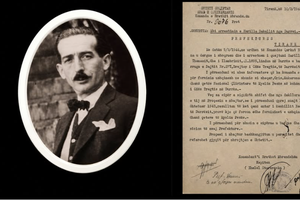
The story of Harilla Bakalli is one of the most chilling t...
Today, in the foreign exchange market, one US dollar is bo...
The Minister of Finance, Petrit Malaj, announced today a n...
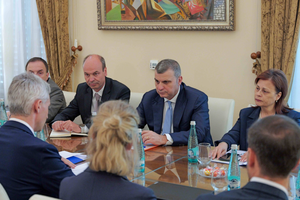
Guvernatori i Bankës së Shqipërisë, Gent Sejko, priti m...
Today, in the foreign exchange market, one US dollar is bo...