


With red and black slogans and symbols/ Protesters move towards the Prime Minister's Office
Thousands of citizens who gathered today in the center of ...

Thousands of citizens who gathered today in the center of ...


Drugs in schools in Albania is a serious and increasingly present problem, which has worried the authorities, schools, parents and society. The impact of the use of narcotic substances on young Albanians is a phenomenon that has received public attention and reinforced the need for intervention and preventive measures. In recent years, drug use in schools has increased, although it remains a difficult topic to discuss openly.
Based on this very disturbing situation, CNA has sent a letter this Tuesday to the main institutions in the country (Ministry of Education and Sports, Clinical Toxicology Service at QSUNT, Ministry of Health and Social Protection, State Police), to learn more on the concrete measures they have taken for this negative phenomenon that is spreading to young Albanians. Recent screaming cases require an emergency intervention and coordination from all structures.
In Albania, the use of drugs in schools has marked a significant increase, especially in high schools and among teenagers. This has been influenced by various factors, such as: Lack of information and education about the dangers of drugs. Many schools lack programs dedicated to educating young people about the consequences of using narcotic substances, even though these are essential to create awareness among students.
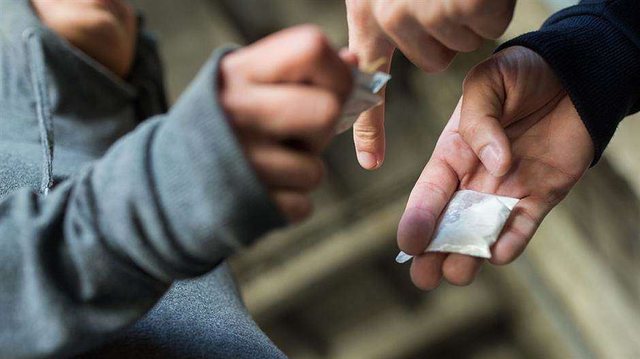
Drug use is often related to societal and peer group influence. Many young people use drugs to gain social status or to be accepted into certain social groups.
The use of drugs has great consequences for the health of young Albanians. Drugs can cause health problems, school failure and poor academic performance. Drug use can lead to the breakdown of relationships with friends and family, and can pull students out of healthy social groups.
In addition to hard drugs such as marijuana and cocaine, the use of electronic cigarettes and other substances, such as synthetic substances, is also a concern in Albanian schools. Finally, the alarm has been raised about another type of these narcotics, after the denunciation of a teacher at a 9-year-old school in Tirana that the students are consuming a drug in the form of chewing gum that makes them sleepy.
The police have carried out several actions in schools and in the vicinity of schools to crack down on drug dealing, as well as to detect individuals who may be involved in the distribution of narcotic substances. In these actions, individuals were often arrested who sold drugs or tried to contact pupils and students to offer them illegal substances.
In some cases, arrests have been made of people suspected of distributing drugs in and around schools. Some of these cases have been made public in the media, where it is reported that drug dealers who had contact with pupils and students, often using social networks to carry out purchases and sales, have been arrested.
There have been reported cases of the seizure of significant amounts of drugs such as marijuana, cocaine, and other narcotic substances, which were hidden or separated for distribution in schools. Police have also discovered the use of other synthetic substances, which can be much more dangerous and difficult to control.
Thus, the so-called "Tempulli" operations (2023-2024) processed over 2,300 people as suspects of connection with 30 criminal groups that distributed or trafficked drugs near schools. Over 1,500 kg of drugs were seized, of which about 1,400 kg were cannabis, the rest cocaine, heroin and ecstasy.
In a recent report by the World Health Organization on the use of illegal substances among teenagers, it shows an increase from 7% (2015) to 11% (2022) of the number of minors in Albania who have tried at least one times cannabis.
Drugs in schools remain a big challenge for Albania and require a joint commitment of all actors: schools, parents, civil society and authorities. Only through coordinated interventions and continuous support can a sustainable change and a safer and healthier environment for young Albanians be achieved./ CNA

Silard Allushaj says that in 2019 he committed two crimina...
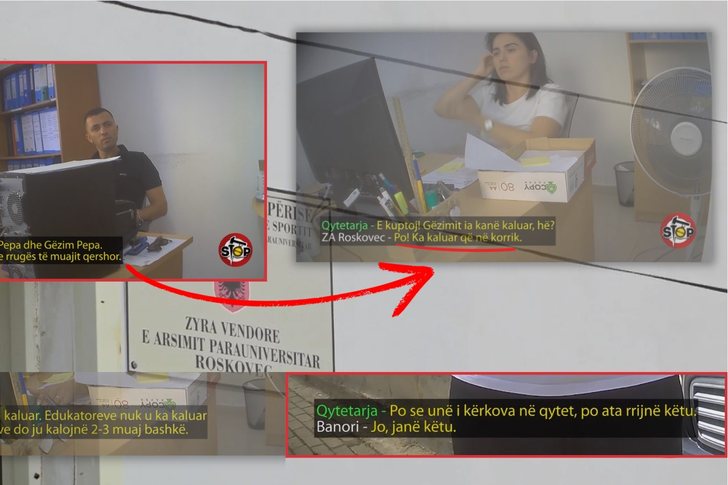
The editors of the show "Stop" on TV Klan received a compl...
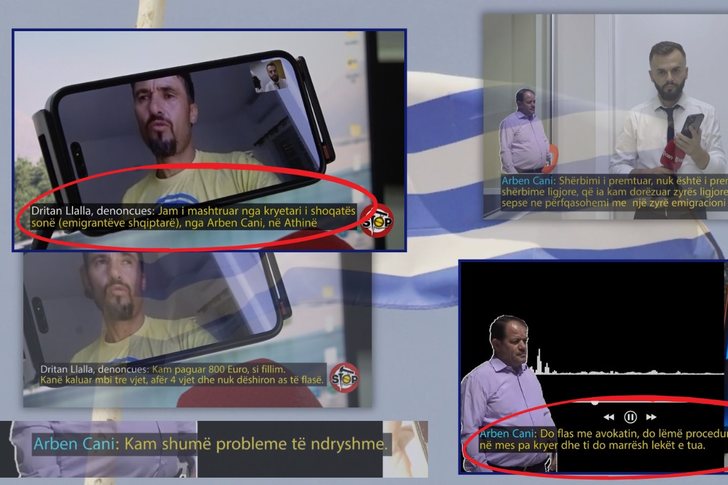
Dritan Llalla, an Albanian immigrant in Greece, says on th...
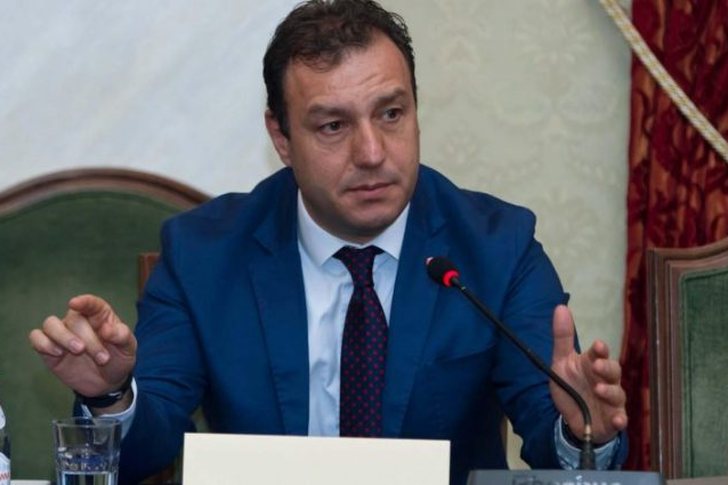
Deputy Eduard Shalsi is one of the exponents of the So...
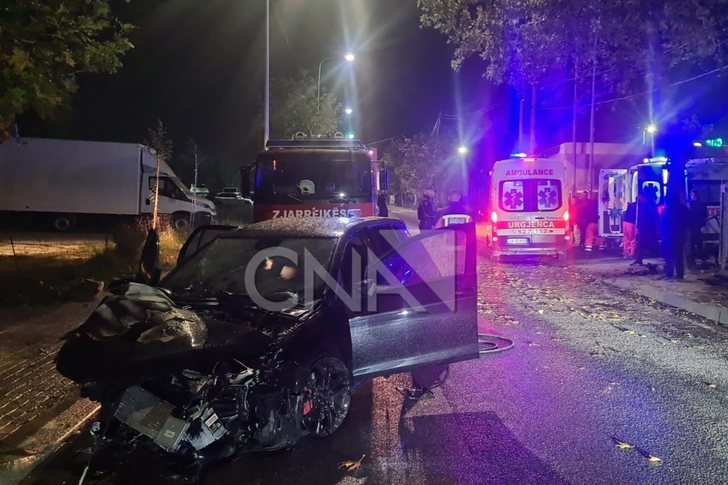
An accident happened this Wednesday evening in the area of...
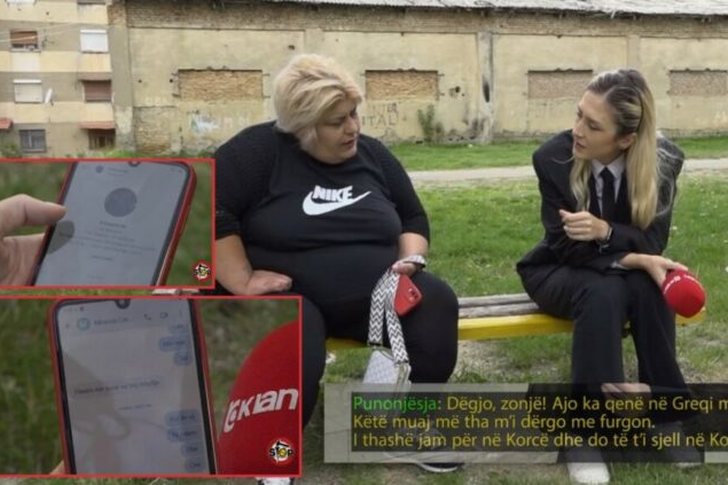
Orjana Rrushi from Korça tells "Stop" on TV Klan that in 2...
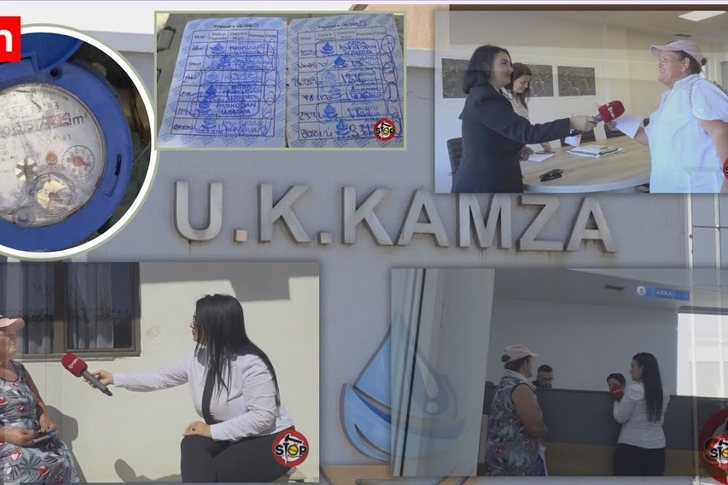
Lirie Preçi tells the show "Stop" on TV Klan that she has ...
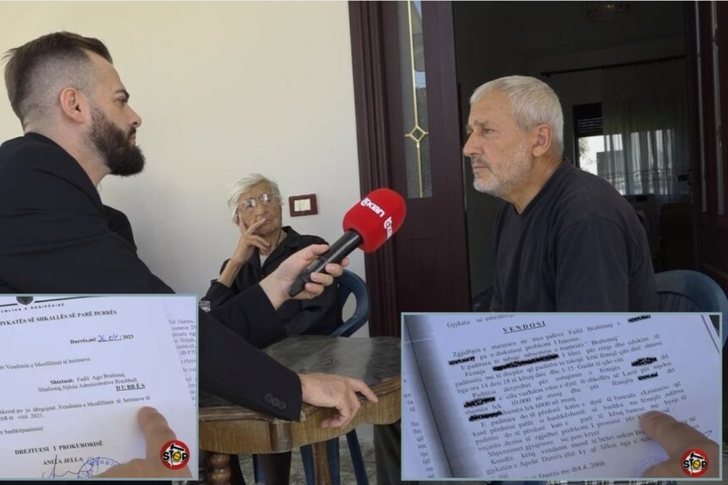
Fadil Brahimaj, a citizen from Durrës, tells "Stop" on TV ...
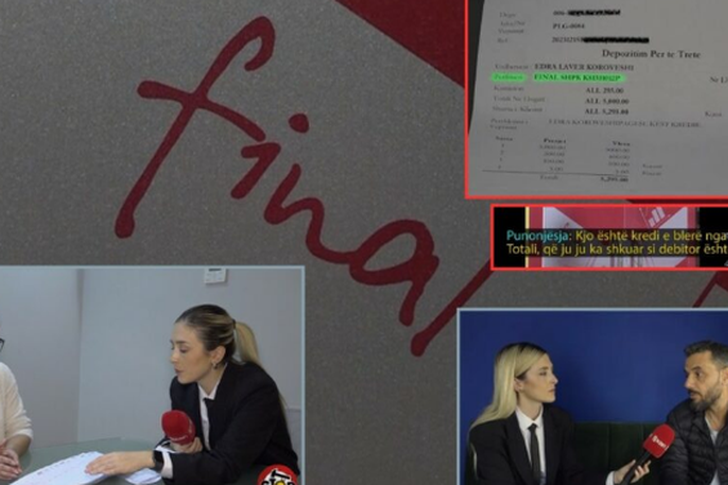
The next complaint in the show "Stop" on TV Klan is about ...
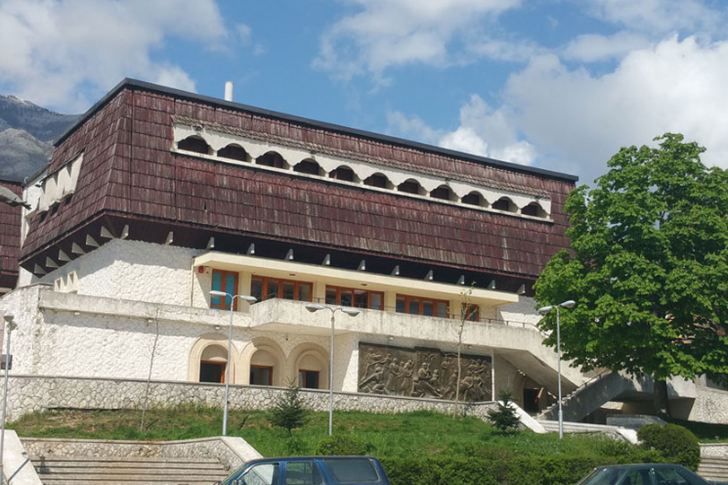
Another denunciation of the Municipality of Tropoja ha...
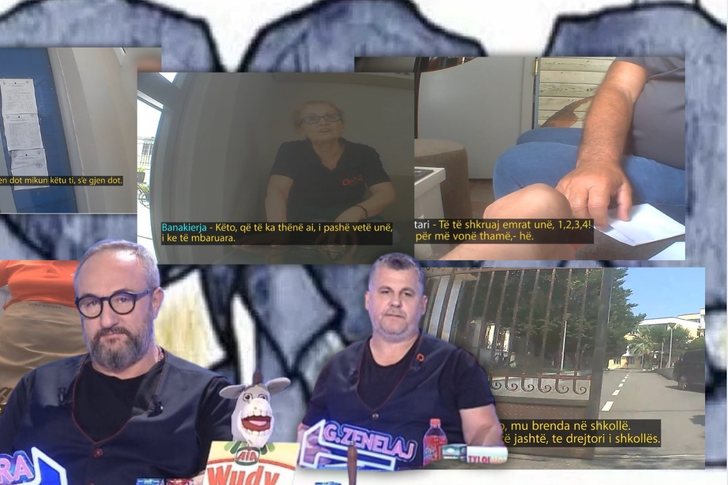
The hidden camera of the show "Stop" on TV Klan has caught...
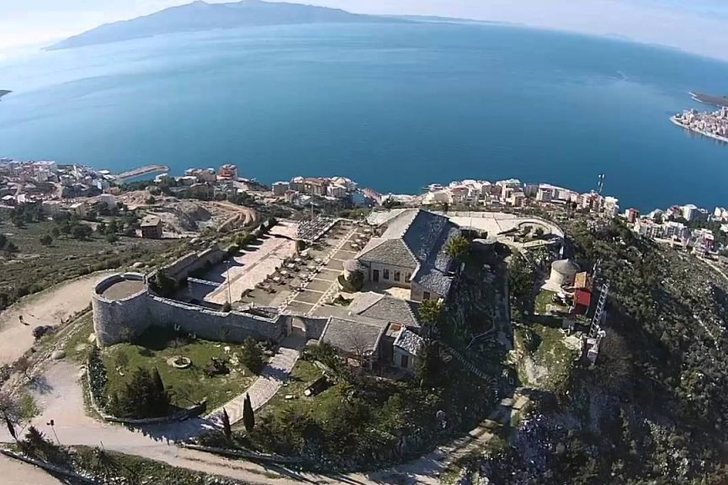
Almost the entire area left without construction in the ci...
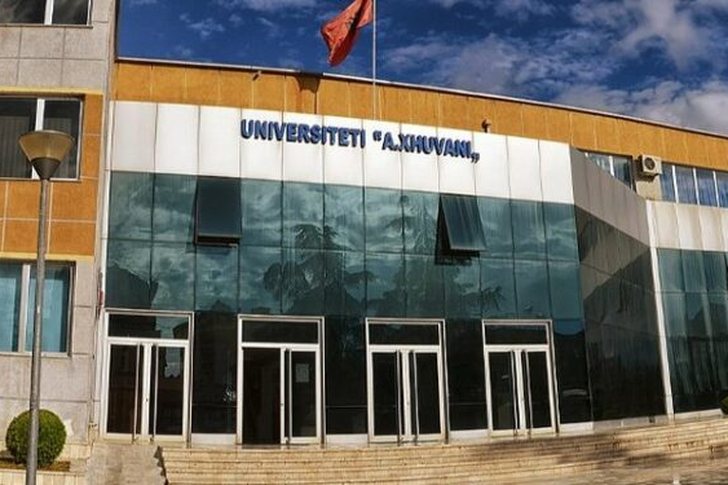
WebLajm.com has exclusively provided parts of the corrupti...
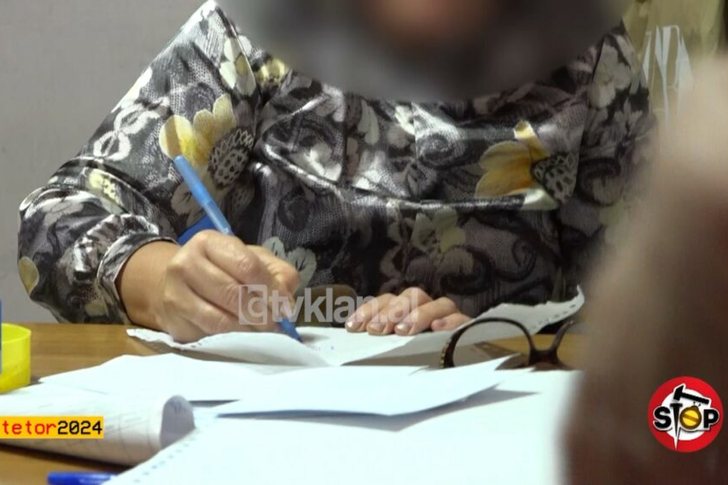
On October 17, 2024, Stop broadcasted a denunciation of Al...
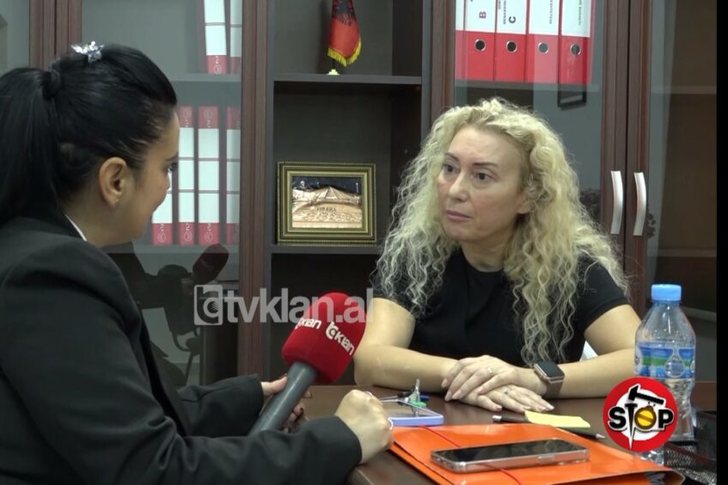
The editors of the show "Stop" received a complaint about ...
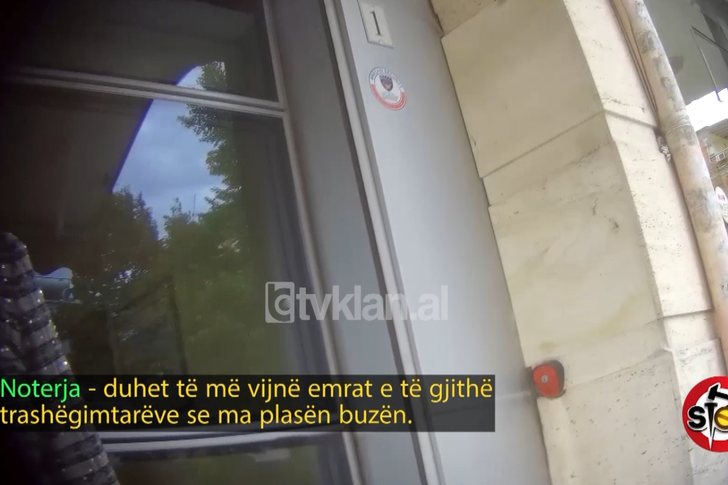
The show "Stop" is located in Administrative Unit number 6...
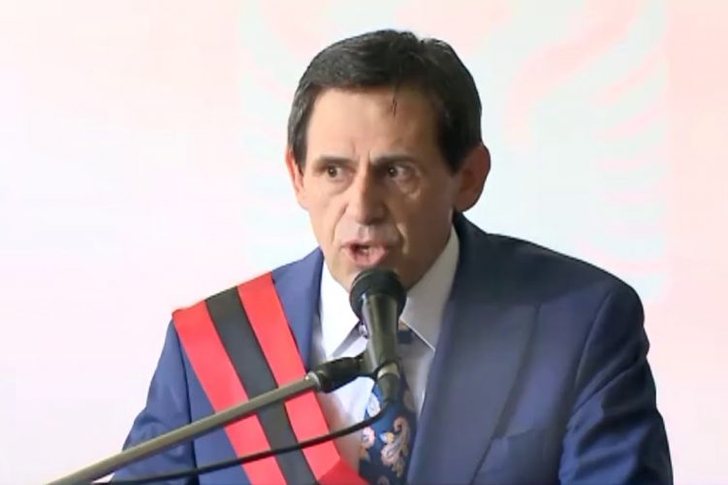
Rakip Suli is one of the socialist mayors, who has pro...
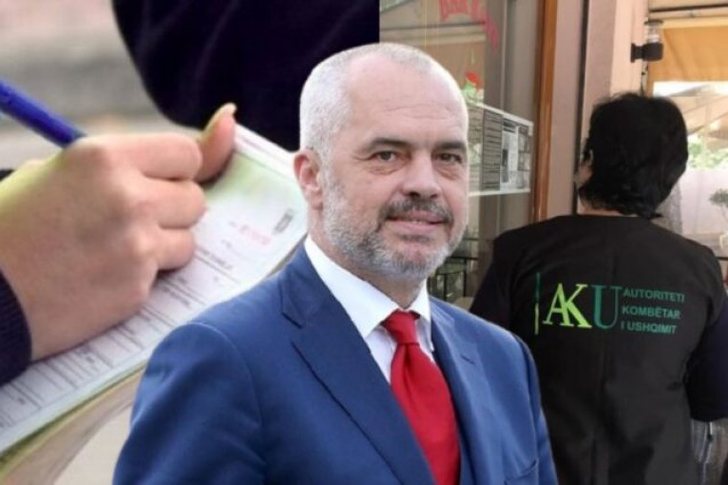
As she removes the wrong parking fine from her car window,...
In the editorial office of the show "Stop" on TV Klan on O...
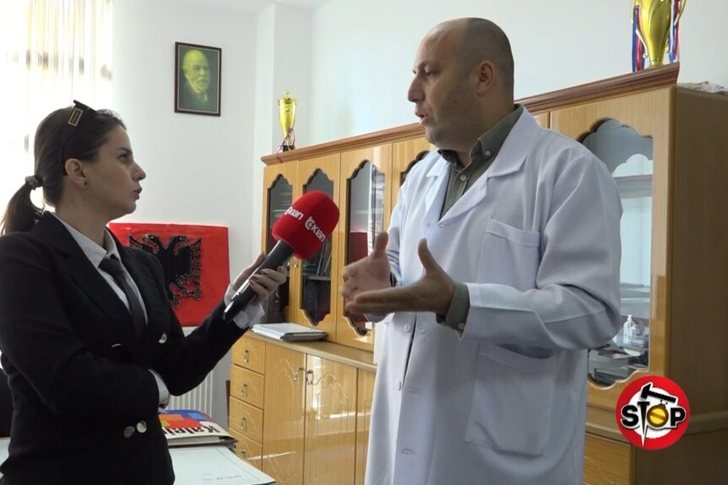
The show "Stop" on TV Klan is located in Ballsh for a prob...
The mayor of Tirana, Erion Veliaj, arrested on 13 charges ...
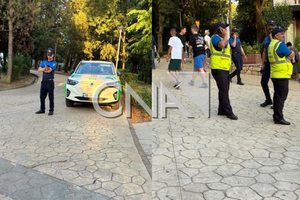
Qytetarët që kalojnë pasditen pranë Liqenit Artificial në ...
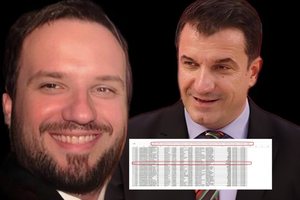
On the morning of July 7, 2026, the Ministry of Culture ur...
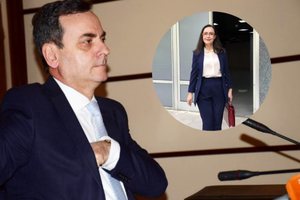
After the disclosure of the portfolio of properties an...

The Special Board of Appeal (KPA) decided this Monday ...

The KPA vetting decided this Thursday to dismiss the p...

Suela Salavaçi, a prosecutor in the Prosecutor's Offic...

The Special Board of Appeal reinstated the prosecutor ...
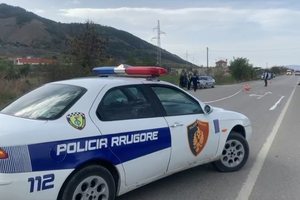
A serious accident occurred this afternoon on the Elbasan-...
The Police Supervision Agency has arrested two police offi...
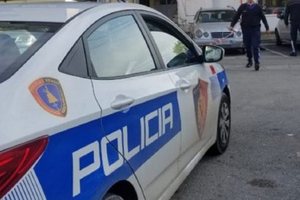
The 18-year-old who stabbed a citizen in the premises of t...
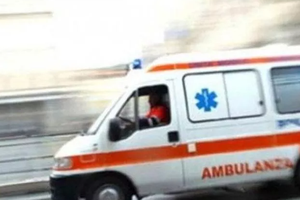
A road accident occurred this Thursday on the Tirana-Elbas...
Demographic trends in Europe are revealing a new complex r...
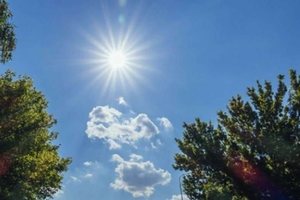
Today, our country will remain under the influence of stab...
Today, our country will remain under the influence of stab...
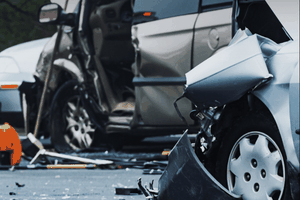
The latest report compiled by the European Transport Safet...
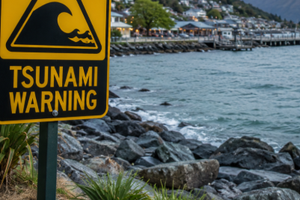
A magnitude 5.9 earthquake struck New Zealand's South Isla...
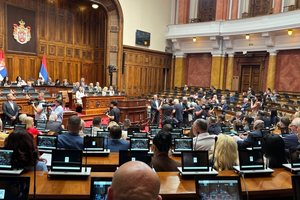
The only Albanian MP in the Serbian Parliament, Shaip Kamb...
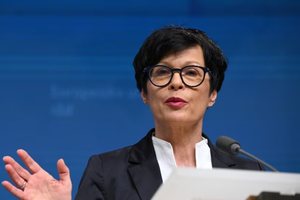
European Union Enlargement Commissioner Marta Kos has reac...
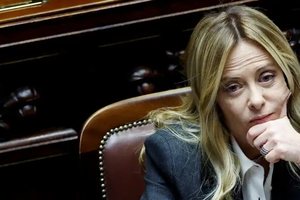
In the Chamber of Deputies (Camera dei Deputati) in Rome, ...

Master of humor Todi Llupi has passed away at the age of 7...

The ninth edition of "MIK Festival" kicked off with one of...

A historic evening for Albanian culture was marked in the ...

When I turned 10, another building was built in front of o...

Around 97,100 people are employed in regulated professions...
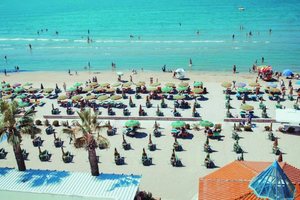
Albania continues to be the main destination for vacatione...
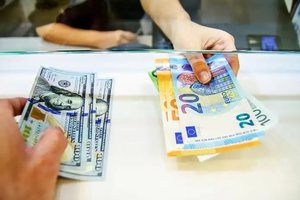
This Thursday, one US dollar is bought for 81.1 lek an...
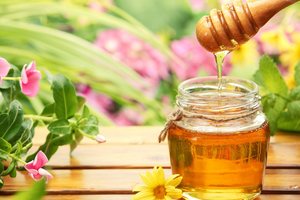
Beekeeping has expanded significantly in recent years, bec...