


The 2024 wars brought together rivals, but created new enemies
It's been one of the most eventful years since I start...


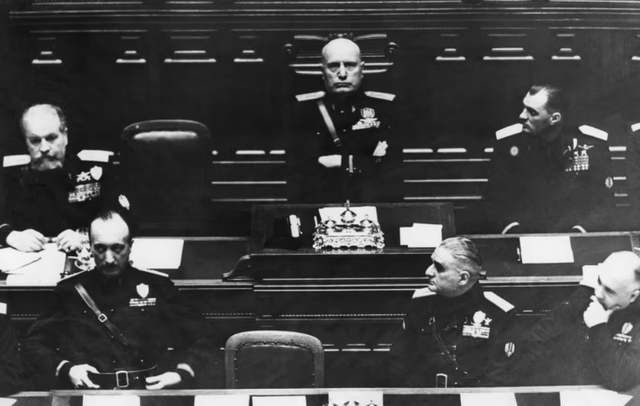
One hundred years ago, with Benito Mussolini's historic speech on the assassination of Matteotti, fascism began in Italy. Here is the analysis of Duce's words.
Analysis of Duce's courtroom remarks, which, seven months after Matteotti's assassination, declared the dictatorship in Matteo Liberti's "Mussolini's Speech (January 3, 1925)" from the Focus History archives.
When did the fascist dictatorship begin? On the afternoon of Saturday January 3, 1925, when Benito Mussolini, the head of the government, gave a historic speech in the Chamber of Deputies making it clear that, from that moment on, it would be impossible for anyone to act politically against him. All this in the wake of the death of the socialist deputy Matteotti, killed after in the same chamber, months before, he had denounced the fraud and violence of the fascists during the elections.
"The speech I am about to deliver before you cannot perhaps be strictly classed as a parliamentary speech. Let it be known in any case that I am not seeking this political vote. I do not want it: I have had many."
With these premises, Mussolini began his intervention. Then he started a provocation. Article 47 of the Statute says: "The Chamber of Deputies has the right to accuse the ministers of the king and bring them before the Supreme Court of Justice", I formally ask if there is anyone in this chamber, or outside it, who wants to use Article 47". Parliament at the time was experiencing a period of intense tension due to Matteotti's crime, which was followed by accusations against the government and the Duce considered instigators, and the secession of the Aventine, which took place on June 27, 1924, when after that crime, the opposition separated from the rest of the assembly in protest. It was precisely to harass the secessionists that the Duce cited Article 47 of the Albertine Statute (the fundamental charter of the Kingdom of Italy), knowing that no one would dare to challenge it and at the same time alluding to the weakness of the parliamentary system.
Then he added firmly: "Therefore my speech will be very clear and such as to bring absolute clarification".
Sarcastically, he then went on to talk about the violence his opponents said they had suffered at the hands of a gang, which the opponents themselves described as the "Fascist Cheka". "It was said that I would find a Cheka. Where? When? No one could say. In Russia there was a Cheka, who systematically terrorized all bourgeois classes and individual members of the bourgeoisie. But the Italian Cheka never existed."
Then he wanted to be more precise: "If I had founded a Czech, I would have founded it following the criteria that I have always established to protect myself from that violence that cannot be excluded from History. I have always said that for to be decisive, violence must be surgical, intelligent and chivalrous".
On the one hand he removed the suspicions of brutality and on the other hand he threatened that he could use violence if he wanted to.
"The deeds of this self-styled Cheka have always been thoughtless, random and stupid." He then continued: "But can you really think that I can order an attack at ten o'clock on the day after Christmas after the most peace-keeping speech I have made during my government? Spare me, gentlemen, do you think me such an idiot?" , - he asked rhetorically, referring to the fascist beating of opposition deputy Giovanni Amendola on December 26, 1923.
Mussolini then said that he had always respected the opposition and continued to talk about Matteotti, but without ever mentioning his name. He downplayed the accusations leveled against him after the election and, with dialectical skill, blamed both sides for the tense climate in the chamber during those weeks.
"It was a crossroads of violent speeches from one side to the other."
A formal opening to everyone followed, "I say to the opposition: I recognize your ideal right and also your contingent right".
After completing the self-portrait of a "good politician", he denied being the instigator of the crime (ie Matteotti's murder) which occurred after, according to him, calm had returned to the room, following his speech on 7 June 1924 ( 3 days before murder).
"How could I, after such a sensational success as was acknowledged by the whole House, how could I think, without being stricken with morbid madness, that one should commit not only a crime, but even the smallest, the most ridiculous insult to that opponent whom I respected because he had a certain 'jump', a certain courage, which resembled my courage and stubbornness to support theses."
In short, he ruled out the hypothesis without denying it. He accused his rivals of weakness and inability to command.
The Duce also announced the return of the death penalty, abolished in Italy in 1889: "First of all, the death penalty must be introduced into the Penal Code", which he would do in 1926. Later he abolished it against the Aventinians and said: "I wanted to establish the normality of political life. First of all with the secession of the Aventine, an unconstitutional and clearly revolutionary secession, a dirty campaign and journalistic misery that has embarrassed us for three months."
At this point, another provocation: if someone had to be responsible, then it was him. "Well, I declare that only I bear the political, moral and historical responsibility for everything that happened. If more or less twisted sentences are enough to hang a man on a stake and a rope! If fascism was nothing more than castor oil and a stick, if all violence was the result of a certain climate, I bear responsibility, because I created this historical, political and moral climate." And he clarified that he has always acted in the interest of the nation.
And then comes the moment when we say: enough! When two elements are in conflict and irreconcilable, the solution stands. There has never been another solution in history and there never will be.
The problem will be solved. Italy, gentlemen, wants peace, wants calm, wants working calm. You are sure that in 48 hours after my speech, the situation will be clarified in the whole area".
And in fact in the following hours the freedom of the press was restricted and all the clubs of the opposition parties were closed. The dictatorship had served its purpose, despite the alarm raised by Matteotti./ CNA

It's been one of the most eventful years since I start...

Since it was legalized in the UK, the number of medicinal ...
From Mata Hari to Gertrude Bell, from Marlene Dietrich...
December is the month where we see the natural or artifici...

Sitting for long periods of time can be a risk for heart d...
The 43 monkeys of the species known as the rhesus macaque,...
The world today, de facto, is in a third world war with th...
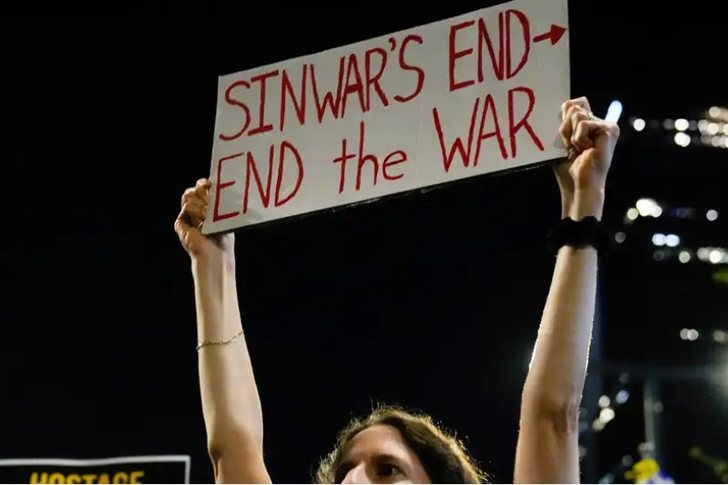
According to Israeli Prime Minister Benjamin Netanyahu...
An amateur historian has discovered a long-lost short stor...
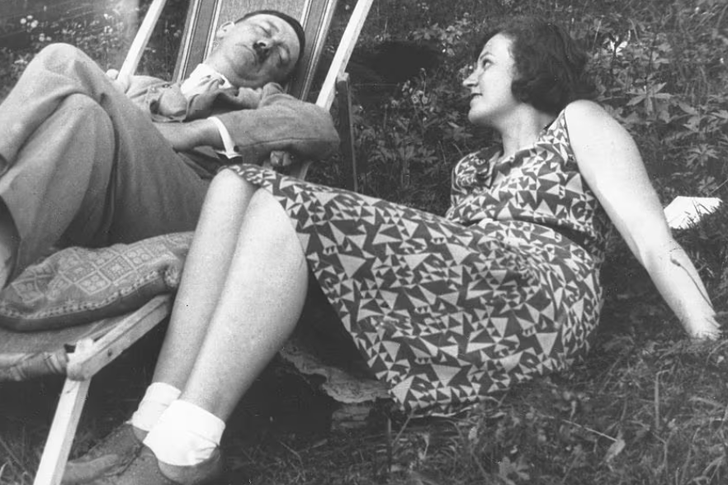
Officially not, but many doubts remain about the untimely ...
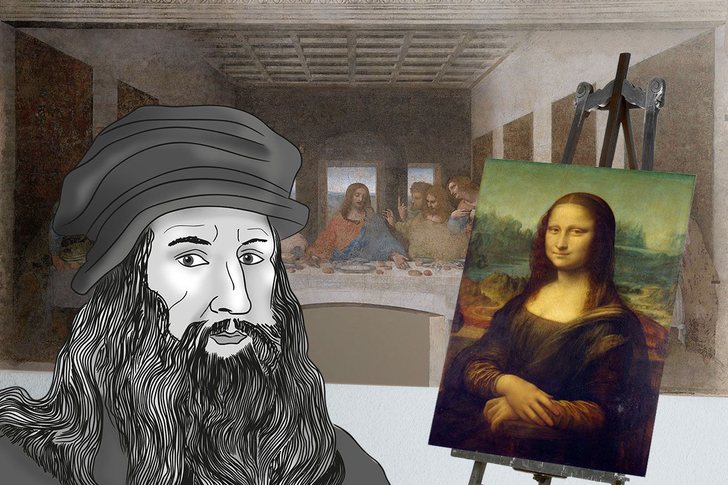
Leonardo da Vinci was born on April 15, 1452 in Vitruvius,...
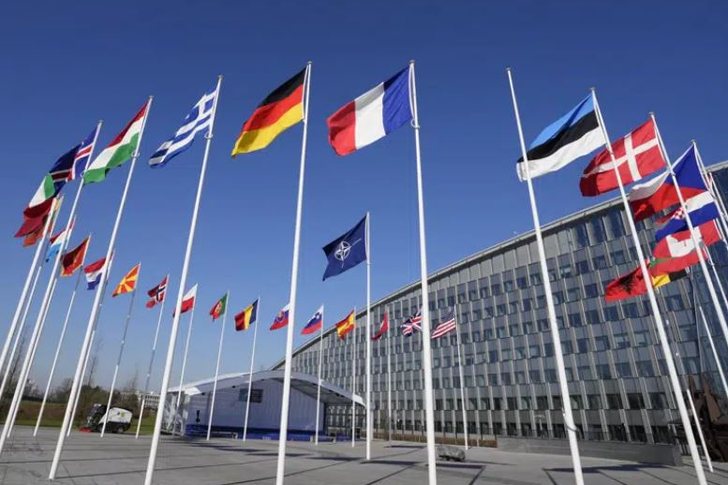
Finland has been named the happiest country in the world b...

Talking to a polite and sociable seventy-year-old, you mig...
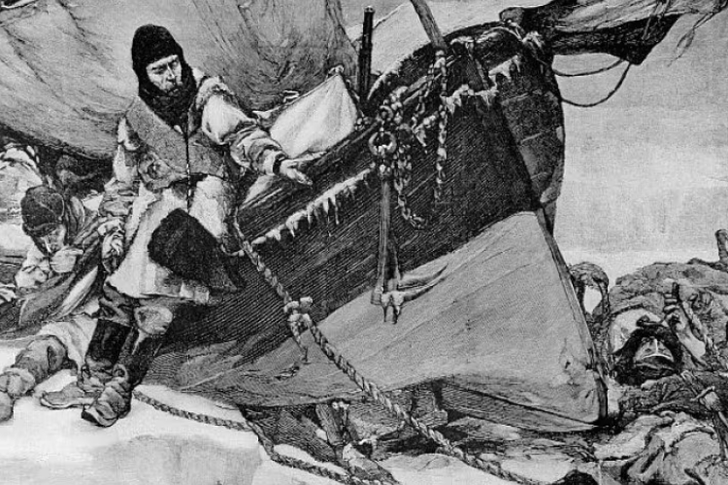
What happened to British captain Sir John Franklin and his...
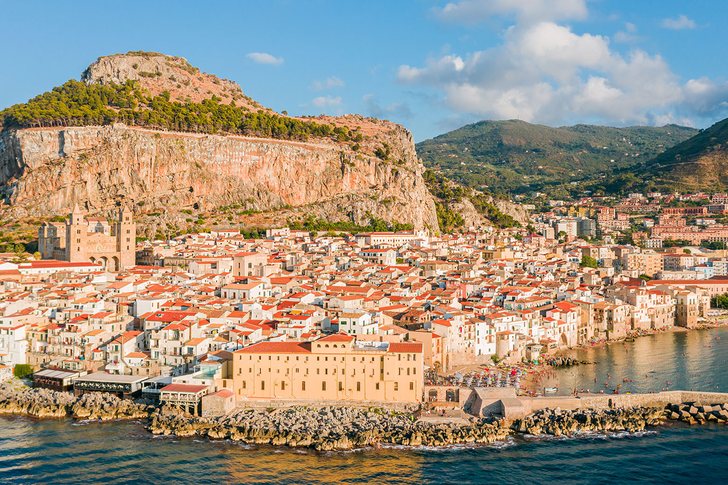
Sicily, one of the largest islands of the Mediterranean an...
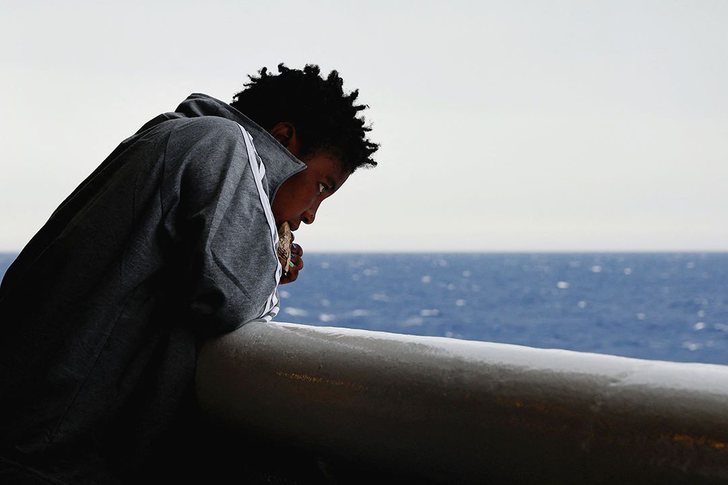
Wearily, they exit the bus and enter the besieged temporar...
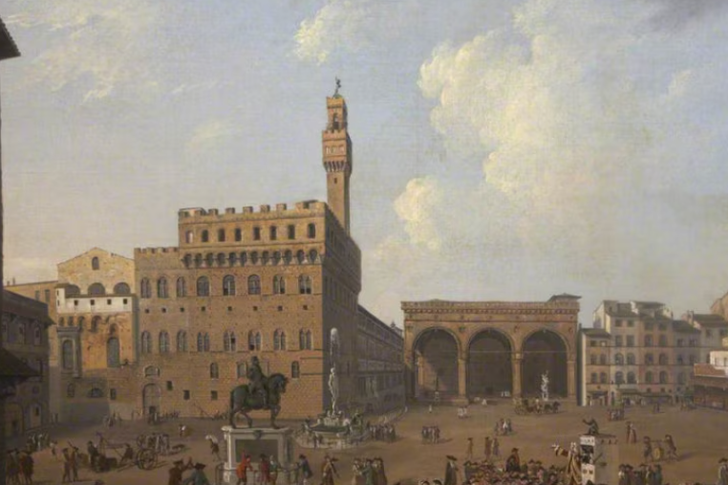
The Renaissance artists working in Florence between 1430 a...
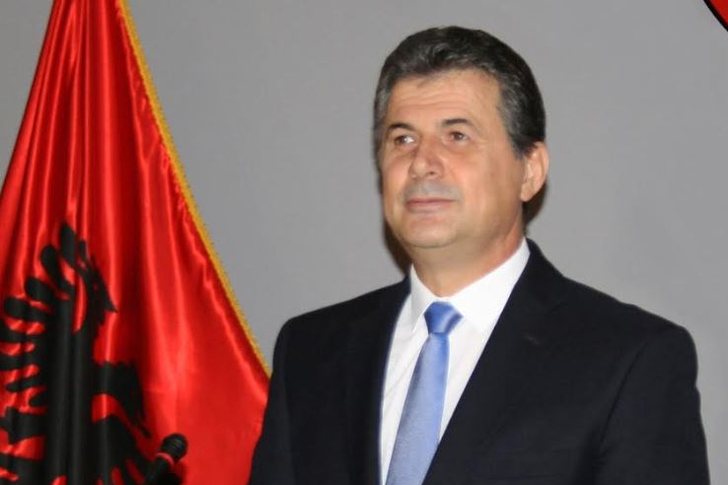
The Albanian state, in the framework of the revision of hi...
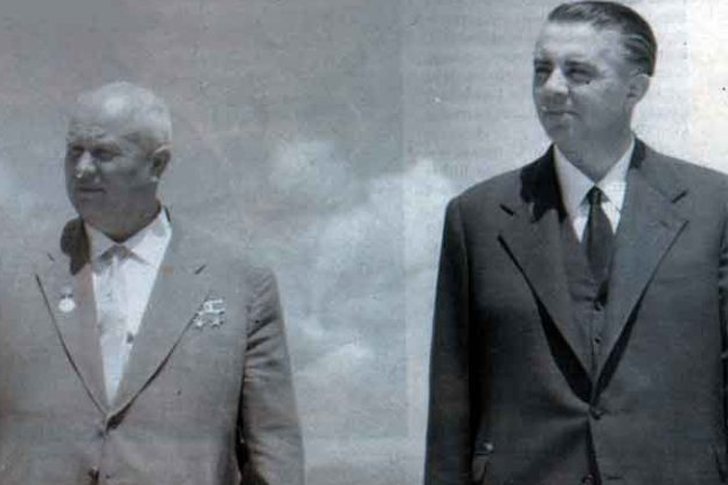
Below we publish the declassified report of the meetin...
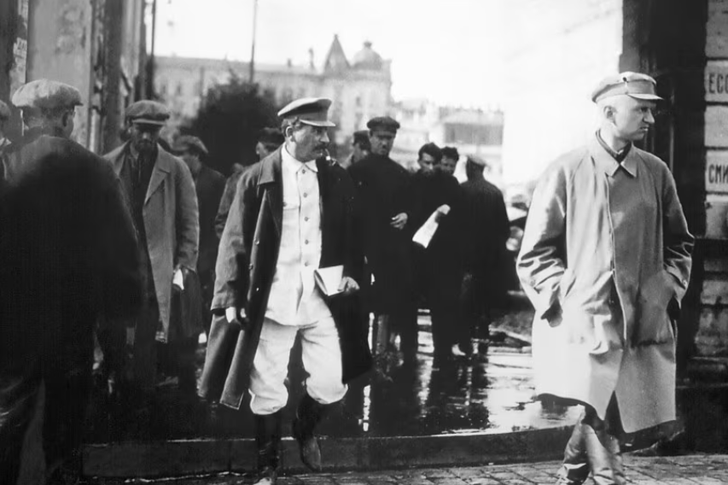
Iosif Vissarionovich Dzugasvili, known as Stalin, the ...
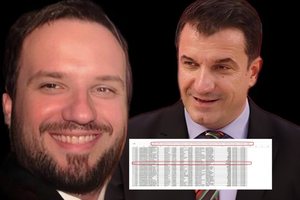
On the morning of July 7, 2026, the Ministry of Culture ur...
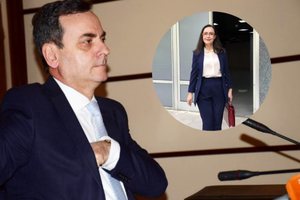
After the disclosure of the portfolio of properties an...

For 6 months now, CNA has been sending several letters to ...
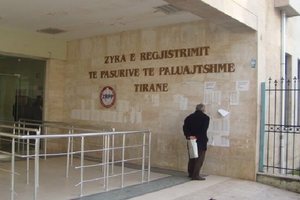
The word "fatherland" with properties is not enough. The m...

The Special Board of Appeal (KPA) decided this Monday ...

The KPA vetting decided this Thursday to dismiss the p...

Suela Salavaçi, a prosecutor in the Prosecutor's Offic...

The Special Board of Appeal reinstated the prosecutor ...
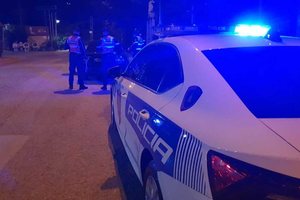
A knife attack occurred this evening in Fushë-Krujë. Acco...

A 44-year-old man in Saranda has been seriously injured af...

Spanish police have acted on an Albanian-Spanish criminal ...

New details have been revealed regarding the murder of Egl...
Today our country will be affected by stable weather condi...

In Albania, in 2024, 8,911 beds were available in public h...
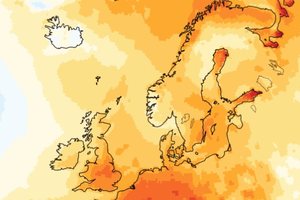
Albania was included in the band of above-normal temperatu...
Today, our country will be affected by mainly stable weath...
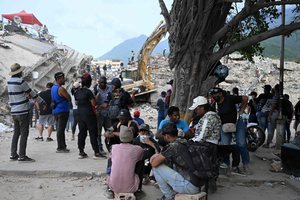
The death toll from two powerful earthquakes that struck V...

Oil prices rose to their highest levels in a month after t...
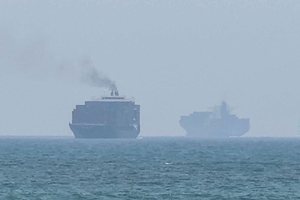
Iran has reacted to US President Donald Trump's statements...
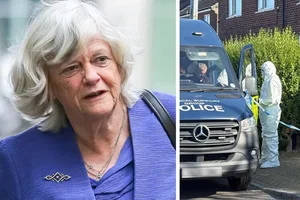
Counter-terrorism police have taken control of the investi...

The ninth edition of "MIK Festival" kicked off with one of...
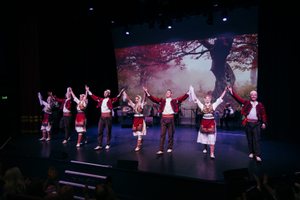
A historic evening for Albanian culture was marked in the ...

When I turned 10, another building was built in front of o...
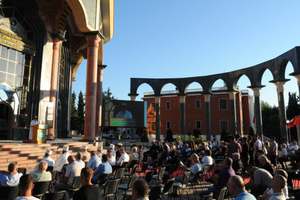
A special scientific conference was held by the World Bekt...
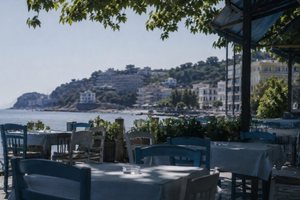
In addition to the effect on the decline in demand for rea...

This Tuesday, one US dollar is bought for 81.5 lek and sol...

The tax administration has announced the completion of the...
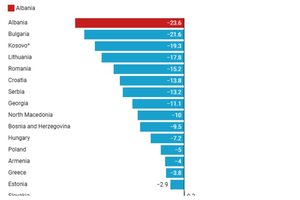
Albania has lost almost a quarter of its population since ...