


The answer to the question “Why do serious events recur?” is tempting: poverty, social stress, lack of security. But the reality is more complicated. Crime and violence do not erupt in a vacuum. They are fueled by several failures that often run parallel.
First, there is a strong normalization of conflict. In many cases, verbal clashes, threats, fights over property, debts, family separations or shady deals are treated as issues that will resolve themselves. They are not resolved. They escalate. And when institutions delay, the conflict takes a fatal turn.
Secondly, there is the problem of real impunity. Not necessarily in the sense that there are no arrests, but in the sense that the public sees the same profiles leaving, entering, being prosecuted, released, and returning. This creates the belief that the state is capturing the episode, not the phenomenon.
Third, there is a strong lack of prevention. This is especially seen in domestic violence, where the signals have usually existed. There have been reports, denunciations, protection orders, known conflicts. However, the event happens. And after it comes the usual question: could it have been avoided? In many cases, yes.
Whenever a serious crime occurs, the institutional chain rushes to give the appearance of control. The police report, the prosecution registers the proceedings, the authorities issue statements. This is the formal part. But the public has the right to go beyond it.
Is there real patrolling in problem areas? Do databases for high-risk individuals function? Are open conflicts followed up? Is monitoring implemented for individuals with prior convictions? Are the economic roots of crime being hit or are only the soldiers of the moment being targeted?
These are essential questions, because order is not measured by press releases, but by the ability to reduce the recurrence of events.
There is another problem: the selectivity of attention.

Some cases receive a lot of publicity, others pass quickly. This is often related to the victim's profile, the location of the event, political interest, or media potential.
But for the state, there should be no important victims and no ordinary victims. If justice and investigation are perceived as unequal, distrust only deepens. /CNA

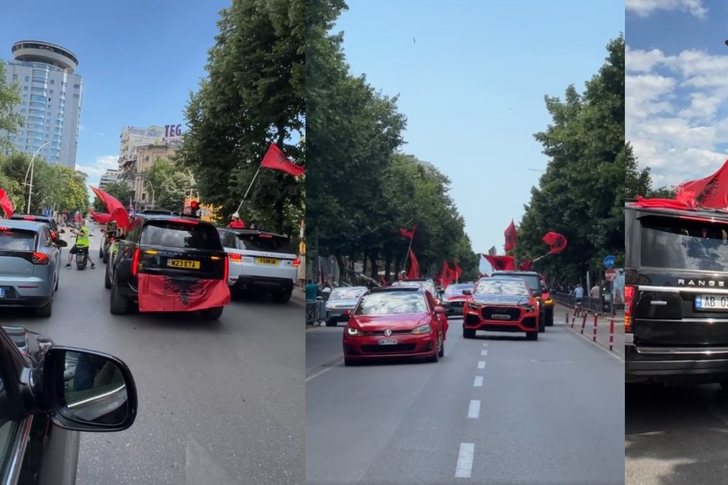
Today is the 21st protest against the government. The dias...
When Albanians look for dark news today, they are not simp...
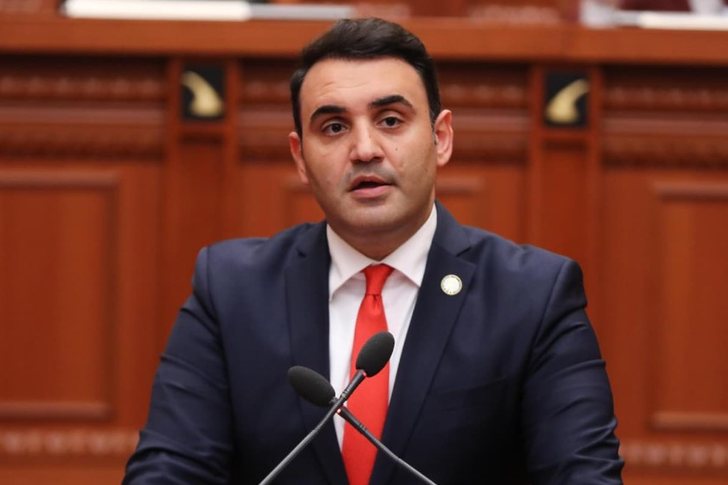
Democratic Party MP Belind Këlliçi, in a reaction on socia...
Prime Minister Edi Rama has denounced Mero Bazen, the man ...
Prime Minister Edi Rama has stated that politics today can...
Prime Minister Edi Rama has stated that recent development...
Prime Minister Edi Rama, during the meeting of the SP parl...
DP leader Sali Berisha responds to a protester who accused...

Tirana Mayor Erion Veliaj continues to refuse to appea...
Today at 10:00, at the Brigades Palace, the expanded meeti...
Journalist and analyst Mentor Kikia has spoken about the p...
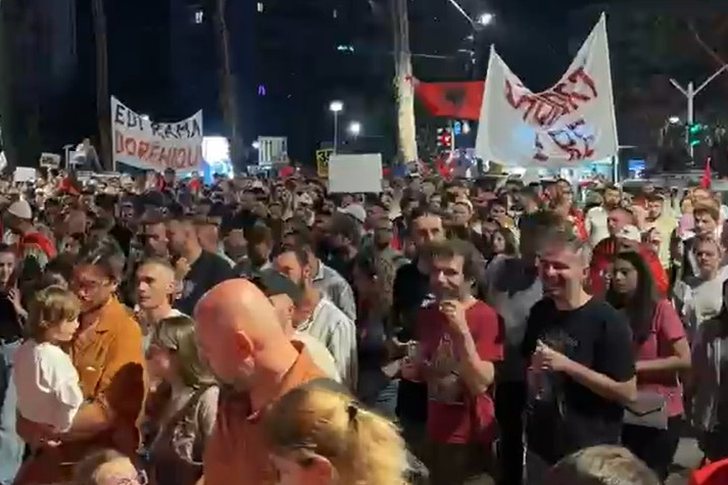
After about 3 hours of protest in front of the Prime Minis...
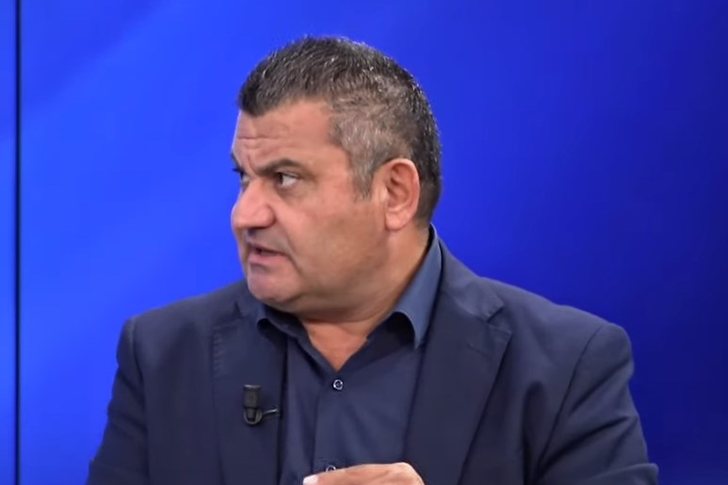
Analyst and journalist Mentor Kikia spoke this evening abo...
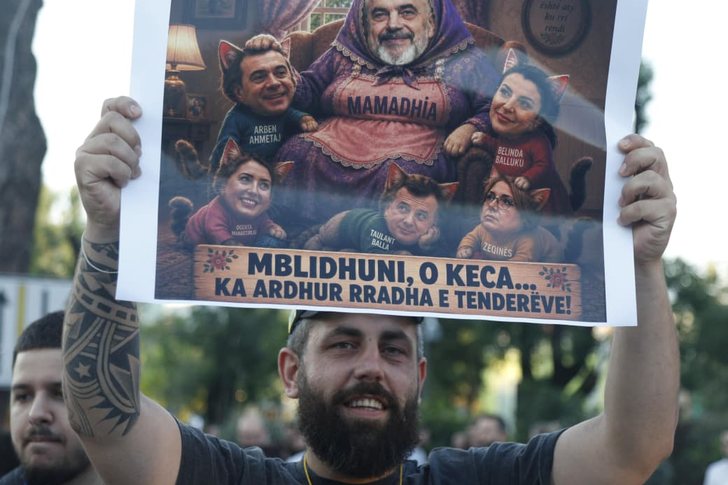
The 20th protest against the government has been taking pl...
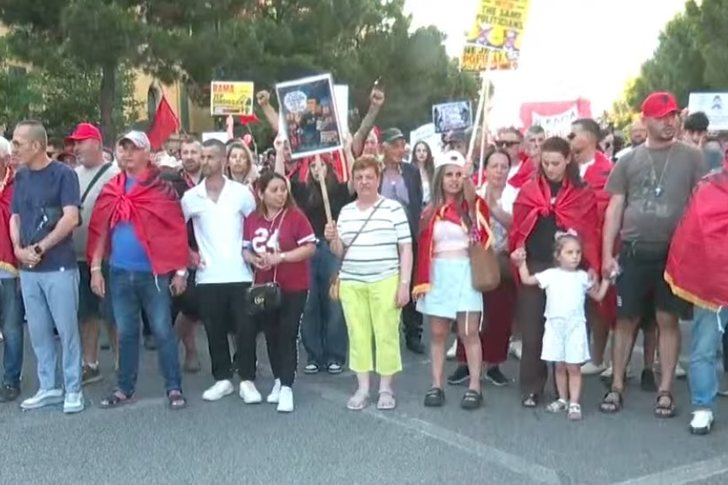
The 20th protest against the government has begun. As on o...

An earthquake with a magnitude of 3.7 was recorded in Alba...

Since the adoption of the Washington Declaration on 8 Augu...

Member of the Presidency of the Democratic Party, Grigels ...
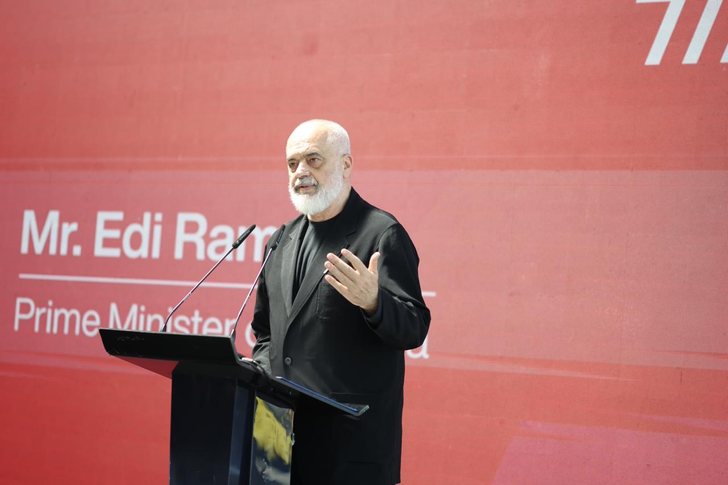
Prime Minister Edi Rama delivered his speech at the inaugu...

Today, the first direct Tirana-Toronto flight from Rinas A...

A mountain of documents for a flagrant case, in the na...
The Democratic Party has denounced a tender held by the Hi...
Since the summer of 2020, the Mayor of Tirana, Erion Velia...
The leader of the Democratic Party, Sali Berisha, denounce...

The Special Board of Appeal (KPA) decided this Monday ...

The KPA vetting decided this Thursday to dismiss the p...

Suela Salavaçi, a prosecutor in the Prosecutor's Offic...

The Special Board of Appeal reinstated the prosecutor ...

Following intensive controls and work based on police inte...
A road accident was recorded on Saturday morning on the Le...
A serious incident is reported to have occurred today in G...
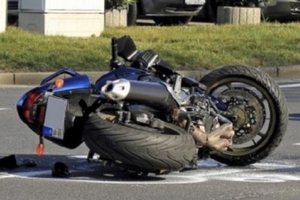
A fatal accident has been recorded on the Fier-Lushnjë hig...

Today our country will be affected by stable weather condi...
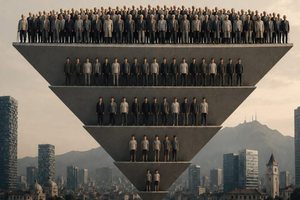
Albania is leading a painful demographic process that plac...
On Friday, our country will be affected by stable weather ...
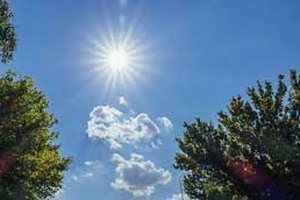
On Thursday, our country will be affected by stable weathe...

Four months of war have fundamentally changed relations be...

Australia has confirmed for the first time the presence of...

Two high-speed passenger trains collided on Friday afterno...
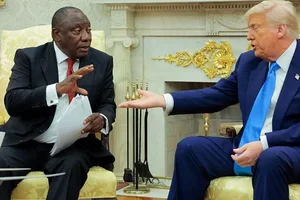
The United States government has announced that it will st...

The promotion of the book by author Aleksandër Ikonomidhi ...

The Albanian Embassy in Switzerland has organized an eveni...
This Wednesday, the prominent actor of Albanian cinema, Gj...
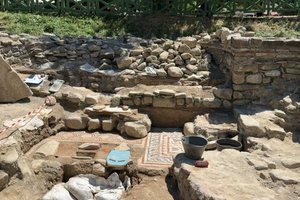
Several archaeological excavations conducted during this s...

In the Balkans, few tourism markets are expanding at the p...

Demographic experts Ilir Gëdeshi and Russell King conclude...

This Saturday, one US dollar is bought for 81.8 lek and so...

Urban development, transport, energy, forestry and agricul...