

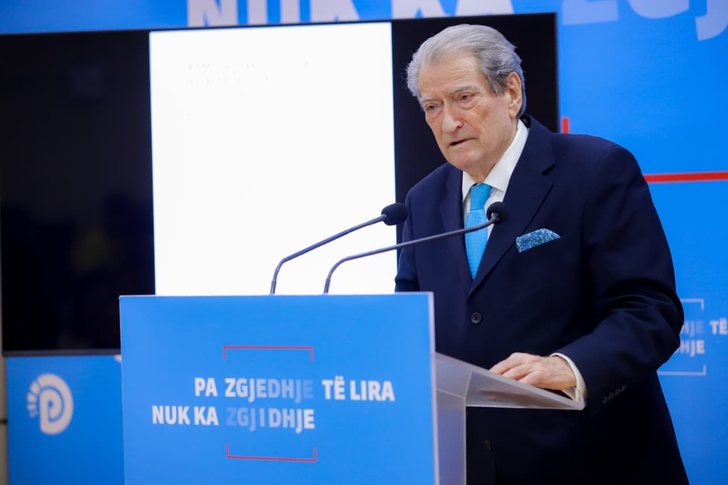
Hacking of SPAK data/ Berisha's accusations: Arnold Rrokaj reported to Rama
DP leader Sali Berisha has spoken about the hacking of SPA...


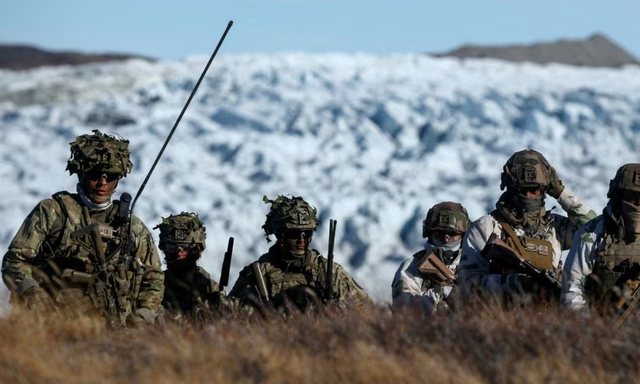
One possible way to ease the current political tensions between Denmark and the United States over the future of Greenland could be to establish a NATO-led mission called "Arctic Guardian."
This idea was born when the ambassadors of the military alliance gathered in Brussels on January 8 to discuss the issue of Greenland, the Danish island, after the White House expressed interest in the United States acquiring it, even not ruling out military intervention to achieve this goal.
NATO has already established two similar missions in 2025: first “Baltic Guard,” in response to numerous underwater sabotage attacks in Northern Europe, and then “East Guard,” which was created shortly after a major Russian drone incursion occurred in Poland.
These two "guards" are still ongoing. They are also considered major successes, according to NATO officials who spoke to Radio Free Europe (RFE/RL) on condition of anonymity.
But could something similar happen around and perhaps within Greenland?
Belgium's Defense Minister, Theo Francken, has publicly supported the idea, while London and Berlin are increasingly open to it.
At the meeting in Brussels, there was consensus that NATO should increase its engagement in the Arctic region.
"Canada has been shouting for years about the need to increase efforts in the High North, so we can't say that Washington is the first to bring this to the table," said a European diplomat.
Seven of the eight so-called Arctic countries are members of NATO, excluding Russia. And while the waters around Greenland are not currently filled with Russian and Chinese ships, that could change as Arctic ice melts rapidly and new sea lanes open up.
NATO's Supreme Allied Commander (SACEUR) and top US general in Europe, Alexus Grynkewich, recently stressed at a military conference in Sweden that Russian and Chinese ships "are not studying seals and polar bears."
He added that the ships "are conducting bathymetric studies and trying to understand how they can counter NATO capabilities above and below the sea. This is something that could grow very quickly, and we need to be vigilant and ready."
At the same time, Grynkewich added that any NATO mission at this time is "premature."
Speaking in Berlin earlier this week about a possible "Arctic Guard" mission, Germany's Defense Minister Boris Pistorius also stressed that such an initiative would take months.
However, NATO Secretary General Mark Rutte is engaged in talks with Washington about how the alliance can increase its commitment, one way or another.
European diplomats have told REL that the "Arctic Guardian" initiative would perhaps refute the argument that Greenland should belong to the United States and that it would prove that Europe can cope with two fronts simultaneously: Russia in the east and Russia and China in the Arctic.
"In many ways, this is also about burden-sharing," one of them said, adding that a possible scenario could include aerial and maritime surveillance by Europeans, and an increased US troop presence in Greenland.
The United States has 200 personnel at a base in Greenland, engaged in ballistic missile early warning and space surveillance. During the Cold War, however, the island had up to 10,000 American troops spread across 17 bases.
A "loaded rifle"
This was based on a 1951 agreement between Copenhagen and Washington, which allows the United States to have military assets, including bases, for as long as NATO exists. This treaty remains in force and places no restrictions on the US military presence, although it still requires Danish consent, which it would likely give.
This would also pave the way for the US to use Greenland in its "Golden Dome" missile defense program, which US President Donald Trump has mentioned when talking about the giant island.
What European countries would do would be to focus on protecting the airspace and sea lanes of what is known as the “GIUK gap,” meaning the vast area between Greenland on one side and Ireland and the United Kingdom on the other.
This gap has been described as a "loaded rifle" facing the United States because it is an entry point for actors like Moscow and Beijing to carry out various actions, from underwater sabotage to land invasions, according to one source.
The countries likely to contribute are mainly the United Kingdom and France, but also countries such as Denmark, Italy, Norway, the Netherlands and Spain, as they all have naval assets.
This, of course, would require several types of ships, notably cruisers and frigates, but also submarines and especially icebreakers. Together, the alliance has only about 40 of these, fewer than Russia, although there are efforts to produce more.
The alliance's defense chiefs are expected to discuss this in more detail when they meet in Brussels on January 21-22, and then again when NATO defense ministers gather in the Belgian capital on February 12.
Practical obstacles
However, there is also hesitation within the alliance about whether the “Arctic Guard” mission is feasible. There are many practical obstacles. For example, it would take hundreds of ships to cover such a large area, including vessels that supply the military ships.
Apart from the Nordic countries and Canada, there are few troops experienced in operating in harsh Arctic conditions. Therefore, the current Danish-led operation, “Operation Arctic Resilience,” in and around Greenland involves troops from Canada, France, Germany, the Netherlands, and Norway.
And, while not everyone has to contribute, everyone must give their consent to embark on such a mission.
What about Americans, will they agree with this?
At the NATO ambassadors' meeting on January 8, Denmark and the United States agreed that this is a bilateral issue, for now.
This prompted a meeting in Washington on January 14 between the foreign ministers of Denmark, Greenland, and the United States, hosted by US Vice President JD Vance.
Danish Foreign Minister Lars Løkke Rasmussen stressed after the meeting that the United States had not changed its position on Greenland, but also added that a high-level working group of American and Danish officials would be established to discuss the issues in the coming weeks.
In Brussels, this is seen as a sign that there may be a "deal" that suits everyone, with an expanded role for NATO.
While there are fears of a military intervention, most of those REL spoke to still see this as "impossible" and believe the US president is using the same strong negotiating tactics he used when securing a 5 percent defense spending commitment from all allies at the Hague summit last year.
Now it's about Europeans spending more and faster, and not just focusing on their eastern flank. /REL

DP leader Sali Berisha has spoken about the hacking of SPA...

The United States of America has once again expressed supp...
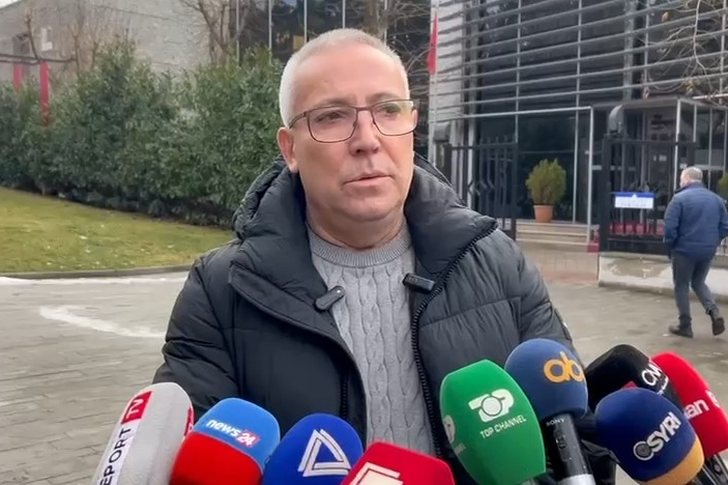
Lawyer Nevzat Tarelli, legal representative of Valter and ...
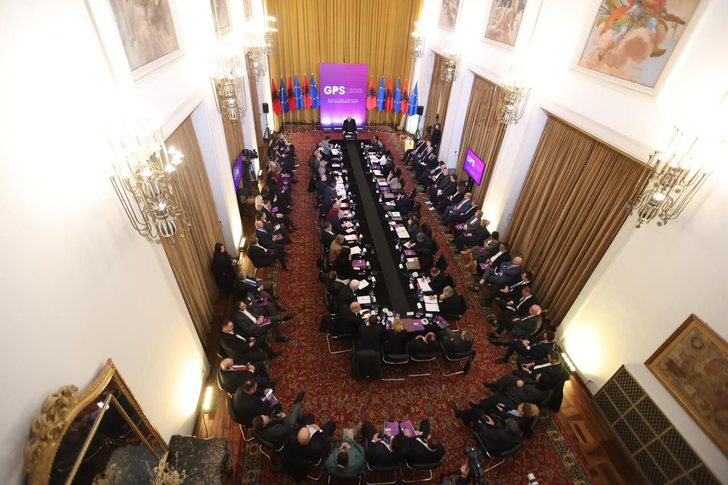
Prime Minister Edi Rama stated during the meeting of the S...
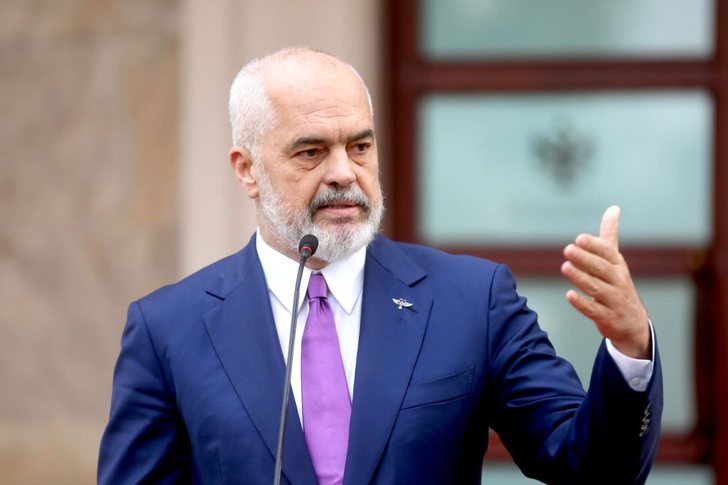
Prime Minister Edi Rama, at the meeting of the Socialist P...
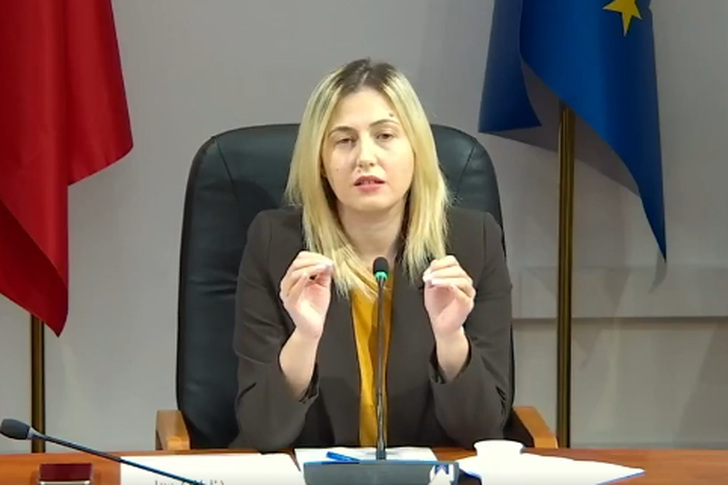
Democratic Party MP, also chairwoman of the Committee on C...

Tirana Police have seized the assets of Spanish citizen AC...

The Tirana Prosecutor's Office has seized the assets of a ...

The Special Court's appeal has upheld the GJKKO decision t...

US Secretary of State Marco Rubio has raised concerns, sta...
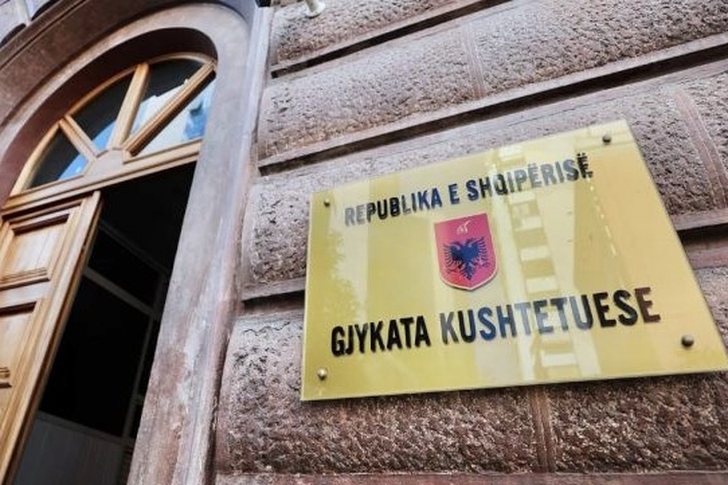
Today, 8 months late from the request made by the oppositi...
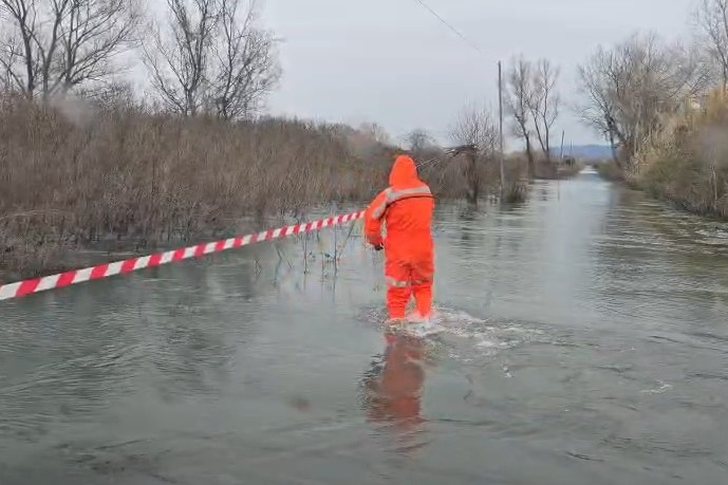
The Shkodra Prefecture has provided information regarding ...
The Prefecture of Korça has provided details regarding th...

Avokatja dhe ekspertja e emigracionit Olsa Alikaj Cano, ka...
Politologu Afrim Krasniqi e cilësoi si alarmante renditjen...

Former prosecutor Eugen Beçi stated today that Altin Ndoc'...
The United States has decided to temporarily suspend the i...
Eksperti i kriminalistikës, Ervin Karamuço, deklaroi sot s...

Journalist Ferdinand Dervishi has cast doubt on the circum...
Eksperti i kriminalistikës, Ervin Karamuço ka ngritur sot ...

Erion Isufi is the man known in the media as Lulzim Basha'...

There have been 12 days of protests in the capital, which ...

Dritan Prençi is the SPAK prosecutor who is sleeping on th...
The in-depth investigations that SPAK conducted into Ajola...

The Special Board of Appeal (KPA) decided this Monday ...

The KPA vetting decided this Thursday to dismiss the p...

Suela Salavaçi, a prosecutor in the Prosecutor's Offic...

The Special Board of Appeal reinstated the prosecutor ...

Kurbin police have cracked down on a case of narcotic plan...

It is reported that an accident occurred at the entrance t...

Police have finalized an operation to crack down on a crim...

A person has been arrested in connection with the assassin...

On Thursday, our country will be affected by stable weathe...

On Wednesday, our country will be affected by relatively s...

Meteorologist Tanja Porja shared some predictions today re...
The large regions of Northern Albania are experiencing a s...

Foreign media have published close-up images of the US-Ira...

As talks over Iran's nuclear program continue, the fate of...

Property sales in Dubai have fallen "off a cliff", a leadi...

Ukrainian drones struck a Moscow oil refinery for the seco...

The Albanian Embassy in Switzerland has organized an eveni...

This Wednesday, the prominent actor of Albanian cinema, Gj...

Several archaeological excavations conducted during this s...

At the Museum of Fine Arts in Chambéry, France, an exhibit...

A new draft law submitted for public consultation by the M...

While budget revenues are being collected at enviable rate...

This Thursday, one US dollar is bought for 81.5 lek and so...
Net electricity production in the country reached 4.4 mill...