


Accident in Bradashesh/ 4 vehicles and a trailer collide
An accident occurred in the Bradashesh area of Elbasan n...

An accident occurred in the Bradashesh area of Elbasan n...

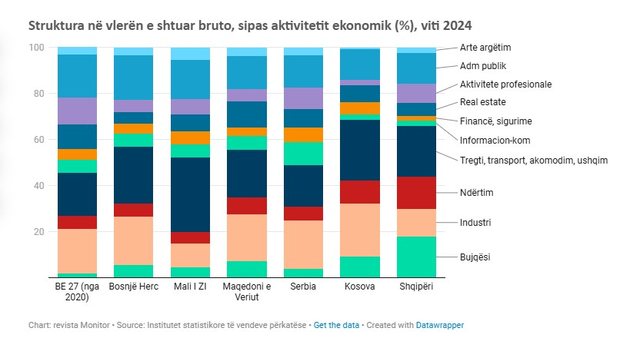
The economies of the Western Balkans do not rely on the same growth engines. Some countries have maintained a relatively strong industrial base, others depend more on trade, tourism and services, while Albania stands out for the high weight of agriculture and, especially, construction.
Monitor has processed Eurostat data and compared the structure of gross value added by economic activity (excluding net taxes and subsidies) for the Western Balkan countries and the European Union average for 2024 (latest available data).
Growth patterns in the region differ significantly not only from each other, but also from the average economy of the European Union.
In the EU, economic activity is more spread between industry, professional services, public administration, real estate and finance, while Balkan countries continue to have a greater concentration in traditional sectors.
The comparison shows that the Western Balkan countries continue to rely more on agriculture, construction, trade and traditional industry, while the European Union has a greater share of professional services, financial services and knowledge-based activities.
Albania, the highest weight of construction
Albania is the country where construction has the highest share in the economy. According to the data in the graph, the sector generates 13.8% of gross value added, more than double the European Union average of 5.5% and significantly above all other Western Balkan countries.
The share of construction in Albania is the highest in Europe. In Kosovo, this sector accounts for about 10% of the economy, in North Macedonia 7.2%, while in Serbia 5.9%, Bosnia and Herzegovina, 5.6% and Montenegro fluctuates around 5%.
The rapid expansion of construction, supported by investments in housing, tourist structures, and major developments in urban and coastal areas, has been one of the main sources of Albania's economic growth in recent years.
But excessive reliance on construction does not necessarily represent a sustainable development model in the long term.
Construction can create employment, attract capital, and fuel related sectors, but it creates less room for productivity growth, exports, and innovation than manufacturing, technology, or professional services.
Once the investment cycle ends, its ability to continuously produce new value is more limited.
Furthermore, this sector has served as a channel for the entry of informal money into the country, as also resulted from recent investigations by SPAK, being one of the main factors that has inflated real estate prices and made them less affordable for locals.
In addition to construction, Albania also has the highest share of agriculture in the region. This sector generates around 17-18% of gross value added, compared to less than 2% in the EU. The difference shows that a significant part of the economy and employment continues to be concentrated in activities with relatively low productivity.
Despite the high weight of agriculture, Albania has more expensive food prices than the European Union average, an indicator of the sector's low productivity.
Industry accounts for about 12% of the Albanian economy, a significantly lower level than the EU average and other countries in the region. Its share is particularly small compared to Kosovo, Bosnia and Herzegovina, Serbia and North Macedonia, where the share of industry fluctuates between 20-23%.
Meanwhile, trade, transport, accommodation and food services together account for more than a fifth of the economy, reflecting the growing role of tourism and consumption in the Albanian economic model.
Another weakness of Albania is the relatively low development of financial intermediation. Finance and insurance have a small share in Albania's gross value added, around 2%, less than in Serbia (6.2%), Montenegro (5.7%), Bosnia and Herzegovina (4.4%) and the European Union average (4.7%).
The low weight indicates not only the limited size of the financial market, but also the economy's almost complete dependence on the banking system. Capital markets, investment funds, insurance and alternative financing instruments remain underdeveloped.
On the positive side, Albania has marked relatively good development in professional, scientific and technical activities, along with administrative and support services.
The share of this group of activities in gross value added reached 8.4%, the second highest in the region after Serbia (9.4%), and is close to the European Union average (11.8%), indicating a gradual expansion of services that require more knowledge, specialization and qualified labor.
Serbia builds a more technology-oriented model
In contrast to Albania, Serbia stands out for the development of the information and communication sector. This activity has managed to generate about 10% of the gross value added, the highest share in the Western Balkans and almost double the European Union average. For Albania, this indicator is only 2.6%, the lowest in the region, together with Kosovo (2.5%).
The growth of information technology has helped Serbia create an economic model more oriented towards exports of value-added services, skilled employment, and investments in knowledge.
Unlike construction, the technology sector can expand without the need for large investments in land and real estate. It also has higher potential for increasing productivity, wages, exports, and integration into international service chains.
The structure of the Serbian economy is more diversified. Industry accounts for about a fifth of gross value added (21.2%), significantly more than in Albania, while construction has a more controlled share of about 6%.
Serbia also has a greater presence of financial activities, real estate, and professional services. Agriculture, while remaining important, only accounts for about 4% of the economy, much less than in Albania.
Montenegro, the economy most dependent on trade and tourism
Montenegro has the most service-oriented model of trade, transport, accommodation and food. Together, these activities account for about a third of gross value added, the highest share in the region.
Montenegro has the highest share of the activity “Trade, transport, accommodation, food” in the region, at 32.6% and well above the EU average of 18.9%. This structure reflects the heavy dependence of the Montenegrin economy on tourism.
In years with high tourist flows, the sector brings in income, employment, and foreign exchange, but such dependence exposes the country to external shocks, changes in tourist demand, and international uncertainties.
Montenegro has the lowest industrial share in the region, around 10-11%, while construction accounts for approximately 5% of the economy.
Real estate activities and finance have a relatively important role, also linked to foreign investment in property and tourism developments, with 5.7% and 7.5% of gross value added in the economy, respectively.
Kosovo relies on industry, trade and construction
Kosovo has a structure where industry, trade and construction account for the majority of the economy. Industry generates more than a fifth of gross value added (22.8%), among the highest levels in the Western Balkans.
Trade, transportation, accommodation and food services account for about a quarter of the economy, while construction has a share of approximately 10%, the second highest in the region after Albania, but also in Europe.
Agriculture also continues to be relatively important, with 9.3% of value added. In contrast, information, communication, finance and professional services remain less developed than in the region and the European average, displaying a structure similar to Albania, with the exception of the much higher weight of industry.
North Macedonia, a more balanced structure
North Macedonia presents a relatively more dispersed structure between industry, trade, construction and services. Industry accounts for about 21% of the economy, while trade, transport, accommodation and food have a similar weight.
Construction accounts for 7.2% of gross value added, more than the EU average, but less than in Albania and Kosovo.
Agriculture maintains a share of around 7%, while real estate activities are relatively important, with 11.6%, the highest share in the region and above the European Union average of 10.8%.
Bosnia and Herzegovina maintains industrial base
Bosnia and Herzegovina has one of the highest industrial weights in the region's economy, accounting for around 21% of gross value added. The country relies on manufacturing, energy and activities related to exports to the European market.
Trade, transport, accommodation and food also play a large role, accounting for nearly a quarter of the economy. Agriculture accounts for 5.4% of the gross value added in the economy, while construction has a much lower share than in Albania and Kosovo, at 5.4%.
"Trade, transport, accommodation, food" brings in 24.7% of the value added to the economy, the third highest in the region, after Montenegro and Kosovo.
However, professional services (5.5%) and finance (4.4%) have not yet reached the proportions they have in the most developed EU economies./ Monitor


Renowned doctor Edvin Prifti today recounted his professio...
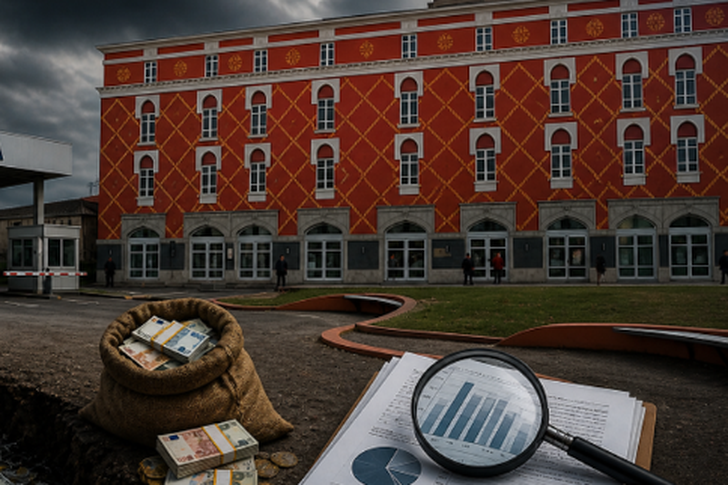
An unsealed road, a tender with inflated costs, an institu...

The Brazilian Supreme Court has rejected the request for t...
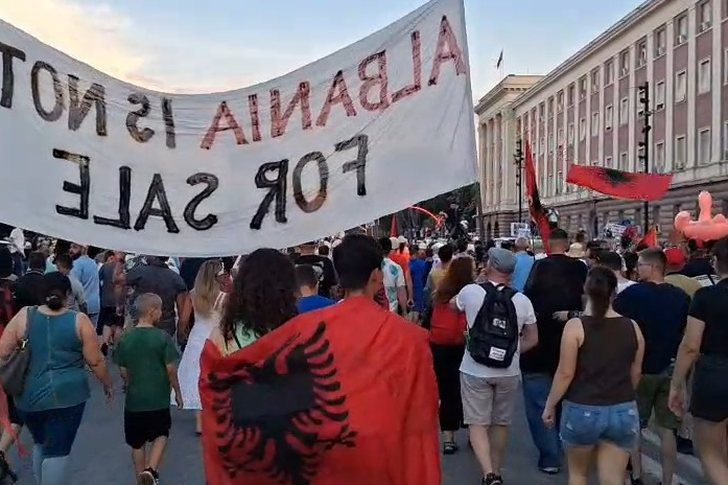
This Monday, the 58th civic protest against the government...
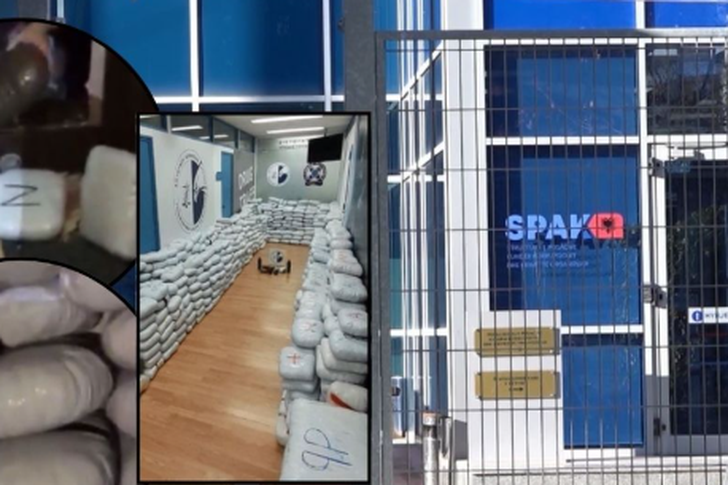
The Special Prosecution Office against Corruption and Orga...
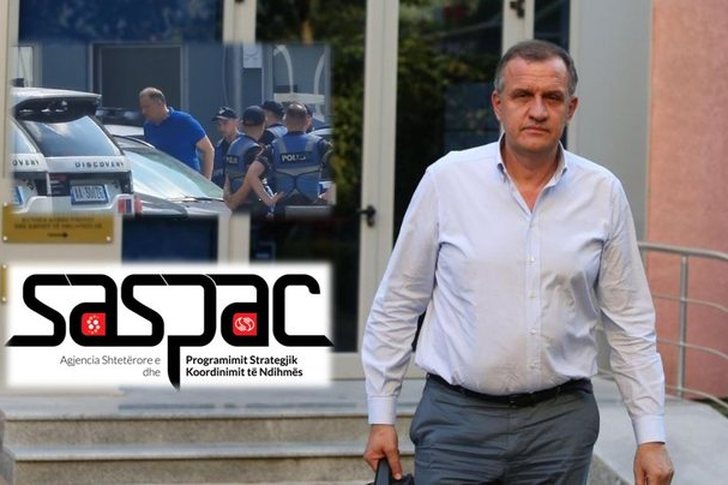
The Special Court has decided to return the "SASPAC" file ...
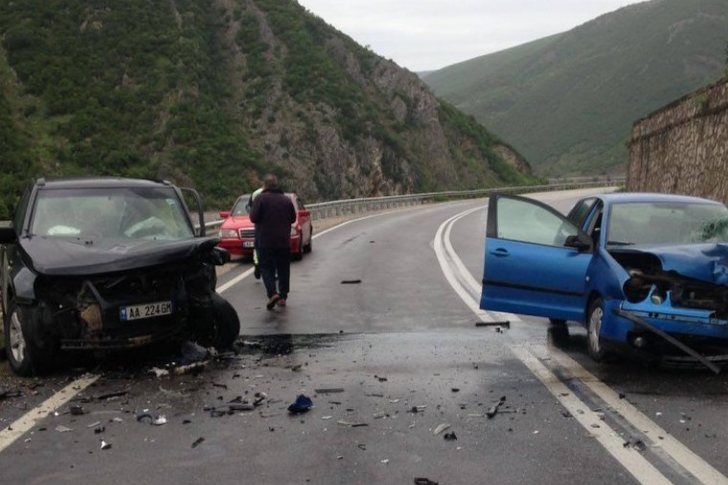
Road accidents in the country increased in June, while the...

Agron Shehaj, leader of the Opportunity party, has committ...

The Chairman of the Socialist Party Parliamentary Group, T...
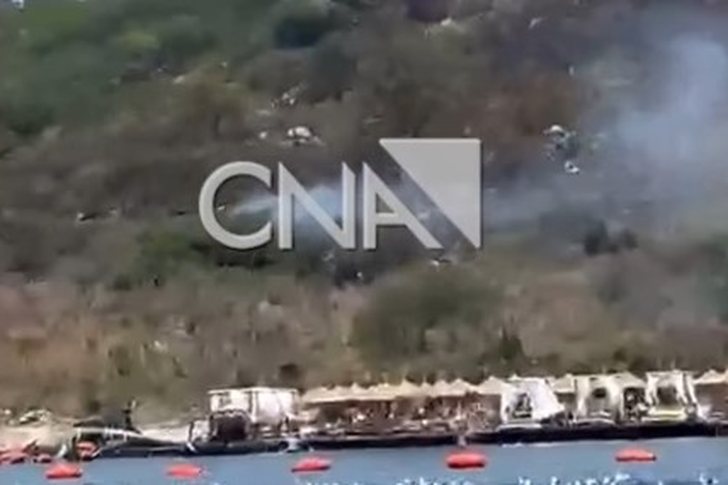
CNA has provided footage showing that the fire in Harta Ba...
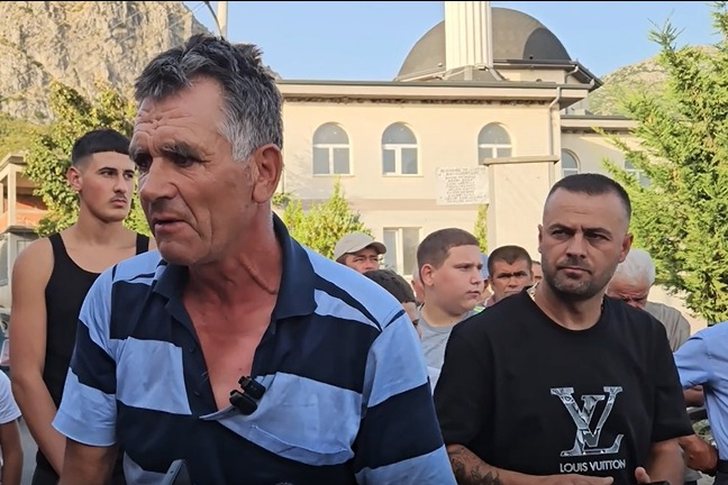
Residents of the village of Zvezda, in the Maliq Municipal...
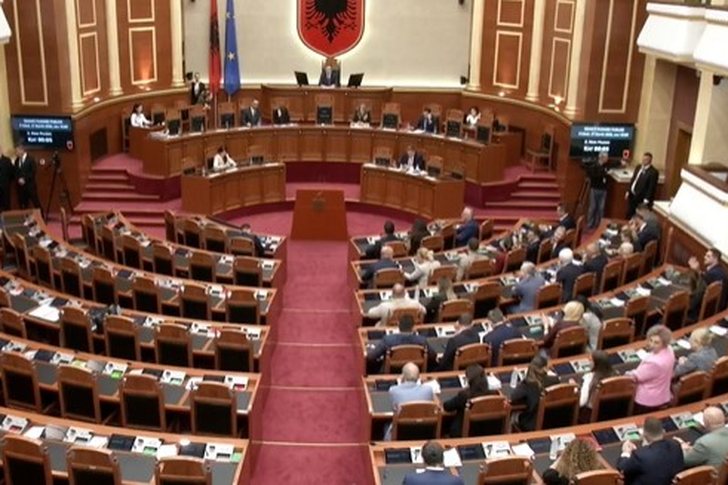
With 75 votes in favor, zero against and zero abstentions,...
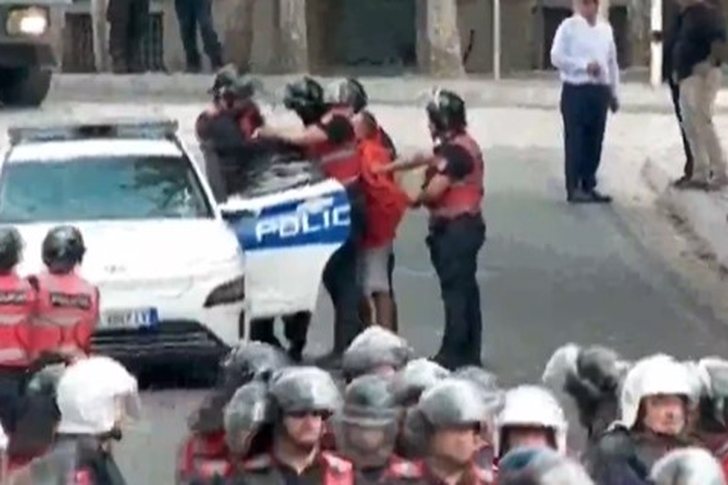
The police have begun the first escorts of protesters who ...
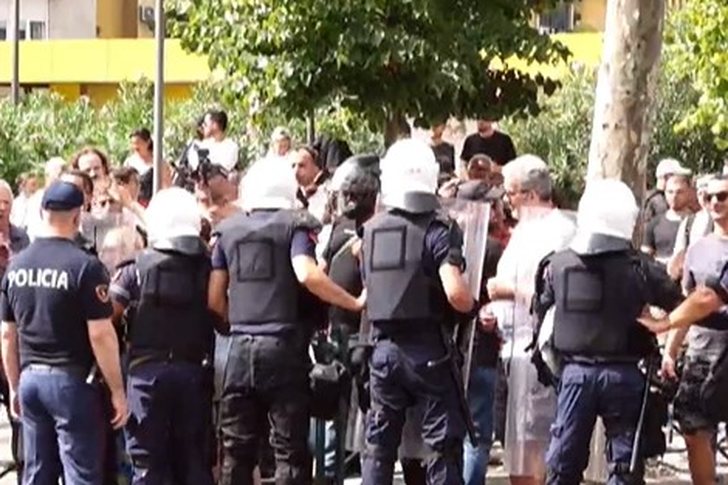
The area around the Parliament has been surrounded by nume...
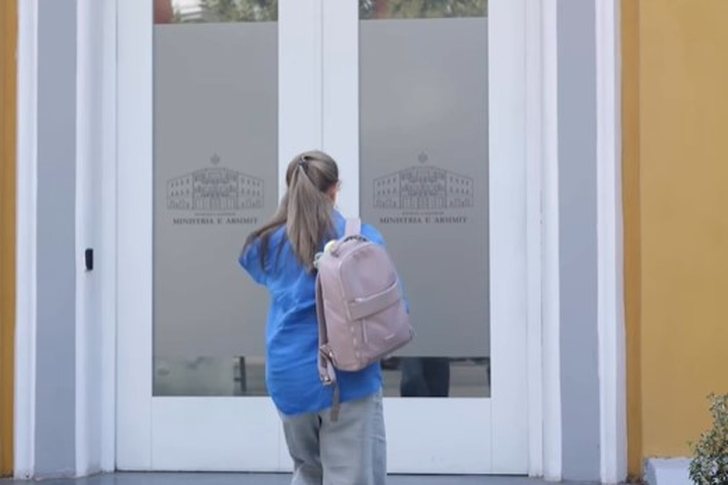
The online application for the selection of 10 study progr...
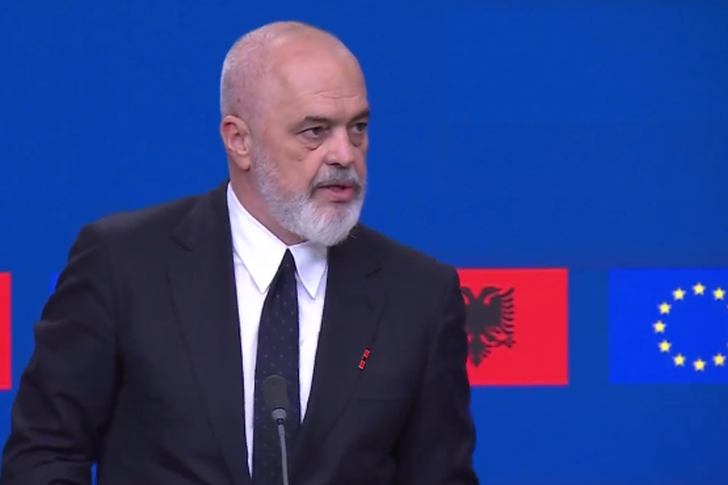
Prime Minister Edi Rama, at a conference organized by the ...
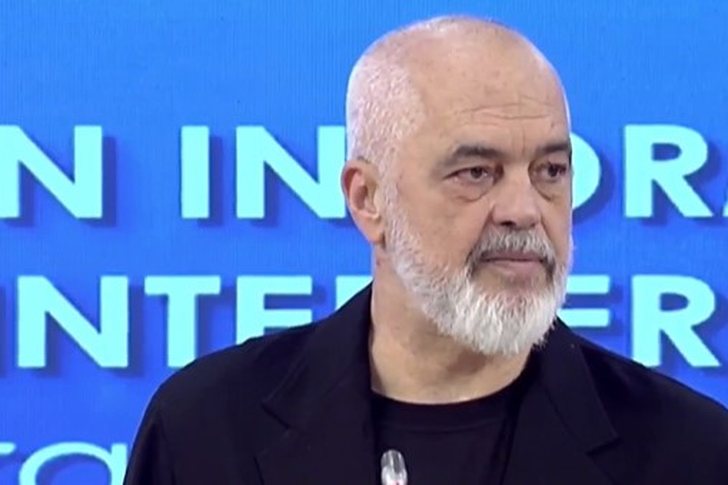
Prime Minister Edi Rama spoke about cyberattacks at a conf...
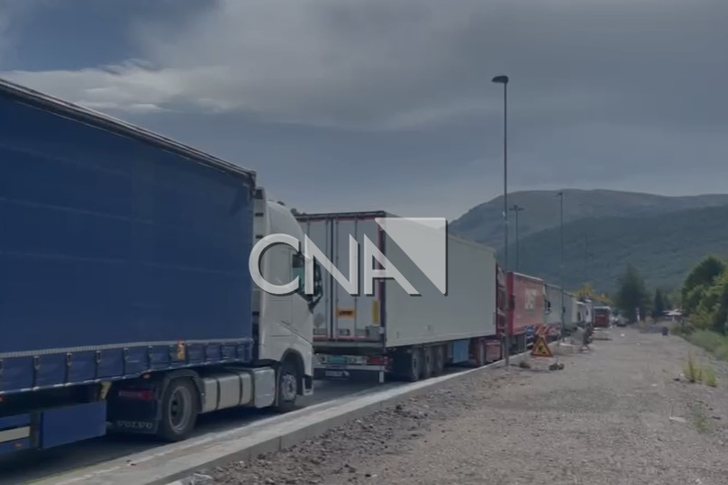
After the end of the movement suspension interval, the pas...
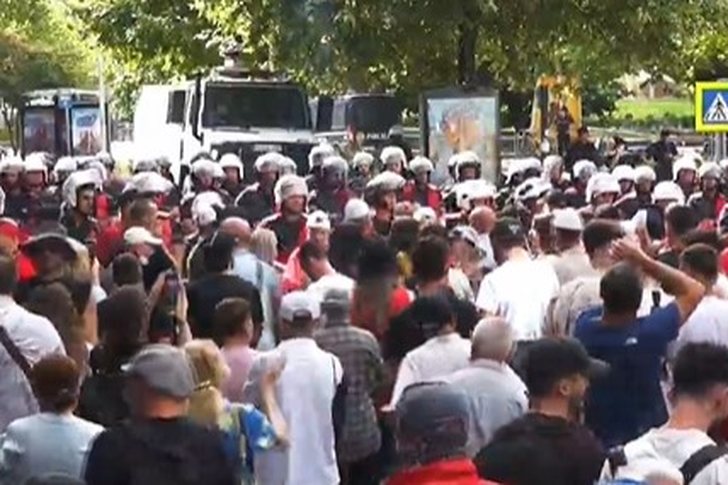
Protesters marched towards the Parliament where they were ...
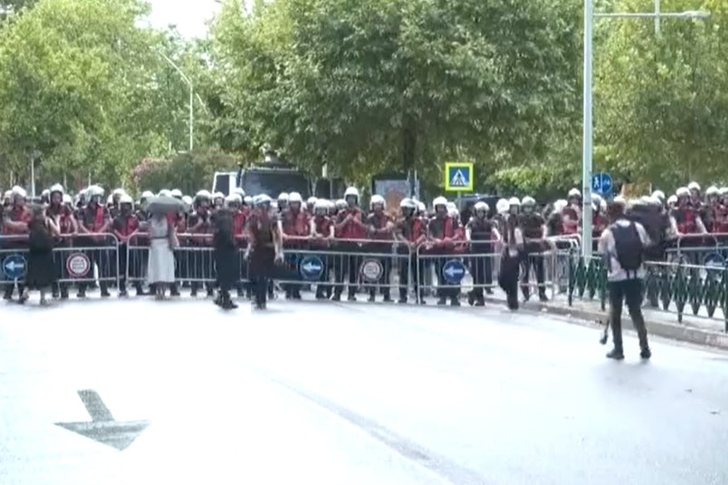
Numerous police forces have arrived on the scene for today...
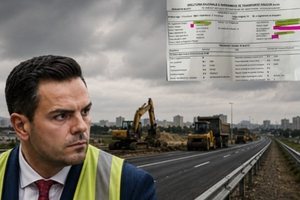
The 50 million euro tender for the maintenance of national...
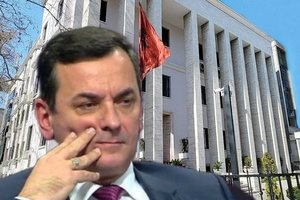
Today we will bring another article that breaks down the w...
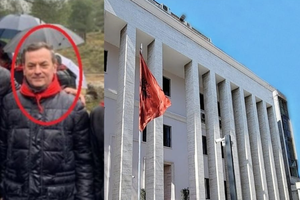
CNA has put under scanner the assets of Sokol Sadushi, the...
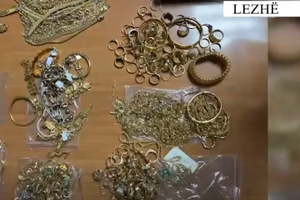
A 39-year-old citizen has been arrested in Lezha, after se...

The Special Board of Appeal (KPA) decided this Monday ...

The KPA vetting decided this Thursday to dismiss the p...

Suela Salavaçi, a prosecutor in the Prosecutor's Offic...

The Special Board of Appeal reinstated the prosecutor ...
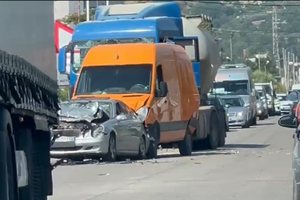
An accident occurred in the Bradashesh area of Elbasan n...

A serious road accident occurred tonight on "Vllazërimi" s...
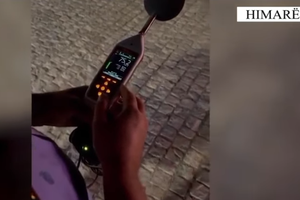
During the checks carried out by the State Police for envi...
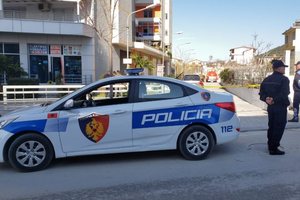
Police have revealed details of the incident that occurred...
Meteorologist Lajda Porja has warned that Albania will onc...
Ditën e sotme vendi ynë do të jetë në ndikim të masave ajr...
The public sector took the lead in absorbing the workforce...
Today, our country will be under the influence of unstable...
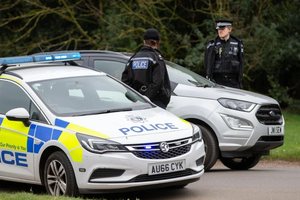
Police are "carrying out investigations" into an image sha...
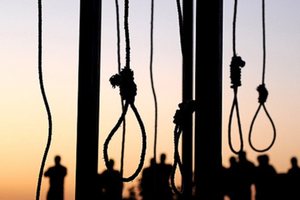
Iranian state media reports that Abolfazl Sepahi Badjani a...
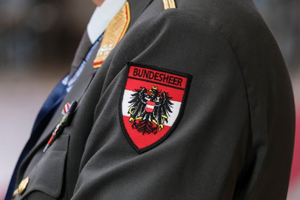
The Austrian government announced on Monday that it plans ...
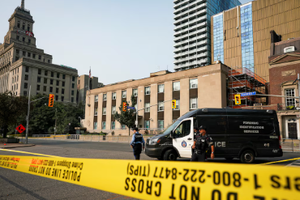
Shots were fired outside the US consulate in Toronto today...
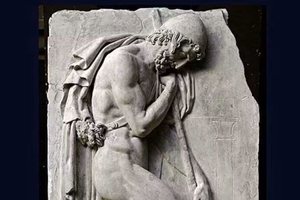
In the history of Western art and literature, few moments ...
Two windows, a century of history and the metaphysics of p...
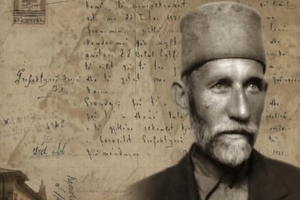
In my research at the Central State Archives, specifically...

At a time when industrial products are increasingly taking...
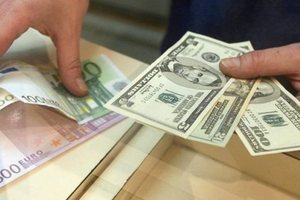
This Tuesday, one US dollar is bought for 81.7 lek and sol...
The Ministry of Finance will hold the reopening of the 15-...
After strong savings growth in the years following the pan...
This Monday, one US dollar is bought for 81.5 lek and sold...