


Himara becomes the center of the world/ Estonia triumphs in "Miss Summer World 2026"
Himara, the heart of the Albanian Riviera, transformed int...


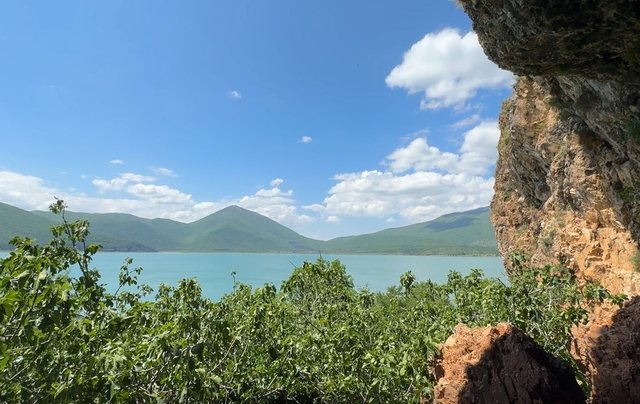
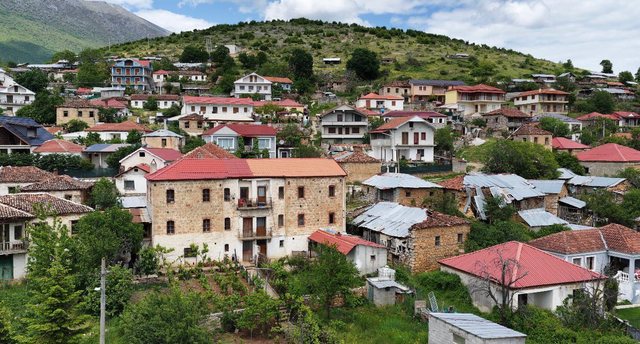
In the southeast of Albania, where borders unite cultures, history and ancient traditions, lies one of the rarest and most authentic areas of our country, the Municipality of Pustec. A region located on the shores of Lake Prespa, among mountains, untouched nature and a history that continues to live in every village, in every church and in every family of this area.
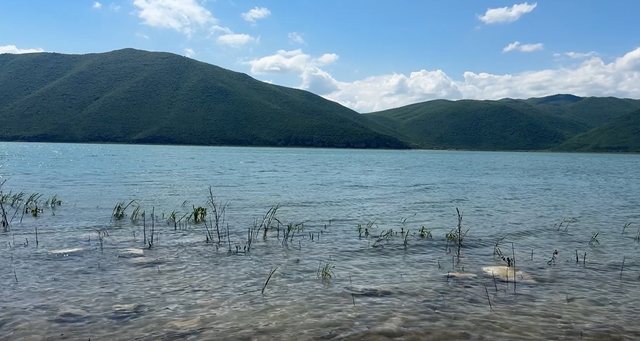
Here, far from the noise of big cities and the fast pace of modern life, Prespa still preserves its tranquility, tradition and true spirit. Lake Prespa, the island of Maligrad, Byzantine churches built into the rocks, prehistoric drawings, caves where fishermen once sheltered and extraordinary biodiversity make this area one of Albania's most special treasures.
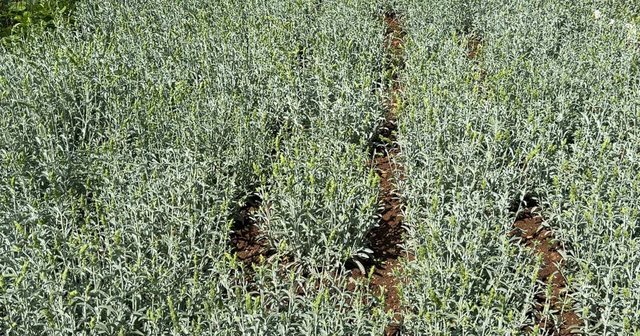
In this part of the country, nature and cultural heritage still coexist in the most authentic way possible. But Prespa is not only history and landscape, but above all, it is the land of its people. Residents have lived between the lake and the land for generations, engaging in fishing, agriculture, livestock and preserving the traditions they have inherited over the years. Even today, in many families of Pustec, the cultivation of mountain tea, the traditional preparation of fish dishes and the way of life that has characterized this area for decades continue.
In this CNA TV special, we will travel to the heart of Albanian Prespa to discover the history, culture, traditions and natural beauties of the Municipality of Pustec. We will stop at reconstructed village centers, visit centuries-old churches and the famous island of Maligrad, hear different stories and learn more about the projects and vision for the development of this area.
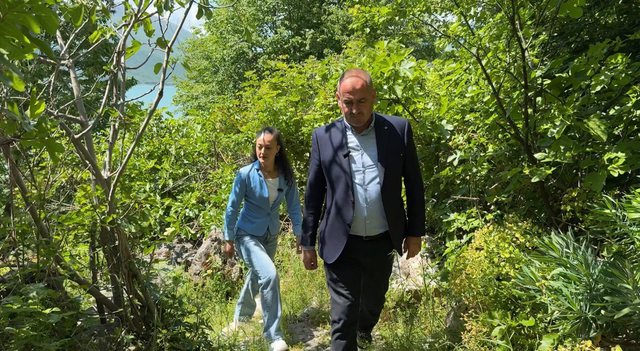
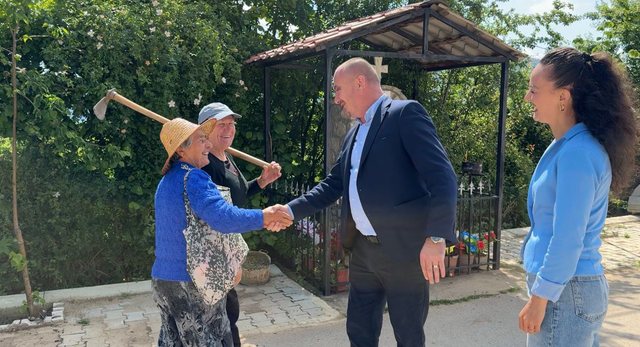
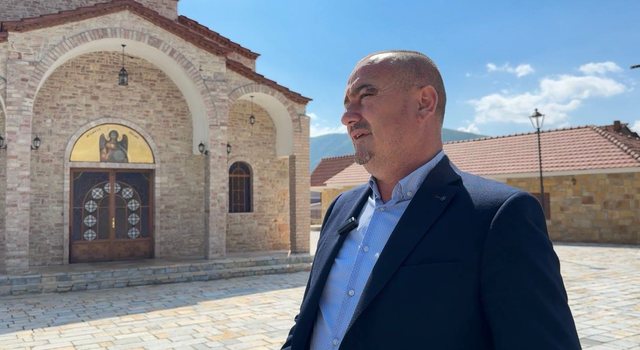
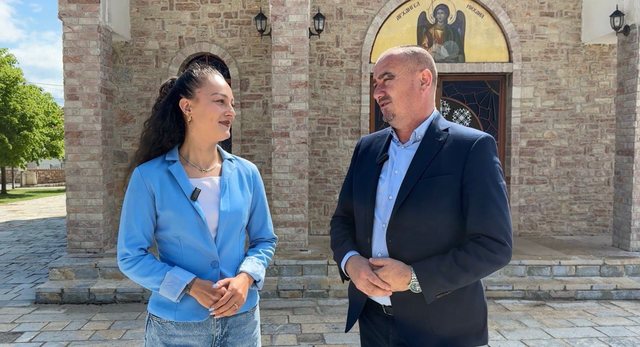
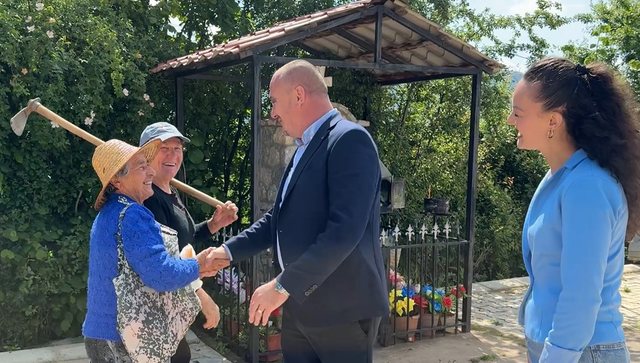
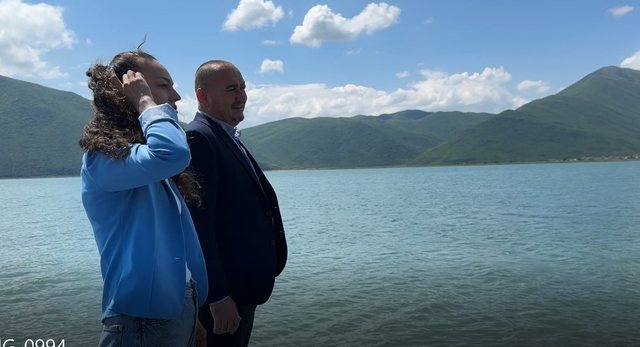
On this journey, we are accompanied by the Mayor of Pustec, Pali Kolefski, who considers the promotion of Prespa an important opportunity to highlight the values ??that this region carries.
"Thank you, it is truly a great honor that you are doing to the area and I, in particular, am really pleased that you are interested in us doing that transparency and publicity for our municipality, the small municipality of Pustec."

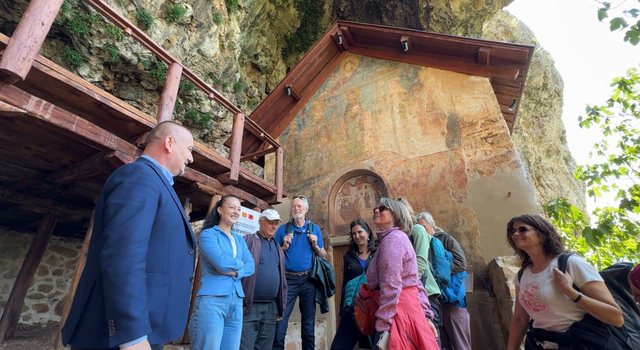
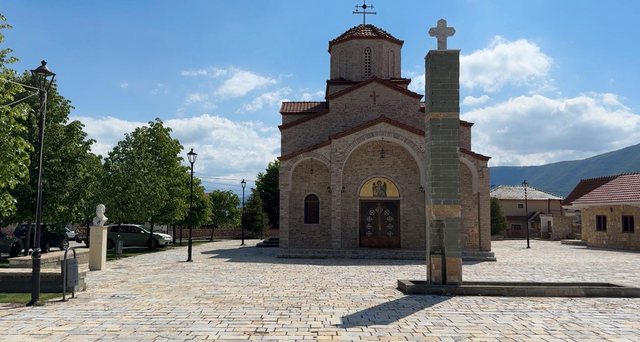
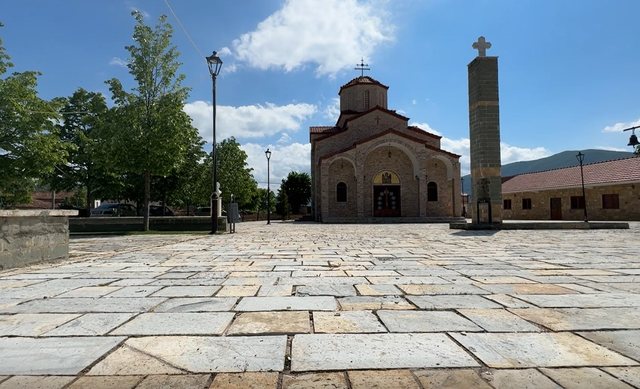
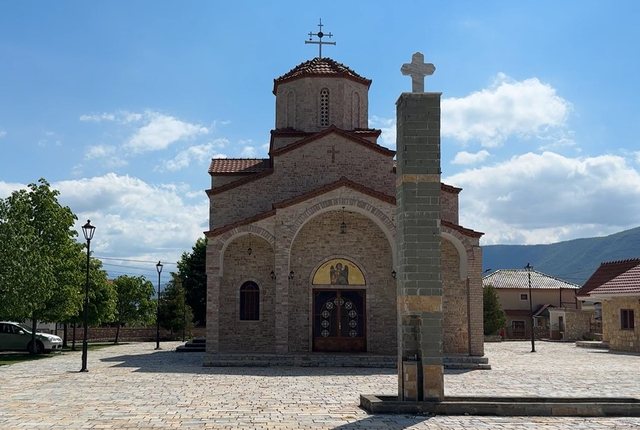
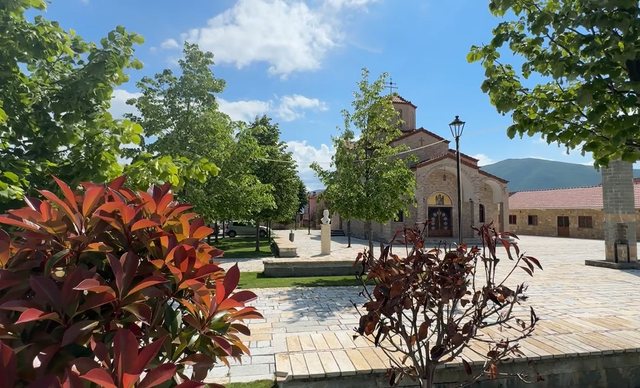
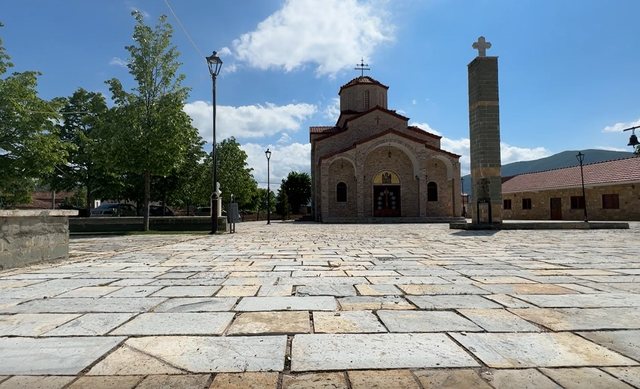
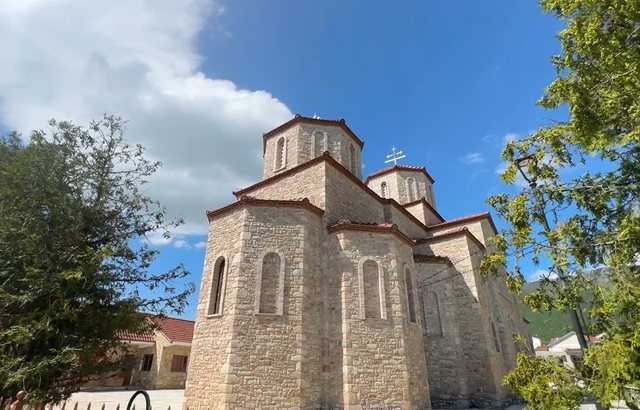
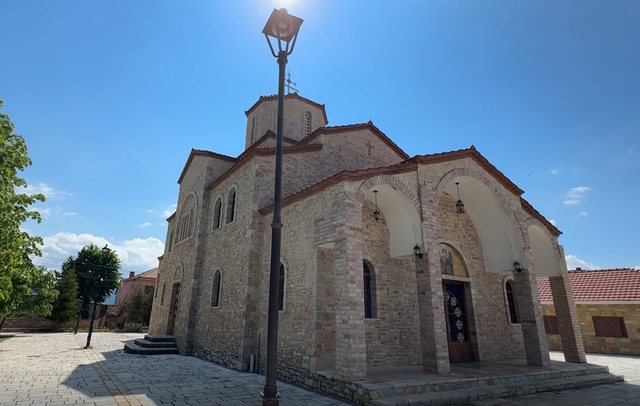
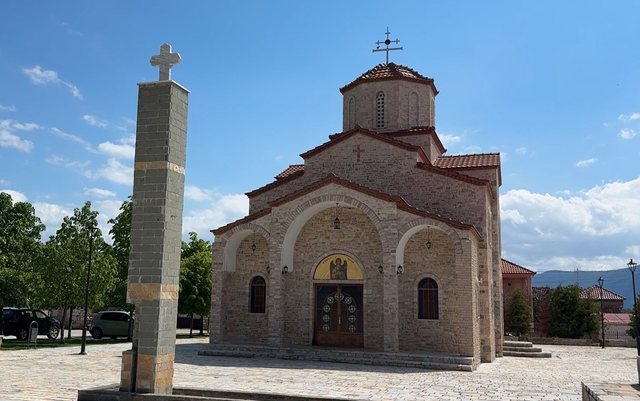
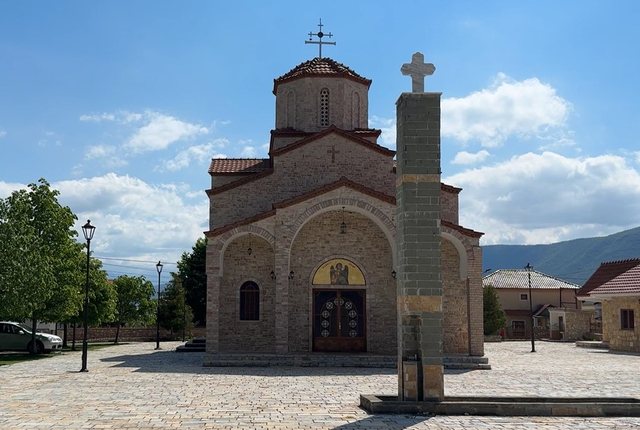
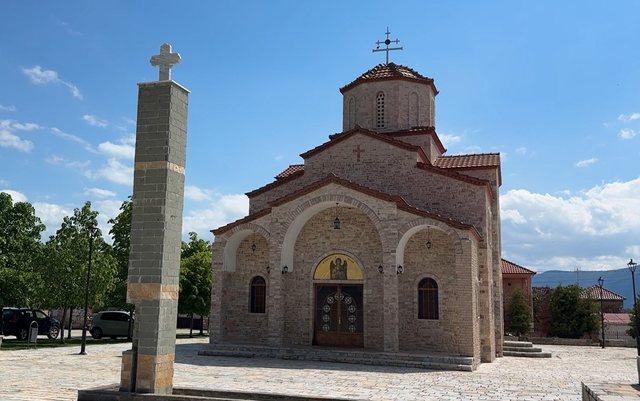
Our first stop is the reconstructed center of the village of Pustec, an investment made by the Albanian Development Fund, which has transformed one of the most important spaces of the community. At the heart of this center is the Church of St. Michael, an object of special historical and spiritual importance for the inhabitants of the area.
"This is an investment by the Albanian Development Fund, which we consider necessary. It is a small center but located in the middle of the village of Pustec, where there is also the church of Shën Mhilli, which is a special value, it is also a religious holiday that is celebrated in this village. And I think that such centers not only here, but in all areas, in all villages of this area where there is a center, that all the villages of the southeast are really, that is, they are really to be appreciated and we believe that we will continue with other villages as well."
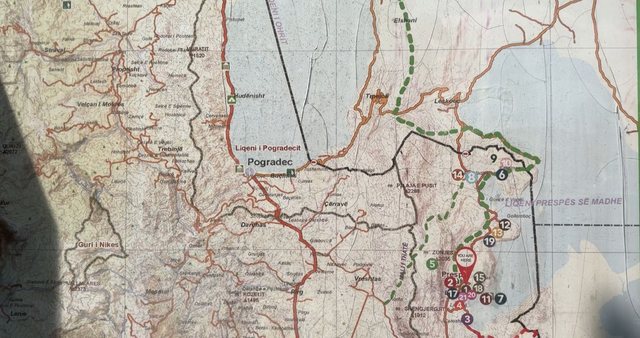
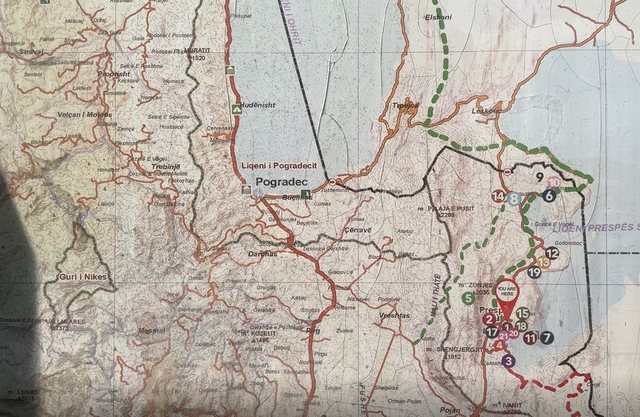
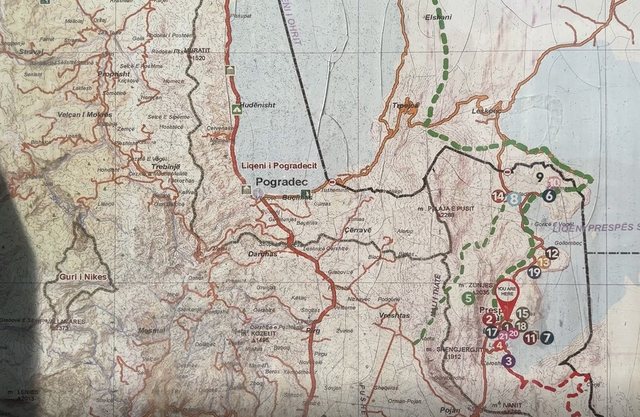
Right next to this center, you can also see the tourist map of the Municipality of Pustec, which guides tourists to all the main destinations in the area. It includes the island of Maligrad, Byzantine churches, hiking trails and the most important tourist spots.
"The map shows all the destinations of the municipality, the entire municipality of Pustec. The island of Prespa is located there, there are all the other attractions, let's say all the Byzantine churches that are located around Lake Prespa. Hiking spots have also been determined, knowing that the municipality has a combination of the lake, beautiful mountains, that is, clean ones, so it helps, to some extent it helps. But I can emphasize that there is a need, we are working to expand this information and I believe that very soon we will have all the orientation signs for all tourists."
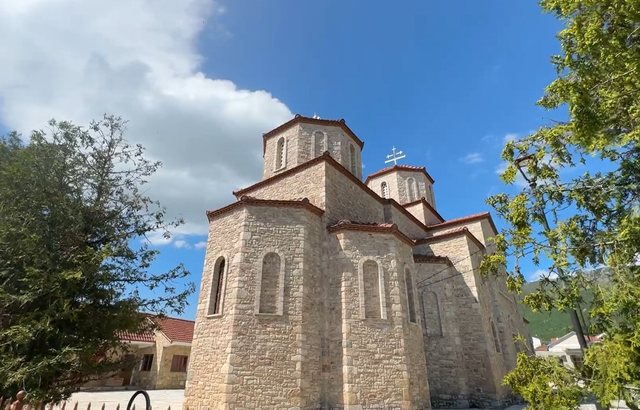
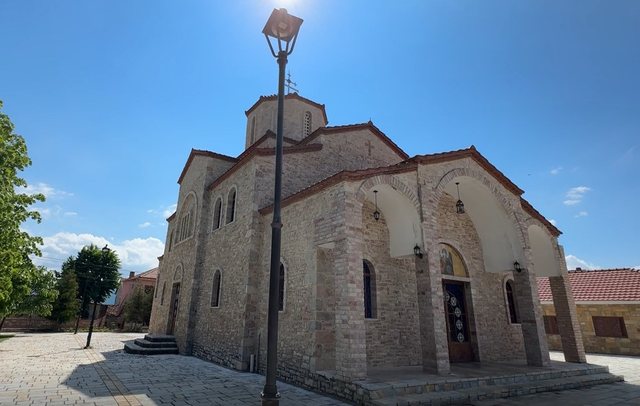
One of the most important symbols of the religious and cultural identity of the area is the Church of St. Michael. Its history is directly linked to the communist period and the resurgence of faith after the 1990s.
"Here was a previously located object, an old object, which was destroyed as a church during the communist period. In the same place, on the same foundations, this church was built and it is very significant because in our area there is such a characteristic. Every village has its own religious holiday that it celebrates. The village of Pustec has this church, which people celebrate on this date as their family holiday and it has a very great significance for every family here in Pustec."
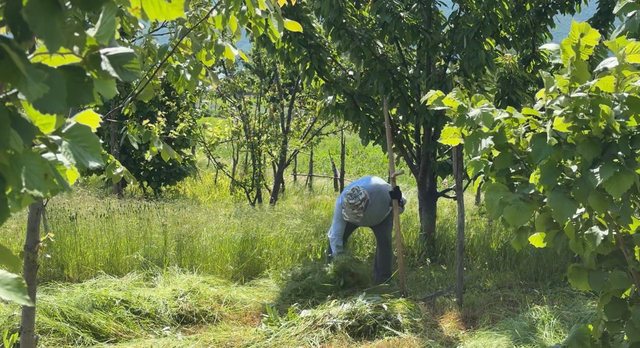
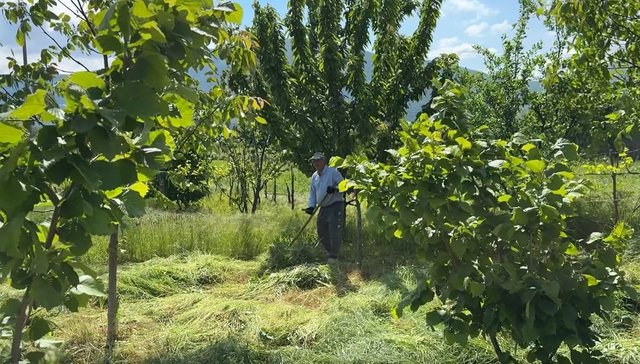
Beyond tourism and cultural heritage, the inhabitants of Pustec continue to live mainly on agriculture and fishing. Families still cultivate mountain tea, wheat, corn, and livestock, while fishing remains one of the main sources of income for many residents of the area.
"I would mention agriculture, I would mention the small family agriculture that they have. They are trying, as you mentioned, even though they are old, but there are still families that deal with mountain tea. But I would also mention fishing, because fishing is included in agriculture, is supported by the Ministry of Agriculture and is a very important field. Here there are about 50 licenses, or 100 families (of two people), all families that support themselves with fishing. In addition to tea cultivation, people also plant other crops such as wheat, corn, or other crops to maintain livestock."
Like many rural areas of Albania, the Municipality of Pustec has been facing the phenomenon of emigration and departure of residents, mainly young people, to other countries in search of better economic opportunities for years.
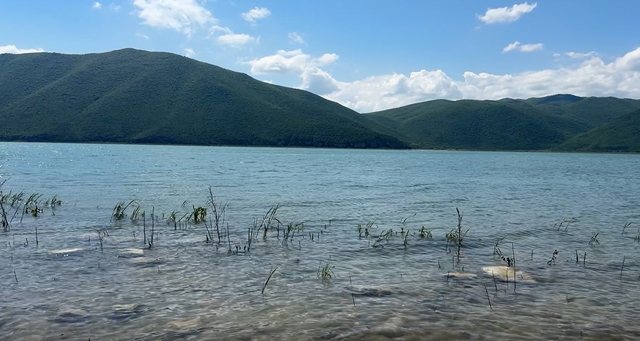
The proximity to the North Macedonian border has led some residents to move daily for seasonal or temporary work, while others have chosen long-term emigration abroad. However, despite the departures, many families continue to maintain strong ties to their homeland and return to Pustec, especially during the holidays and summer season.
"Here is such a phenomenon, since we are close to the border of North Macedonia, people have daily departures, let's say, a good part of them. Early in the morning, 6 am for example, they leave, work in agriculture or construction in the areas around the municipalities that are adjacent to us, Resen, for example, or Bitola. Then there are those others who emigrate deeper, and this part is more worrying, let's say, those who have gone and created conditions for living in the countries where they emigrate."
Agriculture remains one of the most important sectors for the economy of the Municipality of Pustec and the main source of income for many families in the area. The cultivation of mountain tea, wheat, corn and other agricultural crops continues to be part of the daily lives of the residents, while the need to improve the irrigation and drainage system is considered vital for the further development of this area.
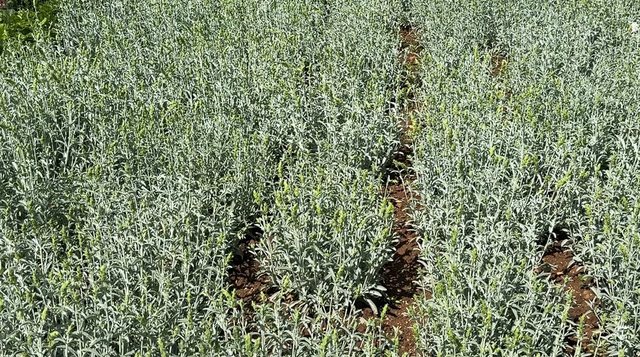
For this reason, the Municipality of Pustec has applied for support projects in the agricultural sector, with the aim of improving irrigation infrastructure and creating better conditions for farmers. According to Kolefski, investments in reservoirs, drainage canals and irrigation systems will directly impact the increase in agricultural production and support families living on the land.
"We have been applicants to the Ministry of Agriculture several times. This year, the municipality of Pustec is the beneficiary of one of the irrigation and drainage projects. The reconstruction of 3 reservoirs will be carried out, all of which will be used to irrigate the Pustec field, especially at the point where people who cultivate tea are concentrated. It is the part below Lajthiza that covers the entire part of Pustec. And we will also prepare the other project, we will prepare all the second and third drainage channels, and irrigation channels, that have the opportunity to benefit from this improvement in irrigation."
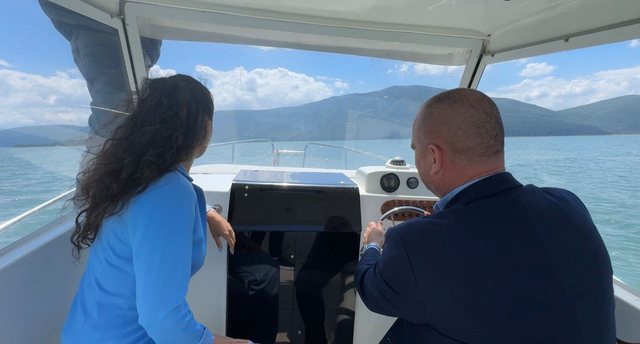
As we leave Pustec and leave the lake shore behind, one of the most special and popular destinations in this area begins to appear before us, Maligrad Island.
Nestled in the calm waters of Lake Prespa, this island carries not only rare natural beauty, but also history, legends and a cultural heritage that makes it one of the most important tourist spots in southeastern Albania. The road to Maligrad is an experience in itself. The view of the lake, the tranquility that surrounds you and the almost untouched nature create the feeling as if you are approaching a hidden place between history and nature.
"Now we are heading towards one of the best, most beautiful destinations in the municipality of Pustec, or Lake Prespa, the Albanian part, is Maligrad Island, where you will see for yourself, which is truly a special place, which carries history and natural beauty together. Nothing is nothing, it is not true. I mean, there really can be snakes there, but snakes that are not poisonous. Even to see them is very difficult to see because when they hear the sound of a person or people walking, they run away and hide. There has never been any problem in that area. Never."
The island is home to one of the oldest and best-preserved churches in the area, a cultural monument of extraordinary historical value. Meanwhile, Kolefski calls this island a "paradise" for birds, as the birds are completely undisturbed and untroubled by the inhabitants.
"Here is one of the very old and very well-preserved churches, a valuable national cultural heritage I would call it, which is one of the many gems that this island carries. Here you find all the flora and fauna. Here is like saying 'paradise' for birds. If you look at it, it is full of birds, because being quiet and not disturbed by people or bothered, here are all those types of birds that live in Lake Prespa. There are seagulls, pelicans of course, yes the pelican has its share of survival in Prespa. It lives in the depths, it even comes close to the shore of the lake. Then there are the gannets, they are those diving birds that we call."
According to the mayor, the very identity of Lake Prespa is closely linked to the island of Maligrad and the history it carries.
"To some extent, I can say that Lake Prespa is known from the island. From the island, from the church. Not only the church, the entire surface of the island, carries a history. I would say that it is worth exploring because that way its values ??will be more evident and increased. From an expedition that did some research, quite valuable things have been discovered and I think we will take it very seriously to really discover and see what history this island carries."
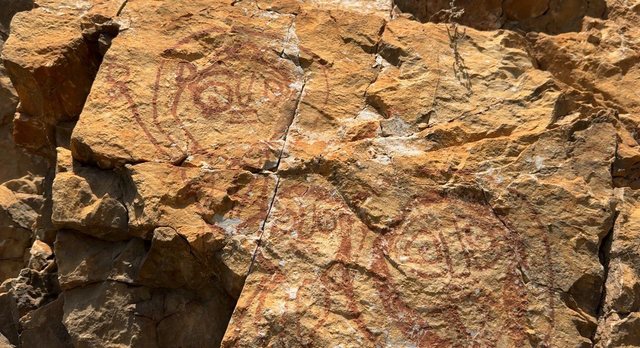
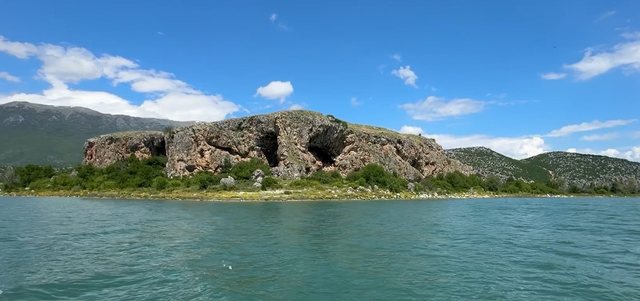
One of the most intriguing and rare elements of Maligrad Island are the prehistoric drawings carved into the rocks, clear evidence that this area has been inhabited and used by people since very early times.
On the rocky surfaces of the island, various figures can be distinguished, including drawings representing people, fish and other symbols, which, according to specialists, are related to the life and activity of the early inhabitants of this area. The very fact that these drawings are still preserved today, amidst the wild nature and isolation of the island, adds even more mystery and historical importance to Maligrad.
Mayor Kolefski says that these traces clearly show that the island carries a much deeper history than is currently known and that more studies are needed to fully discover its values.
"These are prehistoric drawings, which add value to the part of the island of Maligrad. Some of them cannot be distinguished by the eye of the common man, or in the absence of an expert. Here are some drawings, if you look above it is a fish, there are two people pointing with their hands... That is, there are many other drawings, which show that this island was inhabited. Not only in this part, but also in the upper part of the island where it is shown that there are remains of very early settlements. That part I mentioned, should be seen and studied to create more information for both local and foreign tourists."
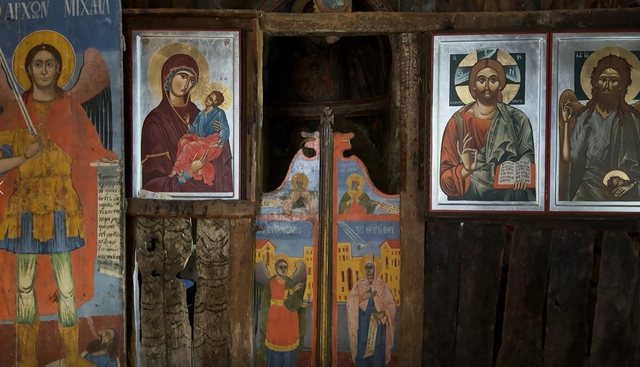
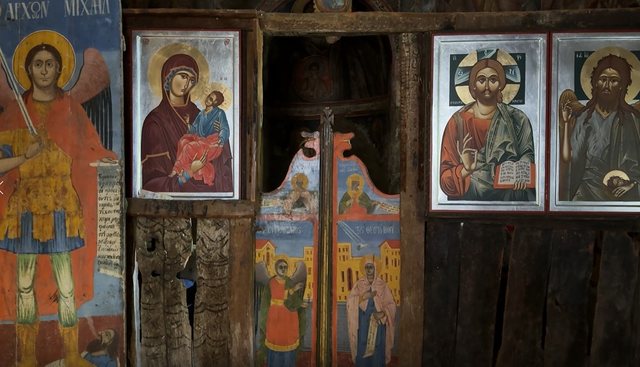
Located in the heart of the island, the Church of Saint Mary remains one of the rarest monuments of cultural and religious heritage in southeastern Albania. Surrounded by the untouched and characteristic nature of the island of Maligrad, this centuries-old church attracts domestic and foreign visitors every year, who are amazed by its history, architecture and unique frescoes.
Thanks to restoration interventions and careful investments carried out in collaboration with cultural heritage institutions and European Union projects, the church is gradually restoring the authentic values ??it has carried for centuries.
The restoration of the characteristic door, the preservation of the frescoes on the exterior walls, and the professional cleaning of the murals have highlighted important artistic and historical details, turning this object into an important cultural and tourist destination.
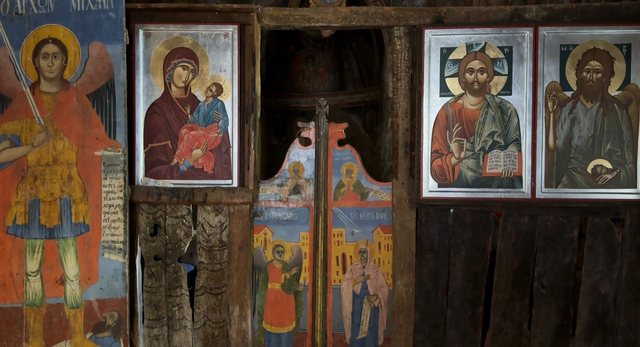
"To be honest, I feel proud of this work because it was a restoration, a European Union project, in collaboration with the Regional Directorate of Cultural Monuments. This is an imitation of the original door, which is located at the Korça Museum, and I believe they did a good job getting close to the original. Here we tried to preserve all these frescoes on the outer walls because every tourist had the tendency to touch them. That is, every touch can damage them. It was a careful investment that was really worth it. We are working to solve the lighting, where the installations, as you saw, are all done. We will look at that part, that investment that best suits areas such as a protected area, a cultural monument, and all of these.
Here, all of these are preserved and curated frescoes. With the latest intervention, these came to light by carefully cleaning them in a professional manner that has brought out the values ??of this church. This is a church with special values ??that everyone comes to visit. It is a sacred place and I think it is a place that every person, at least from Albania, should visit at least once in their life."
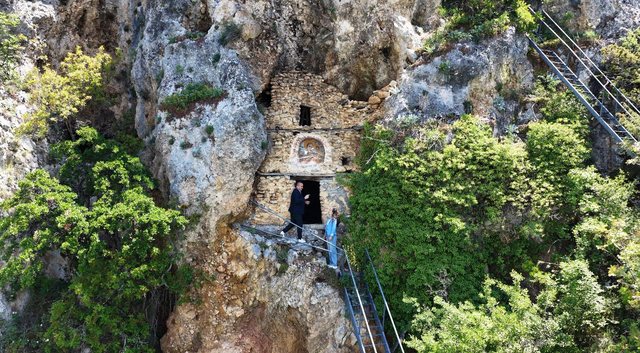
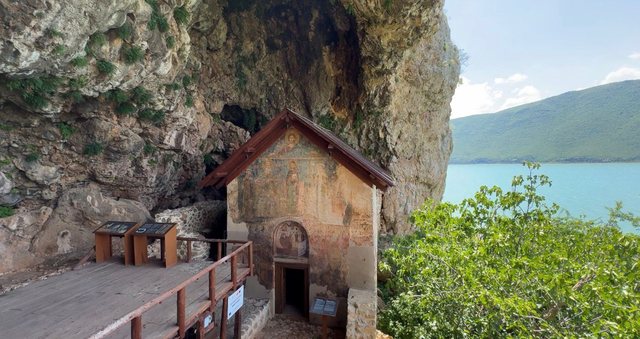
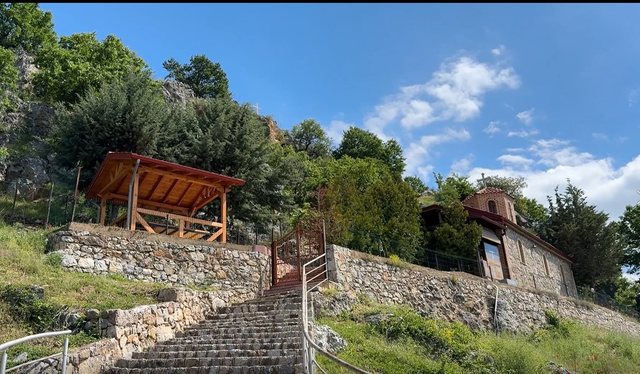
Hidden among the rocks of Lake Prespa, away from the noise and amidst wild nature, lies one of the most special objects of the area's cultural and religious heritage, the hermitage church built inside the rock.
A place that gives you the feeling that time has stopped and where history continues to live in the silence of the stones and the surrounding landscape. This church, built on difficult terrain and almost hidden among the rocks, is considered one of the most important testimonies of hermit life in the Prespa area.
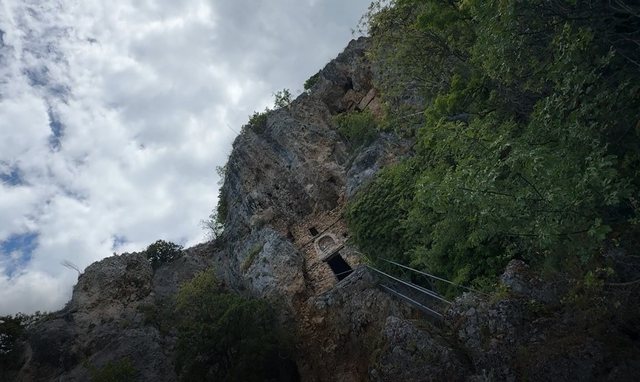
Once, these premises were used by monks and believers who chose isolation and spiritual life away from large settlements. The very way the church was built, carved and adapted to the natural shape of the rock, also shows the strong connection that the people of that time had with faith and nature.
To reach this church, you have to cross a narrow path between the rocks, while in front of you is a stunning view of Lake Prespa. It is precisely this isolation that has allowed the church to be preserved over the years and remain one of the most authentic monuments of this area.
"This is one of the four churches located around Lake Prespa. It is a special construction, not only this one, but all the others have special values. This has been maintained, either by the residents or by an intervention that we have made as a municipality through a project, by slightly adjusting these climbing stairs, because previously efforts were also made by individual residents. But these really need to be discovered for all those interested, because I believe they carry a very special history. There are not only these four, there are nine churches, but four are of this style, that is, like this one here inside the rocks."
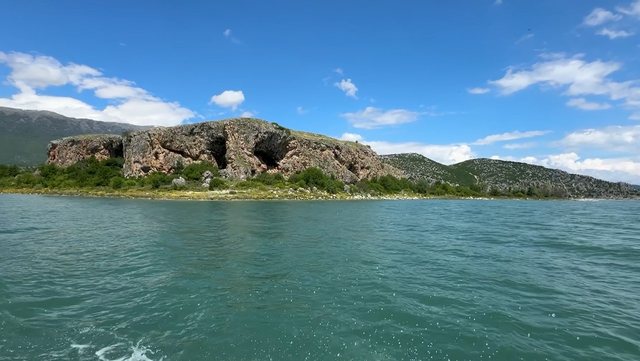
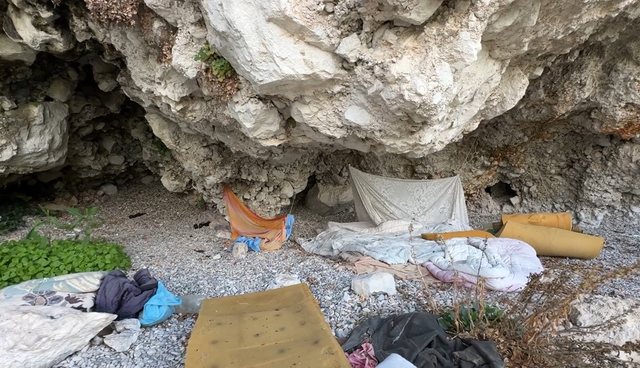
An interesting part of the area's tradition is also related to the lives of fishermen in the past.
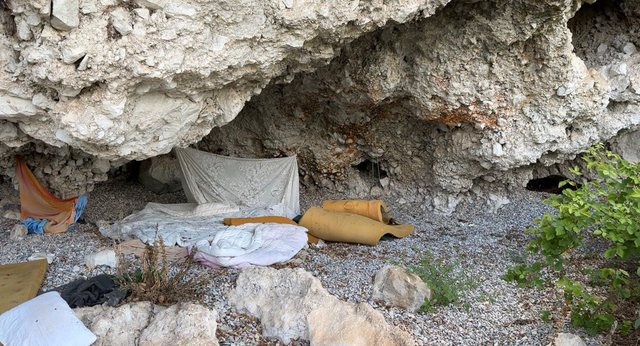
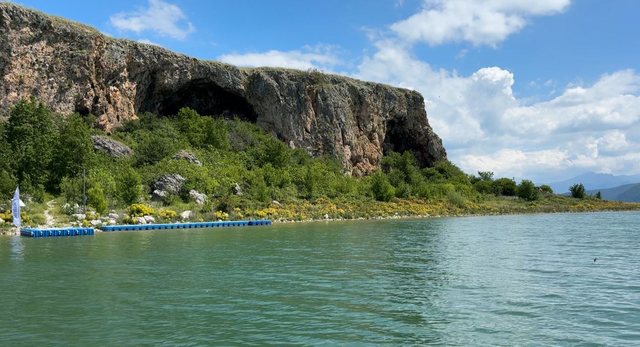
"Yes, the caves down here, this is where the fishermen slept during the time they came to fish, because they were sleeping and there was no opportunity. They used the time, they would throw their nets or when they went out to fish they would sleep during the night, so that in the morning they could quickly collect them and continue working. This was very interesting and has been used traditionally in our area."
Year after year, the Municipality of Pustec is attracting more and more domestic and foreign visitors, who choose Prespa for its tranquility, untouched nature, history and the hospitality of the inhabitants. From adventure tourists exploring the mountain trails and the island of Maligrad, to those looking to spend a few days away from the noise of the city, Prespa is gradually becoming one of the most interesting natural and cultural tourism destinations in Albania. Interest in the area has grown significantly in recent years, while more and more tourists are choosing to stay longer in the guesthouses and families of the area, getting to know the traditions, cuisine and daily life of the inhabitants of Prespa.
"I really see the situation positively. There is a very big interest in all tourists. We have seen the year 2025, according to our municipality statistics which are very accurate because we have maintained a way of communicating with all the people who deal with tourists or with the guesthouses. There have been somewhere in the 17,000-17,500 visitors who have stayed for one night or more. It is interesting that in recent years or recently there has also been an increase in visitors who prefer to stay in Pustec for more than one night, two, five, and so on. Just with the data of a tourist agency that has brought French tourists, there have been 450 visitors who have stayed more than five days here. It is even very interesting that they have not only visited the Pustec Municipality and stayed here, but have contributed and set a very good example of helping the community. They have seen the needs of people, farmers and so on, "With their funds, with their physical contribution, they have helped the people here."
No trip to Prespa can be considered complete without trying the traditional cuisine of the area, which remains one of the strongest identities of the Municipality of Pustec. The cuisine of this region is closely linked to the lake, fishing and traditions inherited from generation to generation, where each family preserves its own way of cooking and the characteristic flavors of Prespa.
From the famous carp casserole, to dried fish and traditional pilaf, the cuisine of the area also represents the way of life of the residents who have lived near the lake for decades. For local and foreign tourists, the traditional cuisine has become another reason to visit this area and experience the hospitality of the Pustec families up close.
"I will mention a few, they are traditional things that I believe have their beginning here and this is the origin of these dishes. Everyone knows the carp casserole in the Pustec Municipality, but I will mention that there are many, many others and I would recommend every visitor to try them. We make fish pureshma, every type of fish is made pureshma. We definitely have dried fish that is cooked in very different, very traditional ways. I can also mention one of the dishes like pureshma with pilaf, with rice. And for me, I would recommend everyone to order it. Every restaurant and every family in the Pustec Municipality has had its own tradition of cooking with this type of cooking. All fish has all those ways to be cooked and every fish has its own taste and uniqueness."
Between the calm waters of Prespa, the mountains surrounding the lake and the stories that are preserved from generation to generation, Pustec remains one of those rare places where time seems to move differently. A region that does not attract you with noise or artificial grandeur, but with the simplicity, authenticity and spirit of its people. Here, every village has its own history, every church preserves the memory of another time and every family continues to keep alive the traditions that have shaped the identity of this area over the years.
The island of Maligrad, Byzantine churches built into the rocks, prehistoric drawings, rare biodiversity and the ancient fishing tradition make this area a living museum in nature. But beyond the beauty of the landscape, Pustec remains above all the place of hardworking people, of families who still live with the land, the lake and daily toil.
A community that, despite the challenges of emigration or economic difficulties, continues to maintain optimism and the desire to develop their area. Infrastructure, tourism and agricultural projects are bringing another breath of life to Albanian Prespa, while the growing interest of domestic and foreign tourists is giving this area a new opportunity for development. And perhaps this is the reason why anyone who comes to Pustec once leaves with the desire to return again.
To watch the sunrise over the lake, to feel the tranquility of nature, to explore the hidden history of Maligrad or to taste traditional dishes that still carry the flavor of the old tradition of Prespa.
From the Municipality of Pustec, for CNA TV, this was a special dedicated to one of the most beautiful, cleanest and most authentic areas of our country. A journey through the history, nature and people of Prespa, which proves that Albania still has wonderful places to discover./ CNA

Himara, the heart of the Albanian Riviera, transformed int...
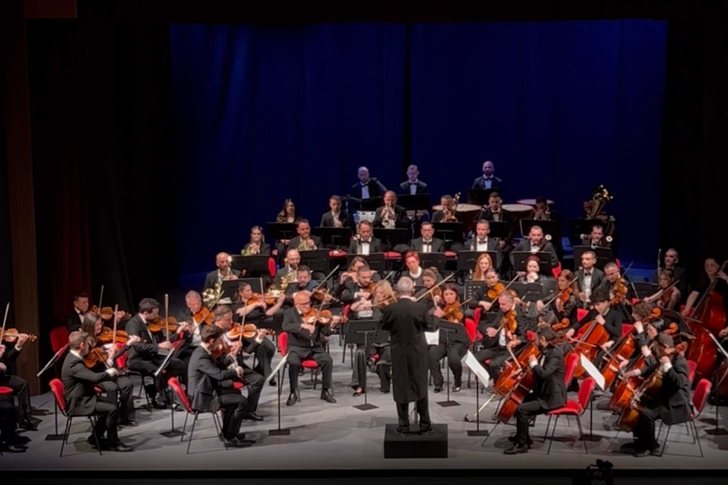
Korça welcomed the Kosovo Philharmonic Orchestra for the f...
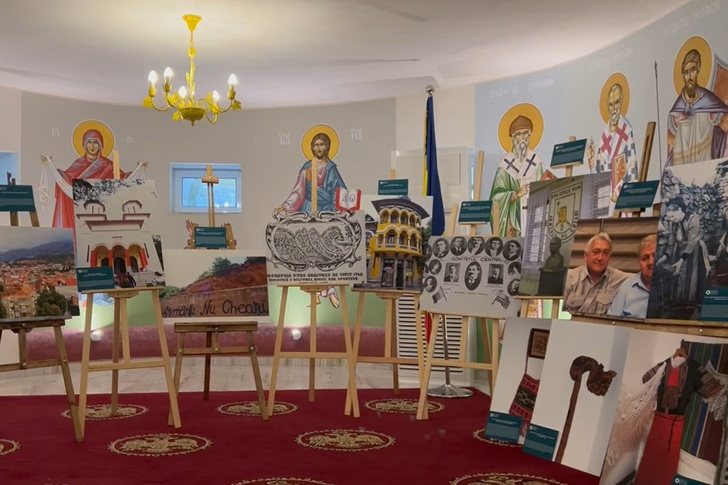
As part of the Balkan Romance Day, which is celebrated eve...
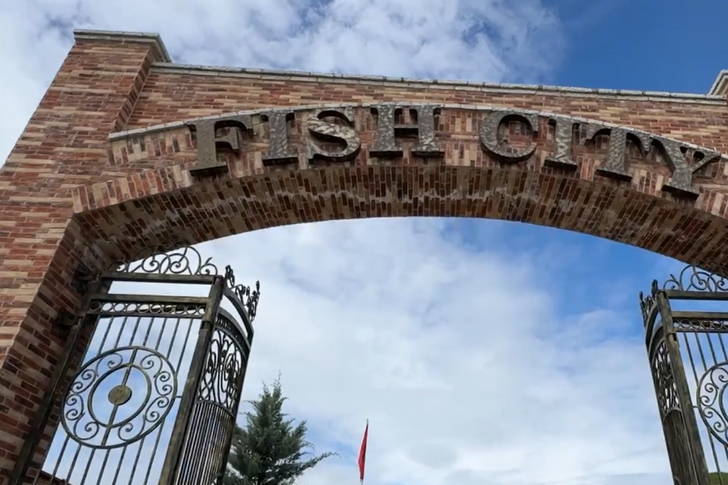
Maliqi traces its development back to November 1951, with ...

A tradition inherited over the years continues to gather d...
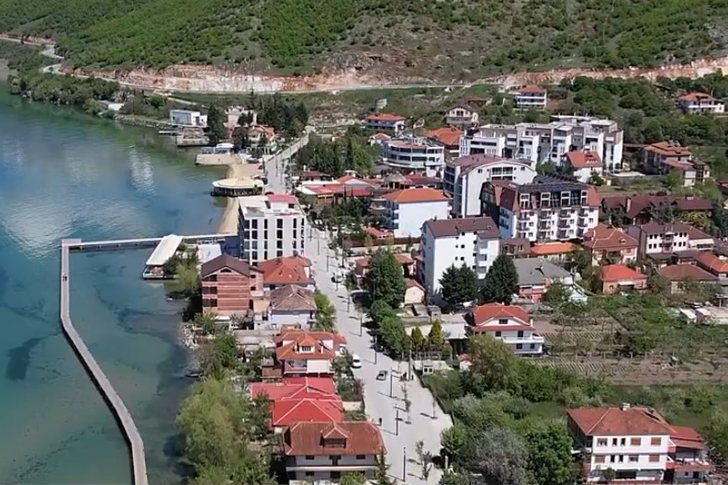
The city of Pogradec continues to remain one of the most f...
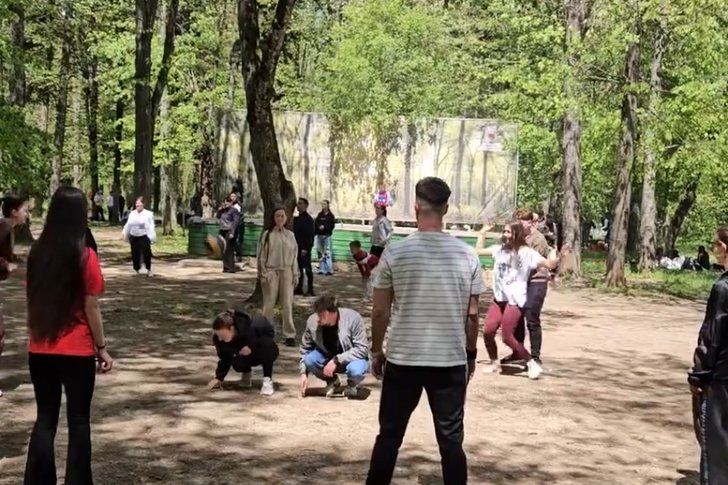
The Municipality of Maliq has chosen to open the tourist s...

Një platformë e re digjitale e krijuar në Korçë synon të n...
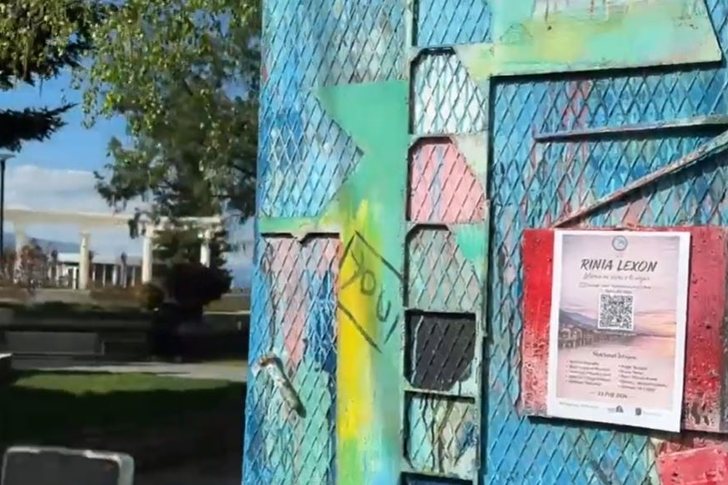
On International Book Day, the youth of Pogradec have chos...
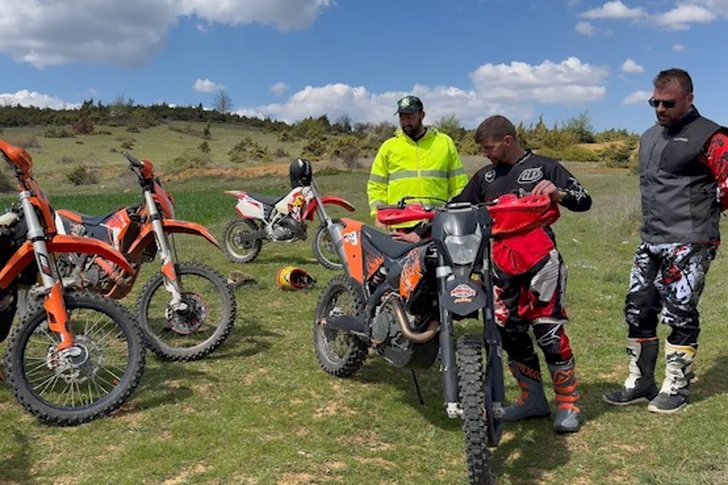
Extreme sports in Korça seem to be experiencing a new deve...
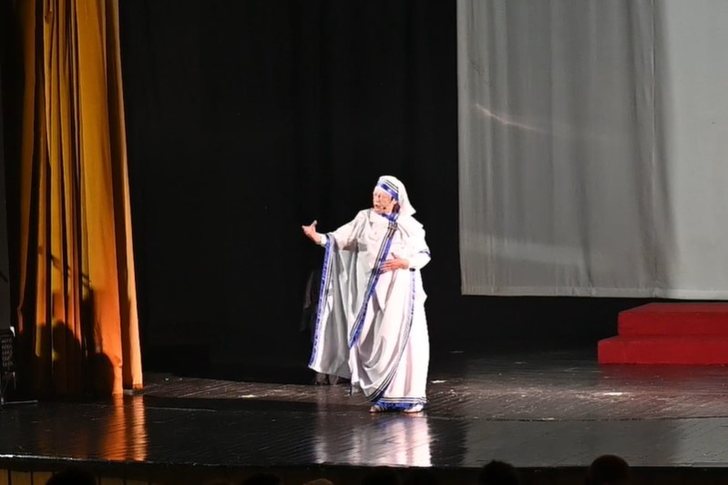
An evening filled with emotion and art was experienced at ...

After its success in Pogradec, the comedy "Two Loves and a...

A human story, filled with emotions, humor and reflection,...
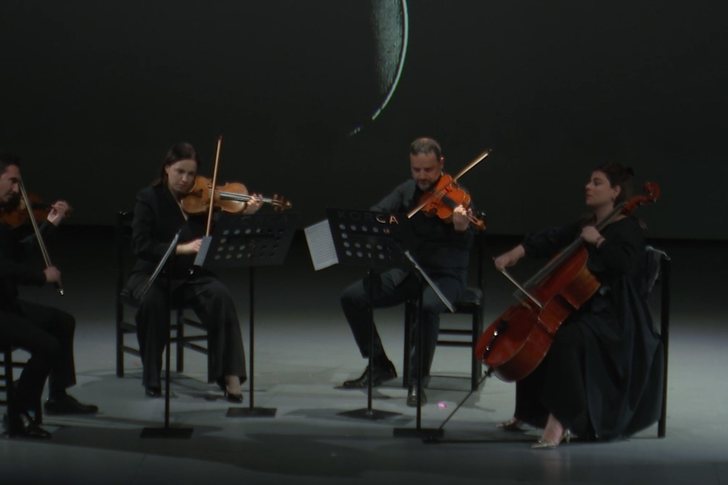
The concert "Dritat dhe Hijet" (Lights and Shadows) was he...
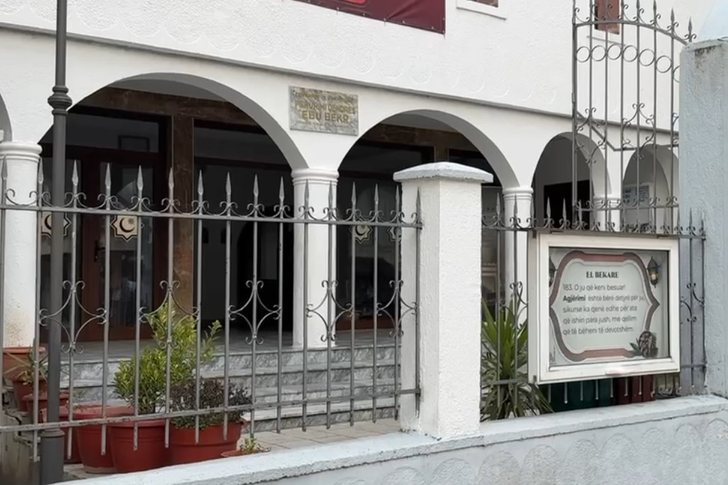
In the holy month of Ramadan, the spirit of solidarity and...
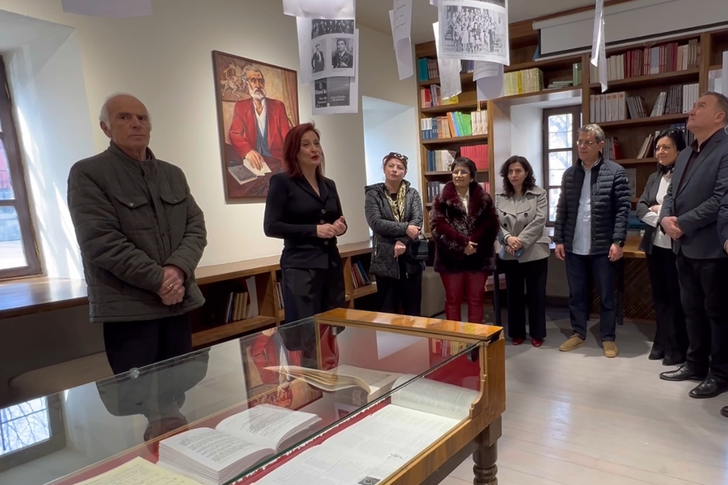
As part of the celebrations of March 7, Teacher's Day, at ...
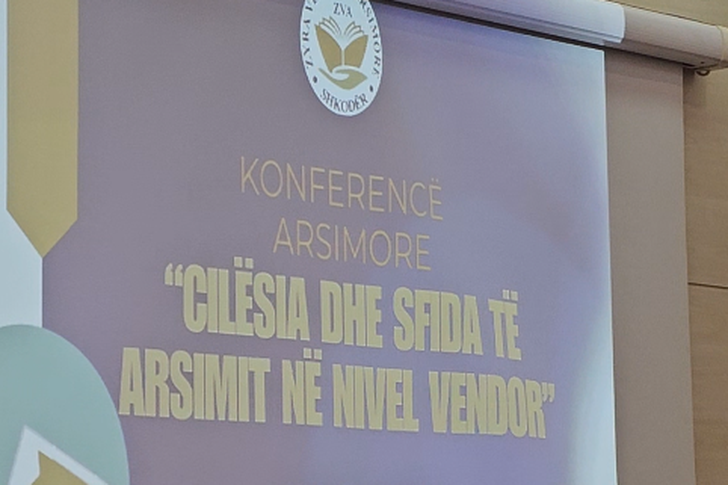
The inclusion of students in education remains one of the ...
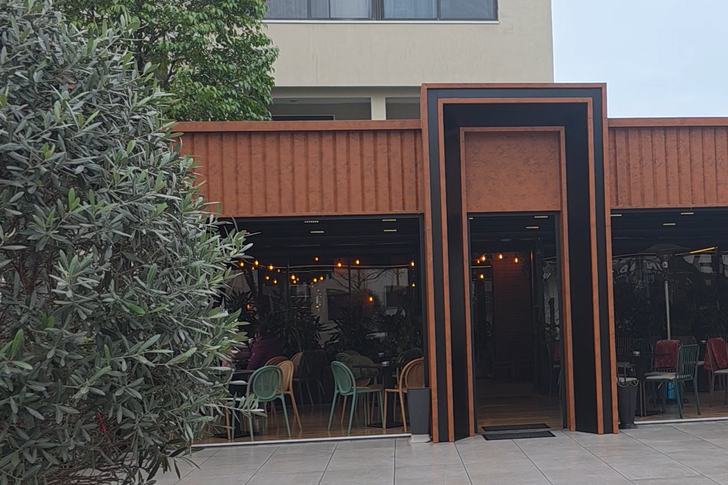
In one of the most populated areas of the city of Shkodra,...
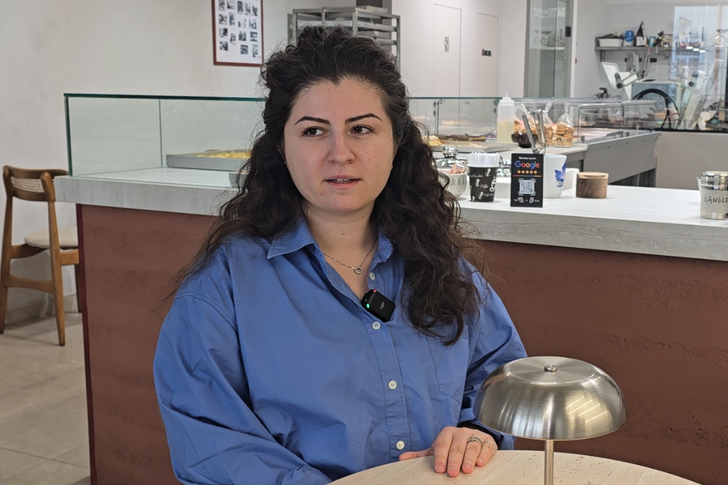
On a quiet alley, amidst the aroma of fresh butter and war...
The “Youth Guarantee” program, implemented for three years...

On the morning of July 7, 2026, the Ministry of Culture ur...

After the disclosure of the portfolio of properties an...

For 6 months now, CNA has been sending several letters to ...
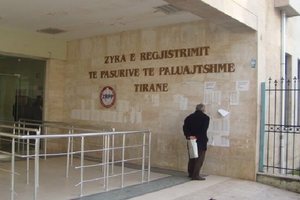
The word "fatherland" with properties is not enough. The m...

The Special Board of Appeal (KPA) decided this Monday ...

The KPA vetting decided this Thursday to dismiss the p...

Suela Salavaçi, a prosecutor in the Prosecutor's Offic...

The Special Board of Appeal reinstated the prosecutor ...

A knife attack occurred this evening in Fushë-Krujë. Acco...

A 44-year-old man in Saranda has been seriously injured af...

Spanish police have acted on an Albanian-Spanish criminal ...

New details have been revealed regarding the murder of Egl...

In Albania, in 2024, 8,911 beds were available in public h...
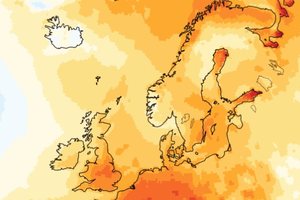
Albania was included in the band of above-normal temperatu...
Today, our country will be affected by mainly stable weath...
Today, our country will be affected by mainly stable weath...
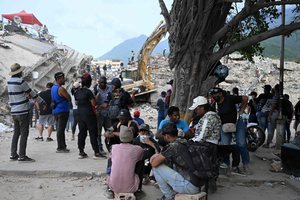
The death toll from two powerful earthquakes that struck V...

Oil prices rose to their highest levels in a month after t...
Iran has reacted to US President Donald Trump's statements...

Counter-terrorism police have taken control of the investi...

The ninth edition of "MIK Festival" kicked off with one of...
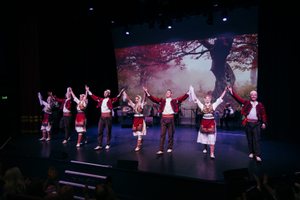
A historic evening for Albanian culture was marked in the ...

When I turned 10, another building was built in front of o...
A special scientific conference was held by the World Bekt...

The tax administration has announced the completion of the...
Albania has lost almost a quarter of its population since ...

This Monday, one US dollar is bought for 81.5 lek and sold...

This Sunday, one US dollar is bought for 81.5 lek and sold...