

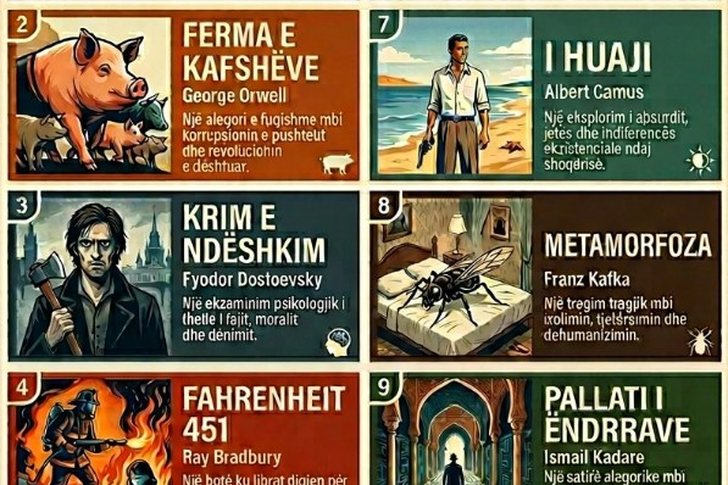
Depersonalization and dehumanization of the individual in literature
Depersonalization and dehumanization are two of the most s...


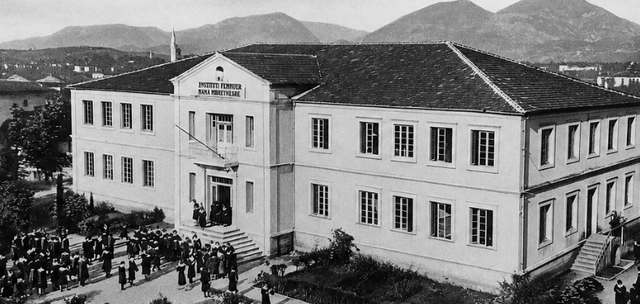
In the history of the Albanian resistance against the Italian fascist occupation, political figures, partisan detachments, or organized assassinations in various cities of the country are often mentioned. However, an equally important, but less discussed chapter remains the student resistance of 1941–1942, especially that developed in the educational institutions of Tirana.
Documents preserved in the State Archives, Fund 152, Year 1942, File 1662, shed light on a wave of protests and demonstrations organized by Albanian students against the fascist regime installed after the invasion of April 7, 1939.
At the center of these developments stands the Women's Institute "Nana e Skanderbeg", one of the most important educational institutions of the time. These documents do not represent only bureaucratic reports of the Italian police or carabinieri. They show a new generation of Albanians who, although young in age, had begun to openly articulate their rejection of fascism, its propaganda and the Italian cultural imposition in schools.
Albania under fascist occupation and the role of school
After the Italian invasion of Albania on April 7, 1939, the fascist regime immediately undertook a strong policy of Italianization of public life. Education became one of the main instruments of propaganda. Textbooks of fascist culture, Italian anthems, youth organizations and forced ceremonies of loyalty to King Victor Emmanuel III and Benito Mussolini were introduced into schools. But it was precisely in the school premises that opposition began to arise. Albanian students, especially in Tirana, Korça, Shkodra and Vlora, began to organize themselves secretly. Tracts, political discussions and news about war developments circulated in the dormitories. Many of them were influenced by anti-fascist ideas coming from Europe, while others had begun to associate with communist groups that were organizing themselves underground.
The demonstration of February 17, 1942
The event that shocked the fascist administration occurred on February 17, 1942. According to the report of the High Command of the Royal Albanian Carabinieri, a considerable number of students of the "Nana e Skanderbeg" Institute left the school singing national anthems and marching towards the center of Tirana.
The document reads:
"At 12:30 today, a considerable number of students from the 'Nana Skanderbeg' school left the Institute singing the National Anthem and heading in procession to Skanderbeg Square..."
The demonstrators passed through the main streets of the capital, while other students and citizens joined the crowd.
Raporti vazhdon:
“Janë dëgjuar zëra kundërshtimi për thyrrjen në armë.”
Ky detaj është tepër domethënës. Në atë periudhë Italia fashiste po përpiqej të mobilizonte shqiptarët në shërbim të luftës së saj. Kundërshtimi publik ndaj rekrutimit përbënte një akt të hapur politik.
Autoritetet reaguan menjëherë. U raportuan përleshje, arrestime dhe të plagosur. Në dokument përmenden emrat e Petro Bullatit dhe Hilmi Seitit si persona të ndaluar “si nxitës”.
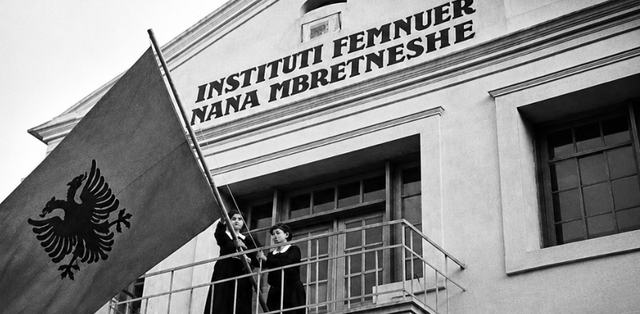
Si nisi revolta brenda institutit
Dokumentet tregojnë se demonstrata nuk ishte spontane. Gjithçka kishte nisur disa ditë më parë, kur nxënëset e klasës VII-A kishin refuzuar disiplinën e imponuar nga mësueset italiane.
Një raport i datës 19 shkurt 1942 përshkruan:
“Nxënëset e mbrendshme të klasës 7 A t’Institutit ‘Nana Skenderbeg’, filluan të këndojnë në klasë hymne kombëtar…”
Komisioni disiplinor vendosi ndëshkimin e tyre duke ulur notën e sjelljes. Por ky vendim prodhoi efektin e kundërt: solidarizim masiv të nxënëseve.
Dokumenti vazhdon:
“Nxënëset e jashtme, si u mblodhën në daljen e oborrit, për solidarësi filluan të këndojnë hymne kombëtar në shënjë protesti.”
Një episod edhe më domethënës ishte përplasja direkte me personelin italian të shkollës:
“Kaloi n’oborr mësuesja e punës – italiane – dhe një nga nxënëset iu afrua dhe e goditi me një pëllëmbë.”
Ky akt, sado simbolik, tregonte se frika ndaj autoritetit fashist kishte filluar të thyhej.
Kërkesa për heqjen e “kulturës fashiste”.
Një nga pjesët më të rëndësishme të dokumentacionit lidhet me kërkesat politike të nxënëseve.
Ministri i Arsimit i kohës, Xhevat Korça, u detyrua të shkojë personalisht në institut për të qetësuar situatën.
Raporti i karabinierisë shënon:
“Vet Shkëlqesa XHEVAT KORÇA ka pranuar n’Institut një komisjon nxansesh, të cilat midis të tjerave kanë shprehur dëshirën që të hiqet mësimi i kulturës fashiste.”
Kjo është ndoshta dëshmia më e rëndësishme politike e këtyre protestave. Studentet nuk po protestonin vetëm për masa disiplinore; ato po refuzonin drejtpërdrejt ideologjinë fashiste në shkollë.
Demonstrata kundër fjalimit të Mustafa Krujës
Vetëm dy ditë më vonë, më 19 shkurt 1942, situata shpërtheu sërish. Në sheshin “Skënderbej” ishte organizuar dëgjimi publik i një fjalimi radiofonik të kryeministrit Mustafa Kruja nga Roma.
Por turma reagoi me fishkëllima dhe thirrje kundërshtuese.
Raporti i karabinierisë italiane thotë:
“U bënë fishkëllime dhe britma nga ana e një grupi personash…”
Ndërsa Drejtoria e Policisë shton:
“Shumica dukej t’ishin studenta…”
Për autoritetet fashiste, fakti që protestat po lidhnin studentët me qytetarët e zakonshëm ishte alarmues.
Letra sekrete drejtuar Ministrit të Arsimit
Një tjetër dokument shumë interesant lidhet me një letër të daktilografuar që iu dorëzua fshehurazi një nxënëseje të institutit.
Policia dyshonte se letra ishte shkruar nga një intelektual apo profesor.
Raporti shprehet:
“Nga stili i kësaj lutjeje kuptohet se kjo ka dalë nga penda e nji njeriut të pjekun…”
Ky detaj tregon se lëvizja studentore nuk vepronte e izoluar. Ka shumë gjasa që një pjesë e mësuesve shqiptarë të simpatizonin fshehurazi rezistencën antifashiste.
7 Prilli 1942: Tirana shpërthen sërish
Një muaj më vonë, në përvjetorin e pushtimit italian, demonstratat rifilluan. Dokumentet tregojnë se më 7 prill 1942, të rinj e të reja marshuan në Tiranë duke mbajtur flamurin kombëtar dhe duke kënduar himne patriotike. Raporti i karabinierisë shkruan:
“Për pak vinin gadi 100 persona të tjerë në pjesën më të madhe studenta dhe studente…”
Autoritetet arrestuan disa persona, mes tyre studentë shumë të rinj:
1.- Mehmet Ramzoti, i pa-punë tue ju gjet dhe flet-manifeste subversive;
2.- Shefqet Fortuzi - Rrobaqepës
3.- Thoma Karagjozi - i pa punë;
4.- Vait Zelko - zdrukthtar;
5.- Nikoll Profi - Nenpunës i P. .
6.- Sefedin Pustina - " " " "
7.- Kodra Neuzul - student-univesitar;
8.- Farid Derani - student 17 vjeç
9.- Isuf Mustafa - Student 14 "
10.- Agim Basha - student 15
Vetë fakti që adoleshentë të tillë merrnin pjesë në protesta tregon përmasën morale dhe patriotike që kishte marrë rezistenca.
Qemal Stafa dhe radikalizimi i studentëve
Vrasja e Qemal Stafa në maj 1942 pati ndikim të madh te rinia shkollore. Dokumentet flasin për ish-studentin nga Gjakova Veli Ali Deva, i cili hyri në liceun e Tiranës dhe mbajti një fjalim antifashist para studentëve.
Raporti policor citon fjalët e tij:
“Vdekja e Fashizmit ka me qenë shpëtimi i jonë.”
Autoritetet e konsideronin “propagandist të rrezikshëm”, ndërsa fakti që ai lëvizte lirshëm nëpër institute tregon se rrjeti antifashist po fitonte terren.
Frika e regjimit fashist
Dokumentet e Fondit 152 janë të mbushura me ankth dhe pasiguri.
Në çdo raport përsëriten fjalë si:
• “nxitës”
• “manifestime subversive”
• “propagandë komuniste”
• “kryengritje”
• “trubullues”
Autoritetet italiane e kishin kuptuar se shkollat shqiptare po ktheheshin në qendra të rezistencës politike. Sidomos vajzat e Institutit “Nana e Skënderbeut” përbënin një problem të veçantë për propagandën fashiste. Regjimi kishte investuar shumë në edukimin e vajzave sipas modelit italian, por pikërisht aty po lindte kundërshtia. Dokumentet e vitit 1942 nga Fondi 152 janë dëshmi të një kohe kur rinia shqiptare filloi të ngrihej kundër pushtimit fashist.
In the corridors of the "Nana e Skanderbeg" Institute, in schoolyards and on the streets of Tirana, Albanian students publicly articulated their revolt against fascism for the first time.
They sang the national anthem when the regime demanded silence.
They whistled propaganda speeches when the government demanded obedience.
And above all, they showed that the Albanian resistance did not begin only in the mountains with weapons, but also in school benches, in dormitories, and in the hearts of a young generation that refused submission.

Depersonalization and dehumanization are two of the most s...

Albania is today facing a monumental geopolitical crossroa...
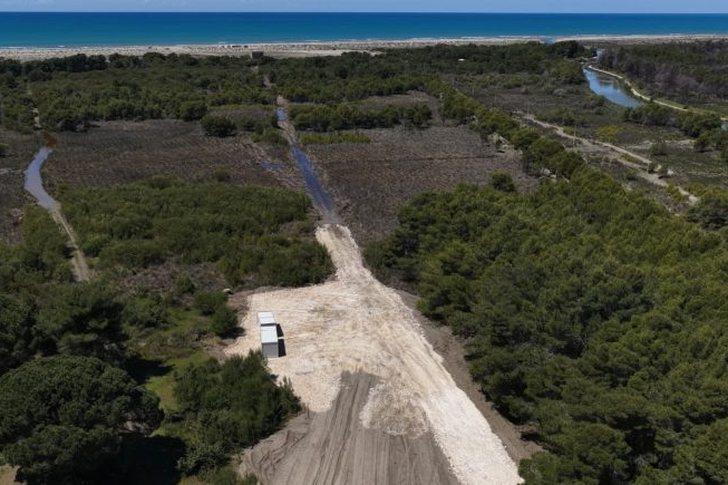
Work is underway in the Poshë Poro-Nartë protected natural...
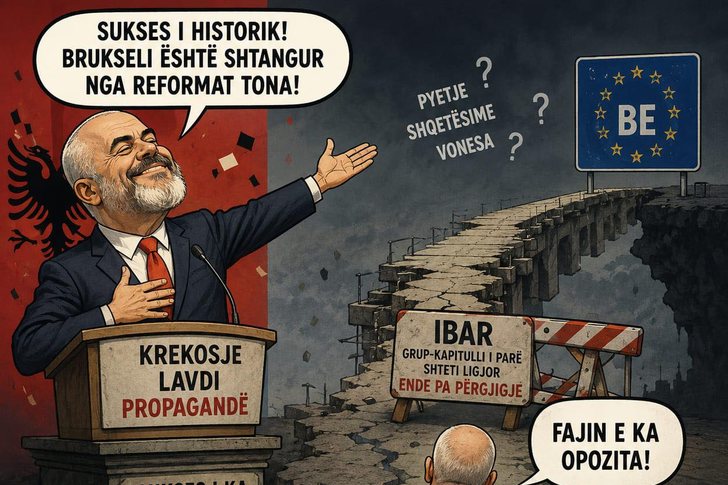
According to government propaganda, Brussels is stunned by...
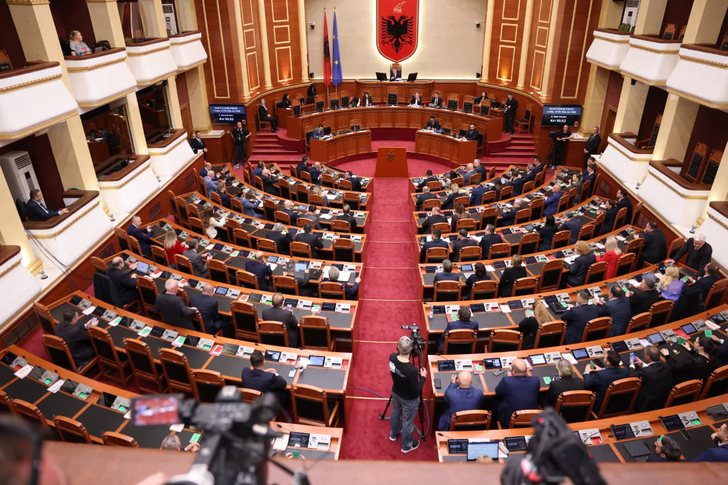
The Albanian Parliament has a very low intellectual level ...
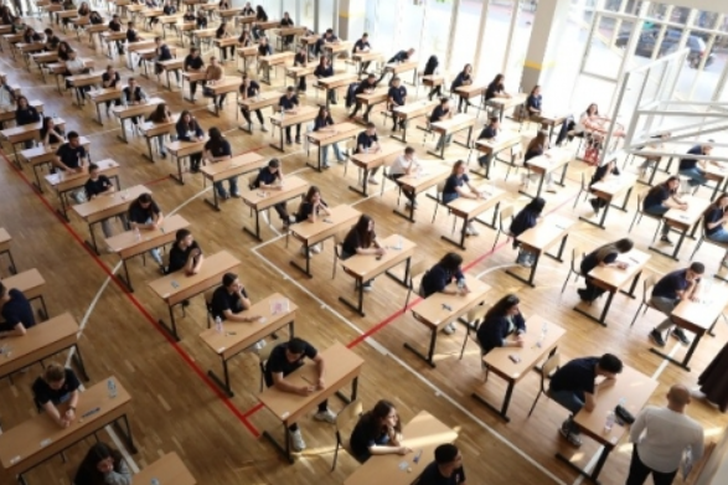
A high school senior asked me today why, for so many years...
Kjo pyetje shtrohet teksa jetojmë në një periudhë tranzici...

Yesterday, a young man, about 19-20 years old, had publish...
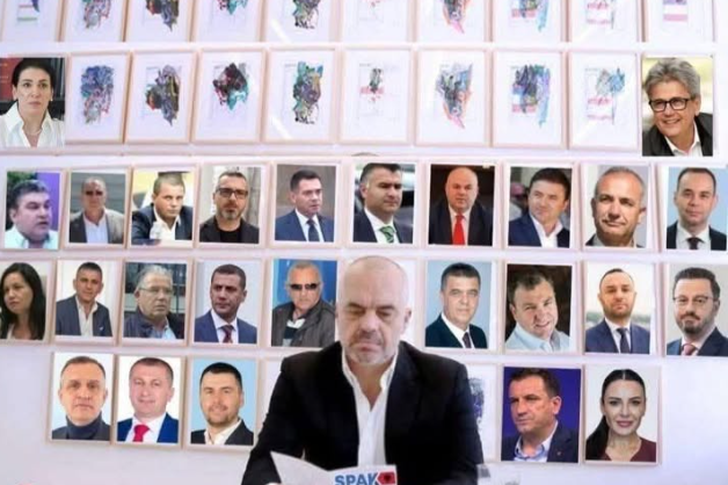
Dy herë përsëriti Edi Rama sot një gënjeshtër aq të pacipë, ...
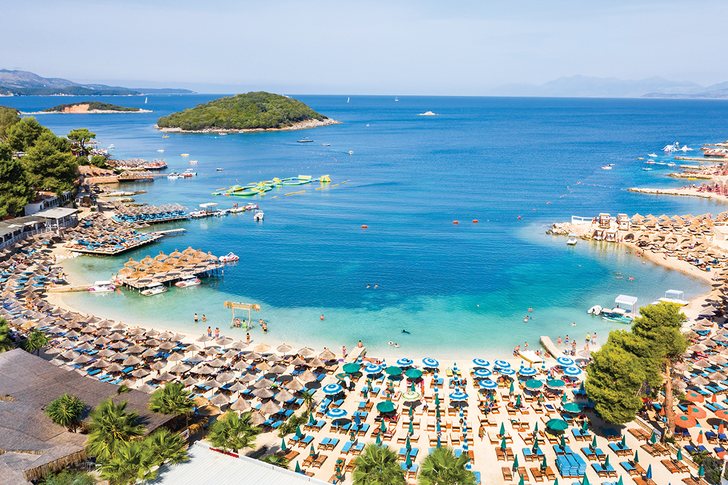
On Friday I headed towards the southern coast. As soon as ...

A people can embrace an ideology only when it gives them hop...

In the contemporary debate on literature, one of the most ...
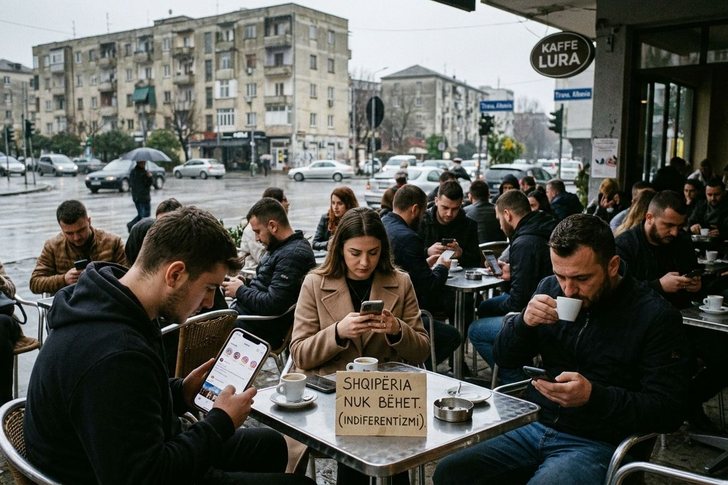
Albanians may not be able to build serious institutions. ...
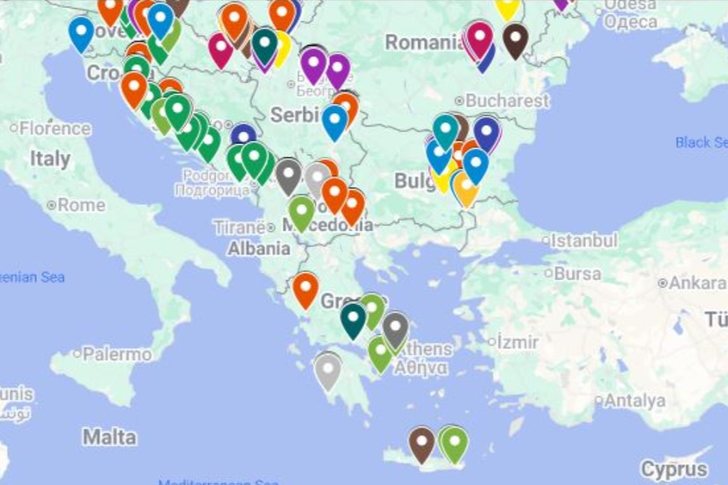
A new study launched in August 2025 and published in the w...
There is a special 24-hour sound in Tirana. It's the soun...

Hit the teachers! Yes, yes, don't stop. Don't stop... Denig...
There comes a moment in every political story when metapho...

I chose not to speak out immediately after the event in Du...

The European Parliament approved the report on Albania, wi...

Sunday, May 3, 2026 will remain a sad day in the chronicle...

The protests of recent days related to the situation in Zv...
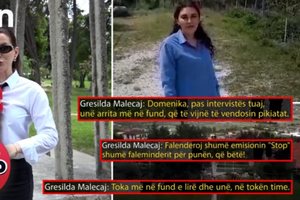
The case addressed this Wednesday, June 3, on the show "St...
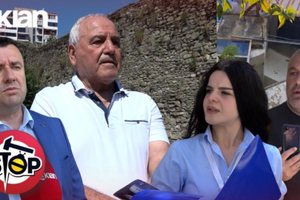
The show "Stop" broadcast this Wednesday, June 3, the case...

Irfan Hysenbelliu claims to be a big businessman, an hones...

The Special Board of Appeal (KPA) decided this Monday ...

The KPA vetting decided this Thursday to dismiss the p...

Suela Salavaçi, a prosecutor in the Prosecutor's Offic...

The Special Board of Appeal reinstated the prosecutor ...
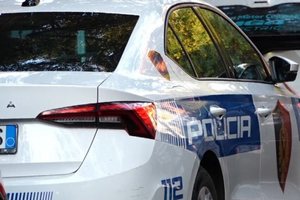
A quantity of explosive material exploded this morning at ...
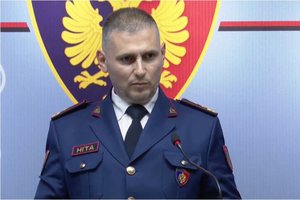
The Head of the State Police, Skënder Hita, expressed his ...
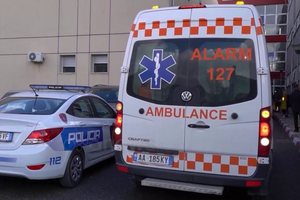
New details have emerged regarding the serious incident th...
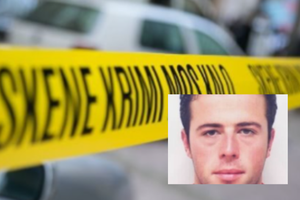
A serious incident occurred this Thursday in Lozhan, Maliq...
Witnesses in Lozhan, Maliqi, have shared details from the ...
Albania is facing an unprecedented demographic transition,...
On Thursday, our country will be affected by unstable weat...
An alarming figure of more than 166.4 thousand Albanians a...

Israel and Lebanon have agreed to renew their fragile ceas...

United States President Donald Trump announced in a post o...
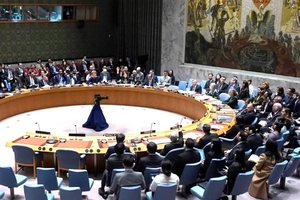
Asambleja e Përgjithshme e Kombet e Bashkuara ka përfundua...
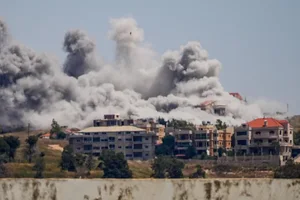
At least nine people have been killed in Israeli airstrike...
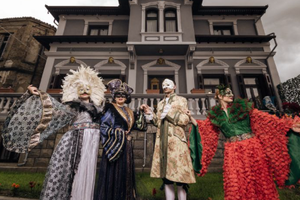
Korça is ready to open the summer season with one of the c...
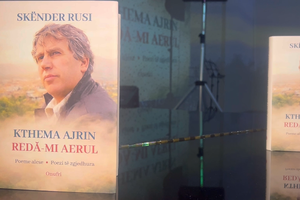
Two years after his passing, the renowned Korçë poet Skënd...
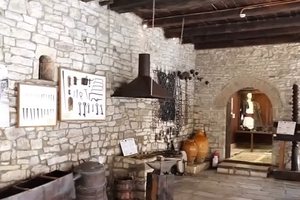
The Ethnographic Museum of Berat has opened its doors to v...
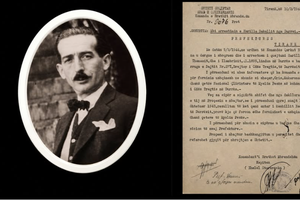
The story of Harilla Bakalli is one of the most chilling t...

Today, in the foreign exchange market, one US dollar is bo...
The Minister of Finance, Petrit Malaj, announced today a n...

Guvernatori i Bankës së Shqipërisë, Gent Sejko, priti m...
Today, in the foreign exchange market, one US dollar is bo...