

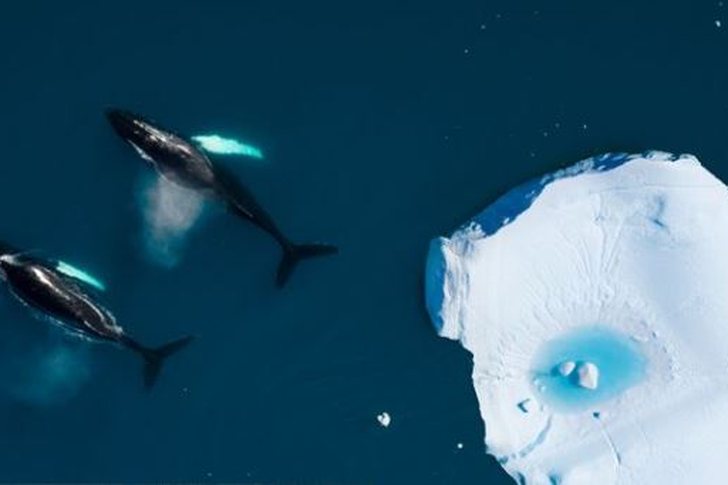
From heat waves to melting ice/ Are we losing the oceans?
The eighth Copernicus State of the Ocean report, funded by t...


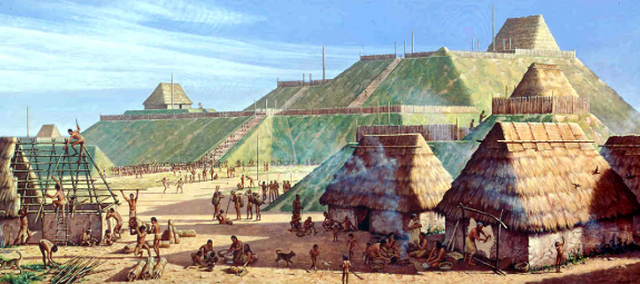
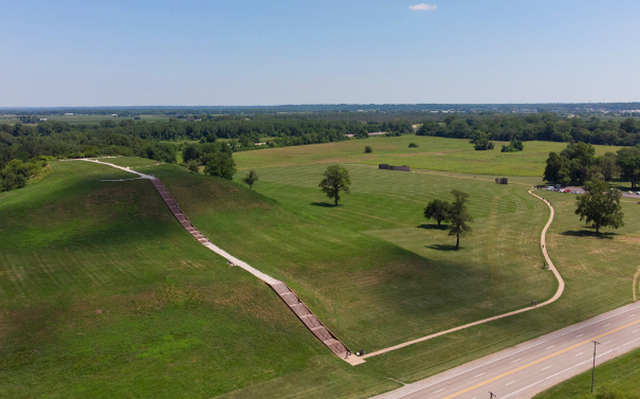
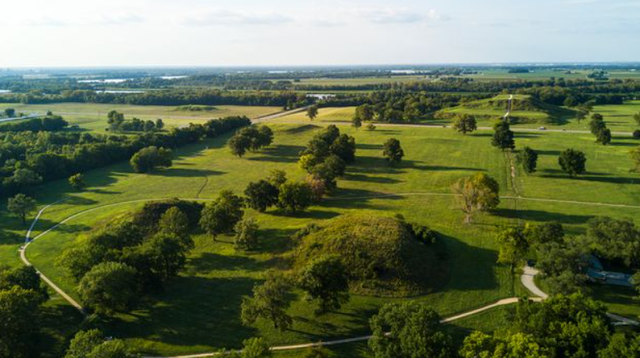
Cahokia is the ancient ruins of a pre-Columbian Native American city, which existed from about 1050–1350 AD, directly across the Mississippi River from modern-day St. Louis, Missouri. This historic park lies in southwestern Illinois between East St. Louis and Collinsville .
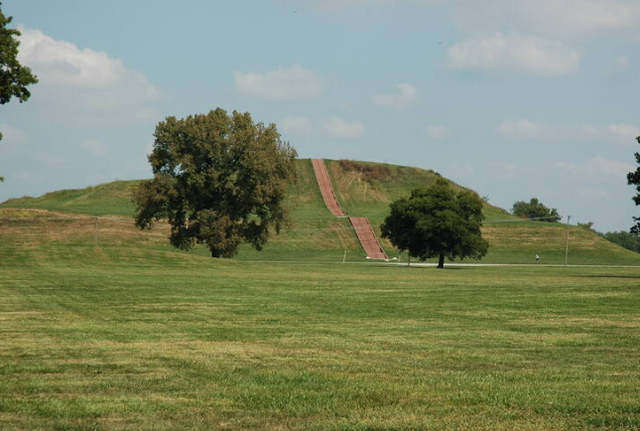
Things are quieter these days at Cahokia, now a peaceful UNESCO site. But the towering mounds there hint at the legacy of the largest pre-Columbian city in northern Mexico.
A cosmopolitan mix of language, art, and spiritual solace, Cahokia's population may have grown to 30,000 people at its peak in 1050 AD, making it larger, at the time, than even Paris itself.
It's surprising what Cahokia didn't have, writes one author in her recent book "Four Lost Cities: The Secret History of the Urban Age." The massive city lacked a permanent market, upsetting long-held assumptions that trade is the organizing principle behind all urbanization.
When they excavated cities in Mesopotamia, researchers found evidence that trade was the organizing principle behind their development, and then turned the same lens on ancient cities around the globe.
"People thought this must be the basis for all early cities. It has led to generations looking for this kind of thing everywhere," the archaeologists said.
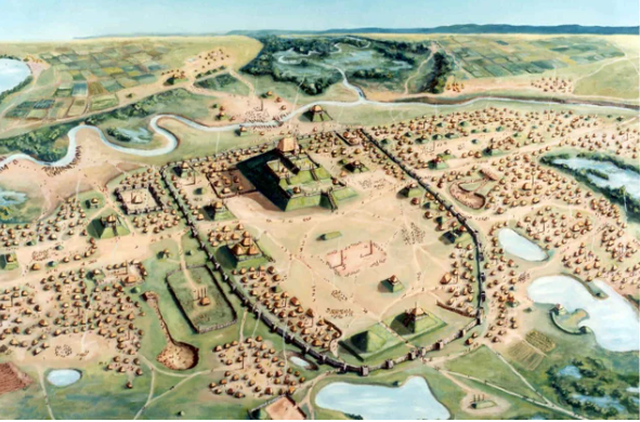
They did not find trade at Cahokia, which archaeologists believe may have been conceived as a place to connect the worlds of the living and the dead. Spread across a landscape that blends hard ground with patches of swamp, Cahokia may have served as a kind of spiritual crossroads.
"It's a city built to overcome water and dry land," says the archaeologist.
Living residents settled in drier areas, while burial mounds were erected in wetter places. Lidar scans of the site have revealed raised walkways connecting the "neighborhoods" of the living and the dead, physical walkways that joined the kingdoms.
And if living on top of both worlds sounds pretty bleak, Cahokians seem to have seen their city as a place of celebration.
Cahokia planners created structures and public spaces dedicated entirely to mass gatherings, where individuals would be involved in the joy of collective experiences. Most spectacular of all was the 50-acre Grand Plaza, where 10,000 or more people could gather together for celebrations in a monumental space surrounded by earthen pyramids .
In the plaza, the buzzing energy of the crowd turned to a collective roar as spectators arrived for short periods. The game began when a player rolled a stone disc across the smooth surface of the ground. The tall pillars that line the Grand Plaza may have provided another spectacle of athletic grace. Men may have climbed the pillars or been tied together for flying dances, a ritual still practiced in some Maya parts of Mesoamerica.
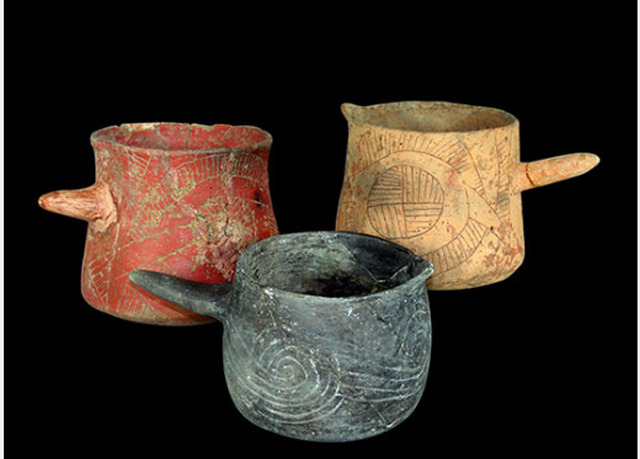
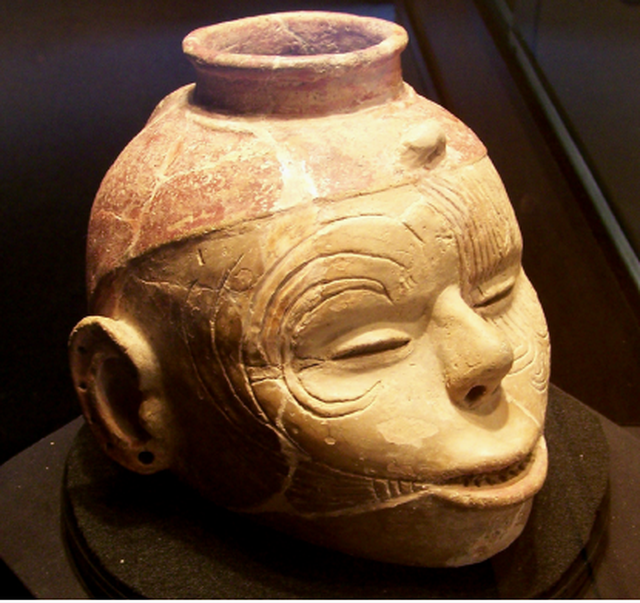
The Cahokiaans loved the colors red, white, and black, and people styled their hair in buns with tattoos adorning some bodies and faces. When the festivities were over, the Cahokiaans ate and drank together. A decade ago, an analysis of pottery vessels that archaeologists found at Cahokia revealed biomarkers for a species of yam known as the yaupon, which is the only caffeine-containing plant native to North America.
Modern life is not far away: Cahokia is framed by a mid-American stretch of interstate highways and suburbs. But it wasn't modern development that ended Cahokia's exciting history.
Eventually, the Cahokians simply chose to leave their city behind, seemingly driven by a mix of environmental and human factors, such as climate change that crippled agriculture, turbulent violence, or catastrophic flooding. By 1400, the plazas and mounds were quiet.
When Europeans first saw the extraordinary ancient city of Cahokia, they saw a lost civilization. They wondered if some distant people had built Cahokia and then vanished, taking with them the brilliant culture and sophistication that had once flourished in the last land of the Mississippi, where the land was enriched by the floods of the rivers. But the people of Cahokia, of course, did not disappear. They simply left, and with them, Cahokia's influence spread to distant lands, where some of their most beloved pastimes survive to this day./CNA

The eighth Copernicus State of the Ocean report, funded by t...
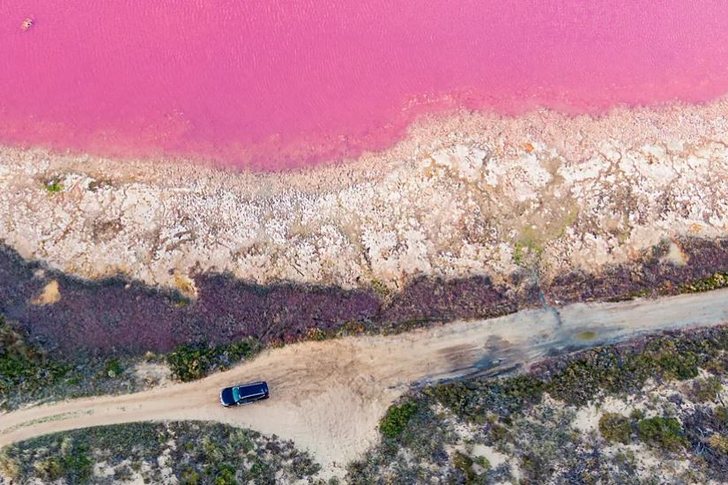
The BBC article presents a guide to the best destinations ...
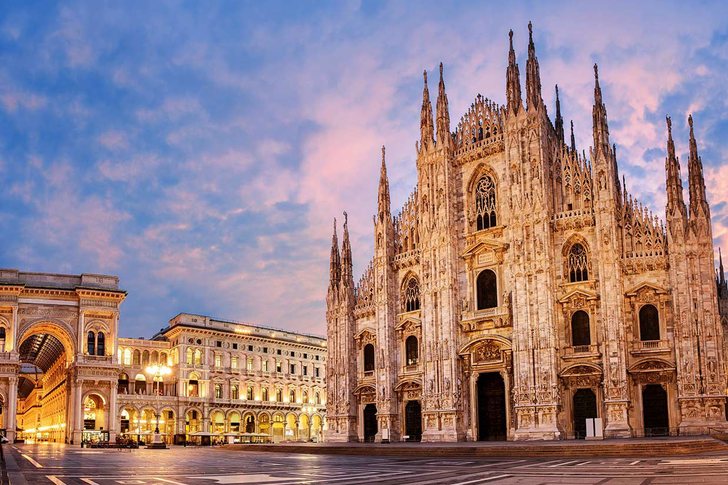
17 facts you might not know about Milan: 1. Milan, locate...

The world's largest iceberg, A23a, has begun sinking into ...

The Oscars are the oldest film awards ceremony in the worl...

Europe, the second smallest continent on Earth, is full of...

The 78th British Academy Film Awards, better known as the ...

Rings are one of the most favorite pieces of jewelry by al...

A new challenge has spread on TikTok and is considered one...

Një breshkë e rrallë deti është gjeëtur në Vlorë, në zonën...

Valentine's Day, marked on February 14, is a special day i...

Last week, the American company Boom Supersonic flew faste...
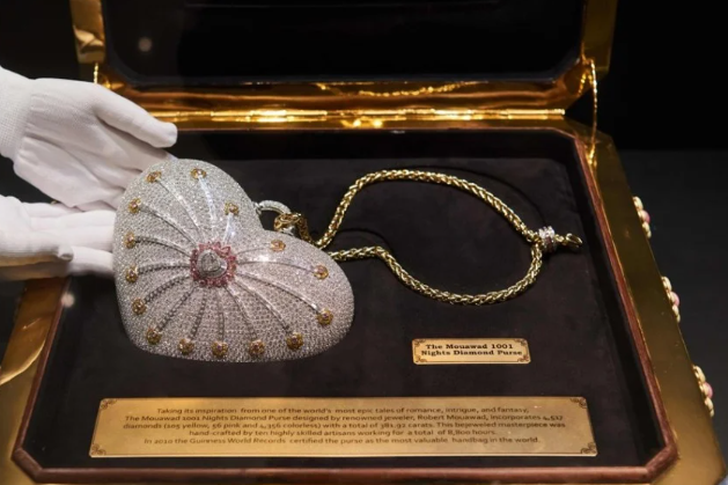
The Guinness Book of Records has named the "1001 Nights Di...

Telescopes around the world have observed a giant radio wa...
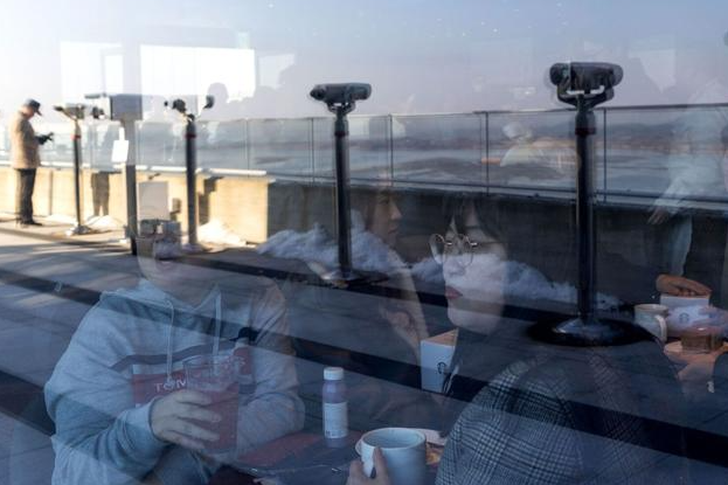
Coffee lovers around the world now have another opportunit...
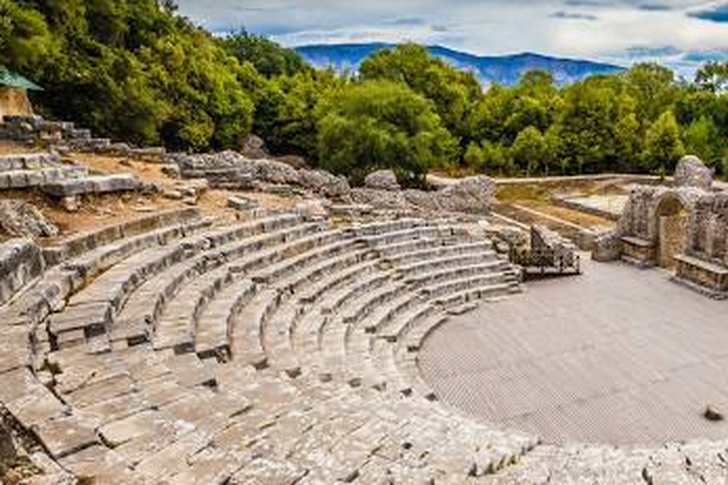
A special program is dedicated to Butrint on the BBC Trave...
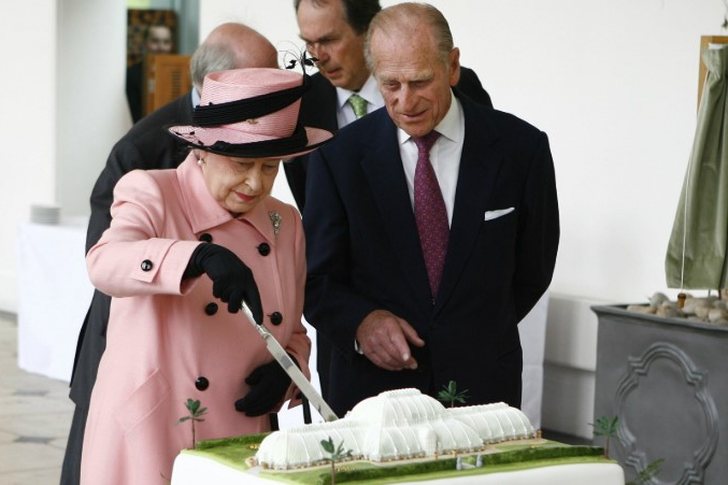
A "very rare" piece of the 77-year-old cake served at the ...

Japanese toy manufacturer MegaHouse has unveiled a miniatu...
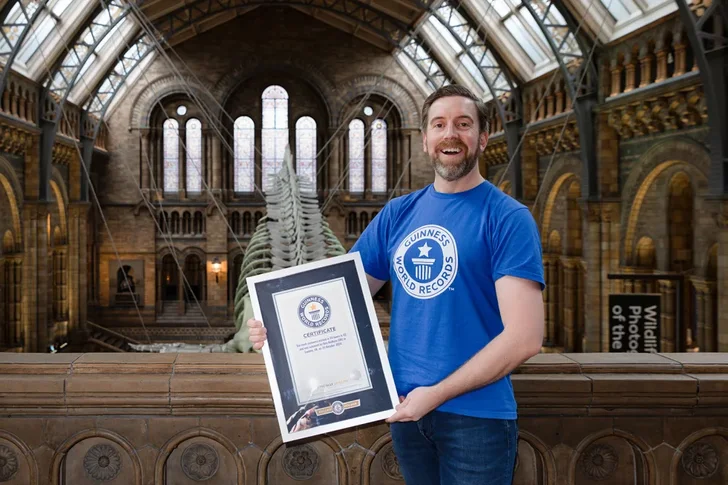
A Briton has entered the Guinness Book of Records after vi...

When Sam Panapoulos created what he and his brother called...

CNA has launched another investigation that could lead to ...

Irfan Hysenbelliu is a businessman that we call "Irfan the...

In March 2026, CNA launched another investigation centered...
The arrested mayor of Tirana, Erion Veliaj, with 13 charge...

The Special Board of Appeal (KPA) decided this Monday ...

The KPA vetting decided this Thursday to dismiss the p...

Suela Salavaçi, a prosecutor in the Prosecutor's Offic...

The Special Board of Appeal reinstated the prosecutor ...

A road accident occurred this evening on Nikolla Zoraqi St...

Three people were shot and wounded in Elbasan last night b...

A serious incident occurred this Tuesday in the Yrshek are...

An accident occurred this Tuesday on "Dituria" street in K...
All of Southern Europe will face changing weather conditio...

Albania was hit by temperatures significantly higher than ...

For the first time, Pogradec welcomed the Inter-Lake Chess...

Albania has achieved a record for the employment of foreig...

US Secretary of State Marco Rubio arrived in Manila on Jul...

In the space of a few days, Ukrainian President Volodymyr ...

The spokesman for the Iranian Foreign Ministry warned Bulg...

Autoritetet italiane sekuestruan pako me afër 800 kilogram...

At a time when industrial products are increasingly taking...

Trust among people is not just a three-syllable word. It c...

Master of humor Todi Llupi has passed away at the age of 7...

The ninth edition of "MIK Festival" kicked off with one of...

Construction company licenses will have a validity period ...

The Centralized Purchasing Operator recently opened a tend...

The new draft law "On the Bank of Albania" provides that t...

This Tuesday, one US dollar is bought for 81.2 lek and sol...