

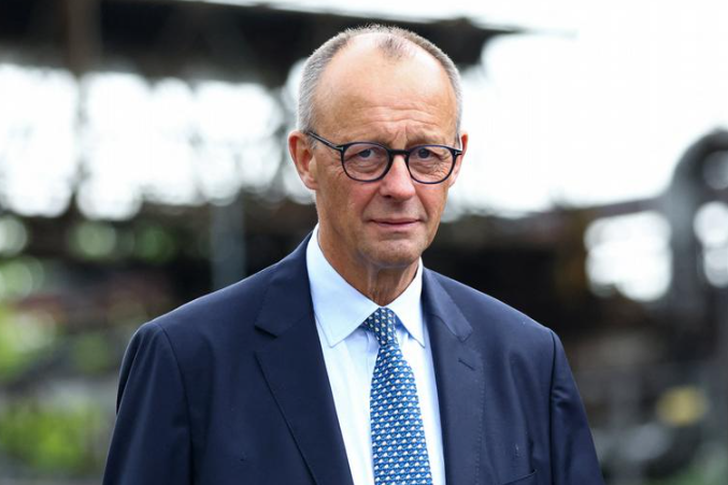
Merz: Germany unwaveringly on Israel's side
German Chancellor Merz criticizes the Israeli government's...


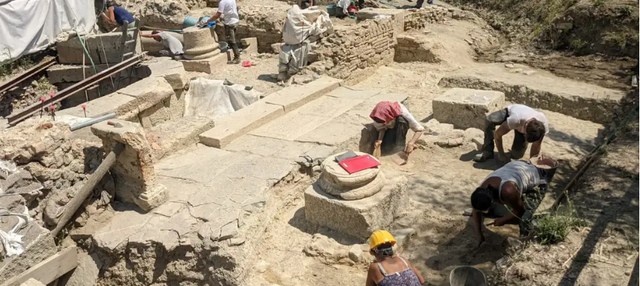
For more than 20 years, archaeologists have been excavating the legendary Etruscan sanctuary in Orvieto, Italy. Now they appear to have found important religious artifacts.
Archaeological excavations at the central Etruscan sanctuary in Italy, the Fanum Voltumnae, have apparently uncovered important religious artifacts. The artifacts provide clues to rituals dating back more than 2,500 years. Two well-preserved stone rams' heads, a lion's head, large altars and a wide processional route were discovered on the outskirts of the city of Orvieto this week, Italian media reported.
At the height of the Etruscan era
The sanctuary of the Etruscan city-federation near Orvieto, which is of enormous size, was discovered in the early 2000s during excavations led by archaeologist Simonetta Stopponi.
Excavations have continued since then. It is thought that this sacred site was built at the height of the Etruscan era in the 6th century BC.
Assimilation by the Romans
The Etruscans settled in central Italy from the 9th to the 1st century BC. Their origins are still unclear, and their language and religion have only been partially studied.
The period from the 7th to the 5th century BC was the heyday of the Etruscans. The ancient historian Dionysius of Halicarnassus admired them as "the earliest and most distinct from other peoples".
Researchers still debate the origins of the Etruscans to this day. Most defend the thesis that they originated in Asia Minor (in present-day Turkey) from where they migrated. Others consider them to be a tribe long established in the territory of present-day Italy, which had developed over time. However, DNA analyses of the population in Tuscany support the first thesis.
The Etruscans were defeated by the Romans, who assimilated the Etruscan people and their culture until they disappeared as an independent ethnic group during the Roman Republic./ DW

German Chancellor Merz criticizes the Israeli government's...
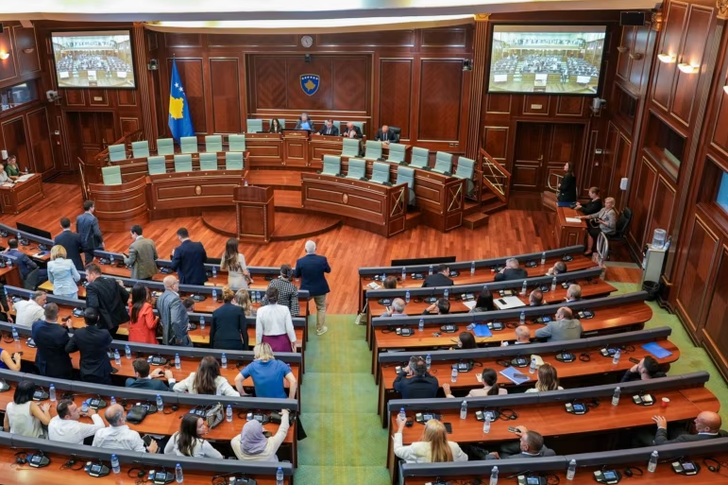
The Constitutional Court has again ordered the deputies of...

Five Al Jazeera journalists, including prominent reporter ...
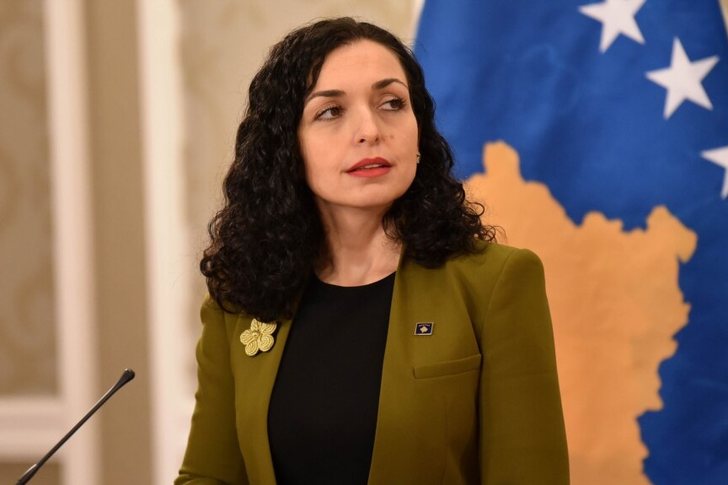
Kosovo President Vjosa Osmani reacted this evening regardi...

US President Donald Trump announced that a press conferenc...
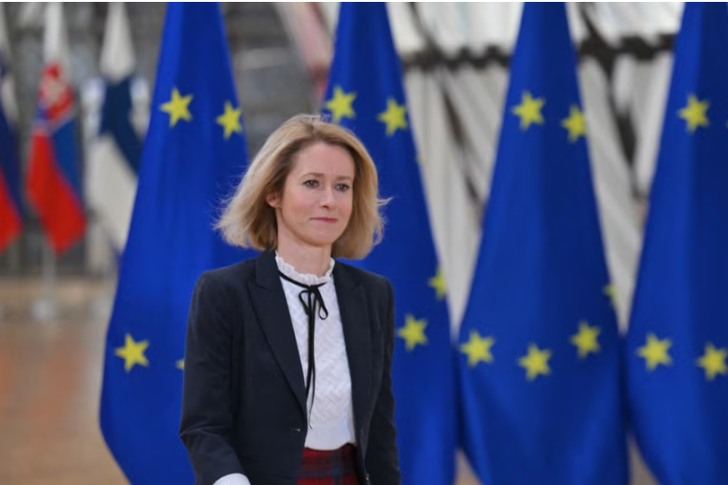
EU chief diplomat Kaja Kallas said on Sunday that any agre...
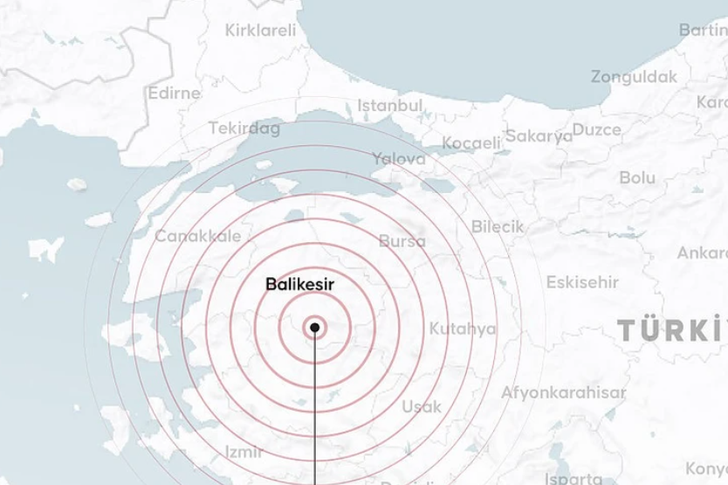
A 6.1-magnitude earthquake struck Turkey's Balikesir provi...
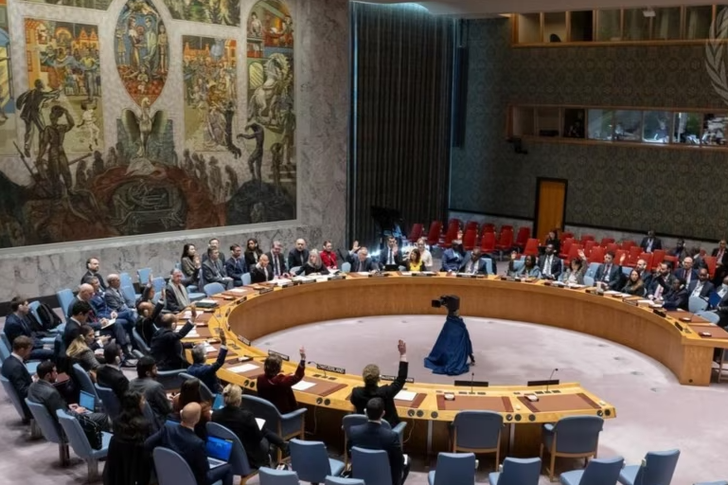
In an emergency meeting requested by the United Kingdom, F...
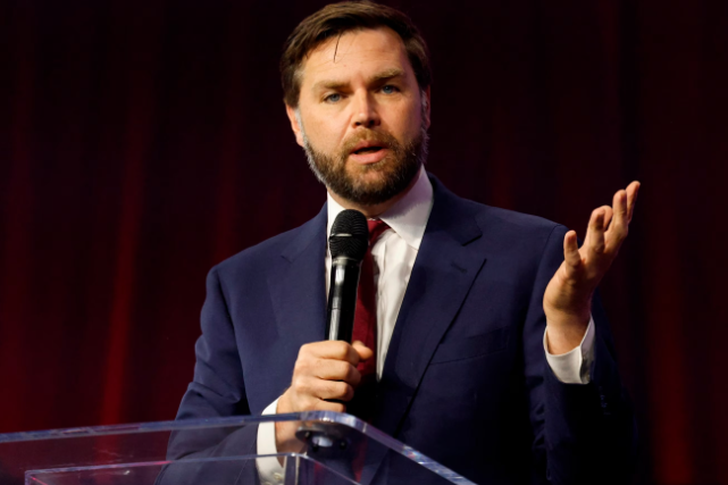
US Vice President JD Vance stated today that a negotiated ...
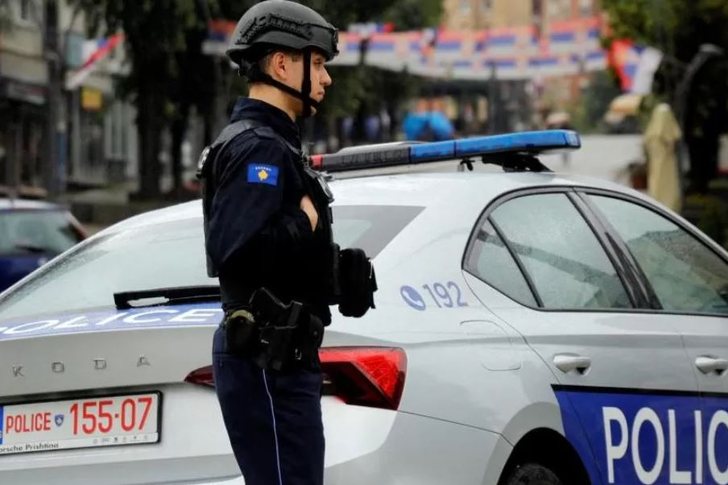
A serious incident occurred today in Gjilan, where victims...
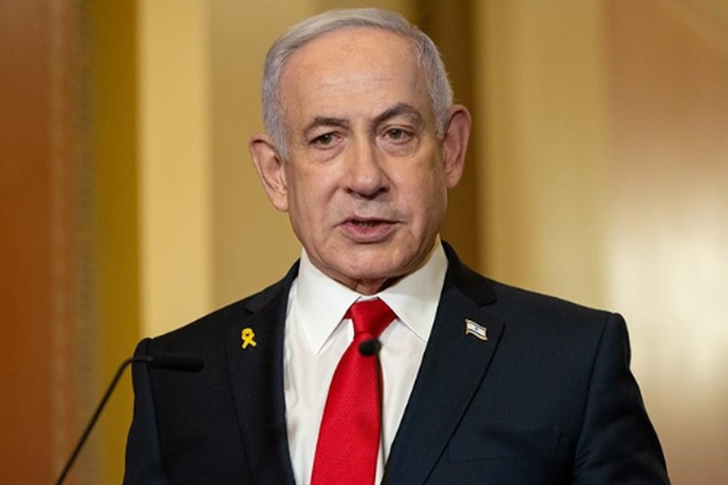
Israeli Prime Minister Benjamin Netanyahu declared today t...
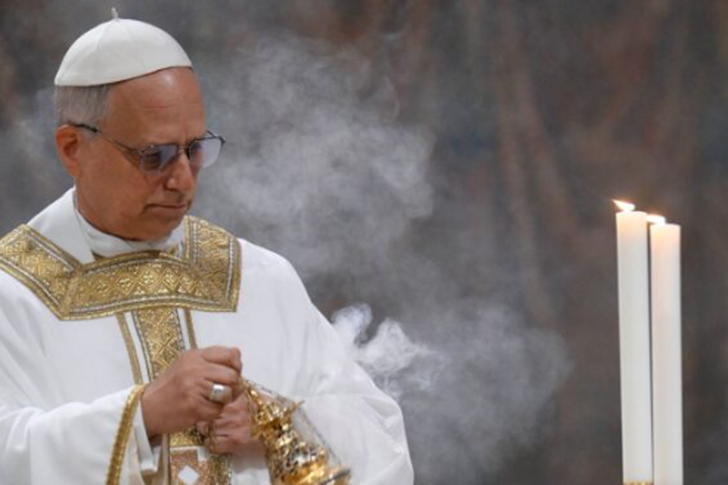
Addressing the faithful gathered in St. Peter's Square for...
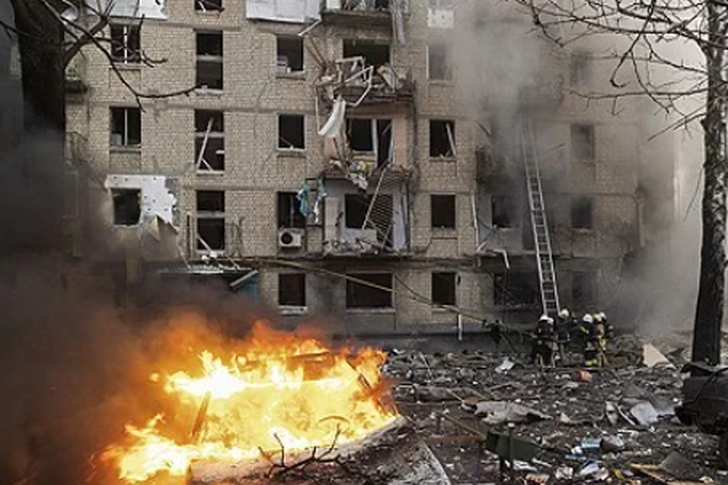
Several regions across Ukraine were hit by Russian drones ...
A serious incident occurred in Gjilan where gunshots were ...
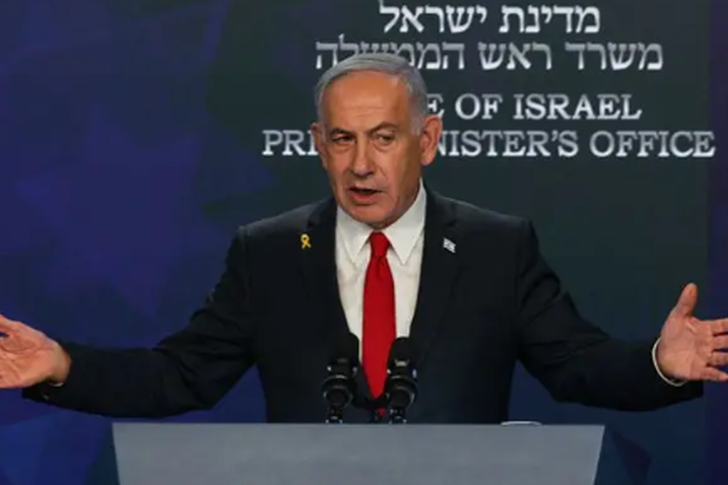
Israeli Prime Minister Benjamin Netanyahu has faced growin...
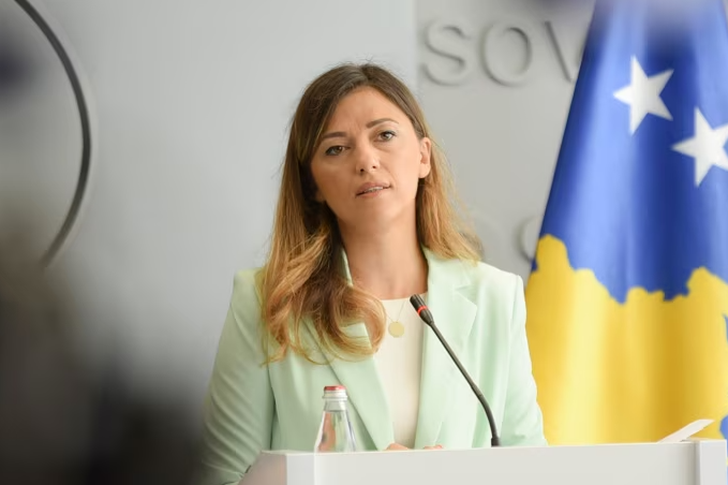
Acting Minister of Justice, Albulena Haxhiu, said on Sunda...
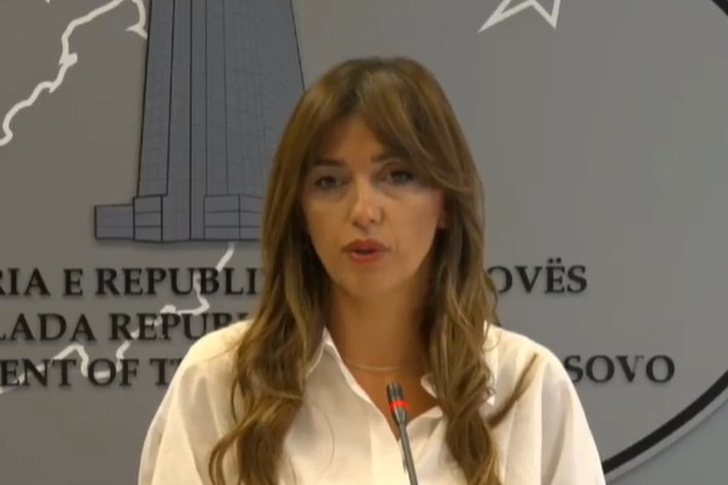
Acting Minister Albulena Haxhiu, in a statement to the med...

European leaders have welcomed US President Donald Trump's...
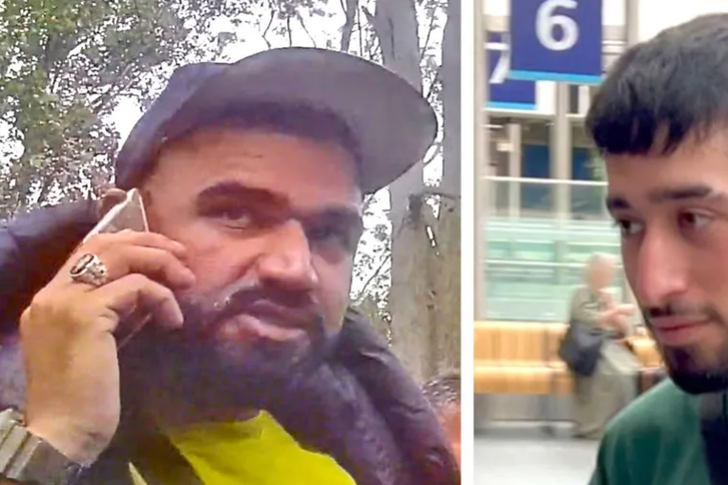
A BBC investigation has uncovered the French and British o...
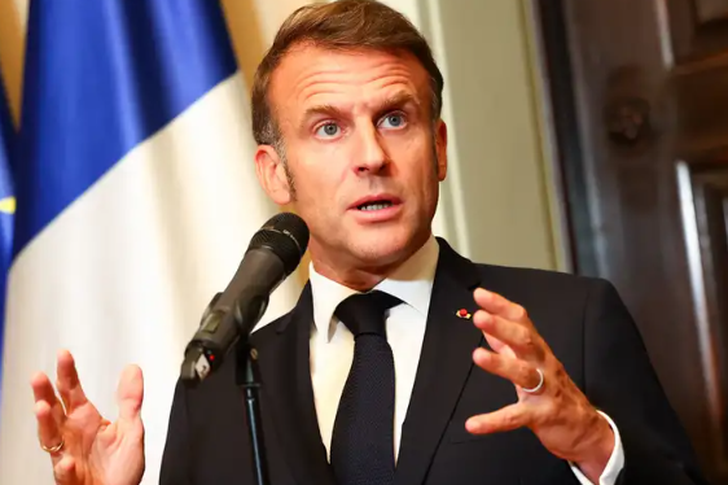
French President Macron on the eve of the meeting between ...
SPAK's standards, the way it investigates, how it secures ...
Irfan Hysenbelliu claims to be a big businessman, an hones...
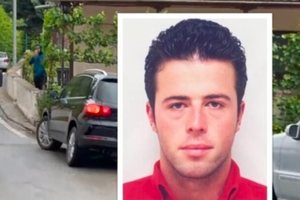
The murder of officer Enea Mekolli in the line of duty has...
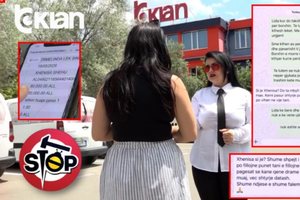
The next case broadcast on the show "Stop", this Thursday,...

The Special Board of Appeal (KPA) decided this Monday ...

The KPA vetting decided this Thursday to dismiss the p...

Suela Salavaçi, a prosecutor in the Prosecutor's Offic...

The Special Board of Appeal reinstated the prosecutor ...
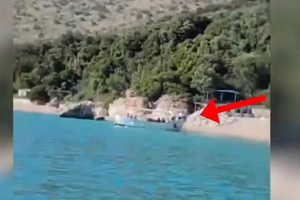
The Border Police blocked the vessel and fined the driver ...
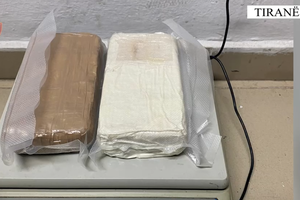
A police operation codenamed "Zonet" has ended with the se...
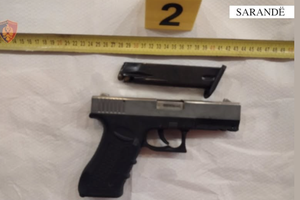
A 37-year-old citizen has been arrested in flagrante delic...
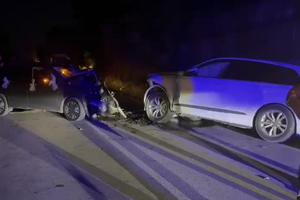
A road accident has been reported on the Fier-Levan axis, ...

More than 860 million people fall ill and 1.5 million die ...
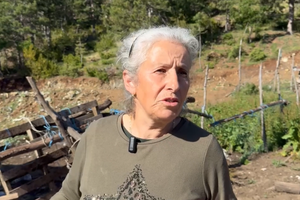
The mother of Violand Braçellari, the perpetrator of the s...
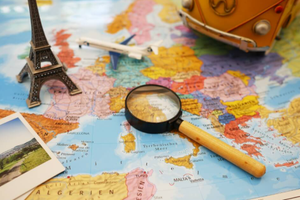
The modern European traveler seeks a meaningful connection...
This Sunday, weather conditions are forecast to be clear a...
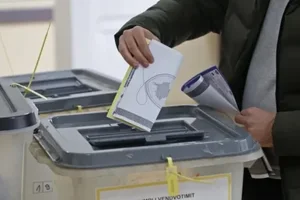
Qytetarët e Kosovës votojnë sot për zgjedhjet e parakohshm...
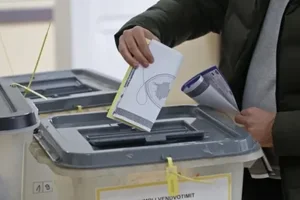
Komisioni Qendror i Zgjedhjeve në Kosovë ka publikuar rezu...
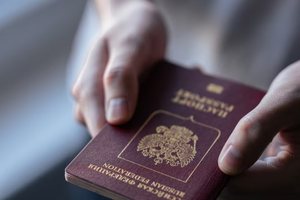
Megjithëse politika e shtetësisë është kompetencë e Serbis...
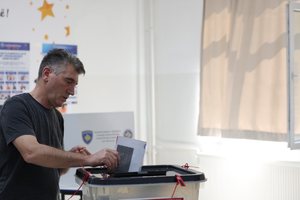
Kosovo citizens are voting in new snap parliamentary elect...
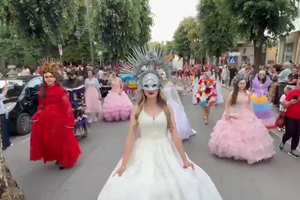
Korça has transformed this weekend into the capital of cel...
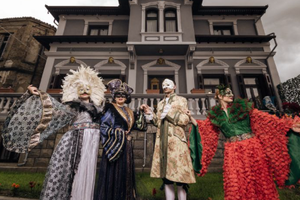
Korça is ready to open the summer season with one of the c...
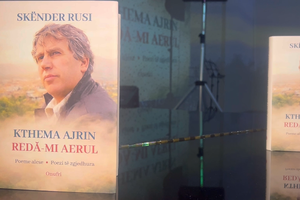
Two years after his passing, the renowned Korçë poet Skënd...
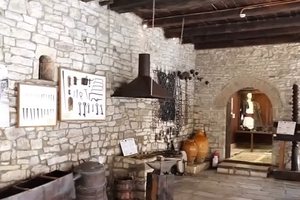
The Ethnographic Museum of Berat has opened its doors to v...
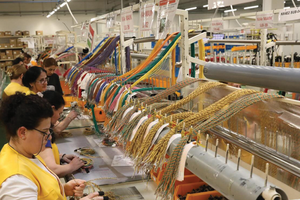
The automotive industry in Albania is currently at a turni...
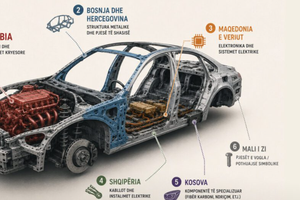
If you were to follow the industrial map of the Western Ba...
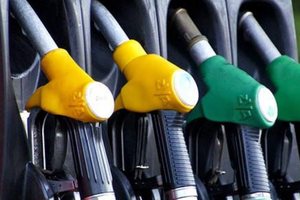
The Transparency Board, in today's meeting, decided to red...

This Saturday, one US dollar is bought for 81.4 lek and so...