


"In the name of protest"/ Mocking the Albanian flag, anarchists replace it with a flamingo
A group with neo-Marxist and anarchist views has gone to a...

A group with neo-Marxist and anarchist views has gone to a...


The Albanian administration has an old habit: whenever it fails to solve a problem, it tries to cover it up with a table, a reference, a board, a commanded price. When oil prices rose, the solution was not to touch the fiscal burden, even though it remains significantly higher than in the countries of the region.
The Transparency Board was reactivated, with a methodology that has been changed as needed and with a modest result for citizens. Even in cases where intervention is made, the savings are minimal compared to the burden borne by the consumer on each liter, while the entire fight is being waged for 4-5 lek per liter.
For example, when the 20% excise tax reduction came into effect, the price of diesel increased from 218 lek to 224 lek per liter! Meanwhile, Albania continues to have one of the highest fuel prices in the world, entering the top ten most expensive.
So, the state does not give up its part, but creates the illusion that it is protecting the citizen. It does this by administering the consequence, not the cause. It does not reduce taxes, it does not crack down on the distortions that produce high prices, it does not channel a portion of the additional income it collects from price increases to the vulnerable, but it builds a mechanism that gives itself the role of moral arbiter of the market.
In the end, the citizen saves very little, while the economy is left with one of the most expensive fuels for the purchasing power it has.
The same logic is now being followed with wages. There is no doubt that in Albania there is still high tax evasion overall, with total revenues being 28% of GDP, compared to the 35-40% average in Europe. This evasion is in wages in the private sector, while social security revenues are still 6% of Gross Domestic Product, while in the region and in Europe, this indicator is over 10%.
Instead of strengthening tax administration, improving intelligent risk control, and truly cracking down on evasion, the government is spreading from one sector to another with reference salaries.
After services, hospitality-tourism and construction, Taxes have also published reference salaries for 40 categories of professions in the private healthcare system and aesthetic services, including around 10 thousand businesses.
In practice, businesses are no longer judged on the salary they actually pay, but on a salary set by the administration. Any declaration below that level automatically puts the entity at "risk."
This is a clear distortion of the labor market. Because salary is not an administrative price, but the result of productivity, experience, skills, demand and supply.
Private sector professionals and accountants themselves have warned that this approach does not reflect reality, undermines meritocracy, does not take into account differences between cities, levels of experience, and professional profiles, and may even produce more informality and the closure of small businesses.
Mbi të gjitha, këto referenca pengojnë punësimin e të rinjve, pasi askush nuk do të tentojë të marrë në punë një të sapodiplomuar, që do të detyrohet ta paguajë me nivelin e një personi tjetër me më shumë përvojë.
Nëse referenca bëhet standard, tregu nuk bëhet më i pastër, por më i shtrembëruar. Një pagë fikse e vendosur nga lart nuk pasqyron realitetin e sektorit privat. Ajo mund të kthehet në tavan për disa dhe në justifikim për pagesa të tjera “në dorë” për të tjerë. Kjo nuk është luftë ndaj evazionit.
Është pranim i paaftësisë për ta hetuar atë rast pas rasti dhe ç’është më e keqja, mund të prodhojë iluzionin se ekonomia po ecën mirë, sepse të ardhurat buxhetore po rriten.
Ironia është se vetë qeveria jep sinjale krejt të kundërta. Nga njëra anë, shtrëngon tregun me paga referencë dhe u thotë bizneseve se do të paguani sipas tabelës sime. Nga ana tjetër, premton paqe fiskale dhe falje detyrimesh për ata që nuk kanë paguar në vite.
Në janar, faza tranzitore e ligjeve për Marrëveshjen e Paqes Fiskale dhe për fshirjen e detyrimeve krijoi konfuzion te bizneset, ndërsa administrata vazhdon mbledhjen me forcë të detyrimeve të vjetra, edhe kur një pjesë e tyre pritet të falen sipas ligjit, që ende pritet të nisë nga zbatimi.
Kjo është tabloja më e keqe e mundshme për klimën e biznesit: për të ndershmit, rregulla gjithnjë e më të ashpra; për evazorët, herë presion e herë amnisti.
Në fund të fundit, problemi nuk është vetëm te padrejtësia. Problemi është te filozofia. Në një ekonomi tregu, qeveria nuk është aty për të fiksuar çmimet, as të naftës, as të punës.
Roli i saj është të ndërtojë institucione që funksionojnë, të garantojë konkurrencë të lirë, të zbatojë ligjin njësoj për të gjithë dhe të godasë evazionin me administratë të aftë, jo me tabela të përgjithshme që penalizojnë të gjithë. Kur shteti vendos çmime reference për gjithçka, ai nuk po zgjidh problemin.
Thjesht po e zhvendos koston e paaftësisë së vet te sipërmarrja, te punëmarrësi dhe te konsumatori.
“Çmime të fiksuara” tingëllon si zgjidhje e shpejtë. Në të vërtetë, është rruga më e shkurtër për të fiksuar edhe problemin: një treg pune më pak i lirë, një ekonomi më pak konkurruese dhe një shtet që vazhdon të ngatërrojë kontrollin me zhvillimin./monitor.al


This Saturday in the foreign exchange market, the euro wil...

For a comparison regarding the effects that a geopolitical...
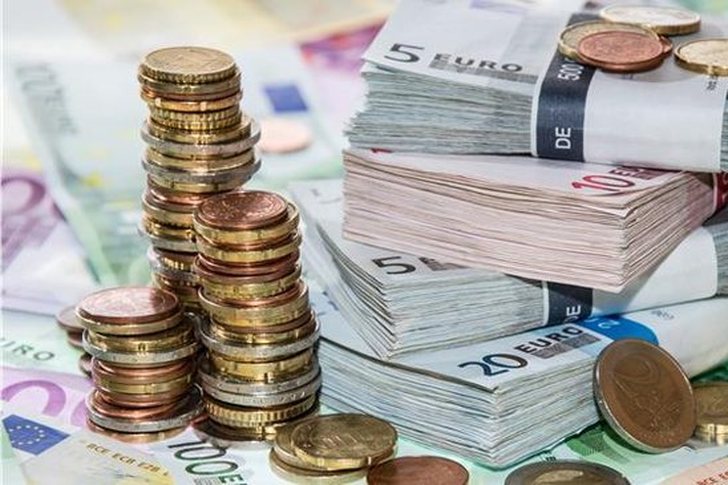
Today in the foreign exchange market, the euro will be exc...
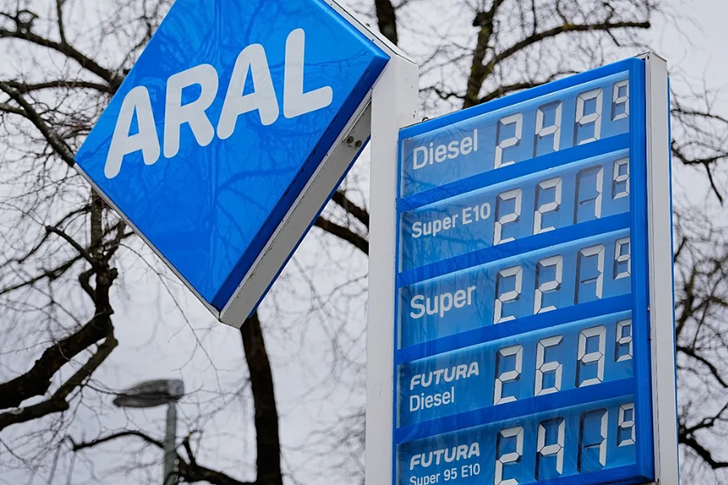
Energy prices in Europe could remain high for some time, e...
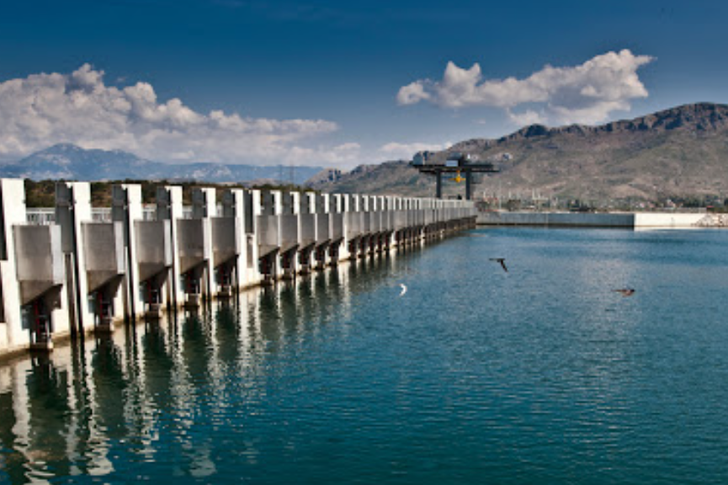
Agriculture is the world's largest consumer of water. Acco...
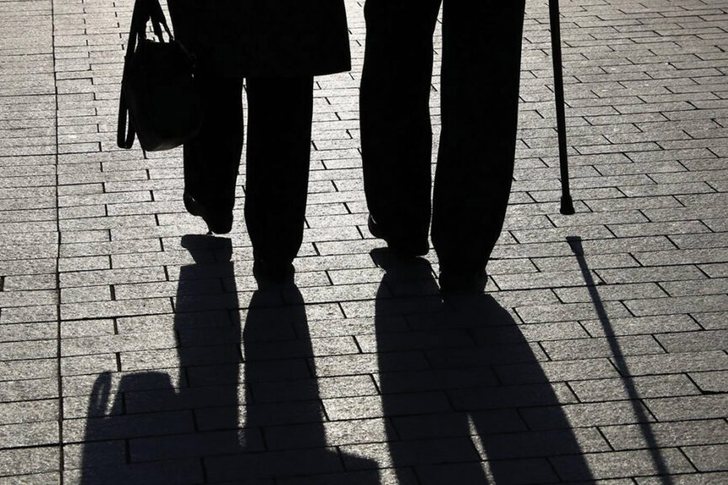
The new pensioner bonus distribution scheme has been in ef...

For at least three years, Albania has been successfully lo...

This Thursday, one US dollar is bought for 81.2 lek and so...
The World Bank has slightly revised down its expectation f...
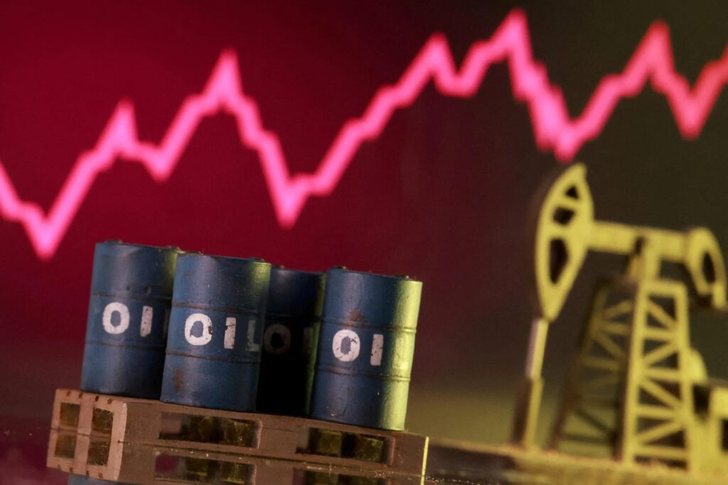
International stock markets rose sharply, while oil prices...

The price of oil in the country increased by about 30% in ...

This Wednesday, one US dollar is bought for 82 lek and sol...

Property compensation, despite efforts to speed up the pro...

Today in the foreign exchange market, the euro will be exc...

Albanian investments abroad reached a new historical recor...

The labor market in Albania in the last quarter of 2025 co...
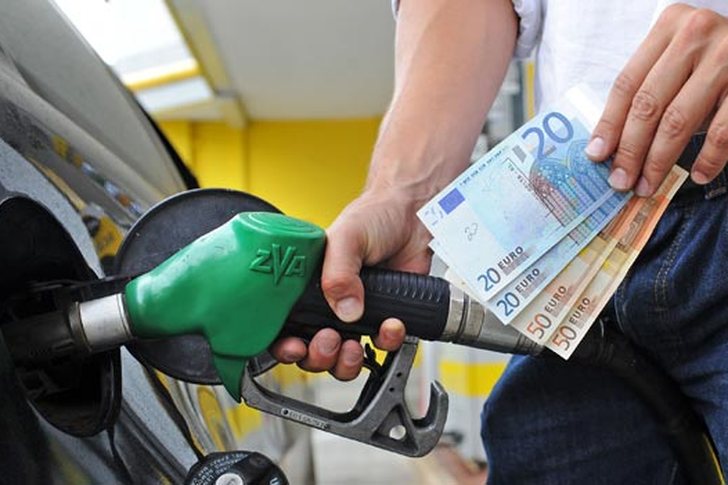
There seems to be no hope for easing traffic. The crisis i...
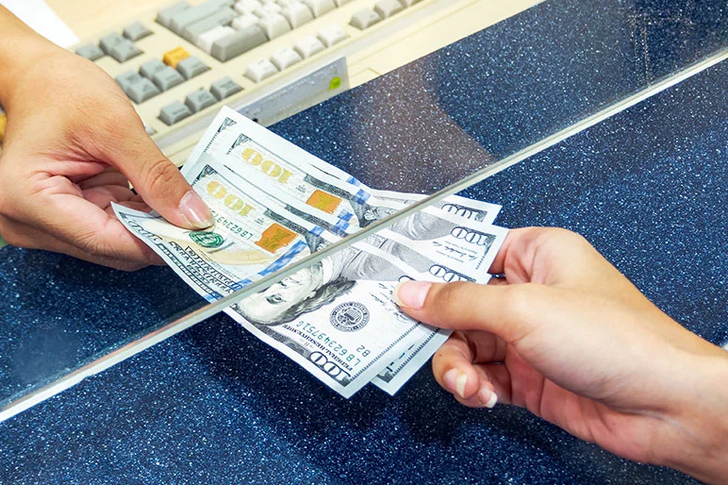
This Monday, one US dollar is bought for 82.2 lek and sold...
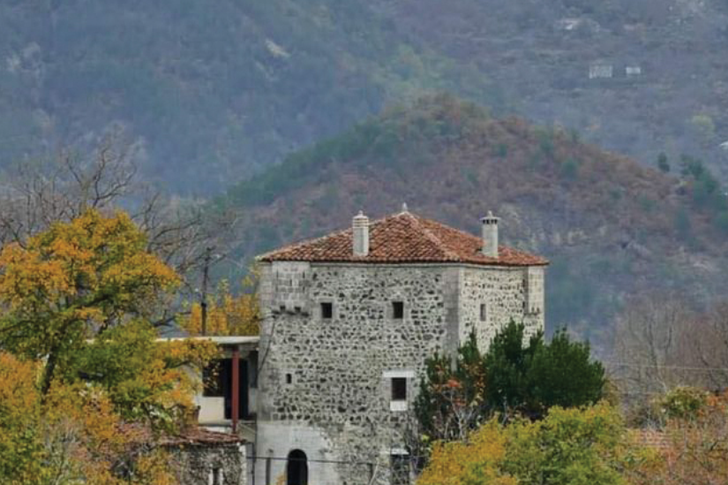
Albania is testing whether its historical heritage can be ...
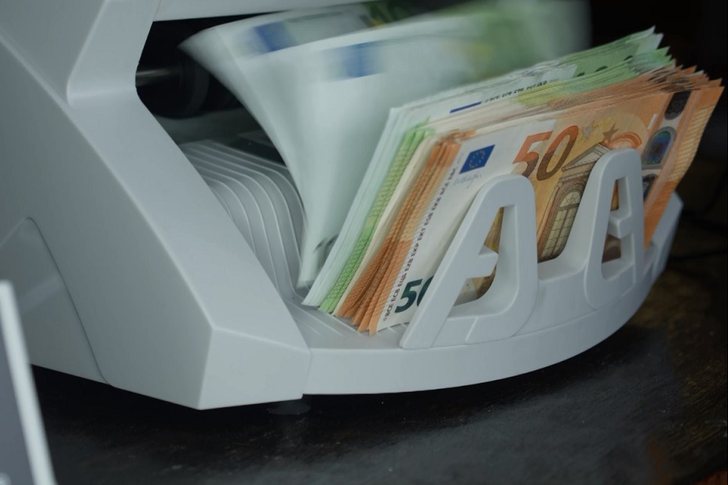
This Friday, one US dollar is bought for 82.5 lek and sold...

The protests of recent days related to the situation in Zv...
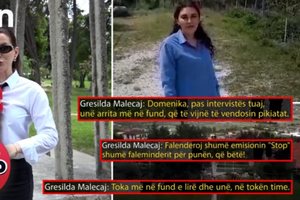
The case addressed this Wednesday, June 3, on the show "St...

The show "Stop" broadcast this Wednesday, June 3, the case...

Irfan Hysenbelliu claims to be a big businessman, an hones...

The Special Board of Appeal (KPA) decided this Monday ...

The KPA vetting decided this Thursday to dismiss the p...

Suela Salavaçi, a prosecutor in the Prosecutor's Offic...

The Special Board of Appeal reinstated the prosecutor ...
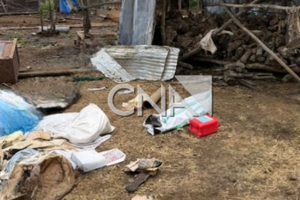
Several images provided by CNA show the area where this mo...

A quantity of explosive material exploded this morning at ...
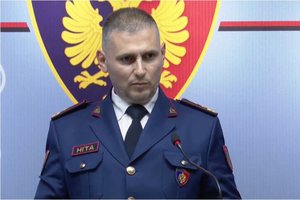
The Head of the State Police, Skënder Hita, expressed his ...

New details have emerged regarding the serious incident th...
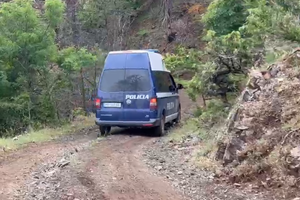
Witnesses in Lozhan, Maliqi, have shared details from the ...
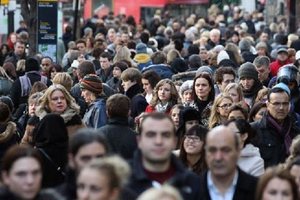
Albania is facing an unprecedented demographic transition,...
On Thursday, our country will be affected by unstable weat...

An alarming figure of more than 166.4 thousand Albanians a...
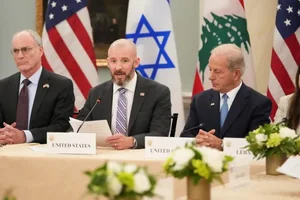
Israel and Lebanon have agreed to renew their fragile ceas...

United States President Donald Trump announced in a post o...
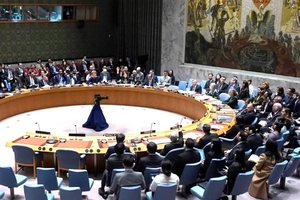
Asambleja e Përgjithshme e Kombet e Bashkuara ka përfundua...
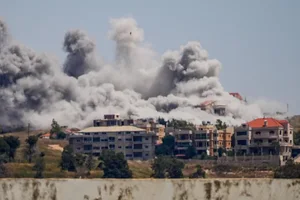
At least nine people have been killed in Israeli airstrike...
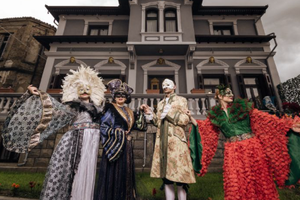
Korça is ready to open the summer season with one of the c...
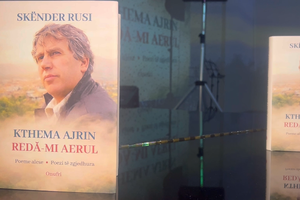
Two years after his passing, the renowned Korçë poet Skënd...
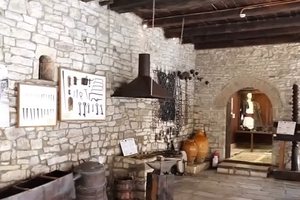
The Ethnographic Museum of Berat has opened its doors to v...
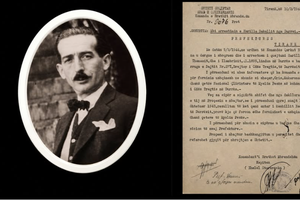
The story of Harilla Bakalli is one of the most chilling t...
Today, in the foreign exchange market, one US dollar is bo...
The Minister of Finance, Petrit Malaj, announced today a n...
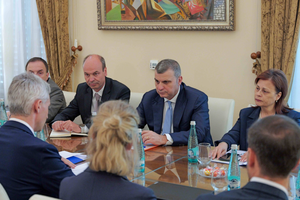
Guvernatori i Bankës së Shqipërisë, Gent Sejko, priti m...
Today, in the foreign exchange market, one US dollar is bo...