

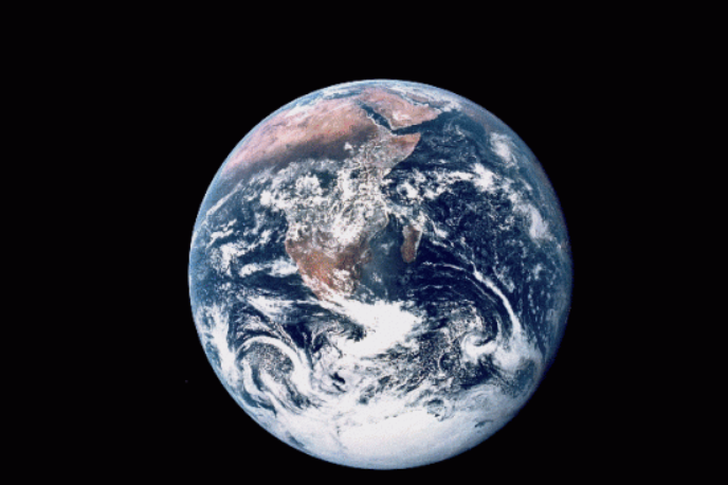
The Earth is losing balance/ How the Northern Hemisphere is getting darker
NASA has discovered that since 2020 there has been an asym...


To call Turkish coffee "just a drink" certainly understates it. Turkish coffee is a ritual, a conversation, and, as perhaps the ancestor of all modern coffees, is a nearly 500-year-old piece of history, inscribed by UNESCO on the list of the Intangible Cultural Heritage of Humanity.
Its roots go back even further. Lani Kingston, an associate professor at Portland State University, says a single coffee bean dating back to the 12th century was found at an archaeological site in the United Arab Emirates. By 1350, coffee serving utensils appeared in Turkey, Egypt, and Persia.
But the story of Turkish coffee doesn't begin in Turkey, but in Yemen. In the 15th century, Sufi mystics are said to have consumed it to stay awake during long nights of prayer and devotion. In 1538, when Sultan Suleiman the Magnificent, known in Europe as Suleiman the Magnificent, invaded Yemen, coffee found its way to the Ottoman Empire. Within a year, the beans had reached Constantinople - the ancient city that is now Istanbul.
In 1539, the famous Ottoman admiral Hayreddin Barbarossa registered a property that included a "kahve odas?" or coffee room.
By the 1550s, the first “kahvehans,” or coffeehouses, began to appear in Istanbul. The drink’s newfound popularity quickly reshaped cultural life. The Ottoman method of preparing coffee in a cezve-ibrik, a practice also practiced in Greece but with roots in Ethiopia, became the hallmark of traditional Turkish coffee. As gastronomy scholar Merin Sever explains, the fundamental difference between Turkish coffee and other coffees is that cezve-ibrik is essentially a cooking process; it is not boiled, but “cooked” in water like a broth, producing an unfiltered beverage.
Coffeehouses were controversial. Religious scholars and political leaders throughout Asia and Europe viewed them as places for subversive activities and idle chatter. The governor of Mecca, Hay?r Bey, banned coffee in the city in 1511, a decree that would last 13 years, due to concerns that it would lead to extremist ideas. Ottoman sultans repeatedly closed coffeehouses for similar fears. However, they never completely disappeared. Even in 17th-century England, King Charles II tried to close them, suspecting that anti-royal rebellion and treasonous talk were taking place in those coffeehouses.

Nowadays, coffee is the unofficial drink in Turkey. It also serves as an excuse for people to meet. As in many countries, when two friends who have been far apart want to have a chat, they say: "Let's have coffee." In Turkey, this means something more specific: "Come to my place, friend, and I will make you a cup of Turkish coffee."
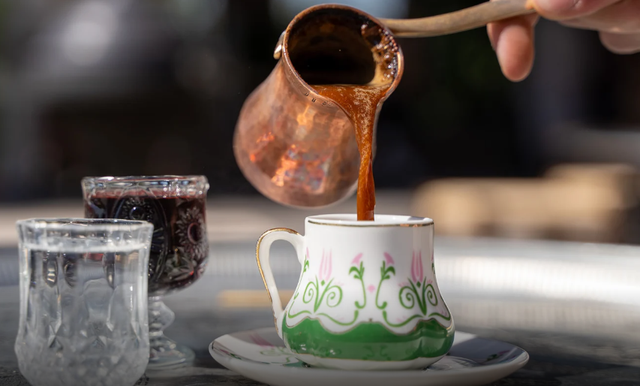
The preparation ritual is precise and careful, involving a small, long-handled pot called a cezve, placed over a fire, preferably hot coals or sand. The best coffee beans are slowly brewed to release a rich flavor and create a beautiful surface layer of foam, considered a sign of quality.
A well-made Turkish coffee should be served hot and with the foam intact, along with a glass of water and a piece of Turkish delight. The water cleanses the palate, while the Turkish delight balances the bitterness of the drink.
Coffee etiquette is equally important. Although it is served in small cups, it should be drunk calmly and slowly, not in a rush like an espresso. This gives the coffee time to dry and keeps it at the bottom of the cup.
When the cup is empty, it is time for the ritual of tasseography, or reading the coffee in the cup. The cup is inverted onto its saucer, allowed to cool, and then the shapes and symbols perceived in the remaining coffee are "read" for meaning.
Coffee rituals in Turkey find their way into other national traditions as well. During the courtship period, a bride-to-be prepares and serves Turkish coffee to her groom and his family. As a test of his character, she adds a generous amount of salt to the groom's coffee. If he drinks it without complaining, he proves his patience, maturity, and worth.

But coffee didn't just stay in Turkey, it soon moved west. The Venetians were the first to encounter it through trade links. In 1652, in London, Pasqua Rosée opened what is believed to be the city's first coffeehouse on St. Michael's Lane.
For a penny, patrons could drink as much as they wanted while joining in lively conversation. Like the "kahvehane" of Turkey, these "penny universities" were centers of news, politics, and, sometimes, dissent. Specifically, they were places of male dissent. Women were not allowed to drink coffee in either culture, but in London women could at least work in a coffeehouse.
Nowadays, a lot of work is being done to introduce Turkish coffee to the world. Ay?e Kapusuz organizes Turkish coffee job fairs in London, while in New York, Uluç Ülgen, also known as Dr. Honeybrew, runs the Turkish Coffee Hall, offering theatrical coffee drinking and fortune-telling sessions.
"Despite the bitter taste of Turkish coffee, Americans drink it to the last drop for the cup-reading display," he says.

To enjoy a true coffee experience in Turkey, Kapusuz advises finding a place where it is slowly brewed in cezves, preferably over hot sand, and served warm with thick foam, plus Turkish delight and water.
In Istanbul, Kapusuz recommends Haf?z Mustafa, Mandabatmaz on ?stiklal Street and Nuri Toplar in the city's Egyptian Bazaar. For a modern twist, Hac? Bekir in Kad?köy is suggested.
Coffee cup readings can be found in Istanbul's Sultanahmet district or near Tünel in Beyo?lu, but researcher Do?an suggests a more personal approach, as the experience is more about storytelling and human connection than fortune-telling. This could simply mean asking a local coffee drinker for help in finding the surprise story waiting at the bottom of a cup./ CNA

NASA has discovered that since 2020 there has been an asym...
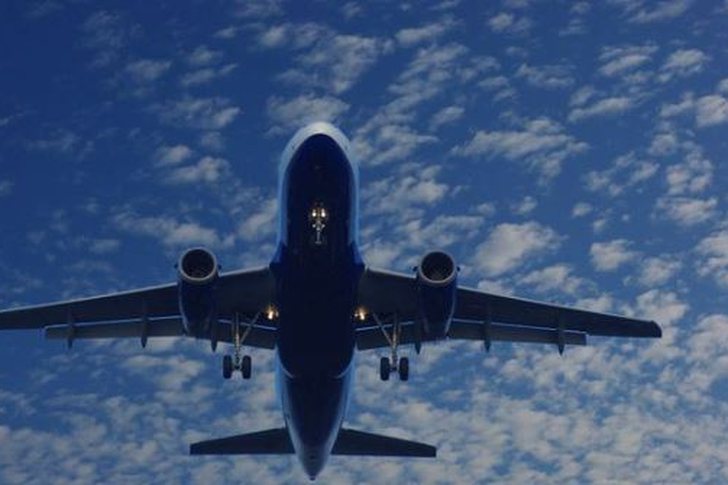
This year's season has been extremely challenging for ...

An ordinary morning. A message comes to your phone from an...
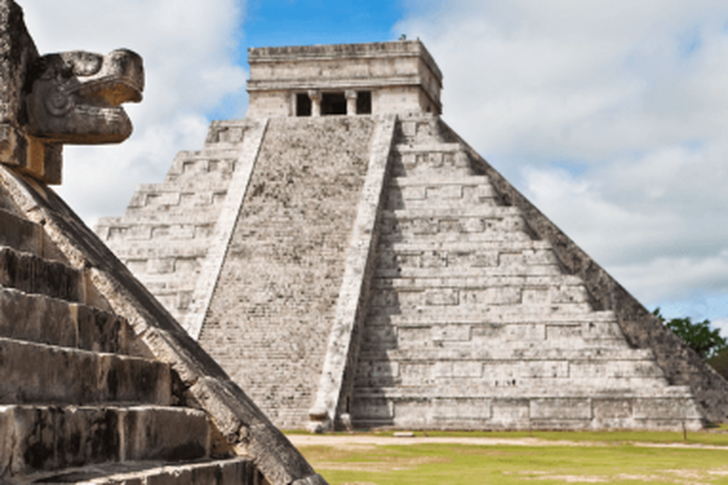
The disappearance of the Mayan civilization is a question ...
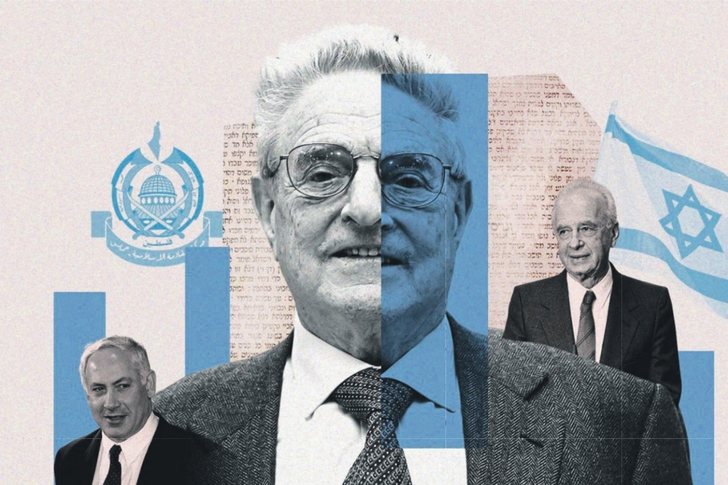
György Schwartz was born in Hungary in 1930 to an Ashkenaz...
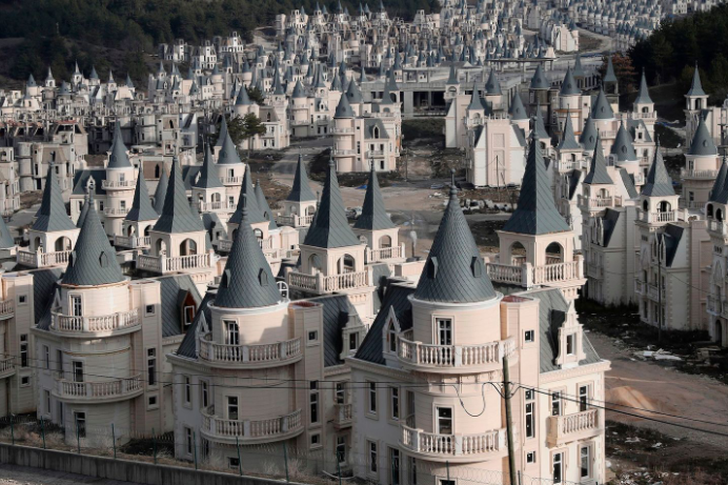
Burj Al Babas mund të jetë qyteti më i çuditshëm në botë. ...
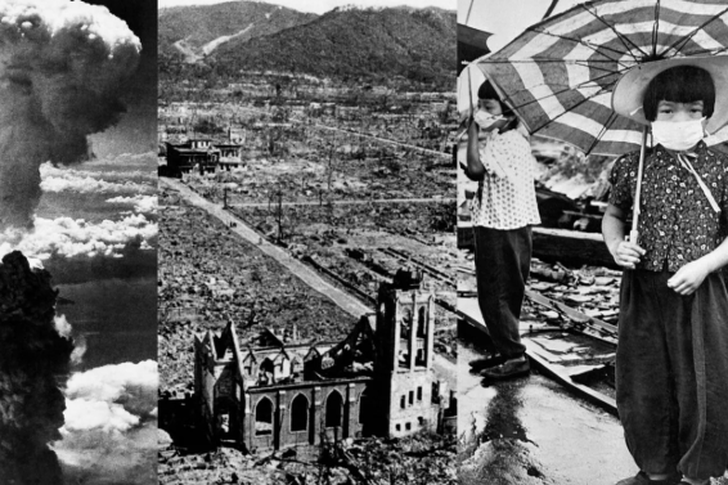
The first atomic bomb in Hiroshima Hiroshima after the dr...
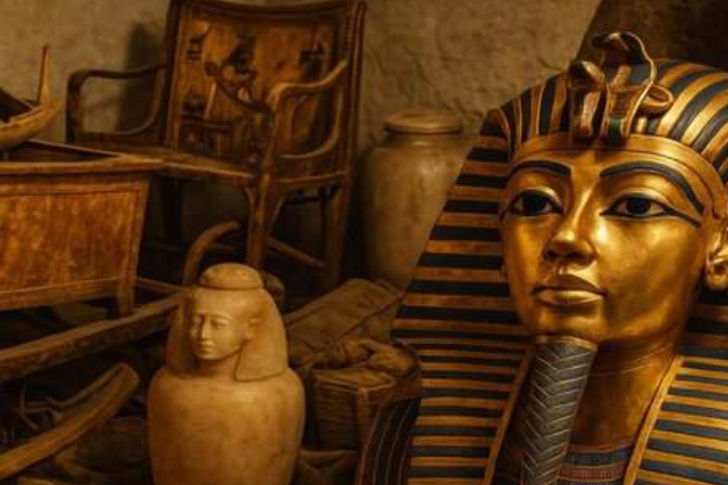
The discovery of King Tutankhamun's tomb in 1922 captivate...
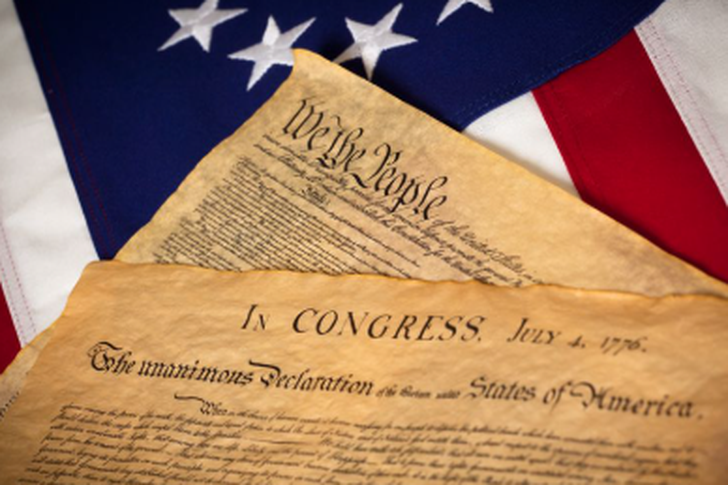
July 4th marks Independence Day in the United States of Am...
The history of chess can be traced back nearly 1,500 years...
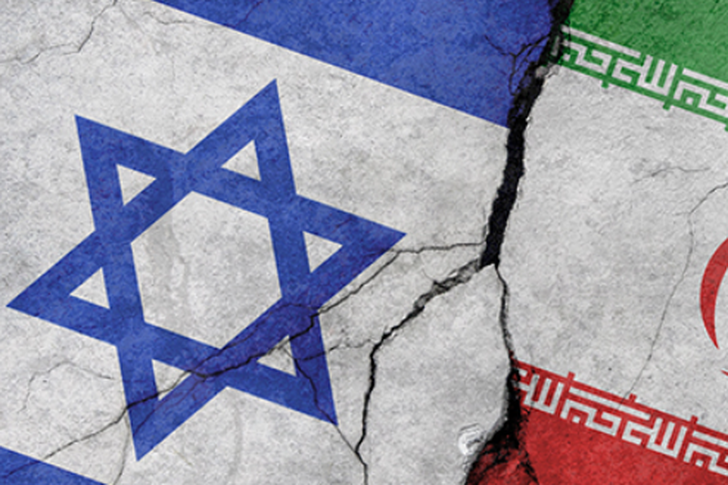
Years of tensions between Israel and Iran have escalated i...
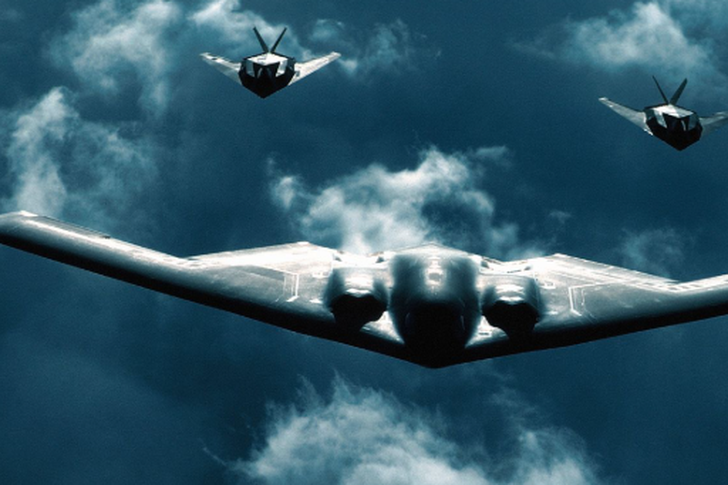
The Northrop B-2 Spirit, also known as the Stealth Bomber,...
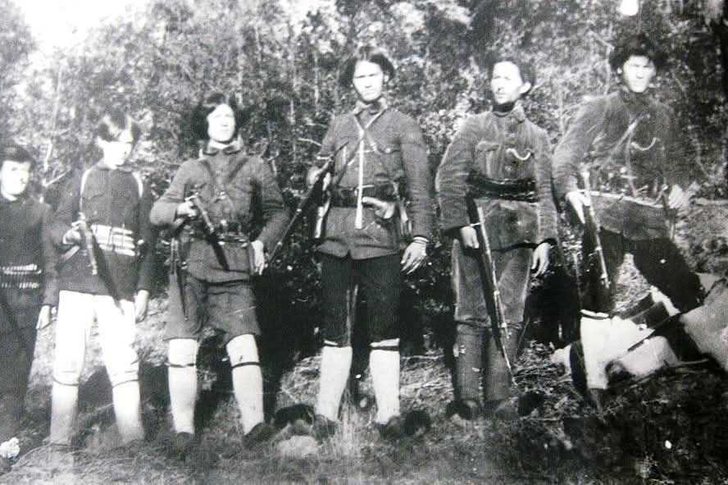
May 28th for Korça is a historic date. In Kapshtica (borde...
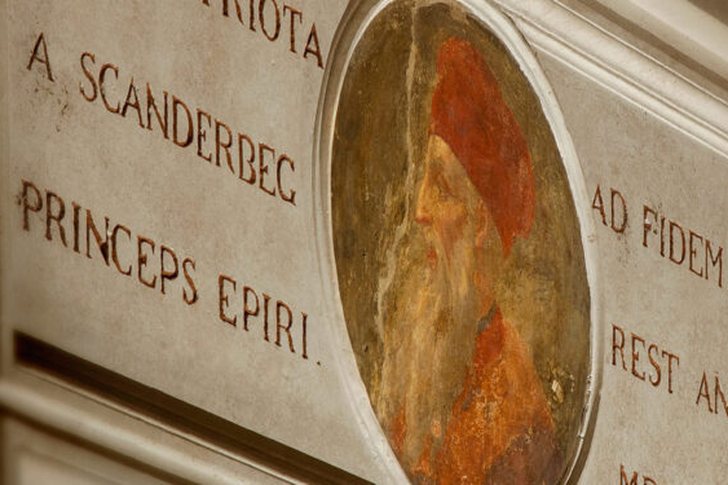
Rome, the vibrant epic metropolis, the land of lost empire...
YouTube, which is celebrating its 20th anniversary, has beco...
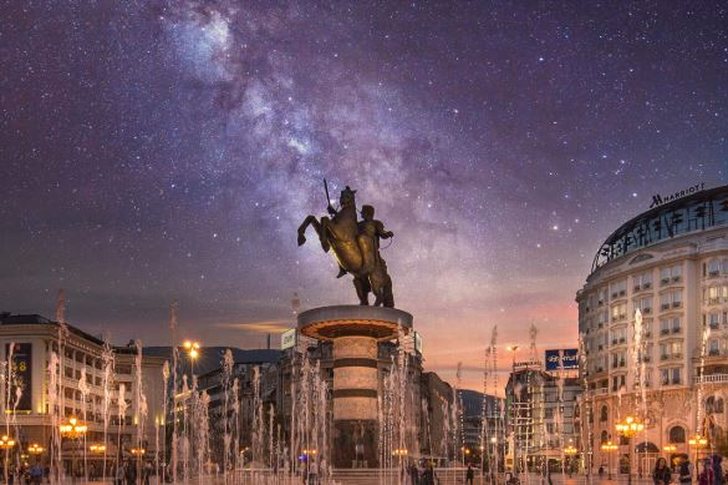
When the car arrived at the border, it was not yet dawn ou...
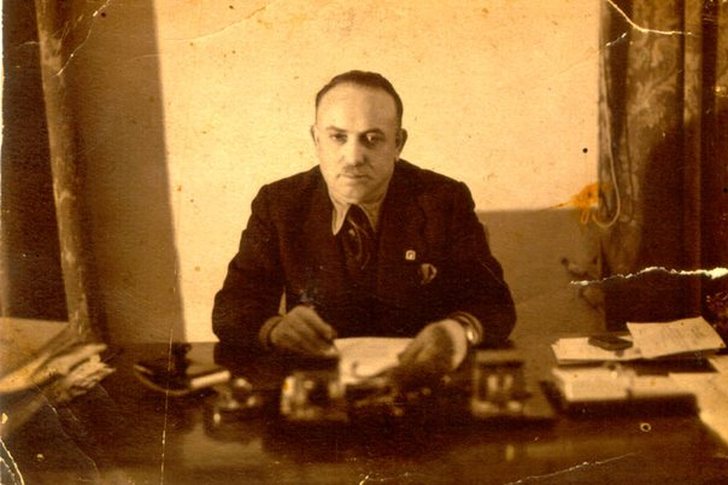
Tanush Mulleti, the nephew of Qazim Mulleti, has confessed...

I remember, my father was often called to school for my an...
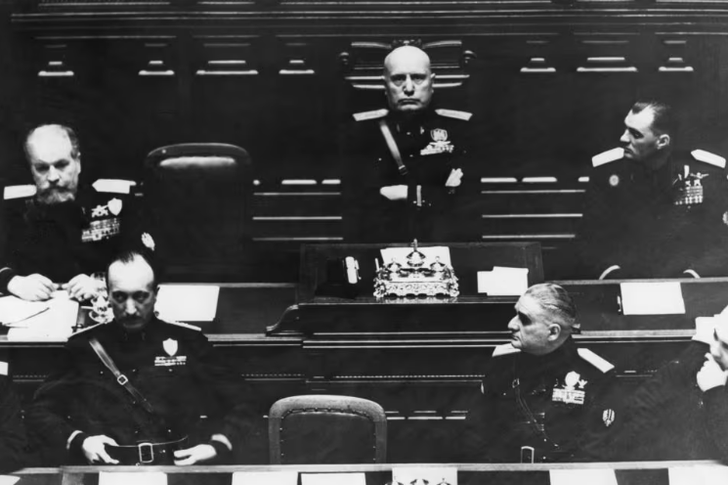
One hundred years ago, with Benito Mussolini's historic sp...
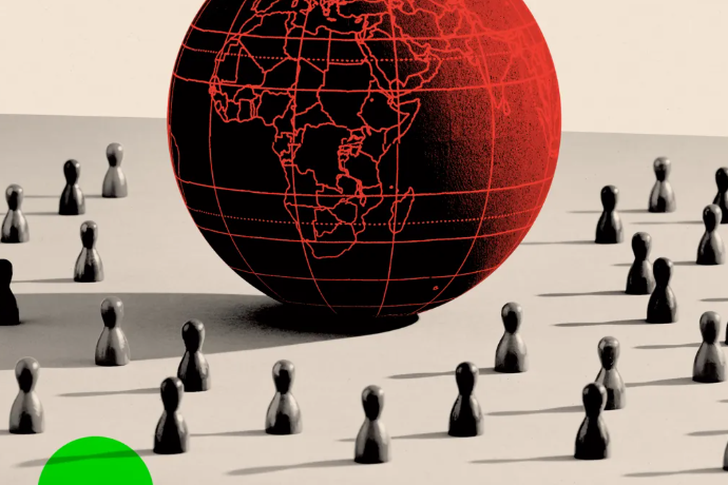
It's been one of the most eventful years since I start...

On the morning of July 7, 2026, the Ministry of Culture ur...

After the disclosure of the portfolio of properties an...

For 6 months now, CNA has been sending several letters to ...
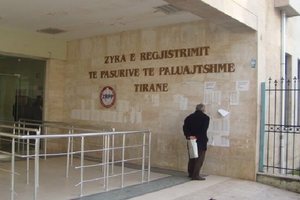
The word "fatherland" with properties is not enough. The m...

The Special Board of Appeal (KPA) decided this Monday ...

The KPA vetting decided this Thursday to dismiss the p...

Suela Salavaçi, a prosecutor in the Prosecutor's Offic...

The Special Board of Appeal reinstated the prosecutor ...
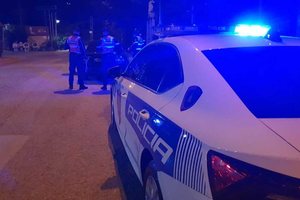
A knife attack occurred this evening in Fushë-Krujë. Acco...

A 44-year-old man in Saranda has been seriously injured af...
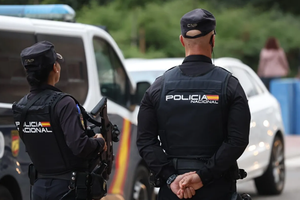
Spanish police have acted on an Albanian-Spanish criminal ...

New details have been revealed regarding the murder of Egl...

In Albania, in 2024, 8,911 beds were available in public h...
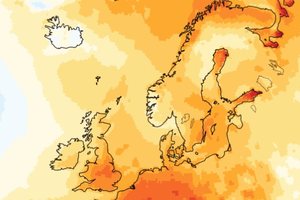
Albania was included in the band of above-normal temperatu...
Today, our country will be affected by mainly stable weath...
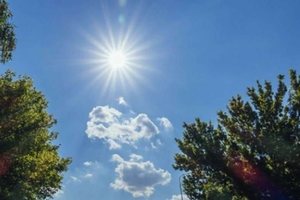
Today, our country will be affected by mainly stable weath...
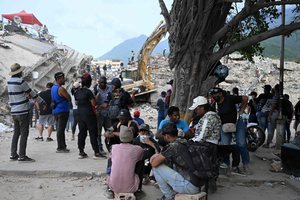
The death toll from two powerful earthquakes that struck V...

Oil prices rose to their highest levels in a month after t...
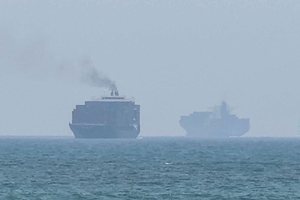
Iran has reacted to US President Donald Trump's statements...
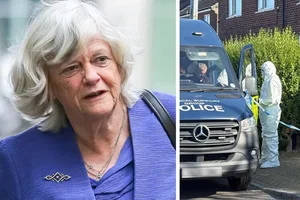
Counter-terrorism police have taken control of the investi...

The ninth edition of "MIK Festival" kicked off with one of...
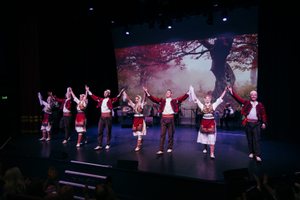
A historic evening for Albanian culture was marked in the ...

When I turned 10, another building was built in front of o...
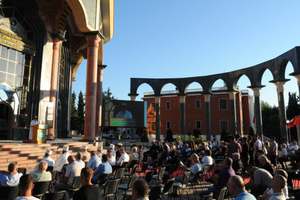
A special scientific conference was held by the World Bekt...

The tax administration has announced the completion of the...
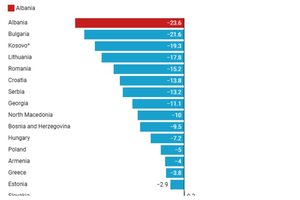
Albania has lost almost a quarter of its population since ...
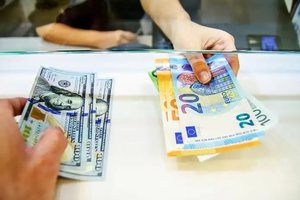
This Monday, one US dollar is bought for 81.5 lek and sold...

This Sunday, one US dollar is bought for 81.5 lek and sold...