


The Israel-Iran conflict/ A timeline of how the attacks unfolded
Years of tensions between Israel and Iran have escalated i...


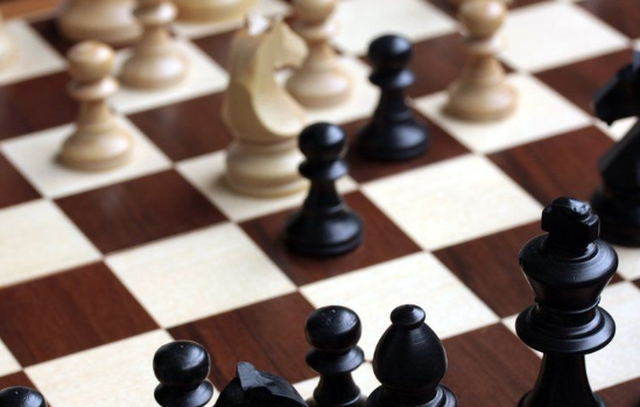
The history of chess can be traced back nearly 1,500 years to its earliest known ancestor, called Chaturanga, in India. Chaturanga translates as "four divisions (of the army)": infantry, cavalry, elephants, and chariots. These formations are represented by the pieces that would evolve into the modern pawn, knight, bishop, and knight, respectively.
From India, chess spread to Persia, where it was modified in terms of form and rules and developed. After the Arab conquest and conquest of Persia, chess was adopted by the Muslim world and then spread to Europe via Spain (Andalusia) and Italy (Emirate of Sicily). The game evolved into its current form around 1500 AD.
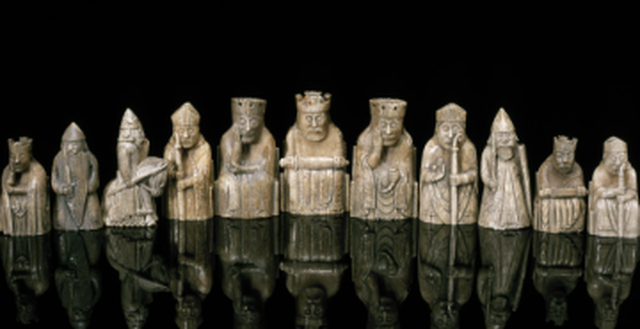
The game reached Western Europe and Russia via at least three routes, the earliest of which was in the 9th century. By 1000, it had spread throughout Europe. Introduced to the Iberian Peninsula by the Moors in the 10th century, it was described in a famous 13th-century Spanish manuscript covering chess, backgammon, and dice called the 'Libro de los juegos', which is the earliest European treatise on chess, as well as the oldest document on European board games.
European players brought a number of cosmetic as well as mechanical changes, introducing innovations such as checkered chessboards and changing the names of various pieces to reflect medieval European figures such as knights, bishops, and rooks (whose names may have come from Italian).
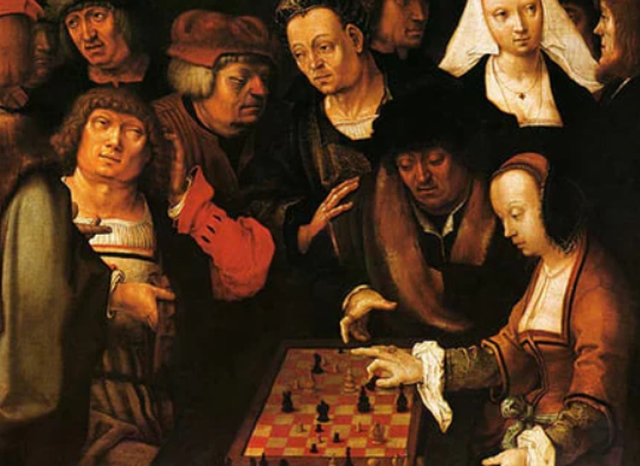
During the medieval period, games were slow, often lasting hours or even days. This led to a number of rule changes, including the ability to move pawns two spaces on the first move, as well as the development of castling, which made it easier to protect the king early on.
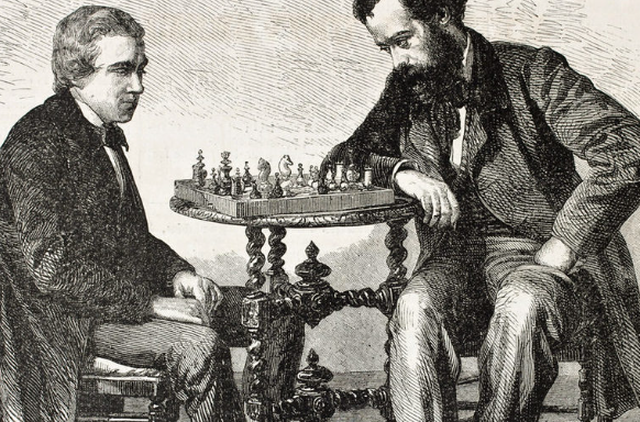
By 1500, players in Southern Europe introduced additional changes, which made the stones more powerful and shortened the games significantly.
Around this time, modern chess theory began to develop, as players such as the Spanish bishop Ruy Lopez de Segura and later the Frenchman Andre Danican Philidor began to analyze the principles of various opening and endgame situations.
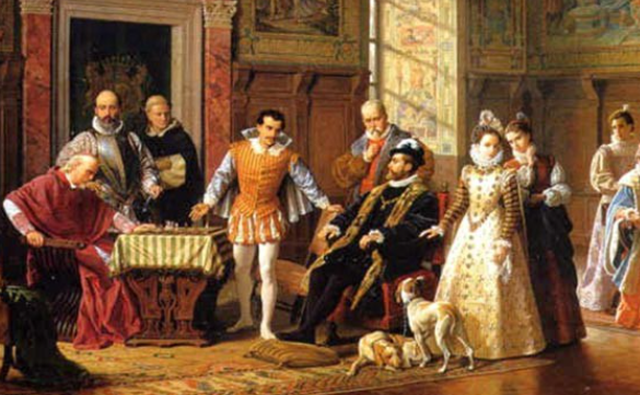
The modern competitive game began in the second half of the 19th century , and early European tournaments featured Romantic masters such as Howard Staunton, Paul Morphy, and Adolf Andersson. Jaques of London created the classic Staunton set around this time, which is still widely used today. The first world chess championship was held in 1886, with Wilhelm Steinitz emerging victorious over Johannes Zuckertort.
What distinguishes a timeless game from a simply great game? Throughout the history of chess, players and historians have repeatedly returned to certain games. They can be games that perfectly capture the strategic spirit of a particular era, or games that debut a stunning new idea or strategy that has never been seen before.
The Immortal Game. The so-called Immortal Game between German masters Adolf Anderssen and Lionel Kieseritzky defined the Romantic era of daring gambits and aggressive attack.
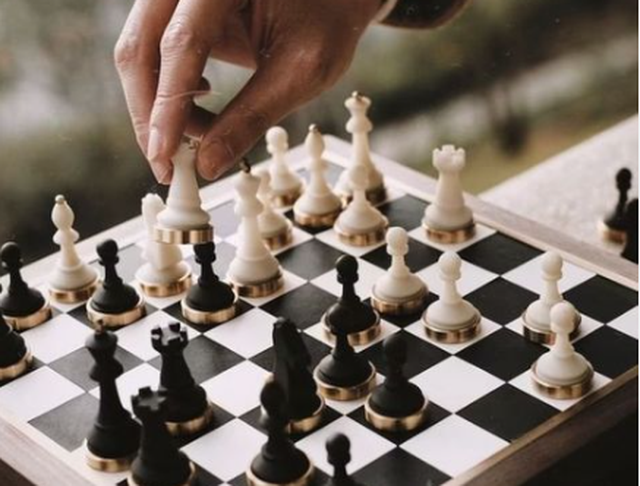
The Game of the Century. At the age of 13, future World Champion Bobby Fischer demonstrated his improvisational skills in stunning brilliance against a leading chess master of the time. The game is notable for several daring sacrifices (including a clever queen sacrifice) that Fischer turned into deadly strategic advantages.
Kasparov-Deep Blue, Game 6. In 1996 and 1997, Kasparov, then the World Champion, played a series of matches against the IBM supercomputer Deep Blue. Although Kasparov won the 1996 match, a much-improved version of Deep Blue used a clever knight sacrifice to force Kasparov to resign in less than 20 moves. The result? The first victory by a computer over a reigning world champion.
In the 20th century, chess competition became a global affair. The International Chess Federation, FIDE, was founded in 1924 and began administering the World Chess Championship in 1948. Many strong players competed in the World Championship, with legends such as Mikhail Botvinnik, Mikhail Tal, Bobby Fischer, and Garry Kasparov emerging as winners.
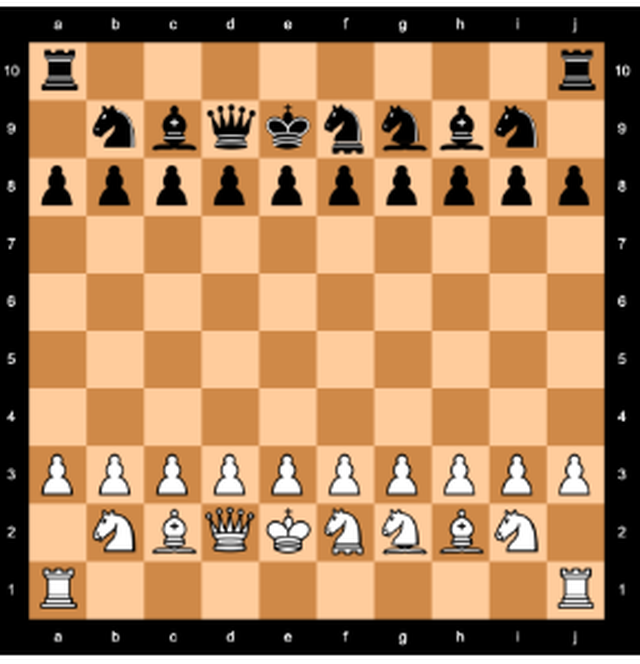
The advent of chess computers that can defeat even the best human players has had dramatic consequences for the game.
Players can now consult databases of millions of games to identify errors in their play. This has also allowed players to discover brilliant new moves (called "innovations") that have never been played before.
Today, no particular school or style of chess dominates. The current world champion, Magnus Carlsen, is famous for playing a variety of openings that keep his opponents guessing.
Since 2000, the defining feature of chess has been the widespread use of computer analysis to help top players improve their games. Computer chess programs originated in the 1970s, and since Deep Blue's victory over Kasparov in their second match in 1997, players have relied on computer analysis to help them gain an advantage over the competition. Online chess competition has also exploded in popularity in recent years, with millions of competitors participating at all skill levels, all over the world. /CNA

Years of tensions between Israel and Iran have escalated i...
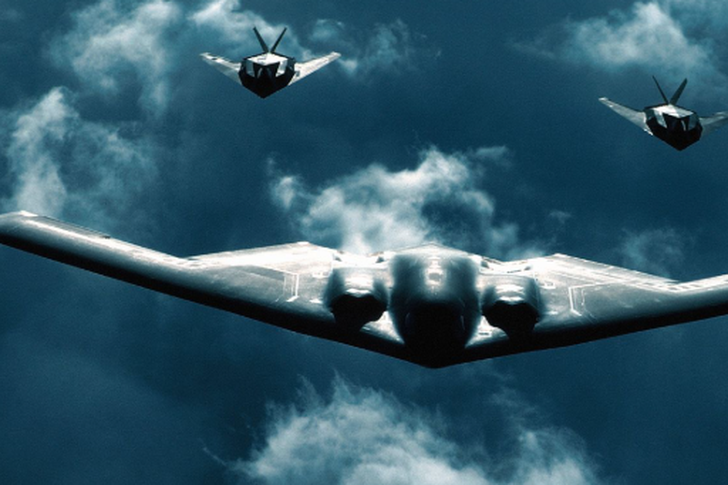
The Northrop B-2 Spirit, also known as the Stealth Bomber,...
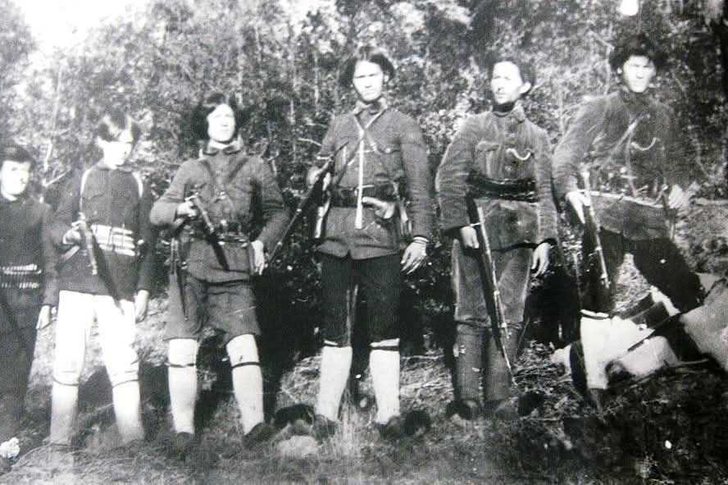
May 28th for Korça is a historic date. In Kapshtica (borde...
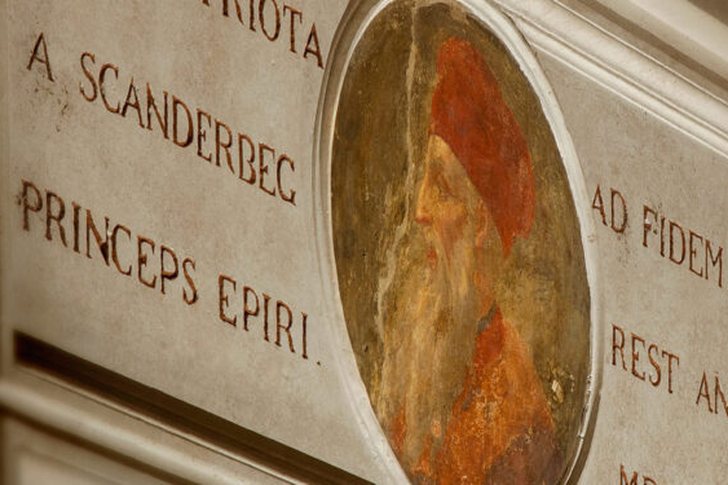
Rome, the vibrant epic metropolis, the land of lost empire...

YouTube, which is celebrating its 20th anniversary, has beco...

When the car arrived at the border, it was not yet dawn ou...
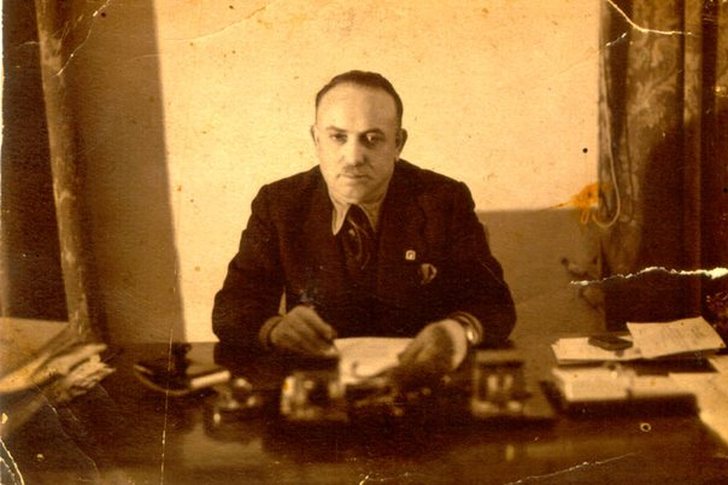
Tanush Mulleti, the nephew of Qazim Mulleti, has confessed...

I remember, my father was often called to school for my an...
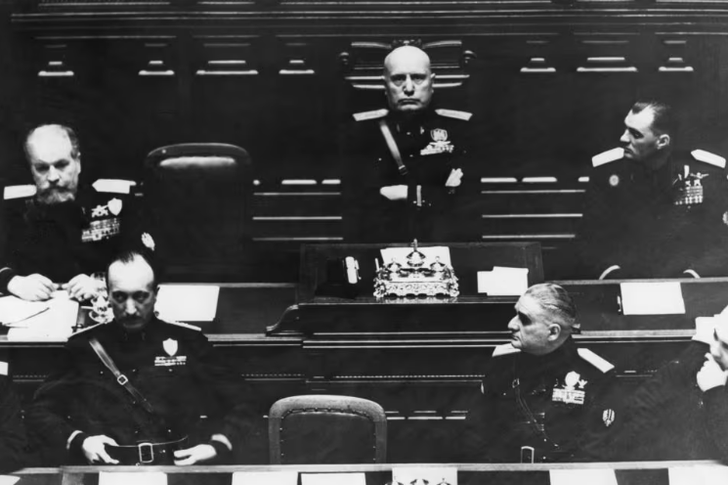
One hundred years ago, with Benito Mussolini's historic sp...

It's been one of the most eventful years since I start...

Since it was legalized in the UK, the number of medicinal ...
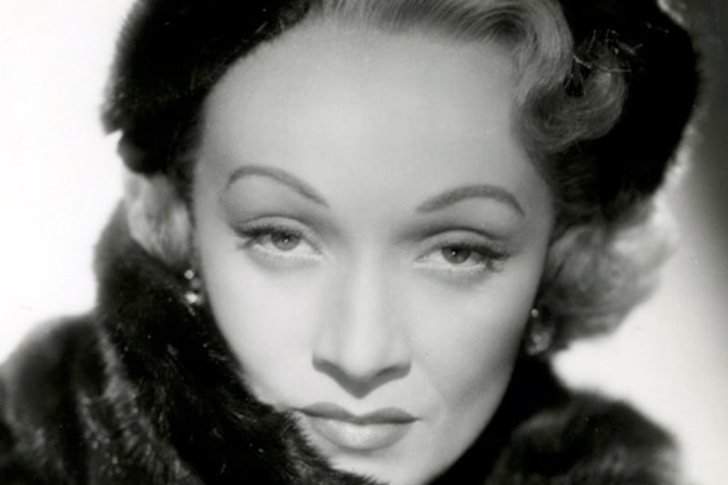
From Mata Hari to Gertrude Bell, from Marlene Dietrich...
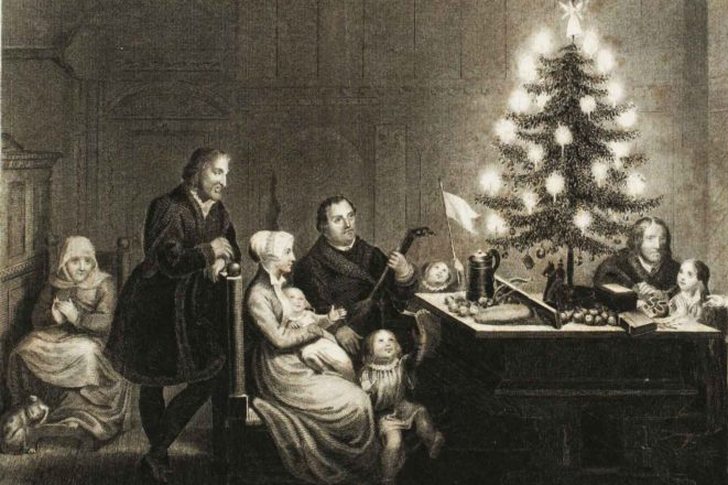
December is the month where we see the natural or artifici...

Sitting for long periods of time can be a risk for heart d...
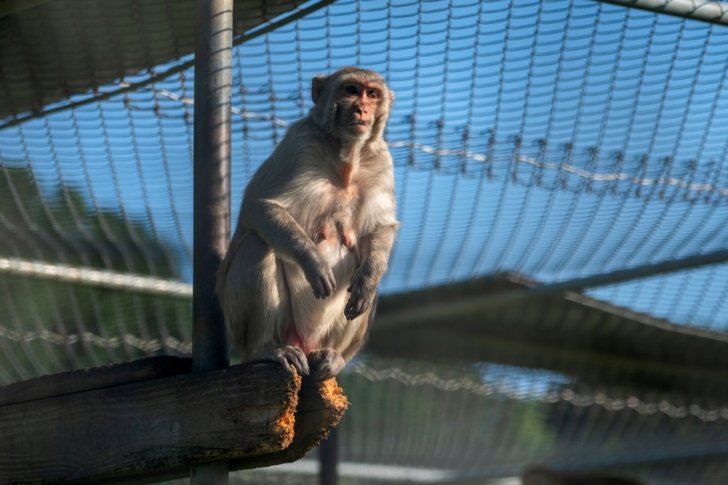
The 43 monkeys of the species known as the rhesus macaque,...

The world today, de facto, is in a third world war with th...

According to Israeli Prime Minister Benjamin Netanyahu...

An amateur historian has discovered a long-lost short stor...
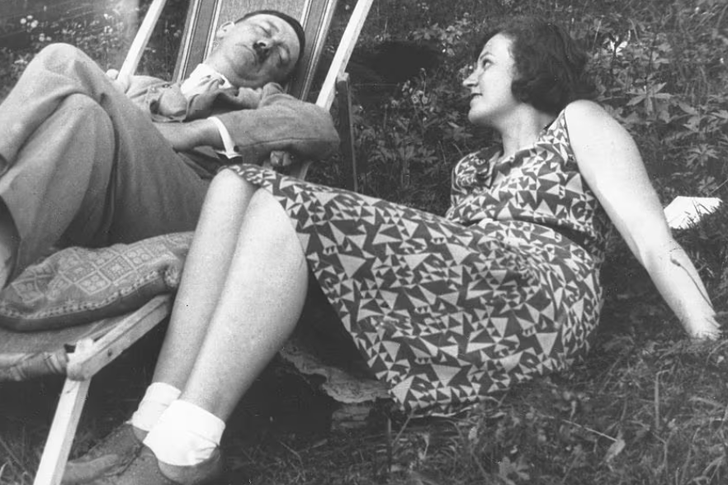
Officially not, but many doubts remain about the untimely ...
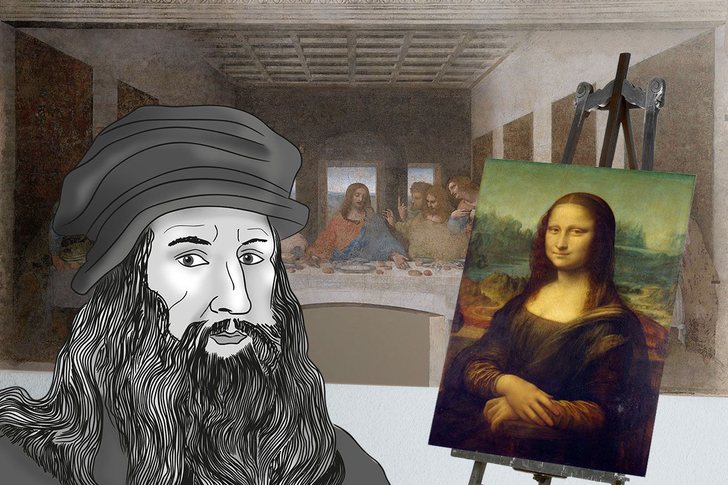
Leonardo da Vinci was born on April 15, 1452 in Vitruvius,...

On the morning of July 7, 2026, the Ministry of Culture ur...

After the disclosure of the portfolio of properties an...

For 6 months now, CNA has been sending several letters to ...

The word "fatherland" with properties is not enough. The m...

The Special Board of Appeal (KPA) decided this Monday ...

The KPA vetting decided this Thursday to dismiss the p...

Suela Salavaçi, a prosecutor in the Prosecutor's Offic...

The Special Board of Appeal reinstated the prosecutor ...

A knife attack occurred this evening in Fushë-Krujë. Acco...

A 44-year-old man in Saranda has been seriously injured af...

Spanish police have acted on an Albanian-Spanish criminal ...

New details have been revealed regarding the murder of Egl...

Today our country will be affected by stable weather condi...

In Albania, in 2024, 8,911 beds were available in public h...

Albania was included in the band of above-normal temperatu...

Today, our country will be affected by mainly stable weath...

The death toll from two powerful earthquakes that struck V...

Oil prices rose to their highest levels in a month after t...

Iran has reacted to US President Donald Trump's statements...

Counter-terrorism police have taken control of the investi...

The ninth edition of "MIK Festival" kicked off with one of...

A historic evening for Albanian culture was marked in the ...

When I turned 10, another building was built in front of o...
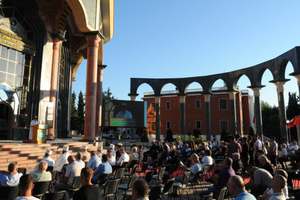
A special scientific conference was held by the World Bekt...

In addition to the effect on the decline in demand for rea...

This Tuesday, one US dollar is bought for 81.5 lek and sol...

The tax administration has announced the completion of the...
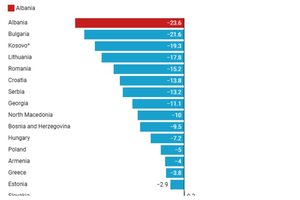
Albania has lost almost a quarter of its population since ...