


SPAK reacts after the termination of funds from America: We are independent!
The Special Prosecution Office has reacted to the announce...


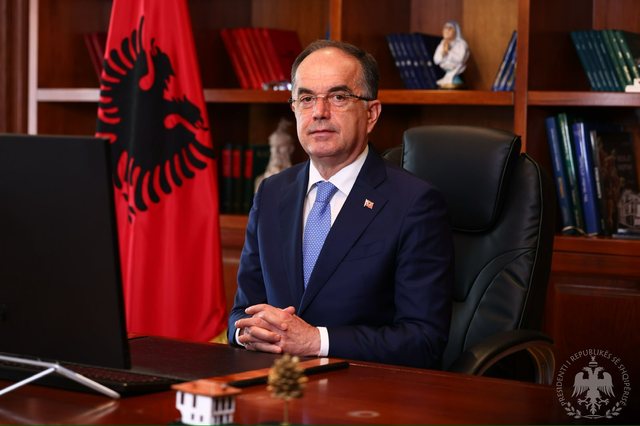
President Bajram Begaj has asked the Constitutional Court to determine the scheme for the renewal of members of the Constitutional Court.
In a request sent to the Constitutional Court, the Head of State said that this court should also express its opinion on two other mandates of members as in the case of Holta Zaçaj.
Begaj's request to the Constitutional Court:
The Constitutional Court has taken the decision on 23.12.2024 to declare the end of the mandate of the Constitutional Judge, Ms. Holta Zaçaj, with the aim of protecting and enabling the partial renewal of the Court at 3-year intervals, as required by the Constitution.
Judge Zaçaj was appointed to the position of Constitutional Judge in January 2023, with a delay of almost 6 years from the moment the vacancy was created, caused by circumstances known to and independent of her.
All constitutional judges have been appointed with a delay from the moment the vacancy was created after 2016, until today.
The Law on the Constitutional Court stipulates that the term of office of the Constitutional Judge begins on the date of taking the oath and ends, for initial judges, as the case may be, eight or nine years later. In the context of the late appointment of initial judges, the application of this provision nullifies the principle of partial renewal, both in 2025 and in 2028 or in 2031.
In the case of Judge Zaçaj, the Court found a solution by linking the beginning of the mandate with the date when the mandate of the previous member of the Constitutional Court ended and the end of the mandate with the deadline for the partial renewal of the body. However, the Court did not express whether this solution also applies to other constitutional judges, whose late appointment disrupts the mechanism for the renewal of the body.
The partial renewal simultaneously includes three specific mandates. In order for the renewal intended by the Constitutional Court for 2025 to occur, the Court's reasoning for the renewal must also extend to the other two mandates that coincide with the renewal deadline.
The Constitutional Court's decision does not clarify this aspect, while the deadline for declaring the end of these mandates has expired without the Court taking any action, placing the appointing bodies in difficulty.
The Constitutional Court has had the obligation to create complete clarity about its decision-making, as it should be the first, most devoted and correct implementer of its decisions. In fact, the Court has preferred to transfer this responsibility to other institutions.
In the context of the Court's inaction, the President of the Republic has used the only opportunity recognized by law, the possibility of filing a request for a dispute of competence, to have the Constitutional Court resolve in a fair, comprehensive, constitutional and exhaustive manner the impasse created by the partial renewal mechanism.
The President of the Republic hopes that in this way the Constitutional Court will be able to fully and definitively clarify how the partial renewal of the Court should be, so that it is considered in accordance with the Constitution.
The Constitutional Court must make this clarification in such a way that it is valid for all current constitutional judges, otherwise there will be no possibility of correcting the deformation of the renewal mechanism and any intervention to shorten certain mandates, for only one or a few judges, would be in clear violation of the Constitution. /CNA

The Special Prosecution Office has reacted to the announce...
SPAK has sent three Fier cadastre officials who are accuse...
The seasonal flu seems to have reached its peak in Shkodra...
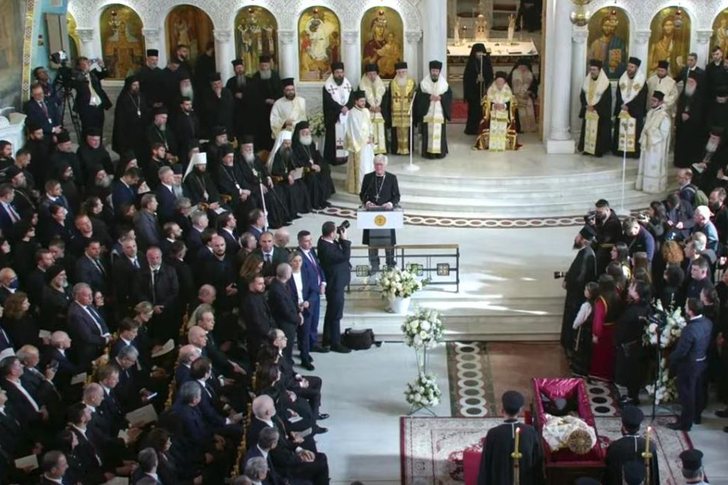
The Chairman of the Central Commission of the World Counci...
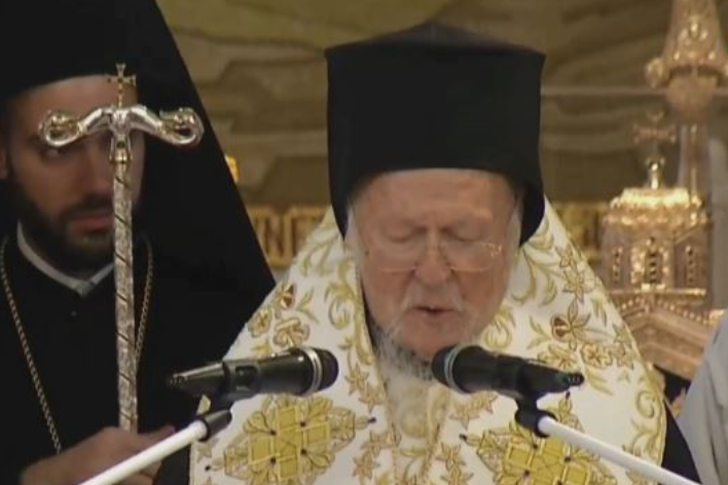
The Ecumenical Patriarch, His Holiness Bartholomew, has sp...
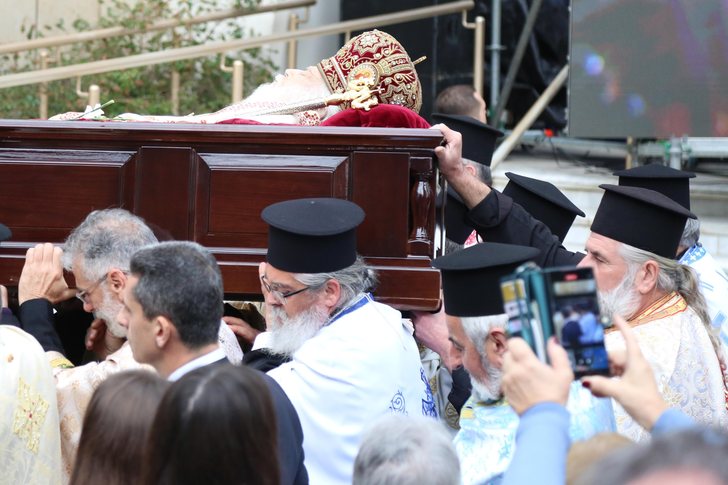
The funeral ceremony for Archbishop Anastasios Yanullatos ...
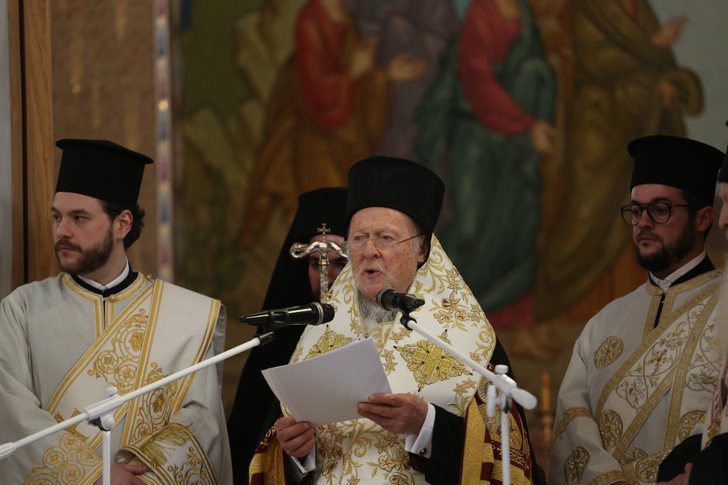
The Ecumenical Patriarch, His Holiness Bartholomew, who al...
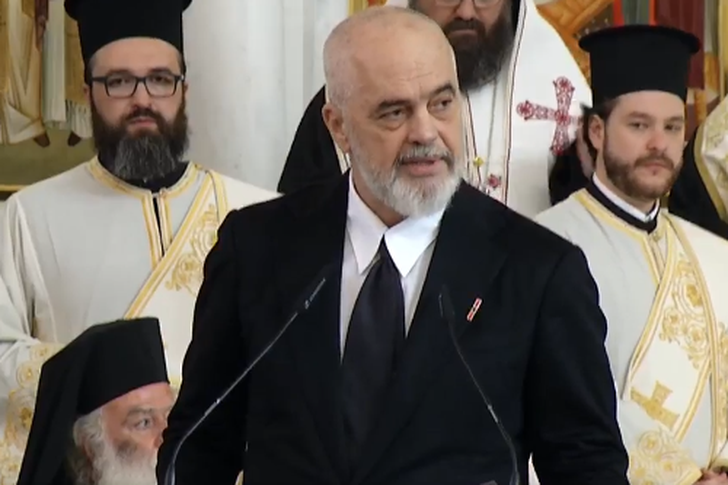
Prime Minister Edi Rama delivered his speech at the final ...
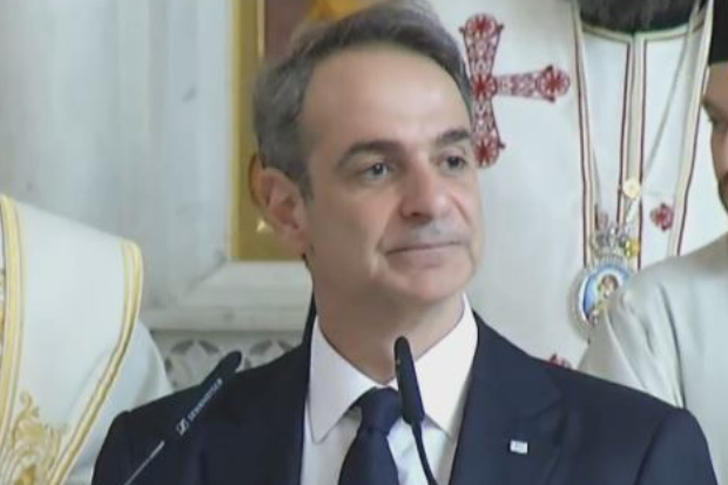
The Prime Minister of Greece, Kyriakos Mitsotakis, in his ...
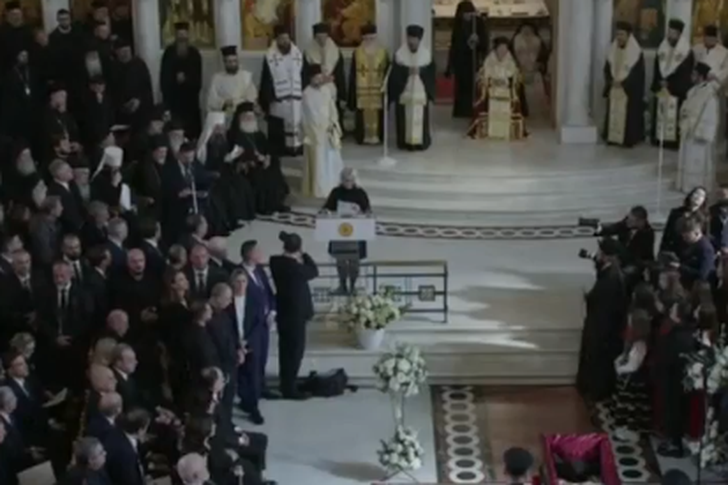
Mrs. Roksana Janullatos, niece of Archbishop Anastasios, i...
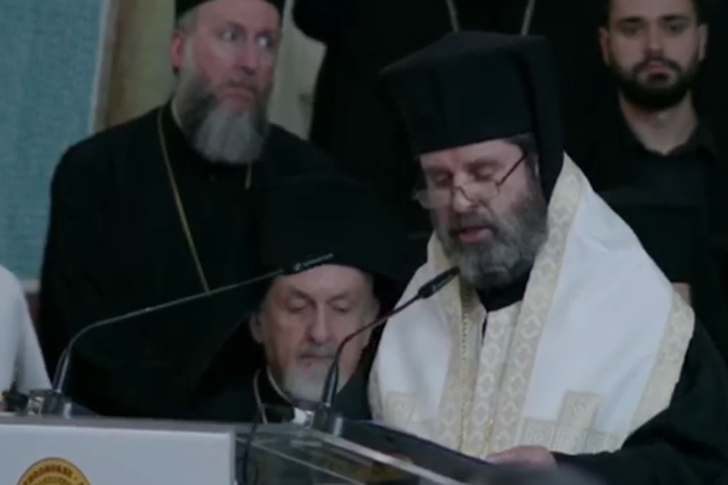
The Supervisor of the Archbishopric Throne, the Metropolit...
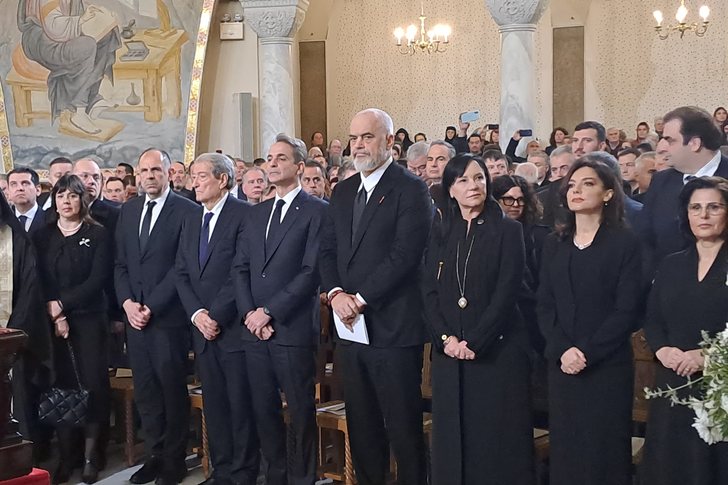
Prime Minister Edi Rama, Democratic Party leader Sali Beri...
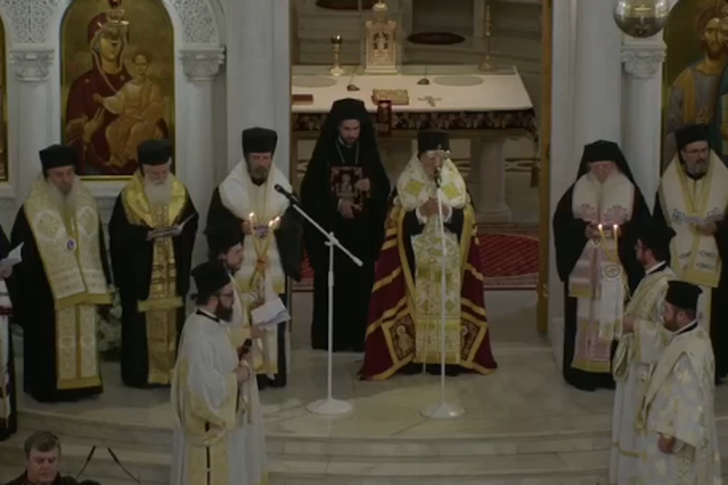
The funeral service for Archbishop Anastasios has begun at...
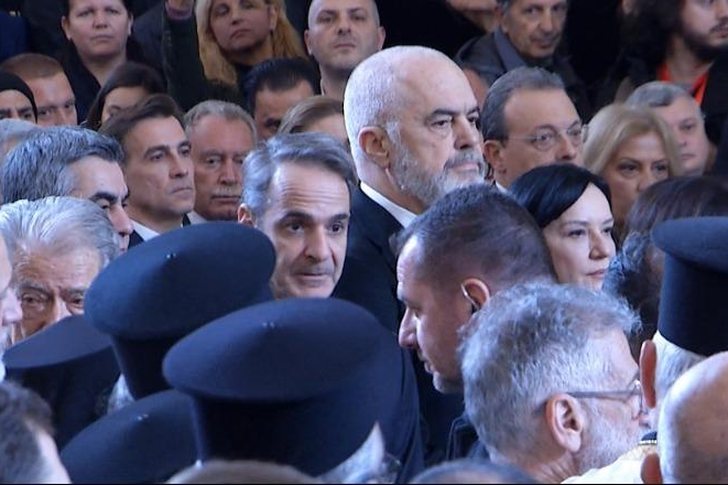
The Prime Minister of Greece, Kyriakos Mitsotakis, has arr...

Prime Minister Edi Rama has arrived at the "Resurrection o...
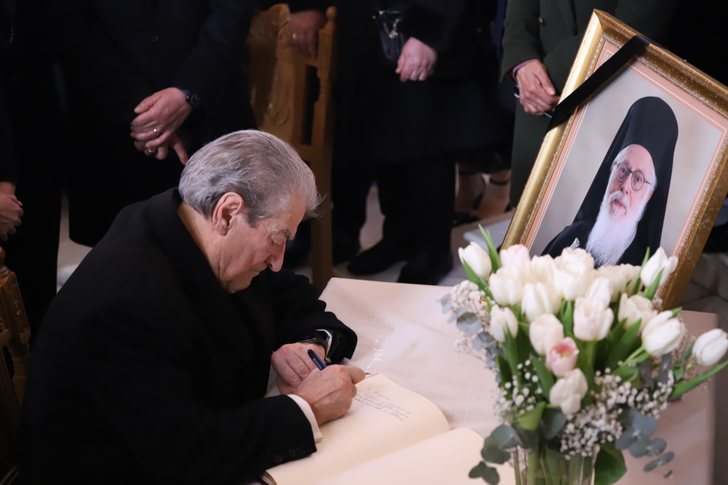
The leader of the Democratic Party, Sali Berisha, has arri...
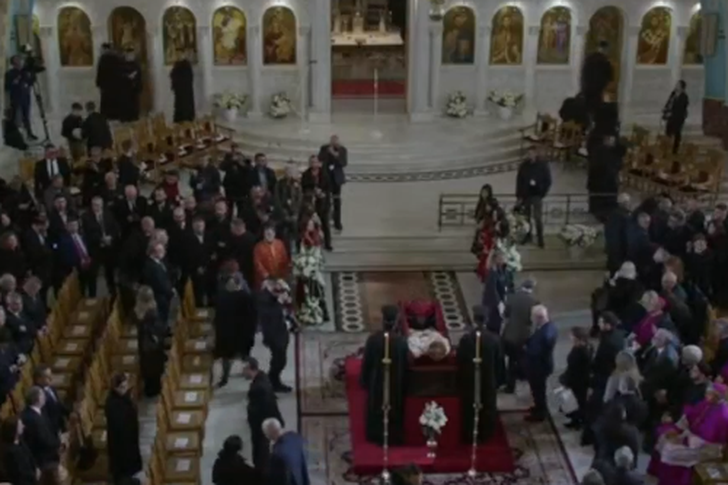
Ministers and MPs have joined in the tributes to Archbisho...
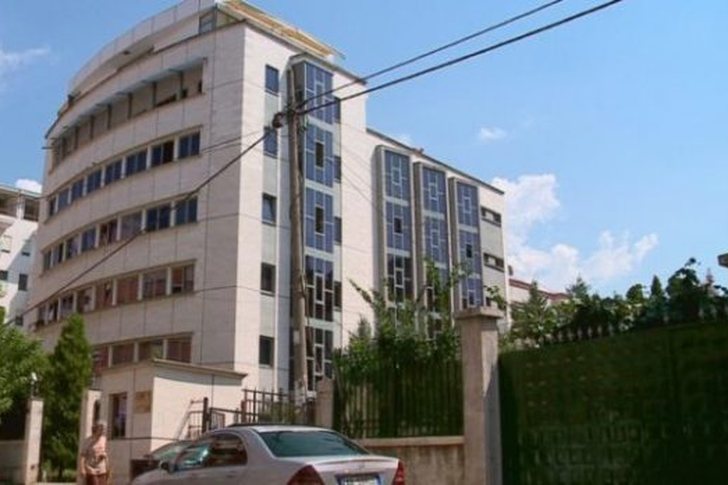
The Prosecutor's Office at the Court of First Instance of ...
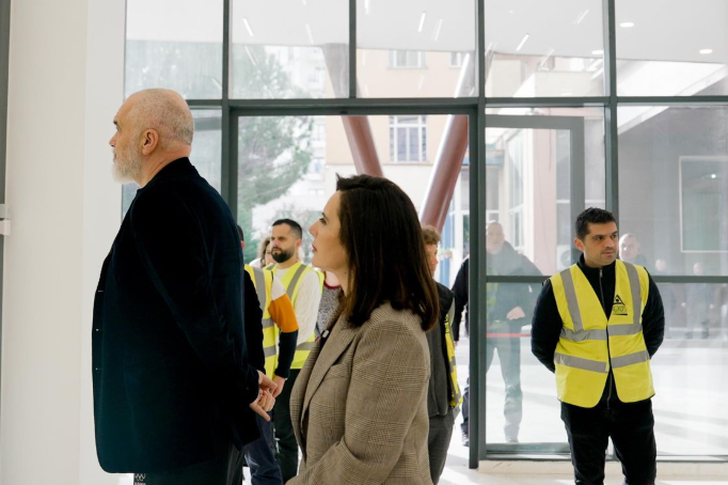
Prime Minister Edi Rama has inspected the works at the "Qu...
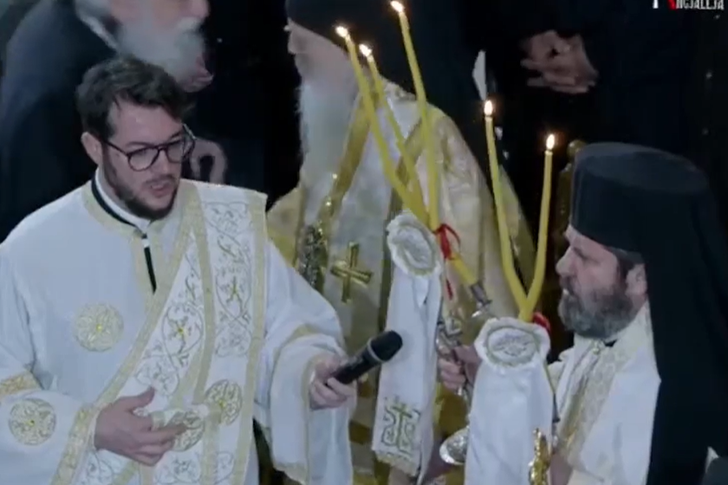
The Divine Liturgy is being held in front of the body of A...
Journalist Elton Qyno has made a complaint regarding the w...

After the first denunciation, the Plug show has continued ...
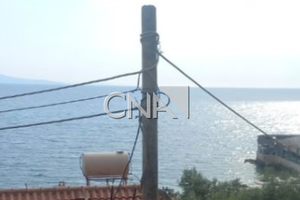
Today, CNA has published a complaint from residents of the...
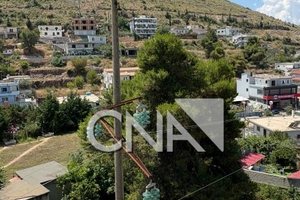
A complaint from residents of the village of Gjashtë in Sa...

The Special Board of Appeal (KPA) decided this Monday ...

The KPA vetting decided this Thursday to dismiss the p...

Suela Salavaçi, a prosecutor in the Prosecutor's Offic...

The Special Board of Appeal reinstated the prosecutor ...
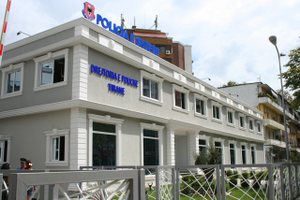
Tirana Police announce that 11 citizens have been identifi...
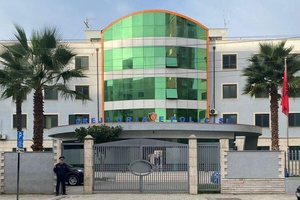
A police officer at Durres prison has been arrested in fla...

An accident occurred this afternoon on the Elbasan-Peqin a...
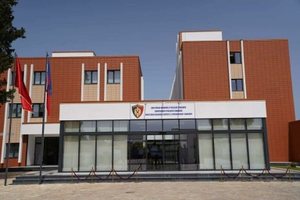
The Police Supervision Agency has suspended the former dir...

Today, our country will be affected by almost the same met...

As climate change warms coastal waters in northern Europe,...

Today, our country will be affected by almost the same met...

Turkish police said on Tuesday they had arrested more than...
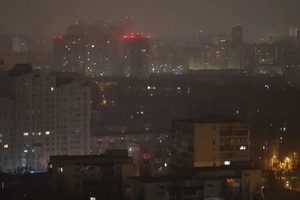
Multiple explosions are reported by foreign media in the U...

Prime Minister Mark Carney spoke today with US President D...
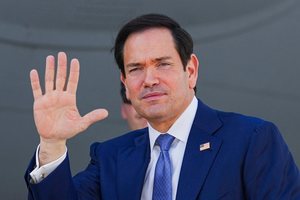
US Secretary of State Marco Rubio concluded a three-day vi...

A cargo ship was damaged this Thursday after being hit by ...

The promotion of the book by author Aleksandër Ikonomidhi ...

The Albanian Embassy in Switzerland has organized an eveni...

This Wednesday, the prominent actor of Albanian cinema, Gj...
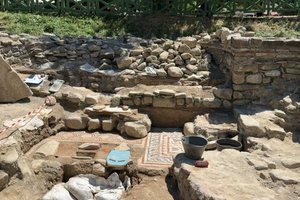
Several archaeological excavations conducted during this s...

Austria was the leading foreign investor in Albania in the...

Between 2015 and 2025, residential construction prices inc...

Oil prices have fallen to levels not seen since before the...

The seasonally adjusted unemployment rate in the euro area...