


Netflix: Here are the 20 most streamed series in 2024-2025
According to new figures, Netflix takes the crown when it ...



The inability to tickle oneself is a strange phenomenon that has puzzled many people, including brilliant minds like Socrates, Aristotle, and Charles Darwin.
Neuroscientist Konstantina Kilteni argues in a scientific article published this month in Science Advances that we should take tickling research more seriously.
“Tickle is relatively understudied,” says Kilten, who runs a tickle lab at Radboud University in the Netherlands. “It’s a complex interplay of motor, social, neurological, developmental, and evolutionary aspects. If we know how tickle works at the brain level, that could provide a lot of insight into other topics in neuroscience.”
Tickling can strengthen the bond between parents and children, for example, and we commonly tickle our babies and children.
But how does the brain process tickling stimuli and what is the relationship with the development of the nervous system?
By investigating this, you can learn more about brain development in children. The fact that you can't tickle yourself is also interesting from a scientific perspective.
"Apparently, our brains distinguish us from others, and because we know when and where we will tickle ourselves, the brain can deactivate the tickling reflex in advance. But we don't know exactly what happens in our brains when we are tickled," explains Kilten, according to a press release from Radboud University.
One of the fundamental aspects of tickling is the element of surprise. When someone else tickles you, you can't predict the exact timing, pressure, or location of their touch. This unpredictability takes your nervous system by surprise, producing the tickling sensation and often eliciting laughter.
“Gargle” is a unique type of tickling, specifically the type that elicits a laughing response, and is often described as “hard tickling.” It is characterized by more intense tickling sensations, involving repeated touching or pressure on sensitive areas, often resulting in uncontrollable laughter and giggles. This type of tickling is usually experienced when someone else tickles you; it is not usually possible to tickle yourself in a way that produces a gargle.
According to the study, Kilten says the scientific understanding of tickling is "extremely weak." She says we still don't know why some areas of the body are more sensitive to tickling than others, and why some people like being tickled while others don't. "The primary function of tickling in humans, as well as in other species, remains a big mystery," she says.
Research also shows that people with autism spectrum disorder, for example, perceive touch as more itchy than people without the disorder. Investigating this difference could provide clues about changes in the brains of people with autism spectrum disorder.
“But we also know that apes like bonobos and gorillas respond to touch that causes itching, and even mice have been observed to do so. From an evolutionary perspective, what is the purpose of scratching? What do we gain from it?” asks Kilten. No one knows why our armpits and the soles of our feet are considered the itchiest areas. They don’t have the thinnest skin or the highest concentration of nerve endings, the study says. And from an evolutionary or survival perspective, scientists haven’t figured out why these two areas might cause the greatest itch sensations./ CNA

According to new figures, Netflix takes the crown when it ...
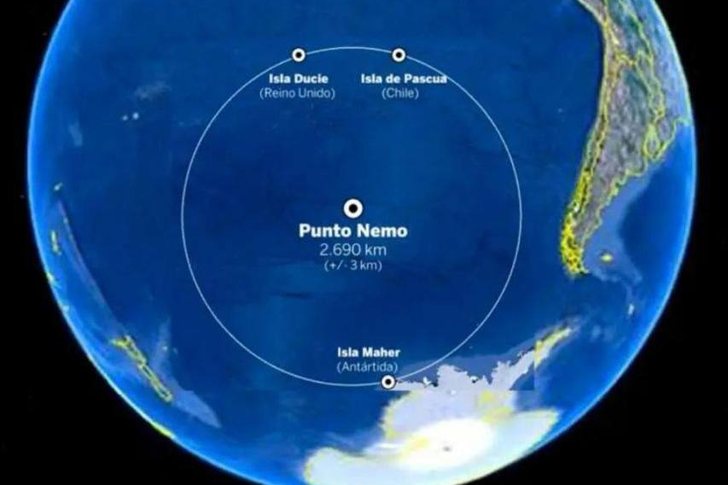
Deep in the heart of the Pacific Ocean, where waves crash ...

A large pink diamond believed to have been passed down fro...

Sugar is now the main enemy of a healthy diet, as it is pr...
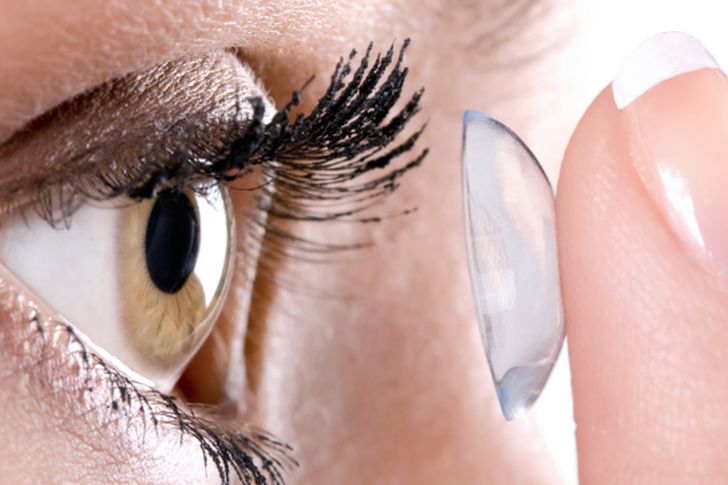
Scientists in China have developed contact lenses that all...

At Leavesden Studios in Hertfordshire, England, an entire ...

Walking is a physical activity that moves the body and wor...

Some 1.4 billion Catholics worldwide have a new spiritual ...

Today marks the 620th anniversary of the birth of Albania'...

Stargazers will be in for a treat this month as the Eta Aq...

Traditionally, rice is processed to remove its inedible ou...

Every year, on May 1, people around the world celebrate In...
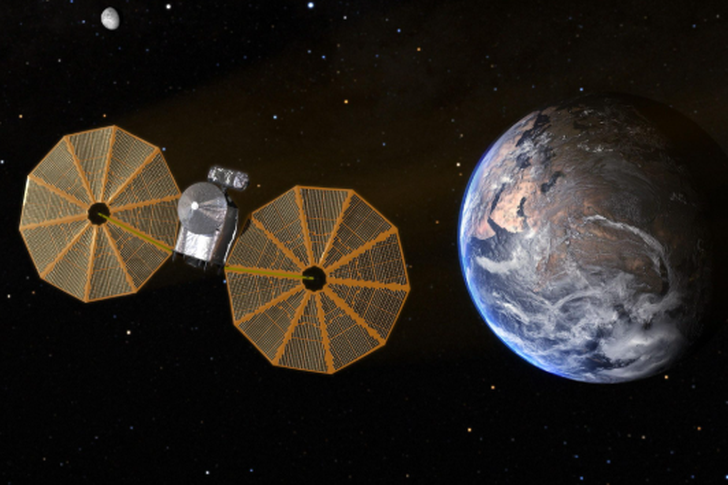
NASA's Lucy spacecraft made a successful flyby of the seco...

The NBA (National Basketball Association) is a professiona...

The Vatican conclave is a special process of electing a Po...

A letter written by a survivor of the Titanic disaster has...

A set of the first four editions of the collected works of...

La Scala Milano, also known as Teatro alla Scala, is one o...

Coca-Cola was created on May 8, 1886, by John Stith Pember...

The longest bridge in the world is the Danyang–Kunshan Bri...

CNA has launched another investigation that could lead to ...

Irfan Hysenbelliu is a businessman that we call "Irfan the...

In March 2026, CNA launched another investigation centered...
The arrested mayor of Tirana, Erion Veliaj, with 13 charge...

The Special Board of Appeal (KPA) decided this Monday ...

The KPA vetting decided this Thursday to dismiss the p...

Suela Salavaçi, a prosecutor in the Prosecutor's Offic...

The Special Board of Appeal reinstated the prosecutor ...

A road accident occurred this evening on Nikolla Zoraqi St...

Three people were shot and wounded in Elbasan last night b...
A serious incident occurred this Tuesday in the Yrshek are...

An accident occurred this Tuesday on "Dituria" street in K...

All of Southern Europe will face changing weather conditio...

Albania was hit by temperatures significantly higher than ...
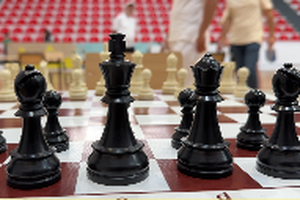
For the first time, Pogradec welcomed the Inter-Lake Chess...

Albania has achieved a record for the employment of foreig...

US Secretary of State Marco Rubio arrived in Manila on Jul...

In the space of a few days, Ukrainian President Volodymyr ...

The spokesman for the Iranian Foreign Ministry warned Bulg...

Autoritetet italiane sekuestruan pako me afër 800 kilogram...

At a time when industrial products are increasingly taking...

Trust among people is not just a three-syllable word. It c...

Master of humor Todi Llupi has passed away at the age of 7...

The ninth edition of "MIK Festival" kicked off with one of...

Construction company licenses will have a validity period ...

The Centralized Purchasing Operator recently opened a tend...
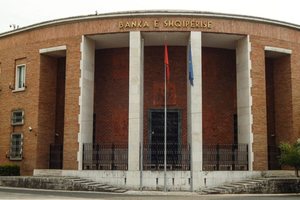
The new draft law "On the Bank of Albania" provides that t...

This Tuesday, one US dollar is bought for 81.2 lek and sol...