

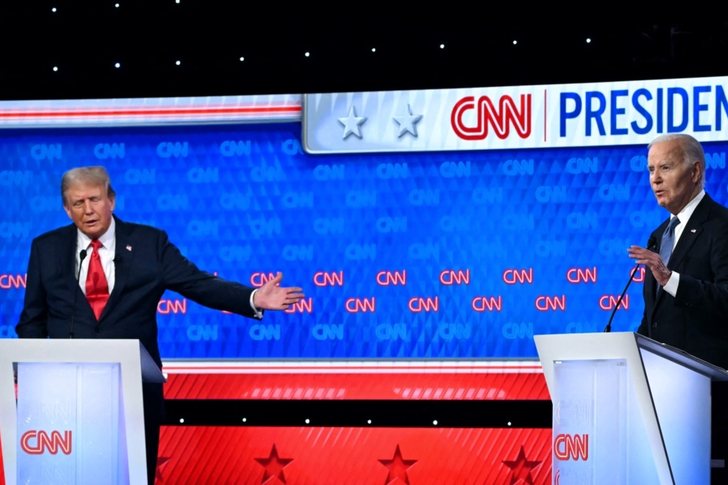
The first presidential debate takes place in Atlanta/ Biden and Trump, harsh criticism
Democratic President Joe Biden and his Republican riva...


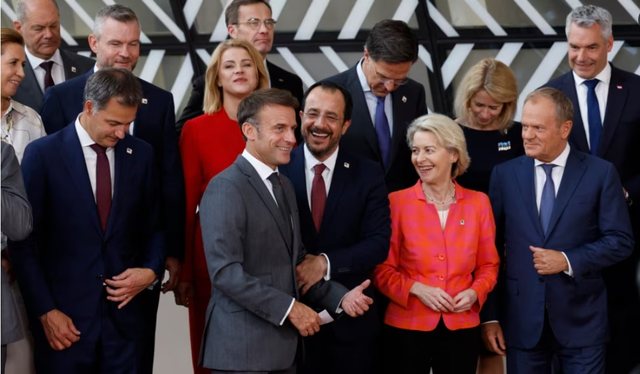
European Union leaders agreed on Thursday evening on the holders of key posts in the joint political institutions, reappointing German conservative Ursula von der Leyen as president of the European Commission for another five years.
Alongside Mrs Von der Leyen, who heads the EU's executive branch, Portugal's Antonio Costa was elected president of the European Council and Estonia's Kaja Kallas, the bloc's chief diplomat.
"Satisfactory," said Polish Prime Minister Donald Tusk, former president of the European Council. "For Poland and for Europe."
Kaja, Ursula and Antonio accepted. Defense plans accepted. Satisfaction. For Poland and for Europe.
— Donald Tusk (@donaldtusk) June 27, 2024
Both Ms Von der Leyen and Ms Kallas must now be approved by European lawmakers. Mr Costa's appointment only needed executive approval and he will start work in the new post in the autumn.
Their approval was made possible after an agreement was reached earlier in the week between the three main political groups in the European Parliament - conservative, social democratic and liberal parties, despite harsh criticism from the far right.
Italian Prime Minister Giorgia Meloni made clear her displeasure at the exclusion from preparatory talks of a small group of leaders who shared key posts. Her nationalist European Conservatives and Reformists group emerged as the third force in this month's European Parliament elections.
Prime Minister Meloni voted against Mr. Costa and against Ms. Kallas, two sources close to the discussions told the Associated Press news agency on condition of anonymity. The same sources said that Ms. Meloni abstained from voting for Ms. Von der Leyen.
In the end, only Hungarian nationalist Prime Minister Viktor Orbán voted against the tripartite agreement.
"European voters were deceived," he wrote on Facebook on Thursday evening. "We do not support this shameful agreement"! His objections were futile, as the package needed only a two-thirds vote to pass.
In the last European parliamentary elections, right-wing parties made progress, particularly in Germany, France and Italy, but the three main political groups in the European Parliament still hold a majority.
Antonio Costa, former Portuguese prime minister, comes from the centre-left Socialists and Democrats group, which came second. Kaja Kallas, prime minister of the small Baltic country, comes from the pro-business liberal group, which is also home to French President Emmanuel Macron, and lost seats in June's election, coming in fourth.
The top posts in the EU are supposed to ensure geographical and ideological balance, but ultimately, it is the leaders of the 27 member states who hold the reins.
While Mr Costa's appointment is decided only by EU leaders, both Ms Von der Leyen and Ms Kallas will also need to be approved by a majority of lawmakers. That vote could take place when the newly created European Parliament meets for the first time in July. To be approved by the 720-nation parliament, they need at least 361 votes.
The European Council is the body composed of the leaders of the 27 member countries. Mr Costa's role as president will be to broker deals within an often deeply divided political club. In Portugal, he is known as a shrewd negotiator.
As foreign policy chief, Ms Kallas, whose country neighbors Russia and has taken a tough stance against Moscow over Russian aggression in Ukraine, will represent the bloc on the world stage.
But Mrs Von der Leyen's post is the most powerful. As president of the Commission, her job is to draft and implement the bloc's common policy on everything from immigration to the economy and environmental regulations./ VOA

Democratic President Joe Biden and his Republican riva...
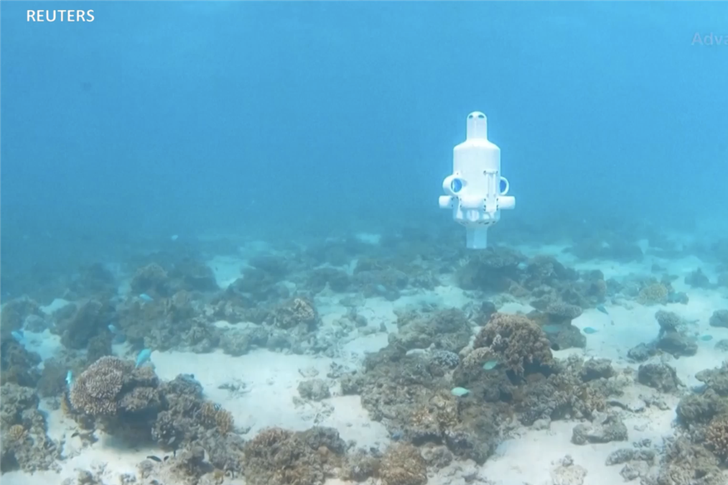
An underwater drone is using artificial intelligence t...
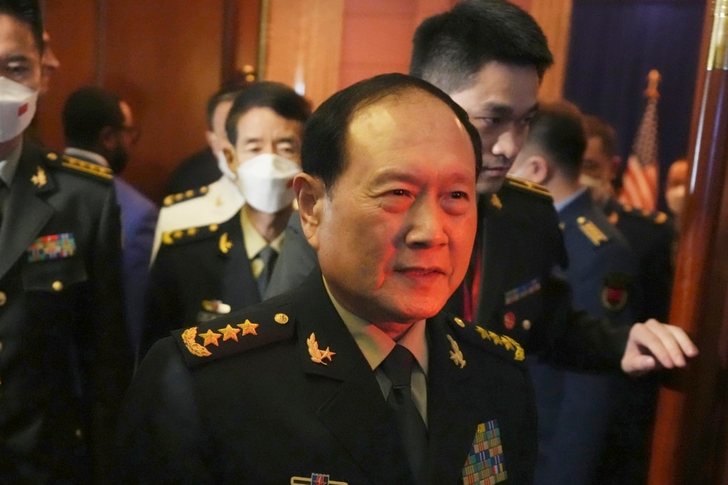
China's Communist Party has expelled two former defens...

One person died and 14 others were injured in a road a...
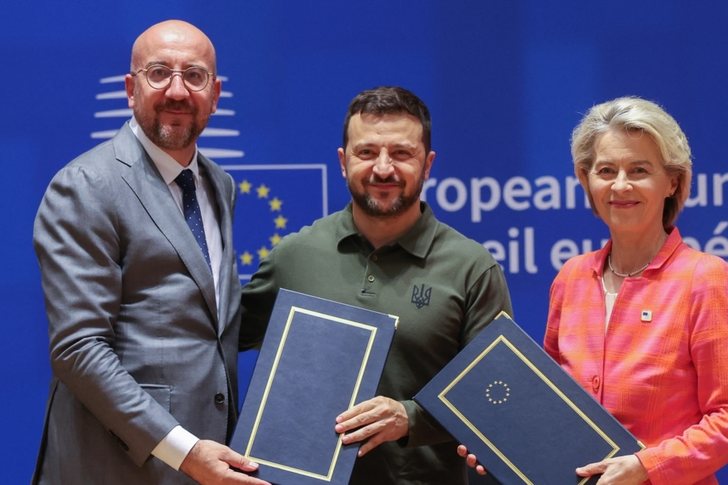
Ukrainian President Volodymyr Zelensky signed security...
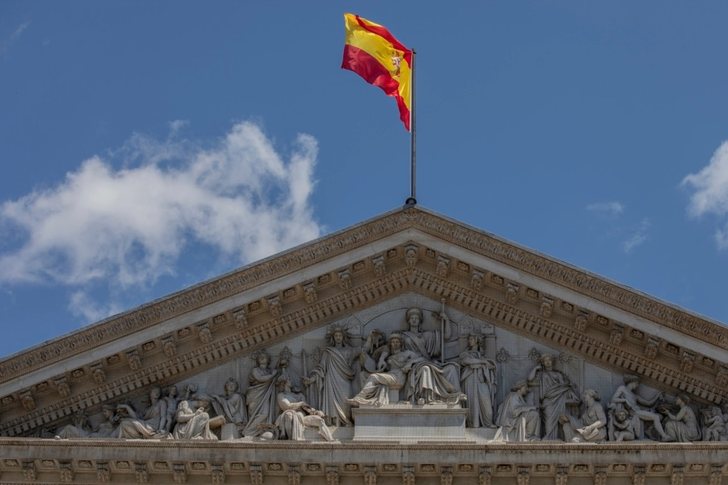
With 25 votes for, 293 against and 27 abstentions, the...
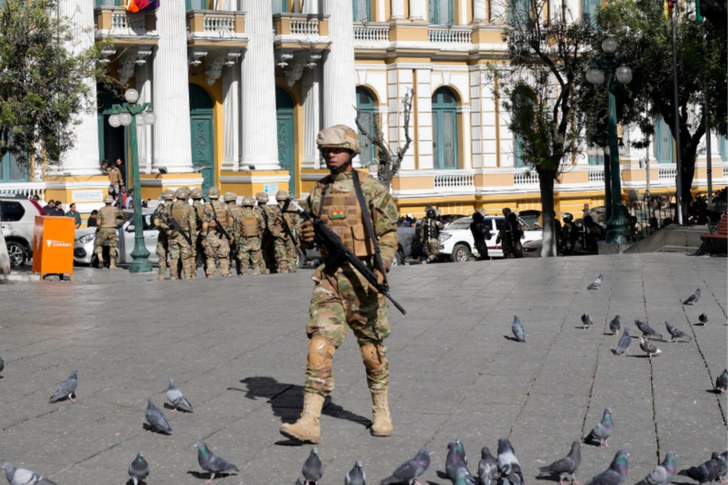
The situation in Bolivia today is calm after the arres...
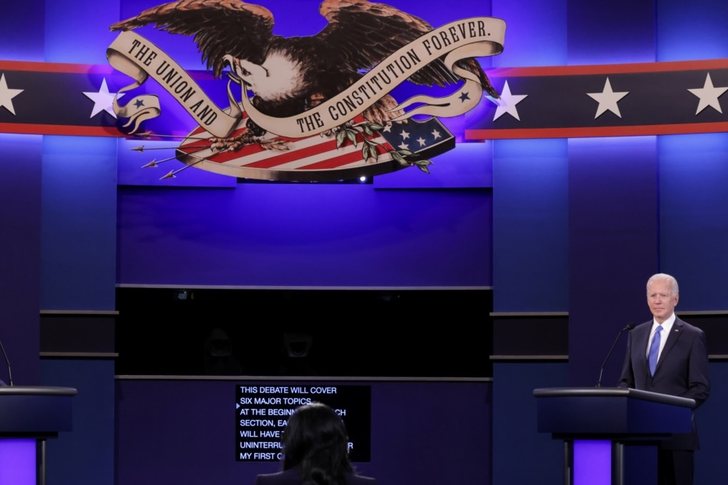
The first debate of the 2024 US presidential election ...

Deputy Prime Minister of Serbia and Minister of the In...
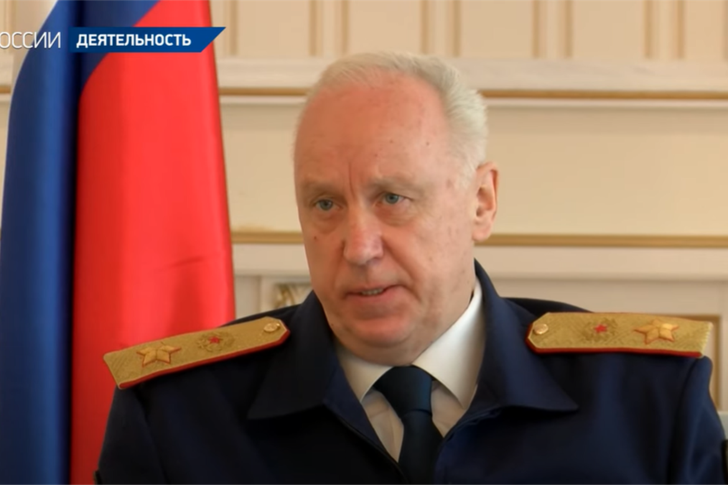
The head of Russia's Investigative Committee, Aleksand...
A person has been arrested in Leposavic, who is suspected ...
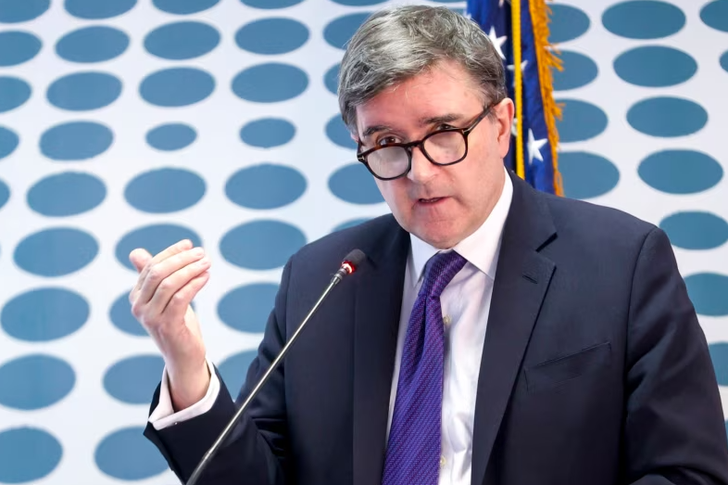
The US Assistant Secretary of State, Jim O'Brien, said...

In Germany, the new citizenship law comes into effect on J...

Bolivia's Armed Forces withdrew from the presidential ...
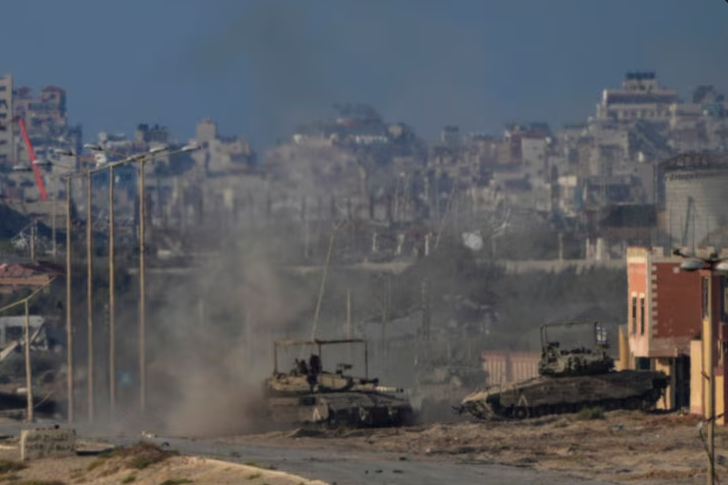
Israeli Defense Minister Yoav Gallant said "significan...
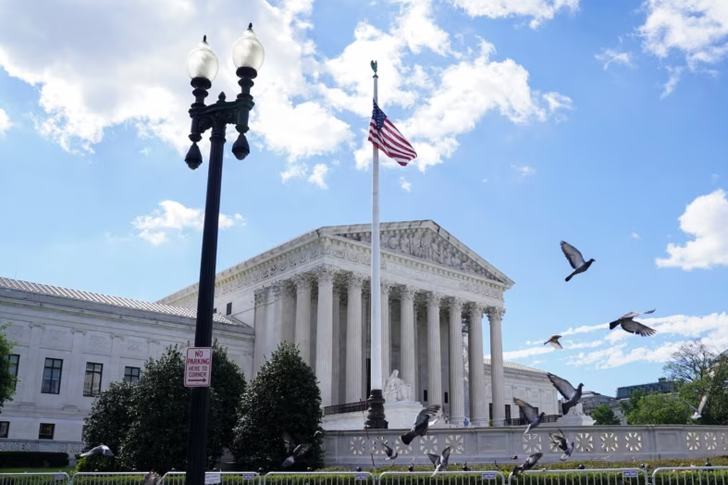
The Supreme Court ruled in favor of President Joe Bide...

Finland plans to offer people vaccination against bird...
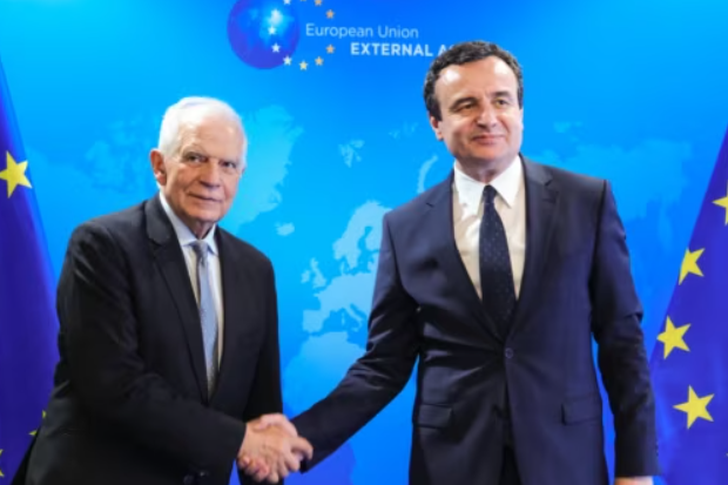
The next meeting in Brussels between Prime Minister Al...
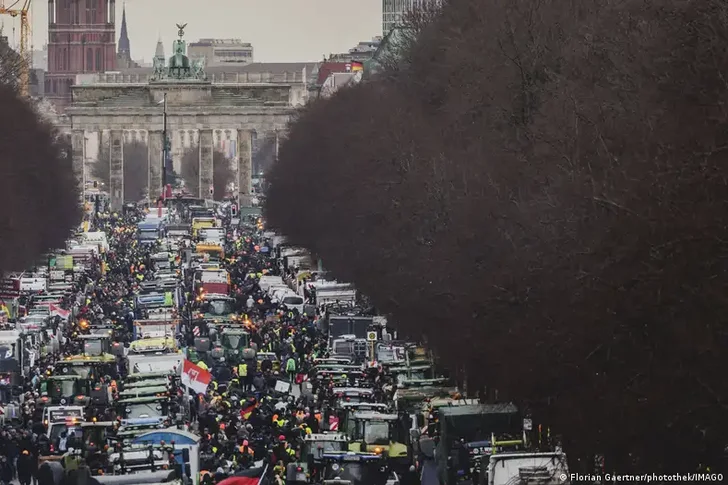
The coalition government in Berlin has agreed to new r...
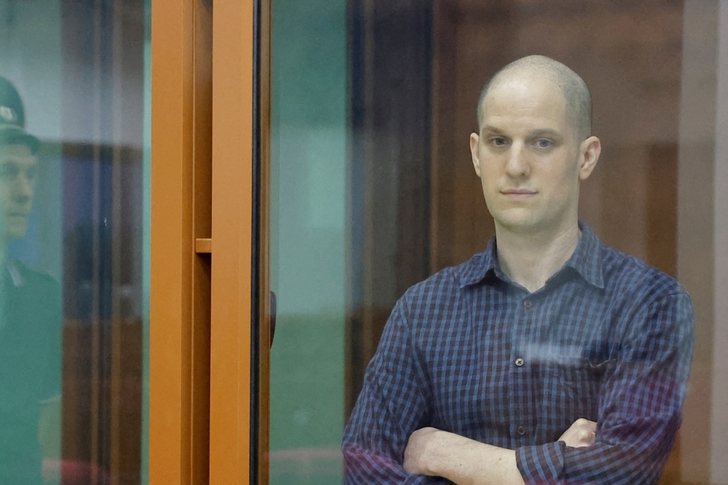
The trial of jailed American journalist Evan Gershkovi...
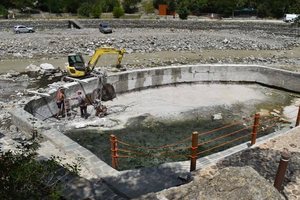
Journalist Elton Qyno has made a complaint regarding the w...
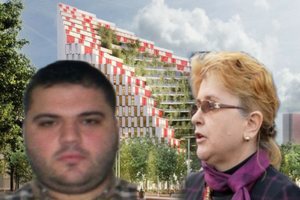
After the first denunciation, the Plug show has continued ...
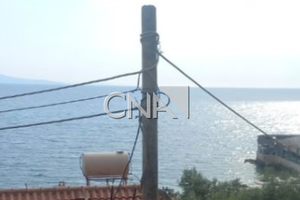
Today, CNA has published a complaint from residents of the...
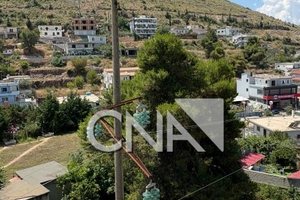
A complaint from residents of the village of Gjashtë in Sa...

The Special Board of Appeal (KPA) decided this Monday ...

The KPA vetting decided this Thursday to dismiss the p...

Suela Salavaçi, a prosecutor in the Prosecutor's Offic...

The Special Board of Appeal reinstated the prosecutor ...
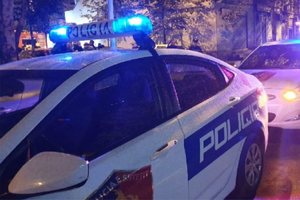
New details have emerged from the incident that occurred t...

Gunshots were recorded on Friday evening in the Kamza area...
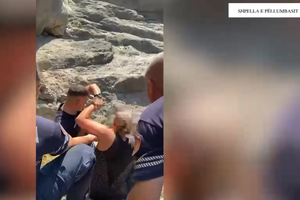
The State Police announces that two Dutch tourists who had...
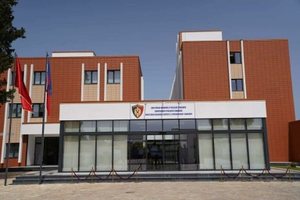
The Crime Investigation Specialists of the Shkodra Police ...

Today, mainly stable weather conditions. According to the...

Today, our country will be affected by almost the same met...
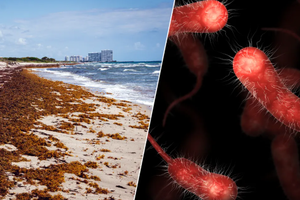
As climate change warms coastal waters in northern Europe,...
Today, our country will be affected by almost the same met...
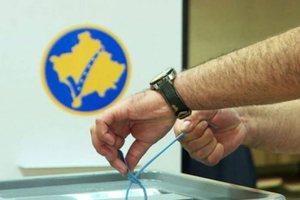
The Central Election Commission in Kosovo will meet tomorr...
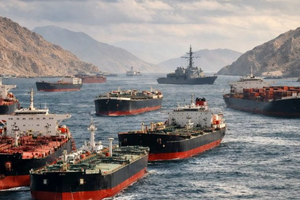
New clues on the future of navigation in the Strait of Hor...

US President Donald Trump has accused Iran of recklessly v...
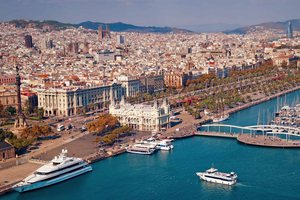
Barcelona authorities are proposing to almost triple the t...

The promotion of the book by author Aleksandër Ikonomidhi ...

The Albanian Embassy in Switzerland has organized an eveni...

This Wednesday, the prominent actor of Albanian cinema, Gj...

Several archaeological excavations conducted during this s...

The insurance market is growing at a slower pace this year...

Financing health systems and managing the costs of hospita...

The agricultural sector faced a very challenging year in 2...

This Friday, one US dollar is bought for 82.2 lek and sold...