

Pakistan-Afghanistan conflict/ Rehabilitation center attacked, dozens killed
Dozens of people are suspected of being killed or injured ...


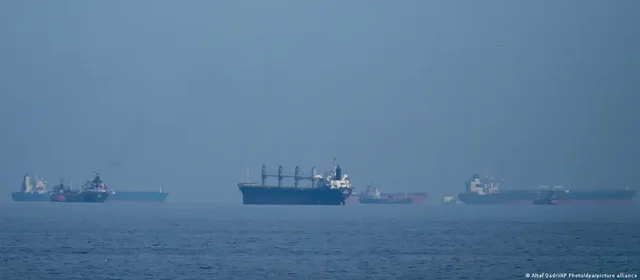
US President Donald Trump's request that European allies help secure the passage of oil and gas tankers through the Strait of Hormuz was one of the main topics of discussion at Monday's (16.03.2026) meeting of European Union foreign ministers in Brussels.
Some member states have made it clear they do not want NATO to be involved in defending the strait, which was closed by Iran to most traffic in response to a bombing campaign by the US and Israel.
The Europeans are not willing to send troops to secure the Strait of Hormuz, "because that would add them to the list of potential targets" for Iran, Charles Hecker, a fellow at the Royal United Services Institute (RUSI), told DW.
At the beginning of the meeting, senior EU diplomat Kaja Kallas said that it is in the bloc's interest for the Strait of Hormuz to remain open, "so we are also discussing what we can do in this regard from the European side," and added that the EU is in contact with American colleagues at various levels.
However, at the end of the meeting she said there was "no desire" among member states to expand the EU's naval mission in the Strait of Hormuz, "for the time being."
The sudden rise in energy prices across the continent, and the energy crises that followed, have further jeopardized the already tense relations between Europe and Washington.
EU ministers also assessed how the conflict could give a stronger hand to Russia, which could use the extra revenue from its fossil fuel exports to support its war in Ukraine. "The only real winner from the war against Iran at the moment is Russia," Hecker said.
Trump's pressure on Europe to secure shipping in Hormuz
On Sunday (15.03.2026), US President Donald Trump increased pressure on countries that receive energy supplies through the Strait of Hormuz, urging them to ensure the protection of this waterway, through which about 20% of the world's crude oil supply usually passes.
Although the main buyers of these cargoes are Asian countries, Trump appears to have once again threatened the NATO alliance.
“It makes perfect sense for countries that benefit from the strait to help make sure nothing bad happens there,” he said in an interview with The Financial Times. “If there is no reaction, or if the reaction is negative, I think that will be very bad for the future of NATO.”
Hecker tha, se kjo është një përpjekje nga ana e Trumpit për t'i shtyrë evropianët të angazhohen më aktivisht në luftën e SHBA?së dhe Izraelit kundër Iranit. "Ende nuk e dimë se çfarë lloj kërcënimi po bën presidenti ndaj NATO?s dhe si do ta realizonte atë. Por ai po bën gjithçka që mundet për të ushtruar presion ndaj vendeve që dëshiron t'i përfshijë në konflikt.”
Trump u ka bërë thirrje sidomos Francës dhe Mbretërisë së Bashkuar që t'i bashkohen përpjekjes, por Hecker tha se asnjëra prej tyre nuk ka gjasa të përfshihet sa kohë që luftimet po vazhdojnë.
"Ata nuk janë gati t'u bashkohen përpjekjeve ushtarake të Shteteve të Bashkuara në Ngushticën e Hormuzit dhe me shumë gjasë nuk do të jenë as në të ardhmen e afërt,” shtoi ai.
Dhe jo vetëm sepse kjo do t'i shndërronte në objektiva për Iranin, por edhe sepse ata nuk e kanë të qartë objektivin dhe strategjinë e SHBA?së dhe Izraelit në këtë luftë.
Ministri i Jashtëm i Gjermanisë, Johann Wadephul, u tha gazetarëve se ai nuk sheh asnjë rol për NATO?n në sigurimin e ngushticës dhe shtoi se ai pret që evropianët të informohen nga SHBA dhe Izraeli për objektivat dhe planet e tyre.
"Nuk shoh që NATO ka marrë ndonjë vendim në këtë drejtim apo që mund të marrë përgjegjësi për Ngushticën e Hormuzit. Nëse do të ishte kështu, atëherë organet e NATO?s do ta trajtonin këtë çështje siç duhet,” tha Wadephul përpara takimit të ministrave të BE?së.
Franca, megjithatë, është shprehur më fleksibile. Presidenti francez Emmanuel Macron tha se vendi i tij do të ishte i gatshëm të ndihmonte në sigurimin e ngushticës "pasi të ketë përfunduar faza më e nxehtë e konfliktit.”
Evropa e goditur nga rritja e çmimeve të energjisë
BE?ja tashmë po goditet rëndë nga kostot ekonomike të bllokadës. "Që nga fillimi i konfliktit, çmimet e gazit janë rritur me 50 për qind dhe çmimet e naftës me 27 për qind," tha presidentja e Komisionit Evropian, Ursula von der Leyen.
Në vetëm 10 ditë lufte në Iran, taksapaguesit evropianë kanë paguar 3 miliardë euro shtesë për importet e karburanteve fosile, u tha ajo anëtarëve të Parlamentit Evropian.
"Evropa nuk është as prodhuese nafte, as prodhuese gazi. Për karburantet fosile jemi plotësisht të varur nga importe të shtrenjta dhe të paqëndrueshme, gjë që na vendos në një disavantazh strukturor ndaj rajoneve të tjera,” shtoi ajo.
"Kriza aktuale në Lindjen e Mesme na kujton qartë se sa të cenueshëm jemi për këtë arsye.”
Për të ulur çmimet e energjisë, vendet evropiane — përfshirë Francën, Gjermaninë, Italinë dhe Mbretërinë e Bashkuar — mbështetën vendimin për të liruar miliona fuçi nafte, së bashku me anëtarët e tjerë të G7?s. Agjencia Ndërkombëtare e Energjisë ka bërë thirrje për lirimin e 400 milionë fuçive nafte nga rezervat e emergjencës.
A është Rusia përfituesja më e madhe nga lufta e Iranit?
As Iran launched missiles and drones at hotels, airports, and even oil refineries in the Persian Gulf, and blocked the Strait of Hormuz, Russia was poised to take advantage.
When oil prices rose to €87.20 ($100), the highest level since the Russian invasion of Ukraine in 2022, Moscow presented its oil and gas as an option for desperate buyers.
"Russia has been and continues to be a reliable supplier of both oil and gas," said Dmitry Peskov, spokesman for Russian President Vladimir Putin, while Kremlin adviser Kirill Dmitriev criticized Europe's decision to cut off Russian energy, calling it a strategic mistake.
To curb rising prices, Trump temporarily suspended some sanctions on the purchase of Russian oil, including a 30-day exemption for India.
Europeans are concerned that a sharp rise in energy prices will increase Russia's revenues and enable it to prolong or even intensify the war against Ukraine.
An additional concern is that key defense equipment that Ukraine needs – such as Patriot missiles, which Europe often buys from the US to send to Ukraine – could now be diverted to the Gulf.
Kallas stressed that there is a "direct impact" of the war in Iran on Ukraine, as "defense capabilities that Ukraine needs" are now "going to the Middle East."
According to Ukrainian President Volodymyr Zelensky, Gulf countries used more Patriot missiles in the first days of the Iranian attacks than Ukraine has during the four years of war since Russia's attack.
Ukraine has offered its anti-drone technology to Gulf countries, in the hope that they will use Ukrainian-developed counter-attack drones and save Patriot systems only for missile strikes.
"Ukraine has years of experience in stopping Russian Shahed-type drones — the same ones Iran is using against its neighbors. The Ukrainian defense industry has also developed battle-tested anti-drone systems, which it is offering to Gulf countries," Rafael Loss, an expert at the European Council on Foreign Relations, told DW.
The goal is to "reduce the demand for Patriot missile defenses in the Persian Gulf so that Ukraine can get more in the future," Loss said. /DW

Dozens of people are suspected of being killed or injured ...
Asian countries are introducing a series of austerity meas...
South Korean President Lee Jae-Myung has declared that it ...
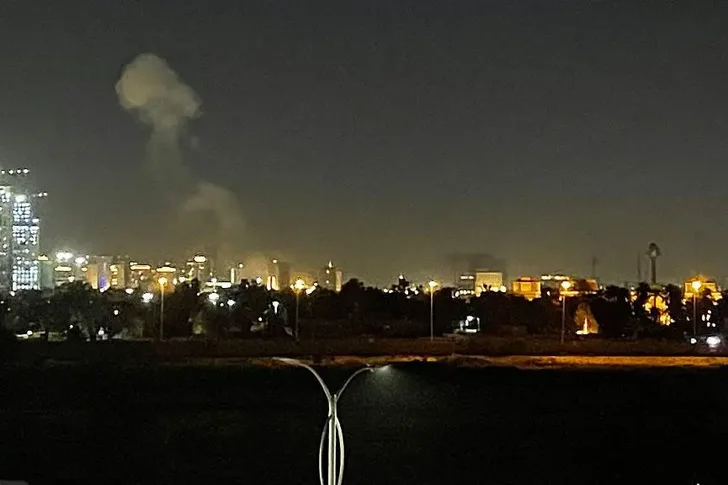
The US embassy in Baghdad has been targeted by a wave of d...
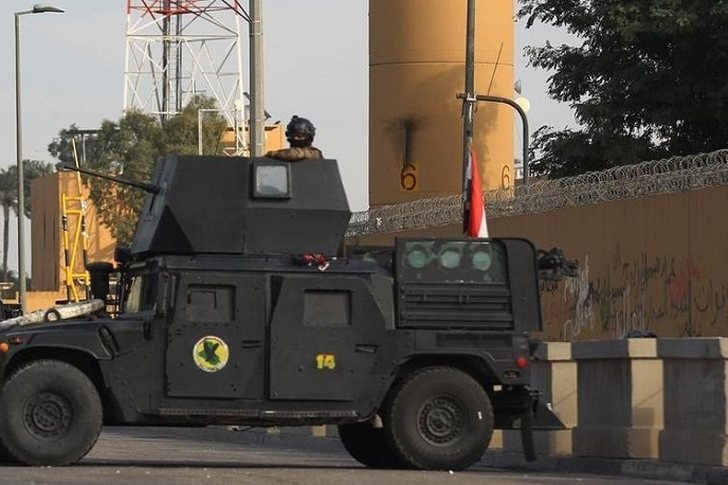
Abu Ali al-Askari, a senior commander and military spokesm...
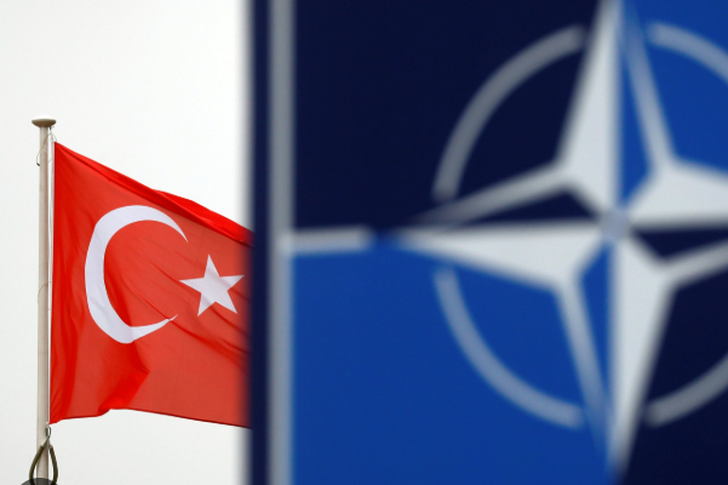
NATO is considering strengthening missile defenses in Turk...
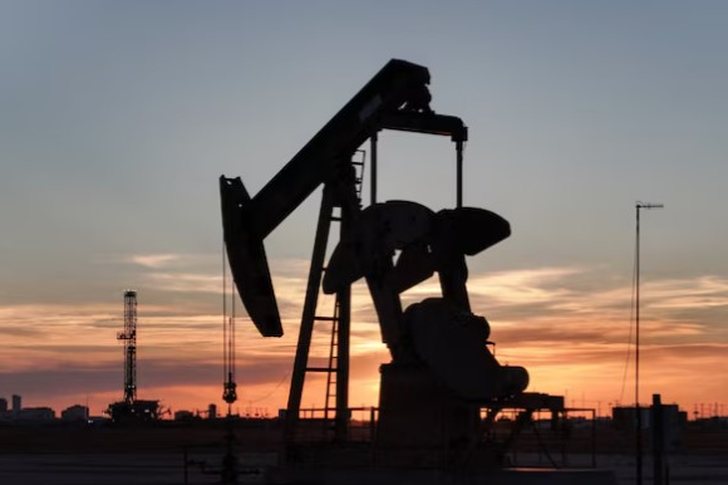
Oil prices fell about 3% on Monday after several ships sai...
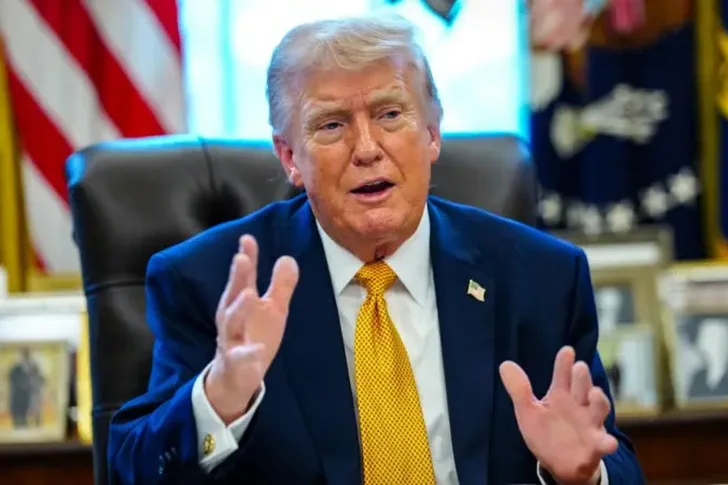
Trump says Iran has reduced its missiles to about 8% and a...
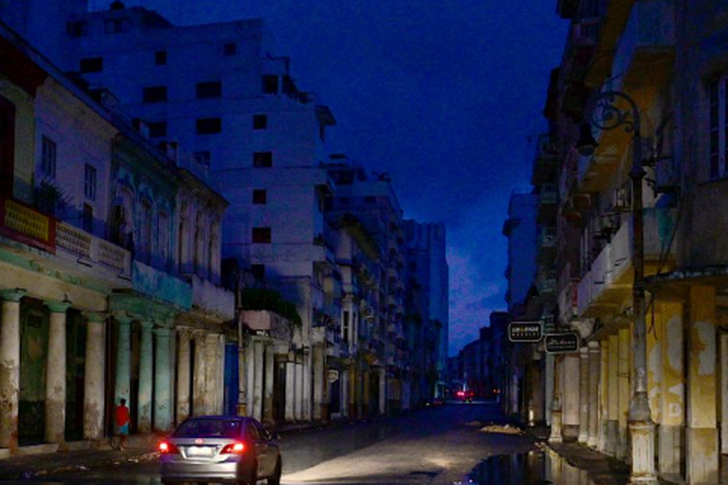
A total blackout occurred in Cuba, leaving almost the enti...
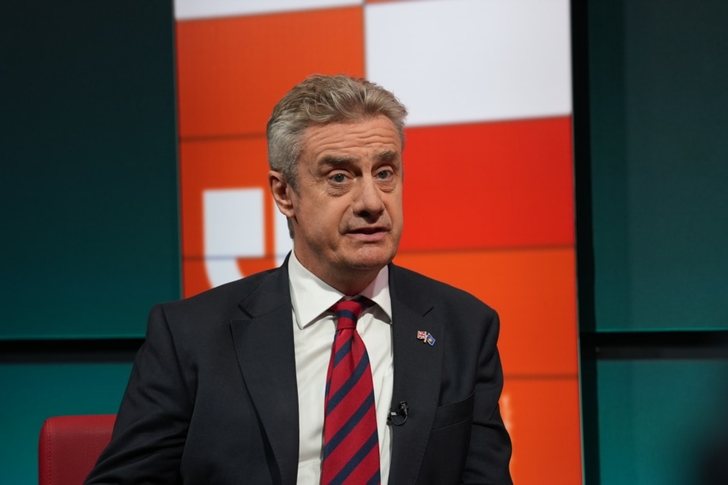
The United Kingdom said it welcomes the agreement reached ...
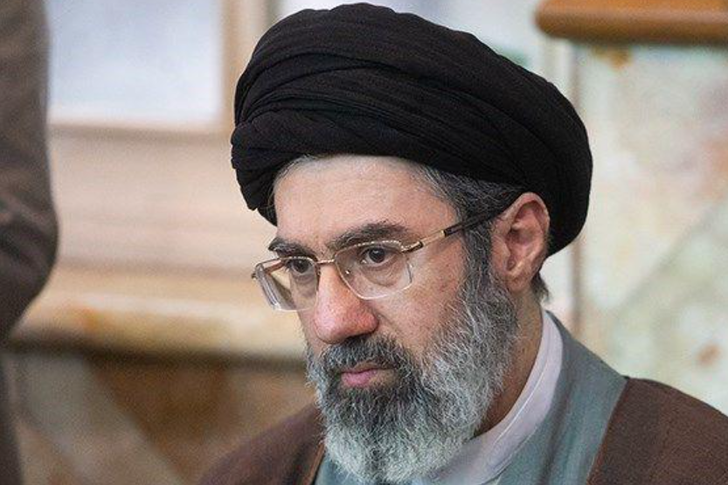
Iran's new Supreme Leader, Mojtaba Khamenei, has instructe...
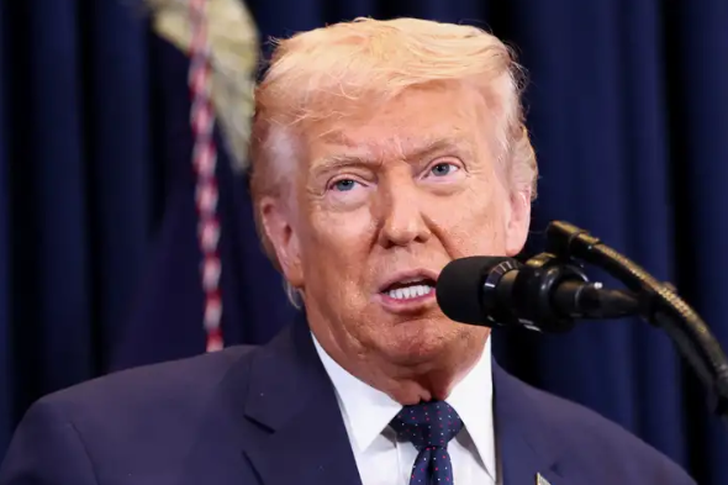
US President Donald Trump declared on Monday that he would...
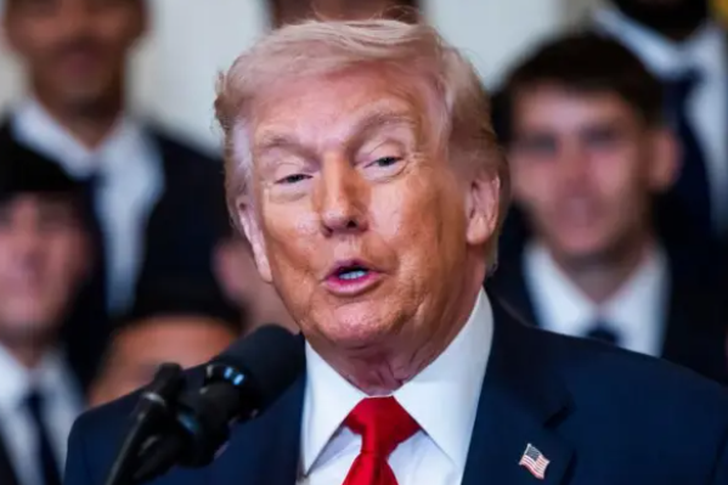
President Trump said at a White House briefing that the US...
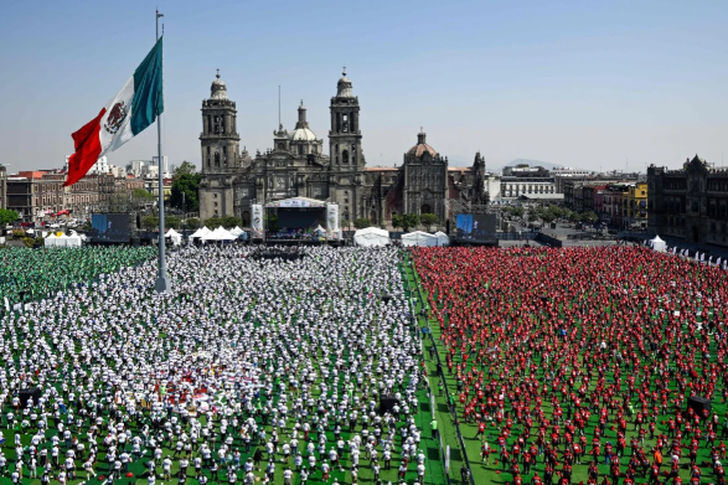
Mexico set a spectacular Guinness World Record as over 9,5...
Foreign media have reported some details that could be con...
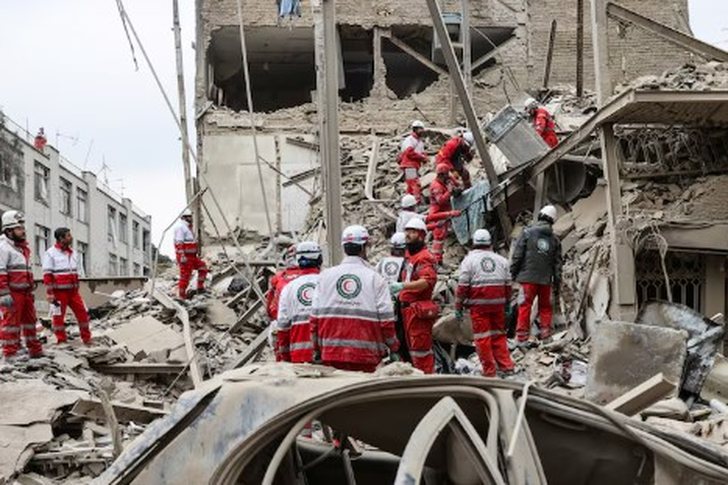
Israel said Monday it has detailed plans for at least thre...
The Prime Minister of Bosnia and Herzegovina's entity, Rep...
Qatar says it has intercepted a second wave of missiles fr...
Israel said today it "destroyed" a complex used by Iran's ...
Russian Foreign Minister Sergei Lavrov has stated that Ru...
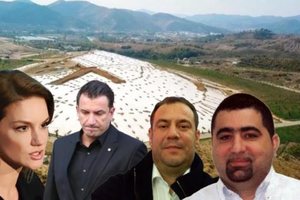
The in-depth investigations that SPAK conducted into Ajola...
SPAK's standards, the way it investigates, how it secures ...

Irfan Hysenbelliu claims to be a big businessman, an hones...

The murder of officer Enea Mekolli in the line of duty has...

The Special Board of Appeal (KPA) decided this Monday ...

The KPA vetting decided this Thursday to dismiss the p...

Suela Salavaçi, a prosecutor in the Prosecutor's Offic...

The Special Board of Appeal reinstated the prosecutor ...
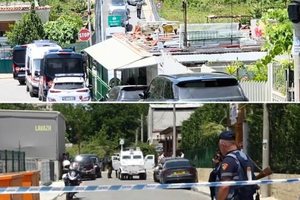
Other details have been revealed from the crime that occur...

Policia e Tiranës ka ndarë pak minuta më parë një thirrje ...

A violent conflict occurred between two people in Velipoja...
The police have reacted to the murder of citizen AB in Kam...

On Monday, our country will be affected by relatively stab...

More than 860 million people fall ill and 1.5 million die ...
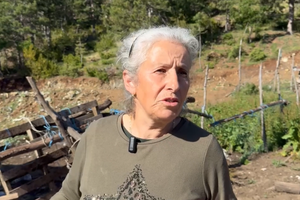
The mother of Violand Braçellari, the perpetrator of the s...

The modern European traveler seeks a meaningful connection...
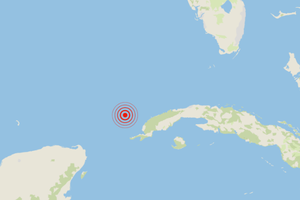
A magnitude 6.1 earthquake was recorded about 118 kilomete...
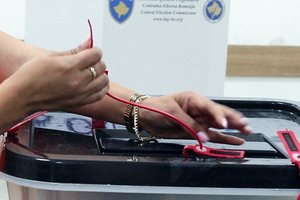
The Central Election Commission (CEC) plans to announce th...
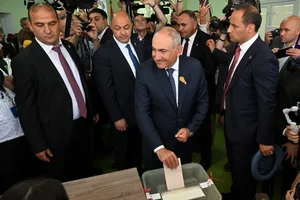
The party of Armenian Prime Minister Nikol Pashinyan has w...
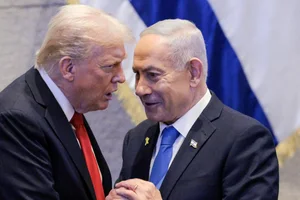
US President Donald Trump held a telephone conversation wi...

Korça has transformed this weekend into the capital of cel...

Korça is ready to open the summer season with one of the c...
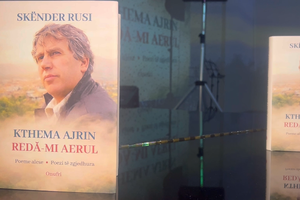
Two years after his passing, the renowned Korçë poet Skënd...

The Ethnographic Museum of Berat has opened its doors to v...
At the end of 2025, for all euro area members, more than 9...
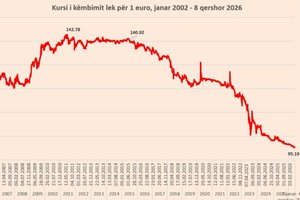
Kursi i këmbimit mes euros dhe lekut e ka nisur javën në r...
The construction sector is going through a challenging per...
This Monday, one US dollar is bought for 81.8 lek and sold...