

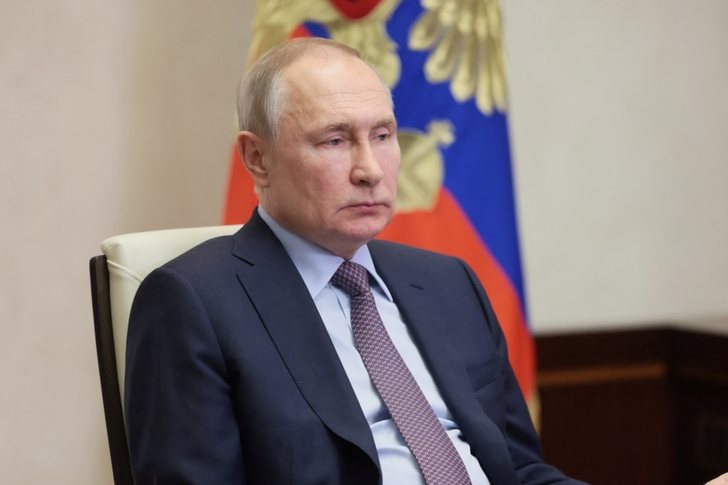
Putin decrees a law that provides life imprisonment for treason charges
Russian President Vladimir Putin signed a decree Frida...


Russia is to blame for the war in Ukraine. Almost 40 percent of Russian-speaking people in Germany share this view. This is the result of a survey commissioned by DW, which was carried out by the demoscopy institute. The respondents were Russian speakers who immigrated to Germany from Russia or one of the other former republics of the Soviet Union, which dissolved in 1991.
The number of Russian speakers who immigrated to Germany after 1991 is not precisely known. A 2020 study by the media service Integration talks about 3.5 million Russian speakers in Germany. Most of them have a migration background from Russia, Kazakhstan and Ukraine. They themselves or at least one of their parents was born there. However, only 61 percent of them had Russian as their mother tongue.
Dimap focused on this group for their survey for Deutsche Welle. Almost two-thirds of respondents in April 2023 said they now had a worse opinion of Vladimir Putin than before Russia invaded Ukraine. 14 months after the start of the war, 22 percent think the image of Russia's president is "rather negative," and almost twice as many said Putin's image is "strongly negative." So we have a total of 65 percent.
"In my private and professional environment I have experienced that people are horrified by the Russian atrocities that are spreading through social media and traditional media," Edwin Warkentin told DW. The head of the cultural department for Russian-Germans at the Museum for Russian-German Cultural History in Detmold also explains how negatively Putin is viewed: "People living in Germany have access to information sources that show atrocities and also call them as such. opposite to those who live in Russia and are informed only by state propaganda".
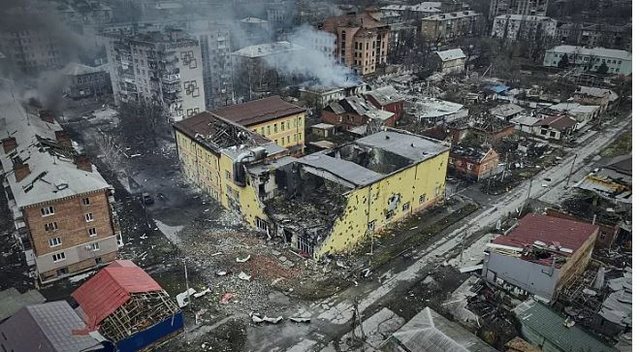
In addition, German citizens with a post-Soviet background make a clear distinction between Putin and Russia. The DW poll found that they are extremely worried about the war. According to the figures almost 80 percent are "very concerned" or "quite concerned". This is probably related to the fact that one in five respondents have family members or acquaintances who have mobilized them as soldiers for the war. From the survey, it is not clear on which side they are fighting.
As for the age group, people over 40 years old feel the most affected, while young people not so much. "I think it's a general, generation-specific phenomenon," explains Warkentin, who himself came to Germany in the 1990s from Kazakhstan. Because when you are 40 or over 40 years old, you have created a family, you have built a life of your own and you worry more about the future than young people.
45 percent, i.e. almost half of the respondents believe that the Russian war of aggression against Ukraine will also have negative effects on the relations between Germans and Russians. This opinion is much more widespread among 18 to 39-year-olds (56 percent) and less so among the over-60 age group. only 31 percent.
When it comes to Germany's relations with the two belligerents, most tend to cooperate more closely with Russia again. In the DW poll, 44 percent are in favor of this, while almost a third advocate greater support for Ukraine.
Half of the Russian speakers in Germany could imagine demonstrating for an immediate stop to the war. 17 percent took to the streets to support Ukraine. In the case of Russia, it would be only half (nine percent). Willingness to participate in a pro-Putin demonstration was even lower, at four percent. But a 20 percent would protest against it.
Most are skeptical about the future. Almost half think there will be no peace in the long run. The answers to the question of who will win the war are roughly balanced. Eleven percent think Russia and nine Ukraine. Just under a fifth expect a diplomatic solution.
Edwin Warkentin recommends that German politicians "take a closer look at surveys and statistical results of this kind". So that everyone understands that the post-Soviet community in Germany is a very heterogeneous group, with a majority socialization in the West German-European society. "This is very important," Warkentin points out, "so as not to create the impression that there is a diaspora here that may have different views on this war and may have conflicting loyalties." Because such a conflict of loyalties would have the potential to disrupt social peace in the country.
Warkentin draws "an important conclusion" from the DW-dimap survey: that the attitude of the respondents to the Russian war of aggression against Ukraine, although they are more emotionally affected, corresponds more to the attitude of the majority of society. "In this respect, I think that results of this kind can also relax and harmonize living together in a migration society."/ DW

Russian President Vladimir Putin signed a decree Frida...
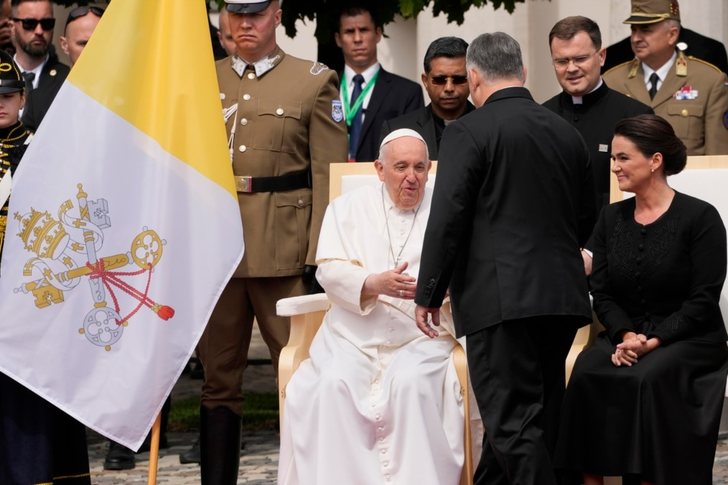
BUDAPEST, Hungary – Pope Francis on Friday criticized ...
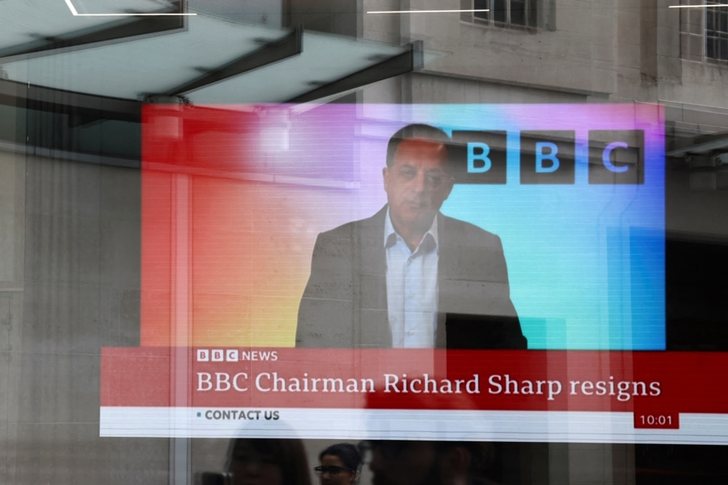
BBC chief Richard Sharp resigned on Friday after an in...
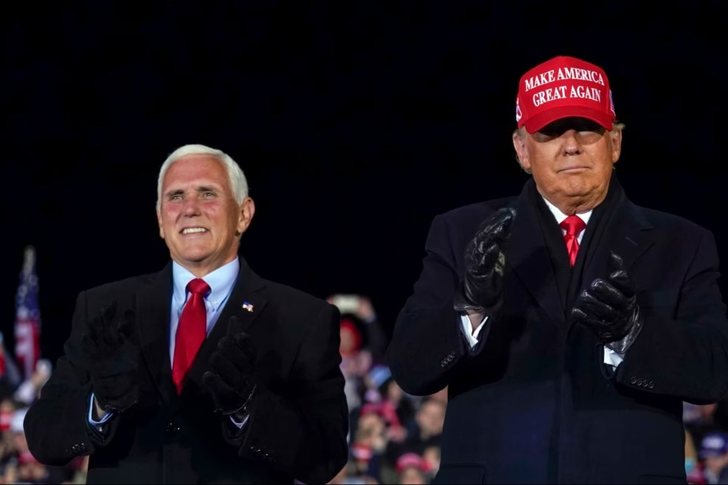
Former Vice President Mike Pence appeared before the g...
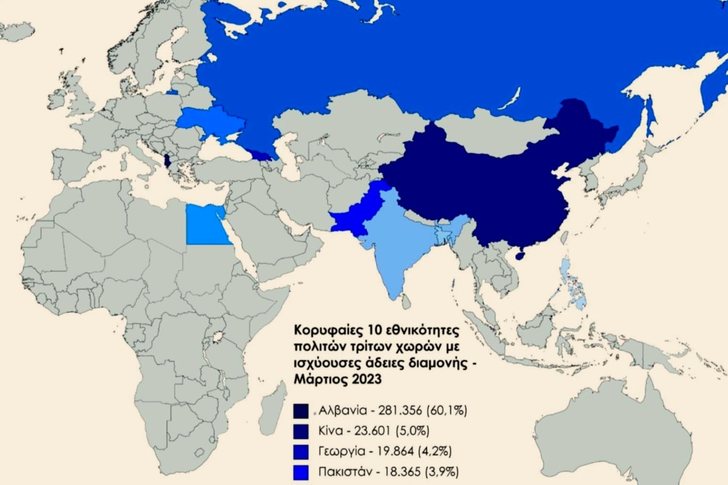
Greece is being evaluated as an increasingly less attr...
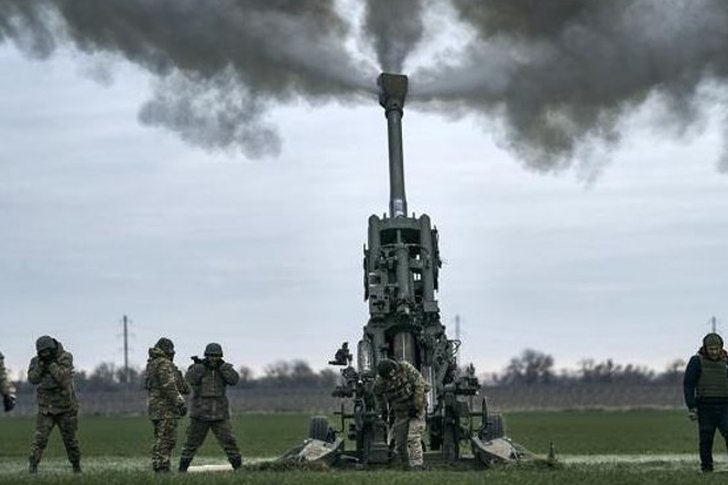
The war in Ukraine has highlighted decades of underinv...
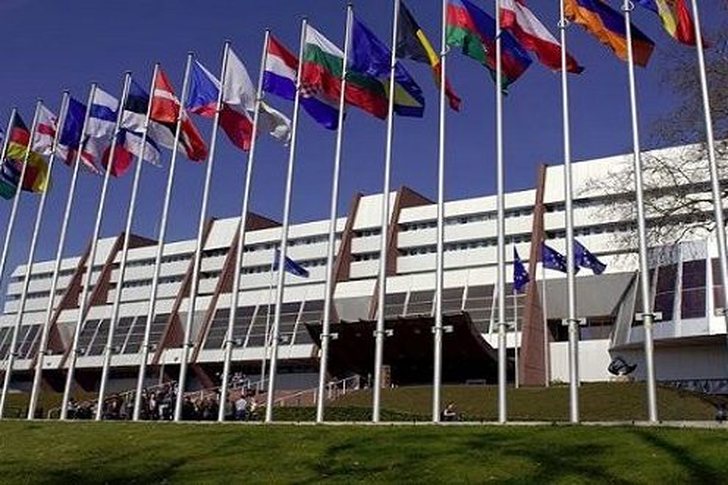
The Parliamentary Assembly of the Council of Europe on Thurs...
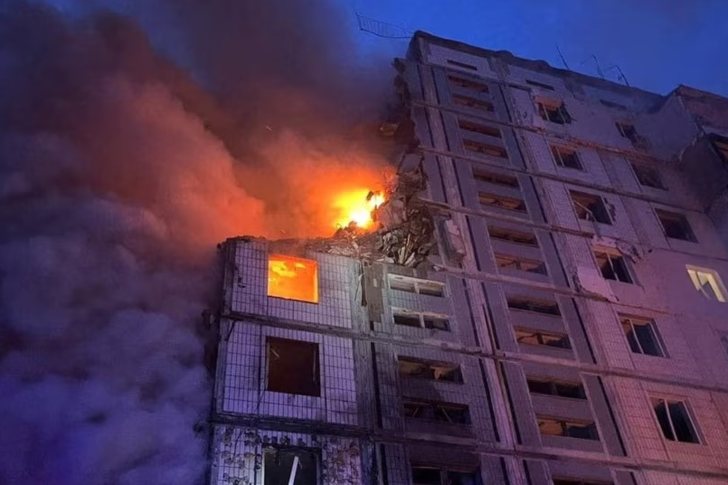
At least five people have been killed in a new wave of...
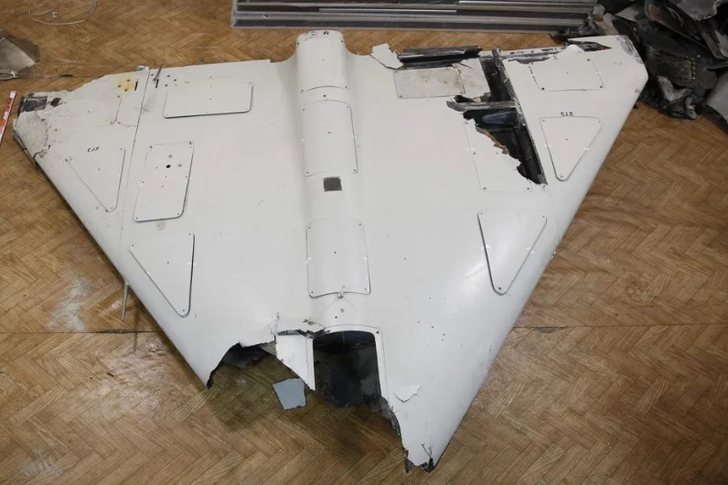
Dronët iranianë të vendosur nga Rusia në Ukrainë fuqiz...
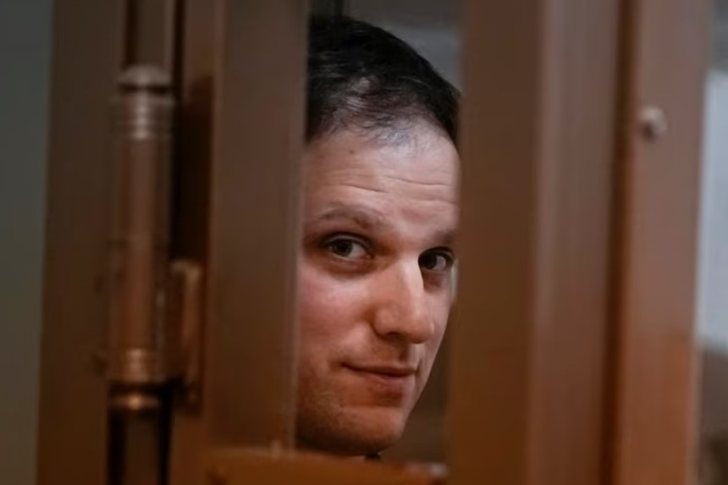
The Biden administration on Thursday announced new san...
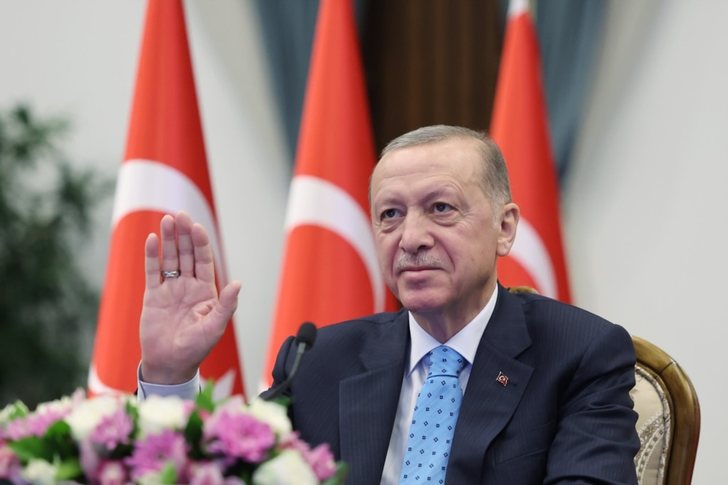
Kjo është shfaqja e parë publike e zotit Erdogan pas një p...
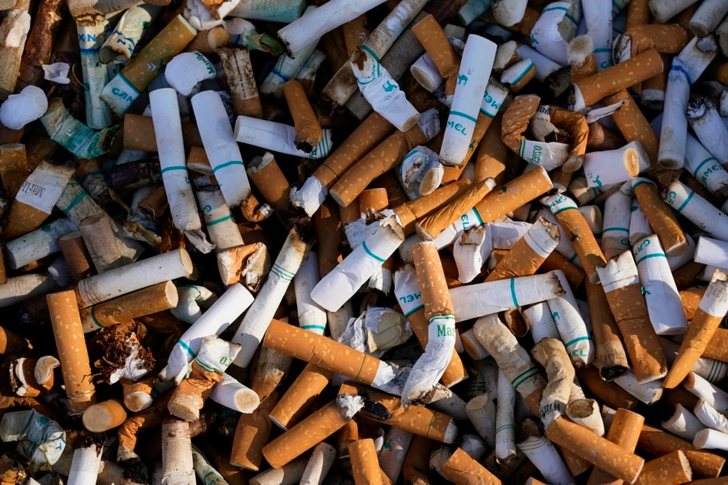
Smoking in the United States hit another historic low last...
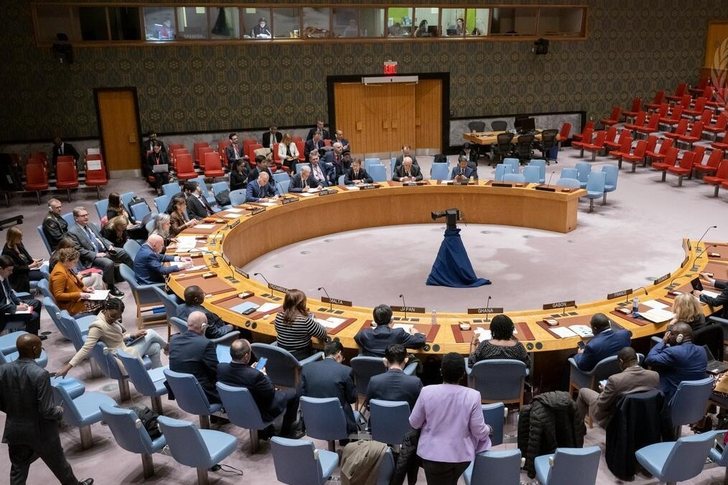
Calls for the implementation of the agreement for the norm...
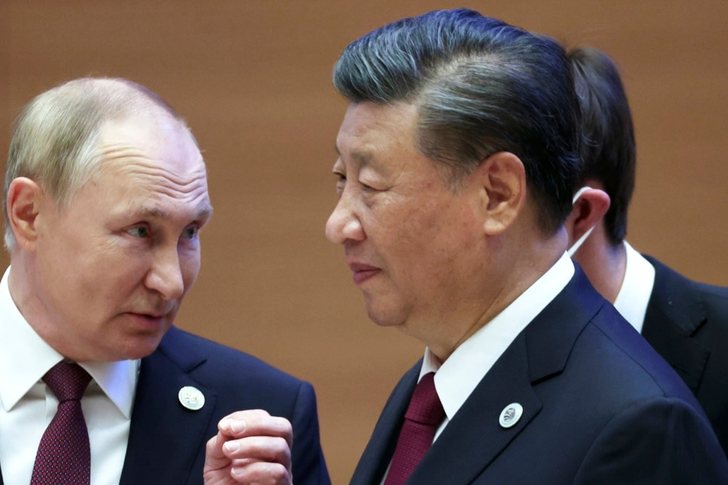
China announced that it will send a special representa...
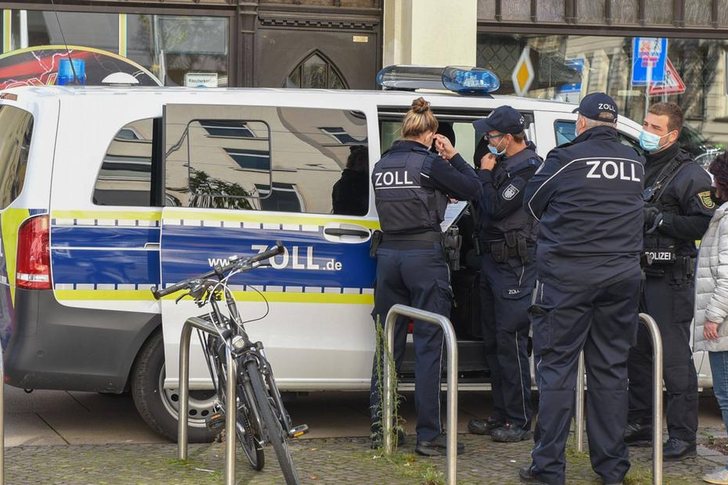
The German customs action on Tuesday was part of a gen...
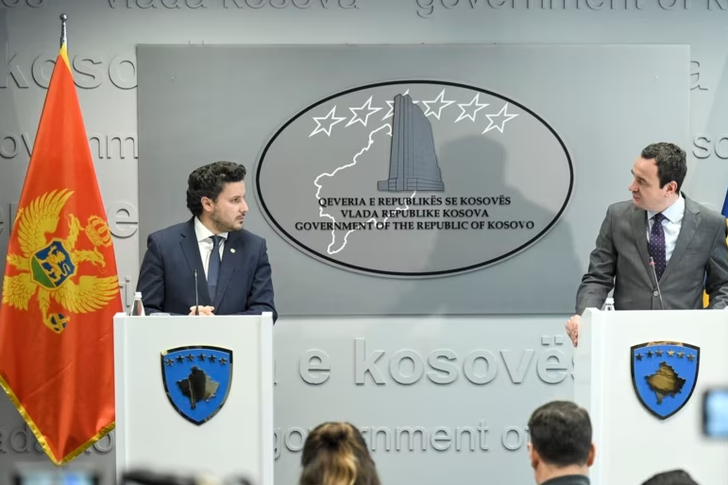
The Committee for International Relations of the Parliamen...
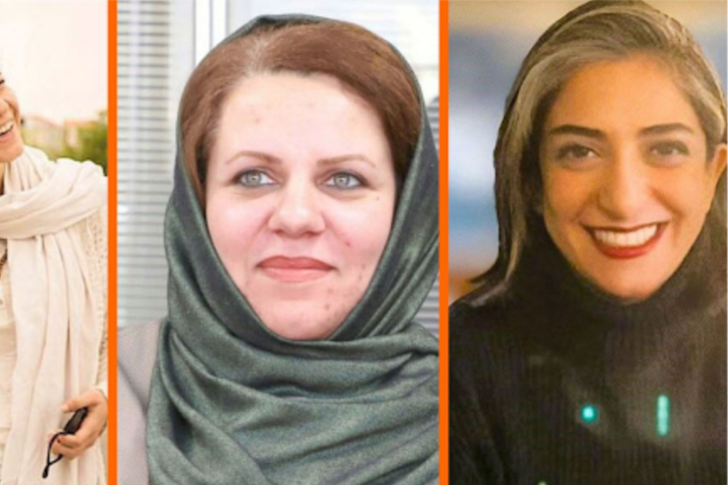
Three prominent journalists from Tehran – Saeedeh Shaf...
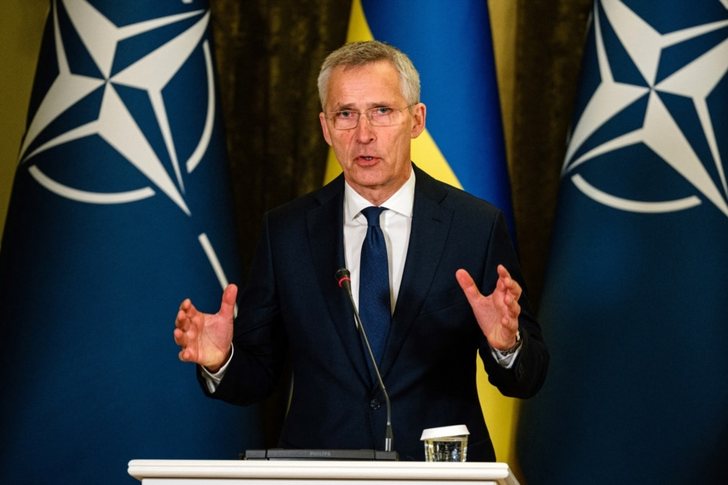
NATO chief Jens Stoltenberg said on April 27 that mili...
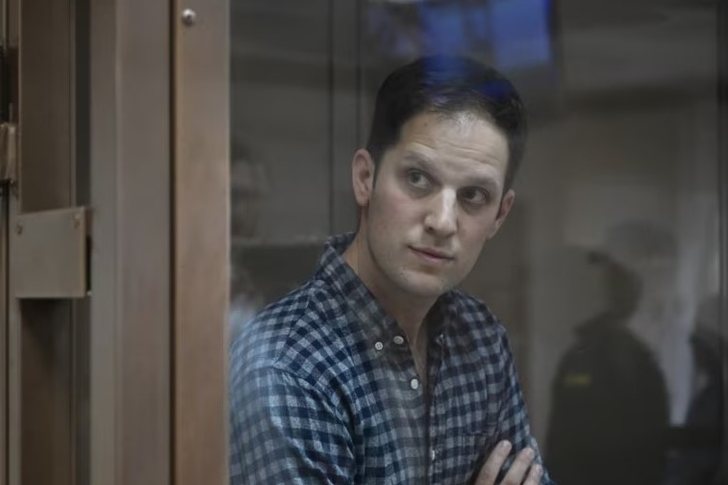
Russia's Foreign Ministry said on Thursday, April 27, that...
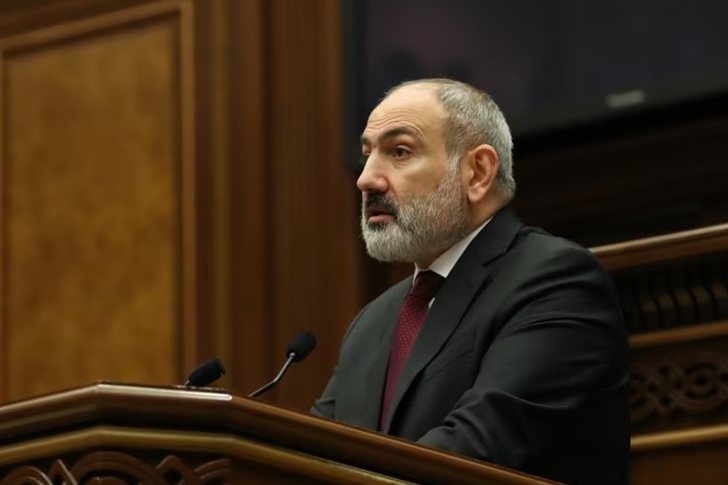
Armenian Prime Minister Nikol Pashinian has called for a g...

For 6 months now, CNA has been sending several letters to ...
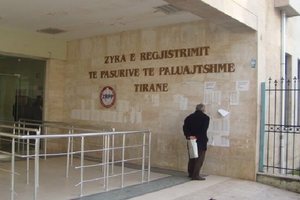
The word "fatherland" with properties is not enough. The m...

The justice reform claimed that it would bring faster, fai...
The Justice Reform and the vetting process were trumpeted ...

The Special Board of Appeal (KPA) decided this Monday ...

The KPA vetting decided this Thursday to dismiss the p...

Suela Salavaçi, a prosecutor in the Prosecutor's Offic...

The Special Board of Appeal reinstated the prosecutor ...
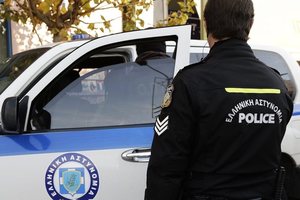
A 44-year-old Albanian, who is suspected of residing in th...
A serious incident occurred this Saturday afternoon in the...
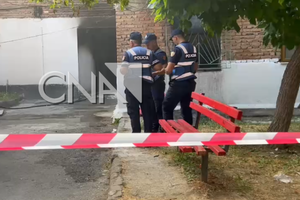
A serious incident occurred this Saturday in the city of K...
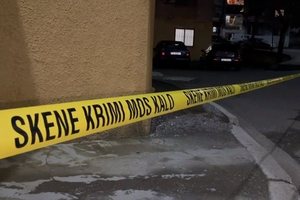
New details have emerged regarding the assassination attem...
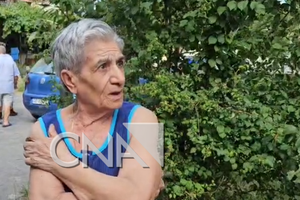
A serious incident occurred this Saturday in neighborhood ...
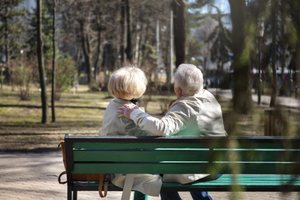
27% of the retirement age population is being pushed inevi...

On Saturday, our country will be affected by stable weathe...
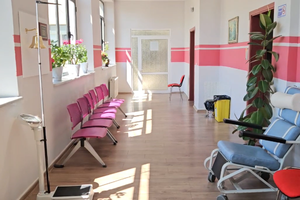
An important investment in the service of patients with tu...
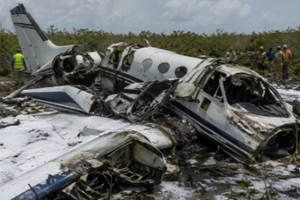
Ten people have died after a Cessna 402 plane crashed in t...
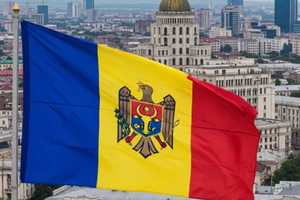
Businessman Vasile Tofan was nominated this Saturday as th...
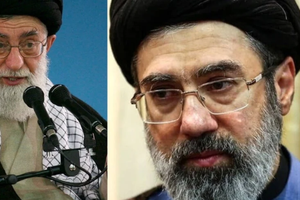
A written statement from Iran's Supreme Leader, Ayatollah ...
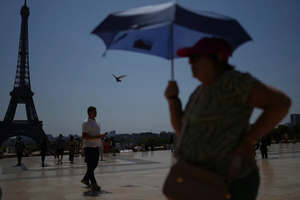
The Eiffel Tower and other Paris landmarks will close earl...
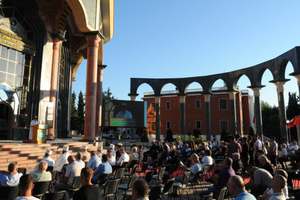
A special scientific conference was held by the World Bekt...
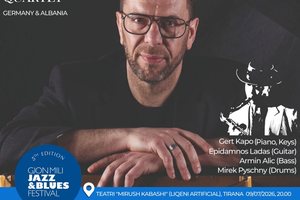
The German Embassy in Tirana has invited the Albanian publ...
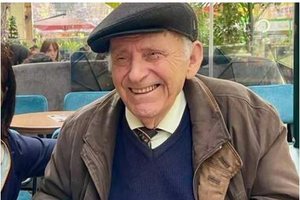
Professor and literature scholar Ali Xhiku has passed away...

During my research into the life and artistic photographic...

The new old-age pensions in 2025 were on average 16,500 le...
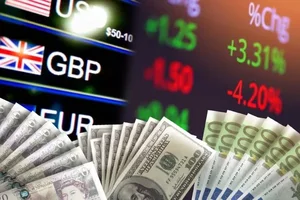
This Saturday, one US dollar is bought for 81.4 lek and so...
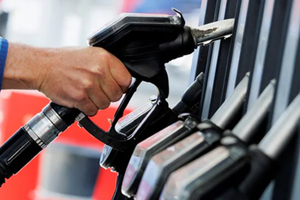
The escalation of the conflict in the Middle East has once...

In addition to food, household appliances, oil, and more, ...