


Trump threatens Iran: We will hit bridges and power plants if you don't return to negotiations
US President Donald Trump has warned Iran of new attacks o...

US President Donald Trump has warned Iran of new attacks o...

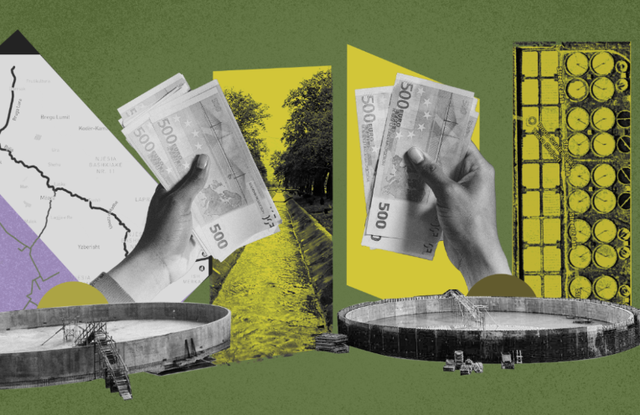
Who sabotaged the 80 million investment that would save Tirana from sewage, the so-called Japanese Project for Greater Tirana.
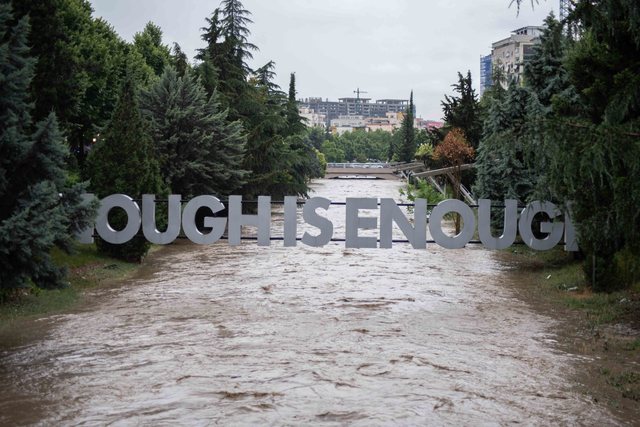
In the middle of Tirana, beyond the "Palace of Arrows" location, the Lana River turns into a whirlpool where all the polluted waters of the capital, both white and black, flow.
The river of human waste pollutes almost the entire western area of ??the capital, ending up in the Adriatic with a frightening chemical and bacteriological load.
The quality of life of the residents who have been fortunate enough to live near this segment of Lana has no connection to the current stage of development of human society.
They are constantly at risk from outbreaks of epidemic diseases, especially during the warmer months of the year, when the stench of human excrement reaches its peak because water in Lana is scarce.
"There is no river in Europe as polluted as the Lana. In fact, it is so bad that when we measure the bacterial load, the pollution level is beyond the maximum that the instruments can accept," Aleks Miho, Professor of the Department of Biology at the Faculty of Natural Sciences, confirmed the situation to BIRN.
The government fell into the trap of solving the situation with Tirana's polluted waters back in 2008, when the Japanese Government helped with a soft loan to finance the first phase of a treatment plant that would process it.
The enthusiasm was great. Finally, Tirana could be called a European city.
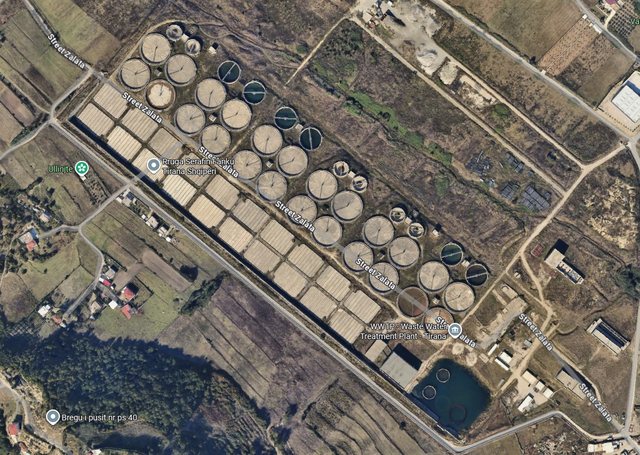
Works began on June 16, 2014. The treatment plant, according to the study by the Japanese and Albanian consultant, was determined to be built deep in Kashar, where the terrain allowed.
The winners of the tender for the Work Contract were the merger of the Japanese company "Kubota Corporation" and the Italian company "Costruzioni Dondi", with a contract value of approximately 81 million euros.
A year or so later, on January 14, 2016, Erjon Veliaj, the Mayor of Tirana, during a visit to the plant, called it an ambitious project, the largest in Southeast Europe, that would also avoid infection for those who went to the beach over there, in Durrës.
"The project will benefit 350,000 residents of Tirana, that is, half of the official population... ...the project to clean up polluted waters in Tirana has been thought of since 1960. Despite all the impatience for these projects to move forward as quickly as possible, I believe that it has moved faster in these two years (2016-17), with this project, than in the last 50-60 years" - Veliaj declared confidently.
Initially, the project went smoothly. From 2014 to 2017, about 67 percent of the investment was realized on the ground.
But, after the victory of the Socialist Party in the 2017 elections, the situation with the much-vaunted project changed.
The project leaders, those who had followed it from day one, because some were part of the Socialist Movement for Integration Party and some others were freelance professionals who did not compromise with their work, are leaving, some with forced resignation, and some with a dismissal order.
Albens Alite, the project coordinator at the time, the only person connected to this issue who agreed to speak to BIRN, said that, with the departure of the old staff, everything started to go very wrong.
"I don't know for what reason, but I say with responsibility that the new staff did not continue the project with the same desire and dedication. The new project director did not know a word of English - the language in which we communicated with the Japanese, but also the language of the endless documents that reflected the euro of the contract. Thus, the volumes of works for 2018 dropped to the lowest level, only 5 percent completion, while a year earlier, in 2017, when our staff was leading, they were 20 percent" - explained Alite.
This situation continued until July 4, 2018, when Mr. Arben Skënderi, in his capacity as the new General Director of the National Water Supply and Sewerage Agency, notified the contractor, through an official communication, signed by him, of the termination of the contract.
By this time, the works had been completed by about 70 percent, or 56 million Euros, while the Japanese Government had approved an extension of the deadline for the loan agreement, until October 24, 2019.
Project Director, Arben Skënderi, also Director of AKUK, when asked by BIRN why they decided to terminate the contract and whether the legal obligation to consult with JICA (Japan International Cooperation Agency) about the decision had been fulfilled, preferred not to answer.
Meanwhile, Damian Gjiknuri, former Minister of Infrastructure and Energy, who spoke to BIRN, said: "The decision (to terminate the contract) is motivated by the failure to implement the contract. This means that the termination of the contract is not a violation, but the implementation of the contract."
The interruption of the project occurred just as the work was nearing completion and when many were thinking about the inauguration ribbon-cutting ceremony.
"To my knowledge, the works were interrupted at a time when an additional 10.5 million euros were needed for the works to be finalized. At this time, it was anticipated that the plant would start operating, at full capacity, in 2019," former coordinator Albens Alite told BIRN.
In reality, the plan to terminate the contract had begun a few months earlier, in March 2018, when the Ministry of Infrastructure, based on an audit requested by Minister Damian Gjiknuri, sued the senior project managers, at the Serious Crimes Prosecution Office, for "abuse of office in collaboration" by communicating to the media a damage of 21 million euros.
Immediately after the accusations were published, on March 30, 2018, Mr. Ardian Alushi, the former director of the Project, who was accused of "abuse of office", reacted furiously in the media.
According to him: "The political audits of the Ministry of Interior, initiated by Minister Damian Gjiknuri, are simply services for bosses who want to hide their true corruption... The 'blessed' political trials show nothing more than the current misery of the administration that is now the prey of a witch hunt in the name of justice."
According to the criminal complaint, addressed to the former General Director of the National Water and Sewerage Agency, Mr. Ardian Alushi, and two former project coordinators, Mr. Klevis Biçaku and Mr. Albens Alite, the damage of millions of euros was caused for two reasons.
Firstly, due to the increase in construction costs, as a result of the effect caused by the price adjustment formula. In other words, during this period there was an unstoppable depreciation of the Yen - the Japanese currency in which the loan was granted - against the Euro.
"The only option in this situation to cover the cost of the project was to ask the Japanese Government to increase the amount of this debt by approximately 10.5 million Euros (which was missing due to the depreciation of the Yen). JICA was willing to assist in this procedure, giving its approval, on the condition that this official request be made at the end of the project, when the funds of the old agreement had been exhausted" - explains the former coordinator Mr. Albens Alite.
Secondly, according to the audit, the damage was caused due to the failure to submit for discussion, analysis and decision, to the AKUK Technical Council, the problem caused by the landslide near the Kashari plant.
"This accusation also does not hold up, as the costs from unforeseen phenomena were covered by the amount allocated in the project's Contingency, reflected in the contract in the 'variation orders' section" - explained the former coordinator Mr. Albens Alite.
The Tirana Prosecution Office, after the file was transferred "for jurisdiction" from the Serious Crimes Department, did not rush to take preventive measures against the 3 defendants, whom it investigated while they were at large.
The prosecution was right to take its time. After a months-long investigation, they concluded that “the actions of the employees of the General Directorate of Water Supply and Sewerage do not reveal elements of the criminal offense of 'abuse of office'”.
The decision of the Tirana Court, dated October 5, 2018, which certified the findings of the Prosecution, states:
“At the end of the investigations... it is concluded that no elements of the criminal offense of 'Abuse of office' or any other criminal offense by the DPUK officials have been found. Every action of the DPUK officials has been authorized and approved by the Japan International Cooperation Agency and (the Japanese Development Bank), as authorities provided for in the agreement for the supervision and approval of tendering and money transfer procedures. No actions have been committed by the defendants in violation of laws and bylaws, such as to form the elements of the criminal offense of 'Abuse of office'... In the absence of unlawful action or inaction, as a necessary element of the objective side of any criminal offense, the criminal case should be dismissed.”
So, even according to the court's decision, the Albanian project leaders, starting with the Project Director Mr. Ardian Alushi, had in no case acted outside the legal terms and in no case had they acted on their own initiative, but only with the consent and under the supervision of the Japanese JICA, based in Belgrade.
A year after the project was discontinued, in the October 2019 audit, the Supreme State Audit Office not only aligns itself with the findings of the Tirana Prosecution Office, but goes further.
The SAI also lists a number of errors, with serious consequences, committed by officials of the Ministry of Infrastructure and those of the General Directorate of the National Water, Sewage and Waste Agency.
According to the audit, "The contract termination was made unilaterally by the MEI, through the AKUKM, in violation of the financing agreement and the terms of the contract concluded with the contractor. The MEI and the AKUKM did not receive prior approval from the financier - the Japanese Development Bank - JICA - for the termination of the contract."
According to the SAI audit, the Ministry of Interior and the Ministry of Construction and Public Works not only made a mistake in terminating the contract, but they themselves are to blame for the delays because they "...did not take into account the suggestions and remarks made by the Disputes Council regarding the lack of space to carry out the works, the lack or excessive delays in payments in blocking amounts to the contractor, delays in the liquidation of VAT and payments of situations, the lack or significant delays in cooperation regarding obtaining permits, approvals of works, etc."
In conclusion, the SAI writes that the termination of the contract was wrong, textually:
“… from the audit on the legality of the reasons on the basis of which the termination of this contract was justified, it was found that the Contractor has fulfilled all contractual conditions, contrary to what is claimed in the letter of the AKUKM no. 2004, dated 04.07.2018.”
Likewise, the SAI audit concludes that "the act on the termination of the contract and the reasons justifying the termination do not stand and are in contradiction with the terms of the contract and the financing agreement, referring to point 20.2, the general terms of the contract".
To clarify a little further, the decision to terminate the contract was made without any contact and approval from the Dispute Adjudication Board.
"The Dispute Resolution Board is provided for in the contract. Its three members are paid 'full time' by the project, but no one took the trouble to gather them and ask them. The board members are like first instance judges in assessing the parties' claims. Initially, the entire dispute should have passed through the Board's sieve, as it could have been the case that they could have agreed there, avoiding the termination of the contract and further consequences," explains former coordinator Alite.
Arbitration Claim
But there is even worse. During 2018, since the contract termination was done unilaterally, i.e. without prior approval from JICA, the contractor "Dondi-Kubota" sued the Albanian state in the Court of Arbitration, International Chamber of Commerce, London.
The amount claimed, as compensation for the companies' losses, was even greater than that of the Japanese loan - a full 90 million euros.
The own goal that the Albanian state employees had scored against themselves was so childish that on the OPEN DATA website, based on a report by the Ministry of Finance on outstanding obligations, it is written literally: "The termination of the contract was done unilaterally by the Ministry of Finance through AKUK, in violation of the financing agreement and the terms of the contract concluded with the contractor."
Recognizing the situation, in the October 2019 audit, the SAI warned that the Albanian state could lose the trial, stating: "Considering the illegality of the unilateral termination of the contract, it is very likely that the contractor will win this case..."
Further in the same audit, the SAI, based on Dondi&Kubota's lawsuit in Arbitration, writes that the contractor is seeking 55 million euros from the loss of work performed and payments to the Contractor, plus 10 million euros for the consultant's (supervisor's) payments, plus another 20 million euros due to "termination of the contract in the conditions when the Contracting Authority did not make the sites available and did not pay according to the contract."
According to the ALSAI, the damage will be greater, as there will be additional expenses as a result of the degradation of the completed works, expenses for the security of the facility, expenses for lawyers' fees, court expenses, etc. According to the ALSAI, the interest on the loan granted by the Japanese Government will also be added to the account, which will be paid for an investment that has not been completed.
The London court will issue a ruling in 2023. As everyone expected, the decision obliges the Albanian Government to pay damages of 13.5 million euros to the Dondi-Kubota merger, as well as another 2 million euros for legal costs.
"In the decision of the Arbitration Court, it only recognized the last works that they had performed, and they were not paid the invoice. The court dismissed the claims for damages from the termination of the contract and the lost profit, etc. It was the best possible result. ...if this is the case, the state has won and not lost. This confirms the correct decision of the MEI on this contract, as the contractor had violated the terms of the contract," former Minister Damian Gjiknuri argued for BIRN.
Real damage
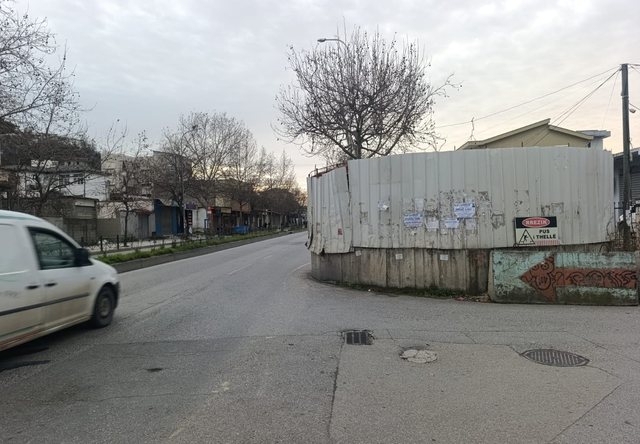
Today we are at the beginning of 2026. Since the decision to unilaterally terminate the contract, in July 2018, 7 and a half years have passed, the deep and dangerous wells of the Project - on the road leading to the "Kombinat" neighborhood, continue to be seen as the consequences of some mental anomaly, Tirana's sewage continues to flow into Lana, the residents of the capital continue to live among feces, the Albanian state is paying a 13.5 million euro fine from the Arbitration, which exceeds the amount needed to complete the Project's works... it continues to repay the installments of the Japanese loan, meanwhile the equipment, tens of millions of euros "Made in Japan", of the plant, is rusting...
The damage was also predicted by the 2019 audit of the Albanian Supreme Audit Institution, according to which "there is a possibility that the works carried out so far will be completely amortized. The Contractor's site is completely abandoned (not dismantled). The works have been left in the middle. In the rush to get the Contractor out of the site, conservation works such as the insulation of concrete and iron, the closing and plugging of manholes, the arrangement of areas with a risk of landslides, the closing of microtunnel wells, etc. have not been carried out. The structures are at the mercy of weather conditions, water, mud, sun and vegetation. Furthermore, during this period, maintenance services such as cleaning the channels, maintaining the drainage network, turning on the pumps to maintain the completed sewage network works, etc. were not carried out either. Also, the microtunnel works, being unconnected, there is a possibility that the manholes will move, losing their quota and to fall out of use..."
But the loss, according to former project coordinator Albens Alite, is even greater.
"I say this responsibly. Satisfied with the cooperation with us, the JICA mission had repeatedly told us that if additional funds were required to complete the project, or to finance a second phase of it, in order to treat the remaining part of Tirana's polluted waters, i.e. additional treatment for more than 350 thousand other residents, they, the Japanese, were ready to provide the funds at the same very low interest rate and to assist in the procedural paths that we had to follow with the Japanese Government to benefit from them."
Efforts for a solution
Left with their hands up, without a plant and with heavy financial bills, the Albanian Government began negotiations with the Japanese Government with the aim of finding a solution for completing the project.
Contacts with the Japanese were declared on April 30, 2023, during a television interview, by the Mayor of Tirana, Erjon Veliaj, who apparently had insufficient information, especially regarding the criminal investigation and its outcome.
"The government of Berisha and Meta, at that time, took a loan and spent all the money, doing only 30 percent of the work, which is the famous Japanese grant. For that, half of Ilir Meta's party and part of Sali Berisha's party were arrested and some are still in prison. So how can 90 percent of the money be spent with 30 percent of the work?...
We have contacted the Japanese Government, the Prime Minister and I, and we have negotiated a possibility, an option, to tell them what happened - what happened, but after the court's decision, we are prepared, with the Japanese government, to make an addition to the grant, to complete this work...
"Minister Balluku has been a promoter of what should be paid by us, to make a reassessment of the part that has been invested. So, we hope that the court will unblock it."
This statement shows that the heads of state, those of 2023, were/are regretting the termination of the contract and, apparently, have managed to convince the Japanese to continue the contract.
JICA itself - the Japan International Cooperation Agency - responded to BIRN's interest, clarifying that "The project continues and the loan is valid."
The culprits still unnamed
At this point, when our government leaders spent time and effort begging, or kneeling, the Japanese to return, the simplest question would be: Why did we Albanians rush to halt the project?
Why did the Ministry of Infrastructure and Energy (MIE) rush to unilaterally terminate the contract for the project?
In his communication with BIRN, former Minister of Interior, Damian Gjiknuri, admitted that “13.5 million euros of the Arbitration fine were invested (in the project) and belong to (the employees)”. But there is a problem here. The former minister admits that the contractors have taken their revenge, but then what is the crime, or the excess of justice, that pushed him and his people to terminate the project?
"It could have been irresponsibility, laziness, or ignorance. It could have been stupidity or party revenge, but in no case was the termination of the contract with the employees who were carrying out this project logical. I say this last one with complete certainty," explains the former project coordinator, Albens Alite.
According to Alite, "the employer has the right to terminate the contract unilaterally only when the contractor has low performance and in the case when he, the employer, has fulfilled all his contractual obligations towards the contractor. Otherwise, the fault lies with the employer. Moreover, before terminating the contract, the employer must also calculate the eventual cost of terminating the contract and have a clear and urgent plan for replacing the contractor. They did all of this wrong and this is very serious."
This is the story of the 7-year blockage of investment in Tirana's wastewater plant, a story that tells how state officials, those paid with budget money, which comes from the pockets of Albanians, not only blew up a golden opportunity to save Tirana from polluted waters, not only sent the realization of the remaining part of the project to the Greek calendars, not only drowned Tirana with organic human waste, not only sentenced the Albanian state to a total of 15.5 million euros in the Court of Arbitration, but also expelled the Japanese who promised to finally solve the entire problem of polluted waters of the Albanian capital.
But, even though there is a clearly visible group of culprits, the blame has remained orphaned and with no one responsible for the interruption of the project and the economic damage caused to the state, at a time when the investigation found nothing illegal in the work of those accused of abuse of office.
"Apart from politics, left or right, urgent intervention is needed. Because the chemicals in white water, the solutions used to wash clothes, dishes, and more, penetrate and destroy the composition of the soil. And the soil begins to produce cancer. Cancer, which settles in the plants that feed livestock, meat, and milk. To make matters worse, near this segment of Lana, there are several businesses that take non-alcohol drinking water from the depths of the earth. We are all at risk," says Professor of the Department of Biology, Aleks Miho.
But even the Japanese from JICA - the Japan International Cooperation Agency, in their response to BIRN, write that the purpose of the project is related precisely to environmental pollution:
"This project aims to improve the quality of groundwater and rivers... It is expected to contribute to improving the sanitary conditions and home environment of residents of the surrounding areas..."
Today, 7 years have passed since the cessation of works and it will probably be several more, until the completion of the project, which will certainly take time to be reactivated and completed. Cause and effect, we have poisoned and will poison the land, and further the Adriatic, for about 10 years, until the completion of the project.
With this time gone by, if the Japanese had not been expelled, it is likely that the second, promised phase of the project, which envisaged the total treatment of Tirana's wastewater, would have been completed.
Everything happened because someone, at the height of power, thought, at best, to carry out political revenge and, at worst, to delay seeing the project through to the end - a clear and obvious case for launching an investigation into those responsible for the situation.
An investigation that must go to the end to uncover the truth, even if it means accusing all Albanians of committing a state crime, against all tax payers, to receive the first basic human service, which is sewage and wastewater disposal.

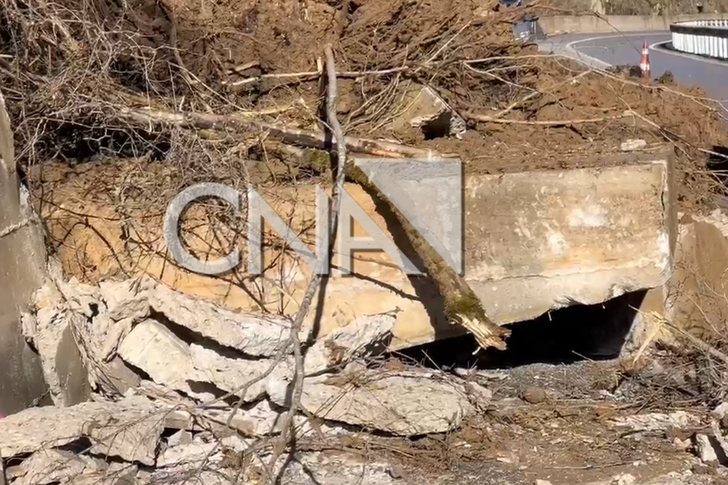
Two days ago, CNA and other media reported the collapse an...
The State Supreme Audit Office's report on the financial a...
CNA has published parts of the final report of the Supreme...
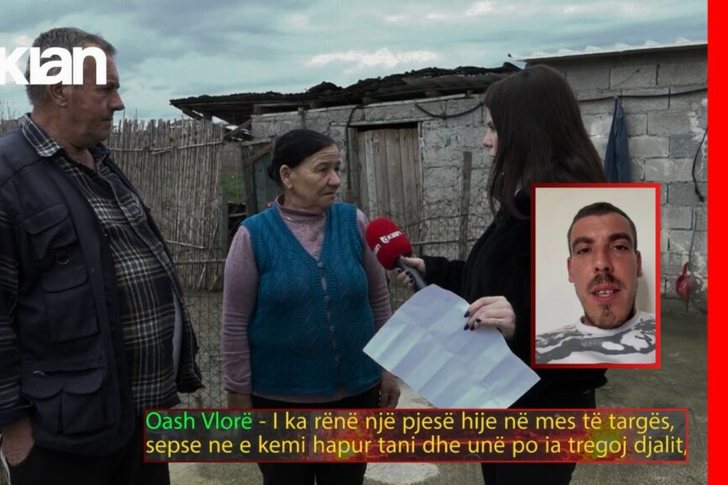
On April 23, 2025, Mentor Krrashi from Sukthi, Durrës, was...
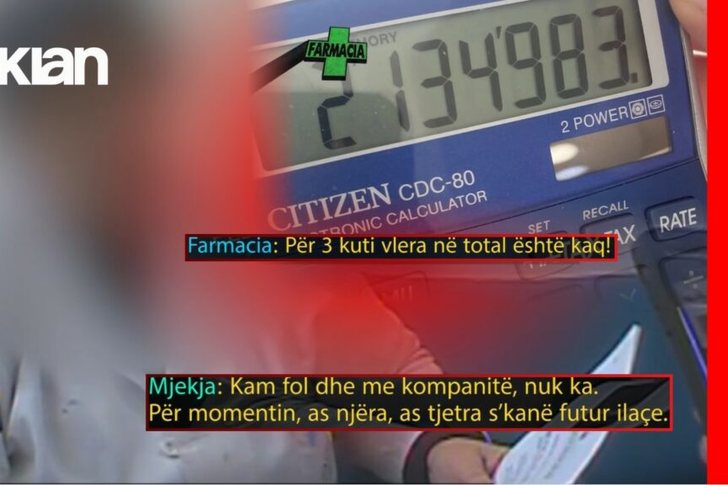
Ziflo Gjonca denounces on the show "Stop" the lack of anti...
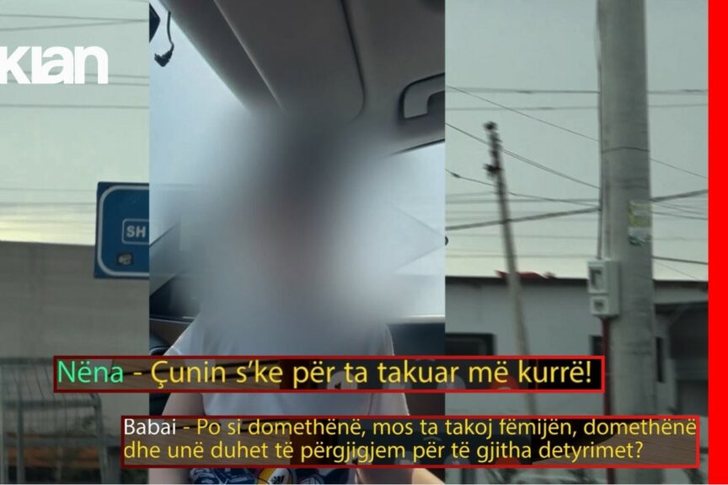
Dritan Mandro, a resident of Fier, has appeared on the sho...
The HSE audit on the availability of drugs for the treatme...
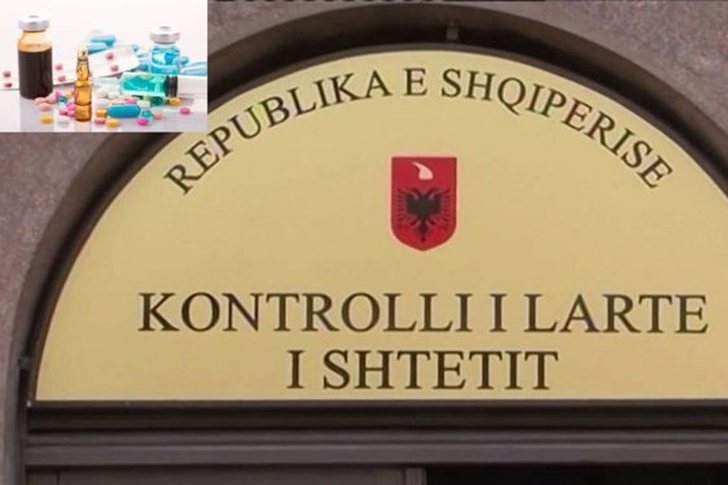
The thematic audit on the availability of drugs for the tr...

Another serious scandal comes to light in the Albanian hea...
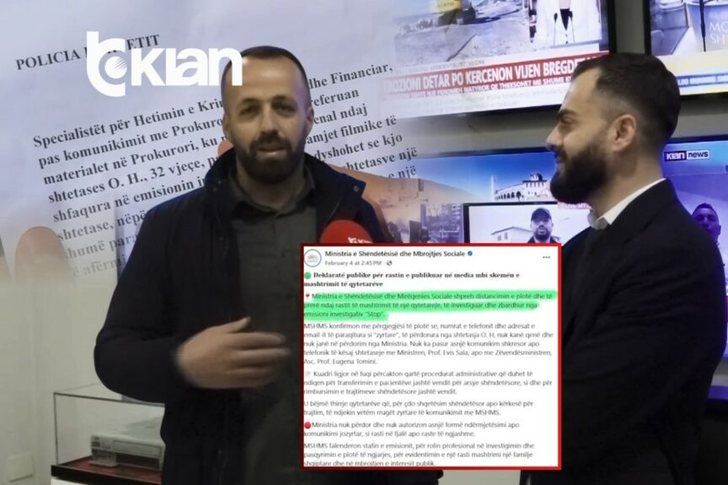
Last week, the show "Stop" on TV Klan broadcast a case of ...
The Supreme State Audit Office's report on the financial a...

Kontrolli i Lartë i Shtetit në një raport për Fondin e Sig...
An audit conducted by the Supreme State Audit Office has h...
At the end of November, Bankers Petroleum launched two mor...
The Supreme State Audit has discovered numerous proble...
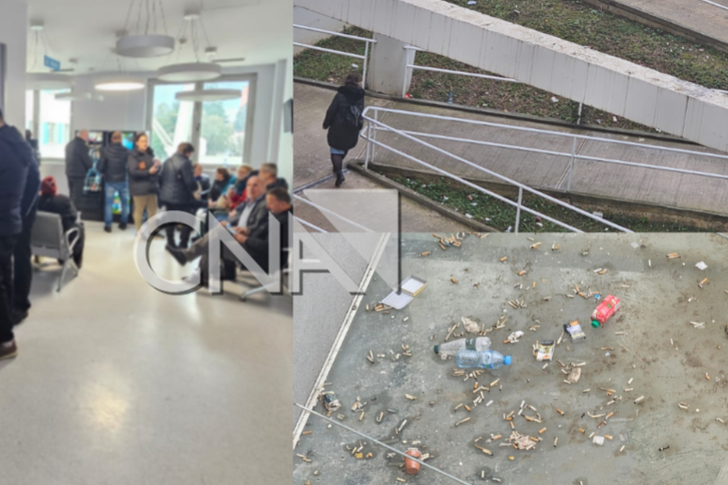
CNA has been conducting an observation for days, from whic...
For years, patients with tumor diseases have encountered n...
CNA conducted an observation in the emergency room of the ...
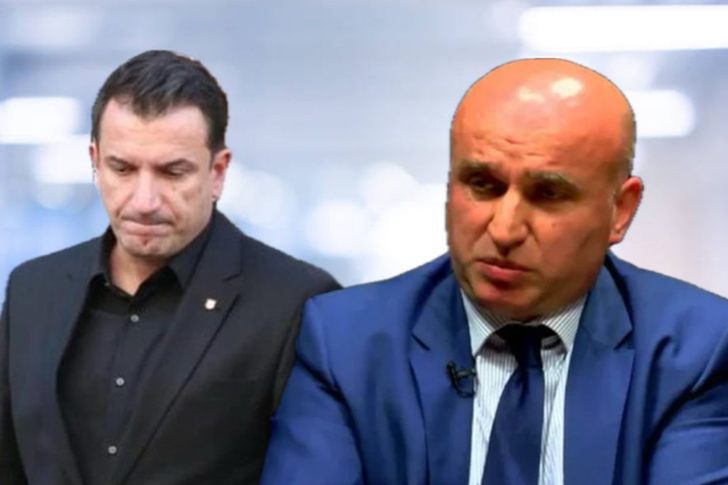
The arrested mayor of Tirana, who is facing 13 charges fil...
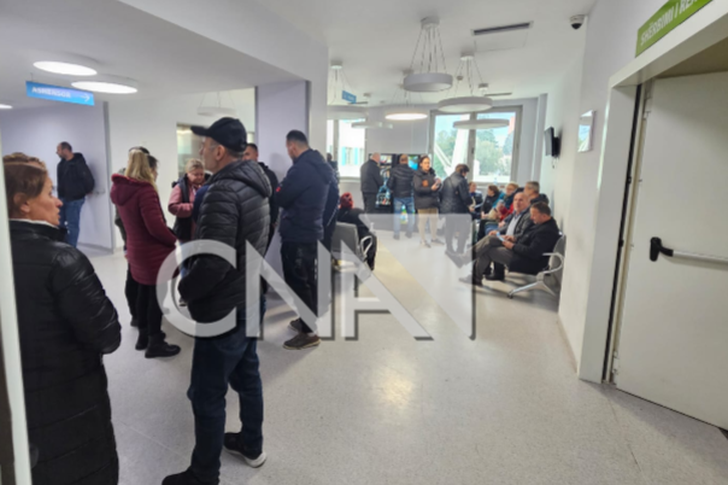
CNA has brought to the attention of public opinion a scand...

Qytetarët që kalojnë pasditen pranë Liqenit Artificial në ...
On the morning of July 7, 2026, the Ministry of Culture ur...
After the disclosure of the portfolio of properties an...

For 6 months now, CNA has been sending several letters to ...

The Special Board of Appeal (KPA) decided this Monday ...

The KPA vetting decided this Thursday to dismiss the p...

Suela Salavaçi, a prosecutor in the Prosecutor's Offic...

The Special Board of Appeal reinstated the prosecutor ...
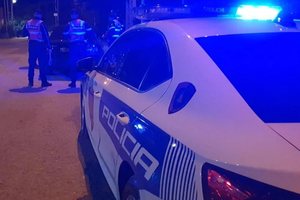
An accident occurred this evening in the village of Vranis...
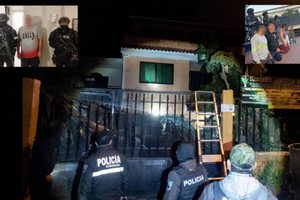
An operation carried out by the National Police and the P...
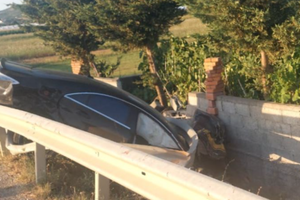
The police have issued an official response regarding the ...

A serious accident has reportedly occurred on the Cërrik-M...
Today, our country will remain under the influence of stab...

The latest report compiled by the European Transport Safet...

The Albanian woman is on average 2 years older than the Al...

The number of theft-related crimes has increased following...
US President Donald Trump has warned Iran of new attacks o...
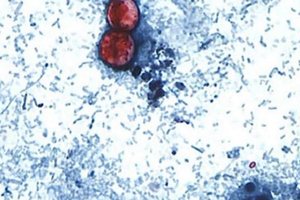
An outbreak of the parasitic infection Cyclosporiasis has ...
Kosovo has declared Serbian Minister Snezhana Paunovic an ...
European Commissioner for Enlargement, Marta Kos, has resp...

Master of humor Todi Llupi has passed away at the age of 7...

The ninth edition of "MIK Festival" kicked off with one of...

A historic evening for Albanian culture was marked in the ...

When I turned 10, another building was built in front of o...
Albania, along with other Western Balkan countries, risks ...

Over the last 35 years, Albania has consistently faced a n...

This Wednesday, one US dollar is bought for 81.3 lek and s...

The number of foreign exchange offices declined in 2025, f...